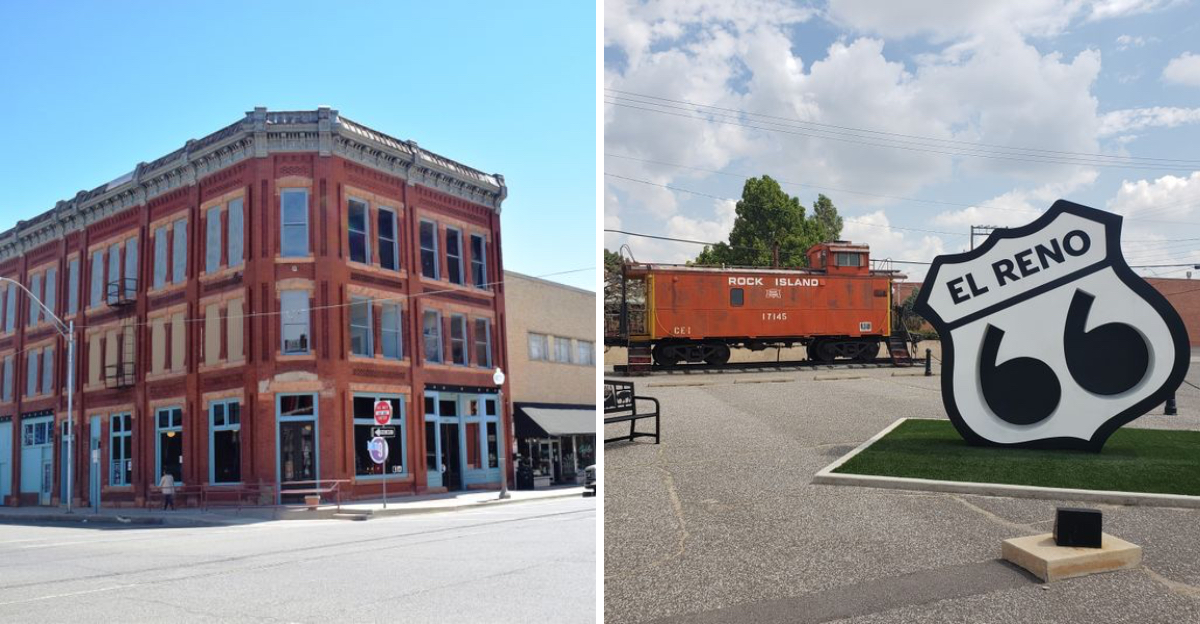
El Reno sits in the heart of Oklahoma, a small city with a big story to tell.
What first appears to be a quiet crossroads reveals layers of history the closer you look, from brick-lined streets to landmarks that have weathered more than a century of change.
Founded right after the famous 1889 Land Run, this railroad town grew up fast and never forgot its roots.
The arrival of the railroad shaped its identity, bringing workers, travelers, and new opportunities that helped the community take hold on the prairie.
Many of the early buildings still stand, offering a window into the city’s past.
From historic depots to legendary onion burgers, El Reno offers history lovers a front-row seat to the Old West, railroad expansion, and Route 66 culture.
Visitors discover a place where tradition is preserved, stories are shared proudly, and everyday life remains closely tied to its heritage.
1. Fort Reno Historic Site

Fort Reno stands as one of the most important military outposts in Oklahoma history.
Established in 1874, the fort played a critical role during the Indian Wars and later became a remount station for the U.S. Cavalry.
Walking through the grounds today feels like stepping back into another era.
Original buildings still stand, including officer quarters, barracks, and the old chapel.
The site also served as a German and Italian prisoner-of-war camp during World War II.
Visitors can explore the cemetery where soldiers, Native Americans, and prisoners rest side by side.
The fort is located just outside El Reno.
Interpretive signs help explain the daily life of soldiers stationed on the frontier.
History enthusiasts will appreciate the preserved architecture and the stories etched into every corner.
The expansive parade ground gives a sense of the scale and discipline of military life in the late 1800s.
Fort Reno also hosts occasional reenactments and educational programs that bring the past to life.
The museum on-site displays uniforms, weapons, and personal artifacts from different periods.
Exploring this landmark provides a deeper understanding of how the U.S. military shaped the region.
Fort Reno is more than a historic site; it is a living reminder of Oklahoma’s frontier legacy.
Anyone interested in military history or the settlement of the West should make this a priority stop.
2. Canadian County Historical Museum

Tucked into downtown El Reno, the Canadian County Historical Museum serves as the town’s memory keeper.
The museum is housed in a former Rock Island Railroad depot, which adds authenticity to the experience.
Inside, visitors find exhibits that cover everything from Native American culture to pioneer life and railroad expansion.
Artifacts include old farming tools, clothing, photographs, and documents that paint a vivid picture of early settlers.
One of the highlights is the collection of railroad memorabilia that honors El Reno’s identity as a railroad hub.
Volunteers and local historians staff the museum and are eager to share stories about the community.
The building itself is a piece of history, with its original architecture and vintage charm intact.
Exhibits rotate periodically, so repeat visitors often discover something new.
The museum also preserves records and genealogical resources for those tracing family roots in Canadian County.
School groups and families frequent the museum for educational programs that make history accessible and engaging.
The museum is open several days a week, making it easy to fit into any travel itinerary.
Visitors leave with a richer understanding of how El Reno evolved from a railroad stop to a thriving town.
For anyone seeking to understand the cultural fabric of Oklahoma, this museum is essential.
It captures the spirit of a community that values its past while looking toward the future.
3. Historic Route 66 Through El Reno
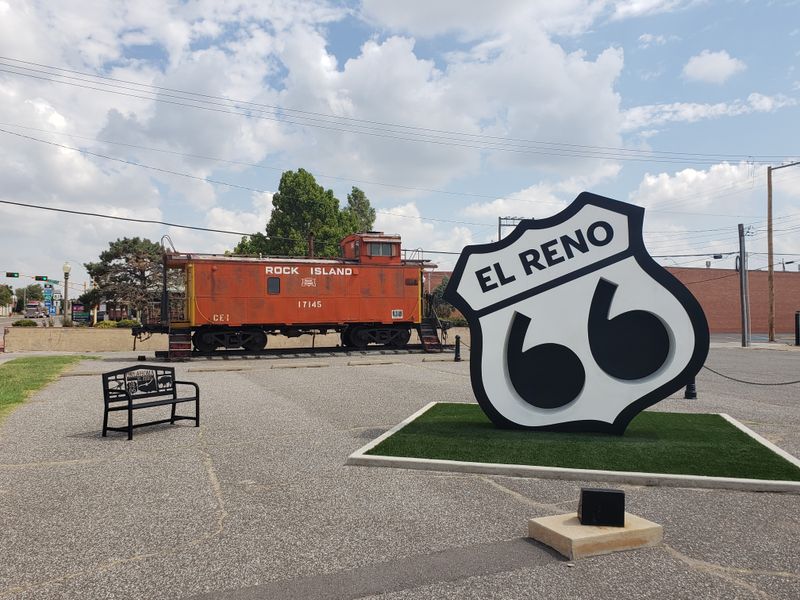
Route 66 runs right through the heart of El Reno, and the town embraces its place on the Mother Road.
Travelers from around the world come to experience this iconic stretch of American highway.
El Reno’s section of Route 66 is lined with vintage motels, diners, and gas stations that evoke mid-century Americana.
Many of these buildings have been restored or preserved, offering a glimpse into the golden age of road trips.
The town celebrates its Route 66 heritage with murals, markers, and festivals throughout the year.
Walking or driving this historic route feels like traveling through a time capsule.
Visitors can stop at classic eateries that have been serving travelers for decades.
The nostalgia is palpable, especially for those who remember when Route 66 was the main artery connecting the Midwest to California.
Local businesses proudly display Route 66 memorabilia, from neon signs to vintage postcards.
Photography enthusiasts love capturing the faded charm of old motels and hand-painted advertisements.
El Reno also hosts an annual Route 66 festival that draws car clubs, history buffs, and families.
The event features classic car shows, live music, and vendors selling Route 66 collectibles.
For history lovers, this stretch of highway represents the spirit of exploration and the American dream.
Route 66 is more than a road; it is a symbol of freedom, adventure, and the open road.
El Reno keeps that spirit alive with pride and authenticity.
4. Rock Island Depot and Railroad Heritage

El Reno owes much of its early growth to the Chicago, Rock Island and Pacific Railroad.
The town became a major hub where trains stopped to refuel, restock, and exchange passengers.
The old Rock Island Depot still stands as a testament to those bustling days.
This depot served as the lifeline connecting El Reno to the rest of the country.
Goods, people, and ideas flowed through this building, shaping the town’s economy and culture.
Today, the depot houses the Canadian County Historical Museum, preserving its original purpose and character.
Visitors can see the ticket windows, waiting areas, and freight rooms that once buzzed with activity.
The architecture reflects the utilitarian style of early 20th-century railroad buildings, with sturdy brick and functional design.
Outside, remnants of old tracks and rail equipment remind visitors of the depot’s working past.
Railroad history is woven into the identity of El Reno, and locals take pride in that heritage.
For train enthusiasts, the depot offers a tangible connection to the era when railroads ruled American commerce.
Photographs and documents inside the museum detail the lives of railroad workers and their families.
The depot is a reminder of how transportation shaped the development of small-town Oklahoma.
Standing on the platform, you can almost hear the whistle of a distant locomotive rolling into town.
5. The Original Onion Burger Legacy
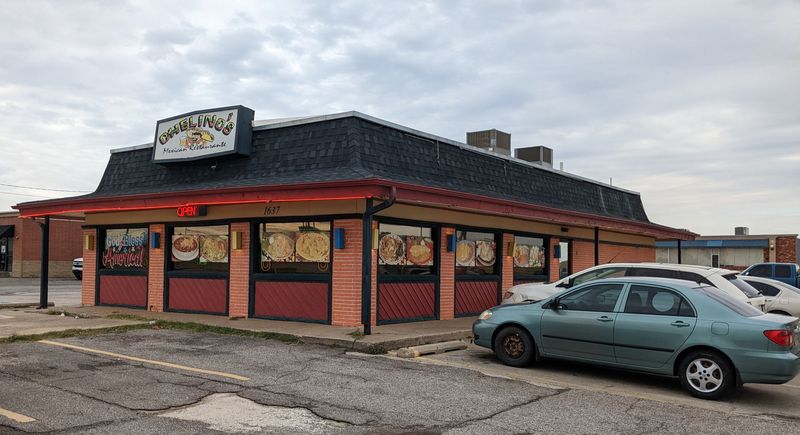
El Reno claims to be the birthplace of the onion burger, a culinary creation born during the Great Depression.
When beef was scarce and expensive, local cooks stretched their meat by mixing in sliced onions.
The result was a juicy, flavorful burger that became a local favorite and remains a point of pride today.
Several diners in El Reno still serve onion burgers using the original method.
The onions are smashed into the beef patty on a hot griddle, caramelizing and infusing the meat with flavor.
Sid’s Diner and Robert’s Grill are two legendary spots where visitors can taste this piece of history.
Both establishments have been serving onion burgers for decades, and their recipes remain unchanged.
The atmosphere inside these diners is as authentic as the food, with vintage decor and friendly service.
Every May, El Reno hosts the Onion Fried Burger Day Festival, attracting thousands of burger lovers.
The festival features live music, cooking competitions, and of course, plenty of onion burgers.
History enthusiasts appreciate how this simple dish reflects the resourcefulness of Depression-era Oklahomans.
The onion burger is more than a meal; it is a symbol of resilience and creativity.
Tasting one connects visitors to the everyday lives of people who lived through tough times.
The tradition has been passed down through generations, and locals guard their recipes with pride.
For anyone visiting El Reno, trying an onion burger is not optional; it is essential.
6. Land Run of 1889 and Settlement History
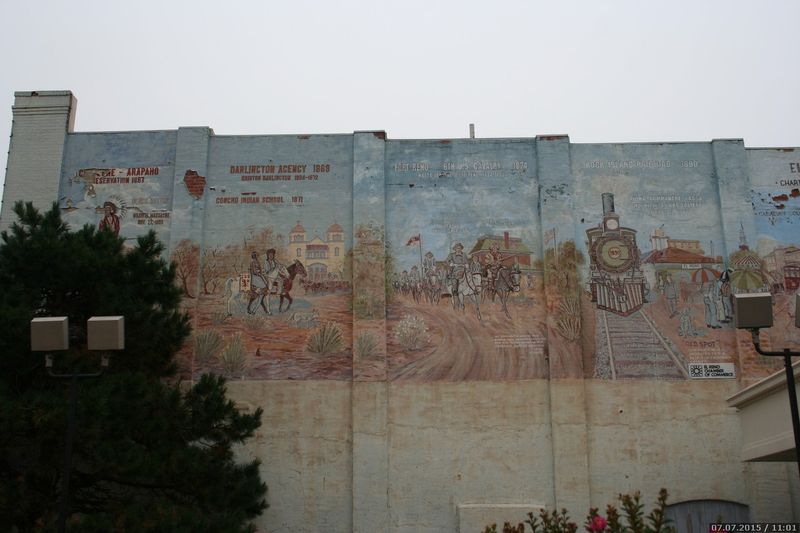
El Reno’s origins are rooted in one of the most dramatic events in American history: the Land Run of 1889.
On April 22, 1889, thousands of settlers lined up at the border of what was then called the Unassigned Lands.
At noon, a gunshot signaled the start, and hopeful homesteaders raced to claim their piece of land.
El Reno was established shortly after this chaotic and historic day.
The town grew quickly as settlers built homes, businesses, and farms.
Many of the early pioneers were farmers, merchants, and railroad workers looking for a fresh start.
The Land Run is commemorated in El Reno through monuments, historical markers, and educational programs.
The Canadian County Historical Museum features exhibits dedicated to the Land Run and its impact on the region.
Photographs and personal accounts from settlers offer insight into the excitement and hardship of those early days.
Understanding this event is key to understanding Oklahoma’s unique history.
The Land Run was a turning point that transformed the territory and paved the way for statehood.
El Reno stands as a living example of the ambition and determination that defined the era.
Visitors can explore the town’s historic downtown, where many original buildings still stand.
These structures reflect the architectural styles and materials available to early settlers.
The story of the Land Run is woven into the fabric of El Reno, making it a must-see for history lovers.
7. Downtown Historic District
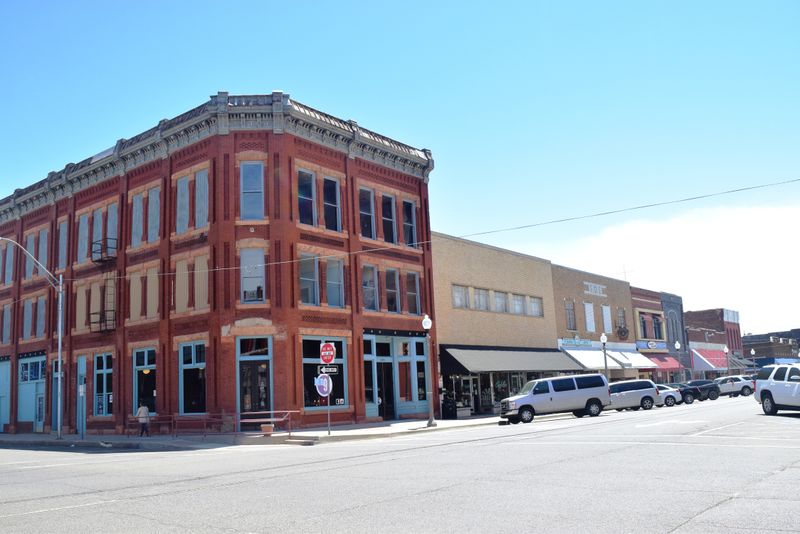
Downtown El Reno is a charming mix of preserved history and small-town character.
Many of the buildings date back to the early 1900s and retain their original facades and details.
Walking through the streets feels like stepping into a different time, with brick storefronts and vintage signage.
The architecture reflects the styles popular during the town’s early boom years, including Victorian and early commercial designs.
Some buildings have been repurposed into shops, restaurants, and offices, while others remain unchanged.
The downtown area is listed on the National Register of Historic Places, recognizing its significance.
Local preservation efforts have ensured that the historic character of the district remains intact.
Visitors can stroll the sidewalks and admire the craftsmanship of a bygone era.
Murals and public art throughout downtown celebrate the town’s railroad and Route 66 heritage.
The district is also home to several antique shops where history buffs can browse vintage treasures.
Community events and festivals often take place in the downtown area, bringing locals and visitors together.
The atmosphere is welcoming and unpretentious, with a genuine sense of pride in the town’s past.
Photographers and architecture enthusiasts find plenty of inspiration in the well-preserved buildings.
Downtown El Reno offers a tangible connection to the early days of Oklahoma statehood.
It is a place where history is not just remembered but lived and celebrated every day.
8. Native American Heritage and Influence

Long before settlers arrived, the land around El Reno was home to Native American tribes, including the Cheyenne and Arapaho.
These tribes lived, hunted, and thrived on the plains for generations.
The arrival of European settlers and the U.S. military changed everything.
Fort Reno played a significant role in the Indian Wars and the eventual relocation of tribes to reservations.
Today, the Cheyenne and Arapaho Tribes maintain a presence in the region, and their cultural heritage is honored in El Reno.
The Canadian County Historical Museum includes exhibits on Native American life, artifacts, and history.
Visitors can learn about the tribes’ traditions, struggles, and contributions to the area.
The cemetery at Fort Reno includes graves of Native Americans who died during the conflicts and relocations.
These sites serve as somber reminders of the complex and often painful history of the region.
Understanding this history is essential for anyone seeking a complete picture of Oklahoma’s past.
The tribes’ influence is still felt today through cultural events, art, and community involvement.
El Reno recognizes the importance of preserving and sharing Native American history.
Educational programs and partnerships with tribal organizations help keep these stories alive.
Visitors leave with a deeper appreciation for the first peoples of Oklahoma and their enduring legacy.
This aspect of El Reno’s history adds depth and perspective to the overall narrative of the town.
Dear Reader: This page may contain affiliate links which may earn a commission if you click through and make a purchase. Our independent journalism is not influenced by any advertiser or commercial initiative unless it is clearly marked as sponsored content. As travel products change, please be sure to reconfirm all details and stay up to date with current events to ensure a safe and successful trip.
