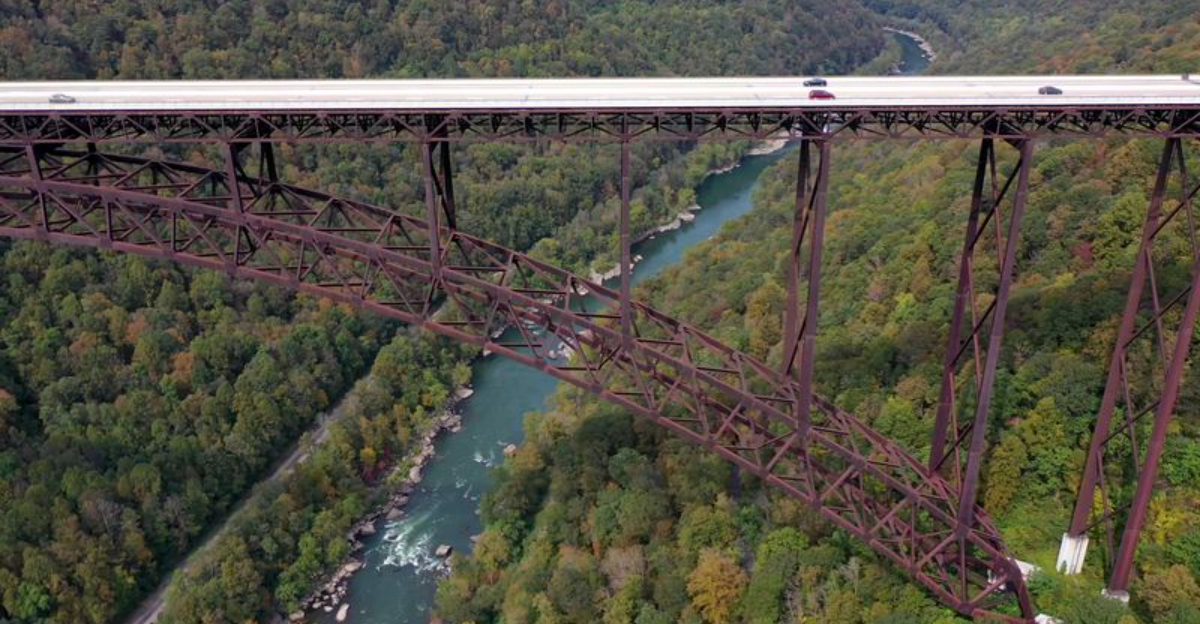
The New River Gorge Bridge stands as one of America’s most impressive engineering achievements, stretching 3,030 feet across a deep canyon carved by the ancient New River in the rugged mountains of West Virginia.
Located along US-19 near the small community of Victor, this steel arch marvel rises 876 feet above the river below, making it one of the highest vehicular bridges in the United States and a destination that draws travelers from across the globe.
But beyond its record-breaking statistics and breathtaking views, the bridge holds secrets and stories that add layers of intrigue to an already fascinating structure.
From unexplained phenomena to hidden historical details, the mysteries surrounding this iconic landmark make it far more than just a way to cross a gorge.
The Bridge That Built Itself in Record Time
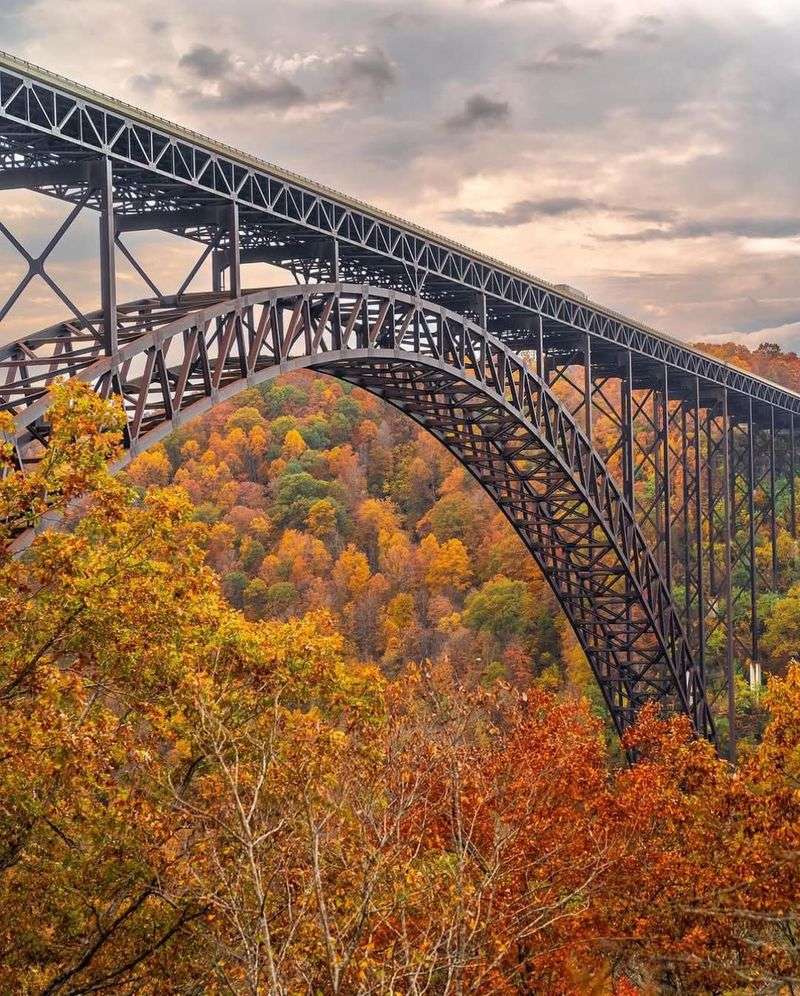
Construction of the New River Gorge Bridge began in 1974 and was completed in just three years, an astonishingly short timeframe for a structure of such complexity and scale.
What makes this achievement even more remarkable is that workers had to build the massive steel arch over a gorge nearly 900 feet deep while dealing with unpredictable mountain weather and challenging terrain.
The bridge was constructed using a technique that seems almost magical in its precision.
Workers built the arch from both sides of the gorge simultaneously, with each half cantilevering out over the void until they met in the middle.
The two halves had to align perfectly, with tolerances measured in fractions of an inch, despite being subjected to temperature changes, wind forces, and the natural settling of the massive structure.
When the final connection was made in 1977, the two sides matched up with stunning accuracy, a testament to the skill of the engineers and construction crews.
Some workers who participated in the project have shared stories of eerie calm moments high above the gorge, when the wind would suddenly die down just as critical connections were being made, almost as if nature itself was cooperating with their efforts.
The speed and precision of the construction have led to local legends about the bridge being blessed or protected by unseen forces.
Today, visitors can walk along the catwalk beneath the bridge during guided tours and see the massive bolts and connections that hold this engineering marvel together, each one a reminder of the incredible human achievement that occurred here in such a short time.
The Ancient River That Defies Logic
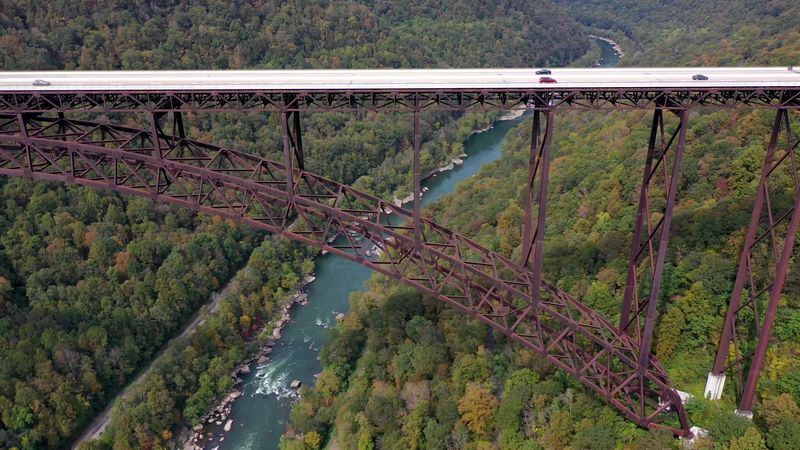
Despite its name, the New River flowing beneath the bridge is actually one of the oldest rivers in North America, and some geologists believe it may be the second oldest river in the entire world.
This paradox creates an immediate sense of mystery for visitors who learn that what they are looking at is anything but new.
The river carved its path through the Appalachian Mountains over millions of years, flowing in a direction that seems to contradict the typical drainage patterns of the region.
Most rivers in the area flow northwest toward the Ohio River system, but the New River stubbornly flows north, suggesting it existed before the mountains themselves rose up around it.
Scientists theorize that as the Appalachian Mountains slowly lifted over geological time, the river maintained its course, cutting deeper and deeper into the rock to create the dramatic gorge we see today.
Standing on the bridge and peering down at the serpentine waterway below, travelers can contemplate the immense time scales involved in creating such a landscape.
The mist that often rises from the gorge in early morning hours adds to the primordial atmosphere, making it easy to imagine dinosaurs roaming these hills when the river first began its journey.
The juxtaposition of ancient natural forces and modern engineering creates a unique sense of place that few other locations can match.
Visitors often report feeling humbled by the realization that they are witnessing a landscape shaped by processes far older than human civilization itself.
Phantom Lights and Unexplained Phenomena
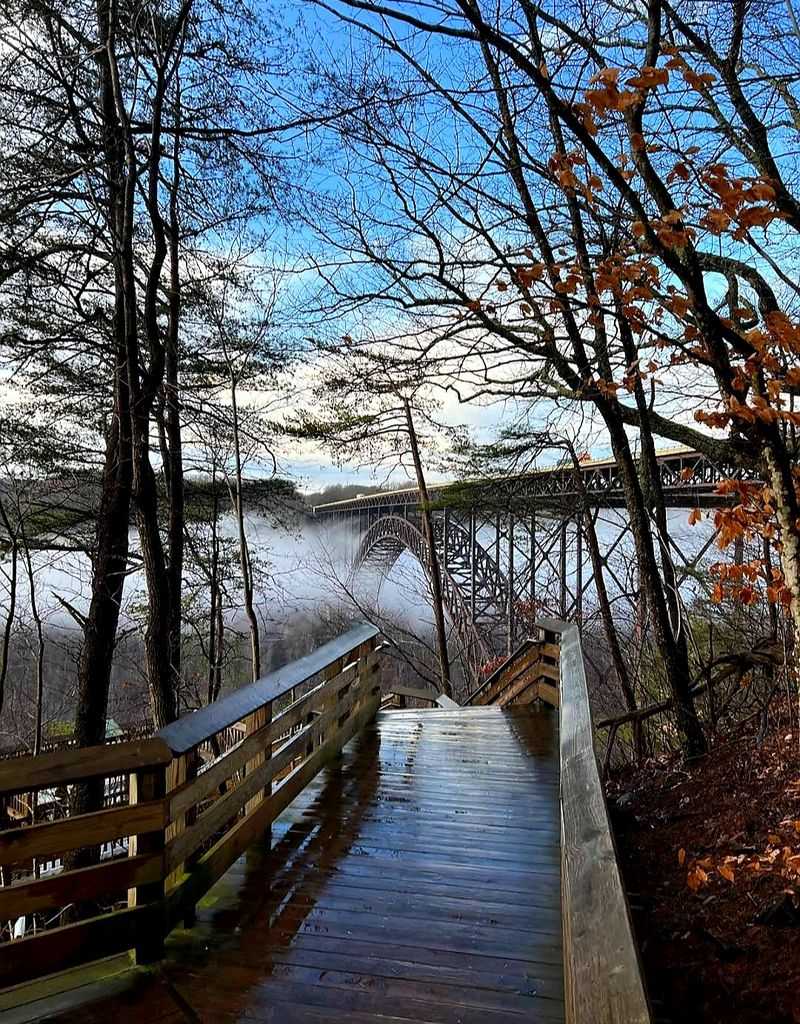
Over the decades since its completion, numerous visitors and locals have reported seeing strange lights moving along the bridge late at night, when no vehicles are present.
These mysterious illuminations have been described as orbs of blue-white light that drift slowly across the span or hover near the center of the arch before vanishing without explanation.
Some witnesses claim the lights appear most frequently on foggy nights, when the mist rising from the gorge creates an otherworldly atmosphere around the structure.
Skeptics suggest these sightings could be reflections from distant vehicles on other roads, atmospheric phenomena, or even ball lightning, but none of these explanations fully account for the consistent nature of the reports.
Local folklore has woven these sightings into stories about spirits of construction workers or Native Americans who once inhabited the gorge area, though no fatal accidents occurred during the bridge’s construction.
Photographers attempting to capture the lights on camera have reported equipment malfunctions, including batteries draining rapidly and cameras refusing to focus properly when pointed toward the areas where the phenomena appear.
The National Park Service, which now manages the area as part of the New River Gorge National Park and Preserve, maintains no official position on these reports but acknowledges receiving occasional inquiries about unusual sightings.
Whether the lights are natural phenomena amplified by the unique geography of the gorge or something more mysterious, they add an element of intrigue that keeps paranormal enthusiasts returning to the bridge year after year, hoping to witness the unexplained for themselves.
The Annual Day When Gravity Seems to Disappear
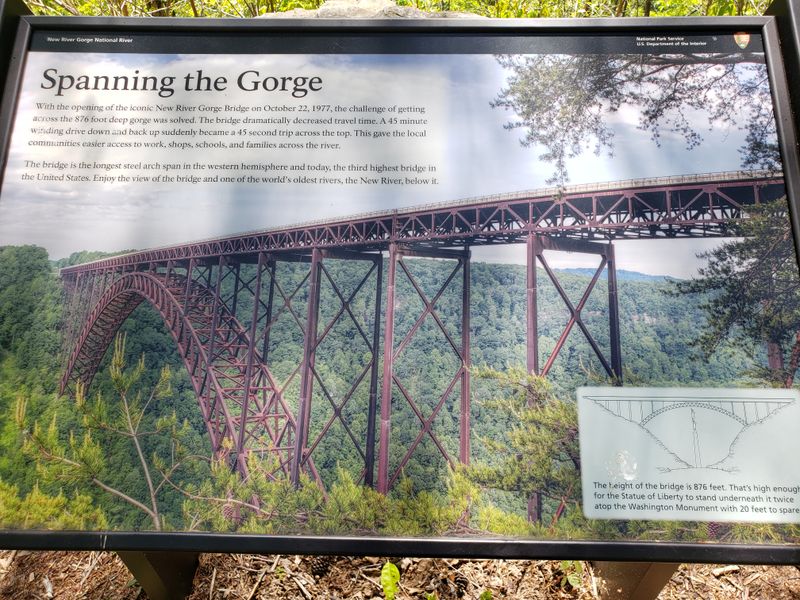
Every third Saturday in October, the New River Gorge Bridge transforms from a transportation route into a launching platform for hundreds of BASE jumpers during Bridge Day, one of the largest extreme sports events in the world.
For this single day each year, authorities close the bridge to vehicle traffic and allow people to leap off the structure with parachutes, creating a spectacle that seems to defy the laws of nature and human self-preservation.
What makes this event particularly mysterious is the magnetic pull it exerts on participants, many of whom describe an almost spiritual connection to the act of jumping from this specific bridge.
Jumpers report that the moment they step off the edge, time seems to slow down and the noise of the crowd fades away, replaced by an intense awareness of the gorge, the river, and the ancient landscape rushing up to meet them.
Some experienced BASE jumpers claim the New River Gorge Bridge offers a uniquely pure experience compared to other jump sites around the world, though they struggle to articulate exactly what makes it different.
The event draws approximately 80,000 spectators who line the bridge and surrounding overlooks, creating an atmosphere that blends carnival celebration with reverent observation of human courage.
Local residents have mixed feelings about Bridge Day, with some embracing it as an economic boon and cultural tradition, while others find it unsettling to watch so many people willingly leap from a structure that inspires fear and respect the other 364 days of the year.
The phenomenon of Bridge Day raises questions about why certain locations become focal points for extreme human behavior and what draws people to test themselves against this particular landscape in such a dramatic fashion.
The Sound That Cannot Be Explained
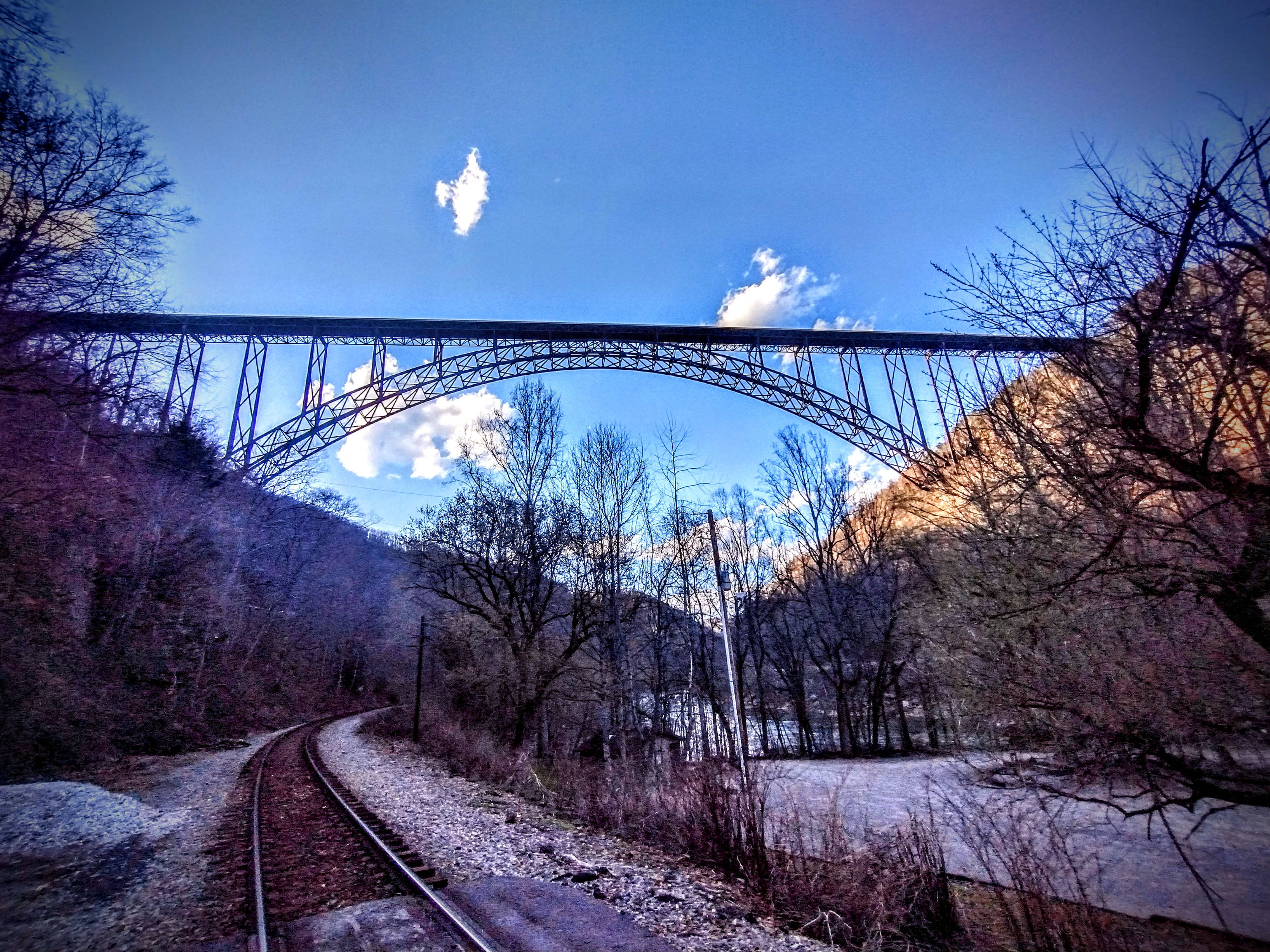
Visitors walking along the bridge or standing at nearby overlooks have reported hearing a low-frequency humming or vibration that seems to emanate from the structure itself, particularly during calm weather when wind cannot be blamed for the phenomenon.
This mysterious sound has been described as similar to a deep musical note or the resonance of a massive tuning fork, and it sometimes becomes noticeable enough that multiple people comment on it simultaneously.
Engineers familiar with large steel structures note that bridges can produce various sounds due to thermal expansion, traffic vibrations, and wind interactions with the arch design, but the specific humming reported at New River Gorge Bridge seems to occur even when these typical causes are absent.
Some acoustics experts have theorized that the unique shape and size of the gorge itself might create a natural amplification chamber that makes subtle vibrations from the bridge audible in ways they would not be in other locations.
The phenomenon appears to be most noticeable during early morning or late evening hours when traffic is minimal and background noise from human activity decreases.
A few sensitive individuals claim they can feel the vibration in their chests before they consciously hear it, suggesting the sound may include frequencies below the normal range of human hearing.
Local musicians have occasionally attempted to record the sound and incorporate it into compositions, though capturing it on audio equipment has proven surprisingly difficult, with recordings often failing to capture what human ears clearly perceive on site.
Whether this auditory mystery results from the bridge singing its own steel song or from some interaction between the structure and the ancient gorge it spans, the phenomenon adds another layer of intrigue to an already captivating destination.
The Wildlife That Refuses to Cross
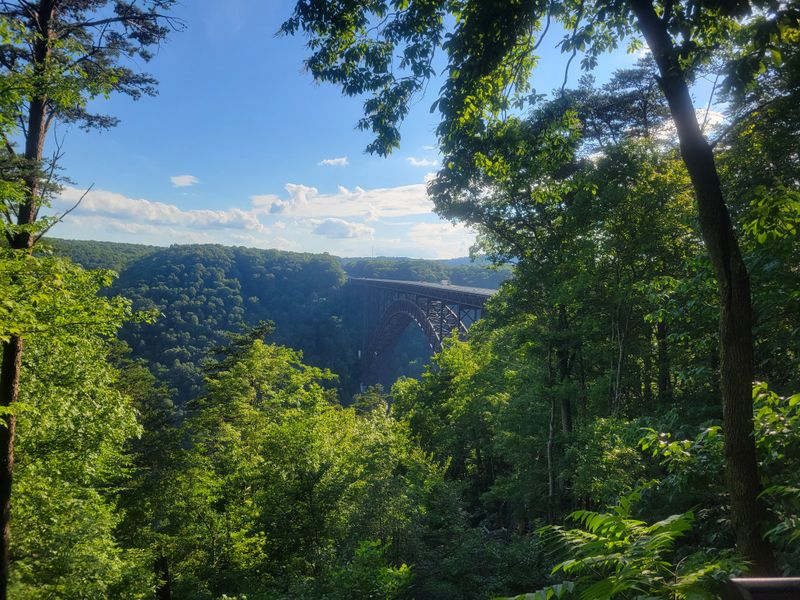
Biologists studying wildlife movement patterns in the New River Gorge area have documented an interesting behavioral anomaly among certain animal species that seem reluctant to use the bridge as a crossing point, even though it would provide a convenient route across the gorge.
Deer, black bears, and other large mammals that regularly traverse the surrounding forests will approach the bridge area but typically turn back rather than crossing on the roadway, even during low-traffic periods when crossing would be relatively safe.
This avoidance behavior is particularly puzzling because the same species readily cross other highways and bridges throughout the region without hesitation.
Some researchers speculate that the extreme height of the bridge and the exposure to the deep gorge below might trigger instinctive fear responses in animals, even though they are walking on solid pavement.
Others wonder if the subtle vibrations and sounds produced by the massive steel structure create frequencies that animals find disturbing or if there are electromagnetic effects from the bridge that human instruments have not yet detected but that wildlife can sense.
Interestingly, birds show no such reluctance and regularly fly beneath, through, and over the bridge, with peregrine falcons even nesting on the structure and using it as a hunting perch.
The contrast between avian comfort and mammalian avoidance suggests that whatever makes terrestrial animals wary of the bridge does not affect species that approach it from the air.
This selective barrier effect has created distinct wildlife populations on either side of the gorge, with limited genetic mixing between groups that would otherwise be part of a continuous population.
The mystery of why animals avoid the bridge continues to puzzle scientists and adds to the list of unexplained phenomena associated with this remarkable structure.
The Temperature Anomaly Zone
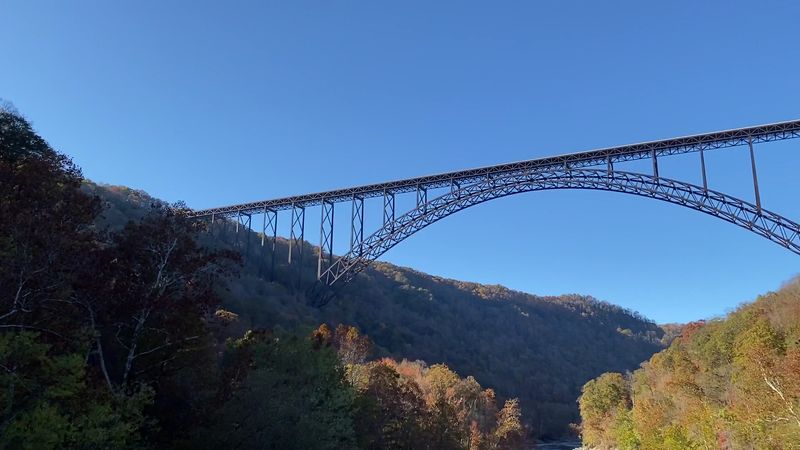
Meteorologists and visitors alike have noted unusual microclimatic conditions around the New River Gorge Bridge, with temperature readings that sometimes differ by ten to fifteen degrees Fahrenheit between the top of the bridge and the bottom of the gorge.
While temperature variations with elevation are normal and expected, the specific patterns observed at this location include rapid temperature shifts that occur over very short distances and unexpected warm pockets in areas that should theoretically be cooler.
The deep gorge creates a unique environment where cold air can become trapped near the river level while warmer air flows over the top, but the intensity and persistence of these temperature differences exceed what simple elevation change would predict.
Hikers descending the trails into the gorge report passing through distinct temperature zones that feel almost like walking through invisible curtains, with sudden shifts that can make them reach for a jacket even on warm days.
Some visitors describe experiencing unexpected cold spots while standing on the bridge itself, particularly near the center of the span, where they feel sudden chills despite being in direct sunlight with no wind.
Weather enthusiasts have attempted to map these temperature anomalies using portable sensors, but the patterns seem to shift unpredictably, making it difficult to create consistent models of the thermal environment.
The interaction between the massive steel structure, which absorbs and radiates heat, and the natural convection currents within the gorge creates a complex thermal landscape that defies simple explanation.
These temperature mysteries contribute to the bridge’s reputation as a place where normal rules seem to bend, adding another dimension to the enigmatic character of this iconic landmark in the West Virginia mountains.
Hidden Spaces and Secret Chambers
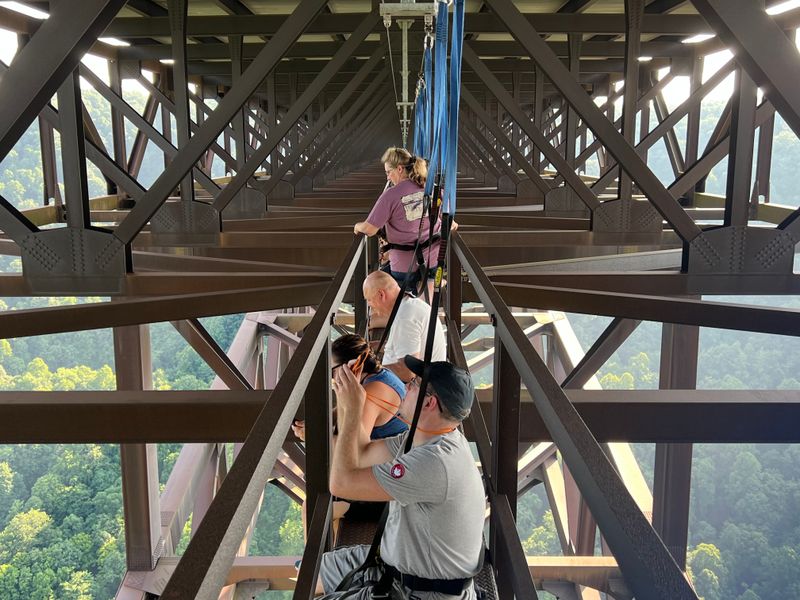
Within the massive steel structure of the New River Gorge Bridge exist numerous hollow spaces, access tunnels, and chambers that most visitors never see, creating an entire hidden world inside the bridge itself.
These internal spaces were designed for maintenance access and structural purposes, but their existence has sparked curiosity and speculation about what else might be concealed within the bridge’s framework.
Maintenance workers who regularly access these spaces report that the interior of the bridge creates unusual acoustic effects, with sounds echoing in unexpected ways and voices seeming to come from impossible directions.
Some have described feeling disoriented in the larger chambers, where the absence of visual reference points and the constant low-level vibration from traffic above creates a sensory environment unlike anywhere else.
During the catwalk tours that take visitors beneath the bridge deck, guides point out access hatches and sealed openings that hint at the complexity of the structure’s interior, but the vast majority of internal spaces remain off-limits to the public.
Urban exploration enthusiasts have long been fascinated by these hidden areas, though unauthorized access is both illegal and extremely dangerous.
Rumors persist about forgotten items left by construction workers, time capsules hidden in sealed sections, or even secret chambers created for purposes never publicly disclosed.
The National Park Service maintains detailed structural documentation of the bridge but acknowledges that some areas have not been accessed in years due to safety concerns or lack of necessity.
The knowledge that an entire hidden architecture exists within the visible bridge structure adds a layer of mystery and invites speculation about secrets that might be concealed in those dark, inaccessible spaces high above the ancient river.
The Bridge That Changed Its Own Landscape
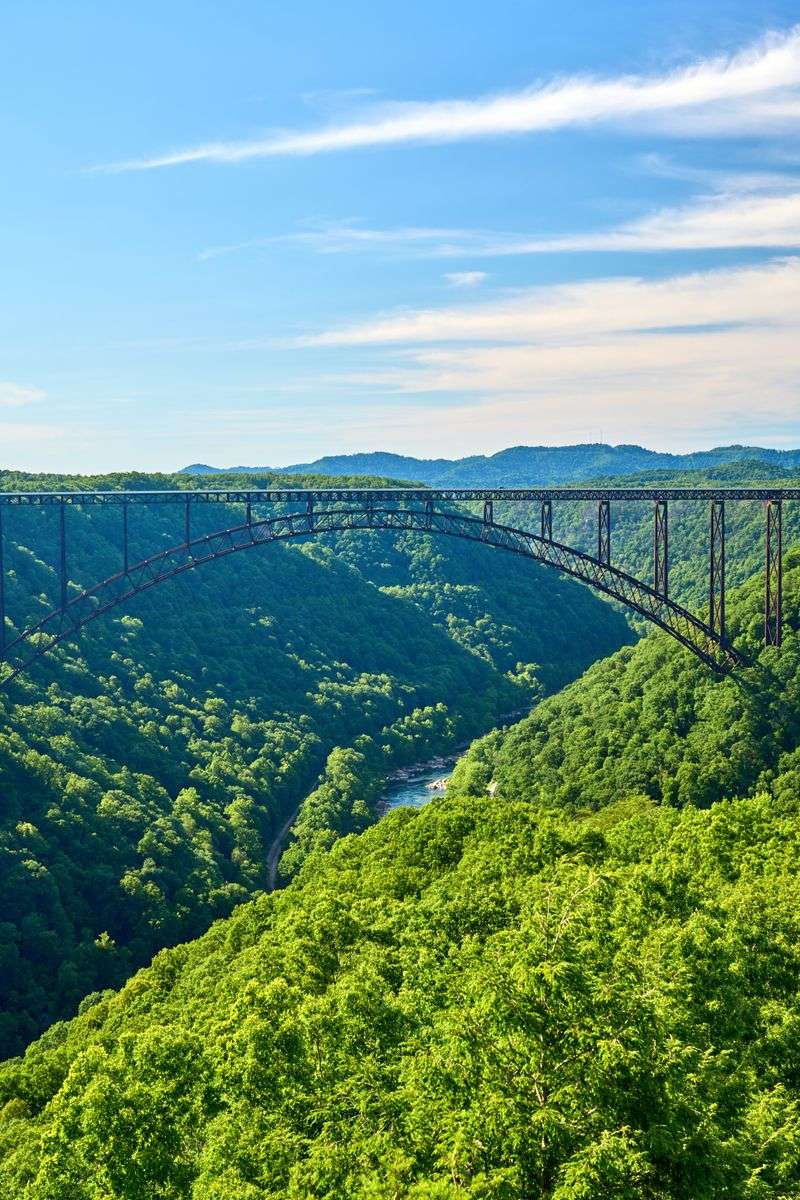
Before the New River Gorge Bridge opened in 1977, travelers had to descend into the gorge on a winding road, cross the river, and climb back up the other side, a journey that could take forty-five minutes to cover a distance the bridge now spans in less than a minute.
The construction of the bridge effectively erased an entire travel experience and way of life, creating a mystery about the landscape that once existed before the bridge dominated the skyline.
The old route, now abandoned in sections, can still be traced by adventurous hikers who discover the ghostly remains of the former roadway disappearing into the forest.
Small communities that once served travelers making the long descent into the gorge faded away when the bridge eliminated the need to stop, leaving behind foundations and artifacts that hint at a vanished world.
The bridge also fundamentally altered the ecology of the gorge by changing air flow patterns and creating permanent shade zones that had never existed before, leading to shifts in plant communities and wildlife behavior that scientists are still documenting.
Photographers comparing images from before and after the bridge’s construction note how the massive structure has become such an integral part of the landscape that it now seems impossible to imagine the gorge without it.
This raises philosophical questions about how human engineering projects become woven into natural landscapes and whether the bridge discovered something about the gorge that was always meant to be there or imposed an artificial order on a wild place.
The mystery lies in understanding what was lost and gained when this steel arch connected two sides of a gorge that had been separated for millions of years, fundamentally changing not just travel time but the essential character of the place itself.
Dear Reader: This page may contain affiliate links which may earn a commission if you click through and make a purchase. Our independent journalism is not influenced by any advertiser or commercial initiative unless it is clearly marked as sponsored content. As travel products change, please be sure to reconfirm all details and stay up to date with current events to ensure a safe and successful trip.
