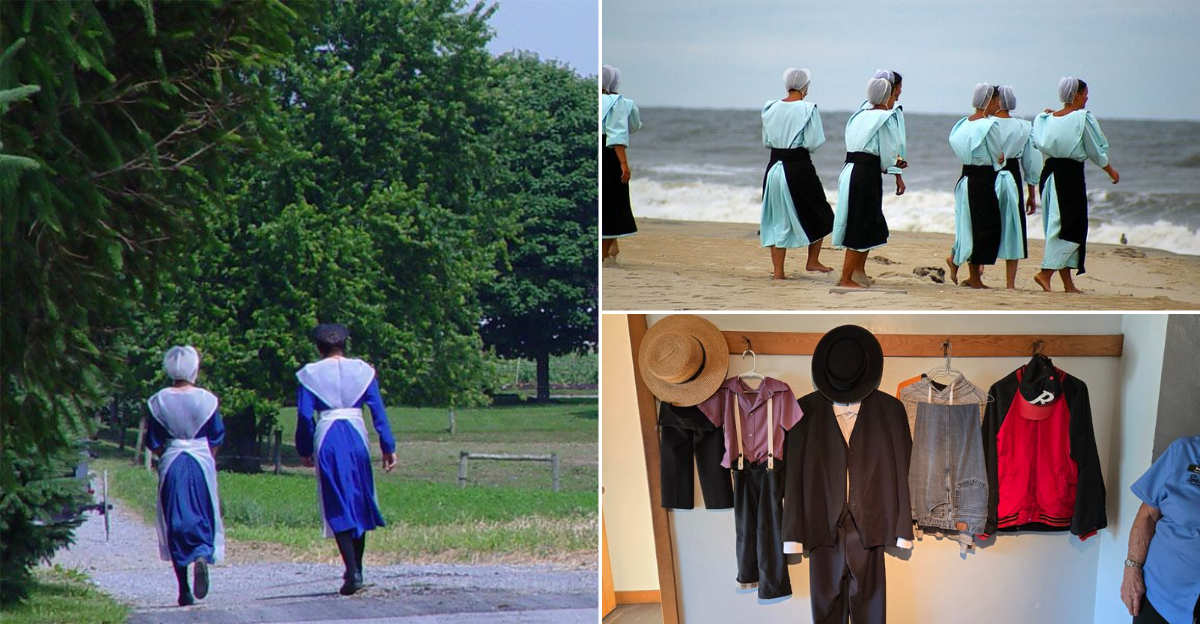
I keep thinking about how the clothes you see in Pennsylvania Amish country are not costumes, they are choices shaped by work, weather, and community rhythm.
When we roll past fields near Lancaster, it feels like the colors and lines of their dress explain the day better than any sign could.
Those details move with the seasons, growing heavier in winter and lighter when the fields are busy again. You notice how nothing is random, from the hats to the pins, and you start reading the quiet signals once your eyes settle in.
It becomes less about noticing outfits and more about understanding patterns. If you are up for it, let us map a simple route and pay attention to what their daily wear is really saying.
Clothing Chosen For Purpose, Not Fashion
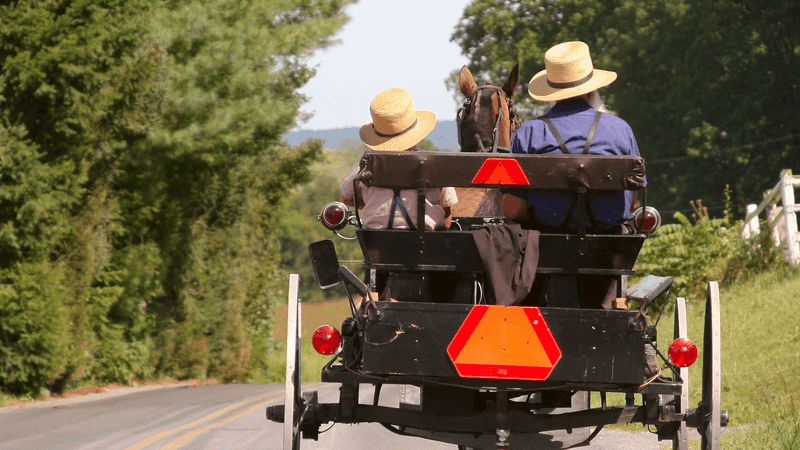
Start at the Amish Farm and House at 2395 Lincoln Hwy E, Lancaster, Pennsylvania, because the still barns and tidy paths make the logic of their clothes click.
You see work pants cut for reach, dresses that hang loose so nothing catches, and aprons that carry the day without fuss.
Tools hang from belts, not pockets. Buttons give way to hooks so fabric lies flat under a jacket.
When a job changes, the clothing shifts with it, and that tells you everything about priorities.
Coats come on quickly in wind, cuffs roll in seconds, and the hat brim does more than shade the sun.
You feel a rhythm that makes our road trip chatter go quiet for a minute. It is function over flair, every time.
The shades lean toward earth and sky because stains will happen and busy patterns waste attention. That simplicity reads like a field map for the day.
If you pause near the sheds, look at the stitching along hems and collars. It is strong, regular, and meant to last.
Nothing here is for show, yet it communicates readiness and steadiness without speaking. That is why Pennsylvania keeps tugging us back.
The everyday outfit is a toolkit you wear, and it is tailored to chores more than weather reports. That is a kind of common sense that travels well.
Simplicity Is Carefully Maintained
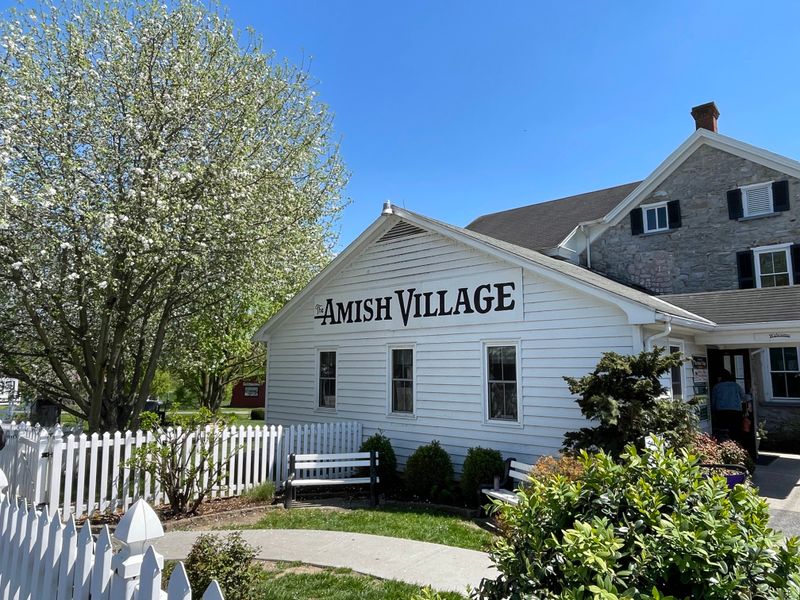
Let us swing by The Amish Village at 199 Hartman Bridge Rd, Ronks, where the low fences and plain rooms make minimal choices feel sturdy.
Simplicity here is a discipline that keeps attention on family, faith, and the task at hand.
No flashy trims sneak in under the radar. Jewelry stays out, and fasteners stay humble.
It is not about deprivation, it is about clearing noise. Fewer decisions in the closet leave more focus for the day.
Standing near the schoolhouse replica, you notice how a basic dress or shirt reduces the highs and lows of fashion. That steadiness carries into how people speak and how time is spent.
The lines are straight because the life asks for it.
Everything drapes with ease so arms move freely and skirts do not argue with steps.
Even the palette is restrained, leaning to shades that calm the eye. It is helpful when work and worship share the same week.
Simplicity becomes a social agreement you can read from a distance. It holds a group in quiet alignment without rules posted on the wall.
When you and I roll out after, it might rub off a little.
You pack lighter, you plan looser, and the road feels kinder.
Daily Wear Signals Community Values
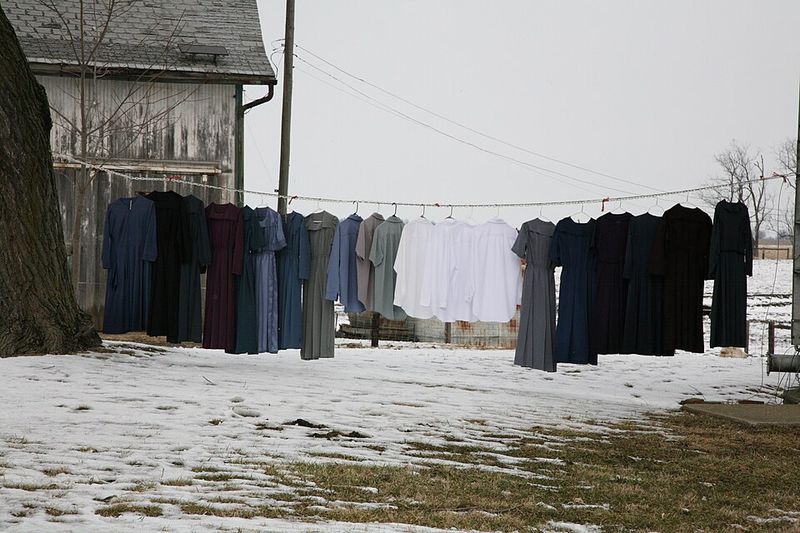
At the Mennonite Information Center, 2209 Millstream Rd, Lancaster, the exhibits help decode what you see on the road.
Clothing becomes a shared language where modest cuts signal humility and steady colors speak respect.
Caps and bonnets carry quiet cues. Broadfall trousers and suspenders do too.
You start reading those cues like road signs, not to pry, but to understand the lanes. A pinned cape dress may indicate church membership, while plain shirts hint at work ahead.
Nothing is random, and that predictability lowers social pressure. It keeps priorities in reach for everyone, not just the confident ones.
When you ask a gentle question on a tour, the guide may describe patterns as boundaries that protect community life. That is not a fence, it is a conversation kept simple.
We stand by the map and trace routes through farms where similar outfits tie neighbors together. It reminds you how clothing can be a promise, not a performance.
The values come through without speeches or signs posted at gates.
You see belonging stitched into shoulders and waistbands.
Driving out, the lane feels quieter, even with traffic humming. You notice how much noise fashion can make when it tries too hard.
The Role Of Modesty Without Ornament
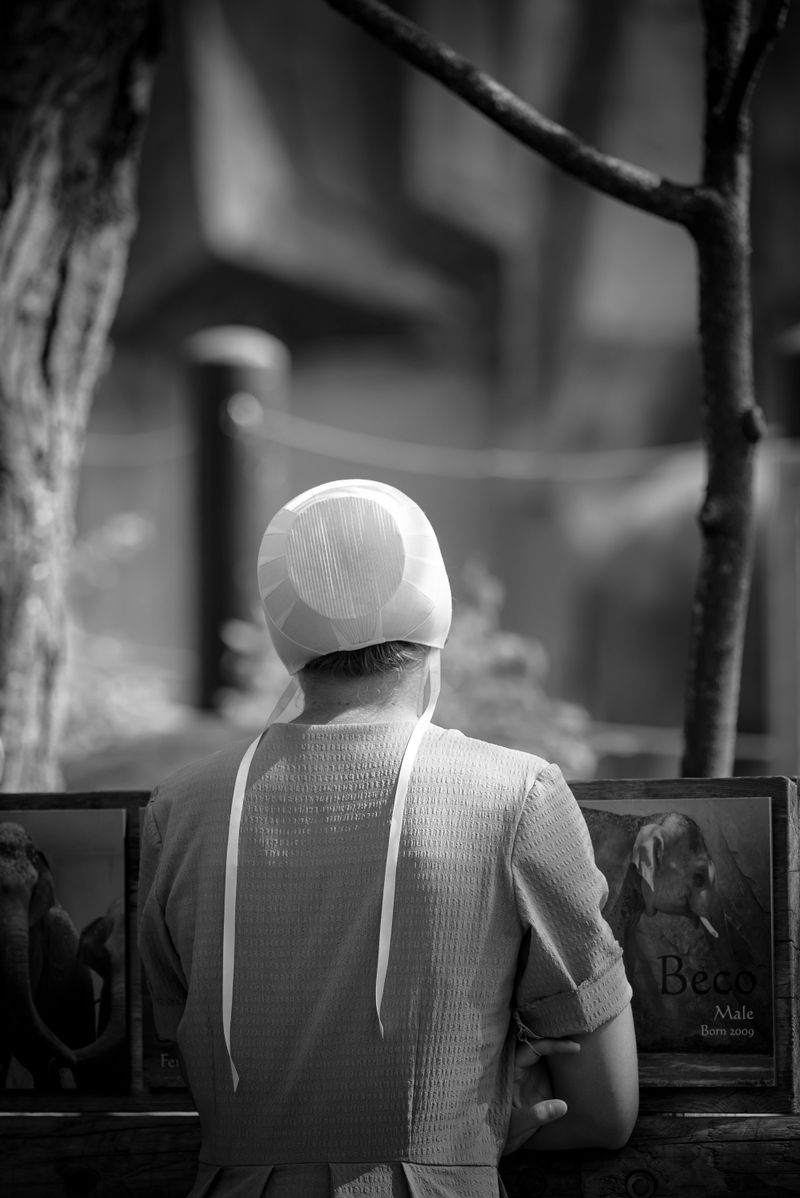
We pull into the Lancaster Central Market area at 23 N Market St, Lancaster, and watch plain dress move through a busy modern space. Modesty here is not hiding, it is right sized attention that leaves room for purpose.
No sequins or logos spark a crowd. Straight seams and clean lines set the tone.
The bonnets and prayer coverings frame the face and keep eyes on conversation rather than display.
Shirts sit smooth under suspenders so nothing flaps or distracts.
It feels calm in motion, which is wild in a market that buzzes. The contrast teaches more than a signboard ever could.
Modesty is built into the cut, not forced at the last second.
The clothes help people keep good company with their own intentions.
I notice how posture matching the outfit changes the room. Simple gear invites simple manners.
We drift past the brick arches and it hits me that ornament is not the enemy, but it is a detour they do not need. The day already has enough color in voices and work.
If you try that approach while packing for the trip, it actually feels lighter. Your bag stops arguing with your plans.
Colors And Patterns Are Limited
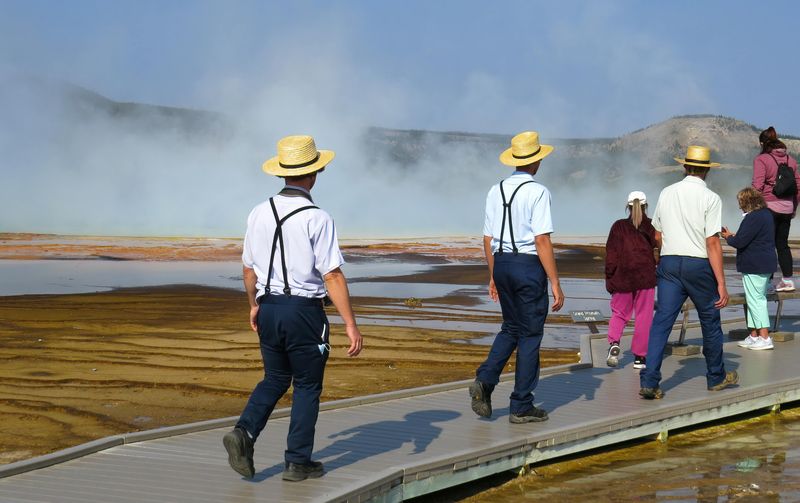
Take us along Strasburg Rail Road at 301 Gap Rd, Ronks, Pennsylvania, where the slow cars throw pastures into long stripes of green. That view pairs nicely with the solid shades of everyday Amish clothing.
Busy prints would fight the landscape. Simple colors settle into it.
The limited palette keeps garments interchangeable and easy to mend.
A dark shade here or a muted blue there makes laundry straightforward and keeps the group visually steady.
There is also a mood that color sets, and steadier tones keep conversations clear. You notice that on the platform while folks queue without hurry.
Patterns are not banned so much as kept quiet. The idea is harmony, not attention hunting.
When a jacket wears thin, it joins another outfit without clashing. That saves time and stitches.
The rail cars creak and we nod at fields where the same colors show up in barns and sky.
Clothing echoes place like a friendly refrain.
By the time the engine sighs back at the station, you will feel how the palette guides the day gently. It is color as cooperation, not competition.
Differences Between Work Clothes And Church Clothes
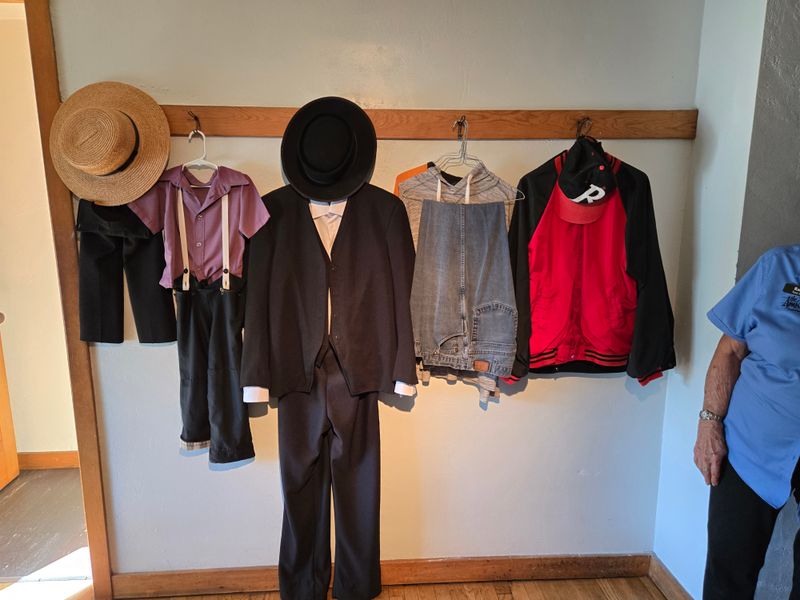
Circle to The Amish Experience at 3121 Old Philadelphia Pike, Bird-in-Hand, because their displays explain the shift from weekday to worship.
Work clothes favor durability and movement, while church clothes keep that same modest frame but step a shade more formal.
Think sturdier fabrics for fields. Think smoother fabrics for benches.
You will see darker tones and pressed lines on church days, along with coverings set with extra care. The patterns stay restrained, yet the finish looks settled and calm.
Workwear takes scuffs like a friend who does not mind dirt.
Church attire travels quietly from buggy to pew without drama.
Hooks and pins remain standard in both lanes, but the way they lie shows intention. That intention reads as respect rather than display.
We stand by a buggy and imagine how quick the switch must be between chores and service. The clothes make that switch easy without planning sessions.
This difference is not a divide, it is a rhythm that keeps the week balanced. It honors labor and worship with clothes that speak each dialect.
On the road again, you start noticing the subtle cues as buggies pass.
It is a soft signal that tells you where the day is headed.
Age And Life Stage Influence Dress
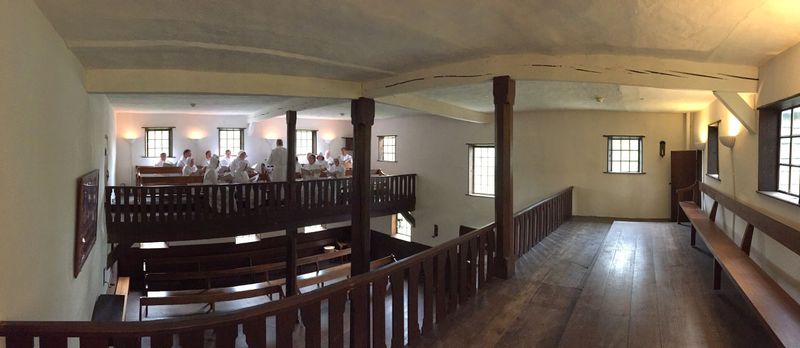
There is a useful stop at Ephrata Cloister, 632 W Main St, Ephrata, where plain historic garments help you notice age cues. Youth wear can sit a touch simpler, while adult dress signals commitments and responsibilities.
Head coverings shift with life stages. So do the ways garments are set and kept.
Children run in sturdy, forgiving cuts that take falls without tears.
As years add up, fabrics sometimes lean heavier and the fit looks more thoughtful.
Wedding and membership markers appear in quiet details you would miss at first glance. The point is clarity in the group, not spectacle.
Older neighbors carry a steadier silhouette that reads experience from across the lane. Younger ones keep the same modest frame, just with fewer layers of meaning.
Standing under the wooden beams, you feel how time lives in seams and folds.
Clothing becomes a map of responsibility.
We talk about it in the parking lot and it does not feel strict, just organized. The signals help without putting anyone on a stage.
As we drive across Pennsylvania again, you might catch those age notes like music. Once you hear them, they are hard to unhear.
Seasonal Changes Visitors Rarely Notice
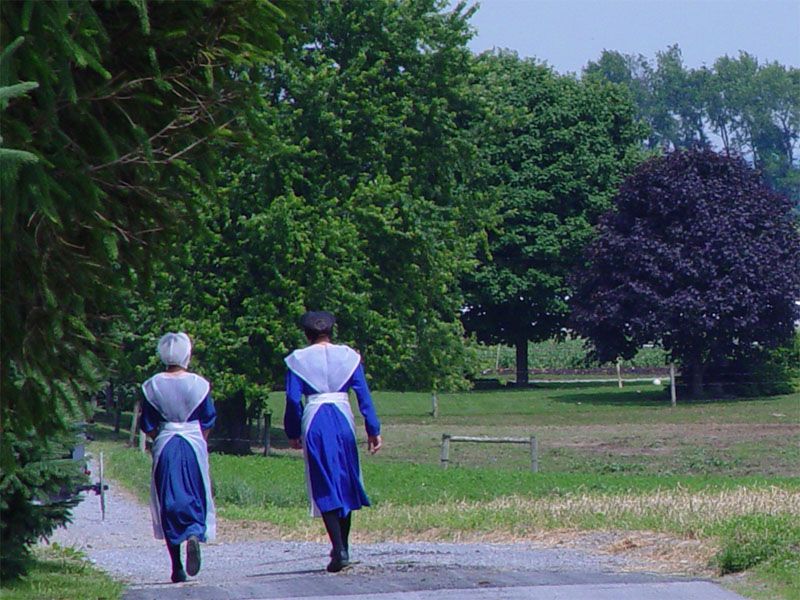
Let us pause at Spring House Farm area near 211 South Shirk Rd, New Holland, where fields show how seasons push small edits in clothing.
Fabrics thicken, layers stack, and brims adjust to wind or sun without fuss.
Winter brings heavier coats with clean lines. Summer thins the weave and keeps air moving.
Rain means a quick cover that sheds water and keeps hands free for harness or gate. Snow asks for boots that seal and skirts that clear slush.
The changes never shout but they add up. You can read the month by cuffs and collars if you pay attention.
Colors stay mostly steady so pieces swap as the temperature flips. That makes a closet work like a tool shed that reorganizes with weather.
Standing by a fence, you hear the wind use every seam for a note.
The fabric answers by settling down and carrying on.
We learn more by watching than asking, which feels respectful on a quiet lane. The lessons are patient and repeatable.
By the time we cut back toward Lancaster, the seasonal code feels obvious. It is simple gear tuned to a complicated sky.
Uniformity Matters More Than Individual Style
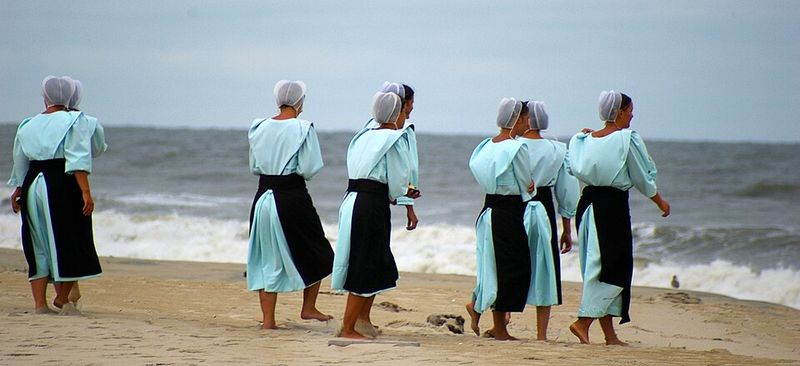
Drive past Bird-in-Hand Farmers Market at 2710 Old Philadelphia Pike, Bird-in-Hand, and you will see uniformity at work in motion. Matching silhouettes lower the volume on comparison and keep people focused on what is shared.
It makes gatherings smoother. It keeps conversations from drifting into trends.
Uniformity is not sameness, it is agreement about boundaries that free up attention.
Inside those lines, personality lives in kindness and craft rather than color.
When a whole group dresses similarly, the day moves like a team that practiced. You can feel that in the aisle when everyone knows the steps.
The clothes say this is us, steady and present. That message lands without a lecture.
We step outside and the sky is wide enough to hold every buggy and every hat.
The road does not care about fashion, only direction.
Uniformity makes space for purpose, which is bigger than preference on a Tuesday morning. It is efficient and gentle at the same time.
As we continue across Pennsylvania, the pattern follows us like a calm drum. You start matching your pace to it without trying.
Daily Clothing Quietly Communicates To Outsiders
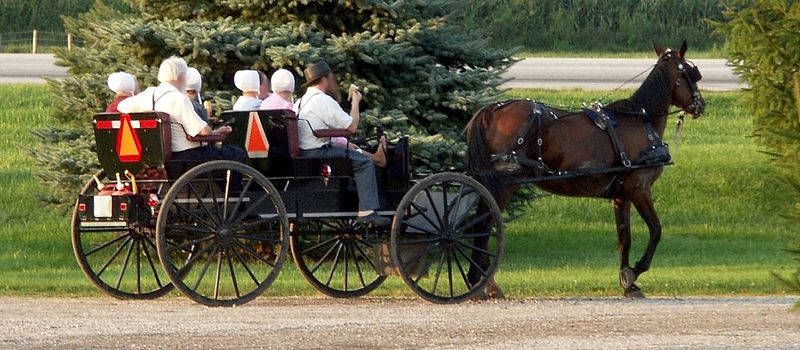
End at the Lancaster County Visitors Center, 501 Greenfield Rd, Lancaster, and watch how visitors lean in when plain dress passes by. The clothes communicate grounded priorities and a slower clock without a single word.
They also signal privacy with kindness.
You can feel invited to observe and still keep a respectful distance.
To an outsider, the message is this is not performance, it is conviction. The garments help protect time, attention, and community lanes.
That clarity gives us a way to be good guests. We adjust our cameras and questions to match the pace.
You and I will leave with fewer assumptions and a better eye for details.
The cut of a sleeve or the angle of a brim will start small conversations in your head.
Out on the highway, the memory of those simple lines rides along. It keeps the trip from blurring into roadside signs.
Daily clothing becomes a guidebook we did not buy, and it reads well in every town we cross. Pennsylvania taught it gently, and it sticks.
Let us follow that cue on the next stop and keep things simple. The road always answers kindly when we do.
