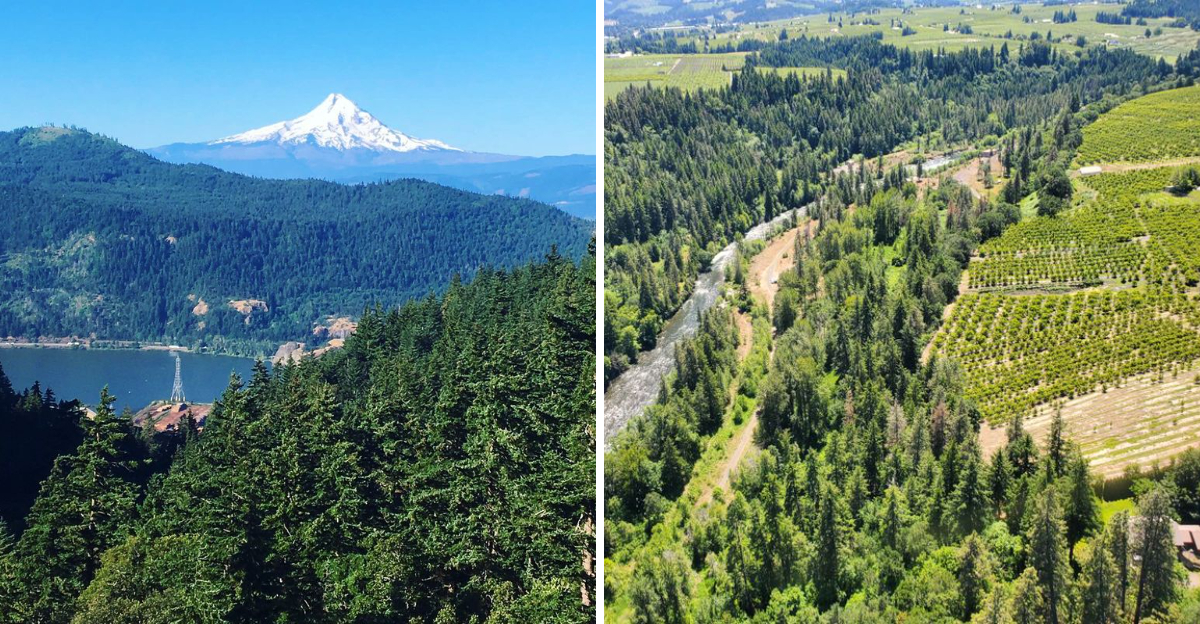
Hood River sits tucked along the Columbia River Gorge in northern Oregon, where mountain peaks rise dramatically on both sides of the water and winds sweep through the canyon nearly every day of the year.
This small city of just over 8,000 residents has become one of the Pacific Northwest’s most beloved destinations, drawing adventure seekers, food lovers, and nature enthusiasts from around the world.
While Oregon is known for its forests, coastline, and quirky cities, Hood River offers something entirely different with its unique blend of outdoor recreation, agricultural bounty, and stunning natural beauty.
From world-class windsurfing to fruit orchards that blanket the hillsides, this gorge town has carved out an identity that sets it apart from anywhere else in the state.
World-Renowned Windsurfing and Kiteboarding Capital
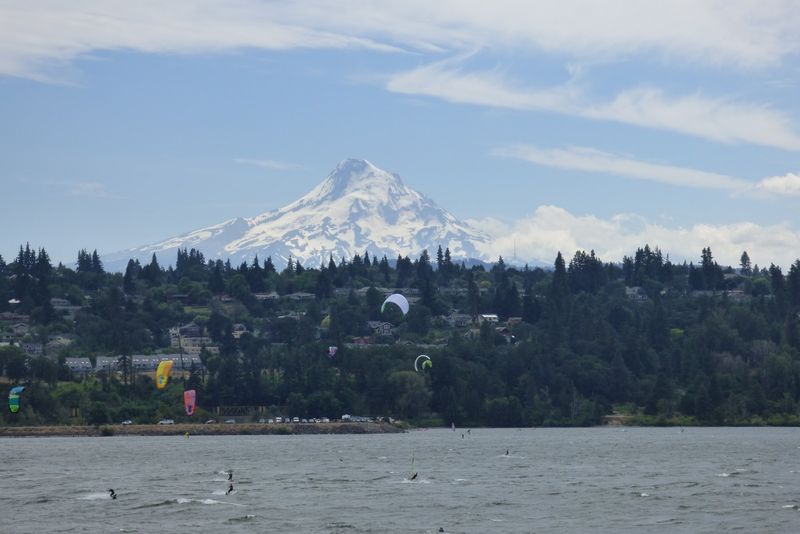
Strong, consistent winds funnel through the Columbia River Gorge at Hood River, creating conditions that windsurfers and kiteboarders dream about year-round.
The thermal winds that blow through this natural wind tunnel can reach speeds of 20 to 35 miles per hour during summer months, making it one of the top windsurfing destinations on the planet.
Athletes from across the globe flock here to ride the waves and catch air, with colorful sails dotting the river from spring through fall.
Event Site at the Port of Hood River serves as the main launch point, where you can watch professionals execute jaw-dropping tricks or sign up for lessons if you want to try it yourself.
The combination of reliable wind, stunning scenery, and a welcoming community of water sports enthusiasts has earned Hood River its reputation as the windsurfing capital of the world.
Even if you never set foot on a board, watching the action from the shoreline is mesmerizing.
Dozens of sail colors flash against the backdrop of snow-capped Mount Hood, creating a scene that feels almost surreal in its beauty.
Local shops along the waterfront rent equipment and offer instruction for beginners, while experienced riders can find everything they need to upgrade their gear.
The water sports culture here runs deep, influencing everything from the town’s casual vibe to the outdoor gear shops that line the streets.
Summer evenings bring gatherings at the waterfront parks, where locals and visitors alike celebrate another day on the water with food trucks and live music.
Spectacular Views of Mount Hood and the Columbia River Gorge
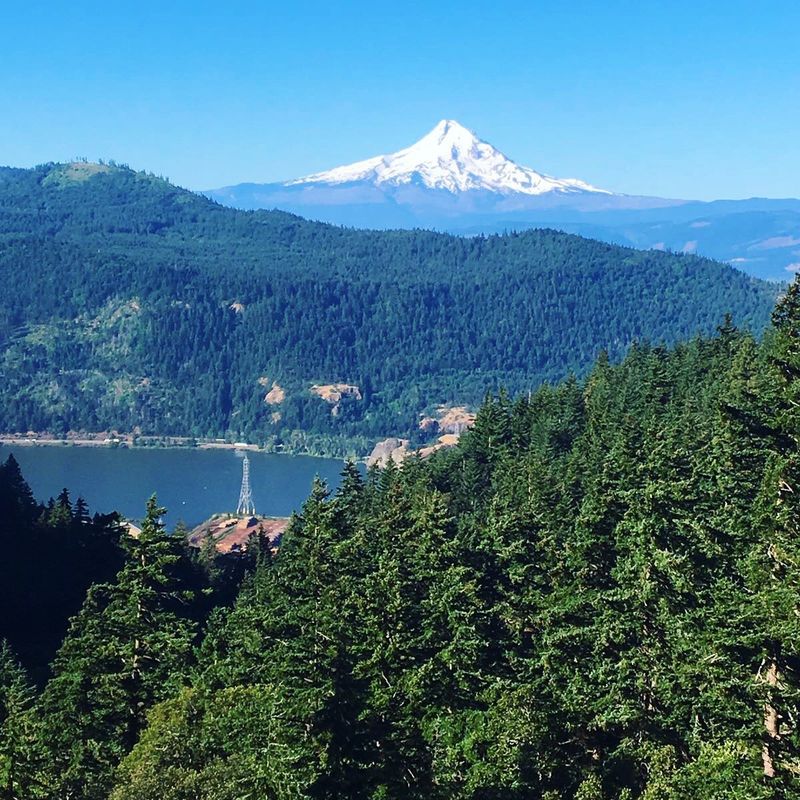
Mount Hood dominates the southern skyline from nearly every vantage point in town, its 11,240-foot summit gleaming white with glaciers even in the heat of summer.
This majestic volcano serves as a constant companion to life in Hood River, changing appearance with the light and seasons but always commanding attention.
To the north, the Columbia River stretches wide and blue, carving its path through the dramatic gorge that took thousands of years to form.
Basalt cliffs rise on both the Oregon and Washington sides, their layers telling the geological story of ancient lava flows and catastrophic floods.
The juxtaposition of river, canyon walls, and mountain peak creates a 360-degree panorama that few places in Oregon can match.
Panorama Point Park offers one of the best viewpoints in town, sitting high on a bluff where you can take in the full sweep of the landscape.
Sunrise paints Mount Hood in shades of pink and gold, while sunset sets the gorge walls ablaze with orange and purple hues.
Photographers and painters find endless inspiration here, setting up easels and tripods to capture the ever-changing light.
The scenery influences daily life in subtle ways, reminding residents and visitors alike of the powerful natural forces that shaped this region.
Whether you’re sipping coffee at a downtown cafe or hiking a nearby trail, these views provide a backdrop that makes ordinary moments feel extraordinary.
Thriving Fruit Orchards and Agricultural Heritage
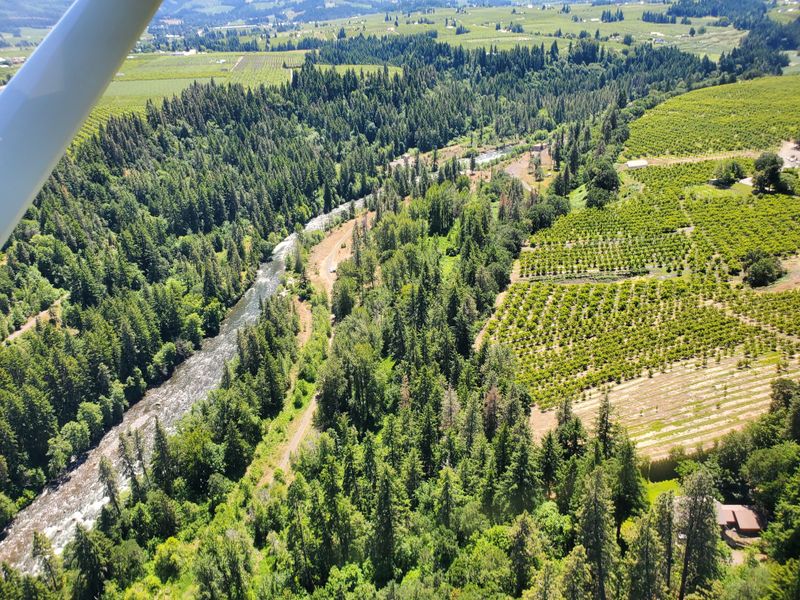
Gentle slopes surrounding Hood River are carpeted with fruit orchards that burst into bloom each spring, transforming the valley into a sea of white and pink blossoms.
The region’s unique climate, with warm days, cool nights, and volcanic soil, creates ideal conditions for growing apples, pears, cherries, and berries.
Family farms have operated here for generations, with many now opening their gates to visitors during harvest season.
Draper Girls Country Farm at 6200 Highway 35 welcomes guests to pick their own fruit, sample fresh cider, and explore the working farm that has been in the family since 1900.
The agricultural bounty shapes the local economy and culture in ways that distinguish Hood River from Oregon’s coastal towns or urban centers.
Fruit stands dot the highways in late summer and fall, selling just-picked produce that tastes nothing like supermarket varieties.
The connection between land and table runs deep here, with restaurants proudly featuring ingredients grown within sight of their kitchens.
Spring brings the famous Blossom Time celebration, when the valley transforms into a photographer’s paradise and locals gather to appreciate another growing season.
Driving the Fruit Loop, a 35-mile scenic route through the orchards, offers a glimpse into this agricultural heritage while treating you to some of the most beautiful rural scenery in the state.
This farming tradition adds layers of character and authenticity that set Hood River apart from more tourist-focused destinations.
Craft Breweries and Cideries with Local Ingredients
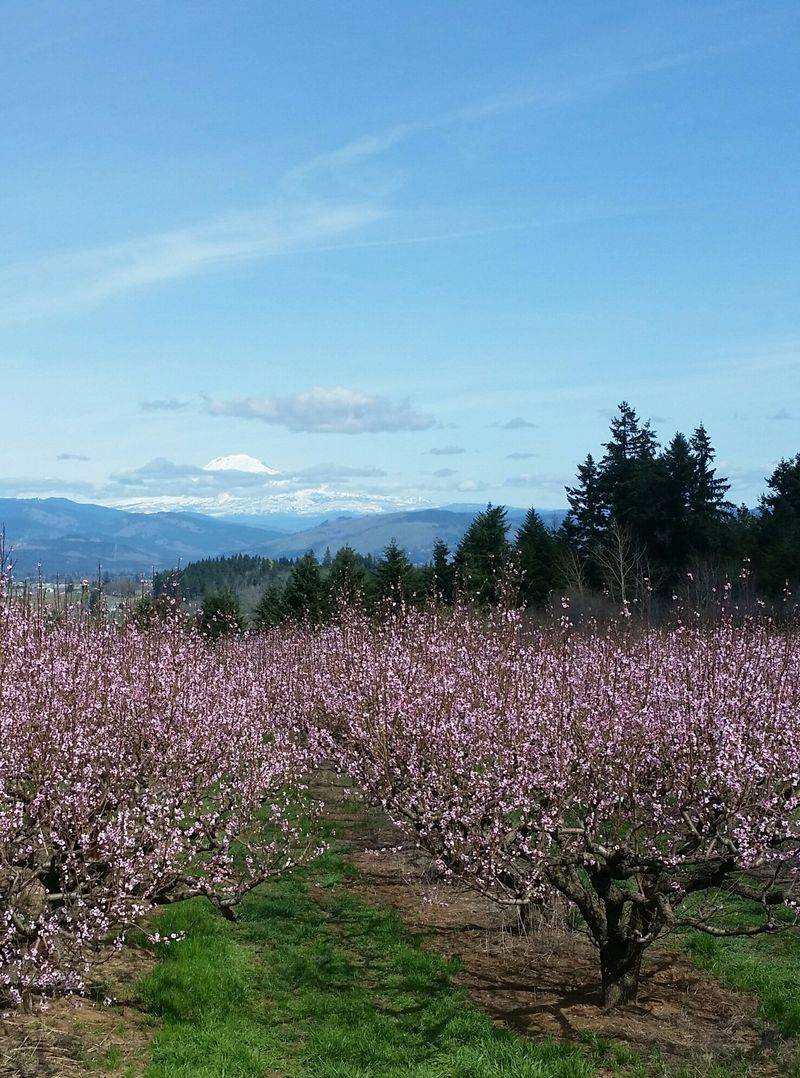
More than a dozen craft breweries and cideries operate within Hood River’s compact downtown and surrounding areas, creating a beverage scene that rivals cities many times its size.
Full Sail Brewing Company, one of Oregon’s pioneering craft breweries, maintains its headquarters here with a tasting room overlooking the Columbia River where you can sample their flagship Session Lager and rotating seasonal offerings.
The abundance of local fruit has inspired a thriving cider industry, with producers crafting everything from traditional dry ciders to experimental blends featuring pears, cherries, and hops.
Pfriem Family Brewers has gained national recognition for their Belgian-inspired ales and commitment to using Northwest ingredients whenever possible.
What makes Hood River’s beer and cider culture distinctive is the direct connection to the surrounding landscape and agricultural community.
Many brewers and cider makers source fruit, hops, and other ingredients from farms just miles away, creating beverages that truly taste of place.
The casual, outdoor-oriented vibe extends to the tasting rooms, where patios with mountain views and dog-friendly policies reflect the town’s laid-back lifestyle.
Summer evenings find locals making the rounds between their favorite spots, often with a bike or paddleboard in tow.
This concentration of quality beverage producers in such a small area creates a unique opportunity for tasting tours that can be accomplished on foot or bicycle.
The craft beverage industry has become integral to Hood River’s identity, attracting visitors who appreciate the combination of quality drinks and stunning surroundings.
Historic Downtown with Mountain Town Character
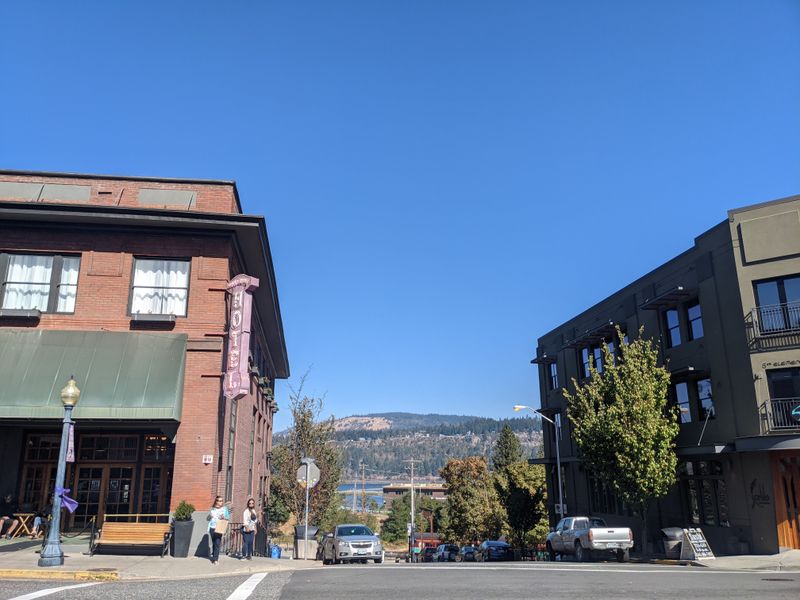
Brick buildings dating back to the early 1900s line the streets of downtown Hood River, their facades housing independently owned shops, restaurants, and galleries that give the area authentic small-town charm.
Oak Street serves as the main thoroughfare, where you can browse outdoor gear at mountain sports shops, discover local art, and grab a meal without encountering a single chain restaurant.
The historic Columbia Gorge Hotel, built in 1921, stands as a testament to the area’s long history as a destination, though the downtown itself maintains a refreshingly unpretentious atmosphere.
Unlike some Oregon towns that have become overly polished or gentrified, Hood River retains a working-town feel despite its popularity with visitors.
You’ll see locals in wetsuits grabbing coffee next to families on vacation, creating a genuine mix that feels welcoming rather than exclusive.
The compact, walkable downtown makes it easy to explore on foot, with most attractions, restaurants, and shops within a few blocks of each other.
Public art installations and murals add color to the streetscape, often depicting the natural features and outdoor activities that define the region.
Evening brings a lively but never rowdy energy, with diners filling patios and friends gathering at breweries after a day on the water or trails.
The scale feels just right, large enough to offer variety and quality but small enough that you can get to know the place in a weekend.
This balance between historic character, outdoor culture, and modern amenities creates a downtown experience unlike anywhere else in Oregon.
Year-Round Outdoor Recreation Access
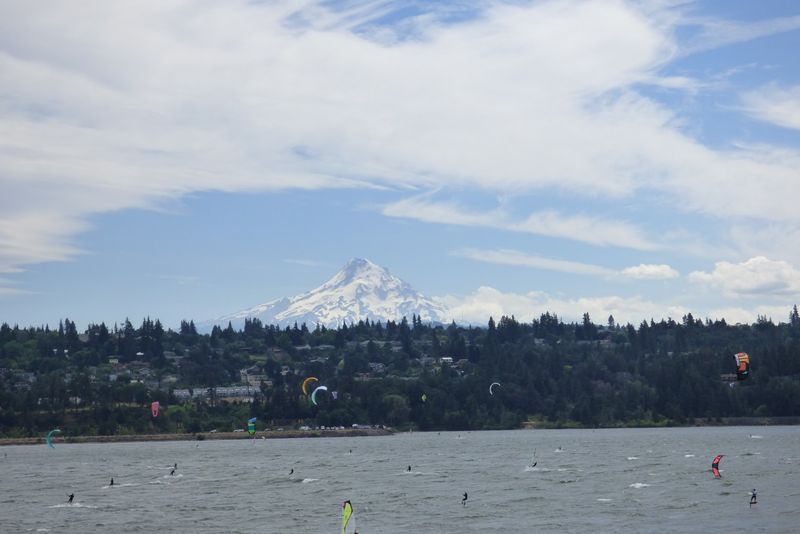
Few places offer such diverse outdoor activities within a 30-minute drive, from river sports to mountain skiing, hiking to mountain biking, all accessible from one central base.
Summer brings opportunities for windsurfing, kayaking, stand-up paddleboarding, and swimming in the Columbia River or nearby lakes.
Trails leading to waterfalls and viewpoints branch off from highways on both sides of the gorge, with options ranging from easy walks to challenging climbs.
When winter arrives, Mount Hood’s ski resorts sit just 45 minutes south, offering downhill skiing, snowboarding, and cross-country trails through old-growth forests.
Mountain biking trails wind through the surrounding hills, with routes for beginners and technical challenges for experienced riders.
The Post Canyon trail network, located just minutes from downtown, features over 30 miles of purpose-built singletrack that has become legendary among Northwest mountain bikers.
Rock climbing areas dot the gorge, where basalt columns provide unique climbing challenges with river views as your reward.
This concentration of activities means you can windsurf in the morning, hike to a waterfall in the afternoon, and still have time for a brewery visit before dinner.
The outdoor recreation economy supports numerous guide services, gear shops, and tour operators who can help visitors access the best experiences regardless of skill level.
What truly sets Hood River apart is how seamlessly outdoor adventure integrates into daily life here, rather than feeling like something you have to travel to experience.
Microclimate Creating Distinct Seasons
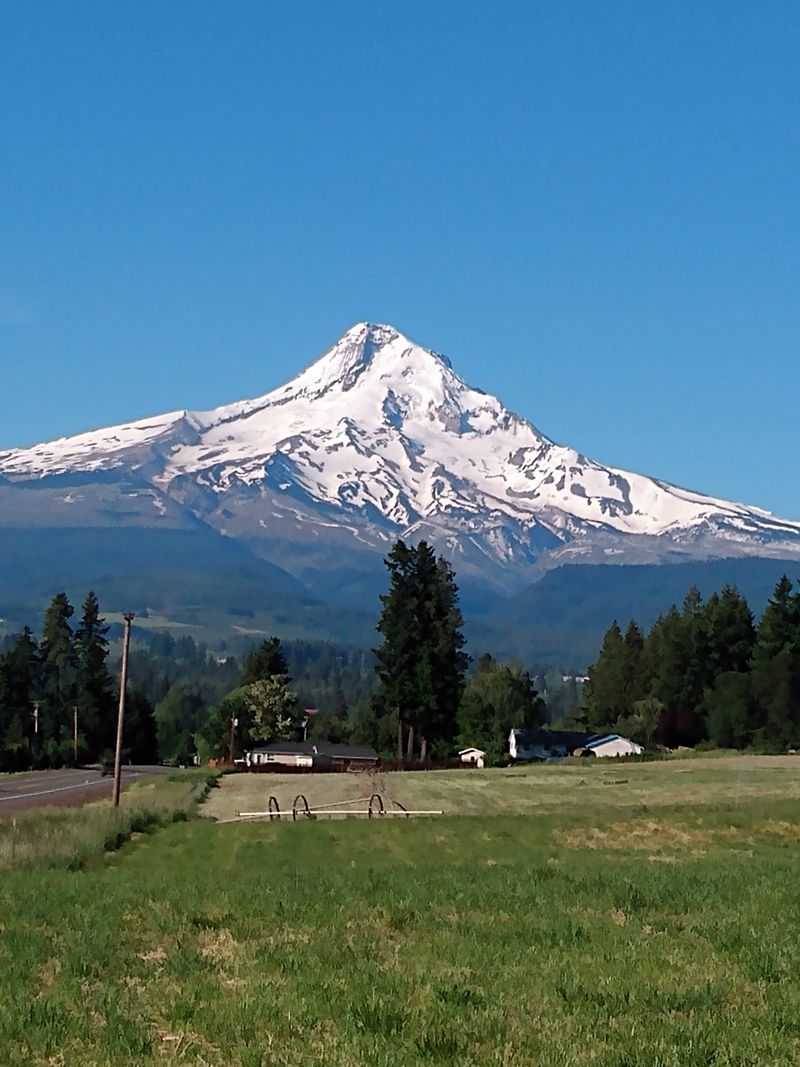
Hood River occupies a unique position where the wet, forested western Cascade region meets the drier, sunnier eastern Oregon landscape, creating a microclimate that combines the best of both.
The town receives significantly less rainfall than Portland, just 60 miles west, thanks to the rain shadow effect of the Cascade Mountains.
Summer days are warm and dry, with temperatures typically in the 80s and abundant sunshine that allows outdoor activities from dawn until dusk.
Yet the surrounding forests remain green thanks to winter precipitation and snowmelt from Mount Hood, giving you evergreen scenery without the constant drizzle that defines much of western Oregon.
Fall brings brilliant color as orchards and deciduous trees turn gold and red against the backdrop of early snow on the mountain peaks.
Winter temperatures stay relatively mild in town, though snow blankets the higher elevations, creating a striking contrast between the valley and mountains.
Spring arrives with dramatic displays of wildflowers and fruit blossoms, while waterfalls throughout the gorge swell with snowmelt.
This climate pattern allows for longer outdoor seasons than most of Oregon, with water sports possible from April through October and hiking accessible year-round at lower elevations.
The consistent wind that makes windsurfing possible results from temperature differences between the cool marine air west of the Cascades and the warmer air to the east.
Locals appreciate having four distinct seasons without the extreme heat of eastern Oregon or the persistent gray skies of the coast and Willamette Valley.
Small-Town Community with Global Connections
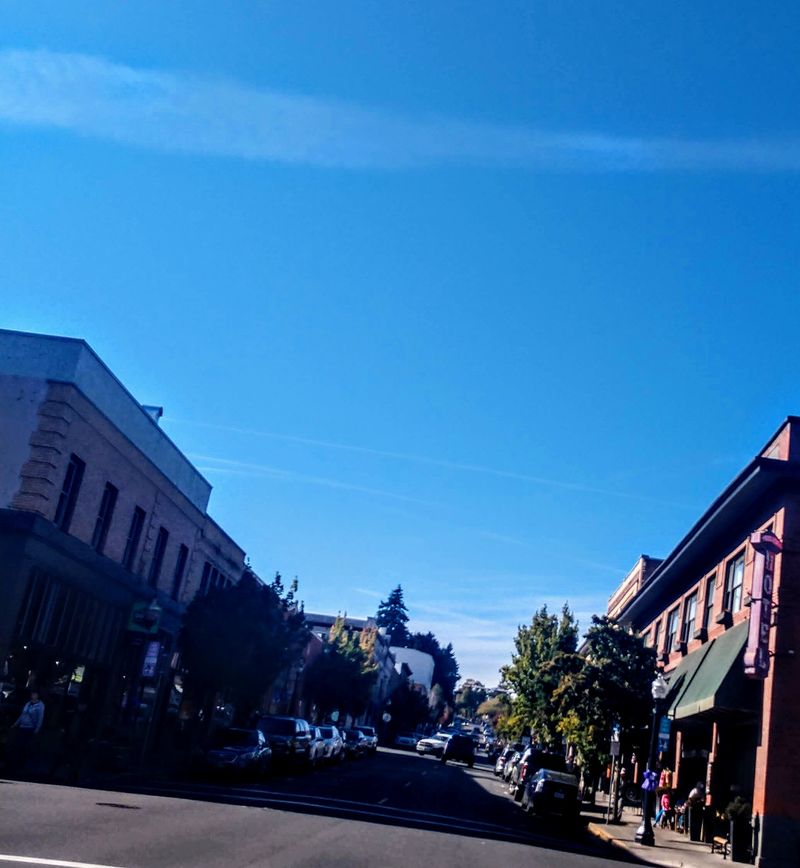
With a population hovering around 8,300, Hood River maintains a genuine small-town atmosphere where shopkeepers remember your name and community events draw crowds that include both longtime residents and newcomers.
Yet this compact town attracts visitors and transplants from around the world, drawn by the outdoor recreation opportunities and quality of life.
Walk downtown and you’ll hear multiple languages spoken, reflecting the international community of athletes, seasonal workers, and remote professionals who have made Hood River home.
The Hood River Saturday Market, operating from April through October, showcases this blend of local agriculture and global influence, with vendors selling everything from organic vegetables to international street food.
Community organizations remain strong, from the volunteer fire department to the youth sports leagues, creating connections that bind residents together across different backgrounds.
The agricultural heritage that built the town coexists with the newer recreation economy, sometimes creating interesting dynamics but generally fostering mutual respect.
Schools serve a diverse student population, with programs reflecting both the area’s farming traditions and its connection to outdoor sports and environmental education.
This combination of small-town values and international flavor creates a social environment that feels both grounded and cosmopolitan.
Unlike resort towns that empty out during off-season, Hood River maintains year-round vitality thanks to its working community and varied economy.
The result is a place where you can find authentic community connection alongside world-class amenities, a balance that few Oregon towns have managed to achieve.
Dear Reader: This page may contain affiliate links which may earn a commission if you click through and make a purchase. Our independent journalism is not influenced by any advertiser or commercial initiative unless it is clearly marked as sponsored content. As travel products change, please be sure to reconfirm all details and stay up to date with current events to ensure a safe and successful trip.
