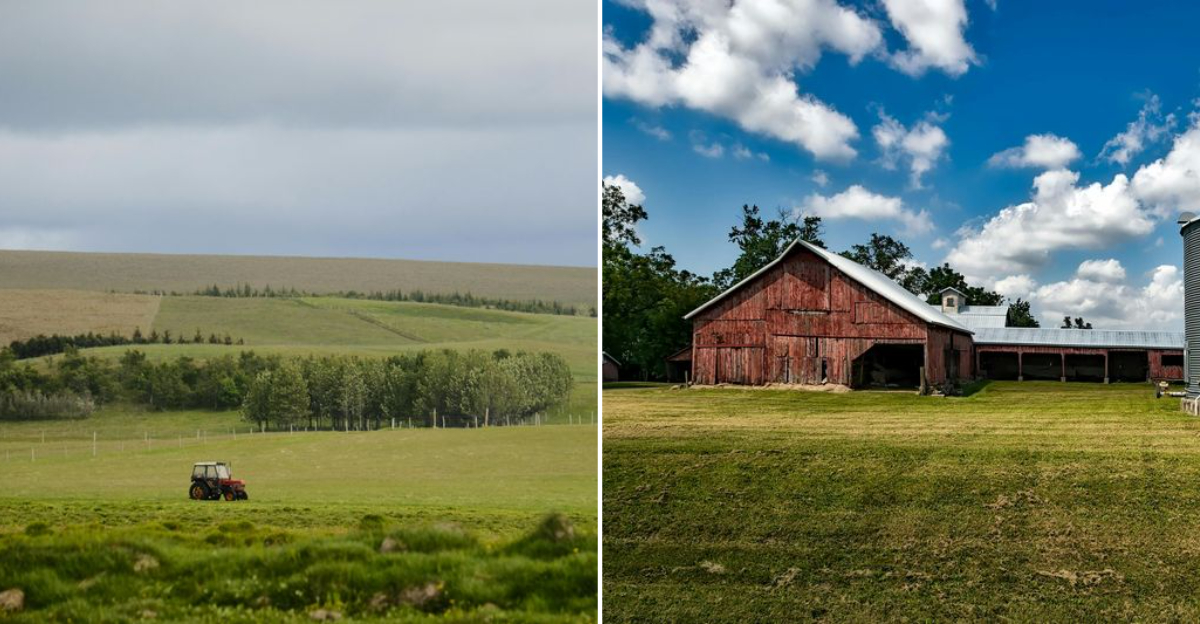
Have you ever wondered what life is really like inside a small rural Quaker community?
In Iowa, there’s one that doesn’t make headlines or attract crowds, but it quietly thrives with traditions that go back generations.
It’s not about flashy events or big gatherings. It’s about simplicity, faith, and a way of living that feels steady in a fast-moving world.
I remember visiting once and being struck by how welcoming everyone was.
Conversations weren’t rushed, meals were shared without fuss, and there was a sense of calm that’s hard to find elsewhere.
People here value community over convenience, and it shows in the way they support each other.
This isn’t the kind of place you’ll stumble upon by accident, but that’s part of its charm. It’s a reminder that even in the middle of rural Iowa, there are communities holding onto something meaningful.
Curious to know what makes it so unique? Let’s take a closer look at how this Quaker community lives today.
1. It Feels Quiet On Purpose
You know that feeling when a room holds its breath in the best way?
That is what a Friends meeting feels like out here in Iowa, where the quiet is not awkward, it is intentional.
Rural Quaker life leans into stillness, simplicity, and paying attention, and you sense it the second you sit down.
Inside worship, there is no stage, no spotlight, no hurry. People settle into silence and listen together, and anyone may stand and speak if they feel moved.
The lack of fuss is not a gap, it is the design, and it helps your mind uncrumple from the road.
From the outside, it might look like nothing is happening. In truth, it is everything, because that protected calm lets folks clear noise and hear what matters.
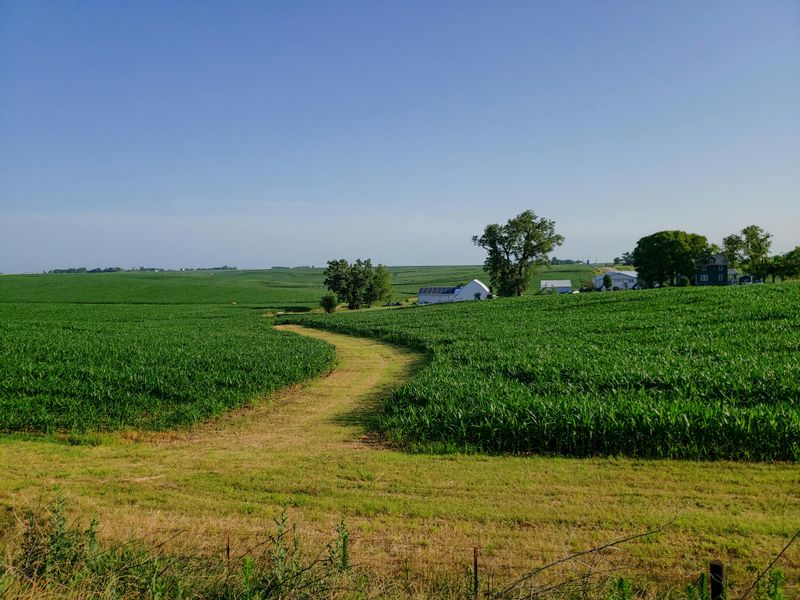
You walk out aware of birds, gravel underfoot, and the way the wind talks across the fields.
Locals tend to keep that atmosphere intact without making a big deal out of it. They will greet you kindly, then let the stillness do most of the talking.
If you lean in, you will notice the quiet holds care, and the care holds the community.
2. The Community Is Small, So Relationships Run Deep
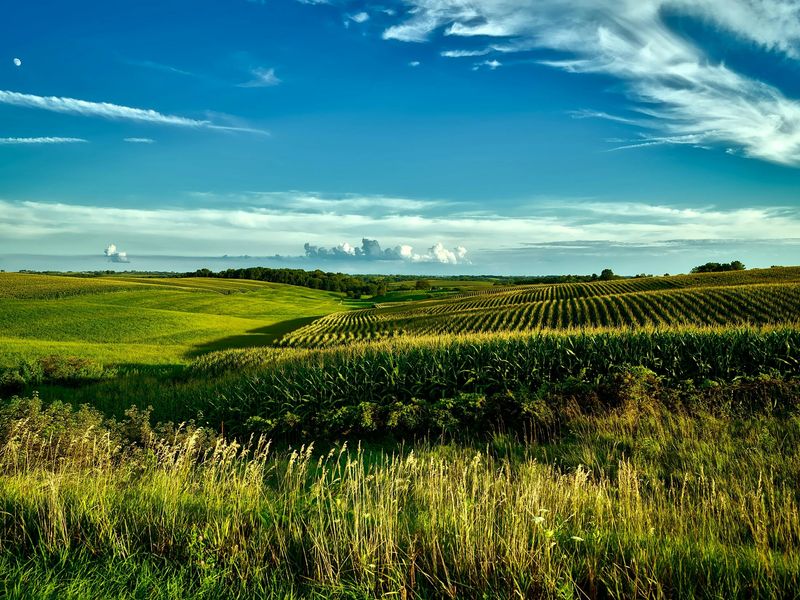
Out here, the scale is small on purpose, and that shapes everything.
You do not slip through anonymously, because most people are connected by family, school, or decades of shared projects.
News travels gently but efficiently, and folks notice when you show up.
Conservative Friends are a relatively small branch, and in Iowa that tightness is real. It is less like a scene and more like a web, where relationships cross generations and town lines.
The effect is steadying, because consistency beats flash every time.
You feel it in the way introductions come with tiny stories. Someone will add a kind note about a grandparent or a harvest crew or a meeting cleanup weekend.
Soon you are placing names like fence posts along a road.
There is accountability too, the friendly kind that remembers birthdays and asks about a doctor visit.
If you are new, patience matters, because trust builds slowly and honestly. Give it time, lend a hand, and the web starts to include you.
3. Salem’s History Still Sits In The Front Row
If you want the backbone story, go to Salem and listen to how people talk.
Iowa Yearly Meeting sources describe the first Monthly Meeting of Friends in the state being opened and held in Salem in an early era.
That early start explains why the town still comes up in Quaker conversations.
It is not dust on a shelf here. Locals treat that past like lived heritage, woven into family lines and meeting rhythms.
You feel it in the way stories surface during a chat by a doorway.
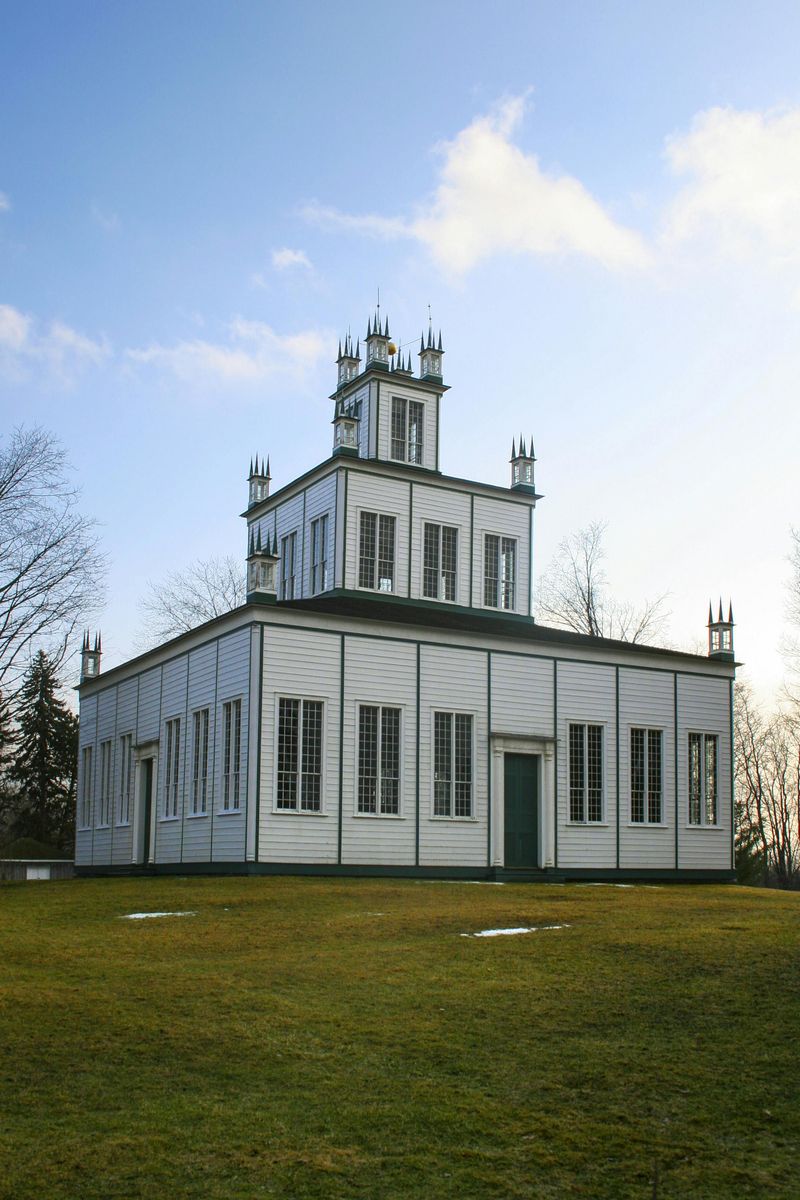
Walking the quiet blocks, you notice simple architecture, old trees, and a pace that respects memory. No one tries to turn it into a spectacle or a theme park.
History sits close to the ground, right where daily life is happening.
Ask gentle questions and you will get thoughtful answers. People here measure words carefully, not to hide anything, but to keep the truth clear.
When you head out, the road feels longer in a good way, like you are carrying something steady.
4. Abolitionist Roots Are Remembered Without The Drama
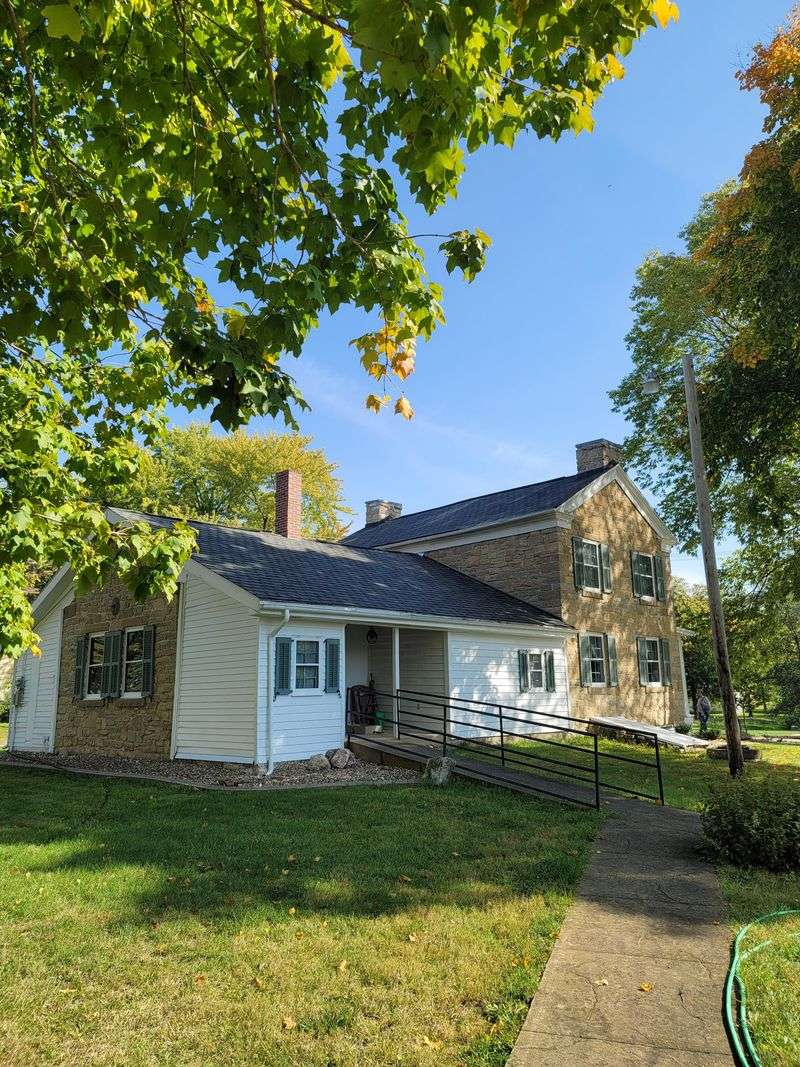
Here is the part that gets your attention.
Salem’s Quaker story is tied closely to antislavery work and Underground Railroad history, and you will hear it presented in a steady, factual tone.
The Lewelling Quaker Museum connects to sheltering freedom seekers, and Iowa PBS highlights the Lewelling House as a preserved site.
That directness feels right for this culture. Instead of hype, you get context, names, and a calm explanation.
The weight of the past sits there, not pushed, not softened, just held.
As you look at exhibits, you notice the focus on people and principle. It invites quiet reflection more than big reactions.
You come away with respect for courage that looked like steady daily choices.
On the street outside, the town feels ordinary in the best way. That is part of the lesson, that important work can happen in places that look simple.
Iowa holds that memory without turning it into a show.
5. Springdale Shows The Bold Side People Forget
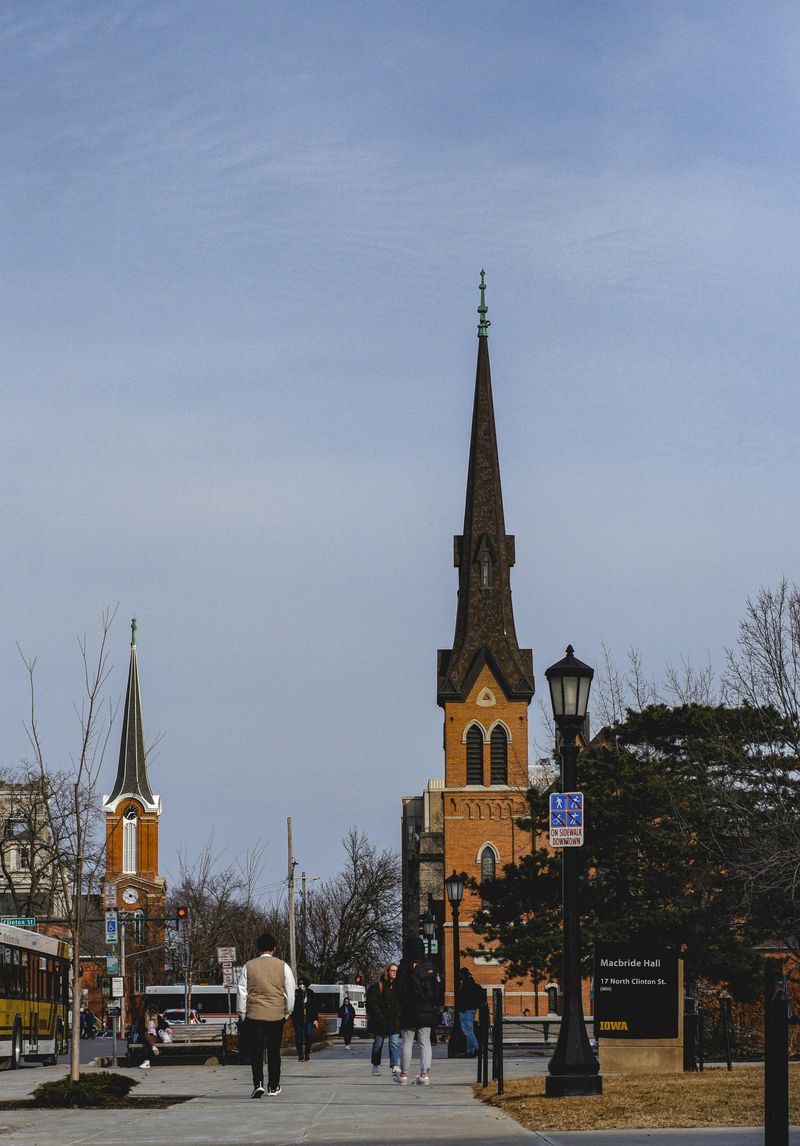
Think Quakers are always quiet? Springdale will stretch that idea.
Historically described as predominantly Quaker and a major Underground Railroad station, it is also linked with John Brown’s activities before Harpers Ferry.
Locals who know the story often share it plainly, almost like a family album. The tone stays serious but not flashy, which makes the details land even harder.
You are standing in fields, hearing about choices that changed lives.
What strikes you is the balance. The same community that values stillness also carried bold action when conscience demanded it.
That tension is not a contradiction here, it is part of the fabric.
When you drive away, the road feels thoughtful. You start watching fence lines and creek crossings, imagining how messages might have moved.
The quiet roads here hold a lot if you listen.
6. West Branch Keeps Quaker Simplicity Visible
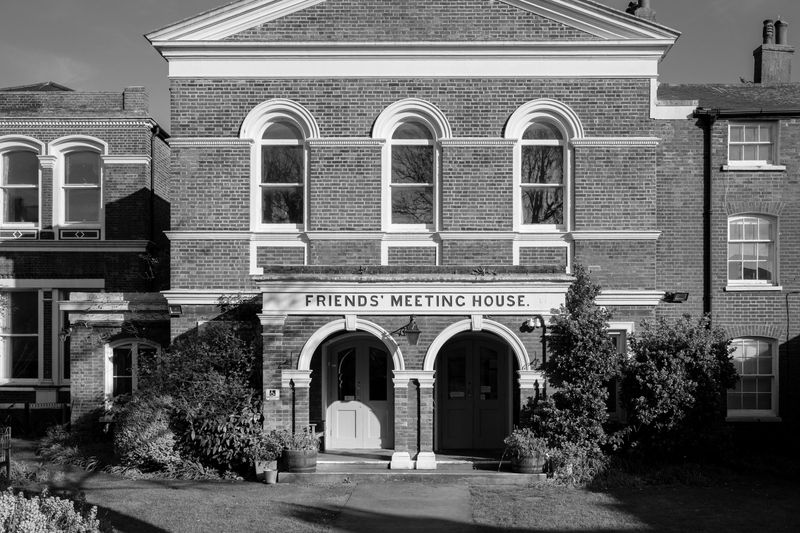
Some places let you see values in wood and nails. In West Branch, the Friends Meetinghouse stands as a plainspoken reminder.
The National Park Service describes it as an expression of Quaker values, noting it was built in the nineteenth century and later relocated and restored.
Step closer and the simplicity becomes the message. Straight lines, unadorned walls, and an easy relationship with the landscape.
You feel how form follows purpose without chasing attention.
It is refreshing to be in a space that does not pose. The building seems to say, we are here to gather, listen, and care for each other.
That is more than a style, it is a practice.
West Branch gives you that clarity at a glance. The state seems to do this well, letting history sit where you can find it without fuss.
Take a slow breath and let the scene settle in.
7. Splits And Differences Are Part Of The Story

Here is an honest note you will hear if you ask: Quakers in Iowa have not always agreed on direction.
The National Park Service mentions a split in the West Branch community, with conservative and progressive groups using and modifying meeting spaces over time.
That history helps explain why different meetings feel different today. Some carry a more guarded tone, others feel more outward looking.
Both share roots in silence and care, but the branches have their own weather.
When visiting, it helps to listen to the local language. People might describe practice, dress, or decision styles without drama.
You can sense respect even when approaches diverge.
It is a useful context if you ask me. The variety shows that living traditions have room for change and conviction.
In this state, those differences sit alongside cornfields and gravel roads like neighbors.
8. Daily Life Follows The Rural Rhythm
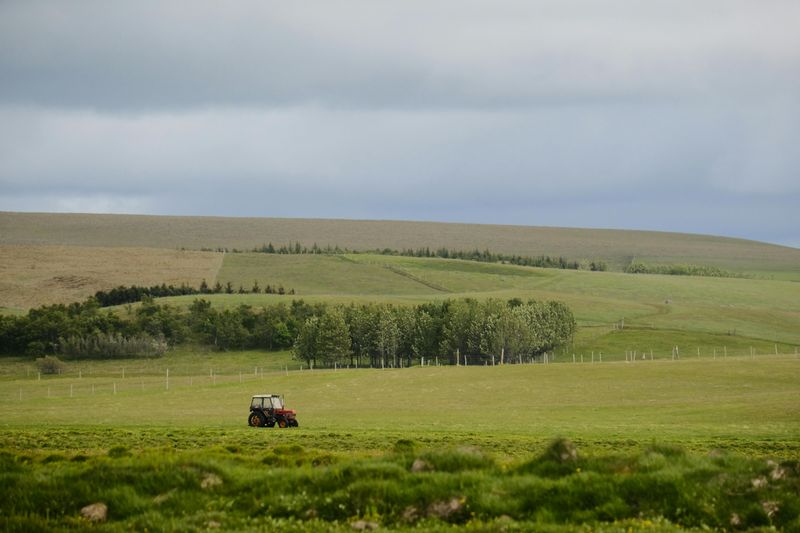
Want to understand the vibe? Watch the rhythm of a week.
This is rural Iowa, where long drives, early mornings, and weather shape calendars more than apps do.
Plans happen with a practical streak. People show up when it matters, whether it is a workday at the meetinghouse or a neighbor needing a ride.
Social life leans toward dependable rather than busy.
You will notice conversations that start in parking lots and finish after a quick errand. There is a lot of waving from drivers who actually mean it.
The energy is steady, not sleepy, because tasks keep moving quietly.
If you visit, match the pace. Offer help, ask real questions, and leave room for silence.
You will find the day opens up in friendly ways once you are not rushing.
9. Decisions Tend To Be Slow And Careful
Fast takes do not carry much weight here.
In many Friends communities, discernment beats speed. People value listening, letting things settle, and taking steps that keep the group healthy.
From the outside, that can read as cautious. From the inside, it feels like respect, the kind that keeps trust from slipping.
You watch folks pause, reflect, and test a sense of unity before moving.
It changes how meetings feel. Voices come in gently, then rest again in quiet.
The process is not fancy, but it is sturdy and kind.
If you are used to quick turns, it helps to breathe and lean into the silence.
Clear decisions rise like fence posts after fog lifts. In this state, that patience is not delay, it is care.
10. Education And Youth Life Are Handled With Intention

When people talk about kids here, they mean more than grades.
Around West Branch, Quaker education has a real footprint.
Scattergood Friends School describes its early purpose as providing a guarded education with the first student body drawn entirely from Quaker families.
Even today, the broader idea feels consistent. Character, community, and responsibility sit beside achievement rather than behind it.
You notice how adults include youth in service and quiet leadership.
On campus paths, the scene stays unflashy. Simple buildings, open fields, and conversation that flows easily.
It is the kind of place where you learn by doing as much as by reading.
If you care about how values travel, watch this part closely. In Iowa, intention shows up in small daily choices.
Bit by bit, young people absorb the rhythm and make it their own.
11. Service Is Not A Slogan, It’s A Habit
This is where the culture speaks the loudest without raising a voice. Service shows up in straightforward, practical ways.
Scattergood Hostel near West Branch is a strong example, remembered for sheltering refugees from Nazi occupied Europe, with multiple sources noting that many people were hosted.
The way locals tell it, the story is plain and grateful. No bragging, just the record of work done because it was needed.
That tone fits the broader Quaker habit of action grounded in care.
You start noticing smaller patterns too. Rides offered, fences mended, steady visits after a tough week.
The help is quiet, but it lasts.
If you are visiting, ask how you can pitch in. Even a small task teaches you more than a long brochure.
This state makes service feel normal, which might be the most telling thing of all.
12. Visitors Usually Miss The Point If They Only Chase Landmarks
Here is a gentle tip for your road trip. If you treat rural Quaker Iowa like a checklist, you will miss the real experience.
The deeper story is how understated spaces, routines, and relationships are the main event.
Let yourself notice the quiet pauses before and after worship.
Watch how people greet, how they leave room for others, how chores get handled without fuss. The so-called nothing is actually the point.
Landmarks help, but the tone is what stays in your bones: understatement, consistency, and community first instincts. You walk away lighter, like you borrowed a steadier heartbeat.
So slow down and listen for the small cues. Say thanks, mean it, and keep your plans flexible.
Iowa will meet you halfway if you give it time.
Dear Reader: This page may contain affiliate links which may earn a commission if you click through and make a purchase. Our independent journalism is not influenced by any advertiser or commercial initiative unless it is clearly marked as sponsored content. As travel products change, please be sure to reconfirm all details and stay up to date with current events to ensure a safe and successful trip.
