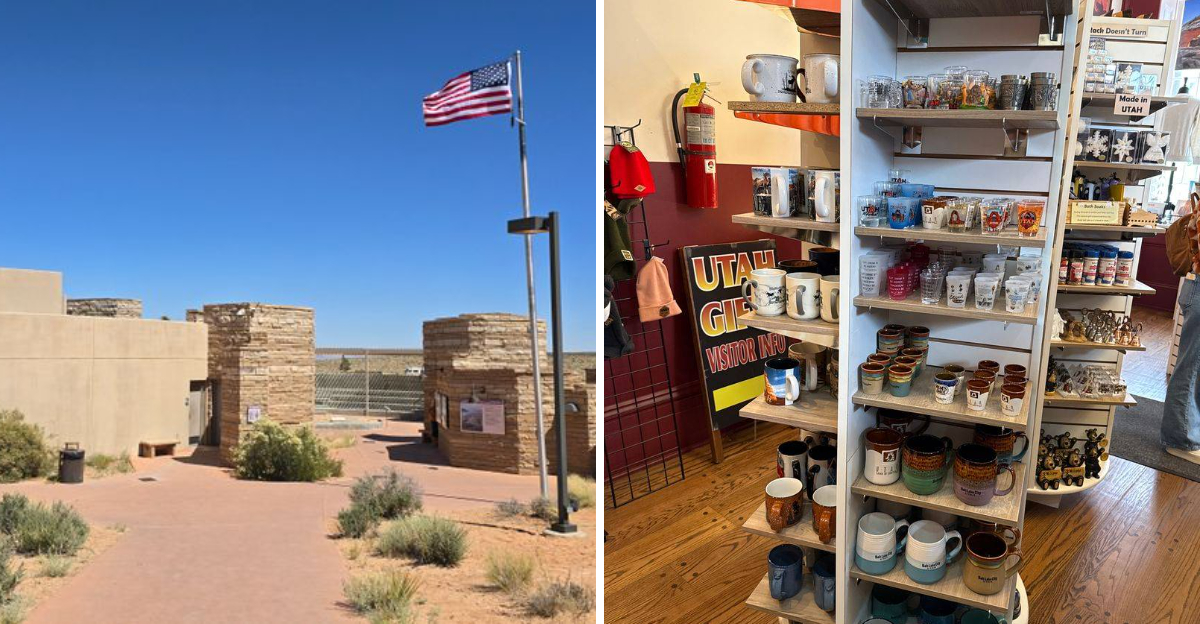
Utah’s visitor centers serve as gateways to some of the most breathtaking landscapes and adventures in the American West.
Whether you’re planning to explore the red rock canyons, snow-capped mountains, or vibrant cities, these welcoming hubs offer valuable resources that can transform your trip from good to unforgettable.
Stepping into a Utah visitor center means gaining access to insider knowledge, free maps, helpful staff, and sometimes even unexpected surprises that enhance your journey.
From learning about hidden trails to discovering local events happening during your stay, visitor centers provide essential support for travelers of all ages and experience levels.
Before you hit the road to explore Utah’s incredible natural wonders and cultural attractions, knowing what to expect at these helpful stops can save you time, money, and frustration.
Each center has its own personality and specialties, yet they all share a common goal of making your Utah experience as smooth and enjoyable as possible.
Get ready to discover the seven key things you’ll encounter when you walk through those doors.
Friendly and Knowledgeable Staff Ready to Help

Walking into a Utah visitor center feels like meeting a helpful friend who knows all the best spots in the area.
The staff members working at these centers aren’t just doing a job; they’re passionate about sharing their love for Utah’s incredible landscapes and hidden treasures.
Many of them have lived in the region for years and possess firsthand knowledge about trails, restaurants, and attractions that you won’t find in typical guidebooks.
Staff members receive extensive training about the local area, including seasonal conditions, wildlife sightings, and current road closures.
They can answer questions about everything from the best time to photograph Delicate Arch to where families can find kid-friendly hiking trails.
Some staff members speak multiple languages, making international visitors feel welcomed and understood during their Utah adventures.
Don’t hesitate to ask specific questions or share your interests with the staff.
If you mention that you love photography, they might direct you to a lesser-known viewpoint that offers stunning sunrise shots.
If you’re traveling with young children, they’ll recommend attractions with restrooms, shade, and easy walking paths.
The personal touch these staff members provide can make a significant difference in your trip planning.
They often share recent visitor experiences, letting you know if a particular trail is crowded or if wildflowers are blooming in a certain canyon.
Their genuine enthusiasm for helping travelers creates a warm, welcoming atmosphere that sets a positive tone for your entire Utah journey.
Remember, no question is too simple or too complicated; these dedicated professionals want to ensure you have the best possible experience exploring their beautiful state.
Complimentary Maps and Brochures for Every Interest
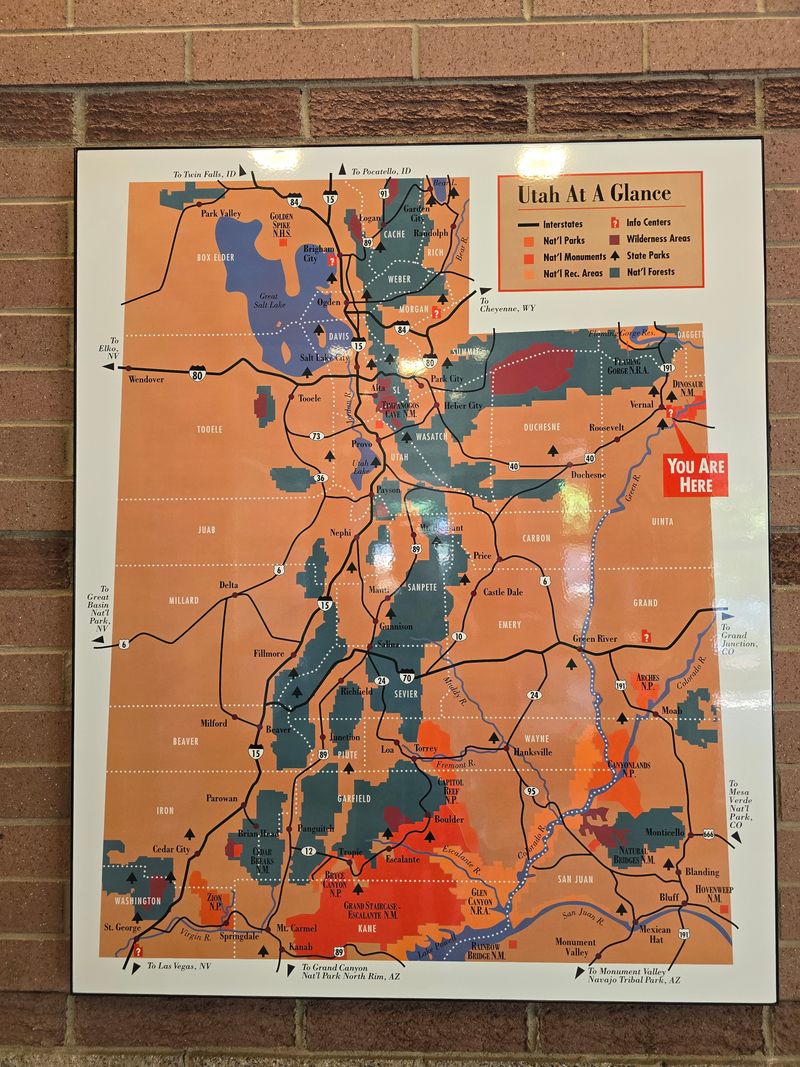
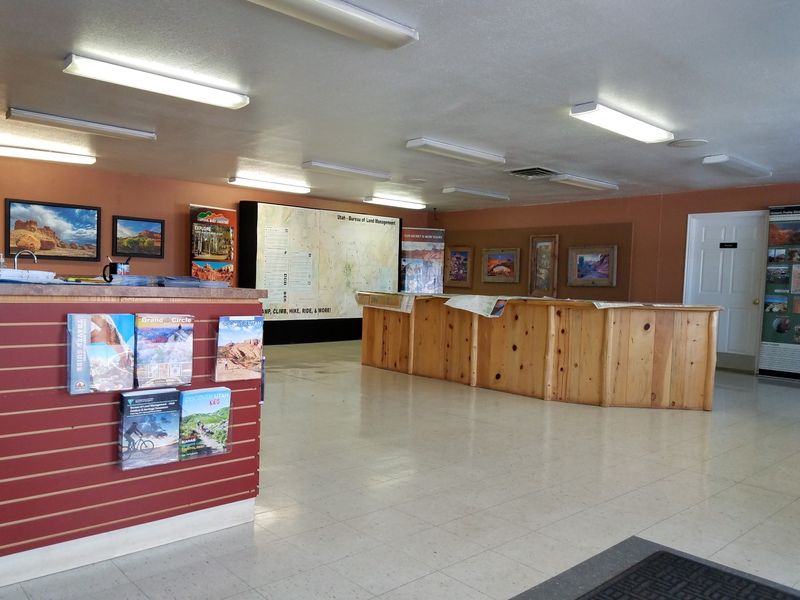
Racks upon racks of free maps and brochures greet you the moment you enter most Utah visitor centers.
These aren’t just basic tourist pamphlets; they’re carefully curated resources covering everything from national parks to local dining spots.
You’ll find detailed trail maps, scenic byway guides, cultural attraction brochures, and seasonal activity calendars all available at no cost.
The variety of materials available can feel overwhelming at first, but the organized displays make it easy to find exactly what you need.
National park brochures include trail difficulty ratings, estimated hiking times, and safety information that proves invaluable when planning your daily adventures.
Local business guides feature coupons and special offers that can help you save money on meals, lodging, and souvenirs throughout your trip.
Many visitor centers also stock specialized maps for specific activities like mountain biking, rock climbing, or birdwatching.
These detailed resources show trailheads, difficulty levels, and points of interest that general maps might miss.
Some centers even offer laminated waterproof maps for backcountry explorers who need durable materials for multi-day trips.
Grabbing a handful of brochures allows you to plan your itinerary even when you don’t have cell phone service in remote areas.
Physical maps become especially important in Utah’s vast wilderness regions where GPS signals can be unreliable or nonexistent.
The brochures often include QR codes linking to updated information, combining traditional and digital resources for modern travelers.
Before leaving the visitor center, take a few extra minutes to browse through different sections—you might discover an attraction or activity you hadn’t previously considered.
These free resources represent years of local knowledge condensed into easy-to-carry formats that fit perfectly in backpacks or glove compartments.
Interactive Exhibits and Educational Displays
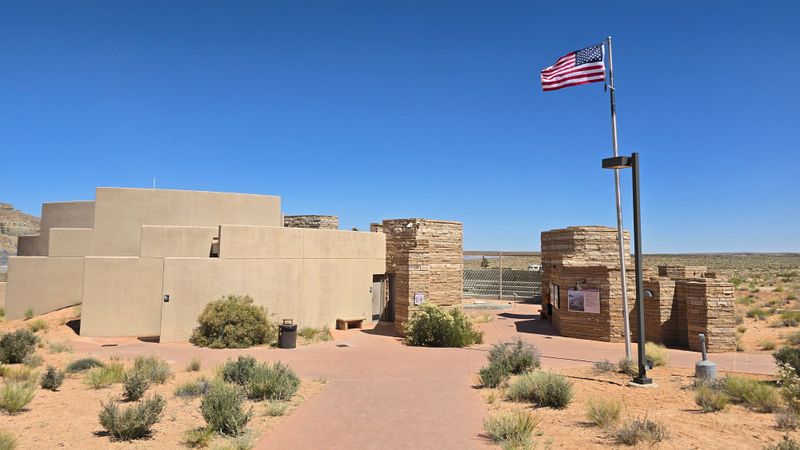
Many Utah visitor centers feature engaging exhibits that bring the region’s natural and cultural history to life before you even step outside.
These displays go far beyond simple posters on walls, incorporating touchscreens, three-dimensional models, and hands-on activities that appeal to curious minds of all ages.
You might find yourself examining replica dinosaur fossils, learning about ancient Puebloan cultures, or watching videos about the geological forces that shaped Utah’s stunning landscapes.
Interactive displays allow visitors to explore topics at their own pace and according to their interests.
Kids especially love exhibits where they can touch rocks, press buttons, or watch short films about local wildlife.
Adult visitors appreciate the detailed information about ecology, geology, and human history that provides context for the sights they’ll encounter during their travels.
Some visitor centers partner with universities and museums to create rotating exhibits that change seasonally or annually.
These temporary displays might focus on specific topics like endangered species, historic events, or artistic interpretations of Utah’s landscapes.
The variety ensures that even repeat visitors discover something new during each stop.
Educational displays often include information about responsible recreation and Leave No Trace principles.
These lessons help visitors understand how to protect fragile ecosystems while still enjoying outdoor activities.
Learning about proper trail etiquette, wildlife safety, and water conservation before heading into nature creates more conscientious travelers who help preserve Utah’s beauty for future generations.
Spending twenty or thirty minutes exploring these exhibits enriches your understanding of the places you’ll visit.
The knowledge gained from these displays transforms simple sightseeing into meaningful experiences where you truly appreciate the remarkable landscapes surrounding you.
Children who engage with interactive exhibits often develop lasting interests in science, history, and environmental conservation.
Clean Restrooms and Comfortable Rest Areas

After hours of driving through Utah’s expansive landscapes, finding a clean restroom becomes a top priority for most travelers.
Visitor centers provide reliably maintained facilities that offer a welcome break from the road.
These aren’t rustic outhouses or questionable gas station bathrooms; most visitor centers feature modern, climate-controlled restrooms with running water, soap, and paper products consistently stocked.
Families with young children particularly appreciate the spacious layouts and baby-changing stations available at many locations.
The cleanliness and accessibility of these facilities make them ideal stopping points during long drives between attractions.
Some larger visitor centers even include family restrooms that provide privacy and extra space for parents managing multiple children or travelers with special needs.
Beyond the restrooms, comfortable seating areas give weary travelers a place to rest, regroup, and plan their next moves.
Many centers feature air conditioning in summer and heating in winter, offering relief from Utah’s sometimes extreme temperatures.
You’ll often find comfortable benches, tables, and charging stations where you can plug in devices and check messages while taking a breather.
These rest areas serve as gathering spots where families can spread out maps, snack on packed lunches, and discuss which attractions to visit next.
The relaxed atmosphere encourages conversation with other travelers who might share recommendations or travel tips based on their recent experiences.
Some visitor centers include outdoor patios or picnic areas with shade structures and scenic views.
Taking advantage of these comfortable spaces helps prevent travel fatigue and keeps everyone in good spirits.
Knowing that clean, accessible facilities await at visitor centers allows you to plan your route more confidently, especially when traveling with children, elderly companions, or anyone with mobility concerns.
These practical amenities might seem simple, but they significantly enhance the overall travel experience.
Current Weather Updates and Safety Information

Utah’s weather can change dramatically within hours, making up-to-date information essential for safe outdoor adventures.
Visitor centers serve as reliable sources for current weather conditions, forecasts, and critical safety alerts that might affect your plans.
Staff members monitor weather patterns closely and can warn you about incoming storms, extreme heat, flash flood risks, or other conditions that could impact your activities.
Digital displays and bulletin boards show real-time information about trail closures, road conditions, and park alerts.
This information proves invaluable when you’re deciding whether to tackle that challenging hike or explore a different area instead.
During winter months, staff can advise about snow conditions, avalanche risks, and whether chains or four-wheel drive vehicles are necessary for certain routes.
Safety information extends beyond weather to include wildlife warnings and environmental hazards.
If rangers have spotted mountain lions in a particular area or if rattlesnakes are especially active due to seasonal patterns, visitor center staff will share these important updates.
They can also provide guidance about altitude sickness prevention, proper hydration in desert environments, and sun protection strategies for Utah’s intense high-elevation sunshine.
Many centers distribute printed safety guides covering topics like what to do if you encounter wildlife, how to recognize signs of heat exhaustion, and emergency contact information for different regions.
This proactive approach to visitor safety helps prevent accidents and ensures that travelers understand the risks associated with various activities.
Staff members don’t aim to scare people away from adventures; they simply want everyone to be prepared and informed.
Checking in at a visitor center before heading into remote areas gives you peace of mind and equips you with knowledge that could prove crucial in unexpected situations.
The few minutes spent gathering current information and safety tips can literally save lives while allowing you to enjoy Utah’s outdoors responsibly.
Souvenirs and Local Products for Sale
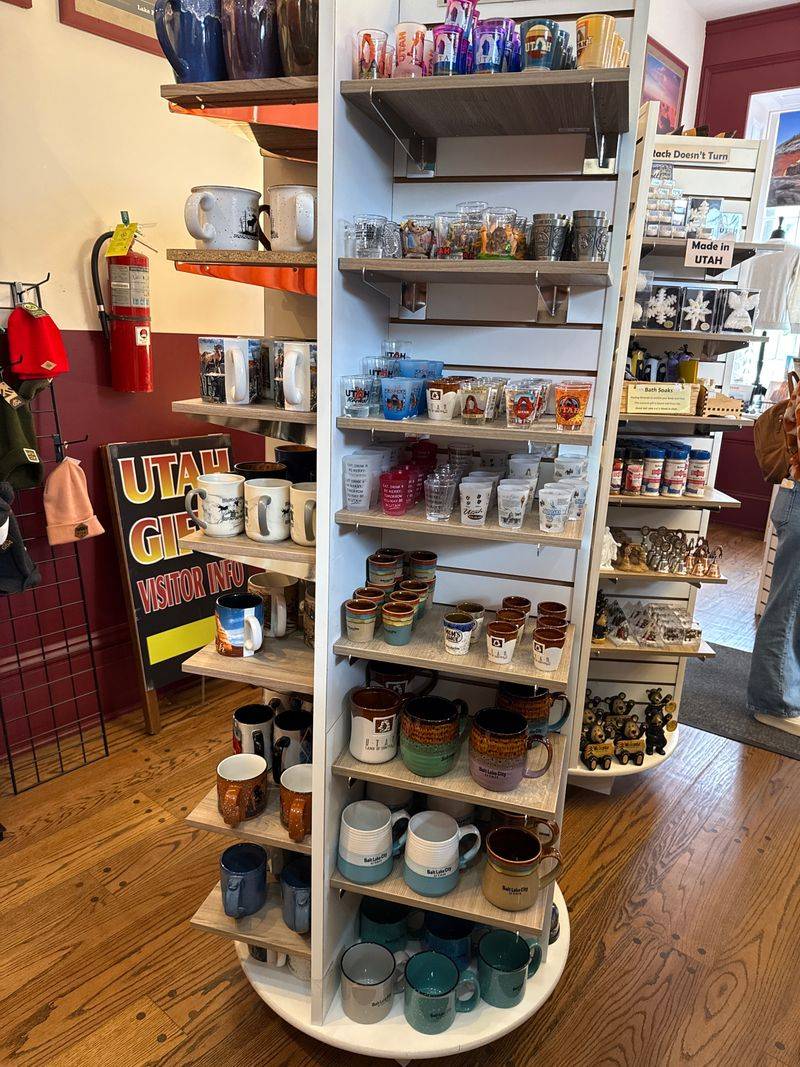
Most Utah visitor centers include small gift shops or retail areas where you can purchase meaningful souvenirs and locally made products.
Unlike generic tourist traps, these shops carefully select items that reflect the region’s authentic character and support local artists and businesses.
You’ll discover handcrafted jewelry made by Native American artisans, books about Utah’s geology and history, and unique gifts you won’t find anywhere else.
The selection typically includes practical items like reusable water bottles, sun hats, and hiking accessories alongside decorative souvenirs.
Many centers stock locally produced foods such as honey, jams, salsas, and specialty snacks that make excellent gifts or personal treats.
These edible souvenirs offer a tasty way to remember your Utah adventures long after you return home.
Purchasing from visitor center shops directly supports the organizations that maintain these helpful facilities and protect Utah’s natural resources.
Revenue from retail sales often funds educational programs, trail maintenance, and conservation efforts throughout the state.
Knowing that your purchase contributes to these worthy causes adds extra meaning to each item you buy.
Children love browsing the kid-friendly sections featuring stuffed animals, activity books, and inexpensive trinkets that commemorate their trips.
Parents appreciate that these items are educational and reasonably priced compared to gift shops at major attractions.
Many centers also sell postcards and stamps, allowing you to send old-fashioned greetings to friends and family from your Utah journey.
The staff members working in these retail areas can share stories about the artisans who create the products and explain the cultural significance of certain items.
This personal connection transforms simple shopping into an educational experience that deepens your appreciation for Utah’s diverse communities.
Whether you’re looking for a special gift or a personal memento, visitor center shops offer thoughtfully curated selections that capture the spirit of this remarkable state in tangible form.
Free Wi-Fi and Technology Resources
In an increasingly connected world, having access to reliable internet can make or break a travel experience.
Many Utah visitor centers recognize this need and offer complimentary Wi-Fi that allows visitors to check emails, research attractions, share photos on social media, or video chat with loved ones back home.
This free connectivity becomes especially valuable in rural Utah areas where cellular service can be spotty or nonexistent for miles around.
The availability of Wi-Fi enables travelers to download maps, make last-minute reservations, or adjust their itineraries based on new information gathered at the center.
You can quickly look up reviews of nearby restaurants, check operating hours for attractions, or book campsites while sitting comfortably in the visitor center.
This digital access complements the traditional paper maps and brochures, giving you the best of both analog and digital planning tools.
Many centers also provide charging stations where you can power up smartphones, tablets, cameras, and other devices.
These amenities prove essential for travelers who rely on GPS navigation or want to ensure their cameras have sufficient battery for capturing Utah’s photogenic landscapes.
Some larger facilities even offer computer terminals that visitors can use for quick internet searches or printing important documents.
Digital kiosks and interactive touchscreens allow you to explore virtual tours of attractions, watch promotional videos, and access detailed information about specific destinations.
These technology resources enhance the traditional visitor center experience by providing multimedia content that brings places to life before you visit them.
Families can preview activities together and let children explore options that interest them most.
The combination of personal assistance from knowledgeable staff and modern technology resources creates a comprehensive support system for travelers.
Whether you prefer old-school paper maps or digital navigation apps, Utah’s visitor centers accommodate all preferences and ensure you have the tools needed for successful adventures throughout this spectacular state.
Dear Reader: This page may contain affiliate links which may earn a commission if you click through and make a purchase. Our independent journalism is not influenced by any advertiser or commercial initiative unless it is clearly marked as sponsored content. As travel products change, please be sure to reconfirm all details and stay up to date with current events to ensure a safe and successful trip.
