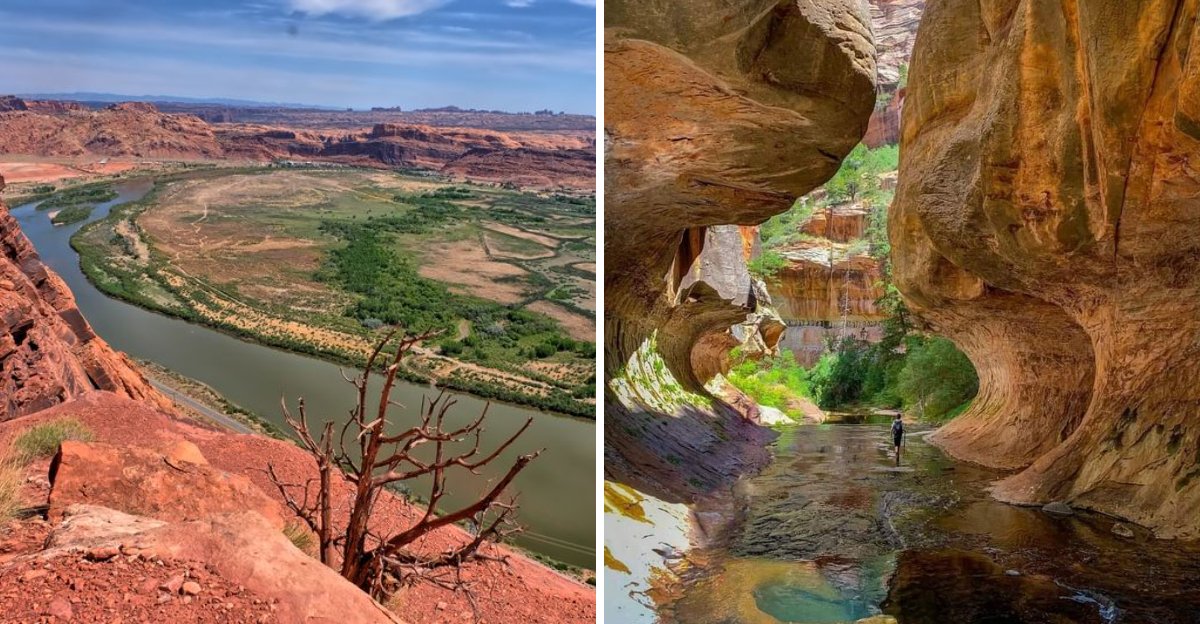
Utah stands as home to some of the most stunning national park trails in America, drawing millions of visitors every year who want to experience red rock canyons, towering arches, and desert landscapes unlike anywhere else on Earth.
Before you lace up your hiking boots and head out to explore these natural wonders, there are several important things you need to know to make your adventure safe, enjoyable, and memorable.
Understanding the unique challenges and characteristics of Utah’s national park trails can make the difference between a fantastic trip and a frustrating or even dangerous experience.
Whether you’re planning to visit Zion, Bryce Canyon, Arches, Canyonlands, or Capitol Reef, being prepared with the right knowledge will help you make the most of your time in these incredible outdoor spaces.
Desert Heat Can Be Dangerous and Unpredictable
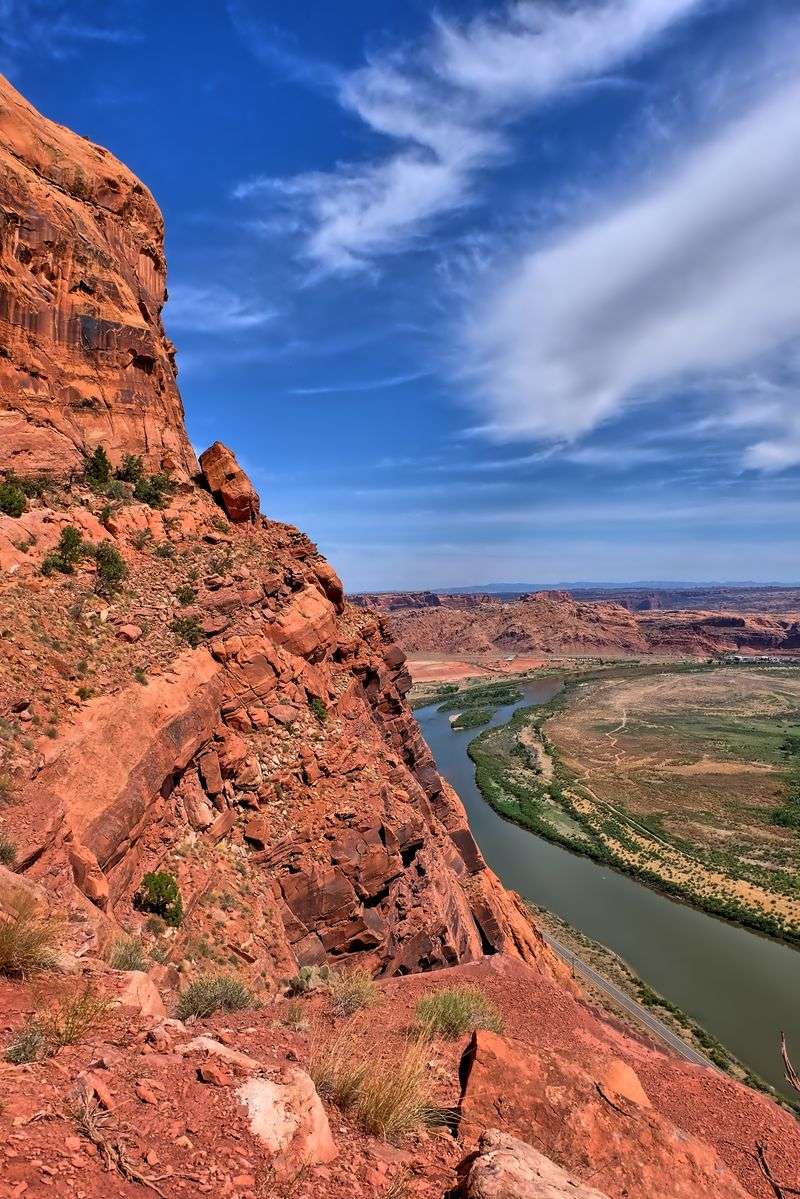
Summer temperatures in Utah’s national parks regularly climb above 100 degrees Fahrenheit, creating conditions that can quickly lead to heat exhaustion, heat stroke, and severe dehydration if you’re not careful.
Many visitors underestimate just how intense the desert sun feels, especially when you’re hiking on exposed trails with little to no shade for hours at a time.
The dry climate means sweat evaporates so quickly that you might not even realize how much fluid your body is losing until you start feeling dizzy or nauseous.
Park rangers recommend starting your hikes very early in the morning, ideally before sunrise, so you can complete the most strenuous portions before the heat becomes unbearable in the afternoon.
Bring at least one gallon of water per person for every day of hiking, and consider carrying electrolyte packets or sports drinks to replace the salt your body loses through sweating.
Wear lightweight, light-colored clothing that covers your arms and legs to protect against sunburn while still allowing your skin to breathe and stay cool.
Watch for warning signs like headaches, confusion, excessive fatigue, or stopping sweating altogether, which can indicate serious heat-related illness requiring immediate attention.
Many trails have zero water sources along the way, so you must carry everything you need from the trailhead and plan accordingly based on distance and difficulty.
Some popular hikes like Angels Landing in Zion National Park or the Fiery Furnace in Arches can take several hours, making proper hydration planning absolutely essential for your safety and enjoyment of these spectacular desert landscapes.
Flash Floods Pose Real Threats in Slot Canyons
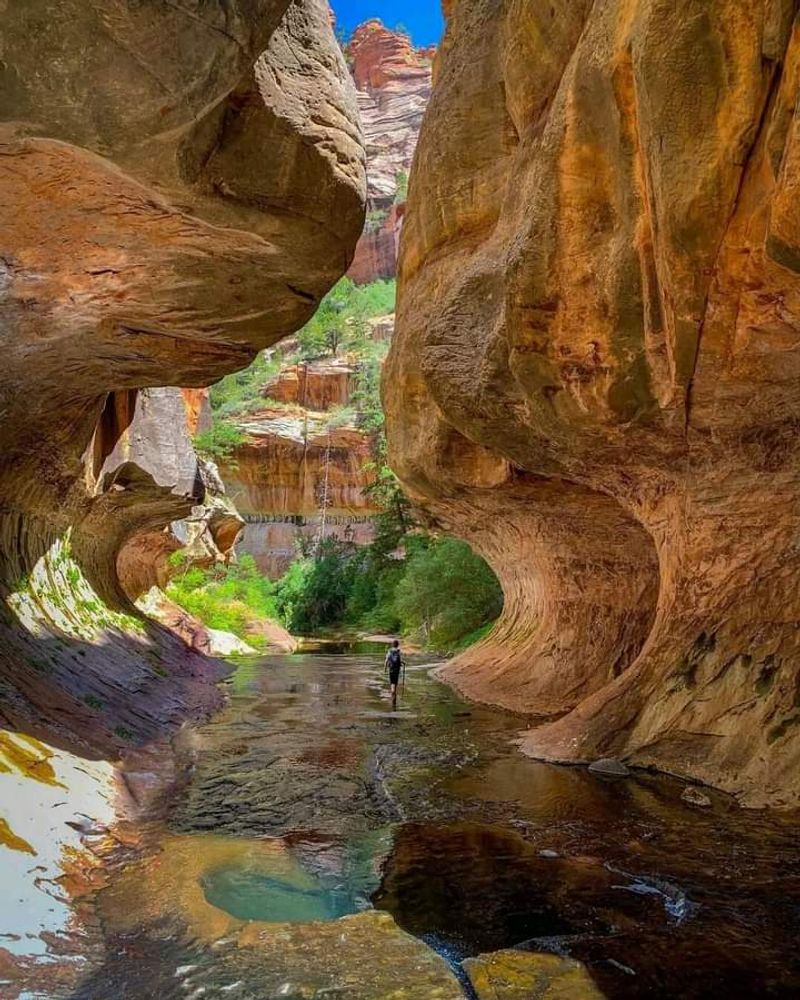
Slot canyons rank among Utah’s most photographed and sought-after hiking destinations, with their narrow walls, swirling sandstone patterns, and dramatic light beams creating absolutely magical experiences for adventurers.
However, these beautiful narrow passages can transform into deadly traps within minutes when flash floods occur, even if the sky above you looks perfectly clear and sunny.
Rain falling miles away in higher elevations can send walls of water rushing through these tight spaces with tremendous force, giving hikers little to no warning or chance to escape to safety.
Before entering any slot canyon like the famous Narrows in Zion or Buckskin Gulch, you must check the weather forecast carefully for the entire region, not just your immediate location.
Park websites and visitor centers provide daily flash flood potential ratings that range from low to high, and you should never enter slot canyons when the rating is moderate or above.
Even during low-risk periods, remain alert for signs like distant thunder, sudden temperature drops, or debris floating in water, which can indicate danger approaching from upstream areas.
Some slot canyon hikes require special permits that limit the number of people allowed each day, partly to manage safety risks and ensure rangers can account for everyone if emergencies develop.
Carry a waterproof bag for your electronics and important items, and know the locations of high ground or escape routes before you start your hike into these spectacular formations.
The National Park Service has documented numerous fatalities over the years from flash floods in slot canyons, making this one of the most serious hazards visitors face when exploring Utah’s unique geological features and stunning narrow passages.
Elevation Changes Affect Your Body More Than Expected
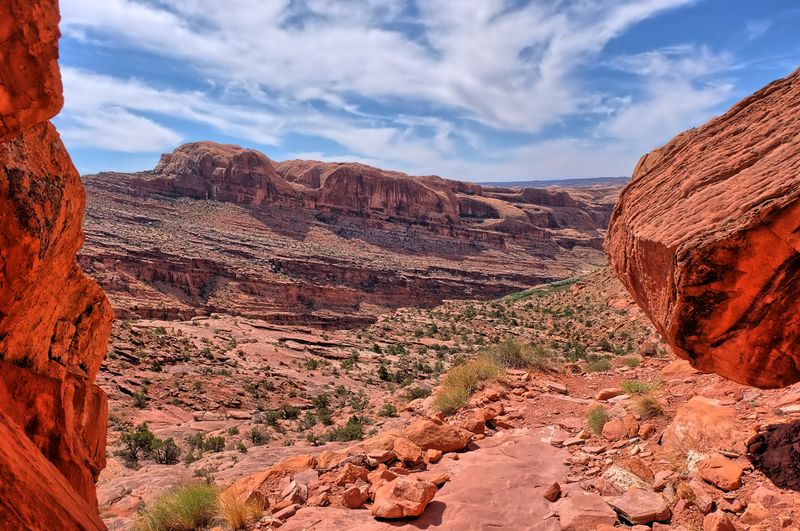
Most of Utah’s national parks sit at elevations between 4,000 and 8,000 feet above sea level, which means the air contains significantly less oxygen than what many visitors are accustomed to breathing at home.
If you’re traveling from coastal areas or lower elevations, your body needs time to adjust to these conditions, and you might experience symptoms like shortness of breath, headaches, fatigue, or dizziness during your first few days.
What feels like an easy hike at sea level can suddenly seem exhausting when you’re huffing and puffing your way up switchbacks at 7,000 feet in Bryce Canyon National Park.
Give yourself at least one full day to acclimate before attempting any strenuous hikes, spending time at the elevation while doing lighter activities and drinking plenty of water throughout the day.
Many trails in Utah involve significant elevation gain, with some popular routes like the Observation Point trail in Zion climbing more than 2,000 feet over several miles of steep terrain.
Pace yourself much slower than you normally would, taking frequent breaks to catch your breath and allowing your heart rate to return to comfortable levels before continuing upward.
Children and older adults may be especially sensitive to elevation changes and might need extra time to adjust before tackling challenging trails in the parks.
Symptoms of altitude sickness can include nausea, trouble sleeping, and loss of appetite, and in severe cases, people may need to descend to lower elevations for recovery.
Staying well-hydrated, avoiding alcohol for the first day or two, and eating carbohydrate-rich foods can all help your body adapt more quickly to the thinner air you’ll encounter while exploring these magnificent high-desert environments and their spectacular trails.
Wildlife Encounters Require Respect and Distance
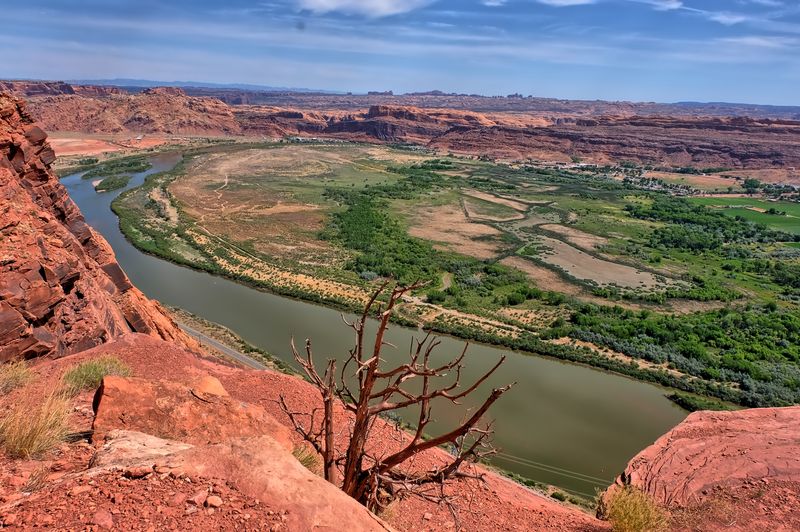
Utah’s national parks provide habitat for an impressive variety of wildlife including mule deer, bighorn sheep, mountain lions, black bears, rattlesnakes, scorpions, and numerous bird species that call these desert landscapes home.
While spotting animals in their natural environment creates exciting and memorable moments, getting too close can be dangerous for both you and the wildlife you encounter on the trails.
Park regulations require visitors to maintain at least 25 yards from most animals and 100 yards from predators like mountain lions, though these cats are rarely seen during daytime hours.
Never attempt to feed wildlife or leave food scraps behind, as animals that become accustomed to human food often become aggressive and may need to be relocated or euthanized by rangers.
Rattlesnakes are common on many trails, especially during warmer months, and they typically hide under rocks or in shaded areas where you might place your hands or feet without looking first.
Make noise while hiking, especially around blind corners or in dense vegetation, to avoid surprising animals and give them time to move away before you arrive at their location.
Carry bear spray if you’re hiking in areas where black bears live, and know how to use it properly before you need it in an emergency situation on the trail.
Scorpions and other venomous creatures often hide in shoes or gear left outside overnight, so shake out your boots each morning before putting them on your feet.
Birdwatchers can enjoy spotting California condors, peregrine falcons, and golden eagles soaring above the canyons, but always use binoculars or telephoto lenses rather than approaching nests or perching areas where these magnificent birds rest and raise their young in these protected wilderness areas.
Proper Footwear Makes or Breaks Your Experience

The terrain in Utah’s national parks varies dramatically from smooth, paved paths to loose sand, slickrock, scrambling over boulders, and wading through rivers, making your choice of footwear absolutely critical for comfort and safety.
Many first-time visitors make the mistake of wearing flip-flops, sandals, or brand-new boots that haven’t been broken in, leading to blisters, twisted ankles, or being unable to complete hikes they were really excited about.
Investing in quality hiking boots or trail shoes with good ankle support and aggressive tread patterns will transform your experience and allow you to tackle more challenging routes with confidence and stability.
For water hikes like the Narrows in Zion National Park, you’ll need shoes that can get completely soaked and still provide traction on slippery rocks covered in algae and moss.
Specialty water hiking shoes or neoprene socks paired with sturdy sandals work well for these conditions, and you can rent this gear from outfitters in Springdale near the park entrance.
Break in any new footwear by wearing it for several weeks before your trip, going on practice hikes to identify any hot spots or pressure points that might cause problems later.
The slickrock surfaces found throughout Utah’s parks can be surprisingly grippy when dry but become incredibly slippery when wet, so choose shoes with rubber soles designed for varied terrain and conditions.
Bring moleskin or blister prevention tape in your daypack so you can address any rubbing or discomfort before it turns into painful blisters that could end your hiking adventure early.
Your feet will thank you for choosing proper footwear, and you’ll be able to focus on enjoying the stunning scenery rather than limping back to the trailhead wishing you had made better choices about what to wear on your feet during this incredible outdoor adventure.
Permits and Reservations Are Often Required
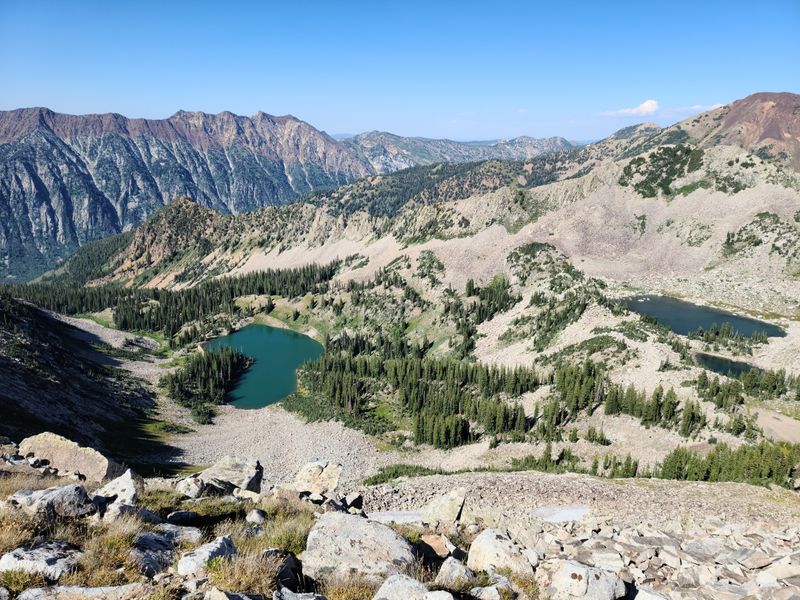
Growing popularity of Utah’s national parks has led to the implementation of permit systems and timed entry reservations for many trails and areas to protect the environment and improve visitor experiences by reducing crowding.
Some of the most famous hikes, including Angels Landing in Zion National Park, now require advance permits that you must obtain through online lottery systems months before your planned visit.
The permit system for Angels Landing operates through Recreation.gov, with seasonal lotteries opening in specific windows, and day-before lotteries offering limited last-minute opportunities for spontaneous adventurers.
Backcountry camping throughout all of Utah’s national parks requires permits that often fill up quickly during peak seasons from March through October when weather conditions are most favorable for overnight trips.
Canyonlands National Park requires permits for many day hikes into areas like the Needles District, and rangers strictly enforce these requirements to prevent environmental damage from overuse of fragile desert ecosystems.
Failing to obtain required permits can result in fines, being turned away at trailheads after you’ve already driven hours to reach the park, or even criminal charges for repeated violations.
Check each park’s official website several months before your trip to understand what permits you need and when application periods open for the dates you want to visit these popular destinations.
Some wilderness areas like the Subway in Zion or Fiery Furnace in Arches require permits plus mandatory ranger-led orientations or guided hikes to ensure visitor safety in technical terrain.
Planning ahead and securing necessary permits might seem like a hassle, but it ensures you’ll actually get to experience the trails you’ve been dreaming about rather than arriving only to find access restricted because you didn’t prepare properly for your Utah national park adventure and its various requirements.
Weather Can Change Rapidly and Dramatically

Desert environments are notorious for extreme temperature swings, with scorching hot afternoons giving way to surprisingly cold nights, and sunny mornings transforming into afternoon thunderstorms with little warning to unprepared hikers.
Temperatures can drop 30 to 40 degrees Fahrenheit once the sun sets behind canyon walls, catching visitors off guard if they’ve only packed shorts and t-shirts for their desert adventure.
Spring and fall offer the most comfortable hiking conditions with moderate temperatures, but these shoulder seasons can still bring snow at higher elevations or sudden cold fronts that sweep through the region unexpectedly.
Summer monsoon season from July through September brings dramatic afternoon thunderstorms that create spectacular lightning displays but also dangerous conditions including flash floods, lightning strikes, and rapidly deteriorating trail conditions.
Winter hiking in Utah’s national parks can be absolutely magical with snow-dusted red rocks and far fewer crowds, but ice on trails, shorter daylight hours, and potential road closures require extra planning and preparation.
Always pack layers including a warm jacket, rain gear, and extra clothing even if the morning forecast looks perfect, because conditions can shift dramatically as you gain elevation or move into different microclimates.
Check detailed weather forecasts before starting each day’s hike, and don’t hesitate to turn back if threatening conditions develop while you’re on the trail, as no view is worth risking your safety.
Lightning poses a serious threat on exposed ridges and high points, so plan to finish hikes by early afternoon during monsoon season when storms typically build and move through the area.
Understanding and respecting the variable weather patterns in Utah’s national parks will help you pack appropriately, choose the right trails for current conditions, and stay safe while experiencing these extraordinary landscapes in all their dramatic and ever-changing beauty throughout the seasons.
Dear Reader: This page may contain affiliate links which may earn a commission if you click through and make a purchase. Our independent journalism is not influenced by any advertiser or commercial initiative unless it is clearly marked as sponsored content. As travel products change, please be sure to reconfirm all details and stay up to date with current events to ensure a safe and successful trip.
