
Ohio invites you to look closer, past the buggies and barns, into rhythms that tourists rarely notice.
The Amish communities here balance tradition with practicality, and the details are far more nuanced than a quick tour reveals.
You will see choices shaped by faith, family, and local church rules, not by stereotypes.
Come curious, and Ohio will reward your attention with quiet truths that feel both surprising and deeply human.
Selective Technology, Community First

While general tours provide a curated glimpse into Amish life, the nuance of technology choices often gets lost in the script.
Decisions about tools, power, and communications are made locally, by each church district, with long discussions about family life and community impact.
That is why you might spot battery lights in a barn, or a flip phone used for work, and still find a quiet home with no visible gadgets.
In Ohio, these boundaries are not inconsistent, they are deliberate and revisited as needs shift for farms and shops.
Some districts allow generators for equipment, others permit shared phone shanties near the lane, and a few permit cell phones for business owners.
The goal is not novelty, it is stewardship, a careful weighing of convenience against attachment.
Guides sometimes skip the meeting-by-meeting nature of these decisions, and that is where misunderstandings begin for visitors.
You can see the policy in practice near Berlin and Walnut Creek, where workshops hum and homes remain peaceful and steady.
Ask respectfully and you will hear practical reasons, like safety, income, or reduced travel time, that fit a local Ordnung.
Nothing here is random, and Ohio communities keep testing what helps them stay close, grounded, and accountable together.
Beyond the Farm, Work You Might Miss
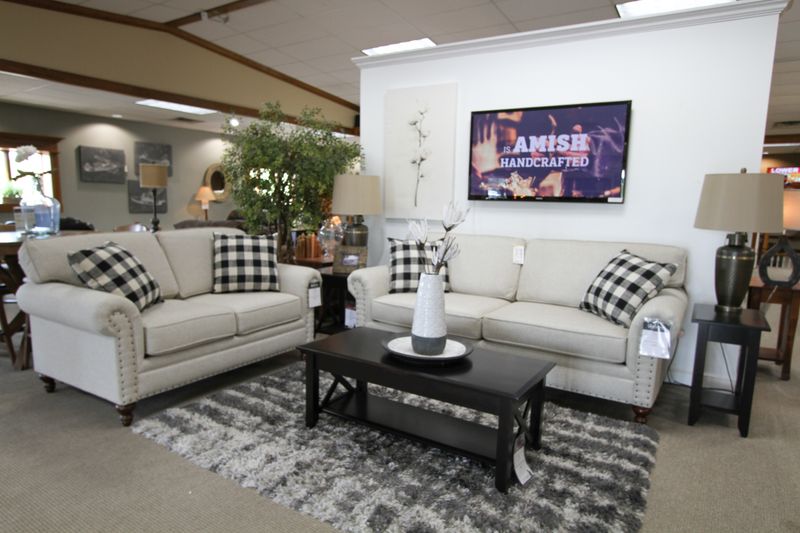
Not all Amish are farmers, and Ohio shows this shift clearly across its valleys and two-lane roads.
You will pass cabinet shops, construction yards, greenhouses, and quilt rooms that anchor household incomes and teach skilled trades.
These businesses collaborate with non-Amish suppliers and customers, often by phone or driver, while keeping home life unplugged and simple.
In Holmes County, the furniture trade shapes daily schedules, with early starts and steady craftsmanship that favors durability over hype.
Shops display plain exteriors and minimal signs, yet inside there is a hum of saws, careful joinery, and calm routine.
Tours often highlight fields and barns, but the economy stretches from timber to retail floors across quiet towns.
You will notice delivery docks and loading sheds tucked behind showrooms, a reminder that work travels farther than the farm lane.
This variety supports larger families, provides apprenticeships, and spreads risk when weather or markets turn difficult during a season.
Look for clusters of small enterprises along County Road 77 near Berlin, with addresses listed on simple roadside placards.
Ohio’s Amish workforce is diverse, adaptive, and rooted, and the range of trades tells a fuller story to patient travelers.
Why Photos Feel Complicated

Tour guides often remind visitors not to take photos, but the deeper reason deserves more attention than a quick warning.
The Amish teach that images can feed pride and isolate the individual, which conflicts with humility and community belonging.
That is why direct, posed portraits create discomfort, even if the camera is quiet and the moment feels harmless.
In Ohio, you will see signs requesting no photography, and you will notice that businesses keep displays simple and unflashy.
Respect here means turning the lens toward scenery, barns, and storefronts, leaving faces out of the frame completely and consistently.
Landscape and architecture shots allow you to remember the trip without intruding on anyone’s convictions or daily routines.
When in doubt, ask before raising a camera, and accept a gentle no without debate or bargaining in the moment.
Politeness builds trust, and trust earns better conversations about quilts, joinery, and schools along quiet roads and crossroads.
Ohio welcomes photography of places, not people, and that boundary keeps visits calm for everyone involved in small towns.
Think of it as part of traveling well, and your memories will feel lighter, kinder, and more honest afterward.
One Ordnung, Many Outcomes
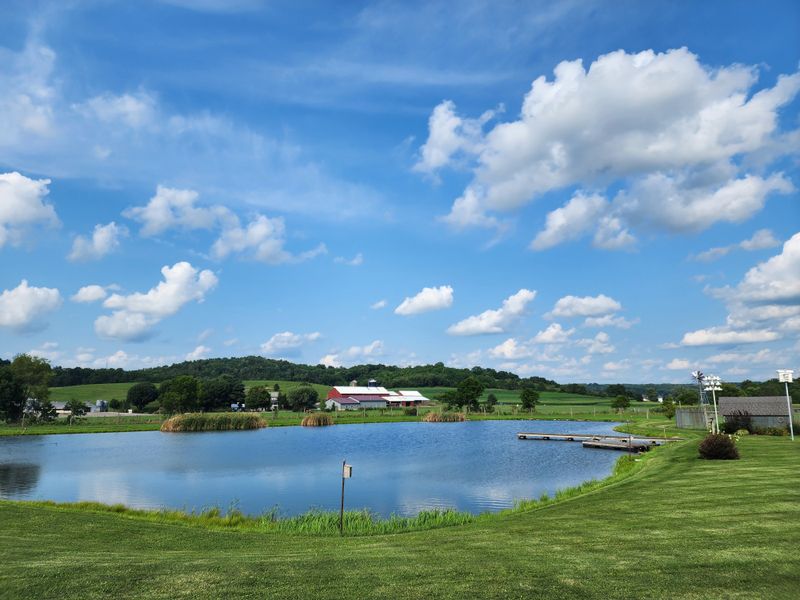
Guides sometimes say the Amish live the same way everywhere, but in Ohio the Ordnung proves otherwise every few miles.
Each district writes practical rules, then refines them through church counsel, which shapes clothing, transport, tools, and school expectations.
So a propane fridge could be common in one area while another leans on ice chests and cooler houses instead.
You might see gray buggies in one settlement and entirely different trim details in the next, all within a short drive.
Even phone access, shop lighting, and hitching rails reflect local choices that evolve with work demands and safety needs.
This variation protects cohesion because each congregation owns its rules, not a distant board with a one-size approach.
As a traveler, you learn more by asking how things work here rather than assuming yesterday’s rule applies everywhere.
Ohio’s patchwork of districts makes the region feel like a map of living experiments, careful and slow, never flashy.
These differences are not contradictions, they are community tools for staying focused on faith and neighborly obligations over time.
Hold the idea lightly and you will notice details you missed before, from lantern styles to dress shades on laundry lines.
Hospitals, Clinics, and Practical Care

The Amish do seek modern medical care, and in Ohio you will notice vans at clinics and hospitals on appointment days.
Families plan rides, coordinate with neighbors, and work with local providers who understand community customs and privacy concerns well.
Home remedies remain common, yet serious cases go to professionals without drama or culture war narratives from the outside.
Mutual aid funds and negotiated payment plans often replace typical insurance, which requires steady relationships with billing offices nearby.
Nurses and doctors in Ohio towns grow familiar with translators, modesty needs, and low-tech follow-up instructions for medications after.
The focus stays on outcomes and trust, not arguments over gadgets that do not belong in a quiet house.
During recovery, neighbors pitch in with chores, rides, and childcare, which reduces stress on the patient and family.
You will sometimes see driver services waiting near entrances, an everyday reminder that transport is separate from ownership rules.
Care decisions still pass through family and church counsel, especially for long-term treatments or procedures with lifestyle implications.
Ohio healthcare networks and community networks meet in practical ways, and that partnership works because both sides stay flexible.
Banks, Budgets, and Quiet Ledgers

You might imagine only cash and handshake deals, yet Ohio Amish households often use banks and well kept ledgers for planning.
Accounts support payroll, supply orders, and equipment purchases, especially for shops that juggle deliveries and seasonal demand in town.
Some districts permit debit or credit cards for business costs, while others keep transactions simple with checks and invoices instead.
Nothing here signals extravagance, because thrift remains a virtue, and visible status symbols would strain community trust quickly.
Bankers in nearby towns learn to communicate clearly, avoid pressure tactics, and set expectations that match seasonal cash flows.
You may notice pickup points for statements at post offices, with mail runs tied to errands and driver schedules.
Inside the home, budgeting stays practical, with envelopes, notebooks, and predictable habits for saving toward tools and education.
Records back up handshake culture, not replace it, and neighbors remember terms because reputation still travels faster than paper.
In Ohio, financial life is cooperative, and it reflects work rhythms from sawmills, dairies, and quilting rooms across valleys.
Ask politely and shopkeepers will explain payment options, but they will also expect patience and clarity in return.
Rides Hired, Roads Shared
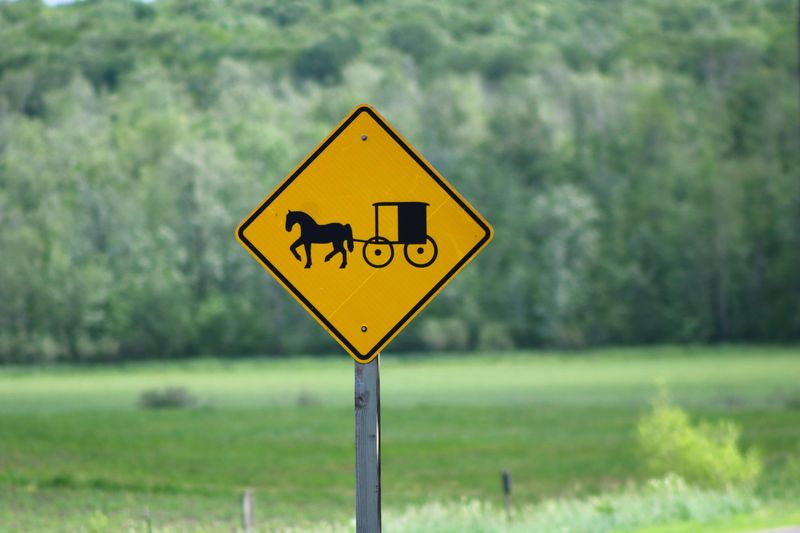
The Amish do not own cars, but in Ohio they hire drivers for errands, job sites, and long medical trips when needed.
That choice keeps personal transport modest while still connecting families to markets, hospitals, and relatives across several counties.
Public rail and air travel also appear in certain cases, with church permission and practical planning for tickets and connections.
This is less about novelty and more about stewarding time, since long distances by buggy can strain animals and people.
Hitching rails outside stores show how towns adapt, with buggy lanes, wider shoulders, and patient traffic habits through corners.
Driver services operate by appointment, often recommended by word of mouth, with reliability prized over any fancy vehicle features.
When you share the road in Ohio, leave space, slow gently, and expect turns that come without electric signals blinking.
Shop clusters near Berlin and Kidron see steady buggy traffic, so parking lots include rails and clear paths for safety.
Travel looks different, but the goals match yours, get there safely, finish the task, return home without fuss afterward.
That practical mindset keeps communities mobile while holding to convictions about ownership, speed, and distraction behind the wheel.
Rumspringa, Reality Over Myth
Rumspringa often gets framed as a license to go wild, but in Ohio families treat it as a measured season of choice.
Youth have more freedom to socialize, try jobs, and see how the outside world works beyond the farm or shop.
Parents and church leaders expect responsibility, not chaos, and they encourage honest conversations about commitment and baptism decisions later.
Peer groups vary, and that difference explains why some weekends look tame while others stretch boundaries more than usual.
Still, the community goal remains steady, help young people decide with eyes open, not under pressure or fear tactics.
Clothing may loosen and music may appear, but family ties and work routines continue, which keeps life grounded here.
You will notice volleyball nets in fields, singings after chores, and driver pickups for groups traveling to distant events.
Gossip from outside rarely captures the quiet majority, who keep schedules, save money, and think seriously about promises.
Ohio’s approach emphasizes guidance, not surveillance, and adults stay nearby without hovering or turning every choice into drama.
By the time vows come, the decision feels owned, and that ownership supports steady marriages and church membership afterward.
Schoolhouses and Eighth Grade Paths

Amish children in Ohio usually attend school through eighth grade, with one room classrooms that blend ages and subjects in cycles.
Teachers often come from the community and lean on phonics, arithmetic, German reading, and practical lessons tied to local work.
The day includes chores, penmanship, and recitation, with recess games that echo family life and neighborly cooperation across ages.
Some public districts host tailored programs near Amish areas, and logistics include driver services, calendars, and limited testing obligations by law.
Graduation looks quiet, and the next step moves into apprenticeships, farm duties, shop roles, or homemaking with structured routines.
Libraries and book wagons supplement learning, while parents model math, repairs, and budgeting at home without heavy reliance on screens.
Visitors see tidy porches, bell towers, and wood sheds, which signal punctuality and order more than polish or school branding.
Community control means curriculum fits convictions, so literature and projects reinforce humility, service, and careful speech across settings.
Ohio landscapes become part of the classroom, fields for nature study, roads for safety lessons, and shops for measurement practice.
That path aims toward competence, not credentials, and the result is a workforce that values precision and reliability every day.
Where To Learn Respectfully in Ohio
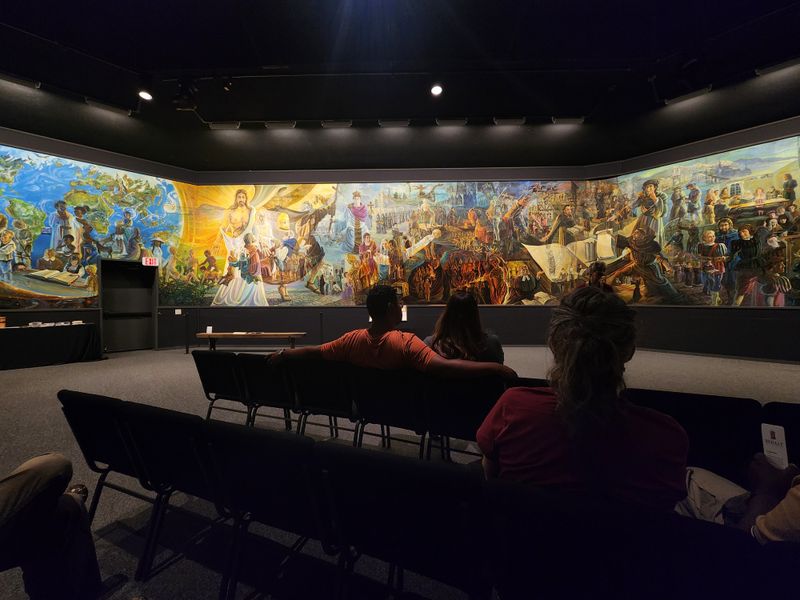
If you want accurate context, start with places that teach respectfully and protect privacy while explaining the hard details clearly.
The Amish and Mennonite Heritage Center at 5798 County Road 77, Millersburg, Ohio gives layered history without staging private rituals for show.
Interpretive exhibits focus on faith, migration, and daily work, and staff help with etiquette so your visits remain considerate.
Nearby shops list plain addresses and hours, and you can view exteriors, tools, and seating areas without pointing cameras at faces.
Holmes County offers driving routes that pass schoolhouses, farms, and workshops, and maps mark pull offs that respect traffic flow.
Kidron, Ohio houses Lehman’s at 4779 Kidron Road, Dalton, Ohio with displays of non electric tools and a calm store layout.
You will find hitching rails, benches, and quiet corners that let you observe design choices without intruding on anyone’s day.
Ask questions about materials, safety, and maintenance, and you will usually get practical answers shaped by long experience locally.
Remember that Ohio communities differ, so advice from one shop may not fit the next town over perfectly well.
Leave with a better map and a lighter footprint, which is the measure that matters most in places built on trust.
Dear Reader: This page may contain affiliate links which may earn a commission if you click through and make a purchase. Our independent journalism is not influenced by any advertiser or commercial initiative unless it is clearly marked as sponsored content. As travel products change, please be sure to reconfirm all details and stay up to date with current events to ensure a safe and successful trip.
