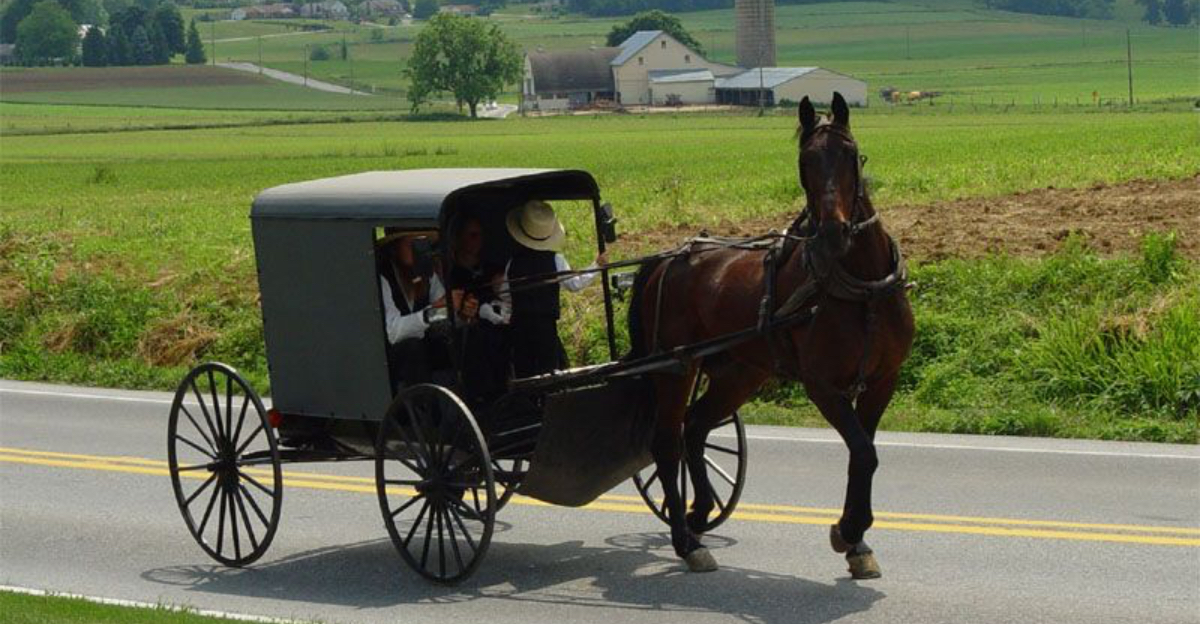
Indiana’s Amish Country draws thousands of visitors every year, all eager to step into a simpler way of life.
Yet many tourists arrive with outdated ideas or Hollywood stereotypes that miss the mark entirely.
Understanding the real rhythms and respectful boundaries of these communities can transform your visit from awkward to authentic.
Assuming All Amish Communities Follow Identical Rules

Visitors often believe every Amish family lives by the exact same set of guidelines, but that’s far from reality.
Different church districts across northern Indiana follow their own Ordnung, the unwritten code governing daily life.
Some communities permit colorful clothing while others stick strictly to dark fabrics.
Certain groups allow rubber tires on farm equipment, while neighboring districts insist on steel wheels only.
Telephones might be acceptable in a shared community building for one group but completely forbidden for another living just miles away.
Even buggy styles vary, with some featuring open carriages and others using enclosed designs depending on local traditions.
The Amish population in Indiana represents multiple affiliations, including Old Order, New Order, and Swartzentruber groups, each with distinct practices.
Technology acceptance differs dramatically too.
You might see solar panels on one farm and oil lamps exclusively on the next.
Battery-powered tools could be common in one settlement yet banned in another.
Understanding these differences helps visitors appreciate the diversity within Amish culture rather than treating it as a monolithic experience.
When you shop at roadside stands or tour working farms, you’re encountering just one expression of Amish faith.
Respecting these variations means asking questions politely rather than making assumptions based on what you’ve read or seen elsewhere.
Each community has evolved its own interpretation of living separately from mainstream society.
That complexity makes Indiana’s Amish Country far richer and more interesting than any single stereotype could capture.
Taking Photos Without Permission
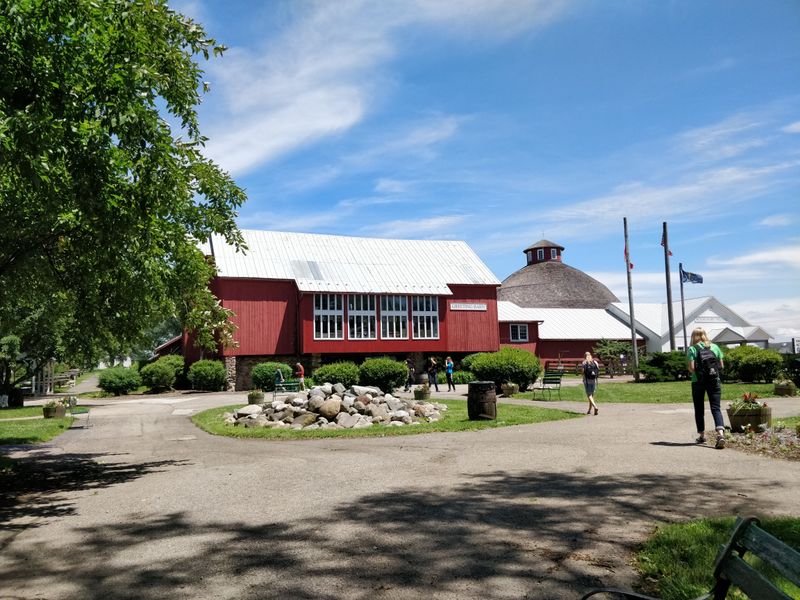
Cameras come out constantly in Amish Country, but many tourists don’t realize they’re crossing serious cultural boundaries.
The Amish interpretation of the Second Commandment discourages graven images, and most consider photographs a form of pride or vanity.
Snapping pictures of Amish individuals without consent shows profound disrespect for their religious convictions.
Children playing in yards, farmers working fields, and families traveling in buggies are not tourist attractions despite how picturesque they appear.
These are real people living their faith daily, not performers in a living museum.
Some visitors justify distance shots or photos taken from moving cars, but this doesn’t change the fundamental issue of consent.
Would you want strangers photographing your children without asking?
The same courtesy applies here.
If you absolutely want photos, focus on landscapes, barns, quilts in shops, and other inanimate subjects that capture the area’s character without violating privacy.
Many Amish-owned businesses display handmade goods specifically for visitors to photograph and share.
These items represent their craftsmanship beautifully without compromising anyone’s beliefs.
Some younger or more progressive Amish individuals might consent to photos, but always ask first and accept refusal graciously.
Never photograph someone and then ask afterward, as the damage is already done.
Indiana’s Amish communities tolerate tourism because it supports their economy, but that doesn’t grant unlimited access to their lives.
Treating them with dignity means prioritizing their comfort over your social media content.
The memories you create through respectful interaction will mean far more than any snapshot ever could.
Expecting Theme Park Hours and Modern Conveniences
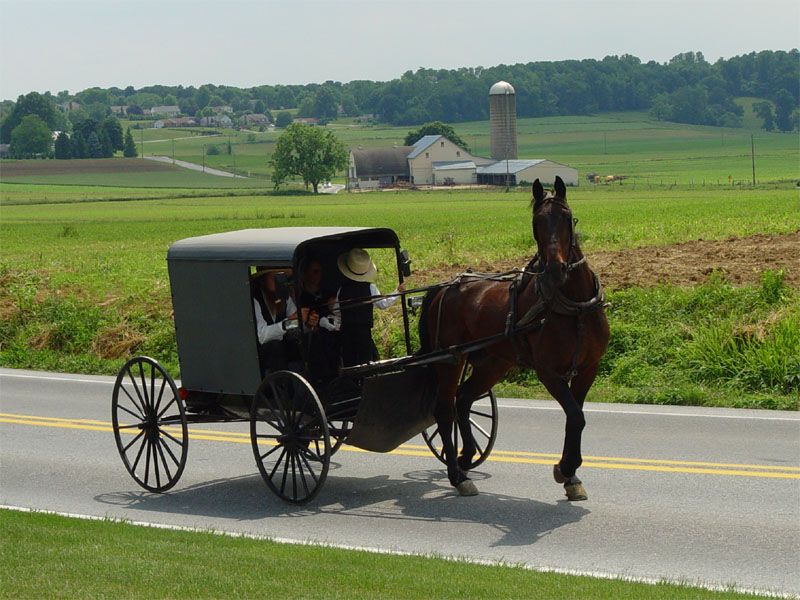
Tourists frequently arrive expecting consistent business hours and credit card machines, then feel frustrated when reality differs.
Amish-owned shops often operate on seasonal schedules that follow agricultural rhythms rather than retail conventions.
A bakery might close early because the day’s bread sold out or open late during harvest when family labor is needed in fields.
Cash remains king throughout most of the region.
While some larger establishments now accept cards, many smaller operations deal exclusively in bills and coins.
ATMs are scarce in rural areas, so arriving without adequate cash can seriously limit your purchasing options.
Sunday closures catch many visitors off guard too.
The Amish observe the Sabbath strictly, meaning virtually all Amish-owned businesses shut down completely.
Planning a Sunday visit to Indiana’s Amish Country will leave you with very few shopping or dining options beyond non-Amish establishments.
Even weekday hours can be unpredictable.
Family emergencies, religious events, or simply finishing the day’s production early might lead to unexpected closures.
Handwritten signs on doors provide explanations, but they won’t help if you’ve driven an hour specifically to visit that one quilt shop.
Calling ahead helps when possible, though many smaller operations lack phones or check messages infrequently.
Flexibility becomes your greatest asset here.
Embrace the slower pace and understand that these businesses serve their communities first and tourists second.
The authentic experience you’re seeking includes accepting that modern convenience culture doesn’t govern everything.
Pack patience along with your cash, and you’ll enjoy the journey much more.
Thinking the Amish Reject All Technology
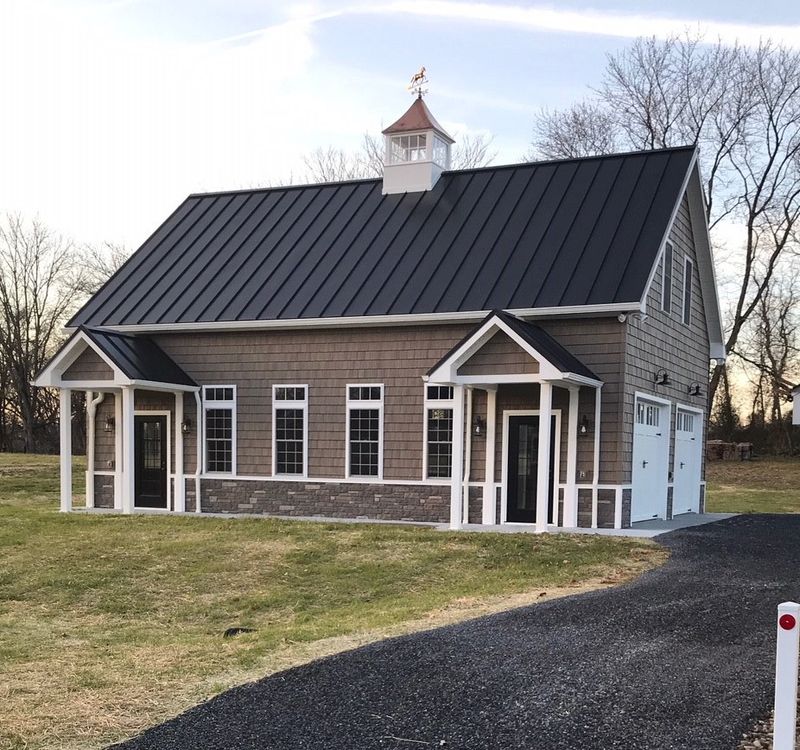
Hollywood portrayals suggest the Amish live exactly as people did in the 1700s, but reality proves far more nuanced.
Technology isn’t automatically evil in Amish theology.
Instead, each community evaluates whether specific innovations strengthen or threaten their values of family, community, and separation from worldly influence.
You’ll spot solar panels on many Amish homes throughout northern Indiana, powering lights and appliances without connecting to the electrical grid.
Pneumatic and hydraulic tools run entire workshops, allowing Amish craftsmen to compete in modern markets while avoiding direct electrical connections.
Many Amish businesses maintain phones in separate buildings rather than inside homes, preserving family time while enabling necessary communication.
Some communities permit cell phones for business purposes, kept in barns or shops rather than pockets.
Battery-powered devices often get approval because they don’t create dependence on outside infrastructure.
Flashlights, calculators, and even some power tools fall into this acceptable category for certain groups.
Refrigeration runs on propane in many Amish households, keeping food fresh without electric bills.
Gas-powered washing machines, propane stoves, and diesel generators represent practical compromises between tradition and necessity.
The key distinction involves autonomy.
Technologies that keep families self-sufficient and rooted in their communities generally receive consideration, while those promoting individualism or connection to mainstream culture face rejection.
These decisions aren’t arbitrary or ignorant.
They’re carefully reasoned choices about maintaining identity in a rapidly changing world.
Recognizing this thoughtfulness helps visitors appreciate Amish culture as principled rather than simply backward.
Confusing Amish with Mennonites and Other Plain Groups
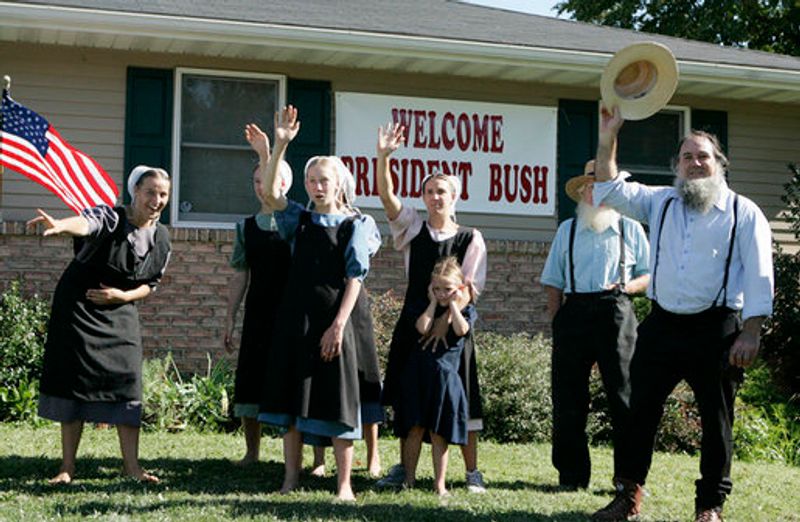
Not everyone in traditional dress driving a buggy is Amish, though tourists constantly make this assumption.
Mennonites share historical roots with the Amish but represent a distinct religious tradition with different practices.
Some Mennonite groups dress plainly and avoid modern technology, while others are indistinguishable from mainstream Americans.
Conservative Mennonites might wear cape dresses and head coverings similar to Amish women, but they often drive cars and use electricity freely.
Old Order Mennonites use horses and buggies like the Amish, yet their worship styles and community structures differ significantly.
Beachy Amish represent another group entirely, having split from Old Order Amish over technology and mission work while retaining some traditional practices.
German Baptists add yet another layer of complexity to the region’s plain communities.
Lumping all these groups together as Amish shows cultural ignorance and disrespects their distinct identities.
In Indiana, you’ll encounter this diversity regularly, especially around Elkhart and LaGrange counties where multiple plain groups live in proximity.
Clothing details offer clues to the trained eye.
Prayer covering styles, dress patterns, and even buggy designs vary between communities.
Rather than assuming everyone in traditional garb shares the same beliefs, recognize that northern Indiana hosts a rich tapestry of Anabaptist traditions.
Each group has chosen its own path in balancing faith with modern life.
When shopping or interacting, avoid labeling everyone Amish unless you’re certain.
Better yet, let people identify themselves rather than guessing.
This awareness enriches your understanding of how diverse religious communities preserve their heritage while coexisting with mainstream society.
Believing Everything Is Handmade by the Amish
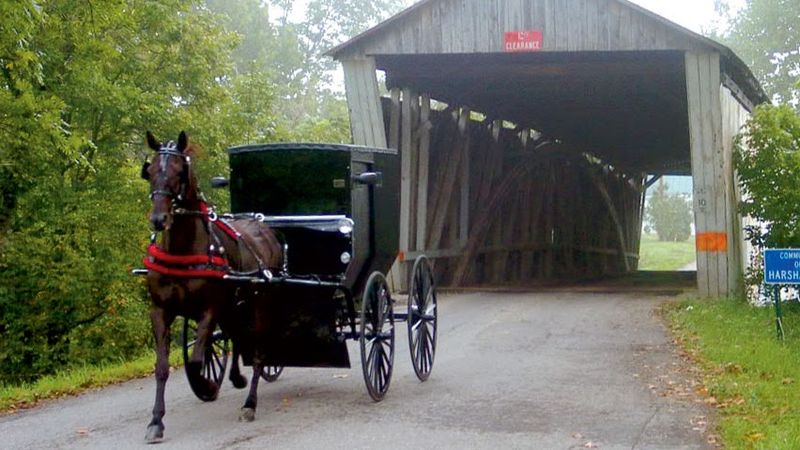
Gift shops throughout Amish Country overflow with products labeled as authentically Amish, but savvy tourists know to look closer.
Mass-produced items from overseas manufacturers often get marketed as Amish-made to capitalize on the reputation for quality craftsmanship.
Quilts represent the most common deception.
Genuine Amish quilts require hundreds of hours of hand stitching and command prices reflecting that labor, often starting around several hundred dollars.
Machine-made quilts from Asia or factory-sewn pieces done in Amish patterns sell for a fraction of the cost but lack authenticity.
Furniture presents similar challenges.
True Amish woodworking involves solid hardwoods, traditional joinery, and meticulous attention to detail that particle board reproductions can’t match.
Asking about construction methods and wood types helps distinguish genuine craftsmanship from clever marketing.
Food products blur lines too.
Some jams, noodles, and baked goods come from actual Amish kitchens, while others are commercial products packaged to look homemade.
Reading labels carefully and shopping directly from Amish homes or verified roadside stands increases authenticity.
Non-Amish business owners throughout Indiana operate shops in Amish areas, selling everything from imported crafts to factory-made furniture alongside genuinely local products.
Their presence isn’t dishonest necessarily, but tourists should understand not everything in Amish Country originates with Amish makers.
Asking direct questions about origins usually gets honest answers.
Genuine Amish artisans take pride in their work and happily explain their processes.
Higher prices often reflect authentic quality rather than tourist markup.
Supporting real Amish businesses requires discernment, but the difference in quality and the knowledge you’re supporting traditional livelihoods makes the effort worthwhile.
Driving Too Fast on Rural Roads
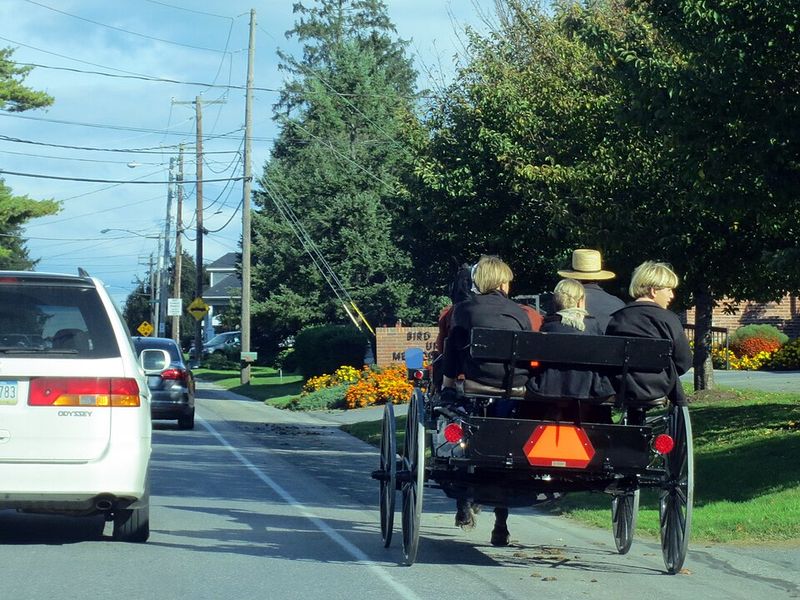
Speeding along Indiana’s back roads might feel natural in your car, but it creates serious dangers in areas where buggies share the pavement.
Horse-drawn carriages travel around five to eight miles per hour, creating a massive speed differential with vehicles going fifty or sixty.
Cresting hills or rounding curves without slowing down can result in tragic collisions that claim lives regularly.
Buggies display slow-moving vehicle triangles and often have reflective tape, but they remain difficult to see in dawn or dusk conditions.
Fog, rain, and snow reduce visibility further, making cautious speeds essential for everyone’s safety.
Impatient passing causes problems too.
Narrow roads with limited sight lines tempt drivers to squeeze by buggies unsafely, sometimes startling horses or forcing carriages toward ditches.
Waiting for clear, straight stretches shows respect and prevents accidents.
Children ride in many buggies, sitting in open areas without seatbelts or modern safety features.
A collision that might dent your car could devastate an entire Amish family.
Understanding this vulnerability should motivate every driver to exercise extreme caution.
Road conditions matter too.
Gravel shoulders crumble easily under buggy wheels, and potholes pose greater risks to lightweight carriages than heavy vehicles.
Giving buggies plenty of room helps them navigate safely.
Some tourists view buggies as quaint obstacles rather than legitimate road users deserving courtesy and patience.
This attitude endangers lives and shows disrespect for people simply trying to reach their destinations.
Slowing down enhances your visit anyway, allowing you to notice farm stands, appreciate scenery, and truly experience the pace of life that draws visitors to Indiana’s Amish Country in the first place.
Expecting Amish People to Educate or Entertain You
Many tourists treat Amish individuals as living exhibits, peppering them with questions or expecting them to explain their entire way of life.
While some Amish people are friendly and willing to chat briefly, they’re not tour guides or cultural ambassadors by default.
They’re busy people with farms to run, businesses to operate, and families to care for.
Interrupting their work to satisfy your curiosity shows poor manners.
Approaching Amish people in stores or at roadside stands with respectful, brief interactions is fine, but interrogating them about personal beliefs or practices crosses boundaries.
Would you appreciate strangers demanding you justify your religious choices while you’re trying to shop for groceries?
The same consideration applies here.
Some visitors seem disappointed that Amish Country isn’t a theme park with costumed employees eager to pose and perform.
This expectation fundamentally misunderstands what you’re visiting.
These are functioning communities where real people live authentic lives, not historical reenactments staged for entertainment.
If you want structured education about Amish culture, several museums and heritage centers throughout northern Indiana offer exactly that.
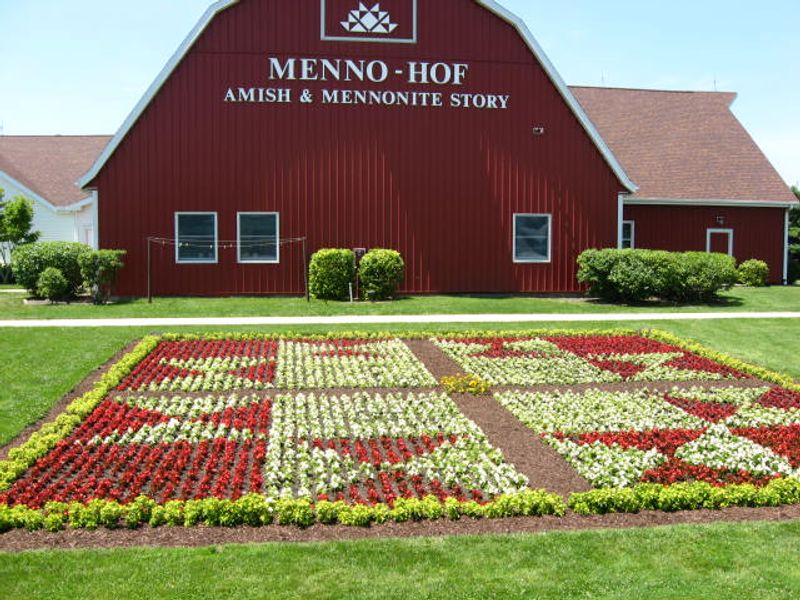
Menno-Hof in Shipshewana provides excellent historical context, while Amish Acres in Nappanee offers interpreted experiences designed for visitors.
These venues exist specifically to answer questions and provide cultural insight without imposing on working community members.
When you do interact with Amish people during your travels, keep exchanges brief and courteous.
Thank them for their craftsmanship when making purchases, compliment their gardens if appropriate, but don’t treat them as curiosities.
Genuine respect means recognizing their humanity first and their cultural difference second.
That mindset transforms tourism from intrusive to enriching for everyone involved.
Misunderstanding the Religious Foundation of Everything

Tourists frequently treat Amish culture as quaint tradition or lifestyle choice without grasping its deeply religious foundation.
Every aspect of Amish life flows from biblical interpretation and commitment to following Jesus’s teachings about separation from the world.
Clothing isn’t costume but obedience to modesty principles and rejection of prideful fashion.
Buggy transportation reflects both humility and deliberate limitation on how far one can easily travel, keeping families rooted in local community.
Technology decisions aren’t about being backward but about preserving values they believe modern convenience threatens.
Church happens in homes rather than dedicated buildings, rotating among members to emphasize equality and community bonds over institutional religion.
Worship services last three hours, conducted in Pennsylvania Dutch, with German hymns sung slowly and without instrumental accompaniment.
Baptism occurs in adulthood after thoughtful commitment rather than infant ritual, signifying conscious choice to join the faith community.
These aren’t historical reenactments or cultural preservation projects.
The Amish genuinely believe their way of life honors God and leads to salvation.
Understanding this transforms your perspective from viewing them as oddities to recognizing them as people of profound conviction.
Their separation from mainstream society isn’t rejection born from ignorance but intentional choice based on theological principles they hold sacred.
Disagreeing with their beliefs is fine, but respecting the sincerity behind them is essential for any meaningful visit.
When you see Amish families traveling to church on Sunday mornings or notice shops closed for religious observance, you’re witnessing faith in action, not performance.
That awareness should inspire reverence rather than mere curiosity as you explore Indiana’s Amish communities.
Dear Reader: This page may contain affiliate links which may earn a commission if you click through and make a purchase. Our independent journalism is not influenced by any advertiser or commercial initiative unless it is clearly marked as sponsored content. As travel products change, please be sure to reconfirm all details and stay up to date with current events to ensure a safe and successful trip.
