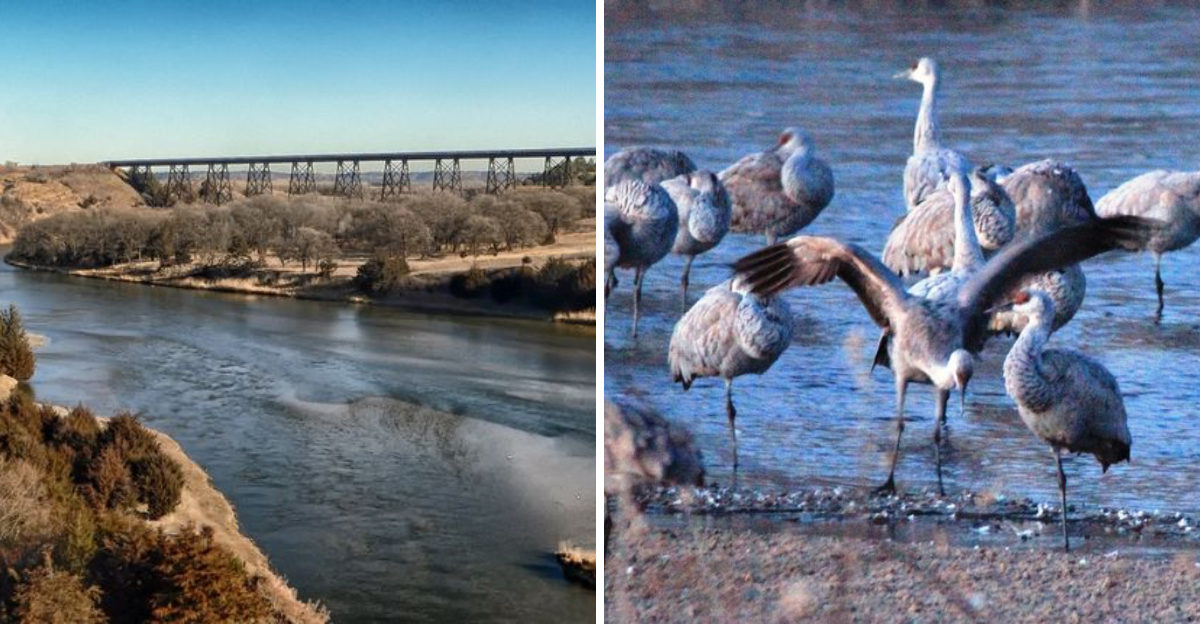
Nebraska might not top everyone’s travel bucket list, but those who visit often leave with surprising stories and hard-earned lessons.
From wide-open prairies to quirky roadside attractions, the state offers plenty of memorable experiences, though not all of them turn out quite as expected.
Tourists who’ve explored Nebraska share their honest takes on what they’d skip next time around, offering valuable insights for anyone planning their own journey through the Cornhusker State.
1. Underestimating Drive Times Between Attractions
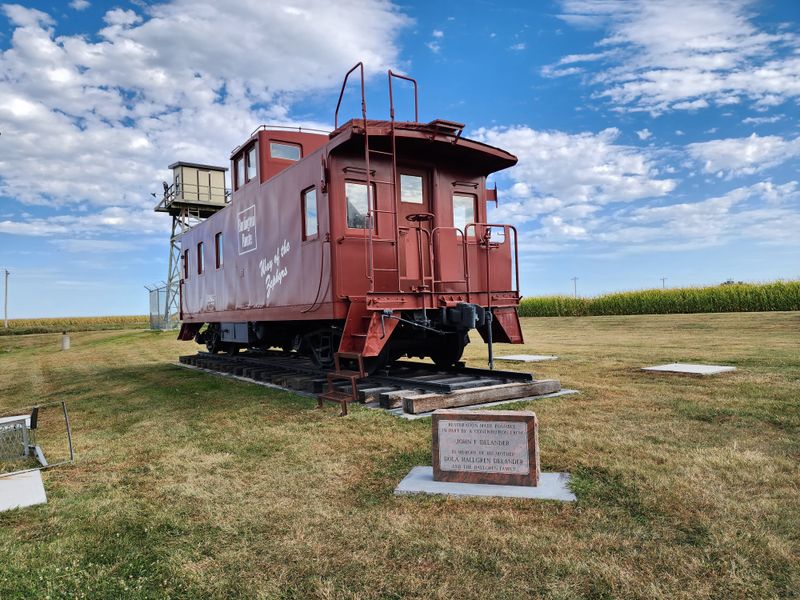
Wide open spaces sound romantic until you realize just how wide and open they truly are.
Nebraska spans nearly 430 miles from east to west, and attractions are spread out far more than many visitors anticipate.
What looks like a quick jaunt on the map can easily turn into a three or four-hour drive with little to see along the way except cornfields and cattle ranches.
Many tourists admit they planned ambitious itineraries only to spend most of their vacation time behind the wheel.
The distances between Omaha, Lincoln, Scottsbluff, and other key destinations can feel endless, especially when you’re used to more densely populated regions.
Rest stops are few and far between on some stretches, making bathroom breaks and fuel stops a strategic necessity rather than an afterthought.
Visitors often recommend building in extra travel time and limiting the number of stops per day to avoid exhaustion.
Some travelers suggest focusing on one region of Nebraska rather than trying to cover the entire state in a single trip.
The western panhandle offers dramatic rock formations and pioneer history, while the eastern cities provide urban culture and dining.
Picking a home base and exploring from there tends to work better than constantly packing up and moving to new hotels.
Planning realistic driving distances makes the experience far more enjoyable and less stressful for everyone involved.
2. Visiting Chimney Rock Without Proper Footwear

Chimney Rock stands as one of Nebraska’s most iconic landmarks, visible for miles across the North Platte River valley.
This towering natural spire served as a crucial waypoint for pioneers traveling the Oregon Trail in the 1800s.
Today it draws thousands of visitors annually who want to see this geological wonder up close and personal.
However, many tourists arrive in sandals or casual shoes only to discover the terrain is rougher than expected.
The trails around the visitor center and viewing areas include uneven ground, loose gravel, and sometimes muddy patches depending on recent weather.
Walking in flimsy footwear can lead to twisted ankles, sore feet, or cuts from sharp rocks along the paths.
The Nebraska sun beats down intensely in summer months, and the lack of shade means proper sun protection is equally important.
Visitors often wish they had worn sturdy sneakers or hiking boots instead of fashion-forward but impractical choices.
The experience becomes much more comfortable when you can focus on the history and scenery rather than nursing blisters.
Bringing a hat, sunscreen, and plenty of water also ranks high on the list of things tourists wish they’d known beforehand.
The visitor center offers fascinating exhibits about pioneer life and the geological formation of the rock itself.
Preparation makes all the difference in enjoying this remarkable piece of American history without unnecessary discomfort.
3. Skipping Local Restaurants for Chain Options
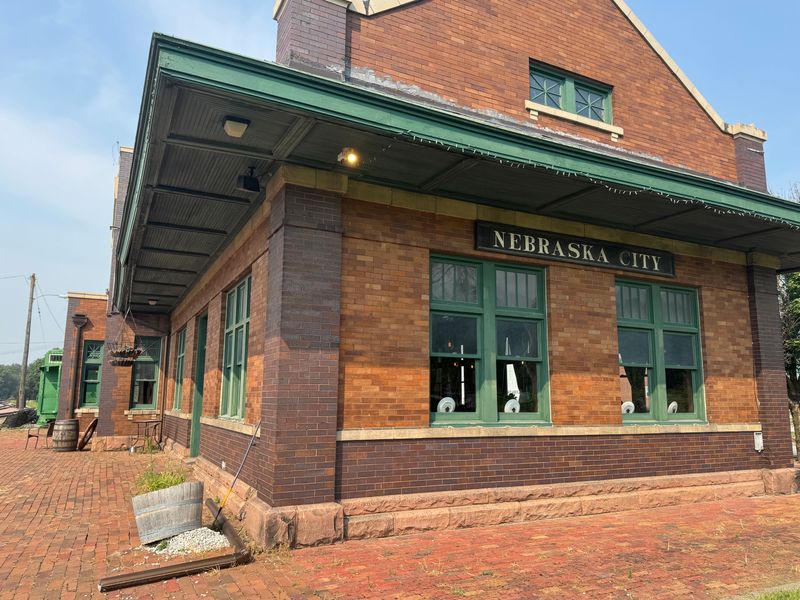
Sticking to familiar chain restaurants might feel safe, but it means missing out on Nebraska’s genuine culinary character.
Small town diners and family-owned steakhouses serve up authentic Midwestern hospitality alongside incredible home-cooked meals.
Many visitors regret playing it safe with fast food when they could have tried a locally famous Runza or enjoyed a perfectly grilled steak at a regional favorite.
Nebraska beef is renowned nationwide, and eating it prepared by local chefs who know their craft is an entirely different experience.
German, Czech, and Scandinavian influences show up in unexpected menu items at cafes throughout the state.
Kolaches, homemade pies, and hearty comfort foods reflect the agricultural heritage and immigrant history of Nebraska communities.
Travelers often mention discovering hidden gem restaurants in towns they’d never heard of before their trip.
The prices at local establishments are typically reasonable, and portions are generous enough to satisfy even the heartiest appetites.
Friendly service and genuine conversations with locals add to the dining experience in ways chain restaurants simply cannot replicate.
Some of the best meals happen at places that don’t look fancy from the outside but have been serving the community for generations.
Asking locals for recommendations usually leads to memorable food experiences that become highlights of the entire trip.
Next time around, most tourists vow to seek out the mom-and-pop spots instead of defaulting to the familiar logos along the interstate.
4. Attempting to See Everything in One Weekend

Ambition is admirable, but trying to cram all of Nebraska’s highlights into a single weekend is a recipe for disappointment.
The state offers everything from Henry Doorly Zoo in Omaha to Scotts Bluff National Monument in the panhandle, but these attractions sit hundreds of miles apart.
First-time visitors often create overly optimistic itineraries that leave them rushing through experiences rather than savoring them.
Strategic Air Command and Aerospace Museum, Stuhr Museum of the Prairie Pioneer, and Ashfall Fossil Beds all deserve more than a quick drive-by.
Each major attraction warrants at least a few hours, and adding in drive time quickly fills up available days.
Tourists frequently report feeling exhausted and frustrated when their packed schedules don’t allow for spontaneous discoveries or relaxation.
Nebraska rewards slower exploration, whether that means wandering through historic downtown districts or taking scenic byways through the Sandhills.
Choosing a specific region or theme for a shorter trip creates a more satisfying experience than surface-level visits to distant locations.
The state’s natural beauty and cultural offerings deserve attention and time rather than being checked off a list.
Returning visitors often focus on one area they missed before or revisit favorite spots with a more leisurely approach.
Quality beats quantity when it comes to travel experiences, and Nebraska has enough depth to warrant multiple trips.
Planning a realistic itinerary means actually enjoying your vacation instead of just surviving it.
5. Ignoring Weather Warnings During Storm Season
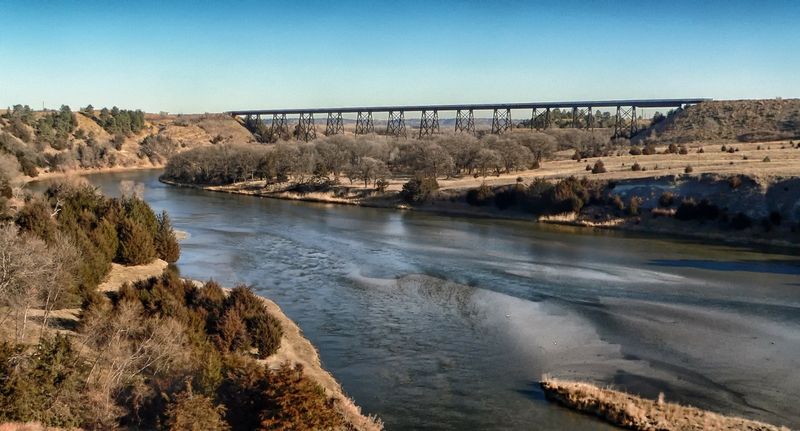
Nebraska sits squarely in Tornado Alley, and spring storms can develop with startling speed and intensity.
Visitors from regions with milder weather sometimes underestimate how serious severe thunderstorm and tornado warnings actually are.
Locals take shelter immediately when sirens sound, but tourists occasionally treat warnings as suggestions rather than urgent safety measures.
The flat landscape offers little natural protection, and being caught on an open road during a tornado is genuinely dangerous.
Weather conditions can shift dramatically within minutes, turning a sunny afternoon into a life-threatening situation.
Many travelers admit they didn’t fully grasp the power of Great Plains weather until they witnessed it firsthand.
Hail the size of golf balls can damage vehicles and cause serious injuries to anyone caught outside without protection.
Flash flooding is another hazard that surprises visitors, especially in areas where dry creek beds can suddenly fill with rushing water.
Checking weather forecasts multiple times daily during spring and summer months is essential for safe travel planning.
Hotels and public buildings have designated shelter areas, and staff can provide guidance during severe weather events.
Experienced Nebraska residents know to keep an eye on the sky and have a plan for seeking shelter quickly.
Respecting weather warnings is not about being paranoid but about understanding the real risks that come with the territory.
After one close call, most tourists never again dismiss storm alerts as overreactions.
6. Overlooking Smaller Towns in Favor of Cities
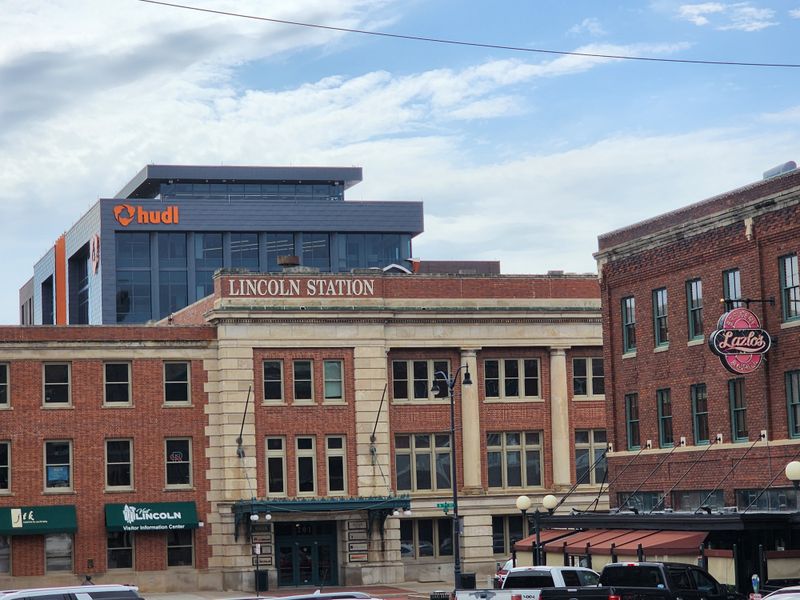
Omaha and Lincoln certainly have their attractions, but Nebraska’s smaller communities hold much of the state’s authentic character.
Towns like Red Cloud, where author Willa Cather grew up, offer literary history and beautifully preserved Victorian architecture.
Brownville, a riverfront village along the Missouri, charms visitors with antique shops and peaceful riverside views.
Many tourists regret spending all their time in urban areas when these quieter destinations provide equally rewarding experiences.
Small town museums often house surprisingly impressive collections related to pioneer history, Native American heritage, and agricultural development.
Walking down main streets lined with locally owned businesses feels like stepping back to a simpler, more connected way of life.
Community events like county fairs, farmers markets, and summer concerts in the park showcase genuine Midwestern hospitality.
People in smaller Nebraska towns tend to be welcoming and happy to share stories about their community’s history and hidden gems.
The pace of life slows down noticeably once you leave the interstate, allowing for more relaxed exploration and conversation.
Historic courthouses, restored opera houses, and quirky roadside attractions pop up in unexpected places throughout rural Nebraska.
Some of the most memorable travel moments happen in places that don’t appear in major guidebooks or tourism campaigns.
Taking time to explore beyond the cities reveals layers of culture and history that define Nebraska beyond its agricultural reputation.
7. Forgetting Sunscreen for Outdoor Activities
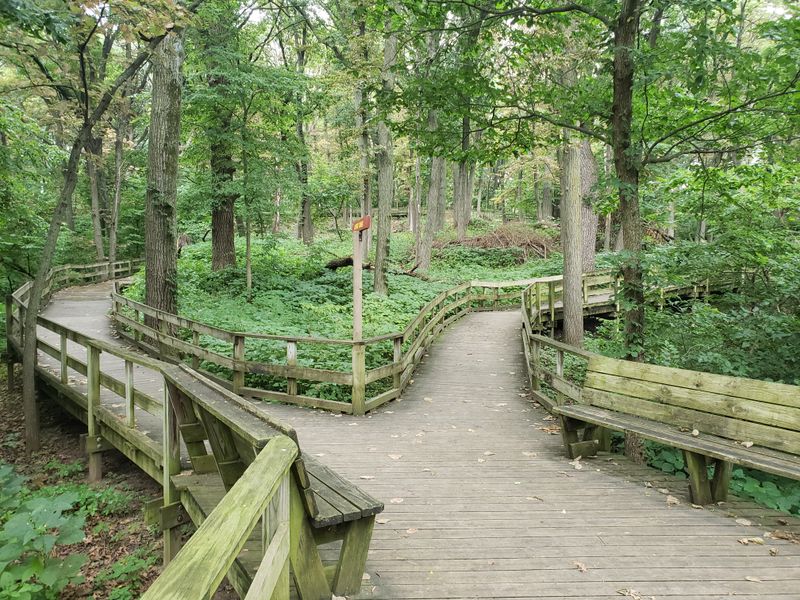
The Nebraska sun is deceptively powerful, especially at higher elevations in the western part of the state.
Visitors often underestimate how quickly skin burns when there’s minimal shade and plenty of reflection off light-colored soil and grass.
A day spent hiking at Scotts Bluff or exploring the trails at Indian Cave State Park can leave you painfully sunburned if you skip protection.
Even cloudy days don’t provide as much UV protection as many people assume, particularly during summer months.
The dry climate means sweat evaporates quickly, so you might not realize how much sun exposure you’re getting until it’s too late.
Many tourists report severe sunburns that ruined subsequent days of their vacation and caused lasting discomfort.
Applying broad-spectrum sunscreen with high SPF should be part of the morning routine before heading out to any outdoor attraction.
Reapplying every couple of hours is equally important, especially after swimming or sweating during active pursuits.
Wearing hats, sunglasses, and lightweight long-sleeved shirts provides additional protection without causing overheating.
Children are particularly vulnerable to sun damage, so extra vigilance is necessary when traveling with families.
Pharmacies and convenience stores throughout Nebraska stock sunscreen, but prices are typically higher than buying it before your trip.
Proper sun protection allows you to fully enjoy outdoor adventures without the painful consequences that can overshadow an otherwise wonderful visit.
8. Missing the Sandhill Crane Migration

Every spring, more than half a million sandhill cranes descend on the Platte River valley in one of nature’s most spectacular displays.
This annual migration happens primarily in March and early April, creating a narrow window for witnessing this incredible phenomenon.
Tourists who visit Nebraska at other times often express regret about missing this once-in-a-lifetime experience.
The sight and sound of thousands of cranes taking flight at dawn is something no photograph or video can fully capture.
Viewing blinds and guided tours near Kearney and Grand Island provide excellent opportunities to observe the birds without disturbing them.
The Rowe Sanctuary offers educational programs and prime viewing locations along the river where cranes gather in massive numbers.
Visitors describe the experience as deeply moving, with the collective calls of the cranes creating an unforgettable natural symphony.
Planning a Nebraska trip specifically around crane season ensures you won’t miss this remarkable wildlife event.
Hotels in the area book up months in advance during peak migration weeks, so early reservations are essential.
Beyond the cranes, spring in Nebraska brings wildflowers, milder temperatures, and the awakening of the prairie ecosystem.
Combining crane watching with visits to nearby attractions makes for a well-rounded trip that showcases Nebraska’s natural beauty.
Those who’ve experienced the migration invariably recommend it to others and often plan return visits to witness it again.
9. Driving Through the Sandhills Without Stopping
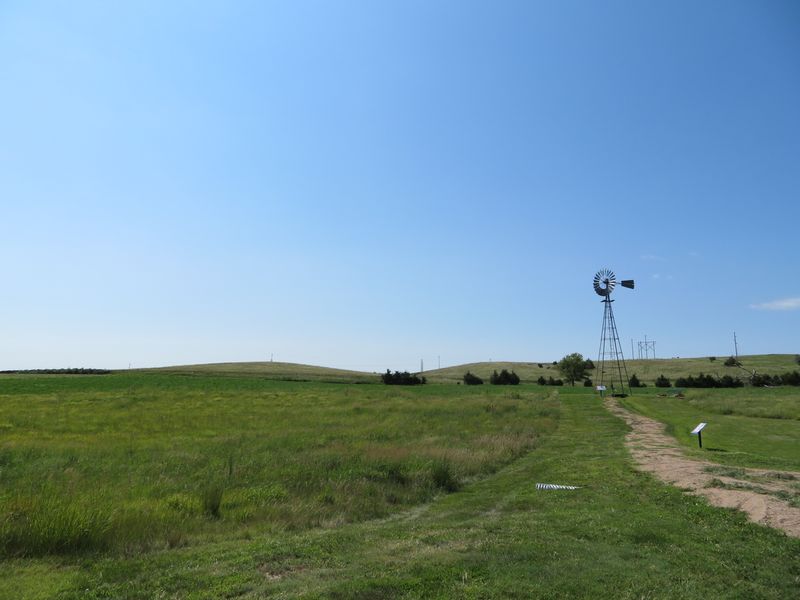
The Nebraska Sandhills cover roughly a quarter of the state, creating one of the largest grass-stabilized dune regions on Earth.
Many travelers view this area as empty space to drive through quickly rather than a destination worth exploring.
Those who rush past later realize they missed experiencing a truly unique and surprisingly beautiful landscape.
The rolling hills create a mesmerizing pattern that changes with the light throughout the day, offering excellent photography opportunities.
Small ranching communities dot the region, and their local cafes and shops provide authentic glimpses into rural Nebraska life.
Valentine serves as a gateway to the Sandhills and offers access to the Niobrara River for canoeing and kayaking adventures.
Smith Falls, Nebraska’s tallest waterfall, is tucked away in this region and makes for a rewarding short hike.
The night sky in the Sandhills is remarkably dark, revealing stars in numbers that urban dwellers rarely see.
Wildlife including pronghorn antelope, prairie chickens, and numerous bird species thrive in this grassland ecosystem.
Taking time to pull over at scenic overlooks and simply absorb the vastness and quiet beauty proves deeply refreshing for many visitors.
The Sandhills Journey Scenic Byway guides travelers through the heart of this region with interpretive signs explaining its ecological significance.
Slowing down and appreciating the subtle beauty of this landscape leaves a lasting impression that generic highway miles never could.
10. Assuming There’s Nothing to Do in Winter
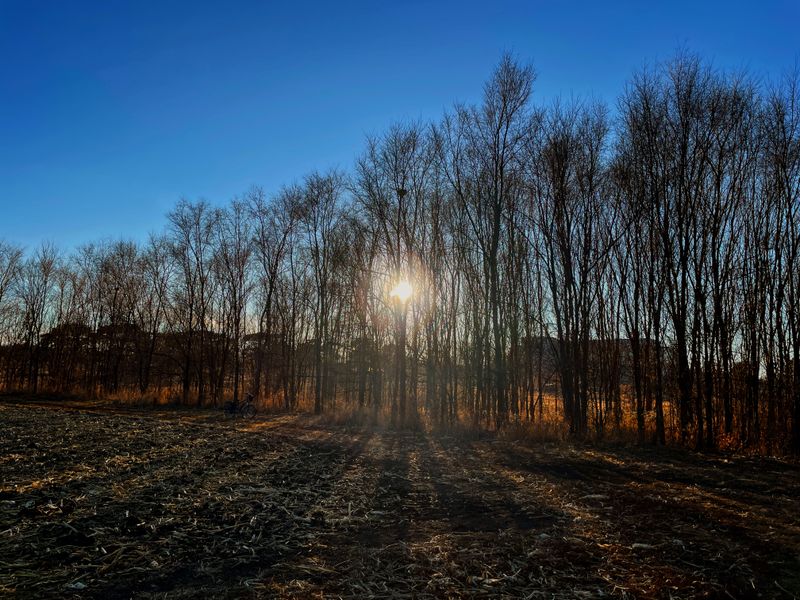
Cold temperatures and snow don’t mean Nebraska shuts down or loses its appeal during winter months.
Many tourists automatically rule out winter visits, assuming there’s nothing worthwhile to experience until spring arrives.
Those who venture to Nebraska in winter discover a quieter, more intimate side of the state with its own unique attractions.
Cross-country skiing and snowshoeing opportunities abound in state parks throughout the region when conditions are right.
The holiday season brings festive light displays, Christmas markets, and special events in towns across Nebraska.
Indoor attractions like museums, theaters, and the Henry Doorly Zoo’s indoor exhibits remain open and often less crowded.
Winter birdwatching attracts enthusiasts who seek out bald eagles along the Missouri River and other wintering species.
Ice fishing on Nebraska lakes provides a distinctly Midwestern experience for those willing to brave the cold.
Cozy bed and breakfasts and lodges offer warm hospitality and hearty meals perfect for cold weather comfort.
Snowfall transforms the prairie and small towns into peaceful winter wonderlands ideal for photography and quiet contemplation.
Visiting during the off-season often means better hotel rates and more personal attention from local guides and business owners.
Winter in Nebraska requires proper clothing and preparation, but it reveals aspects of the state that summer visitors never encounter.
11. Not Budgeting Time for the Henry Doorly Zoo

Henry Doorly Zoo and Aquarium in Omaha consistently ranks among the best zoos in the entire world, not just the United States.
First-time visitors frequently underestimate its size and scope, planning just a couple of hours when a full day is really necessary.
The Desert Dome, world’s largest indoor desert, alone could occupy an hour or more of exploration time.
The Lied Jungle, North America’s largest indoor rainforest, houses species from around the globe in a remarkably immersive environment.
The aquarium tunnel allows visitors to walk beneath sharks, rays, and countless fish species swimming overhead.
Rushing through means missing interactive exhibits, educational programs, and the sheer variety of animals representing every continent.
Families with children especially benefit from allocating an entire day to fully experience everything the zoo offers.
Comfortable walking shoes are essential since the zoo covers significant ground with multiple levels and distinct habitat zones.
Dining options within the zoo range from quick snacks to sit-down meals, making it easy to stay all day without leaving.
The zoo’s commitment to conservation and education shines through in thoughtfully designed exhibits that go beyond simple animal viewing.
Many visitors consider it the highlight of their entire Nebraska trip and wish they had scheduled more time there.
Planning ahead and arriving when the zoo opens maximizes your experience and helps avoid peak crowd times.
Dear Reader: This page may contain affiliate links which may earn a commission if you click through and make a purchase. Our independent journalism is not influenced by any advertiser or commercial initiative unless it is clearly marked as sponsored content. As travel products change, please be sure to reconfirm all details and stay up to date with current events to ensure a safe and successful trip.
