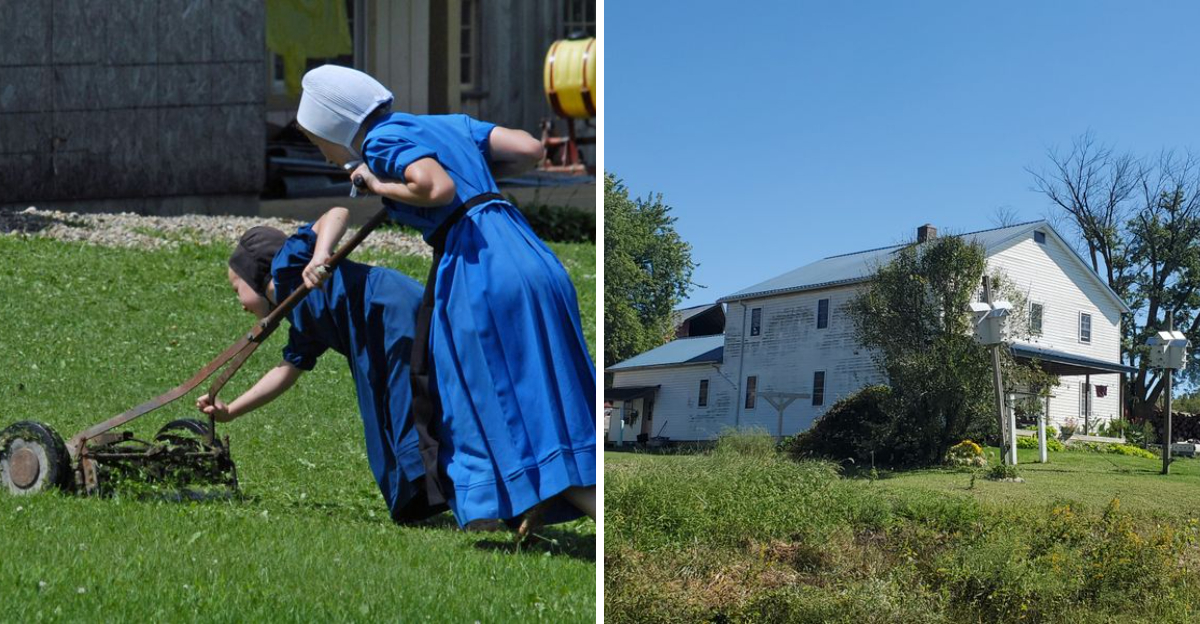
Lancaster County sits in the heart of Pennsylvania Dutch Country, where rolling farmland stretches beneath wide open skies and horse-drawn buggies share the roads with modern cars.
Travelers flock here to witness a simpler way of life, drawn by the allure of Amish culture, homemade goods, and picturesque countryside that seems frozen in time.
Yet beyond the roadside stands and guided tours lies a private world that most visitors never glimpse, where traditions run deeper than any postcard can capture.
The true essence of Amish life unfolds behind closed doors, in moments of faith, family, and community that remain carefully guarded from the outside world.
Sunday Church Services Held in Homes
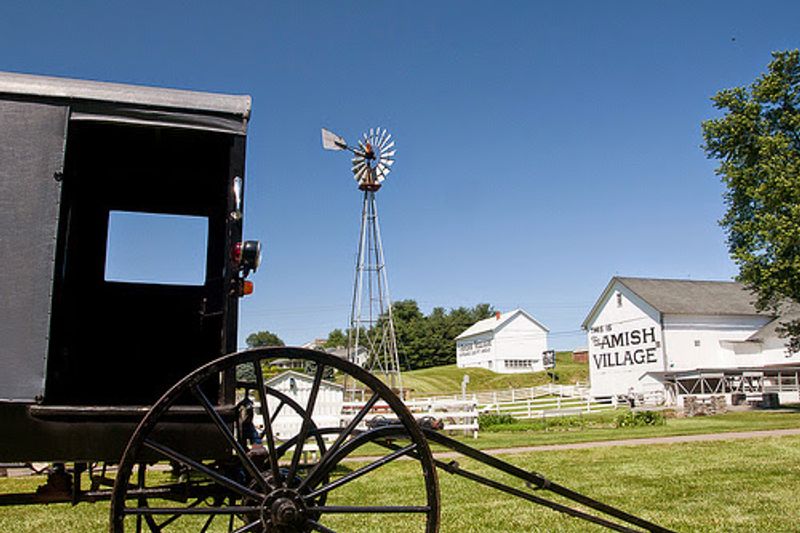
Every other Sunday morning, Amish families gather not in grand buildings but in the homes of community members for worship that lasts three to four hours.
The host family spends days preparing their home, removing furniture and setting up backless wooden benches in neat rows throughout the main floor.
Men and women sit separately, with the eldest members taking their places first according to a carefully observed order of respect and tradition.
Services unfold entirely in Pennsylvania Dutch, the Germanic dialect that binds the community together and keeps outsiders at a respectful distance.
Hymns rise slowly from the Ausbund, a songbook dating back to the 16th century, with melodies passed down through generations without musical instruments or written notes.
Ministers deliver sermons without formal training or notes, speaking from the heart about scripture, humility, and the importance of putting community before individual desires.
After worship concludes, the benches transform into tables, and the entire congregation shares a simple meal of bread, cheese, pickles, and peanut butter spread.
Young people linger afterward, their laughter mixing with adult conversation as children dart between the rooms in their Sunday best.
The gathering serves as more than worship; it reinforces bonds that hold the community together through hardship and joy alike.
Visitors never witness these sacred moments because the Amish carefully protect their religious life from curious eyes and cameras.
This privacy allows them to worship authentically, without performance or self-consciousness, maintaining a spiritual intimacy that modern society rarely experiences.
Barn Raisings and Community Work Days

When fire, storm, or time claims an Amish barn, the community responds with an age-old tradition that showcases their commitment to mutual aid and collective effort.
Within days, word spreads through the district, and dozens of men arrive at dawn with hammers, saws, and generations of carpentry knowledge passed down from father to son.
The barn raising unfolds like a carefully choreographed dance, with teams working in coordinated silence punctuated by occasional Pennsylvania Dutch instructions and the rhythmic pounding of nails.
Young boys scramble to fetch tools and materials, learning through observation the skills they will someday use to help their own neighbors.
Meanwhile, women gather in the farmhouse kitchen, transforming simple ingredients into mountains of food that will fuel the workers through their long day of labor.
Tables groan under the weight of fried chicken, mashed potatoes, fresh bread, pies, cakes, and dozens of other dishes prepared without modern appliances or shortcuts.
By sunset, a structure that would take professional contractors weeks to complete stands finished, a testament to what united hands can accomplish when individualism gives way to common purpose.
These events happen without announcement or invitation to outsiders, hidden in plain sight across Lancaster County’s rural landscape.
The Amish view such work not as extraordinary but as the natural obligation neighbors owe one another in a world that prizes self-sufficiency and interdependence equally.
Tourists driving past might notice unusual activity on a farm but will never understand the deeper meaning behind the gathered buggies and purposeful movement.
This invisible network of support ensures that no family faces disaster alone, creating security that no insurance policy could match.
One-Room Schoolhouse Education
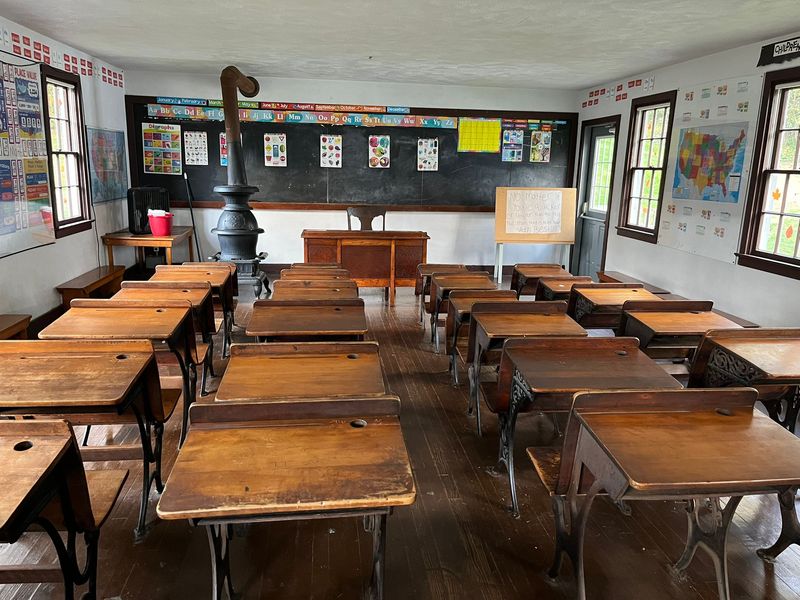
Hidden down country lanes throughout Lancaster County, small white schoolhouses serve Amish children from first through eighth grade, teaching lessons that extend far beyond academics.
A single teacher, usually a young unmarried woman from the community, guides students of all ages through curriculum that emphasizes practical knowledge over abstract theory.
The day begins with prayer and hymns sung in German, grounding education in faith before pencils ever touch paper.
Older students naturally help younger ones with reading and arithmetic, fostering responsibility and patience that will serve them throughout life.
Subjects focus on skills needed for Amish life: reading for understanding scripture, math for running farms and businesses, writing for correspondence, and enough English to interact with the outside world when necessary.
Science lessons come from observing crops, weather, and animals rather than textbooks filled with theories about evolution or space exploration that contradict their worldview.
At recess, children pour into the yard for games that require no equipment beyond imagination and energy, their laughter carrying across adjacent fields.
The teacher prepares lessons by lamplight at home, receiving modest pay but immense respect for shaping the next generation’s character and competence.
Formal education ends at eighth grade, not from lack of intelligence but from belief that further schooling would expose youth to worldly influences that might pull them away from community values.
Tourists occasionally glimpse these schoolhouses from the road but never see the careful balance of tradition and learning that happens within their walls.
This educational approach produces adults who may lack college degrees but possess deep practical wisdom and unshakeable commitment to their way of life.
Rumspringa and Youth Gatherings
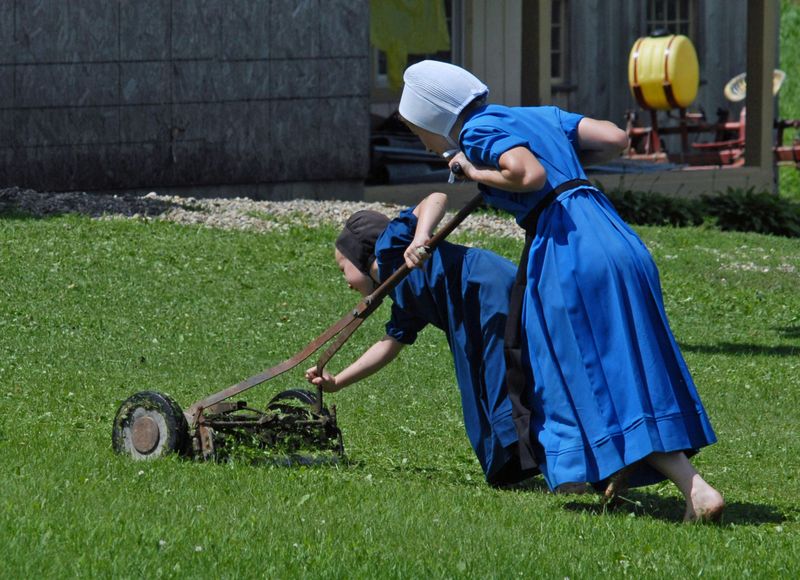
Around age 16, Amish teenagers enter rumspringa, a period when rules loosen slightly and young people explore their identity before deciding whether to join the church.
Contrary to sensational media portrayals, most Amish youth spend rumspringa attending supervised singings and gatherings rather than wild parties or rebellious escapades.
Sunday evenings bring young people together at homes throughout the district for hymn singing that gradually transitions into socializing and courtship opportunities.
Boys arrive in open buggies, sometimes driving faster than their elders would approve, their horses’ hooves announcing their presence long before they pull into the lane.
Girls gather in clusters, their prayer coverings and cape dresses identifying their district while their laughter and whispered conversations reveal universal teenage concerns about friendship and romance.
Volleyball games erupt in yards as dusk settles, with teams forming and reforming as new arrivals join the fun.
Parents maintain subtle oversight, trusting their years of teaching while understanding that youth need space to make their own choices about faith and community membership.
Some teenagers experiment with forbidden technology or clothing, testing boundaries in ways that alarm outsiders but rarely lead to permanent departure from Amish life.
Courtship happens quietly, with boys offering girls rides home in their buggies after gatherings, relationships developing slowly without the pressure of social media or public displays.
Over 85 percent of Amish youth ultimately choose baptism and lifelong commitment to the church, suggesting that rumspringa strengthens rather than weakens community bonds.
These gatherings happen beyond tourist view, protected by distance and deliberate privacy that allows young people to navigate this crucial life stage without outside interference or judgment.
Home Births and Midwife Traditions

Most Amish babies enter the world not in sterile hospitals but in the bedrooms where they were conceived, attended by experienced midwives who have delivered hundreds of infants.
These midwives, often Amish women themselves, combine traditional knowledge with modern safety practices, monitoring mothers throughout pregnancy and labor with skill that rivals any medical professional.
Birth unfolds as a family event, with the mother surrounded by female relatives who offer comfort, prayer, and practical assistance during the intense hours of labor.
Fathers wait nearby, their presence a quiet support even if they do not enter the birthing room until their child has safely arrived.
The midwife works with calm confidence born from experience, knowing when labor progresses normally and when complications require transfer to a hospital.
Amish families accept this rare need for medical intervention without shame, understanding that wisdom includes recognizing the limits of home birth and acting accordingly.
After delivery, the newborn receives immediate skin-to-skin contact, beginning life in the same home where siblings were born and where family history stretches back through generations.
Recovery happens surrounded by community support, with neighbors bringing meals and helping with housework so the new mother can rest and bond with her baby.
This approach to childbirth reflects Amish values of simplicity, family, and trust in natural processes guided by experienced hands rather than technological intervention.
Insurance companies and hospitals never record these births in their statistics, making the practice invisible to researchers studying maternal health outcomes.
Yet Amish women generally experience positive birth outcomes, suggesting that their traditional approach, when combined with appropriate medical backup, serves families well across Lancaster County’s rural communities.
Ordnung and Church Discipline
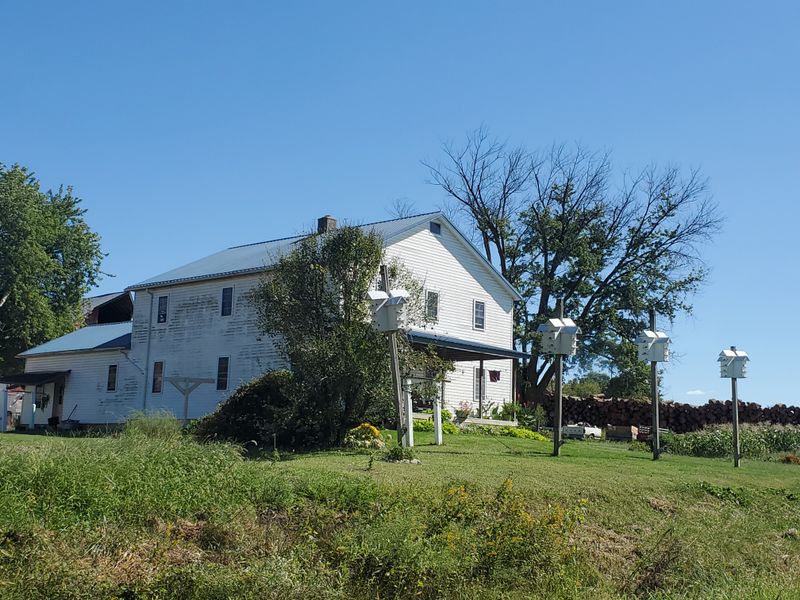
The Ordnung, an unwritten set of rules governing every aspect of Amish life, shapes behavior in ways that outsiders never witness or fully comprehend.
Church leaders meet regularly to discuss and interpret these guidelines, determining which technologies might be permitted and which behaviors threaten community cohesion.
Decisions emerge through consensus rather than voting, with bishops, ministers, and deacons seeking unity that reflects God’s will rather than individual preference.
When members violate the Ordnung through pride, dishonesty, or adoption of worldly ways, the church responds with discipline designed to restore rather than punish.
Minor infractions bring private counsel from church leaders, conversations aimed at helping the wayward member understand how their actions affect the entire community.
Serious or repeated violations result in meidung, or shunning, a practice that prohibits other members from eating with, doing business with, or accepting rides from the offending person.
This social exclusion causes deep pain, as it severs the relationships that give Amish life meaning and purpose.
Yet shunning aims not to reject but to prompt repentance, maintaining pressure until the member acknowledges wrongdoing and commits to change.
Those who confess publicly before the congregation find immediate restoration, tears flowing as community members welcome them back into full fellowship.
The few who refuse to repent eventually leave the community, their departure mourned as a family grieves a death.
Tourists see only the surface harmony of Amish life, unaware of these difficult processes that maintain boundaries and preserve identity across generations.
This hidden structure of accountability ensures that Amish communities remain distinct from the surrounding culture, sacrificing individual freedom for collective survival and spiritual faithfulness.
Quilting Bees and Women’s Social Networks
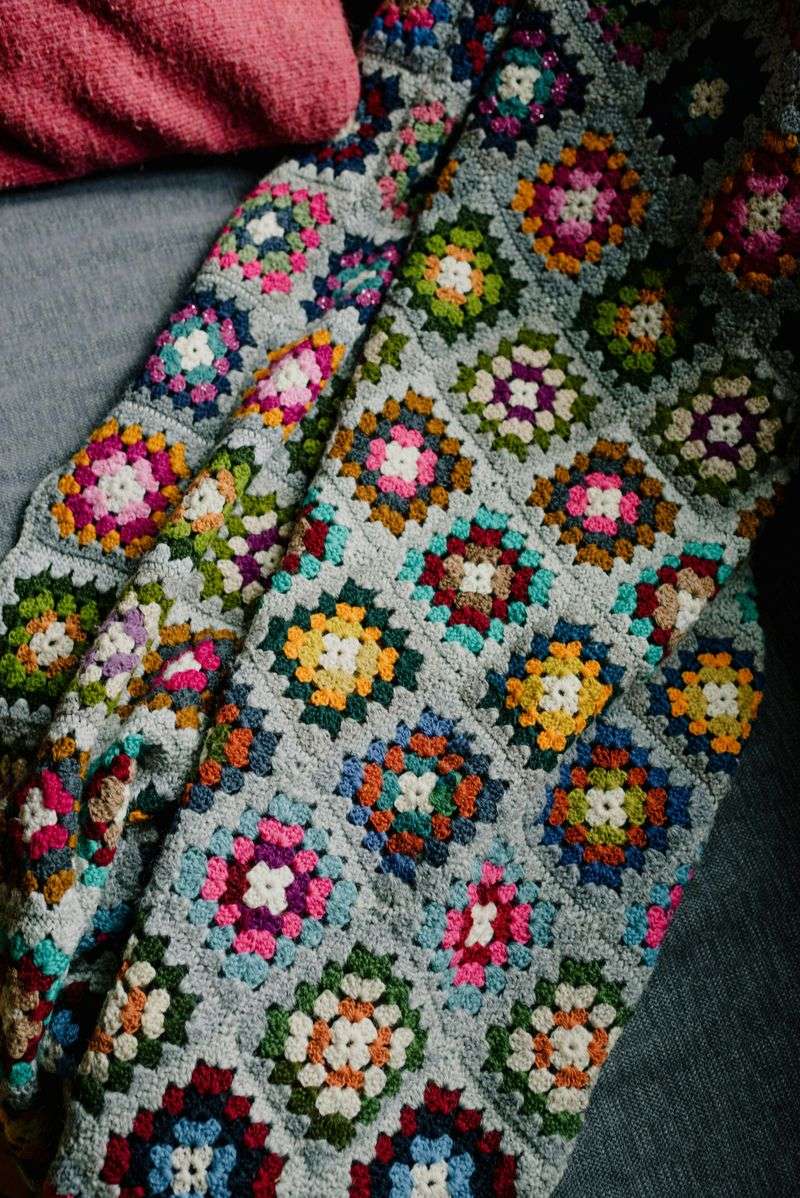
Throughout Lancaster County, Amish women gather regularly for quilting bees that serve purposes far beyond creating beautiful bedcoverings.
These sessions unfold in homes or community buildings, with women arriving mid-morning after completing essential household chores and bringing contributions to the shared midday meal.
A large quilting frame dominates the room, stretched with layers of fabric that will become a wedding gift, fundraiser item, or family heirloom through hours of patient stitching.
Experienced quilters guide younger women in techniques passed down through countless generations, their needles moving in rhythm as conversation flows around the frame.
Discussion ranges from recipes and gardening tips to concerns about children, health issues, and community news, creating an information network that keeps women connected across scattered farms.
Laughter punctuates the work as women share stories and gentle teasing, their bonds deepening through shared labor and mutual support.
These gatherings provide emotional sustenance in lives that can feel isolated, offering companionship and understanding that husbands and children cannot always supply.
The quilts themselves become tangible records of community, with each stitch representing a moment of fellowship and each pattern choice reflecting shared aesthetic values.
Some quilts raise thousands of dollars at charity auctions, their beauty attracting collectors who have no idea about the conversations and connections woven into every square.
Women’s social networks operate largely invisible to outsiders, who may purchase quilts at roadside stands without understanding the communal creativity and support that produced them.
This hidden world of female friendship and cooperation provides essential balance to the male-dominated public leadership structure, giving women influence and agency within their traditional roles.
Evening Family Devotions and Bedtime Routines
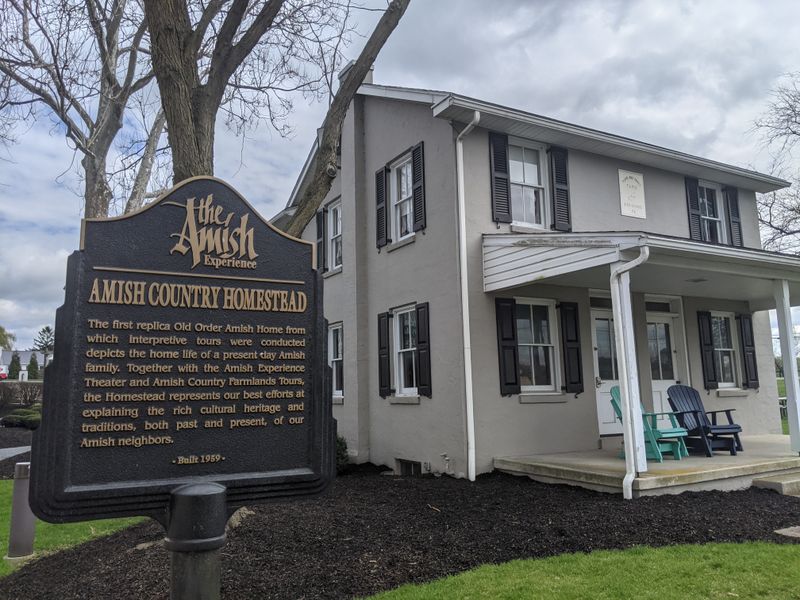
As darkness settles over Lancaster County’s farmland, Amish families conclude their days with rituals that reinforce faith and family bonds away from any observer’s gaze.
After supper dishes are washed and put away, parents gather children in the living room, where oil lamps cast gentle light across plain walls and simple furniture.
The father opens the family Bible, its pages worn from nightly use, and reads passages in German that connect his household to centuries of believers.
His voice carries weight and warmth, transforming ancient words into present guidance for children who will face their own challenges and choices.
Following the reading, the family kneels beside chairs and sofas for prayer, heads bowed and eyes closed as they communicate with God in the intimate language of their hearts.
Youngest children struggle to remain still, fidgeting until gentle parental touches remind them of the moment’s importance.
After prayer, parents might share stories from their own childhoods or discuss events from the day, teaching lessons about honesty, hard work, and treating others with respect and kindness.
These conversations happen without television’s interruption or smartphones’ distraction, creating space for genuine connection that modern families often struggle to find.
Children then head upstairs to bedrooms shared with siblings, where darkness comes completely without electronic glow or digital entertainment.
Parents follow later, their own day ending early in preparation for the 4:30 alarm that will begin another cycle of work, worship, and family life.
No tourist will ever witness these sacred evening hours, when Amish families nurture the spiritual and emotional foundations that enable their distinctive way of life to persist despite surrounding cultural pressures.
Dear Reader: This page may contain affiliate links which may earn a commission if you click through and make a purchase. Our independent journalism is not influenced by any advertiser or commercial initiative unless it is clearly marked as sponsored content. As travel products change, please be sure to reconfirm all details and stay up to date with current events to ensure a safe and successful trip.
