Colorado is a dream destination with stunning mountains, world-class ski resorts, and breathtaking hiking trails. But many visitors quickly discover that this beautiful state comes with surprises that can turn a relaxing vacation into an unexpected challenge.
From the thin mountain air to sudden weather shifts, even the simplest activities can feel much tougher than anticipated when you’re a mile or more above sea level.
1. Adjusting to the High Altitude
Arriving in Denver and feeling fine might give you false confidence. Many travelers don’t realize that the Mile High City sits at 5,280 feet, and mountain towns climb even higher, sometimes past 10,000 feet.
Your body needs time to adjust to the thinner air, which has less oxygen than what you’re used to. Headaches, dizziness, nausea, and exhaustion can hit hard within hours of arrival.
Even walking from your car to a restaurant might leave you breathless. Drinking plenty of water, avoiding alcohol initially, and taking it slow your first day can help your body catch up to the elevation change.
2. Tackling What Seems Like an Easy Hike
A three-mile trail sounds like a breeze, right? Not when it’s at 10,000 feet with steep switchbacks and rocky terrain.
What might take you an hour at sea level could easily double or triple in Colorado. The combination of thin air and elevation gain turns moderate hikes into serious workouts that leave even athletic visitors gasping for breath.
Many people underestimate how quickly fatigue sets in when oxygen is scarce. Start with shorter, easier trails to test your limits, bring twice as much water as you think you need, and don’t be embarrassed to take frequent breaks along the way.
3. Navigating Interstate 70 Through the Mountains
I-70 looks like any other highway on a map, but it’s actually one of America’s most challenging drives. This route cuts through the heart of the Rockies and connects Denver to popular ski towns.
Weekend traffic can be absolutely brutal, with bumper-to-bumper cars stretching for miles. Add winter weather, sudden snowstorms, black ice, and whiteout conditions, and a two-hour drive easily becomes five or six hours of white-knuckle stress.
Experienced locals know to leave super early or avoid peak times altogether. Check road conditions before you go, pack emergency supplies, and budget extra travel time during ski season weekends.
4. Pulling Over Safely for Wildlife Photos
Spotting a majestic elk or towering moose alongside the road is absolutely thrilling. Your first instinct is to slam on the brakes and grab your camera.
But stopping suddenly on narrow, winding mountain roads creates serious danger for you and other drivers. Roads that twist through the Rockies often have blind curves, fast-moving traffic, and limited shoulders.
What feels like a quick photo op can cause accidents or traffic jams. Instead, find a proper pullout or parking area before stopping. If there isn’t one nearby, keep driving; your safety matters more than any picture, no matter how Instagram-worthy the moment seems.
5. Remembering to Hydrate and Protect Your Skin
Colorado’s dry air and intense high-altitude sun create a sneaky combination. You might not feel hot or thirsty, but dehydration and sunburn happen shockingly fast here.
The thin atmosphere filters less UV radiation, meaning you can get severely burned in under an hour, even on cloudy days. Meanwhile, low humidity pulls moisture from your body faster than you realize.
Visitors often wake up with cracked lips, pounding headaches, and lobster-red skin after just one day outdoors. Apply high-SPF sunscreen every two hours, wear a hat and sunglasses, and drink water constantly, way more than you think you need throughout the day.
6. Driving Scenic High Mountain Passes
Scenic byways like the Million Dollar Highway and Independence Pass promise stunning views. They deliver on that promise, but they also demand your complete attention and steady nerves.
These roads feature hairpin turns, steep drop-offs with no guardrails, and lanes barely wide enough for two vehicles. One small mistake could have serious consequences.
If you’re afraid of heights or inexperienced with mountain driving, these routes can be genuinely terrifying. Drive slowly, stay focused, and pull over at designated viewpoints if you need to admire the scenery. Never attempt these passes in bad weather or after dark if you can avoid it.
7. Climbing the Manitou Incline
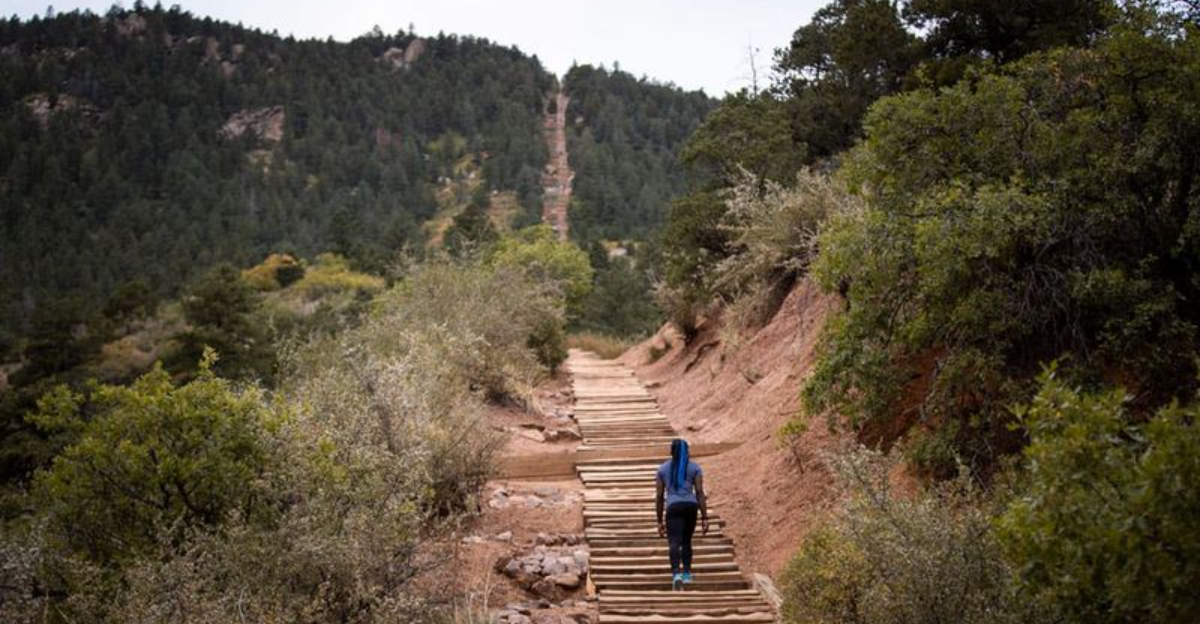
The Manitou Incline near Colorado Springs has a reputation that draws adventurous travelers. It’s only 0.88 miles long, which sounds totally manageable.
Here’s the catch: those 2,744 steps climb over 2,000 vertical feet up an old railway track. The average grade is 41%, with some sections hitting 68%.
Even marathon runners and gym regulars find themselves stopping every few steps, hearts pounding and legs burning. This isn’t a casual morning stroll, it’s a legendary fitness challenge that humbles almost everyone who attempts it. Train beforehand, start early to avoid afternoon heat, and don’t feel bad about taking your time climbing up.
8. Preparing for Rapid Weather Changes
Morning sunshine and blue skies can fool you into thinking the weather will stay perfect all day. In Colorado’s mountains, conditions change with frightening speed.
Peaceful afternoons can explode into violent thunderstorms with lightning, hail, and freezing rain within minutes. Hikers caught above treeline when storms arrive face life-threatening danger from lightning strikes.
Locals follow the rule of starting hikes early and turning around by noon, regardless of how good the weather looks. Always check forecasts before heading out, watch the sky constantly for building clouds, and pack rain gear even when sunshine seems guaranteed for the entire day ahead.
9. Arriving Early at Popular Trailheads
Planning to sleep in and hit the trails mid-morning? That strategy will leave you circling packed parking lots for hours.
Famous spots like Rocky Mountain National Park require timed-entry reservations during peak season, and parking fills up by 6 or 7 AM. Visitors who arrive at 9 or 10 often find themselves turned away completely.
The combination of Colorado’s popularity and limited parking infrastructure means competition for spots is fierce. Set your alarm crazy early, pack breakfast to eat in the car, and arrive before sunrise if you want to actually access those bucket-list trails without frustration ruining your entire day.
10. Packing the Right Clothing Layers
Temperature swings in Colorado mountains are wild and unpredictable. You might need shorts and sunscreen at noon, then a warm jacket and gloves by dinnertime.
Shaded areas stay cold while sunny spots feel hot, and temperatures drop dramatically once the sun sets. Visitors who pack only for warm weather end up freezing and miserable.
The secret is versatile layering: moisture-wicking base layer, insulating middle layer, and weatherproof outer shell. Throw in a hat, gloves, and extra socks just in case. Locals joke that you need to pack for all four seasons in one day, and they’re not exaggerating about Colorado’s unpredictable mountain climate at all.
Dear Reader: This page may contain affiliate links which may earn a commission if you click through and make a purchase. Our independent journalism is not influenced by any advertiser or commercial initiative unless it is clearly marked as sponsored content. As travel products change, please be sure to reconfirm all details and stay up to date with current events to ensure a safe and successful trip.
