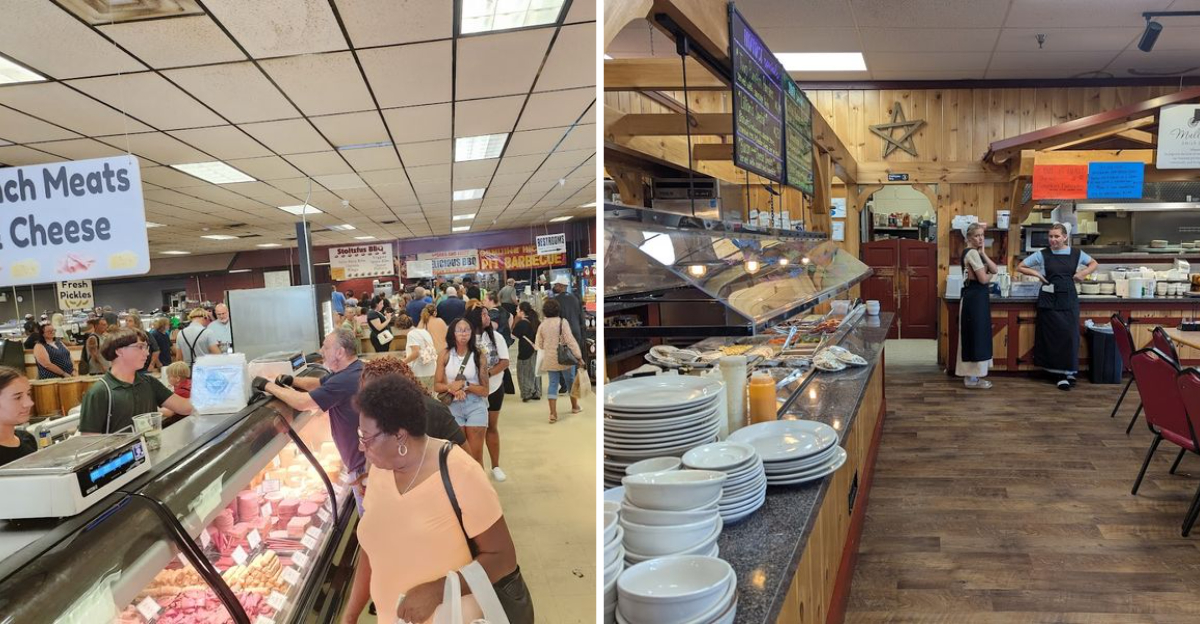
Okay, let me clear something up right now: those Amish vendors at New Jersey’s markets? They don’t actually live here.
They make the trek all the way from Lancaster County, Pennsylvania, hauling fresh bread, handcrafted furniture, and jars of preserves across state lines just so we can enjoy the good stuff without leaving Jersey.
That kind of dedication changes how you see the whole experience, because every loaf and every quilt represents a real journey, not just a weekend side hustle.
So before you show up assuming everything is local or that cash is the only option, let me walk you through things visitors always get wrong about New Jersey’s Amish markets.
Amish Vendors Actually Travel From Pennsylvania
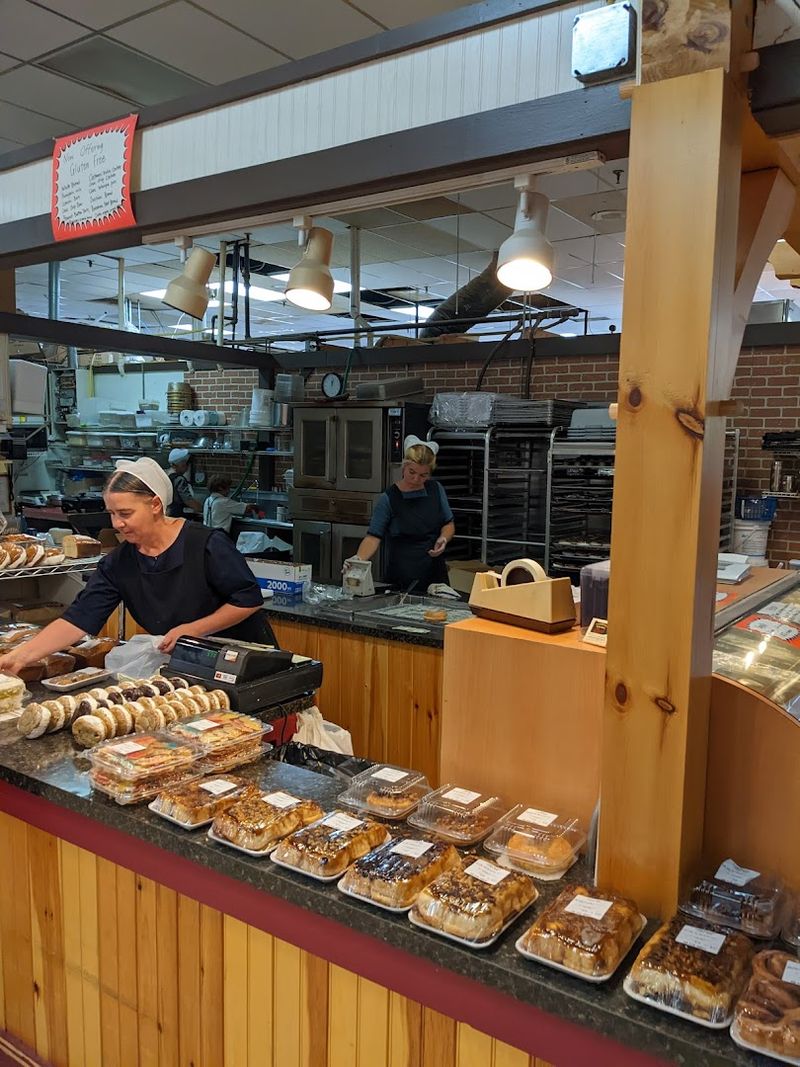
Here is something that catches almost every first-timer off guard: the Amish vendors you meet at New Jersey markets do not actually live in New Jersey. There are no Amish communities settled in the state.
The vendors make regular trips from Pennsylvania, particularly from Lancaster County, to bring their goods across state lines.
That kind of dedication is honestly remarkable. These folks load up their products, travel a significant distance, and set up shop so that New Jersey residents and visitors can enjoy fresh, handcrafted goods without making the trek themselves.
Understanding this changes how you see the whole experience. Every loaf of bread, every jar of preserves, and every handmade item on display represents a real journey.
The freshness you taste in the baked goods is real, and the craftsmanship in the handmade products reflects generations of skill carried carefully across the state border.
Knowing where the vendors come from also helps set the right expectations. You are not getting a local farm stand vibe.
You are getting a carefully curated piece of Pennsylvania Amish culture, delivered right to New Jersey. That is a pretty special thing when you stop and think about it, and it makes browsing the stalls feel a lot more meaningful than a typical Saturday shopping trip.
Address: New Jersey, NJ
Not Every Product Labeled Amish Is Actually Amish-Made
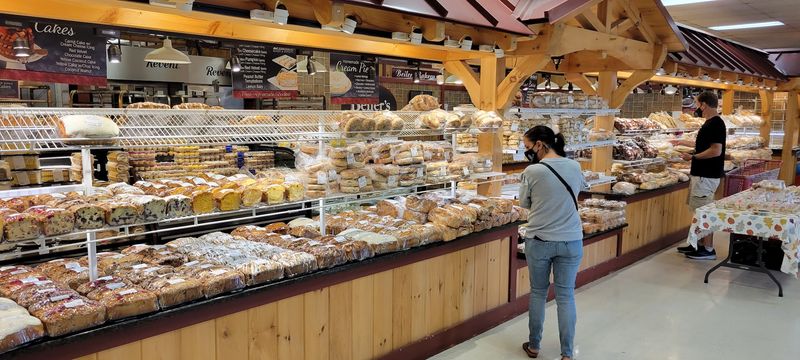
Walking through an Amish market, it is easy to assume that every single item with an Amish label was crafted by an Amish artisan. That assumption, while totally understandable, is not always accurate.
Some products sold at these markets are made by non-Amish producers or sourced from outside the traditional Amish community.
This does not mean the quality is bad. Many of the non-Amish items are still excellent, and plenty of vendors take real pride in what they sell.
But if authenticity matters to you, it is worth paying a little closer attention to where specific products come from.
A good approach is to ask vendors directly about their products. Most are happy to share information about how items are made and where the ingredients or materials originate.
That kind of conversation also makes the shopping experience feel more personal and genuine rather than just transactional.
The broader takeaway here is that the word Amish on a sign is more of a cultural marker than a strict certification. Markets vary widely in how they source their goods, so going in with curiosity rather than assumptions will serve you much better.
You might end up discovering some genuinely incredible products that you would have otherwise overlooked by being too focused on labels alone.
Amish Markets Offer Much More Than Just Food
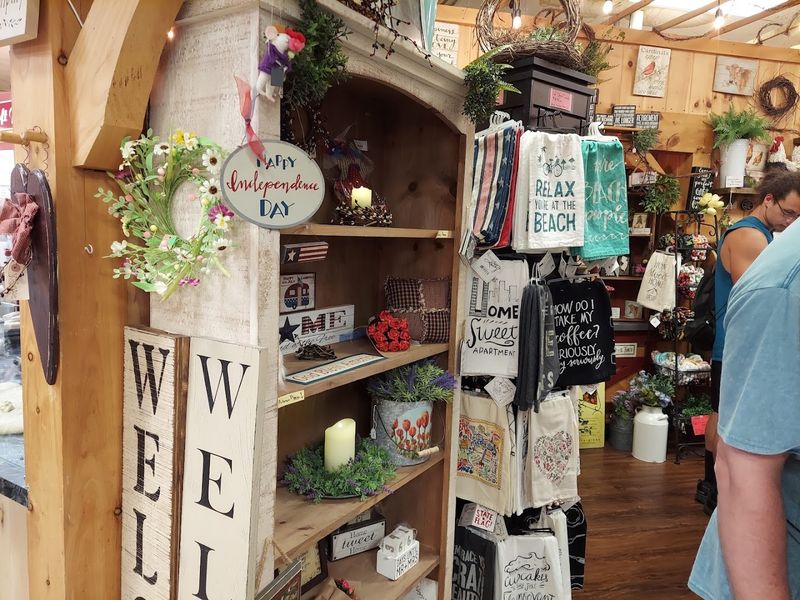
Food is absolutely a highlight at any Amish market, and honestly the smells alone could convince you to spend your entire afternoon there. But these markets are far from food-only destinations.
Handcrafted furniture, beautifully stitched quilts, wooden toys, candles, and all kinds of artisan goods share the floor space with the bakery and produce stalls.
Stumbling upon a hand-built wooden rocking chair or a perfectly pieced quilt in the middle of a food market feels genuinely surprising the first time. The craftsmanship on display is the kind that reminds you what things looked like before everything became mass-produced and disposable.
For families, the non-food sections can be just as engaging as the edible ones. Kids tend to gravitate toward the wooden toys and handmade novelties, while adults linger over the furniture and textile work.
There is something for pretty much everyone, regardless of what originally brought you through the door.
Planning your visit with extra time to explore beyond the food stalls is a smart move. You might arrive for the fresh-baked bread and leave with a hand-stitched table runner or a set of wooden kitchen utensils you did not know you needed.
The variety is part of what makes these markets such a rewarding stop on any New Jersey road trip or weekend outing.
These Markets Do Not Run Seven Days a Week
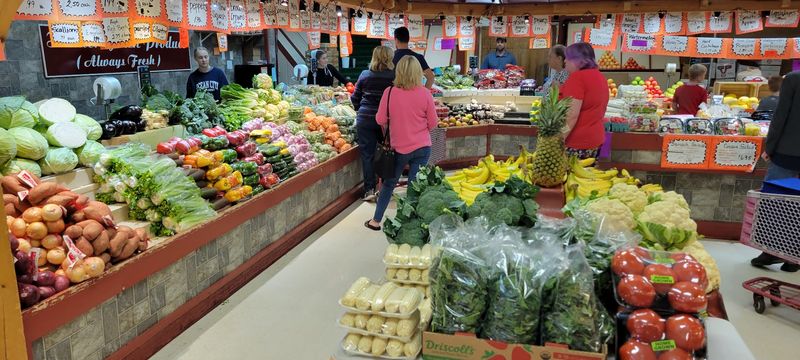
One of the most common trip-planning mistakes people make is assuming Amish markets operate like a regular grocery store or shopping center. Most of them run on a pretty tight weekly schedule, typically open only Thursday through Saturday.
Show up on a Monday expecting fresh cinnamon rolls and you will find a very quiet, very empty building.
The Mullica Hill Amish Market, for example, keeps a limited schedule with specific hours for each operating day. Hours can also shift slightly depending on the time of year, so checking ahead of time is genuinely useful rather than just a suggestion.
Planning around the market schedule actually adds to the experience in a fun way. It gives the visit a sense of occasion, like something worth making time for rather than a last-minute errand.
Knowing the days and hours means you can arrive early, beat the crowd, and have first pick of the freshest goods.
Early arrival on a Thursday or Friday tends to be the sweet spot for a relaxed, unhurried visit. Saturdays get busy, which has its own lively energy, but if you prefer browsing without bumping elbows, the earlier weekday openings are a hidden advantage most visitors do not think to use.
A little planning goes a long way when the market only opens a few days a week.
Locals Shop Here Just as Much as Tourists Do
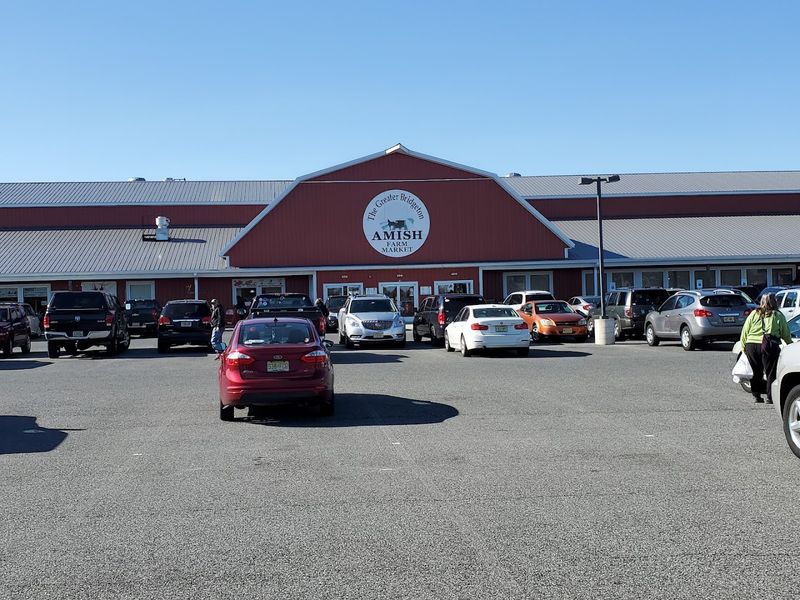
There is a tendency to think of Amish markets as tourist attractions, the kind of place you visit once for the novelty and then move on.
The reality is that many of these markets serve as genuine community hubs for local residents who rely on them for weekly staples.
Fresh produce, homemade cheeses, smoked meats, and baked goods draw in the same familiar faces week after week. For plenty of New Jersey families, the Amish market is simply where you go to get the good stuff, the kind of quality that regular supermarkets rarely match.
That blend of locals and visitors creates a warm, lived-in atmosphere that feels nothing like a typical tourist destination. You are not walking into a performance or a themed experience.
You are stepping into a place where real commerce and real community overlap in a genuinely satisfying way.
Embracing that energy makes the visit feel more grounded and authentic. Watching a regular customer chat easily with a vendor while picking out sweet potatoes or a fresh pie gives you a sense of how woven into local life these markets actually are.
Coming in with that awareness shifts the whole experience from sightseeing to something that feels a lot more like belonging, even if it is just for a morning.
Every Amish Market Has Its Own Personality
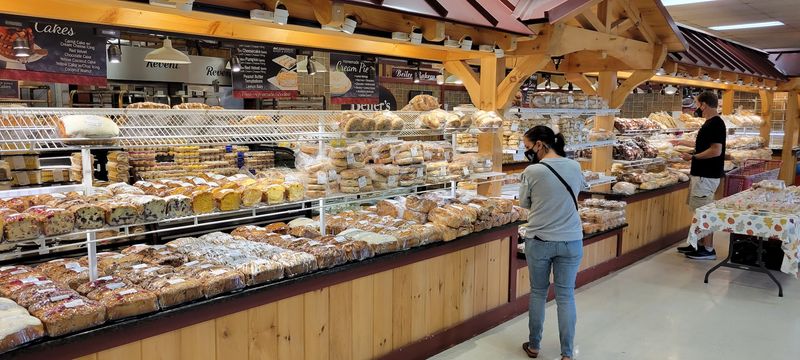
Assuming all Amish markets are basically the same is like assuming all diners serve the same food. Each market has developed its own character, specialties, and atmosphere over time.
Walking into one expecting it to mirror another will leave you missing what makes each one genuinely worth visiting on its own terms.
The Mullica Hill Amish Market has built a reputation around its warm bakery and family-style restaurant. The Pennsylvania Dutch Farmers Market in Princeton leans more heavily into furniture and a wide variety of food offerings.
Same cultural roots, completely different vibes.
Some markets feel intimate and tucked-away, the kind of place where you linger over a cup of coffee and a fresh pastry without any rush. Others are larger, busier, and packed with enough variety to keep you browsing for hours.
Neither style is better than the other, they are just different flavors of the same broad experience.
Visiting more than one market, if your schedule allows, is genuinely rewarding. You start to pick up on the subtle differences in product selection, vendor personality, and overall layout.
What starts as a curiosity about Amish culture quickly turns into an appreciation for how each market has grown into something unique. The variety across New Jersey’s Amish market scene is honestly one of its best-kept secrets.
Cash Is Not Always the Only Option
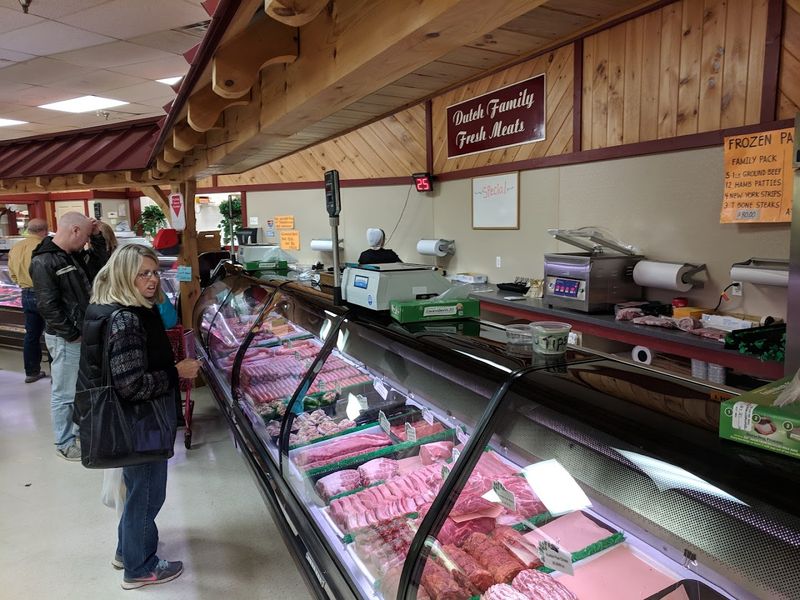
The image of Amish markets as strictly cash-only operations is one of the most persistent myths around.
While that was true for many years, and still applies at some individual vendors, a growing number of stalls and market operators now accept credit and debit cards.
Technology has found its way into even the most traditionally minded spaces.
That said, it is smart to carry some cash anyway. Not every vendor has updated their payment setup, and smaller or more traditional stalls may still prefer it.
Having a mix of payment options in your pocket means you will never have to pass up something you really want just because of how you planned to pay.
Some markets also have ATMs on-site for exactly this reason. It is worth doing a quick check on the specific market you plan to visit, since policies can vary quite a bit from one location to another and even from one vendor to the next within the same building.
The practical upside of bringing cash is that it tends to speed up transactions at busy stalls, especially on Saturday mornings when lines form quickly. A few small bills and some coins can make the whole experience flow more smoothly.
Think of it less as a restriction and more as a helpful habit that keeps the good stuff moving into your basket without any awkward delays at checkout.
Seasonal Closures Can Catch Visitors Off Guard
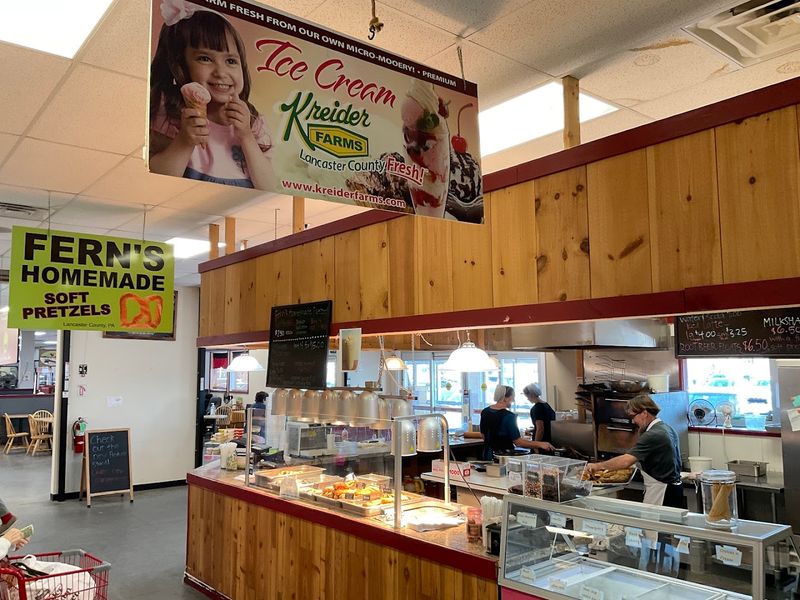
Planning a visit to an Amish market without checking the seasonal schedule is the kind of thing that results in a very disappointing drive. Not all markets stay open year-round, and some operate on a reduced schedule during slower months.
Arriving to find a closed building is a frustration that is entirely avoidable with a quick online check beforehand.
The seasonal rhythm of Amish markets actually makes a lot of sense when you think about it. Vendors travel from Pennsylvania and bring fresh, seasonal goods, so the availability of certain products naturally shifts with the time of year.
Summer brings abundant fresh produce while fall leans into root vegetables, preserves, and heartier baked goods.
That seasonal quality is part of what makes these markets special. You are not getting the same plastic-wrapped, flown-in produce you find at a chain store in January.
What is on the table reflects what is actually growing and what is actually being made right now, which gives the whole experience a grounded, real-world honesty that feels increasingly rare.
Before your visit, a quick look at the market’s website or a short phone call can save you a wasted trip. Some markets post their seasonal hours clearly online.
Others may require a bit more digging. Either way, five minutes of preparation is a small investment for what can be a truly memorable outing during the right time of year.
Weekends Are Busy, But Weekday Visits Are Golden
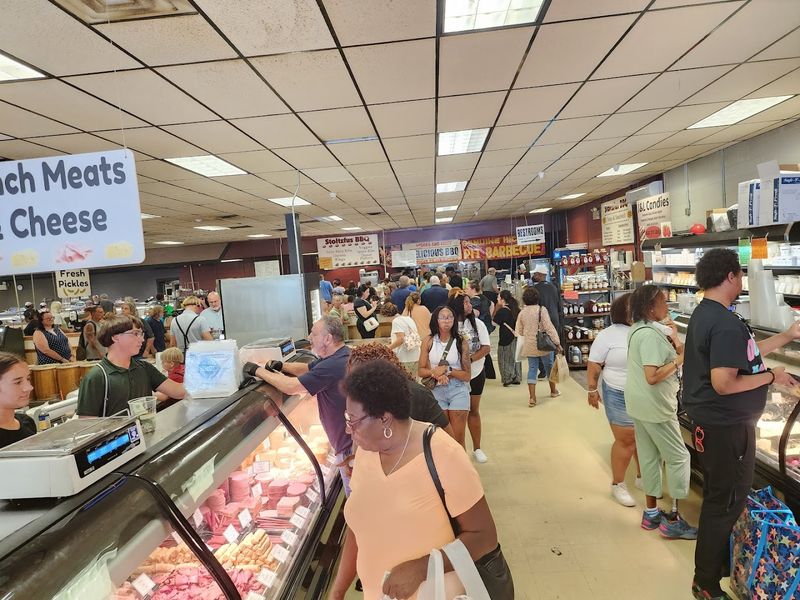
Saturday at an Amish market has an undeniable energy to it. The stalls are fully stocked, the smells are incredible, and the whole place buzzes with activity.
But if your idea of a great market visit involves actually being able to browse without a crowd pressing in from every direction, a Thursday or Friday morning is where the magic really happens.
Weekday visits offer a noticeably different pace. Vendors have more time to chat, the freshest items are still plentiful, and you can take your time over a warm pretzel or a slice of shoofly pie without feeling rushed by the Saturday crowd building up behind you.
Early mornings on any operating day also tend to reward the punctual visitor. Fresh-baked goods come out early, and the most popular items, especially certain breads, smoked meats, and specialty desserts, can sell out well before closing time.
Getting there early is less about beating other people and more about catching the market at its absolute best.
The overall takeaway is that timing your visit thoughtfully makes a real difference in the quality of the experience. A relaxed, unhurried trip through a well-stocked Amish market is one of those simple pleasures that New Jersey does surprisingly well.
Give yourself enough time to wander, sample, and maybe double back for one more slice of something warm before you head home.
Photography Policies Are Stricter Than You Might Expect
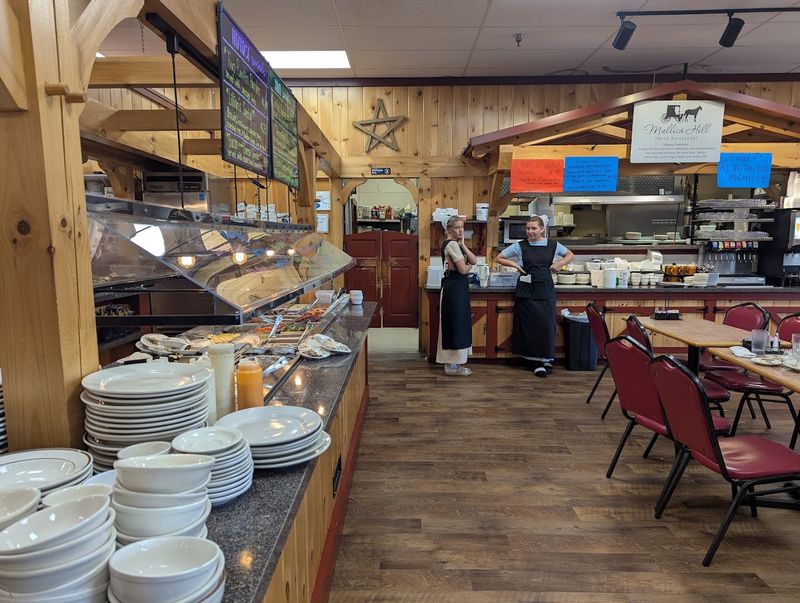
Pulling out your phone to snap a quick photo is second nature for most travelers, but Amish markets often have firm policies against photography, and those rules deserve genuine respect.
Many vendors hold strong personal and religious convictions about being photographed, and those convictions are not a quirk to work around but a boundary to honor.
Signs are usually posted in visible spots around the market, and vendors may politely but firmly ask you to put your camera away if you forget.
Taking that reminder in stride and complying without making it awkward is the right move, and honestly it reflects well on you as a visitor.
The no-photography policy also does something quietly valuable: it encourages you to actually be present. Without the instinct to document everything, you end up tasting more, looking more carefully, and having actual conversations rather than curating content.
The experience lands differently when you are fully in it rather than filming it.
If capturing a memory feels important, focus on the products themselves rather than the people. Many vendors are perfectly comfortable with photos of their baked goods, jams, or handcrafted items displayed on a table.
When in doubt, just ask politely before raising your phone. A small act of consideration goes a long way in a space built on mutual respect, and it keeps the atmosphere welcoming for everyone who comes after you.
