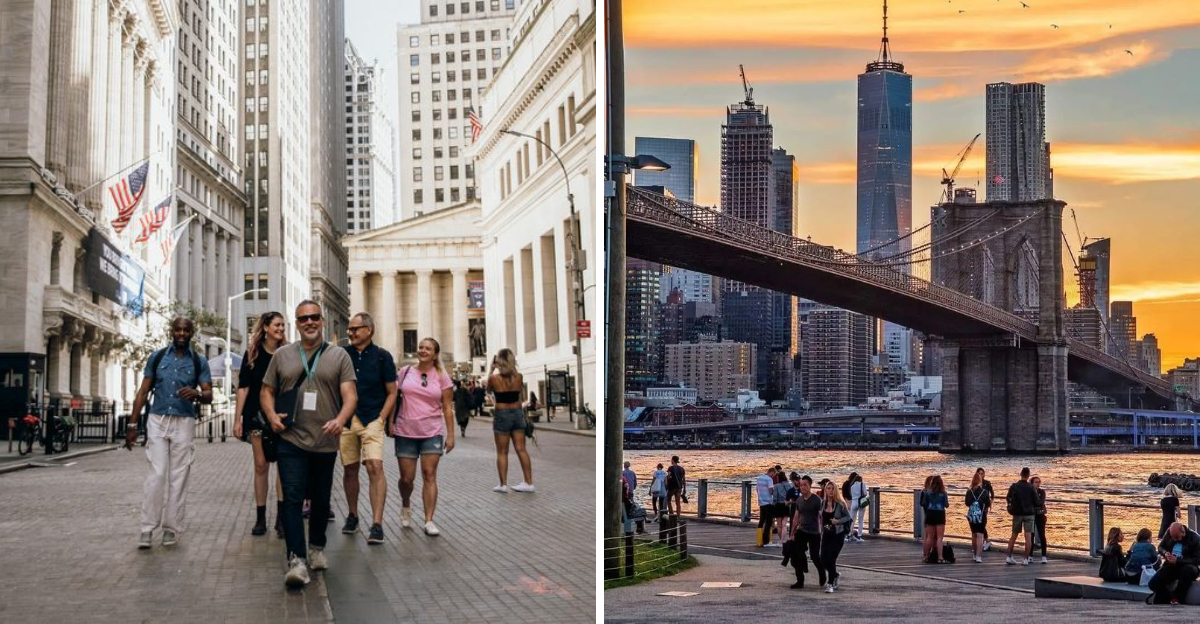
You think New York City moves fast until you try to cross a Midtown avenue at rush hour and realize the rhythm is its own language.
You arrive ready for skyline selfies and leave with a notebook of hacks you wish you knew on day one.
You expect bright lights and big moments, then discover the small daily rituals that make the city feel alive.
You plan for the hits, then the neighborhoods rewrite your map with every block.
You will love it more once you understand how it really works, and that is where this guide meets you.
The subway is a 24 hour maze with rules no one told you
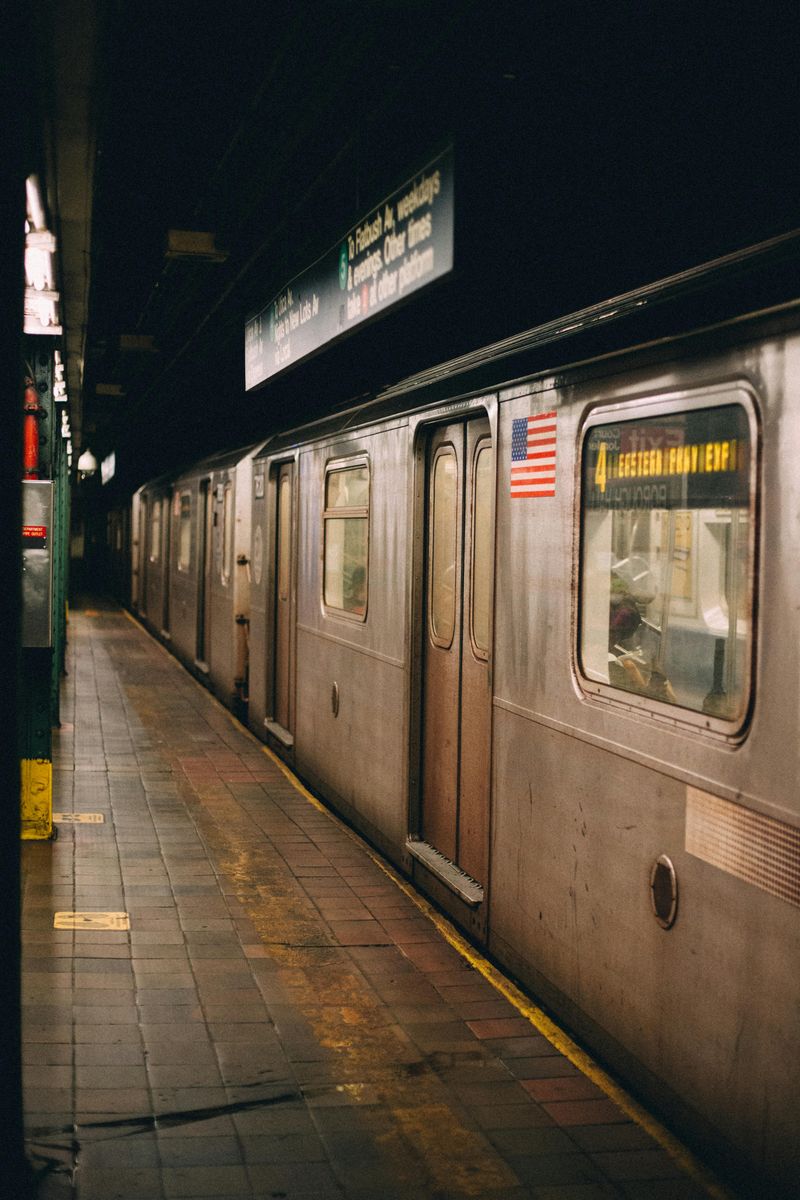
The subway can carry you everywhere, but this complex system requires visitors to treat it as its own city-within-a-city, mastering the specific timing and etiquette that makes it function.
Start by tapping into OMNY using a contactless card, and you’ll quickly discover that fare capping on your third ride effortlessly replaces the need for weekly passes.
Always remember to stand to the right on escalators and move well into the train car to ensure the doors are never blocked.
Although trains operate overnight, planned work frequently reroutes lines, so checking the MTA app before departure is crucial, preventing frustrating waits on ghost platforms.
Differentiating between local and express service is easy by noting the diamond and circle markers, or by observing the subtle rush of people heading up or down stairs to change tracks; be aware that weekend service follows a completely different schedule.
Platform signs indicate the last stop, a detail that holds more significance than the line color, which can be initially misleading.
While countdown clocks are usually accurate, they are not gospel, especially when crews are managing real-time track changes.
Furthermore, realize that station exits may place you anywhere from half a block to a full avenue away from your intended destination.
New Yorkers travel with backpacks pressed flat against their bodies to avoid jostling fellow riders, a thoughtful habit that contributes to a calmer ride.
Keep your headphones low enough to hear conductors announce reroutes that may not yet appear on your map.
Finally, always step aside to allow exiting riders to leave before you board; this small courtesy is what keeps the entire city moving efficiently.
Be prepared for the climate-controlled cars, which can feel surprisingly cold in the summer and warmer than expected in winter, making light layers essential.
Since many stations still lack elevators, bringing a small tote is wise, as climbing stairs is often part of the daily commute.
Once you master the subway, you’ll exit feeling confident, knowing you’ve unlocked seamless access to everything.
Walking speed is culture and sidewalks have lanes
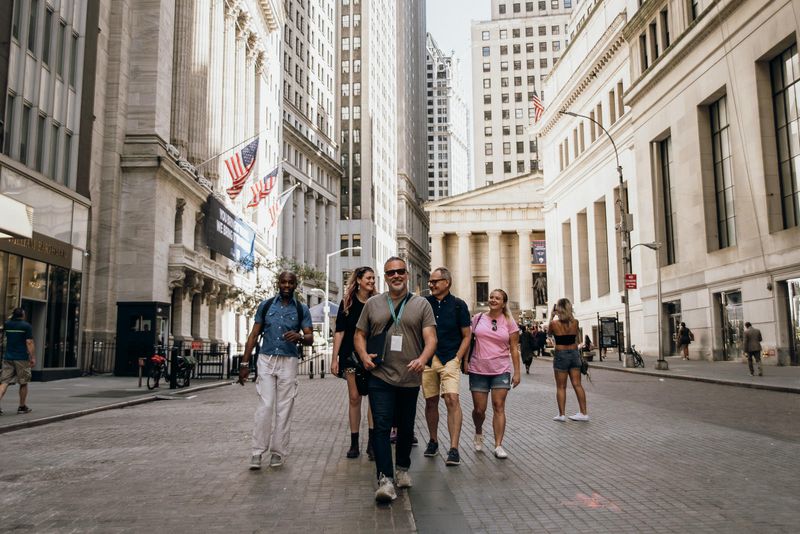
Sidewalks in New York function like highways where pace sets the tone, and courtesy keeps everyone moving.
You’ll notice an unspoken lane for fast walkers near building edges and a casual lane by the curb for browsing.
Always step aside to check your phone so the stream of people behind you does not bottleneck.
Crosswalk signals matter because drivers turn on green and expect you to look up and step decisively into the street.
Make eye contact with cyclists in bike lanes that run beside parked cars and move only when you are certain it is clear.
Be sure to stop at curb cuts when wheelchairs and strollers need space because a smooth flow beats using force in this city.
Rain changes traction, and curb puddles can hide surprising depths, so a short hop can save your shoes.
Wear comfortable sneakers because five avenues may appear short on a map yet sprawl considerably in real life.
Scan corners for street numbers so you exit the subway on the correct side of an avenue.
Summer brings sidewalk dining and narrower passages that reward a tight line and a quick smile.
You will find that a friendly “excuse me” opens a path faster than a sigh or a stare.
Keep a soft shoulder and a steady stride, and the crowd will carry you forward.
New York rewards walkers with constant detail, from cornice carvings to pocket parks.
Measure progress by landmarks more than blocks, and that shift in thinking feels natural by your second day.
You’ll finish the afternoon with a confidence that starts in your feet and ends with a perfect arrival in New York.
Reservations are a survival tool for museums and attractions

Timed entry stabilizes your day because standby lines can swallow hours during peak seasons.
You should reserve ahead for The Metropolitan Museum of Art at 1000 5th Avenue, New York, NY 10028, allowing you to glide through security with less stress.
It is wise to do the same for the American Museum of Natural History at 200 Central Park West, New York, NY 10024, especially on weekends.
Observation decks now book peak sunset slots that sell out quickly, so early planning pays back in saved minutes.
Check the official site for the Empire State Building at 20 W 34th Street, New York, NY 10001, and choose flexible tickets if the weather looks iffy.
You should also consider Top of the Rock at 30 Rockefeller Plaza, New York, NY 10112, where the views stretch beautifully toward Central Park.
Broadway apps list rush and lottery options, while premium seats require commitment days ahead of time.
Set alerts for hot exhibits at the Museum of Modern Art at 11 W 53rd Street, New York, NY 10019, to avoid sold-out time slots entirely.
Be sure to keep a screenshot of reservations ready to present quickly at scanners.
Arrive a few minutes early because security lines operate on their own distinct rhythm.
Pack light since bag checks slow the pace significantly, and lockers are often limited at busy times.
Scan for re-entry policies that allow snack or coffee breaks without losing your spot in the museum.
Flexible itineraries help because rain or heat waves impact lines and overall comfort.
Anchor your day with one major booking, and then fill gaps with nearby walks and spontaneous stops.
Free sights cost time so budget waits and distance
Free attractions sound perfect until you calculate the minutes that disappear into lines and transfers.
You will love the Staten Island Ferry at 4 Whitehall Street, New York, NY 10004, but arriving early secures a railing spot and smoother boarding.
You will also find the High Line entrances can bottleneck during golden hour when everyone chases the same light.
Central Park stretches wider than first-time visitors expect, so planning specific segments keeps the stroll relaxing.
You will choose a starting gate near the Ramble or the Mall and slow down to appreciate the bridges that frame the skyline.
Be sure to check the Central Park Conservancy map to link sculptures and lawns without unnecessary backtracking.
Public art appears in pockets where detours add charm and extra steps to your journey.
You will save pinned locations and compare walking times to short subway hops when your energy dips.
Always factor in restroom stops because popular parks sometimes have long queues at peak hours.
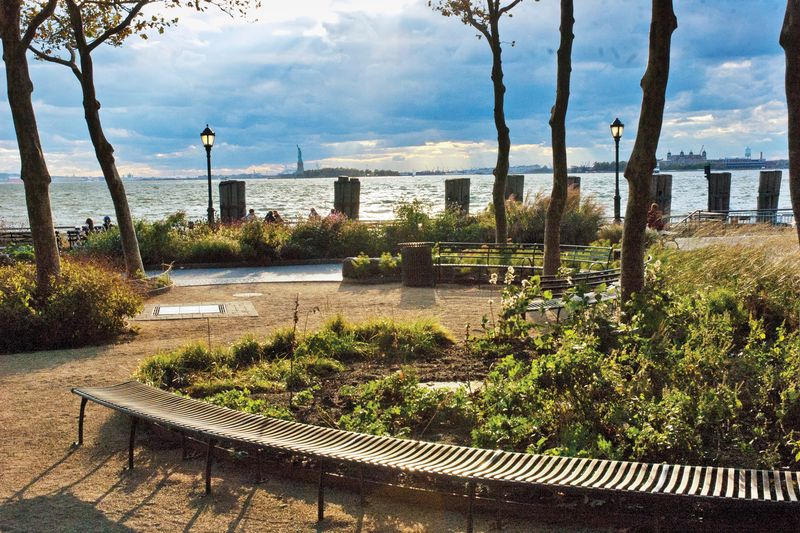
Harbor views are best from Battery Park at 75 Battery Place, New York, NY 10280, where the benches fill quickly on clear days.
Grab a seat the moment you see one because turnover can be slow, especially near sunset.
Watch ferries cross the bay and decide whether you want to sail or stay grounded.
Many memorable moments in New York cost nothing except patience and a good route.
You will stack nearby sights together to trade miles for minutes and keep spirits high.
You will finish with tired feet and a happy camera roll that feels truly priceless.
Neighborhoods change block by block so read the map closely
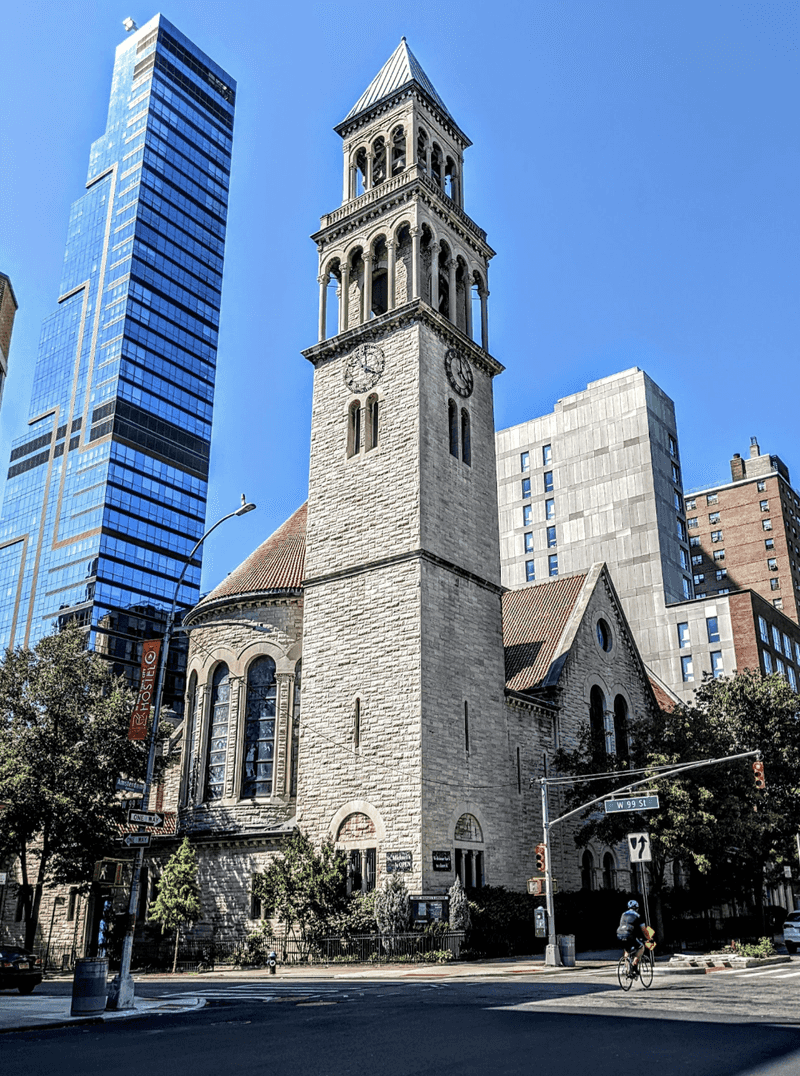
New York holds multitudes, and the borders of its neighborhoods do not always announce themselves.
You will step from SoHo’s famous cast iron architecture into Nolita’s chic boutiques within minutes, wondering how the vibe turned so quickly on a hinge.
Following the grid uptown will suddenly lead you to the West Village, where streets gently tilt into a charming labyrinth.
Research saves time because certain avenues carry more transit options while others carry more charm.
You should pair a morning exploring Chelsea with a walk along the High Line, then loop to Hudson River Park at 353 West Street, New York, NY 10014, to enjoy the breezes and benches.
Be sure to pivot toward the galleries on 10th Avenue while leaving room for spontaneous discovery.
Brooklyn neighborhoods come with their own unique center of gravity, even when you only plan to visit a single cafe.
You can hop the L train to Bedford Avenue and then wander toward the waterfront piers that perfectly frame Manhattan like a postcard.
Remember to choose streets with shade during the summer and avenues with light during the winter.
A good set of pinned locations lets you pivot instantly without losing the thread of your day.
Save a subway entrance plus a backup bus stop in case service suddenly shifts while you are exploring.
Keep a close eye on bike lane directions, as they can guide you toward safer crossings on busy avenues.
Context adds depth because food, art, and history braid together in every district of the city.
You will find yourself walking slower on beautiful brownstone blocks and quicker near office towers, and that contrast feels just right.
You will leave with a powerful mental map that you built entirely yourself.
Weather swings are real so pack layers and plan shade
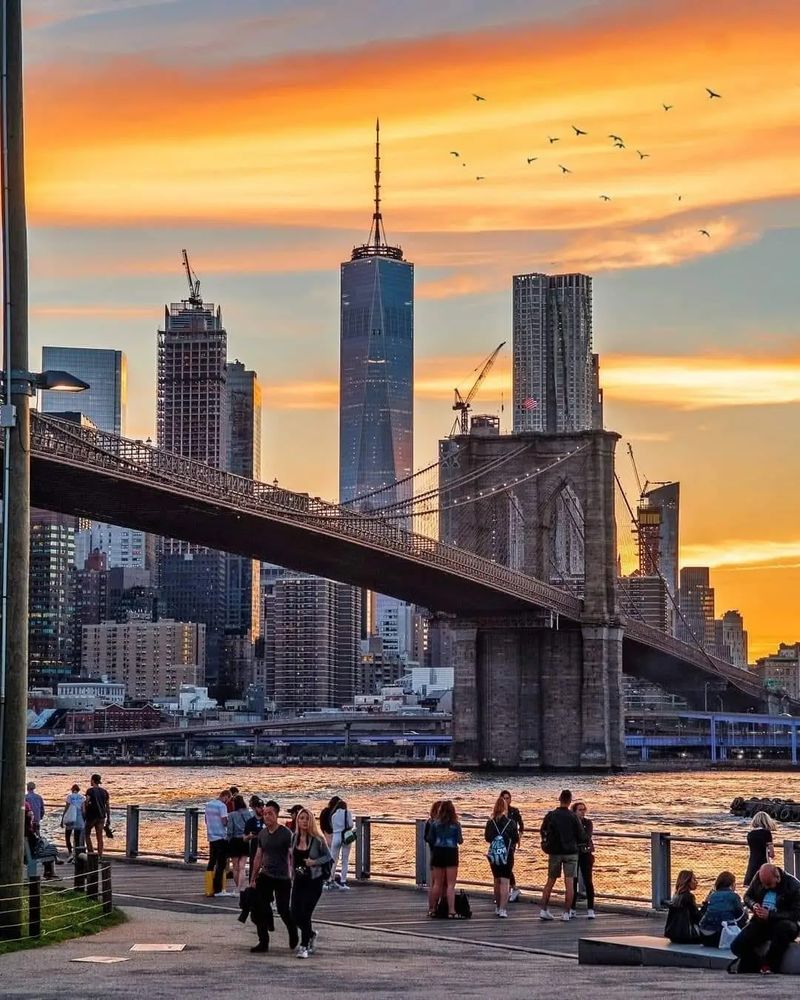
Forecasts in New York can pivot midday when river breezes meet concrete canyons.
One may start cool under morning clouds and finish warm after the sun bounces off glass towers.
Bringing a light layer that packs small will earn its keep by lunchtime.
Summer heat builds on platforms where ventilation lags, and carrying a hand fan changes everything.
Visitors should pick shady sides of avenues in the afternoon when building angles create relief.
Refilling at public water fountains in parks is a good idea, and maintaining a steady pace helps conserve energy.
Winters bite on corners where wind tunnels squeeze through cross streets like a bellows.
Covering ears and fingers is key, because that is where the chill steals comfort first.
Stepping into lobbies for a minute provides a necessary break when one’s face needs a rest.
Spring showers arrive fast with clouds that look harmless until they drench everybody.
A compact umbrella should be carried, and the extra wide versions that collide on narrow sidewalks should be avoided.
Remember to shake it dry at the curb and close it before entering any doorway.
Seasonal magic still wins because the city dresses itself differently each month.
Chase cherry blossoms through Central Park, and then watch fall leaves paint the Mall.
Cashless systems are common but small bills still matter
Most places in New York welcome tap to pay and mobile wallets, making checkout smooth.
One can breeze through OMNY gates and ride buses by tapping the same card or phone.
Splitting fares with friends becomes easy because receipts land directly on mobile apps.
Some bodegas and small vendors still prefer cash or have card minimums posted on signs.
It is wise to carry a few small bills for tips or unexpected situations like phone dead zones.
Also, be sure to keep a card with a visible number for kiosks that require manual entry.
Museums and attractions rely on digital tickets, yet box offices remain a useful backup.
Screenshotting barcodes is recommended in case service drops inside heavy buildings or basements.
Check for service fees that vary by platform and sometimes change based on the time slot.
ATMs near tourist hubs can charge steep fees when least expected.
Withdrawing at a major bank branch along a route is better, skipping independent machines with high surcharges.
Planning a small cash reserve and tucking it away out of sight is always a good idea.
Money logistics feel simpler after a day or two because payment patterns begin to repeat.
Visitors will find that both cash and cards earn a necessary place in their pocket.
One will leave with a smooth routine that perfectly matches the pace of New York.
Iconic foods take time to try without focusing on menus

You came for the greatest hits, and the lines will tell you others did too.
Enjoy the rhythm of ordering fast at counters where choices move quickly and seats turn over rapidly.
Watch locals scan the board first, and then step aside to keep the line flowing efficiently.
Bagel spots are busiest in the morning, so a later brunch window means less waiting time.
You will find neighborhood shops across the boroughs that rival famous names without the crushing crowd.
Savor a quiet bench nearby instead of hunting for tables that vanish at peak times.
Slice joints thrive on late nights, yet early afternoons offer room to breathe and people-watch.
Try square and round slices across different neighborhoods because styles vary significantly by oven and era.
Follow the line that looks happy, not the one that only looks long.
Bakeries and delis reward curiosity with specials that rotate throughout the week.
If you ask staff for advice, they will usually guide you toward the good stuff quickly.
Trashing wrappers neatly is a small courtesy, ensuring clean corners stay pleasant for everyone.
Food memories attach to corners, neon, and laughter as much as they attach to taste.
Pick places with character and kind service, and the city will give you wonderful stories.
You will wander on full feet and a fuller.
Green space is abundant if you know where to look
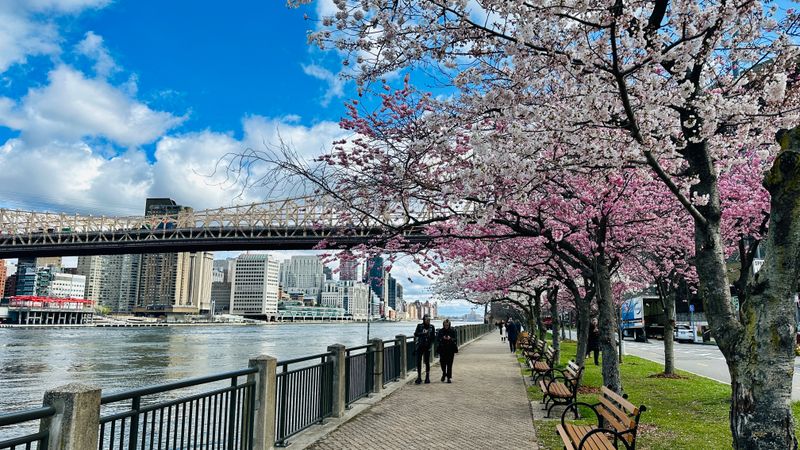
Parks in New York create little breathing rooms between the noise and the lights.
One should start with Bryant Park at 41 W 40th Street, New York, NY 10018, where movable chairs let you shape your own corner.
You can then wander to Madison Square Park at 11 Madison Avenue, New York, NY 10010, for welcome shade beneath old trees.
Central Park needs a plan, so deciding on a single section is better than attempting it whole.
You will lounge on Sheep Meadow and later find the quieter Ramble when you want birdsong.
Tag landmarks early to prevent zigzags that tire out fresh legs.
Riverside paths offer breezes and long looks at the skyline that clear the mind.
Follow Hudson River Park at 353 West Street, New York, NY 10014, and pick a pier with benches for sunset.
Listen to water slap pilings and let the day slow down naturally.
Small plazas appear at intersections where art and seating create instant living rooms.
Pick a stoop or a ledge with care and respect for residents nearby.
Leave everything as you found it so the next person feels equally welcome.
Green pockets keep the city balanced in every season.
You will learn exactly where to pause and where to stride, and that rhythm feels good.
Tuck this mental map into memory for your next trip to New York.
Night hours shift energy but safety stays practical and aware
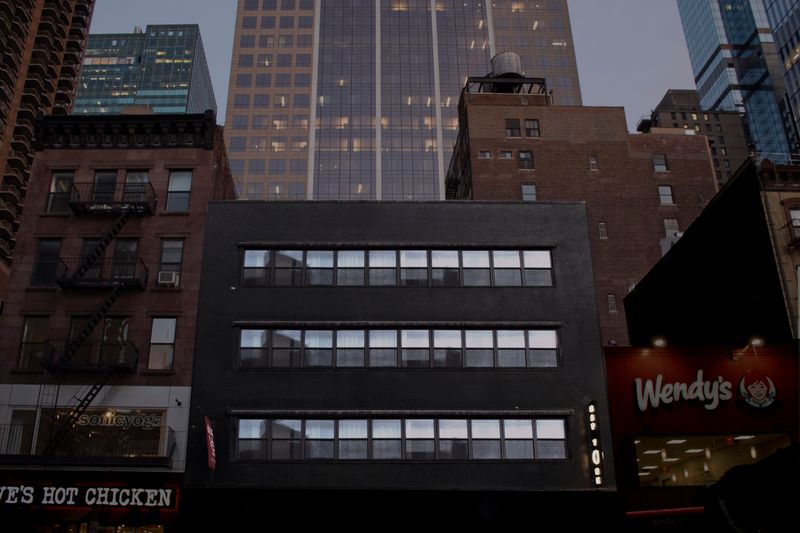
The city glows after sunset, and the soundtrack changes as shops close and theaters open.
You will feel crowds pulse around Times Square at 1560 Broadway, New York, NY 10036, and see the avenues sparkle with light.
Step toward quieter blocks for a calmer pace when you need a breather from the intensity.
Transit patterns shift late when express options thin and buses often fill gaps between stations.
Check real-time arrivals before leaving a venue so you wait on the correct platform.
Keep your routes simple and avoid needless transfers when you are tired late at night.
Common sense keeps nights smooth in any big city, and New York is no different in this regard.
Hold your bag close and keep your phone handy without waving it carelessly around.
Walk with purpose and always choose well-lit corners for quick breaks or stops.
Late-night eats remain lively, though closing times vary by neighborhood and by the day of the week.
Look for bright counters with steady foot traffic and friendly staff behind the register.
Sit where you can see the door and the street and simply relax into the moment.
There is a real magic in the late hours when the skyline feels personal and calm.
You will share space with theater crowds and night shift workers, and it truly feels like the city exhaling.
Head home feeling capable and content.
The best views come from everyday places you almost skipped
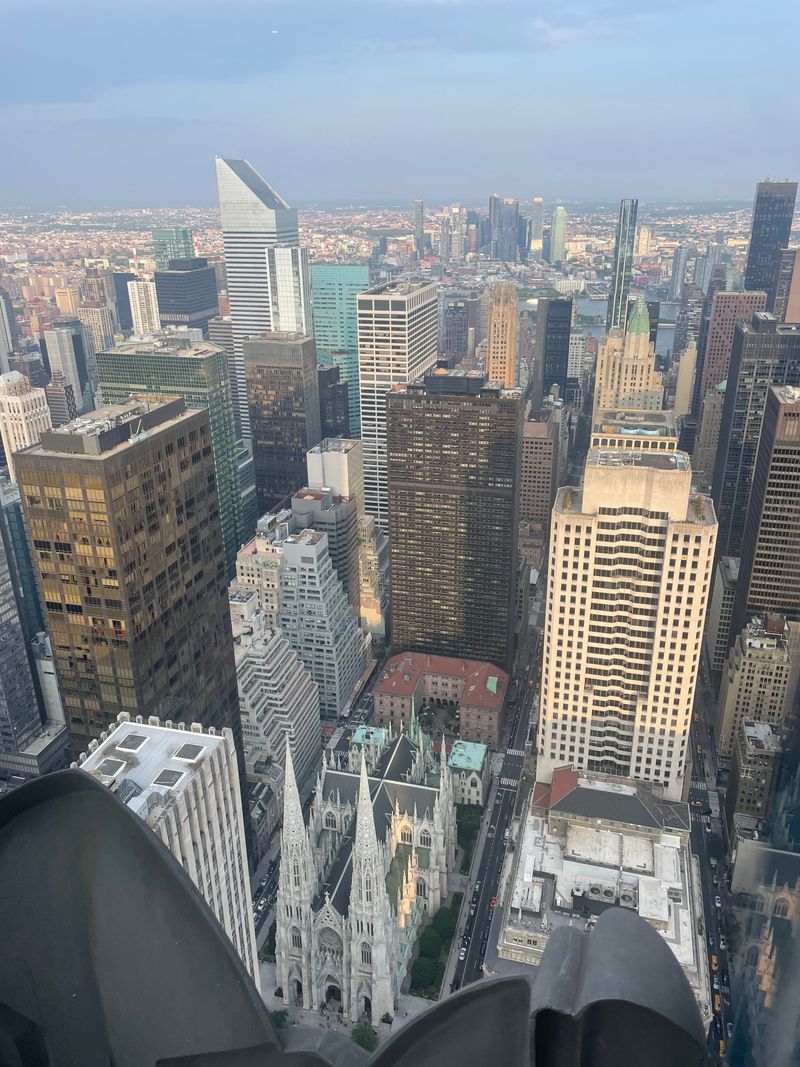
Some of the greatest skyline moments are neither ticketed nor guarded by velvet ropes.
One can ride a regular elevator to a public terrace in a library or campus and find a bench.
Lean on railings along the rivers and feel the scene settle naturally around you.
Midtown lobbies often display art and soaring ceilings that frame street life through glass.
You will pause in an atrium that dampens city noise and gives your feet a short, welcome rest.
Scout office plazas where seating conveniently lines up with a landmark view.
Bridges gift angles that postcards simply cannot capture without a careful walk and a steady hand.
You might pick early morning for the Brooklyn Bridge or stay late for the warm lights that rise at dusk.
Move with patience and keep strictly to the outer lane to respect cyclists.
Parks do the rest by letting the skyline peek through trees and architectural arches.
Time the sun so that windows glow and the river water turns to liquid metal.
Stay a few minutes longer than planned, and that is precisely when the magic often appears.
New York rewards curiosity far more than checking off items on a list.
Follow a hunch and you will find a view that belongs uniquely to that hour.
You will remember it long after you leave.
Dear Reader: This page may contain affiliate links which may earn a commission if you click through and make a purchase. Our independent journalism is not influenced by any advertiser or commercial initiative unless it is clearly marked as sponsored content. As travel products change, please be sure to reconfirm all details and stay up to date with current events to ensure a safe and successful trip.
