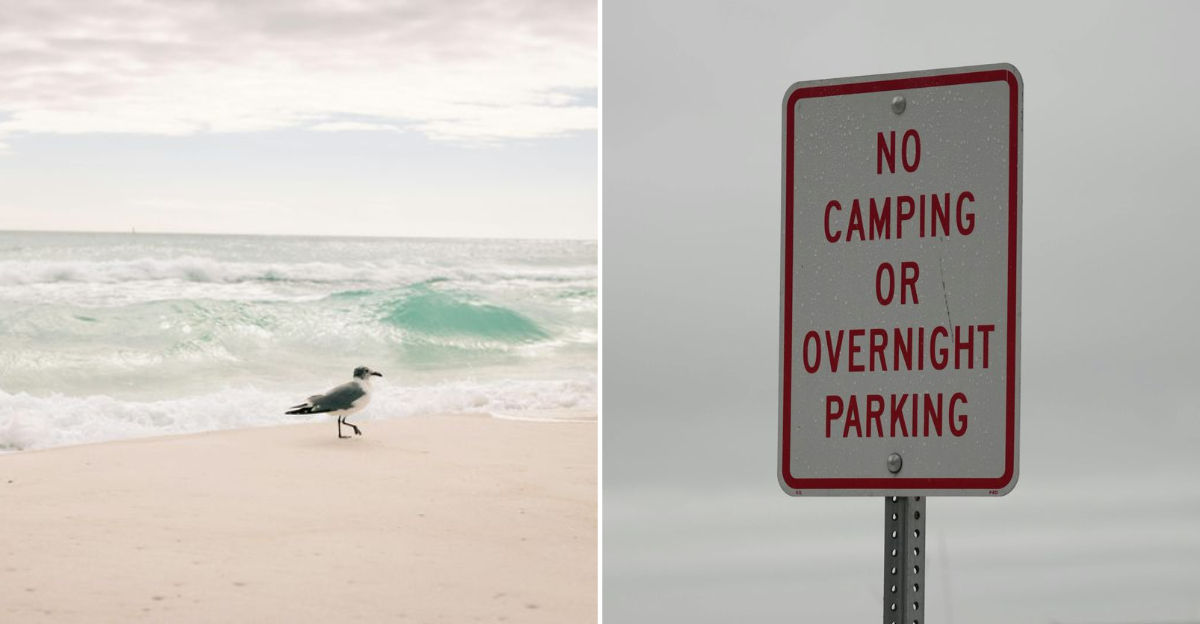
Picture yourself setting up camp on a quiet Florida shoreline, you’ve got the tent, the view, and the sound of waves rolling in. Sounds perfect, right?
The reality is a little more complicated.
Those protected beaches aren’t just pretty spots to spend the night. They come with rules, risks, and responsibilities that can catch you off guard if you’re not ready.
I once thought camping there would be the ultimate escape, but I quickly learned it’s not as carefree as it looks.
Between strict regulations, unpredictable weather, and wildlife you might not want to bump into, it’s easy to see why these areas demand extra caution.
They’re protected for a reason, and ignoring that can turn your trip into more trouble than relaxation.
That doesn’t mean you shouldn’t go, it just means you should know what you’re walking into.
Let’s break down what you really risk when camping on Florida’s protected shores, so you can decide if the adventure is worth it.
1. Fines For Camping Without A Permit
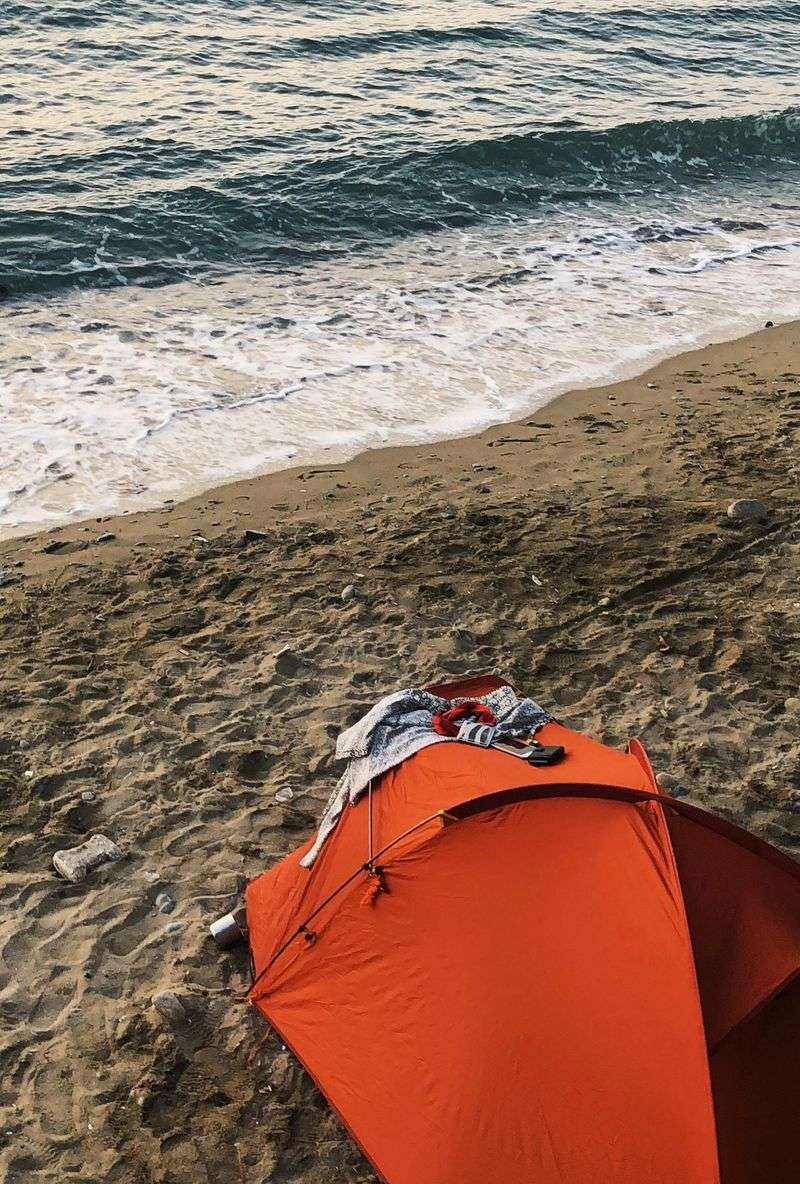
You spot a wide empty beach and think “let’s pitch right here.” I get it, but protected shores in Florida are managed for wildlife and cultural resources first.
Without a permit or a reservation in designated zones, a ranger can ask you to move or write a citation.
Those signs by the dune line are not just suggestions. They mark nesting habitat, archaeological areas, and restoration zones where trampling does real harm.
Permits help limit crowding and track impact so the place stays wild for the next traveler.
Honestly, the permit process is not as annoying as it sounds.
It sets expectations, maps legal sites, and keeps you out of awkward conversations at dusk when you are tired and already set up.
If the system shows no openings, take that as a nudge to camp inland and day trip the beach.
I have been the person hoping to slide under the radar. It is not worth the stress or the fine, and it can earn you a quick pack up under headlamps.
Save the spontaneity for sunrise walks and tide pool pokes.
If you are unsure, ask a ranger with a smile and clear plan. Show you care about leaving dunes and wildlife undisturbed.
That attitude goes far, and your trip stays focused on the sound of waves, not paperwork.
2. Disturbing Endangered Wildlife
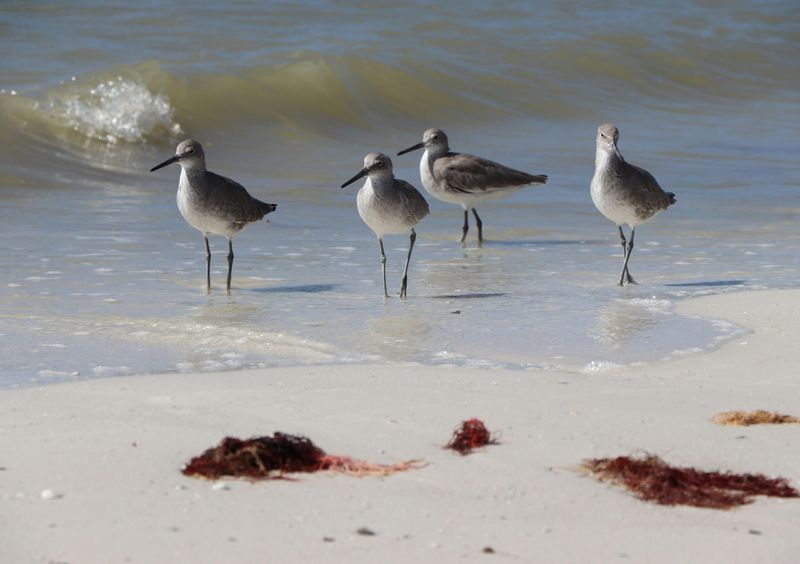
Night on a quiet Florida beach feels magical. That is also when sea turtles come ashore, moving slow and ancient like the tide itself.
Camping too close to marked nests or wandering with bright lights can spook them away from laying.
Roped areas and posted signs protect nests and shorebird scrapes that blend into sand. Step off the line and you might crush fragile habitat without realizing it.
Interfering with protected species is illegal and honestly just not okay.
Switch to a red light at night, keep distance from any active nesting, and follow seasonal closures. If a turtle approaches, freeze, dim your light, and give it space.
You will still get that goosebump moment without messing with its rhythm.
Bird colonies can get loud when you wander near. That chaos is a warning, and chicks can scatter into heat or predators if flushed.
Back off until the noise drops and things settle again.
I remind myself we are guests on their shore. The memory you want is stars over surf, not a fine or a guilty feeling.
Respect the boundaries and let the wildlife do the same for you.
3. High Tides Swallowing Your Gear
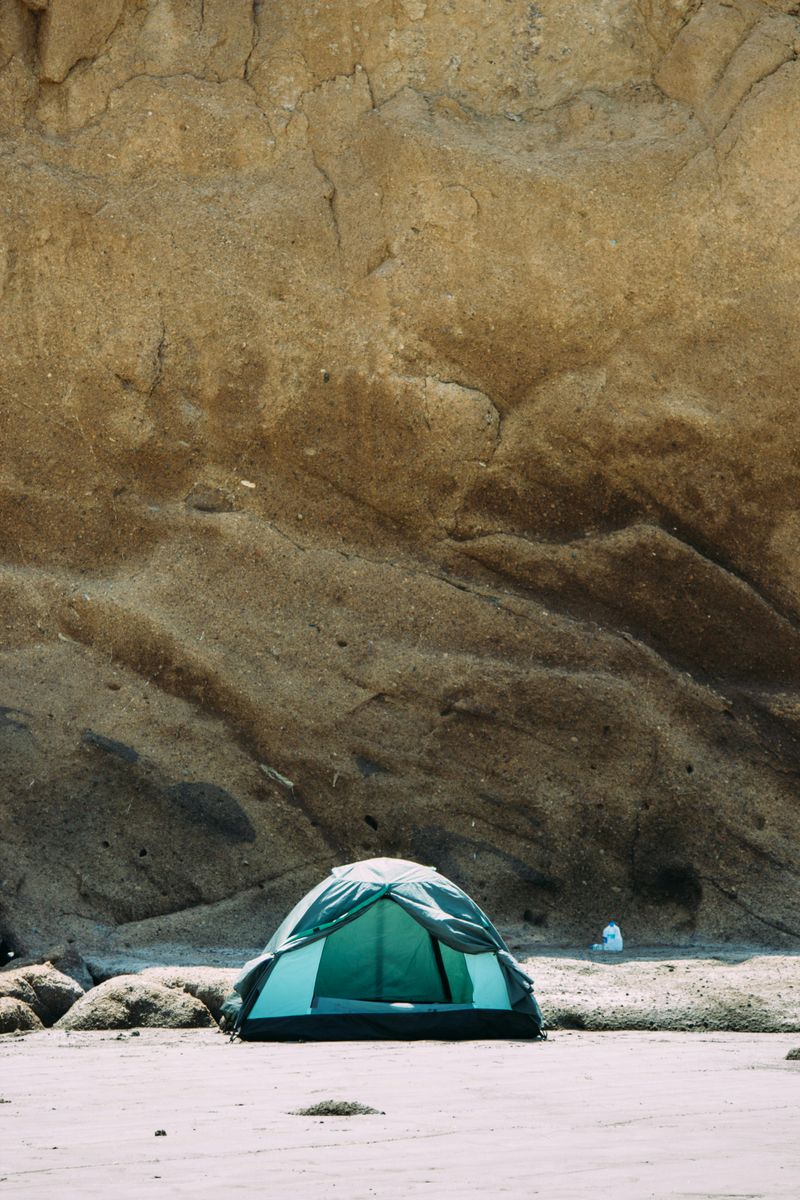
Tides creep farther than you think on open Florida coasts. Set a tent below the wrack line and the ocean might slide in while you sleep.
I have watched water lick at stakes that looked safe an hour earlier.
Find the dry band of seaweed and shells that marks the last big push. Pitch well upslope, away from the flattest, wettest sand.
Give waves room because wind shifts can stack water higher without warning.
Check a tide chart before you even unload. Look for the next high and its timing so you are not cooking dinner as water rises.
Add extra buffer if a front is rolling in or pressure is dropping.
Storm surge and spring tides can turn a mild night into a scramble. Wet sleeping bags and sandy food do not equal adventure.
A slightly longer walk to the water beats packing drenched gear at midnight.
Make sure to keep bags in dry sacks and lift electronics off the ground. If the sea wants your campsite, let it want the empty sand you left instead.
4. Storms And Sudden Weather Shifts
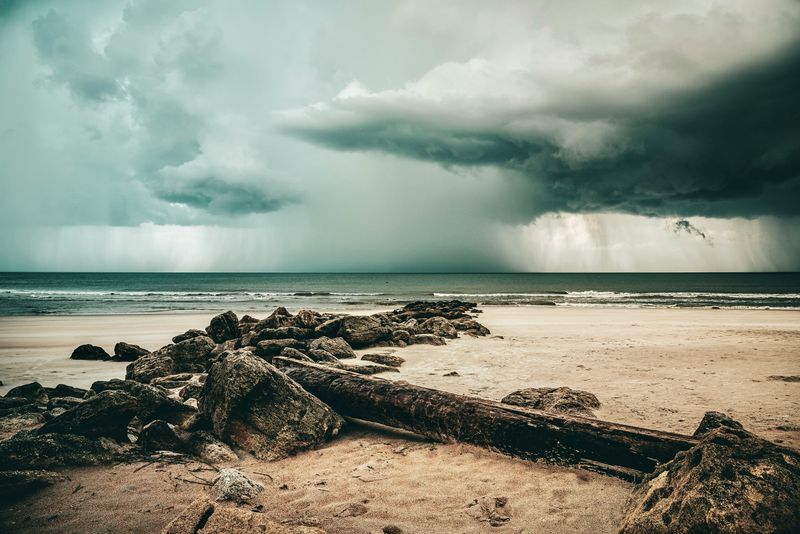
Florida weather flips moods fast. Blue sky can slide into a dark shelf of clouds before you finish setting stakes.
On protected beaches, there is rarely a big shelter when the wind kicks up.
Watch the horizon and check a marine forecast during the drive. If thunder rumbles, move away from open sand and tall isolated objects.
You want lower ground inland, not the tallest spot on the strand.
Stake tents are low and aerodynamic, with solid anchors in sand. Sand stakes hold better than skinny pegs, and tight guylines beat a flapping tent every time.
When a squall line hits, it brings gusts that throw grains like tiny needles. Sunglasses and a buff tame the sting, and you can ride it out without panic.
If lightning pops close, clear metal gear and get to a safer area.
After the storm, check your site for new high tide marks and blown debris. Reset lines, shake out sand, and breathe again.
The show can be wild, but it is easier to enjoy when you are prepared.
5. Erosion And Unstable Dunes
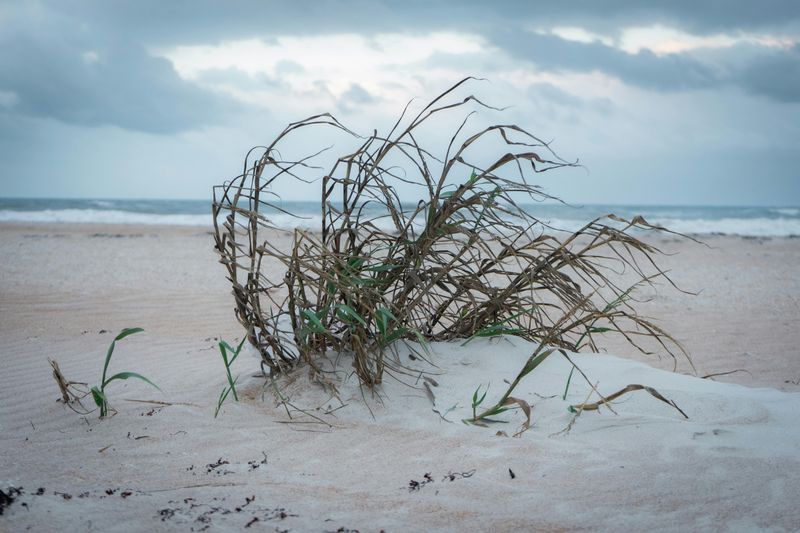
Dunes look sturdy from a distance, but they move like living things. Step on a steep face and the whole slope can slough under your weight.
Camping on those edges risks twisted ankles and broken gear.
Protected shores build sand fences and plant grasses to heal scars. Your tent footprint can undo months of restoration.
Stick to established sites and keep off vegetation, even if the sand looks inviting.
Flat spots near the base can seem safe until a gust undercuts them. I have heard the hush of sand sliding after one wrong step.
It is not dramatic, but it will fill your shoes and bury stakes.
Boardwalks are there to keep feet off fragile roots. Use them, and teach your crew to follow the path without shortcuts.
The less you crush, the more the dunes can block storm waves for everyone.
Pick level sand above the wrack and below the vegetation line. Test with a heel, then anchor wide for stability.
Your campsite will feel calmer, and the dunes keep doing their quiet, protective work.
6. Wildlife Encounters Beyond Turtles
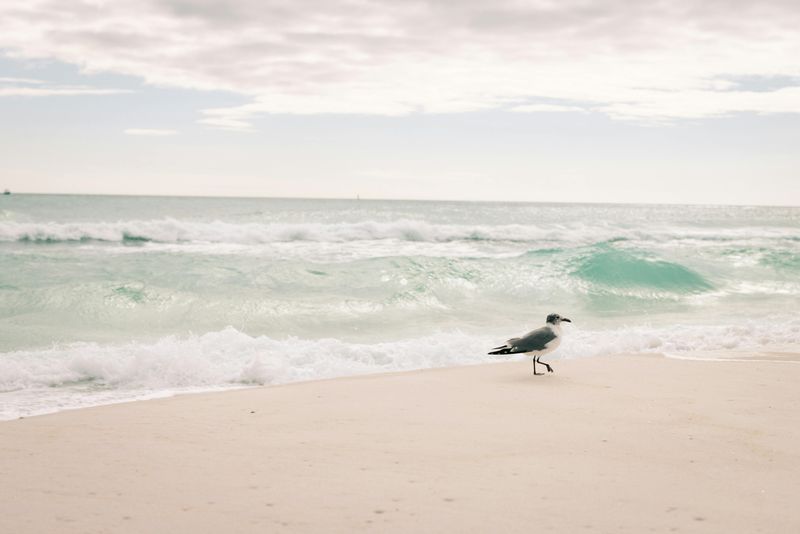
Beach nights are not just about turtles. Raccoons patrol for snacks, and they open latches like tiny mechanics.
Snakes may slip into shade under gear if you leave it loose.
Seal food in hard containers and stash them off the ground. Keep your tent zipped, even for quick trips, and shake shoes before sliding them on.
I feel like that little habit saves a lot of drama.
Alligators sometimes cruise brackish inlets near shore. Give any waterway with reeds a respectful gap at dawn and dusk.
You will feel better and so will whatever lives there.
Mosquitoes, noseeums, and sand fleas come with the territory. Long sleeves, light colors, and a steady breeze help a ton.
A head net can turn a buggy sunset into a peaceful one.
Leave no crumbs, and wildlife learns to ignore you. The more boring you are to them, the safer everyone stays.
It is simple, practical, and way easier than chasing raccoons at midnight.
7. Heat Stress And Sun Exposure
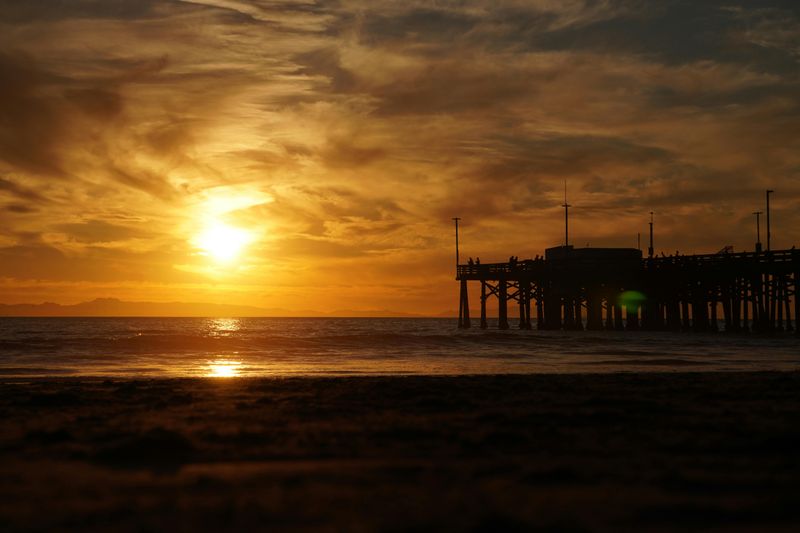
Florida sun hits different, especially on white sand. You can feel fine and then suddenly sluggish and cranky.
That is the moment to slow down and find shade.
A low windproof canopy or a well positioned tarp makes a huge difference. Keep it compact and anchored so it does not turn into a kite.
Rest often during the brightest hours and listen to your body.
Hydration is not a brag, it is survival. Sip steadily and add electrolytes if you are sweating hard.
A damp bandana around the neck cools your mood and your core.
UV bites even on cloudy days. Sunscreen, long sleeves, and a brimmed hat stack the odds.
Reapply more often than you think, because sand and wind rub it away.
I like to plan hikes at dawn and again near sunset. Midday is for shade, snacks, and a book while waves do their thing.
You will enjoy the evening more if you do not cook yourself at noon.
8. Risk Of Dehydration And Salt Exposure
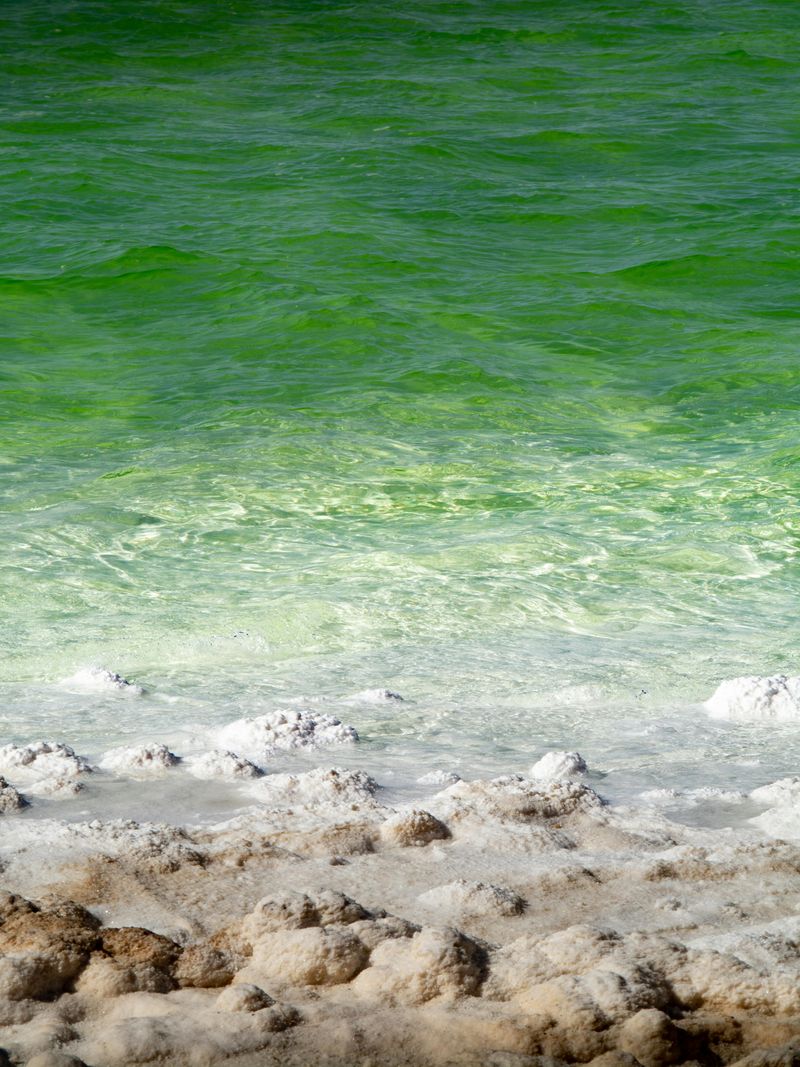
Salt air dries you out even when temps feel mild. You sweat, the breeze wicks it, and you forget how much water disappeared.
On protected beaches, fresh water spigots can be far from camp.
Carry more water than your first guess. I pack layers of containers so one failure does not ruin the day.
A gravity filter works inland, but on salty shorelines you need what you bring.
Salt spray also sneaks into zippers and cookware. Rinse what you can with fresh water and keep sensitive gear in dry bags.
The less grit in your stuff, the easier the morning pack up feels.
Cravings are a good hint. If plain water tastes blah, add a pinch of electrolytes to perk it up.
Make sure to keep sipping while you watch the sets roll in.
Plan routes with refill chances and mark them. When in doubt, turn back before you run the tank low.
Your future self will thank you as the sun dips and the breeze cools, trust me.
9. Ticks And Insects Around Vegetation
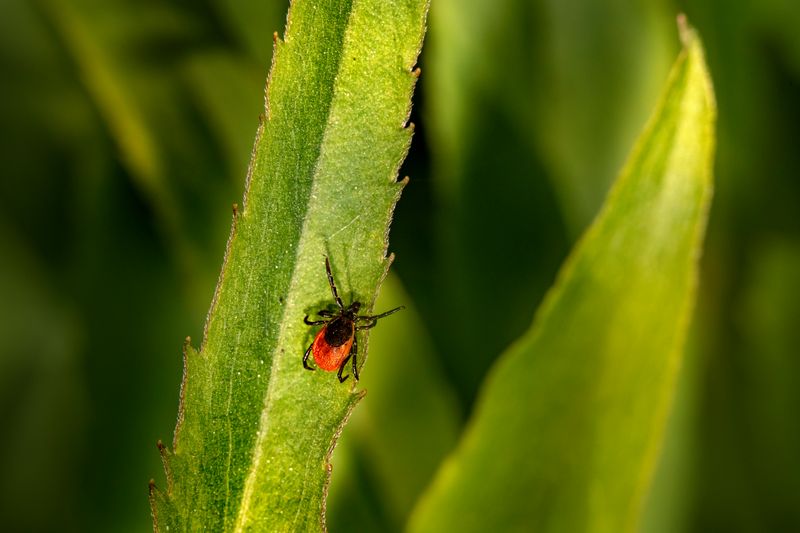
Sand does not scare ticks, but scrub edges do hide them. Step off the boardwalk into palmetto and grasses, and you will meet a buzzing neighborhood.
Biting flies love still pockets behind dunes.
Repellent, tucked cuffs, and a quick check at night go a long way. I run my fingers behind my knees, along socks, and at the waistband.
It takes a minute and beats a week of itching.
Set tents a little away from heavy vegetation. The breeze helps keep bugs down and cools your campsite.
A groundsheet trimmed to fit keeps ants from cruising under pads.
Head nets look dorky, but wow do they work at sunset. Light colors and smooth fabrics make fewer landing spots.
Shake clothes out before bed and you will sleep easier.
If a bite happens, clean it and watch for irritation. Most fade fast when you stop scratching.
Then get back to the stars and the hush of the surf.
10. Falling Regulations And Seasonal Closures
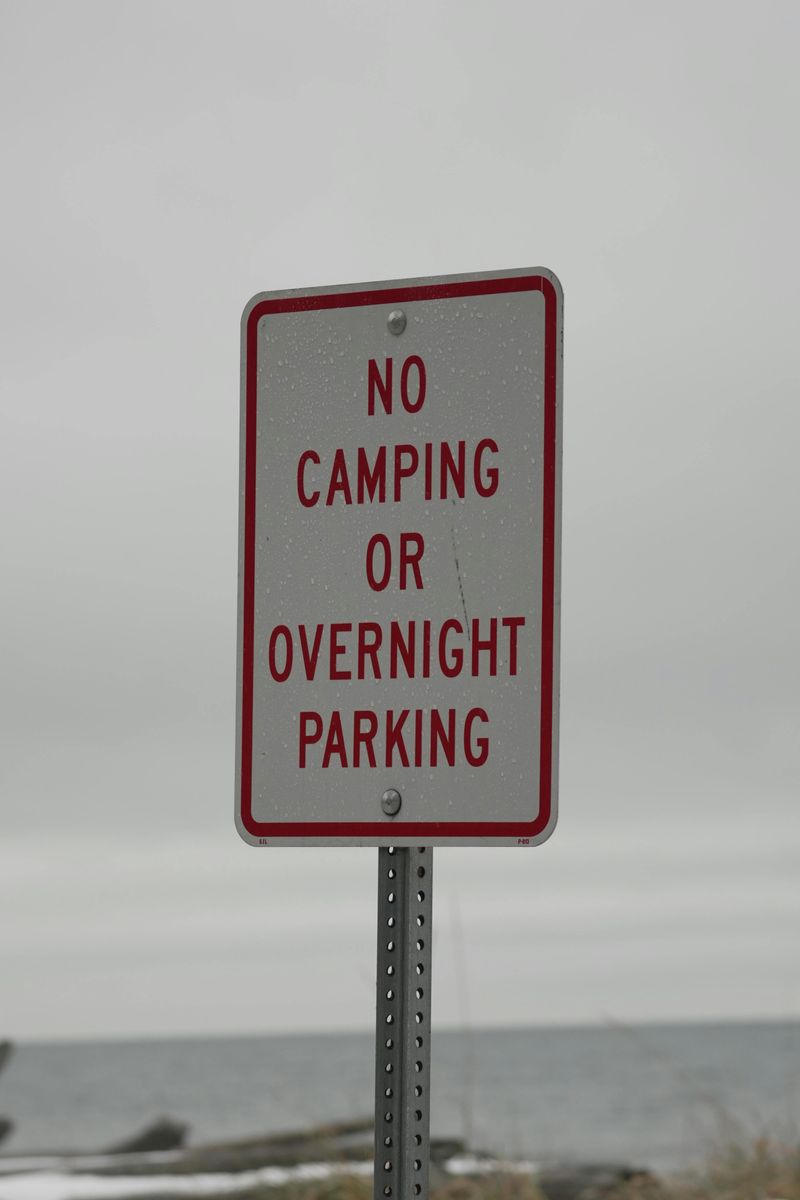
Nothing sinks a plan faster than a closed sign you did not expect. Protected beaches change rules seasonally to shield nests and restore habitat.
Show up without checking and you might have to pivot fast.
Before you drive, scan the park website and call if anything looks unclear. Rangers are friendly when you give them time to help.
They will flag closures and point to legal camping zones nearby.
Closures are not roadblocks, they are signals. Nature is doing a thing, and our job is to slide around it.
I like the puzzle of finding a new spot that still feels wild.
Keep a backup plan on your map so the day stays relaxed. Inland sites can be quiet and breezy when the coast is off limits.
Staying flexible turns a closed gate into a small detour. Your trip keeps its rhythm, and the shore gets the space it needs.
Everybody wins when you plan with patience.
11. Fire Restrictions And Burn Bans
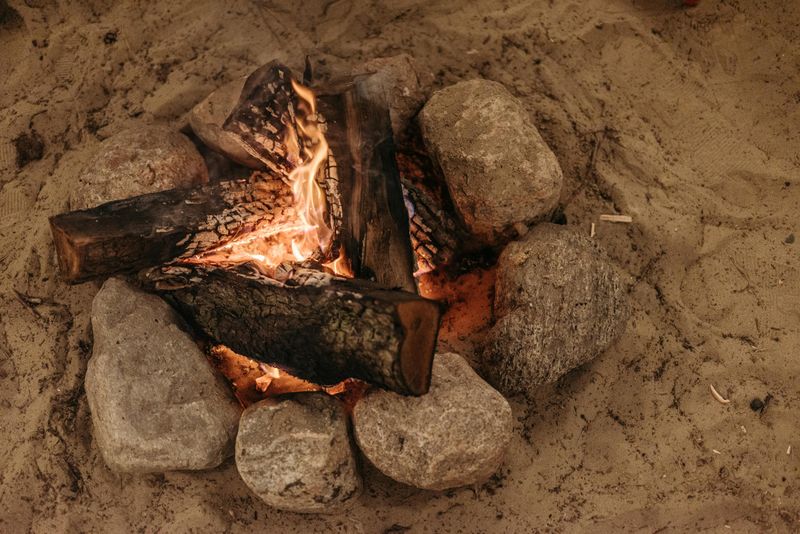
Fires feel cozy, but coastal rules can be strict. Dry grasses and steady wind turn embers into trouble fast.
Many protected beaches limit or ban flames to keep habitat safe.
Look for designated rings and posted guidance. If there is any doubt, skip the spark and use a small stove.
You still get warmth from a jacket and a good view of the horizon.
A clean fire scene matters too. Even in allowed zones, keep it tiny and cold out before you leave.
Scatter nothing, and pack ashes if asked to do it that way.
Wind will lift sparks that seem harmless. Shield your cooking, and choose fuel that behaves in gusts.
That little bit of planning keeps stress low when the wind picks up.
I like the ritual of a candle lantern behind a windscreen. Soft light, no mess, and no worry about rules.
The stars get brighter when you keep flames simple.
12. Pollution And Debris Risks
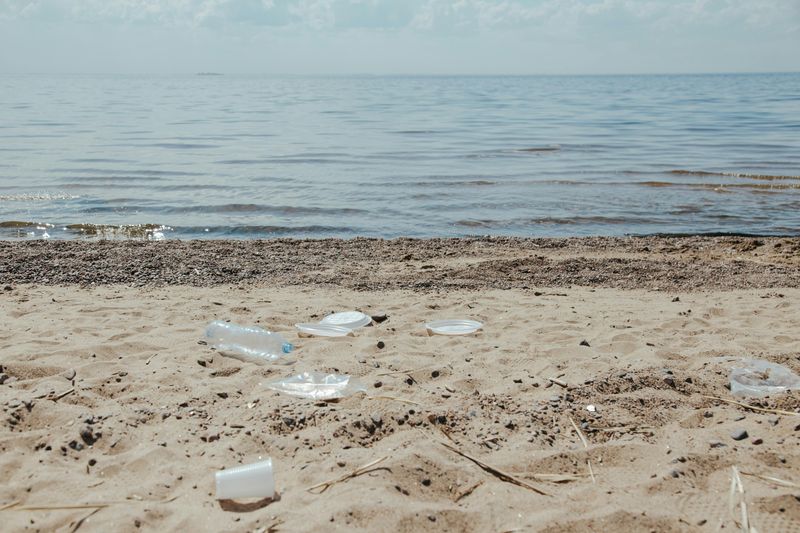
Even protected beaches collect strange leftovers. You might find glass, fishing line, or gnarly driftwood hiding nails in the wrack.
Bare feet at night can turn into a bad surprise.
Scan your site before you drop a pad. Kick through the sand and clear a wide, clean rectangle.
A few minutes of tidying means safer steps in the dark.
Footwear is your friend here. Light trail shoes beat sandals when you are hauling gear around camp.
Stash a small bag for line and sharp bits so they do not boomerang later.
Morning light shows what you missed at dusk. Do one more sweep while coffee boils and your brain wakes up.
It is satisfying to leave the spot cleaner than you found it in my opinion.
Bring that same care to dunes and access paths. Pack everything out and tie trash tight so wind does not undo your work.
The beach will look better, and you will feel better walking it.
