
You know that one town in Oklahoma that rubbed you the wrong way, and you still bring it up on every road trip.
Those feelings are not random, and they quietly spell out your personal travel dealbreakers with surprising clarity.
By looking closer at what turned you off, you can fine tune how you pick routes, stays, and stops that truly fit you.
Let us dig into patterns together so your next Oklahoma journey feels smoother and more you.
Keep an open mind and see what your least favorite places reveal about what you will absolutely not accept.
Crowds that crush your calm
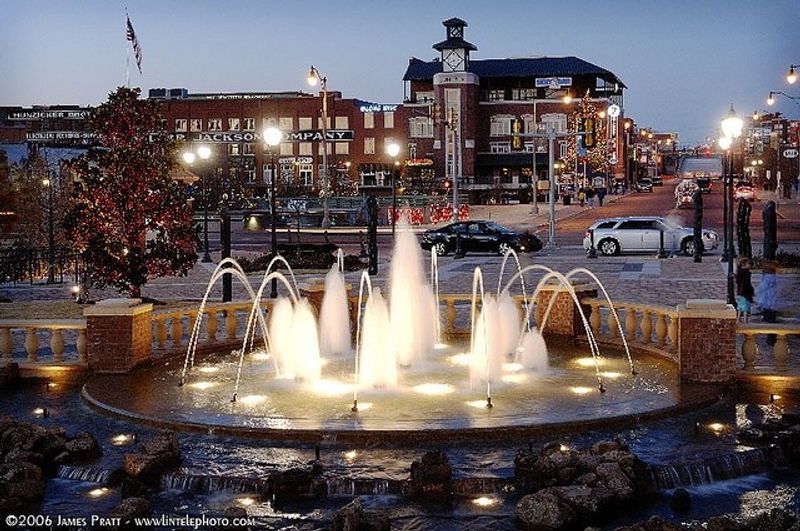
Some Oklahoma towns feel like a bottleneck where every sidewalk inch disappears under weekend throngs and overlapping events.
If large crowds drain your energy, that discomfort reveals a key travel dealbreaker about personal space and pace.
When you find yourself dodging strollers, live music speakers, and street vendors, you are telling yourself that calm matters more than buzz.
Your ideal plan may lean toward shoulder season visits with weekday arrivals and early morning walks.
That pattern suits travelers who prefer hearing their own thoughts and capturing photos without strangers in every frame.
If this is you, consider nature forward stops where crowd spillover is rare and traffic eases quickly after sunrise.
Parks with wide trails, small state museums with timed entry, and quiet libraries can keep momentum without draining patience.
In Oklahoma, you can steer toward scenic byways and state park overlooks that distribute visitors across larger areas.
When a town markets frequent festivals, your notes probably show higher stress, and that is usable data.
It becomes a compass that points away from compressed gathering points and toward spread out experiences with predictable rhythms.
Use it to plan check in windows that avoid rush periods and to pick lodgings with private outdoor seating.
Look for rooms with patios facing green spaces or interior courtyards rather than streets and plazas.
Mark maps with secondary parking lots and backup exits that help you slip away when crowds swell unexpectedly.
Small changes like these can transform a hectic stop into a focused pause that preserves your mood.
Remember that preferences are not limits but tools that steer you toward the kind of Oklahoma you want to remember.
Empty sidewalks that feel lonely
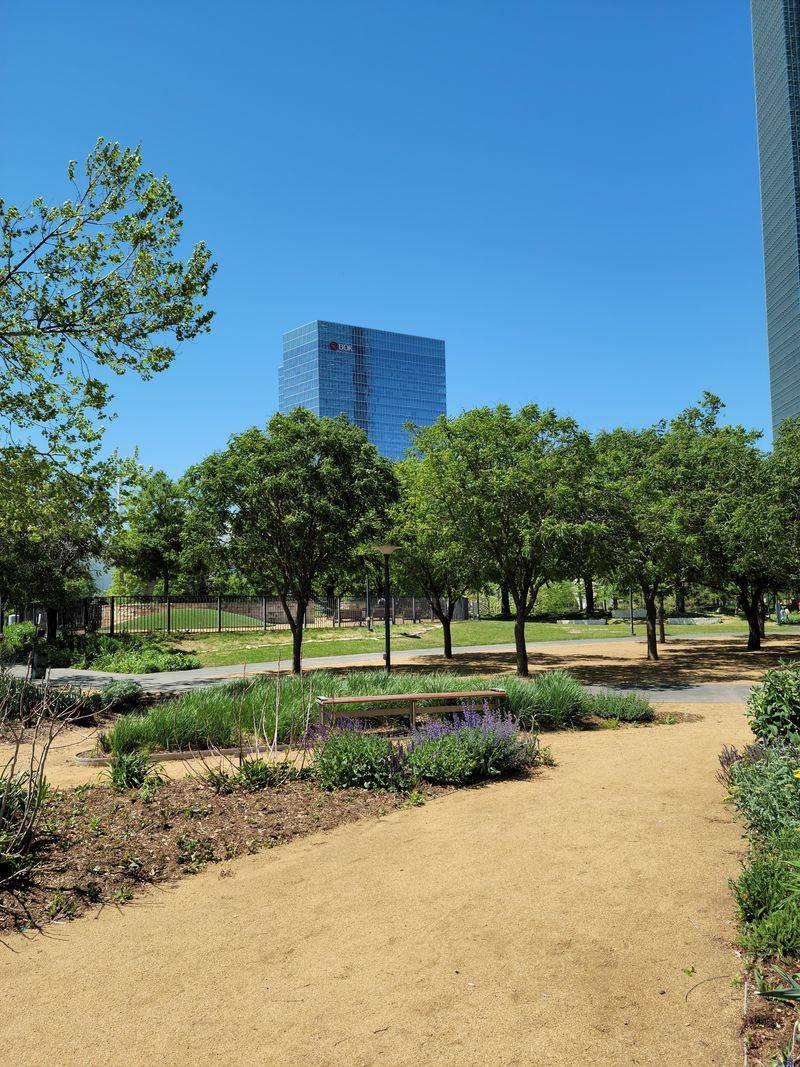
The silence you felt in that nearly empty Oklahoma town can signal a strong need for social energy and visible life.
Some travelers thrive on casual buzz, overheard chatter, and the gentle rhythm of open doors and steady footsteps.
When those cues vanish, the place reads as lonely, and your trip starts to feel flat and stalled.
That reaction is a clue to prioritize destinations with active sidewalks, open galleries, and reliable event calendars.
Scan community center listings and arts district schedules when building a route that keeps your spirits lifted.
Pick lodgings close to a working plaza or a public square where music and conversation carry into early evening.
In Oklahoma, many towns have mural corridors and market blocks that maintain a pulse even on slower days.
Plan arrivals for Thursdays and Fridays when rehearsals, exhibits, and pop up shops often extend hours.
If a place looks shuttered by four, target a nearby hub with lighting, benches, and visible security patrols.
These features build a sense of safety and community that makes walks after dinner feel welcoming and easy.
Choose coffeehouses with gathering tables and board game shelves to spark casual connections without pressure.
Ask at visitor centers about recurring meetups, book clubs, and maker nights that fill social gaps quickly.
Bring a flexible list of public spaces like libraries or recreation centers that post evening programs.
When your least favorite town felt vacant, it simply clarified that you travel best around steady human presence.
Use that insight to anchor future Oklahoma stops near places where lights stay on, doors stay open, and conversations naturally begin.
Sparse dining that limits choice
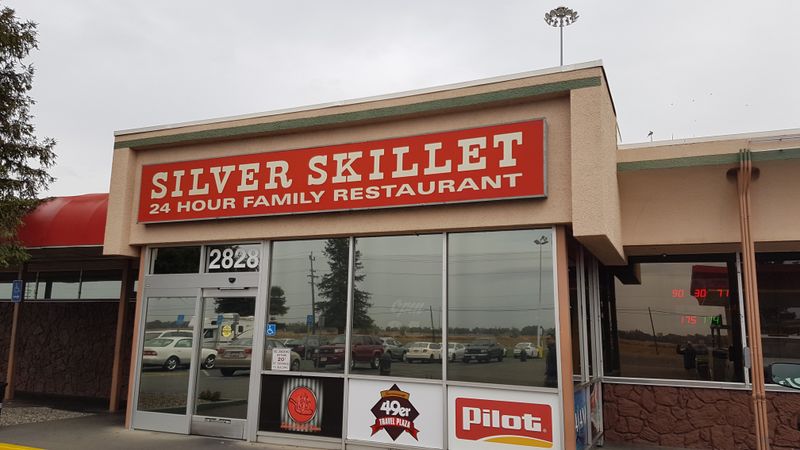
You probably left that town hungry because hours were short and options were few, and that is a real clue.
Food access is not luxury for many travelers but a baseline comfort that keeps the day steady and enjoyable.
When choice evaporates, patience follows, and the trip starts to feel like a series of compromises instead of fun.
This pattern reveals a dealbreaker around dependable dining windows and a desire for variety within walking distance.
Before you return to Oklahoma roads, scan updated listings and call ahead to confirm kitchen hours on weekdays.
Note that small towns often close early, which means late lunches and grocery backups can save the evening.
Consider lodging near mixed use blocks that hold cafes, bakeries, and takeout spots across several corners.
Public sources change quickly, so verify details and keep a short list of plan B kitchens in nearby towns.
If you like a sociable vibe, look for community markets that run twice weekly and set alarms for opening times.
In Oklahoma, many town squares cluster breakfast spots, which can build momentum for a full day of sightseeing.
Bring a tiny kit with snacks, utensils, and condiments to bridge gaps when the only option is a long wait.
Mark convenience stores and co ops that stock fresh items, since those can tide you over until dinner.
Your least favorite stop taught you to treat meal planning like route planning, with windows and buffers built in.
Use reservations when possible, and pick accommodations with guest kitchens or outdoor grills to keep options open.
When food fits your rhythm, the rest of Oklahoma opens up with better energy, clearer decisions, and fewer regrets.
Lodging that misses the mark
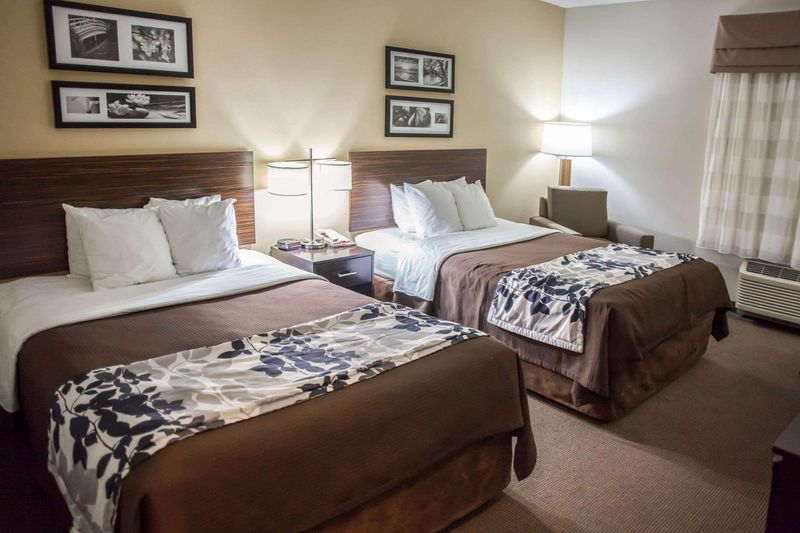
That disappointing motel probably highlighted your core needs around sleep quality, privacy, and reliable amenities over flashy extras.
If noise seeped through thin walls or lighting felt harsh, your standards were telling you something very specific.
Comfort matters more than trend when you have miles to cover and a sunrise schedule to keep.
Note what truly bugged you, whether it was shaky Wi Fi, dim parking, or AC units that never held temperature.
These small frictions add up, so name them and you will plan lodging with far fewer surprises.
In Oklahoma, independent motels and renovated motor courts can be great when they publish clear amenity lists with updates.
Look for properties that post recent photos of rooms, hallways, and lots, not just stylized lobby shots.
Call ahead to request upper floors, corner rooms, or quiet wings if you are sensitive to hallway traffic.
Ask about blackout curtains, desk lighting, and white noise machines, and write down answers for quick comparisons.
Choose places within a short walk of well lit areas and late night convenience options for simple peace of mind.
If you need a gym or laundry, filter for those rather than hoping to improvise after check in.
Consider booking flexible rates so you can pivot to a better option if red flags appear on arrival.
Your least favorite stay taught you to defend rest, and that clarity pays off across every daytime plan.
Use it to refine a checklist that you can run through quickly while scanning listings and recent reviews.
Oklahoma road trips feel smoother when nights are predictable, rooms feel safe, and mornings start rested and ready.
Weather swings that wreck plans
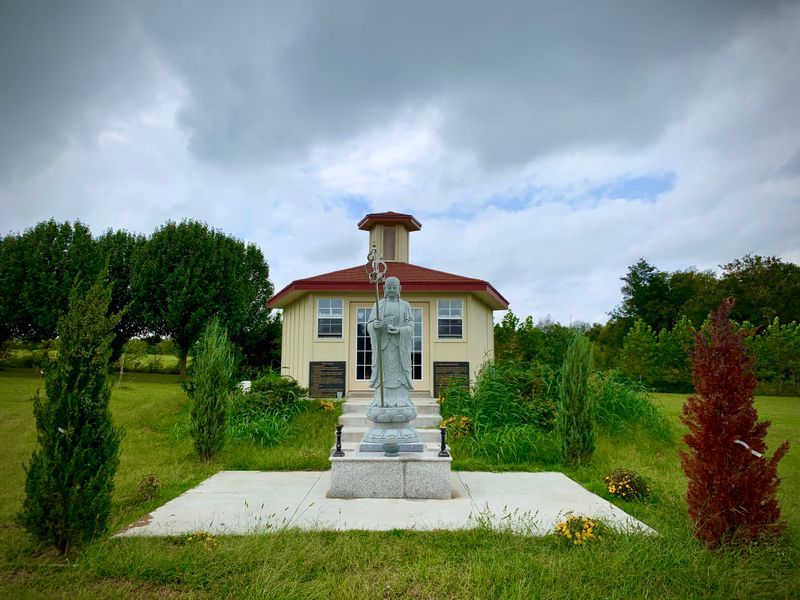
If a stormy afternoon ruined your itinerary, you probably value flexible plans more than rigid schedules.
Oklahoma weather can pivot from sunny to gusty in an hour, which punishes tight bookings and narrow windows.
Your frustration reveals a dealbreaker around buffer time and Plan B stops that still feel worthwhile.
Build weather aware routes with short drives between options so you can pivot without losing the day.
Put indoor alternatives on your map like museums, galleries, and public atriums that welcome unplanned visits.
Keep a compact kit with a light rain jacket, microfiber towel, and shoe covers to walk dry and relaxed.
Schedule scenic overlooks in mornings when winds tend to be calmer and visibility is consistently better.
Track forecasts across multiple sources and set alerts for lightning and severe wind advisories.
In Oklahoma, spring and late fall can swing sharply, so late lunches indoors can save the afternoon mood.
Allow extra time at checkout for weather related delays on rural roads and construction detours.
Bring a car window squeegee and compact scraper even outside winter months, which speeds exits after sudden showers.
Your least favorite weather day taught you to value momentum without rushing, and that is actionable insight.
Use it to plan layered clothing, sealed daypacks, and waterproof pouches for phones and maps.
When the sky turns, you will shift gears quickly and keep the trip feeling intentional rather than reactive.
That confidence opens more of Oklahoma, because flexibility turns fickle weather into a story rather than a setback.
Navigation that never feels clear
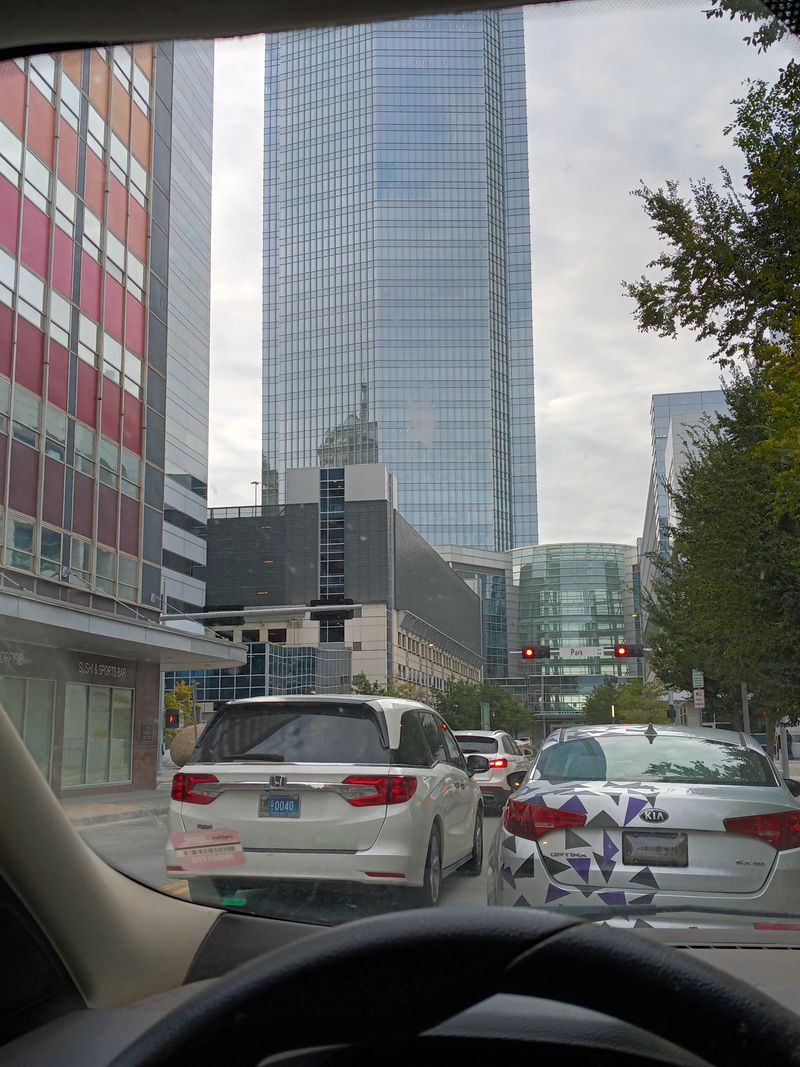
Getting spun around on unfamiliar streets can expose a deeper need for clear directions and steady wayfinding cues.
If your least favorite Oklahoma town felt like a maze, your dealbreaker is probably ambiguity at intersections and lots.
That discomfort is common, and it is fixable with a few planning habits that reduce friction.
Download offline maps in advance and label custom pins for parking, restrooms, and visitor centers.
Add notes that describe landmarks, like a clock tower or mural wall, to anchor your mental map.
When you park, take a quick photo of the corner and nearest sign to simplify your return later.
Choose towns with clear wayfinding programs that post pedestrian signs, free maps, and consistent color coding.
In Oklahoma, many county seats maintain visible courthouse squares that make reliable orientation points.
Seek lodging near those anchors so walks begin and end on simple, memorable routes.
Use voice navigation with gentle prompts and lower volume so you can still hear street sounds.
Set expectations with travel partners about who calls turns and who watches for landmarks at each block.
If you miss a turn, pause rather than push through, because calm resets save more time than guesswork.
Keep a paper map in the glove box for dead zones and battery saving on longer days.
Your least favorite navigation moment is a guidepost that tells you clarity is not optional for a good trip.
With these habits, Oklahoma drives and walks begin to feel intuitive, and exploration becomes easy again.
Culture clashes and expectations

Sometimes the vibe of a town does not match your rhythm, and that mismatch can feel personal even when it is not.
In Oklahoma, communities hold distinct traditions and tempos that reward curiosity and patience from visitors.
Your least favorite stop might have revealed a dealbreaker around openness to local customs and language choices.
If small talk felt stiff or signage felt unfamiliar, it helps to prepare with simple context about the area.
Read a short history overview and note major events or festivals so your timing aligns with local priorities.
Visit public art corridors and cultural centers first since those spaces often introduce tone and shared values.
Ask respectful questions, and listen for cues about etiquette around photography, greetings, and private property boundaries.
When uncertainty lingers, follow posted rules and avoid assumptions that can unintentionally close doors.
Give yourself time to observe before jumping into an activity that might carry unspoken expectations.
If a place still feels off, it is fine to move along and keep your energy for a better fit.
Road trips work best when you hold both curiosity and boundaries, honoring others while protecting your comfort.
Your least favorite town becomes a teacher that helps you plan routes with clearer intentions and kinder pacing.
Use that insight to seek community calendars, welcome centers, and guided walks that bridge gaps quickly.
With practice, you will read the room faster, adjust plans gracefully, and find common ground more often.
Oklahoma is broad and varied, so matching your style to the right place unlocks warmer and richer experiences.
Nature access that feels blocked
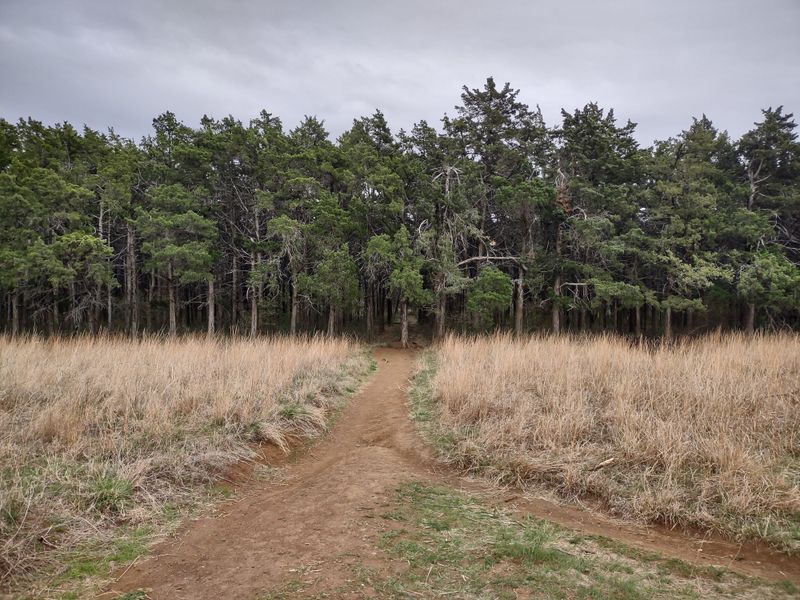
If a town felt boxed in by highways and lots, you probably crave fast access to nature on every trip.
When green space sits far from the center, you end up skipping walks and losing your favorite part of travel.
That frustration is useful because it reveals a dealbreaker around trail proximity and open space design.
Choose hubs that connect streets to parks with sidewalks, marked crossings, and clear trailhead signs.
Look for waymarked loops with distances posted so you can fit movement between meals and museums.
In Oklahoma, many towns border lakes or wildlife areas that need only a short drive to reach.
Make a quick checklist for benches, shade, and restrooms since comfort keeps you outside longer.
Bring a daypack with sun protection, bug spray, and a small trash bag to leave spaces better than found.
If terrain is uncertain, start with paved greenways and widen your range after a short test walk.
Ask visitor centers about local stewardship groups that maintain trails and host volunteer days.
Those contacts often lead to fresh maps and practical tips about closures and seasonal highlights.
Your least favorite stop told you that a view through a windshield is not enough for satisfaction.
Use that truth to anchor lodging near trail corridors, water access points, or small neighborhood parks.
With a green plan in place, Oklahoma days feel balanced, calm, and filled with the kind of quiet you want.
You will make better choices because your energy stays high and your sense of place sharpens with every step.
Service that feels indifferent

A chilly check in or curt reply can sour a stop quickly and reveal a core need for attentive service.
If staff seemed rushed or policies felt rigid, your dealbreaker might be communication tone and solution minded support.
That is normal for travelers who value kindness and clarity over perks that rarely get used.
Scan recent reviews for consistent notes about response times, housekeeping, and maintenance follow through.
Look for properties that reply to feedback publicly since that signals accountability and steady leadership.
In Oklahoma, many small operations are owner run, which can mean personal touches when expectations are set clearly.
Call ahead to confirm quiet hours, parking, and late arrival steps so you avoid awkward surprises at the door.
Ask about accessibility features and room locations to save time and reduce back and forth after arrival.
Bring a calm script for requests, which keeps conversations focused even when the desk is busy.
If the fit is off, pivot quickly rather than hoping the tone will improve with time.
Your least favorite encounter is a reminder that warmth matters as much as price and location.
Use it to elevate service checks to the same level as safety and cleanliness on your planning list.
When staff feel present and solutions come easily, you relax faster and enjoy the rest of your itinerary.
That ease travels with you, shaping how you remember Oklahoma and how eagerly you return for another loop.
Kind service is not extra, it is the architecture that holds a good trip together from start to finish.
Noise that never stops

Loud trucks, late music, and echoing hallways can grind down even the most flexible traveler over a few nights.
If noise dominated your memory of a town, your dealbreaker sits squarely with sound control and quiet hours.
It is a fair boundary because rest shapes mood, decisions, and your ability to enjoy simple moments.
Map rooms away from roads and elevators, and choose top floors or end units when available.
Request soft close doors and confirm whether windows seal tightly against street sounds and wind.
In Oklahoma, highway adjacency is common, so check satellite views for buffers like trees and setback distance.
Pack silicone earplugs, a compact sound machine app, and a scarf to block light leaks around curtains.
When booking, ask about events on nearby lots and whether freight lines pass within a few blocks.
If the property lists quiet hours, verify how they are enforced and whether security patrols check halls.
Arrive before sunset to gauge baseline noise and pick a different room if the area feels boomy.
Your least favorite stay proves that small acoustic choices add up to big sleep improvements.
Use that clarity to select construction types with interior corridors and thicker walls over older exteriors.
With rest protected, you will notice more detail, handle pivots easily, and enjoy Oklahoma mornings again.
Noise management is not fussy, it is practical preparation that lets the rest of your plans shine.
Better sleep builds better memories, which is the real point of the miles you put on the map.
Logistics that feel like work
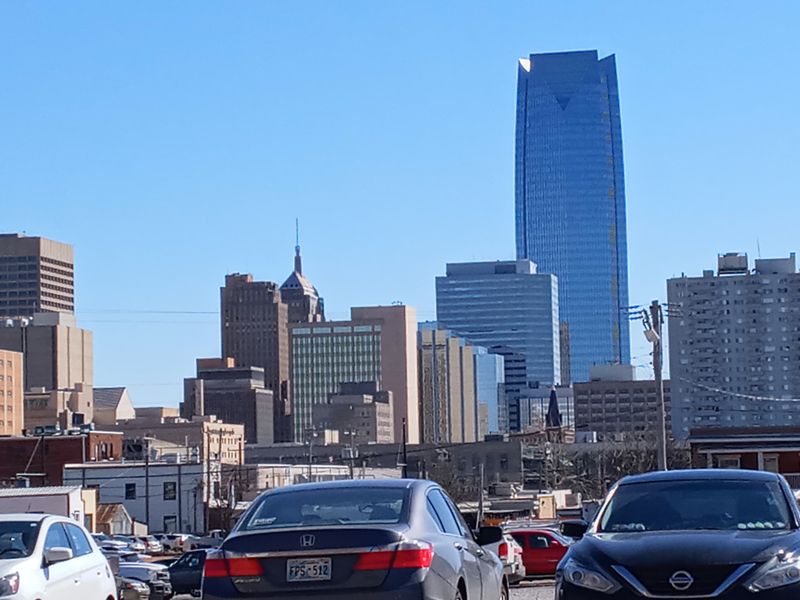
When a town requires complicated parking rules, scattered attractions, and uncertain hours, the trip can feel like a chore.
If that memory sticks, your dealbreaker is probably friction in the small steps that connect each part of the day.
Identify those sticking points and design simple systems that remove decision fatigue before it starts.
Bundle sights by neighborhood and plan short hops with clear parking notes and backup lots pinned.
Choose admission windows that stack neatly so you are never rushing between opposite corners with a clock ticking.
In Oklahoma, distances can sneak up on you, so cluster stops to cut backtracking on rural highways.
Pack a slim folder with printed confirmations and maps to stay calm when signals drop or apps stall.
Use a shared note that lists addresses, phone numbers, and opening details in the order you will visit.
Confirm evening closing times in the afternoon to avoid doors that lock five minutes before you arrive.
Keep a small kit with quarters, a pen, and a spare battery so tiny gaps never become big problems.
Your least favorite town taught you that ease is not accidental, it is the product of small choices.
With better logistics, you create space for detours, slow moments, and surprises that make trips memorable.
Oklahoma rewards that approach because scenic stops and community gems appear when you have minutes to spare.
Lean into tidy plans that hold lightly so you can change course without losing the thread of the day.
You will leave feeling accomplished rather than drained, which is the measure that keeps you excited for the next drive.
Dear Reader: This page may contain affiliate links which may earn a commission if you click through and make a purchase. Our independent journalism is not influenced by any advertiser or commercial initiative unless it is clearly marked as sponsored content. As travel products change, please be sure to reconfirm all details and stay up to date with current events to ensure a safe and successful trip.
