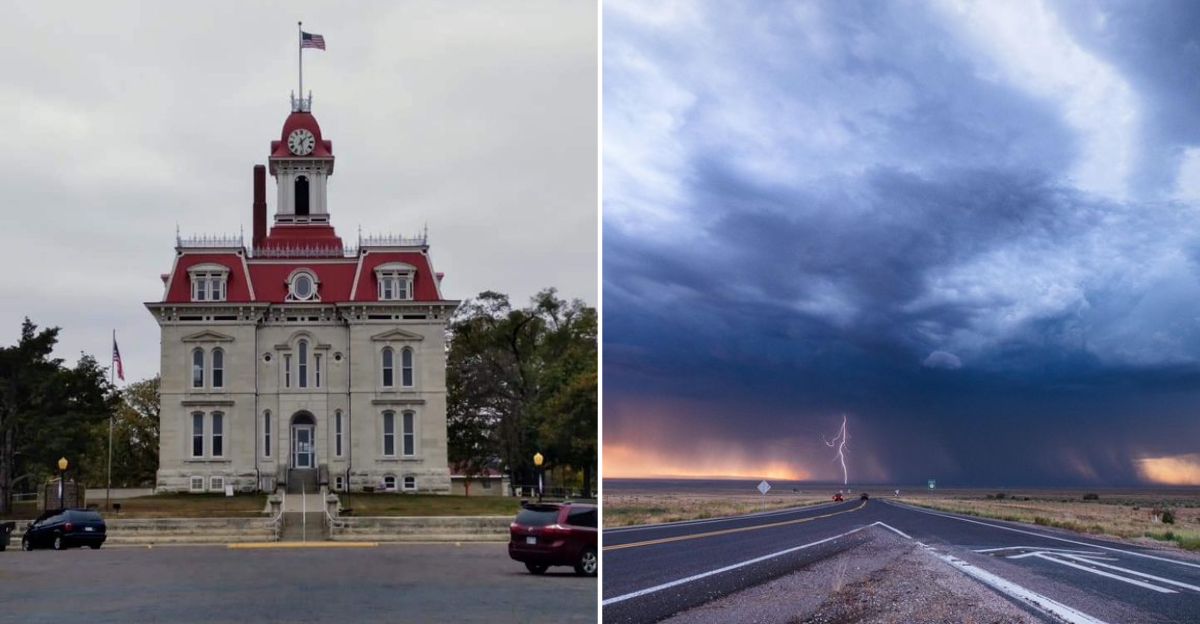
What comes to mind when you think about visiting Kansas? For some, it’s wide-open prairies and endless highways. For others, it’s barbecue, college sports, or small towns with a lot of character.
I’ve spent time here, and honestly, it’s a mix of wonderful moments and a few not-so-great quirks that make the experience feel real.
On the wonderful side, Kansas has a charm that sneaks up on you, friendly locals, unexpected roadside attractions, and sunsets that stretch across the horizon.
It’s the kind of place where slowing down feels natural.
But there are also things that can be frustrating: long drives between destinations, weather that changes quickly, and stretches of road that feel repetitive. It’s not perfect, but that’s part of the story.
Traveling here is about embracing both sides, the joys and the annoyances, and seeing Kansas for what it really is.
Stick around, because we’re breaking down what’s wonderful and what’s not about visiting Kansas, so you’ll know exactly what to expect.
1. Prairie Landscapes That Feel Vast And Honest
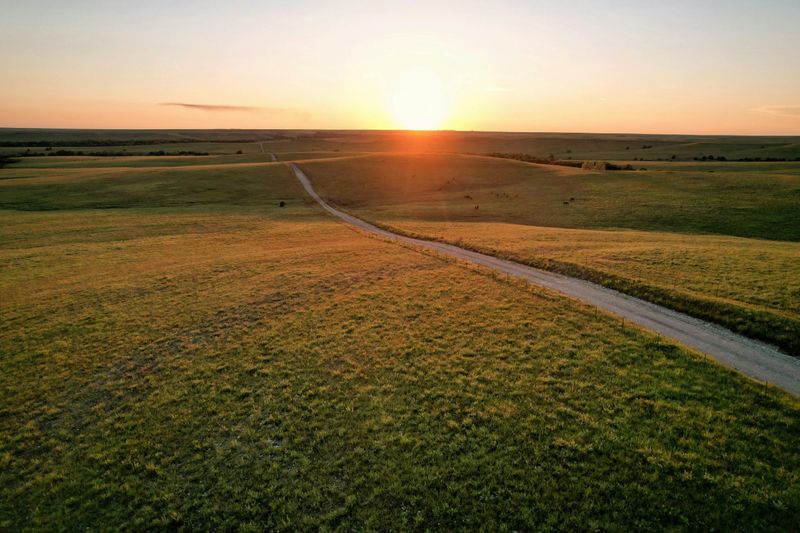
Here is where the land opens and you finally take a long breath. Kansas prairie does not need to shout to feel big.
The horizon looks level for miles, and that steady line calms your brain in a way cities rarely do.
You notice how the light slides over grass and how the wind traces tiny patterns you miss at first. Stand there long enough and your shoulders drop.
The quiet is honest and steady.
Drive the Flint Hills Scenic Byway and pull off at the overlooks near Strong City. Nothing fancy, just a turnout, your shoes, and a view that keeps going.
The land reads like a slow song. You hear a bird before you see it.
Small details matter when the stage is this wide.
You become part of the pause, not just a visitor sprinting past.
Out here, timing helps, trust me. Early morning gives you soft edges, and late day warms everything with low light.
The wind can push your plans around, so brace the tripod and roll with it. If you want company, bring a friend who likes silence as much as talk.
This landscape does not demand much from you. It asks you to look, and then look again.
2. Tallgrass Prairie You Rarely See Elsewhere
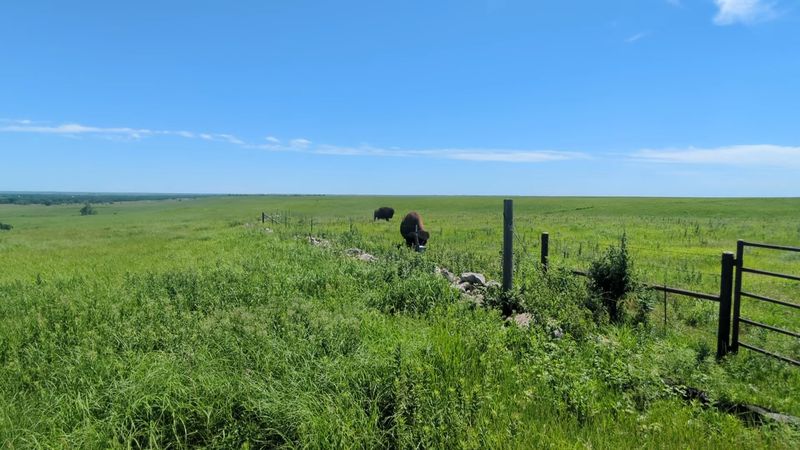
I keep coming back to Tallgrass Prairie National Preserve. It protects a rare sweep of true tallgrass, and walking those trails feels like time slows down a notch.
The grass moves like water when the wind picks up. You hear a rustle before you spot anything.
The limestone ranch house and barn sit on the hill like a quiet postcard. Nothing about it feels staged or slick.
Start at the visitor center for maps, then head for the upland trails with broad views.
Bison may be out on the range, so give them distance and enjoy the surprise of seeing them appear like shapes on the slope.
The soundscape matters here: shoes crunch, wind sings, and your thoughts get simple. You do not need a big plan, just a steady walk and time.
The weather shifts fast on the prairie, so carry layers and keep an eye on the sky.
Trails are straightforward, but a photo can turn into a full stop because the grasses carry color in subtle ways. Greens lean gold, then copper, then shadow.
I like standing still and counting breaths until the light changes. It is calm without being dull, and you leave feeling grounded.
3. Sunsets That Stop You In Your Tracks
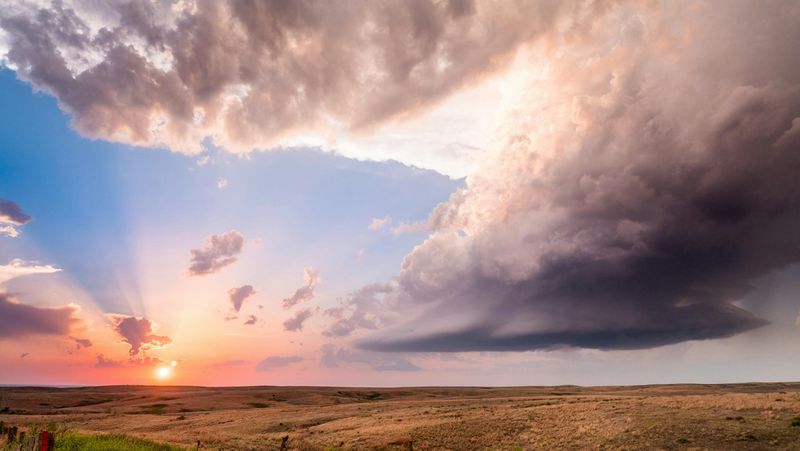
Sunsets here sneak up and then go full theater. The big sky meets a low horizon and the color spreads like paint pulled with a broad brush.
Even a simple road shoulder becomes a front row seat when the light drops. I like to park somewhere safe, step out, and let the wind cool my face.
You watch the first clouds pick up pink, then the whole sky follows. Photos feel easy, but the real show is just standing there.
Try the overlooks near Chase State Fishing Lake. The water doubles the color and stretches it across the surface.
You do not need perfect conditions. Thin clouds help scatter light and turn everything warm.
Stay a few minutes after the sun dips. That is when the soft glow hangs low and the color deepens.
Make sure to bring a jacket, even in warmer seasons. The air cools fast and the breeze can surprise you.
Keep your framing simple: horizon low, sky wide, and one clean line like a fence or tree to anchor the shot.
Do not rush back to the car, give it a pause. That last minute often carries the best tone, and you feel it more than you see it.
4. Small Towns That Still Run On Local Life
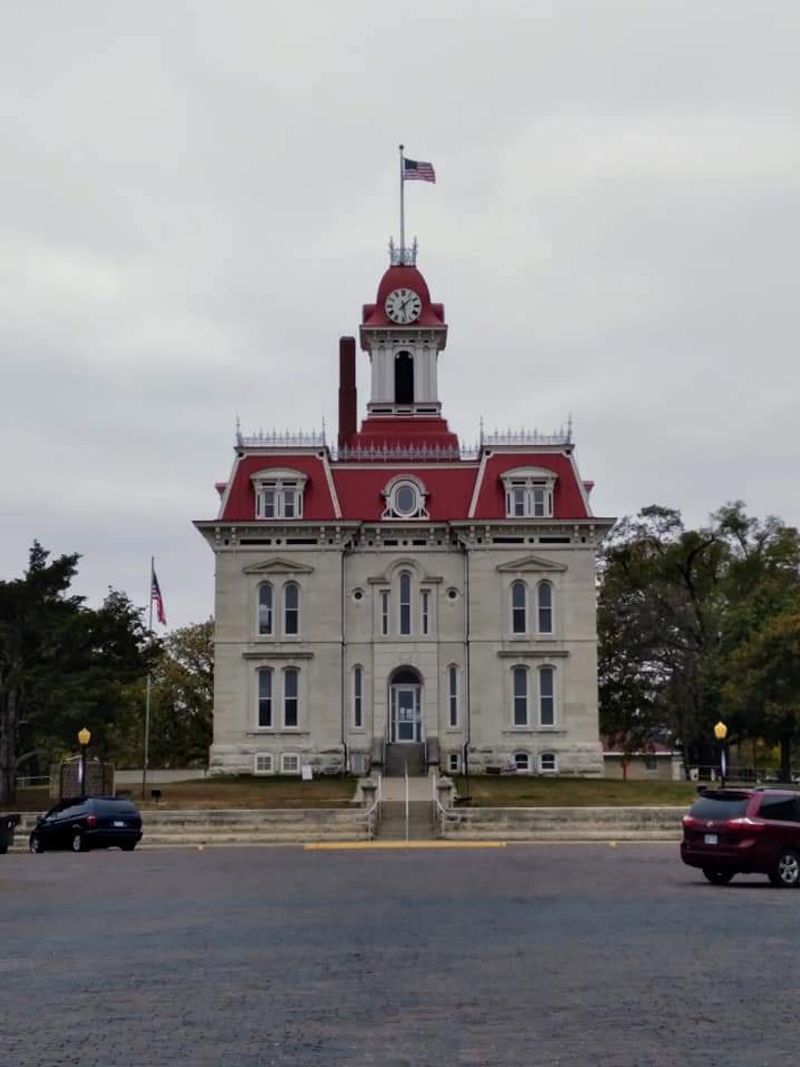
Some Kansas towns feel like a friend waved you in from the porch. Courthouse squares still anchor daily life, and the hardware store door rings with that steady bell.
People say hello without thinking about it. You do not need a script, just walk Main Street and notice how errands stack up into conversations.
It feels uncurated in the best way possible.
Head to Cottonwood Falls, where the historic courthouse looks like a proud landmark and the sidewalks carry easy pace.
Lindsborg leans artsy and playful, with murals tucked between tidy storefronts. In both places, time slows without going sleepy.
You can park once and wander. The rhythm is human, not hurried.
Ask a local what is new and you will get a real answer. They might point you to a small gallery or a weekend event.
Even if you are just passing through, take ten minutes to sit on a bench and watch the day. Towns here remind you that community is not a buzzword.
It is errands, waves, and names remembered. You leave feeling lighter, and that stays with you longer than any checklist.
5. Historic Trails That Shaped The Country
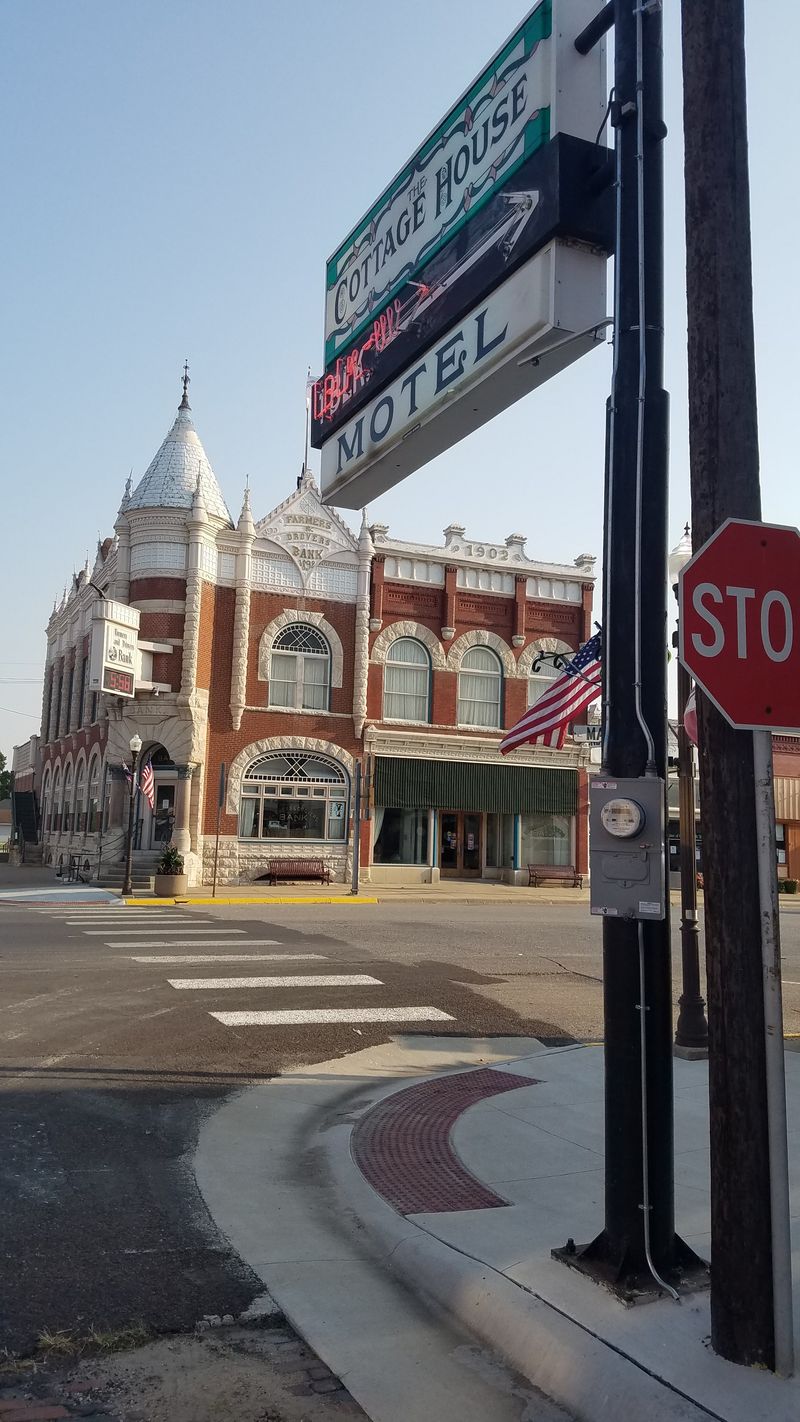
Kansas carries big history without giant crowds.
The Santa Fe Trail runs right through the state, and you can still see ruts pressed into the grass at places like Dodge City. I think it is wild how quiet it is.
You stand there and picture wagons lining up across the prairie. No stage lights, no heavy signs, just ground that remembers.
Near Council Grove, the trail story comes through in markers, limestone ruins, and shade by the river.
The town itself feels like a living footnote, where modern life and old routes overlap. I like stopping at the small parks and reading short plaques.
It gives shape to the drive without turning it into a chore. Every stop adds a thread to the bigger map in your head.
Plan short hops between sites so the history stays fresh, and bring curiosity and patience. The magic here is scale.
These are traces that add up to a real picture. If you lean in and listen, the state turns into a moving timeline.
You start out chasing markers and end up feeling the route under your feet.
6. Affordable Travel Without Compromise

Traveling across the state feels easy on the budget without sliding into flimsy. Roadside motels look tidy, and small town stays often come with genuine conversation.
You can move slowly and not stress every line item. That kind of freedom changes how you plan each day.
In places like Emporia and Great Bend, you find simple lodging that checks the boxes and frees your time for actual exploring.
Attractions tend to be low-key and low cost, which means you can stack a few and still breathe. Fuel stops feel reasonable, and parking rarely turns into a hunt.
The whole trip takes on a relaxed groove. You decide when to push and when to coast.
Packing a cooler helps for breaks between towns, and keeping a loose plan avoids extra miles. The main point is this.
The state lets you focus on experience over flash. Nobody is staging drama at every corner.
You get history and local life without a heavy bill. That balance keeps the road trip fun, not frantic, and you end the day with energy left.
7. Scenic Back Roads That Encourage Slow Travel
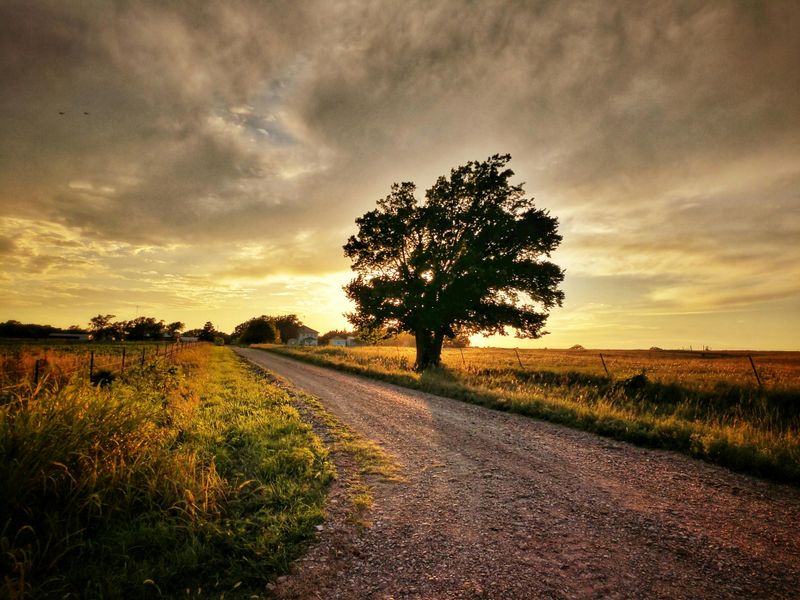
Let the interstate go and you will find the good stuff. Secondary highways in the state roll past grain elevators, farmsteads, and fields that shift color with the light.
Traffic stays light, and the pace settles into something you feel in your shoulders.
The Gypsum Hills Scenic Byway near Medicine Lodge threads through red rock outcrops and open ranchland. It is a gentle roller coaster of views.
You can pull off often without pressure. The road invites you to stop, listen, and take a photo without juggling a crowd.
Even on busy days, it never feels packed.
Keep fuel topped off and maps downloaded. Service can fade out here and there, but that is part of the draw.
You are driving to see, not to finish. I like to set a loose arrival time and let curiosity set the breaks.
Kansas rewards that mindset. The miles do not rush you, and the sky handles the show.
8. Storm Watching As A Legit Experience
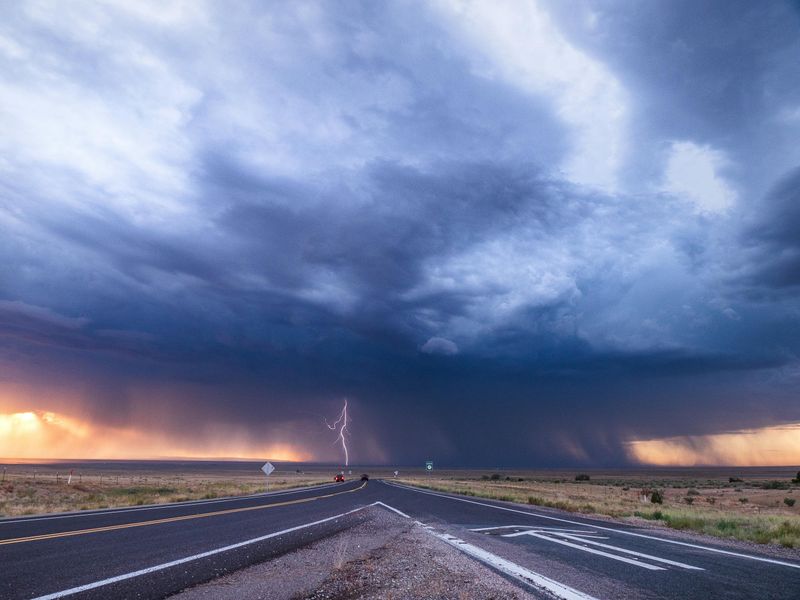
Out on the plains, weather is not background. Kansas sits in the heart of Tornado Alley, and watching a storm build from a safe distance is unforgettable.
You see the cloud tower rise like a slow tide. The air shifts, birds go quiet.
It is drama without leaving the car if you need to. Safety first, always.
Good vantage points include open pullouts west of Hutchinson, where the horizon stays clean. Make sure to check reliable forecasts and never chase beyond your comfort.
The show is in the sky, not the close call. I like to watch from a paved lot with quick exits.
If it looks questionable, I move on. There is no reason to push it.
Photography wise, go wide and keep the horizon low. The structure of those clouds looks best when you give it space.
Tripods can wobble in the wind, so brace them or shoot handheld. Bring patience and water, because storms can take their time.
When it breaks, the light can flip from gray to gold. You feel small in a good way, and that feeling lasts.
9. Not So Wonderful: Long Distances With Few Breaks
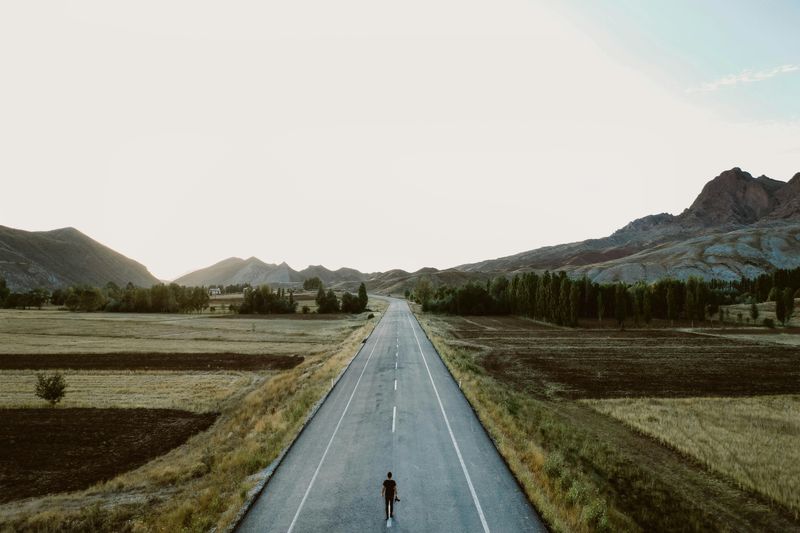
Here is the honest part: Kansas spreads out, and services can be a long way apart. That means fuel, restrooms, and lodging take a little planning.
On some stretches, maps make towns look closer than they feel. You think you will find a stop around the bend, then the next sign slides by with nothing on it.
It is not stressful if you prepare, but it can be tiring if you do not.
On routes like US highways cutting across western Kansas, I top off the tank more often than usual. I also keep snacks and water handy so a closed station does not derail the day.
It is a mindset shift. You pick your moments to stop and make them count.
The drive then becomes steady rather than jumpy.
Make sure to download maps for offline use and screen a few backup towns ahead of time. If a detour pops up, you will be glad you did.
The reward for this extra planning is simple. You get smooth miles and a calmer head.
The state feels better when you treat distance like part of the plan. It is not a flaw, it is just the scale of the place.
10. Not So Wonderful: Wind That Never Really Quits
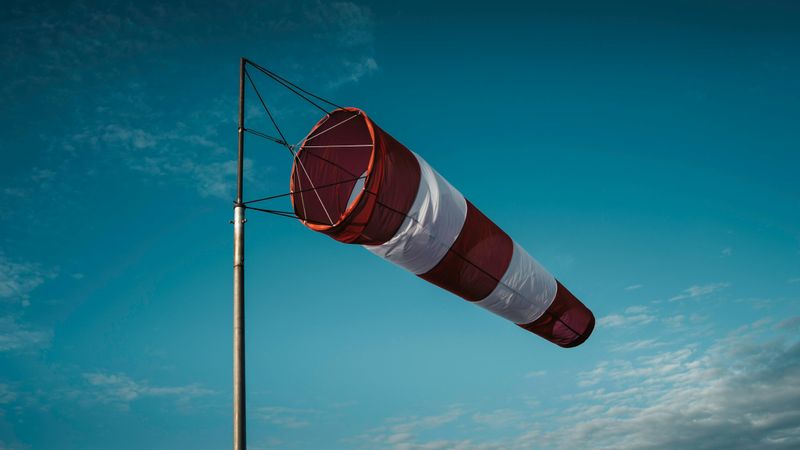
About that wind, in Kansas it is not a guest. It moves the day from start to finish.
Flags work hard, tripods complain, and your hat tries to leave. It is not a disaster, just a constant you have to respect.
Photography gets trickier, and long walks feel different when gusts push at your side.
On open roads like K 156 near Great Bend, crosswinds can make driving feel twitchy. Keep a steady grip and give yourself buffer space.
If the plan is a long outdoor stop, have a backup tucked into town where buildings block some of the blow. The wind shapes sound too.
Conversations carry, then disappear mid sentence. It keeps you alert.
Lean into it with simple fixes: secure loose gear, tie back your hair, and pick layers that do not flap like sails. For photos, go lower and brace against something solid.
Patience helps because lulls come and go. When the gusts settle, the prairie stands very still.
That contrast is oddly beautiful in my opinion. You remember both parts of the day.
Dear Reader: This page may contain affiliate links which may earn a commission if you click through and make a purchase. Our independent journalism is not influenced by any advertiser or commercial initiative unless it is clearly marked as sponsored content. As travel products change, please be sure to reconfirm all details and stay up to date with current events to ensure a safe and successful trip.
