A $250 Maryland weekend can feel luxurious in one destination and suspiciously optimistic in another, which makes comparing getaway prices far more useful than simply asking which place is cheapest.
Lodging usually takes the biggest bite, but parking, meals, admission fees, transportation, and the number of free things to do can completely change how far the rest of the budget stretches.
This comparison looks at 10 popular Maryland escapes through the practical question travelers actually care about: after paying for the basics, how much money is still left for enjoying the trip?
A pricier hotel may make sense somewhere with free beaches or trails, while a cheaper room can lose its advantage once extra costs start piling up.
The goal is not to declare one winner for everyone, but to show which destinations give different kinds of travelers more weekend for their money.
1. Annapolis
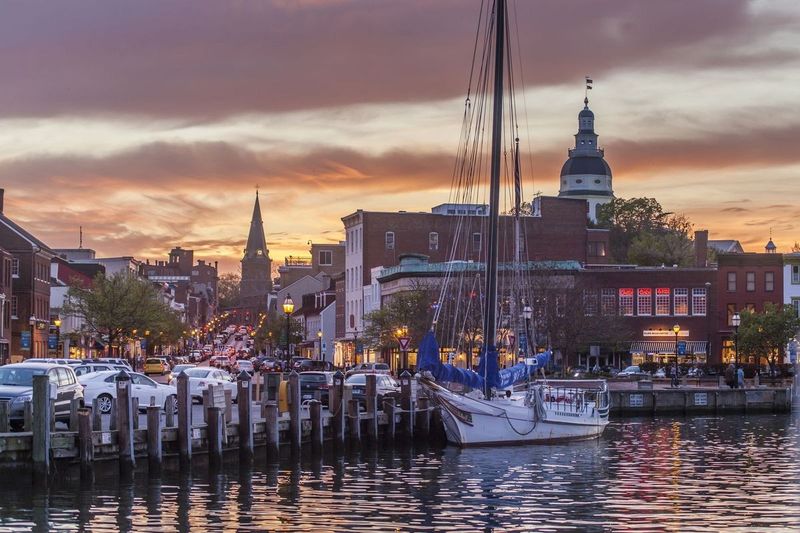
There’s something almost theatrical about Annapolis on a Saturday morning, when the harbor fills with sailboats and the old brick streets hum with a quiet, confident energy. As the self-proclaimed Sailing Capital of the U.S., the city wears its maritime identity proudly.
The waterfront area around City Dock and Ego Alley is endlessly watchable, with yachts gliding past and locals going about their weekend routines.
The historic district is remarkably walkable and costs nothing to explore. Its European-influenced baroque street plan, centered around State Circle and Church Circle, makes every stroll feel like a small discovery.
The Maryland State House, the oldest state capitol still in continuous legislative use, is a genuine piece of American history that most visitors can enter without spending much at all.
The United States Naval Academy adds another dimension to the visit. Its domed chapel and the crypt of John Paul Jones are genuinely awe-inspiring stops.
For outdoor time, Quiet Waters Park offers trails, gardens, and waterfront views that feel far removed from any tourist hustle.
Sandy Point State Park sits just a short drive away and delivers sandy beaches with sweeping views of the Chesapeake Bay Bridge. Annapolis rewards the curious traveler who prefers wandering over scheduled itineraries.
The city’s pace is unhurried, its architecture is genuinely beautiful, and a large portion of what makes it special is completely free to experience.
2. Ocean City
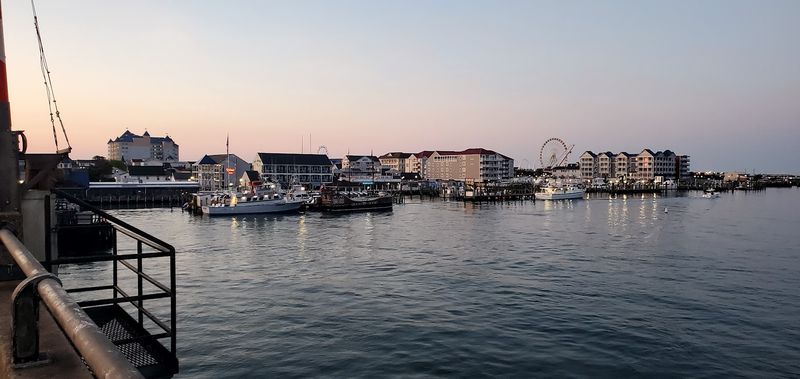
Ocean City operates at a different frequency than anywhere else in Maryland. The boardwalk buzzes with the kind of cheerful chaos that families and groups of friends absolutely love, and there’s an undeniable nostalgic pull to the place.
Nearly three miles of wooden planks stretch along the Atlantic, lined with arcades, shops, and amusement rides that feel plucked from a different era.
The beach itself is the main draw, and it’s free. Ten miles of sandy coastline give visitors plenty of room to spread out, and the water is genuinely inviting during summer months.
Surfing, paddleboarding, kayaking, and fishing are all accessible without needing to book expensive tours or rentals far in advance.
For those who want something quieter, Northside Park offers walking paths, a fishing pier, and calming views of Assawoman Bay. It’s a nice counterbalance to the boardwalk’s energy.
The surrounding marshes and coastal habitats also attract birdwatchers, adding a nature-focused layer to what might otherwise seem like a pure beach resort.
Ocean City’s charm lies in how much it offers across different budgets and travel styles. The free beach access, the low-cost boardwalk entertainment, and the sheer variety of water activities mean visitors can tailor the experience to exactly what they want to spend.
It’s loud, it’s fun, and it delivers a full coastal weekend without requiring a carefully padded wallet.
3. Assateague Island National Seashore
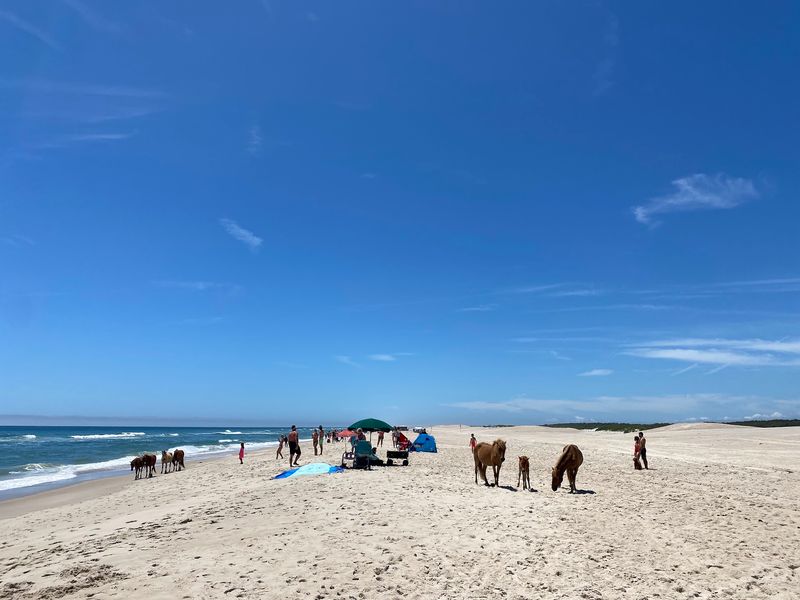
Spotting a wild horse standing ankle-deep in ocean surf is the kind of image that stays with you long after a trip ends. Assateague Island delivers that moment with almost casual regularity, and it remains one of the most genuinely surprising natural experiences available anywhere on the East Coast.
This 37-mile barrier island shared between Maryland and Virginia feels like a world entirely its own.
The landscape shifts constantly between sandy beaches, salt marshes, maritime forests, and coastal bays. Each environment supports different wildlife, and birdwatchers in particular find the island extraordinary during migration seasons.
Hiking, biking, kayaking, canoeing, and fishing are all available, and the miles of unspoiled coastline offer a swimming and sunbathing experience that feels nothing like a commercial beach resort.
What makes Assateague especially appealing from a budget perspective is how much the island gives without asking much in return. The entry fee for the national seashore covers access to trails, beaches, and the chance to observe the wild ponies in their natural habitat.
Educational programs and visitor centers add context to the experience without extra cost.
The island’s terrain changes with every tide and season, which means no two visits feel identical. Families, solo travelers, and outdoor enthusiasts all find something meaningful here.
It’s a rare place where the main attraction, those free-roaming horses on a wild shoreline, is something that simply cannot be manufactured or replicated elsewhere.
Address: 7206 National Seashore Ln, Berlin, MD 21811
4. St. Michaels
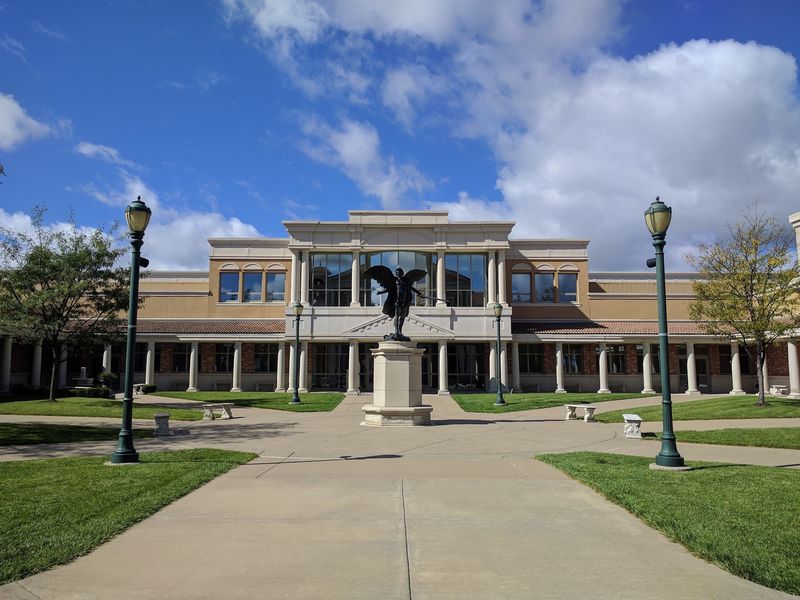
The Eastern Shore has its own rhythm, slower and saltier than the rest of Maryland, and St. Michaels captures that feeling better than almost anywhere else.
Often called the heart and soul of the Chesapeake Bay, this compact waterfront town rewards visitors who are happy to simply walk, look, and absorb.
Victorian homes, boutique galleries, and historic buildings line streets that feel genuinely lived-in rather than staged for tourists.
The Chesapeake Bay Maritime Museum is the cultural centerpiece of any visit. Spread across an 18-acre waterfront campus, it houses historic boats, hands-on exhibits, and the iconic 1879 Hooper Strait Lighthouse, which visitors can climb for panoramic views of the Miles River.
It’s the kind of museum that keeps you longer than expected. That’s usually a good sign.
Water access is abundant and varied. Scenic boat tours on classic yachts, kayaking, and paddleboarding on the calm river draw visitors who want to experience the Chesapeake from the water rather than just beside it.
Herons and osprey are common sights, which adds a quiet wildlife element to the experience.
The St. Michaels Nature Trail offers a peaceful path for walking or biking along the waterfront and through the town’s quieter corners. Community festivals throughout the year keep the atmosphere lively without losing the town’s relaxed character.
St. Michaels is a place where the Chesapeake Bay’s history feels tangible, and where a well-spent weekend doesn’t require a large budget to feel complete.
5. Frederick
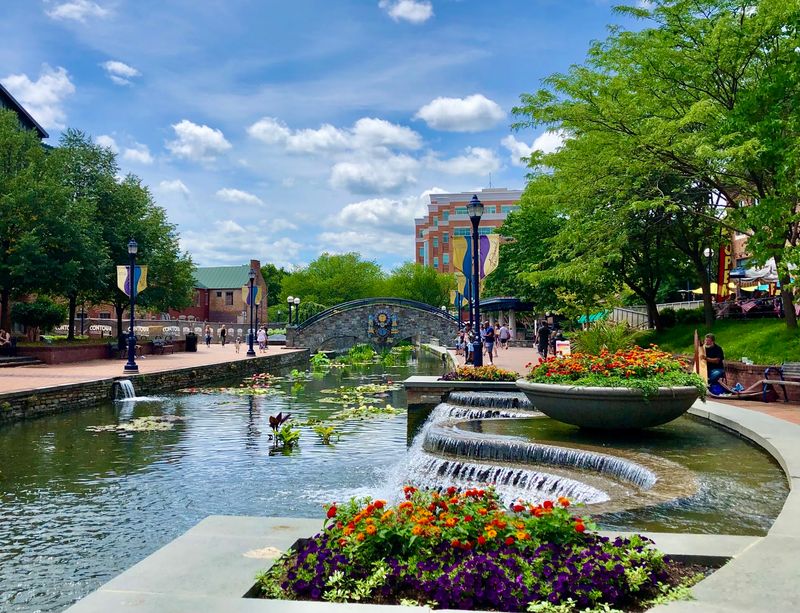
Frederick has a nickname that actually makes sense the moment you arrive. Known as the City of Clustered Spires, its skyline is defined by historic church steeples rising above a beautifully preserved downtown.
The historic district spans more than 50 blocks of Federal-style and Victorian architecture, and the whole area is highly walkable. Independent boutiques, art galleries, and diverse eateries fill the streetscape without a chain restaurant dominating every corner.
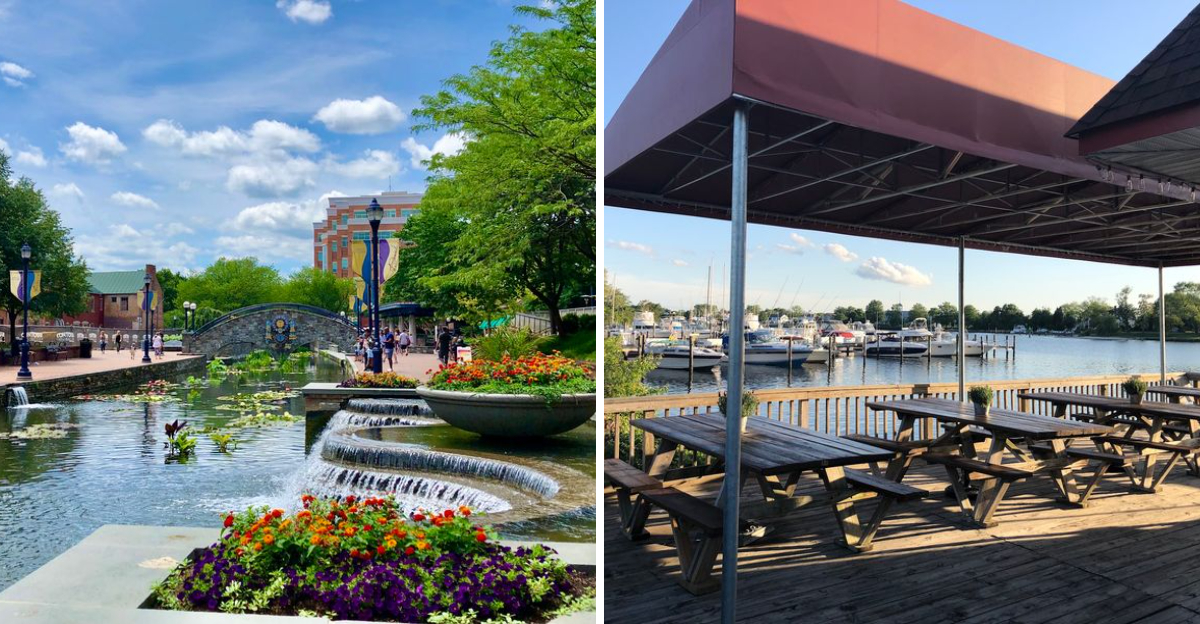
Carroll Creek Park is one of the most pleasant urban green spaces in the state. This linear park winds through downtown with landscaped paths, water features, and public art installations that make even a slow afternoon stroll feel worthwhile.
It connects different parts of the city naturally and gives visitors a sense of how Frederick integrates its natural setting with its built environment.
The arts scene here punches well above what you might expect from a city of its size. The Weinberg Center for the Arts hosts theater productions and events, and public art initiatives appear throughout the downtown area.
Frederick feels genuinely creative without being self-conscious about it.
Beyond the city limits, the Catoctin Mountains offer hiking trails with panoramic views, and Cunningham Falls State Park features Maryland’s highest cascading waterfall along with swimming and boating at Hunting Creek Lake.
The combination of rich history, active arts culture, and accessible outdoor adventure makes Frederick one of the strongest value-for-experience destinations in the state.
A full weekend here rarely feels like enough time.
6. Berlin

Berlin is the kind of town that makes you wonder why you hadn’t heard of it sooner. Recognized as America’s Coolest Small Town, it earns that title through a combination of architectural beauty, genuine local character, and a relaxed pace that feels refreshing rather than sleepy.
The historic downtown is largely Victorian in style, with nearly 50 structures listed on the National Register of Historic Places.
Main Street is the heart of the experience. Local boutiques, art galleries, and specialty shops showcasing work by area artisans line the street in a way that invites slow, unhurried browsing.
There’s no pressure here, just a pleasant sense that every storefront has something worth a second glance. The Mermaid Museum adds a playful, family-friendly dimension with exhibits exploring mermaid folklore and plenty of photo opportunities.
Stephen Decatur Park provides green space for relaxation and a nature trail for those who want a bit of movement between downtown visits. The park is easy to reach from the town center and works well as a midday reset.
Berlin’s proximity to Assateague Island National Seashore is a major practical advantage, making it simple to combine a morning with wild horses and a afternoon on Main Street.
Community events and festivals throughout the year give the town a lively energy that shifts with the seasons.
Berlin is the kind of destination where budget-conscious travelers find real value because so much of what makes it special, the architecture, the atmosphere, the street life, doesn’t cost a thing to enjoy.
7. Deep Creek Lake
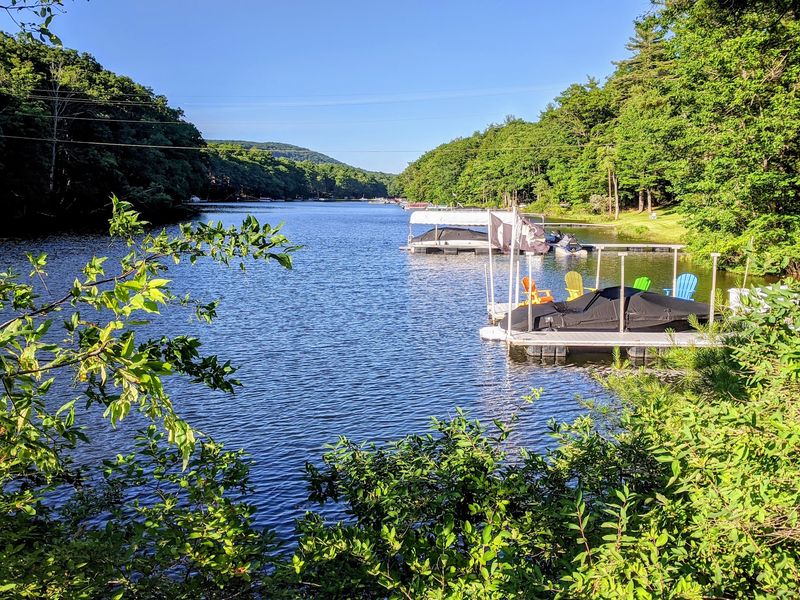
Maryland’s largest freshwater lake sits hidden into the mountains of Garrett County, and it operates as a genuinely four-season destination. That’s rarer than it sounds.
Most lake towns in the Mid-Atlantic feel hollowed out outside of summer, but Deep Creek Lake maintains its appeal through snow-covered winters and cool, green summers alike.
The mountain climate is a genuine draw for anyone escaping heat or looking for something that feels distinctly different from the coastal options.
Summer brings boating, kayaking, swimming, and paddleboarding across miles of shoreline that never feel overcrowded.
Deep Creek Lake State Park anchors the outdoor experience with swimming beaches, hiking and biking trails, and a Discovery Center that explains the lake’s ecosystem and cultural history in accessible, engaging ways.
It’s a solid half-day stop on its own.
Winter transforms the region into something almost entirely different. Wisp Resort offers skiing, snowboarding, and snow tubing, plus a mountain coaster that runs year-round for those who want a thrill outside of ski season.
The surrounding Garrett County countryside is characterized by forested ridgelines, quiet state parks, and a rural pace that feels genuinely restorative.
Outdoor enthusiasts will find hiking and mountain biking trails throughout the area, with scenic overlooks rewarding those willing to earn the view. Deep Creek Lake appeals most to travelers who want their weekend to feel active and immersive.
The range of seasonal activities spread across a largely natural landscape makes it one of Maryland’s most versatile and cost-effective escapes.
8. Havre de Grace
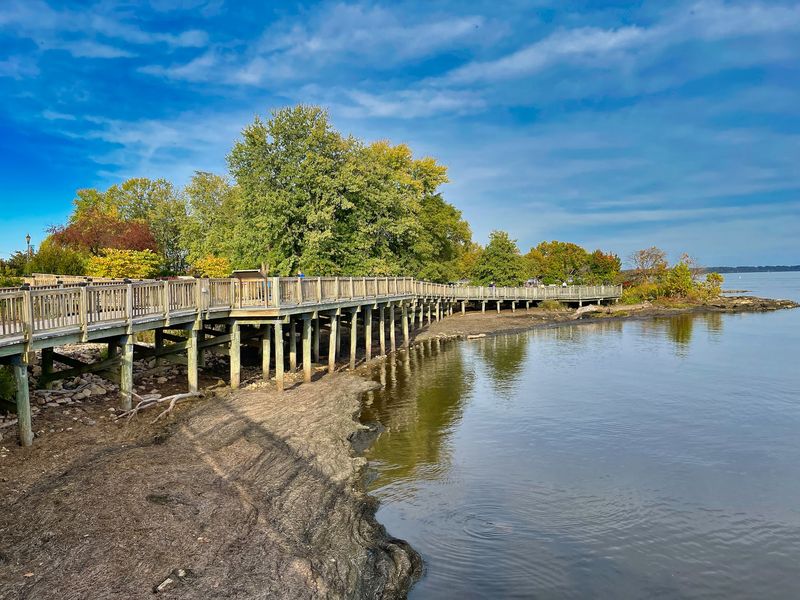
Perched at the confluence of the Susquehanna River and the Chesapeake Bay, Havre de Grace carries a quiet dignity that draws visitors back repeatedly. The town feels authentic in a way that larger tourist destinations sometimes struggle to achieve.
Its well-preserved architecture and quaint downtown streets give it a lived-in character that rewards slow exploration rather than rushed sightseeing.
The historic Concord Point Lighthouse, the second oldest lighthouse in Maryland, has guided ships since 1827 and remains one of the town’s most photographed landmarks.
The Promenade, a three-quarter-mile boardwalk connecting parks and museums along the waterfront, offers panoramic views of the river and bay that are genuinely stunning at any time of day.
Morning walks here are particularly peaceful.
Two museums add cultural depth to the visit. The Decoy Museum celebrates the town’s designation as the Decoy Capital of the World, exploring a craft tradition tied deeply to the Chesapeake Bay’s waterfowl hunting heritage.
The Maritime Museum complements it with exhibits on the region’s nautical and environmental history. Both are worth the time.
Birdwatching in Havre de Grace is exceptional, particularly during migration seasons, as the town sits on the Atlantic Flyway. Kayaking, fishing, and hiking along waterfront trails round out the outdoor options.
Millard Tydings Memorial Park and Susquehanna State Park provide green space for relaxation and exploration. For travelers seeking a destination that blends history, nature, and waterfront beauty without a premium price tag, Havre de Grace consistently delivers.
Address: Concord Point Lighthouse, 700 Concord St, Havre de Grace, MD 21078
9. Chesapeake City
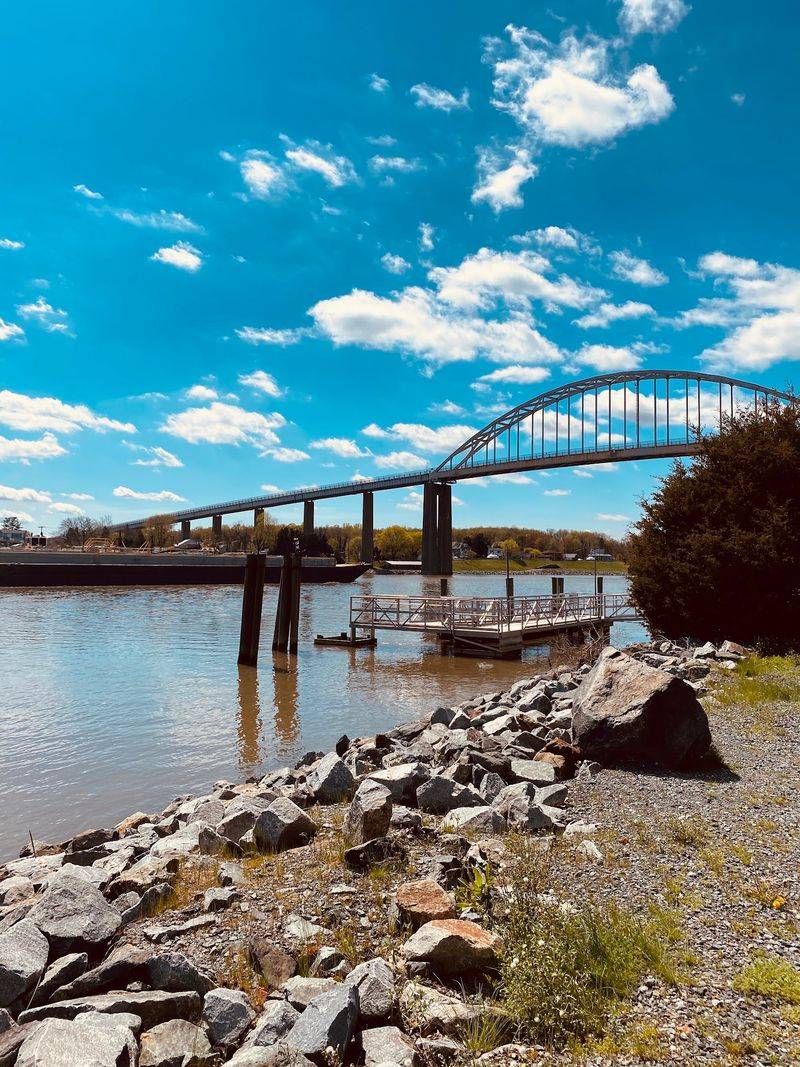
There aren’t many towns in America where you can sit on a bench and watch ocean-going vessels glide past at close range. Chesapeake City makes that experience entirely ordinary, and it never gets old.
Positioned on the Chesapeake and Delaware Canal, this small community offers a vantage point unlike anything else in Maryland. The canal is an active commercial waterway, and the variety of vessels that pass through keeps waterfront watching genuinely entertaining.
The architecture on the south bank of the canal is remarkably well preserved, with many buildings dating to the 19th century and listed on the National Register of Historic Places.
The C&D Canal Museum, housed in the canal’s original 1829 pump house, tells the full story of the waterway’s construction and operation.
Its centerpiece is a massive water wheel that feels almost impossible to believe was once purely functional.
The Chesapeake City Museum adds another layer of local history for those who want to understand how this small community developed around one of the country’s most strategically important waterways. The Ben Cardin C&D Canal Trail extends along the canal’s banks, offering a scenic multi-use path ideal for biking, walking, and birdwatching.
Pell Gardens provides a waterfront park setting for relaxation and seasonal events.
Chesapeake City’s pace is unhurried and its hospitality feels genuine. Local shops and a friendly community atmosphere round out a visit that costs very little to enjoy fully.
It’s a place that rewards curiosity over consumption, which makes it one of Maryland’s most quietly rewarding weekend stops.
Address: Chesapeake City Museum, 98 Bohemia Ave, Suite #4, Chesapeake City, MD 21915
10. Solomons Island
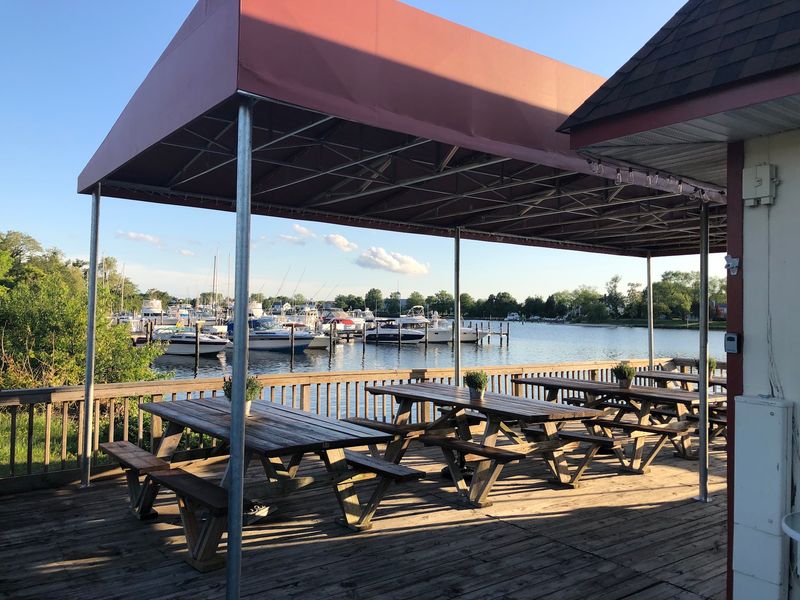
Solomons Island has the kind of setting that makes people stop mid-sentence to look at the water.
Positioned at the mouth of the Patuxent River where it opens into the Chesapeake Bay, this Southern Maryland village carries a maritime history that feels genuinely present rather than merely commemorated.
The town developed as a hub for shipbuilding and oyster packing, and that legacy shapes everything from the local museum to the character of the waterfront itself.
The Calvert Marine Museum is the undisputed highlight of any visit. It combines exhibits on prehistoric paleontology, estuarine biology, and local maritime history under one roof, with working aquariums featuring local marine life and river otters that delight visitors of all ages.
The museum grounds also include the historic Drum Point Lighthouse, a rare surviving cottage-style screw-pile lighthouse from the Chesapeake Bay that visitors can explore up close.
The Solomons Island Boardwalk, also known as the Riverwalk, provides a scenic promenade for leisurely strolls with open views of the Patuxent River and the Governor Thomas Johnson Bridge. It’s an easy, unhurried walk that captures the village’s quiet charm perfectly.
Just a short distance away, the Annmarie Sculpture Garden and Arts Center offers a shaded walking path winding through a collection of sculptures, some on loan from the Smithsonian Institution.
Boat tours, kayaking, paddleboarding, and fishing are all accessible from the island. Solomons rewards travelers who appreciate understated beauty and substance over spectacle.
The experience here is rich, layered, and genuinely easy on the budget.
Address: Calvert Marine Museum, 14200 Solomons Island Rd, Solomons, MD 20688
