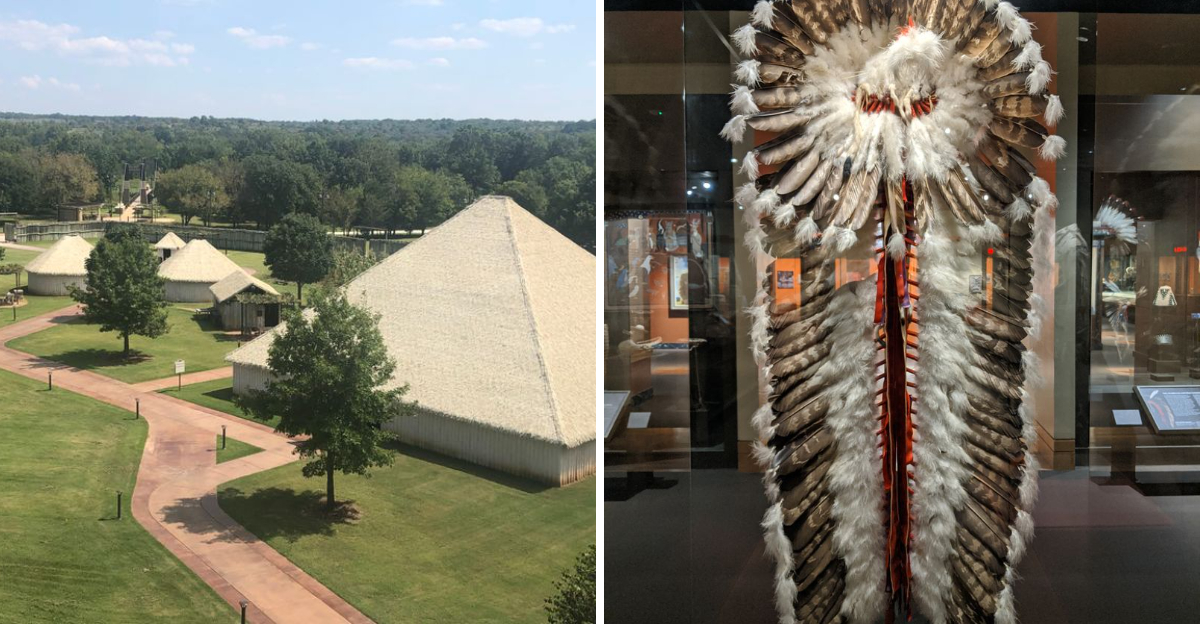
Oklahoma holds a unique place in American history as the ancestral and present-day home of 39 federally recognized Native American tribes.
The state’s rich cultural landscape offers countless opportunities to learn about Indigenous traditions, art, and heritage that have shaped this region for thousands of years.
From world-class museums to sacred ceremonial grounds, Oklahoma provides visitors with authentic experiences that honor and celebrate Native American culture.
Whether you’re exploring ancient earthworks, attending a powwow, or visiting tribal cultural centers, each experience offers a deeper understanding of the resilience, creativity, and ongoing contributions of Native peoples.
These seven ways to experience Native American history in Oklahoma will take you on a journey through time, connecting past traditions with present-day communities.
Each destination and activity provides meaningful insights into the diverse cultures that make Oklahoma a living testament to Indigenous heritage.
Plan your visit to discover stories of survival, celebration, and cultural pride that continue to thrive across the state today.
Visit the Cherokee Heritage Center in Tahlequah
The Cherokee Heritage Center in Tahlequah stands as one of the most comprehensive Native American cultural institutions in the entire United States.
Located at 21192 South Keeler Drive, Tahlequah, OK 74464, this remarkable facility preserves and shares the story of the Cherokee people from ancient times to the present day.
Walking through the Ancient Village, you’ll step back in time to experience what Cherokee life looked like before European contact, with authentic reconstructed dwellings and knowledgeable guides demonstrating traditional skills.
The Adams Corner Rural Village recreates Cherokee life in the early 1900s after the Trail of Tears, showing how the community rebuilt and adapted while maintaining their cultural identity.
You can watch artisans create traditional pottery, beadwork, and basket weaving using techniques passed down through generations.
The on-site museum houses thousands of artifacts, including clothing, tools, photographs, and documents that tell the complex story of Cherokee resilience and adaptation.
One highlight is the Trail of Tears exhibit, which provides a sobering and educational look at the forced removal of Cherokee people from their southeastern homelands in the 1830s.
Interactive displays help visitors understand the human cost of this tragic chapter while celebrating the strength and determination that allowed the Cherokee Nation to survive and thrive.
The center also hosts special events throughout the year, including storytelling sessions, traditional dance performances, and cultural workshops.
Children especially enjoy the hands-on activities that teach about Cherokee syllabary, traditional games, and ancient agricultural practices.
The gift shop offers authentic Cherokee-made crafts, books, and artwork, with proceeds supporting the center’s educational mission.
Planning a visit here provides an immersive educational experience that goes far beyond what textbooks can offer, creating lasting memories and deeper cultural understanding for visitors of all ages.
Attend a Traditional Powwow
Nothing compares to the energy, color, and spiritual power of experiencing a traditional powwow firsthand in Oklahoma.
These vibrant gatherings bring together Native American communities to celebrate their heritage through dance, music, art, and fellowship.
Oklahoma hosts dozens of powwows throughout the year, ranging from small community events to major intertribal competitions that attract participants from across North America.
The Red Earth Festival in Oklahoma City, held each June, is one of the largest and most prestigious Native American cultural events in the country.
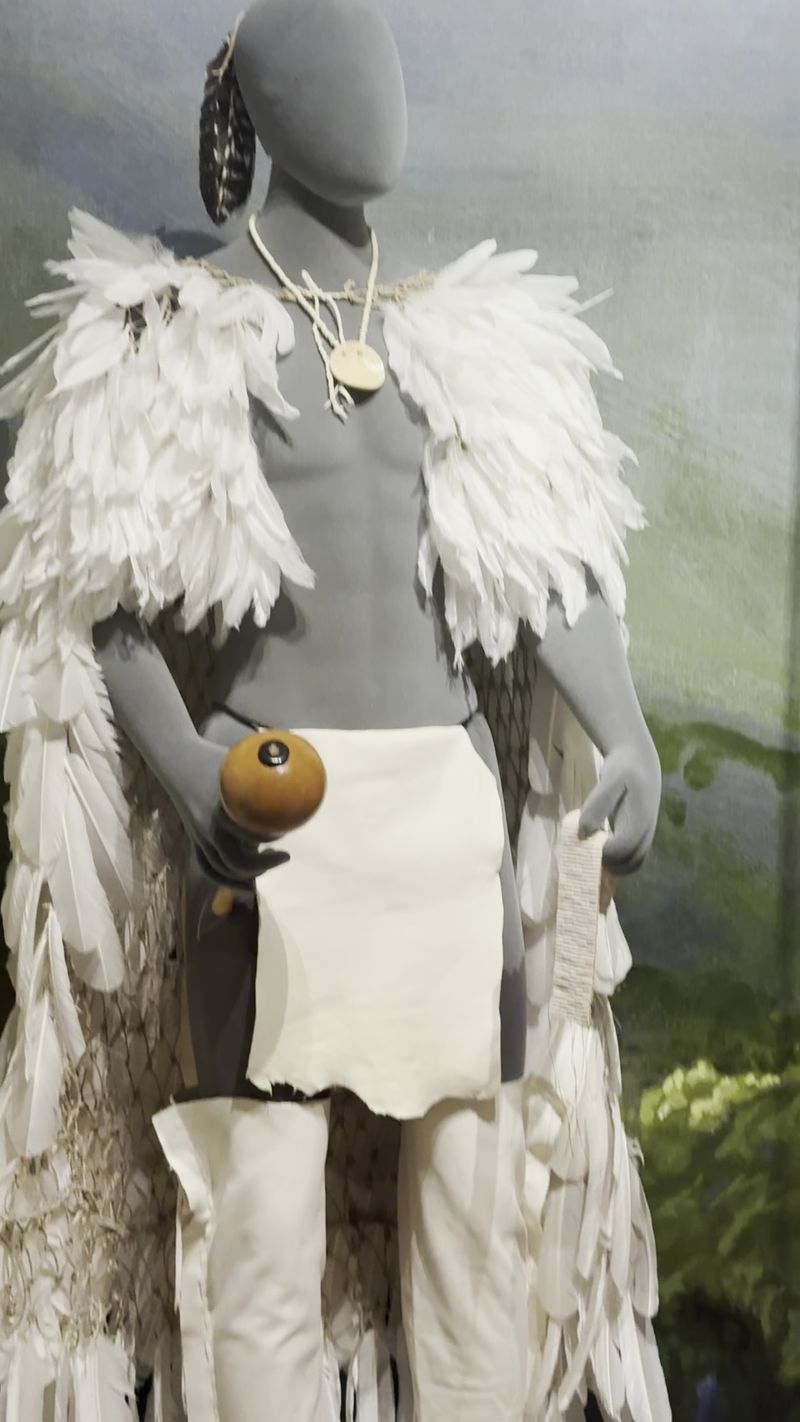
You’ll witness hundreds of dancers in stunning regalia featuring intricate beadwork, ribbon work, and feather designs that represent specific tribal traditions and family histories.
The thundering rhythm of the drum groups creates a heartbeat that connects participants and spectators to something ancient and powerful.
Different dance styles tell different stories; men’s fancy dance features athletic spinning and footwork, while women’s jingle dress dance has healing origins and creates a beautiful metallic sound with each movement.
Grass dance, straight dance, and traditional dance each carry their own meanings and protocols that dancers learn and honor.
Many powwows welcome non-Native visitors and offer opportunities to learn about proper etiquette, such as standing during honor songs and asking permission before photographing dancers.
The Grand Entry ceremony, where all dancers enter the arena led by flag bearers and veterans, is particularly moving and demonstrates the deep respect Native communities hold for their warriors and elders.
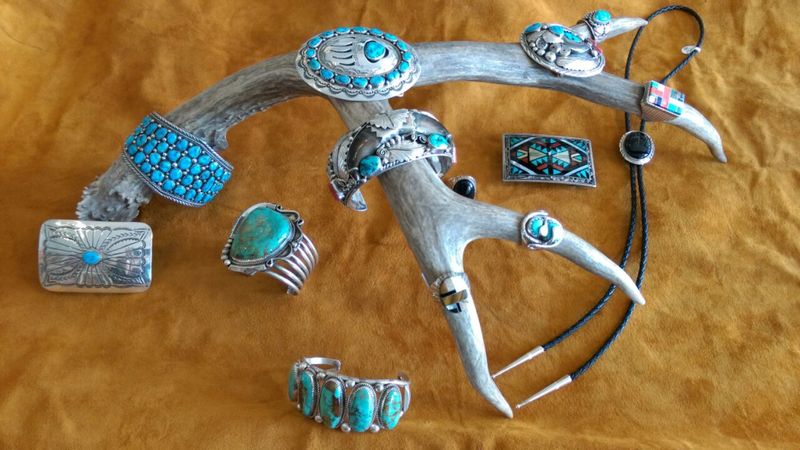
Between dance competitions, you can browse vendor booths selling Native American jewelry, art, traditional foods like Indian tacos and fry bread, and handmade crafts.
Attending a powwow offers an authentic, living connection to Native American culture that honors both tradition and contemporary Indigenous identity in a way that museums simply cannot replicate.
Explore the Chickasaw Cultural Center in Sulphur
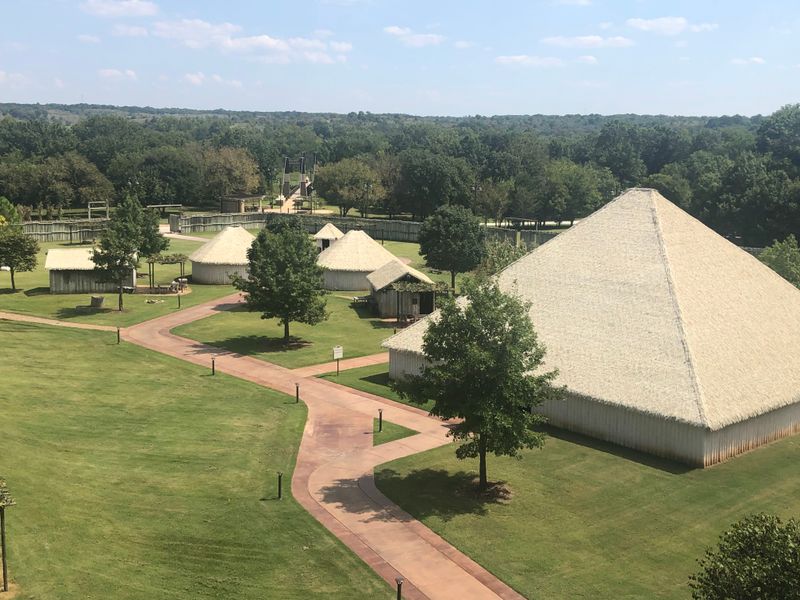
Situated on 184 acres of beautiful landscape at 867 Cooper Memorial Drive, Sulphur, OK 73086, the Chickasaw Cultural Center represents a stunning achievement in tribal cultural preservation and education.
This state-of-the-art facility opened in 2010 and has since become one of Oklahoma’s premier cultural attractions, welcoming visitors from around the world.
The center’s architecture itself tells a story, incorporating traditional Chickasaw design elements with modern museum technology to create spaces that feel both timeless and contemporary.
Interactive exhibits guide you through Chickasaw history from creation stories through present-day tribal government and economic development.
The Holisso Research Center houses extensive genealogical records and historical documents that help Chickasaw citizens trace their family histories and connect with their heritage.
Outside, the traditional village features authentic structures including winter and summer houses, a council house, and a stomp ground where cultural demonstrations bring history to life.
You can watch artisans demonstrate river cane basket weaving, a traditional Chickasaw art form that nearly disappeared but has been revived through dedicated cultural preservation efforts.
The on-site Aaimpa Café serves traditional Chickasaw foods alongside contemporary Native American cuisine, offering dishes like pashofa (a hominy stew), grape dumplings, and bison burgers.
The spiral mound at the center’s entrance represents the Chickasaw migration story, with pathways that symbolize the journey from ancestral homelands to Indian Territory.
Regular cultural programming includes language classes, cooking demonstrations, and traditional craft workshops that welcome both tribal members and visitors.
The outdoor amphitheater hosts performances of Chickasaw storytelling, music, and dance throughout the warmer months.
Admission is free, reflecting the Chickasaw Nation’s commitment to sharing their culture and history with everyone who wants to learn and appreciate their remarkable heritage and ongoing contributions to Oklahoma.
Tour the Spiro Mounds Archaeological Center
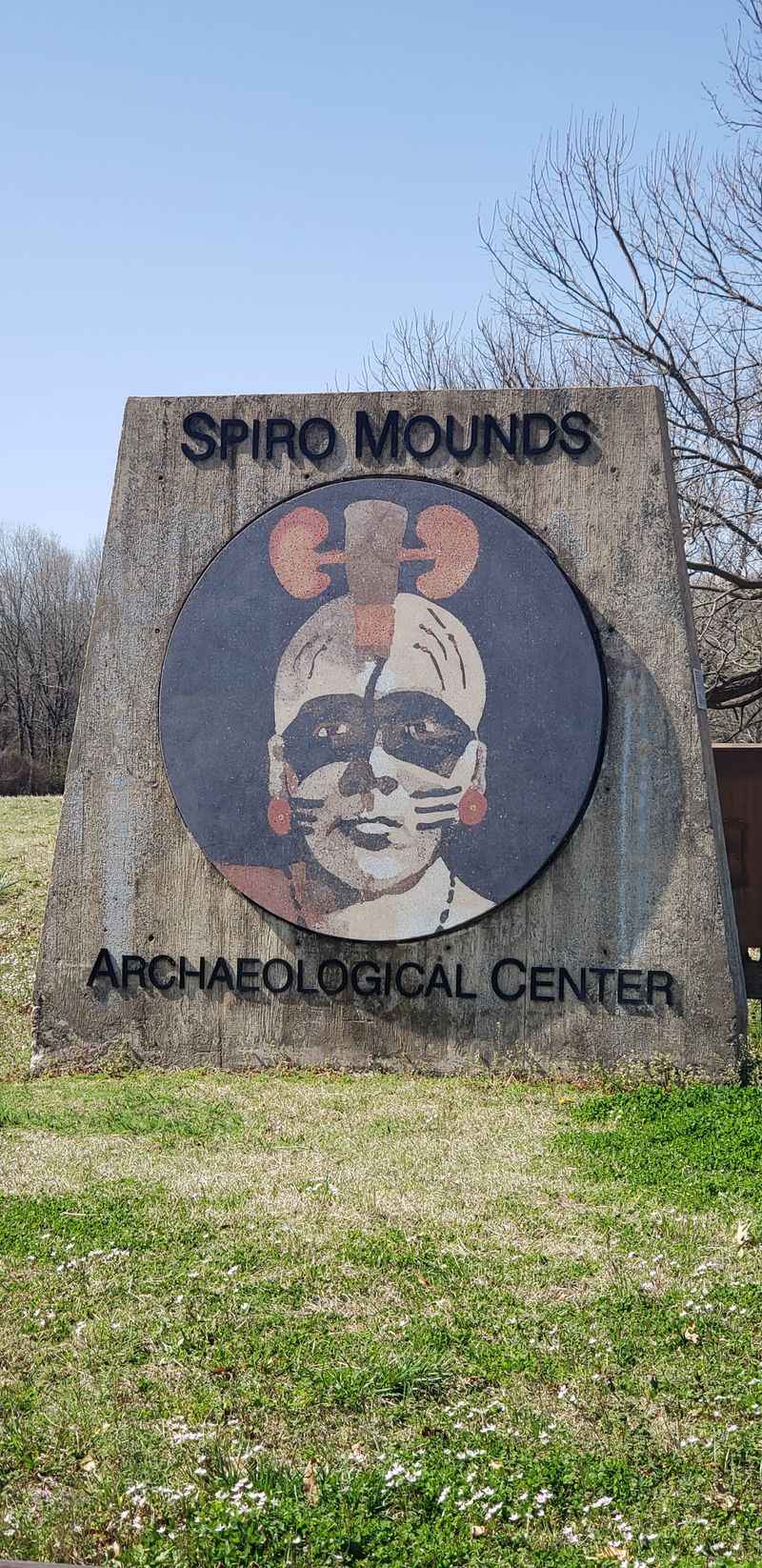
Long before European contact, a sophisticated civilization thrived in what is now eastern Oklahoma, leaving behind one of North America’s most important archaeological sites.
Spiro Mounds, located at 18154 First Street, Spiro, OK 74959, preserves the remains of a ceremonial center that flourished between 850 and 1450 CE as part of the Mississippian culture.
The site features twelve earthen mounds, including burial mounds and platform mounds that once supported important structures used by the community’s elite and religious leaders.
Archaeologists have uncovered thousands of artifacts at Spiro Mounds, including elaborate shell engravings, copper plates, ceremonial weapons, and intricately designed pottery that demonstrate sophisticated artistic traditions and extensive trade networks.
These objects show connections with cultures from the Gulf Coast to the Great Lakes, proving that ancient Native peoples maintained complex economic and cultural relationships across vast distances.
The site’s interpretive center displays replicas of some of the most significant artifacts, helping visitors understand the artistry and symbolism embedded in these ancient treasures.
Walking the trails among the mounds, you can almost feel the presence of the thousands of people who once gathered here for ceremonies, trade, and community events.
The Craig Mound, the largest at the site, contained one of the richest archaeological deposits ever found in North America before it was unfortunately looted in the 1930s.
Despite this tragic loss, professional archaeological work has recovered and documented enough material to establish Spiro as a site of international significance.
Guided tours help visitors understand the complex social organization, religious beliefs, and daily life of the Spiro people.
The site also explores the connections between ancient Spiro and modern tribes, particularly the Caddo and Wichita peoples who may be cultural descendants of the mound builders.
Visiting Spiro Mounds reminds us that Native American history in Oklahoma extends back centuries before written records, with Indigenous peoples creating impressive civilizations and leaving lasting marks on the landscape.
Experience the National Cowboy and Western Heritage Museum’s Native American Galleries
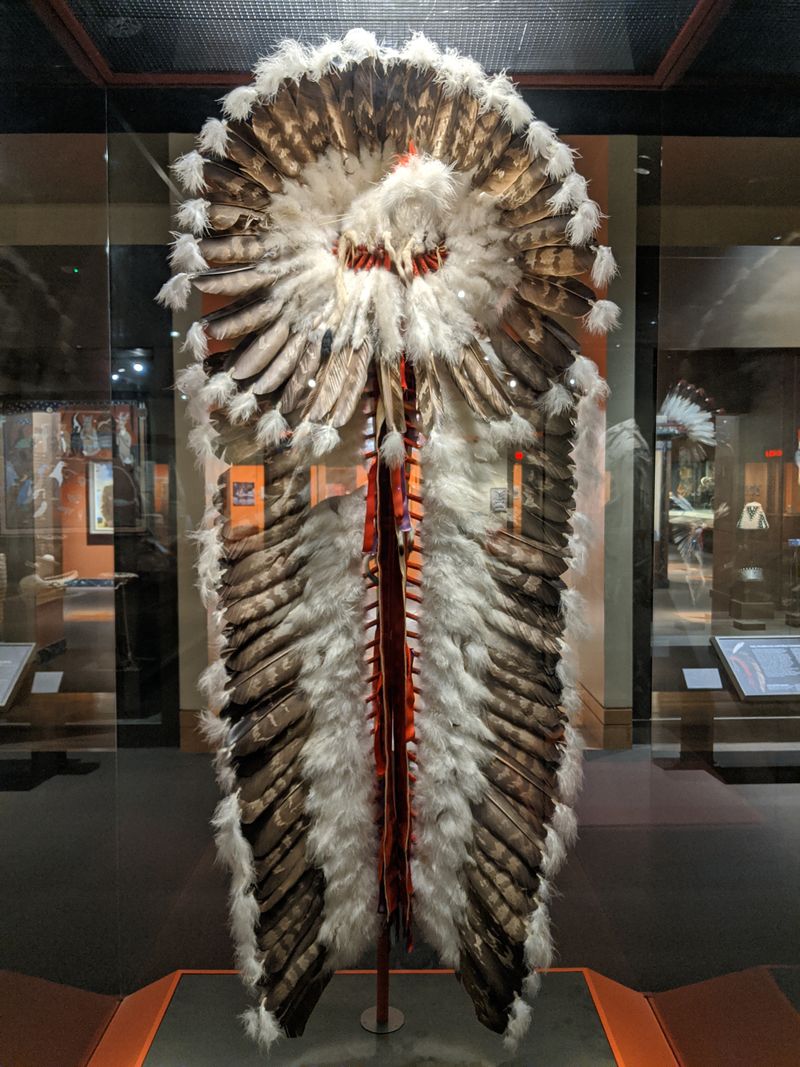
While its name emphasizes cowboy heritage, the National Cowboy and Western Heritage Museum at 1700 Northeast 63rd Street, Oklahoma City, OK 73111, houses one of the finest collections of Native American art and artifacts in the nation.
The museum’s Native American galleries showcase both historical pieces and contemporary works, demonstrating the continuity and evolution of Indigenous artistic traditions.
You’ll encounter stunning examples of Plains beadwork, intricate quillwork, ceremonial regalia, and pottery representing dozens of different tribal traditions and artistic styles.
One gallery focuses specifically on the art of the American West, featuring paintings and sculptures by both Native and non-Native artists that depict Indigenous life, landscapes, and historical events.
The collection includes works by renowned Native American artists like Allan Houser, whose powerful sculptures have influenced generations of Indigenous artists.
Historical artifacts in the collection range from pre-contact stone tools and ancient pottery to elaborate 19th-century ceremonial clothing adorned with thousands of tiny glass beads in geometric and floral patterns.
The museum does an excellent job explaining the cultural context and significance of objects, moving beyond simply displaying beautiful items to help visitors understand their meaning within Native communities.
You’ll learn about the symbolism in different beadwork patterns, the spiritual significance of certain colors and materials, and how artistic traditions adapted as Native peoples encountered new materials and circumstances.
Temporary exhibitions regularly feature contemporary Native American artists, showing that Indigenous artistic traditions remain vibrant and innovative today.
The museum’s education programs include workshops where visitors can try traditional crafts like beading or learn about the stories and meanings behind specific artistic traditions.
The gift shop carries authentic Native American-made jewelry, pottery, and artwork, providing opportunities to support contemporary Indigenous artists directly.
Spending time in these galleries challenges stereotypes and reveals the incredible diversity, sophistication, and ongoing vitality of Native American artistic expression across different tribes, time periods, and individual creative visions.
Walk the Trails at the Washita Battlefield National Historic Site
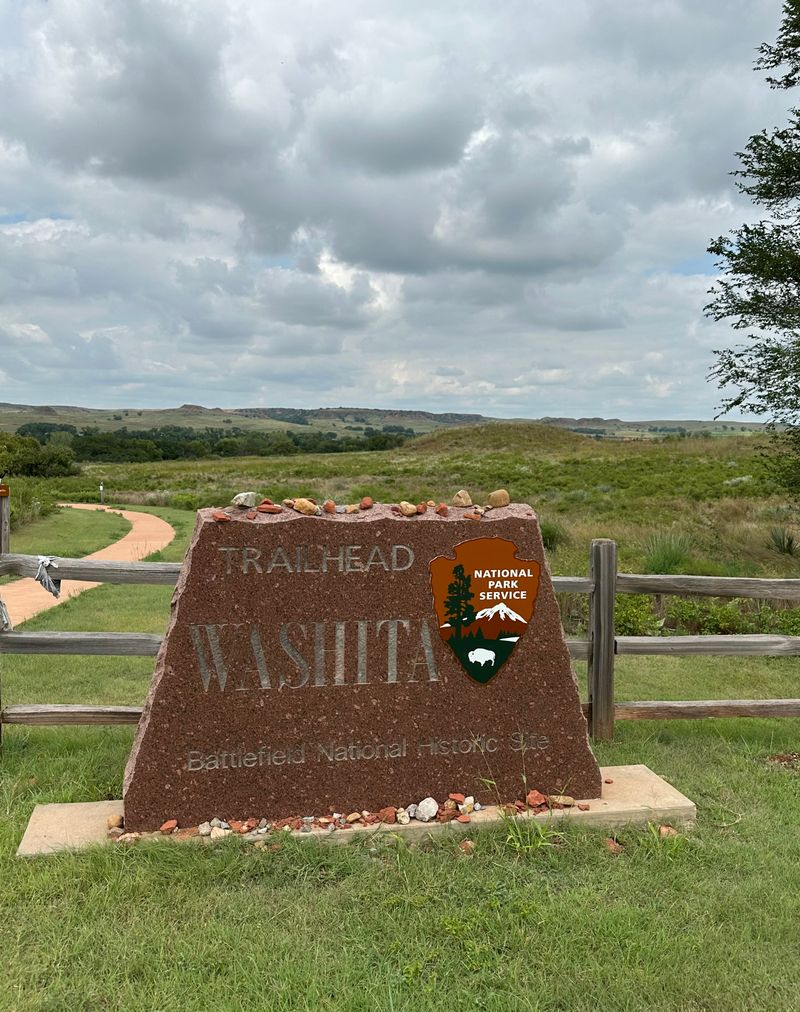
Some historical sites celebrate victories, while others serve as places of remembrance and reflection about painful chapters we must never forget.
The Washita Battlefield National Historic Site, located at 18555 Highway 47A, Cheyenne, OK 73628, preserves the location where Lieutenant Colonel George Armstrong Custer led the 7th Cavalry in a dawn attack on a peaceful Cheyenne village on November 27, 1868.
This tragic event resulted in the deaths of Chief Black Kettle, who had long advocated for peace, along with many other Cheyenne men, women, and children.
The site’s visitor center presents multiple perspectives on this event, including Cheyenne oral histories and military accounts, helping visitors understand the complex and often brutal history of U.S.-Native American relations.
Interactive exhibits explain the events leading up to the attack, the broader context of the Indian Wars on the Southern Plains, and the devastating impact on the Cheyenne and Arapaho peoples.
A walking trail leads through the landscape where the village once stood, with interpretive markers explaining what happened at specific locations during the attack.
Standing on this ground, you gain a deeper understanding of the human cost of westward expansion and the violence that Native peoples endured.
The site doesn’t glorify either side but instead encourages thoughtful reflection on this difficult history and its lasting effects on Native communities.
Park rangers lead guided programs that explore themes of memory, survival, and the importance of preserving and learning from painful historical events.
The memorial overlook provides a peaceful space for contemplation, with views across the prairie landscape that looks much as it did in 1868.
Many Native American visitors come here to honor their ancestors and connect with this important site of cultural memory.
Visiting Washita Battlefield reminds us that understanding Native American history in Oklahoma requires facing uncomfortable truths about violence, broken treaties, and the resilience required for Indigenous peoples to survive and maintain their cultures despite tremendous adversity and loss.
Discover the Five Civilized Tribes Museum in Muskogee
The term Five Civilized Tribes refers to the Cherokee, Chickasaw, Choctaw, Creek (Muscogee), and Seminole nations, who were forcibly relocated to Indian Territory during the 1830s and 1840s.
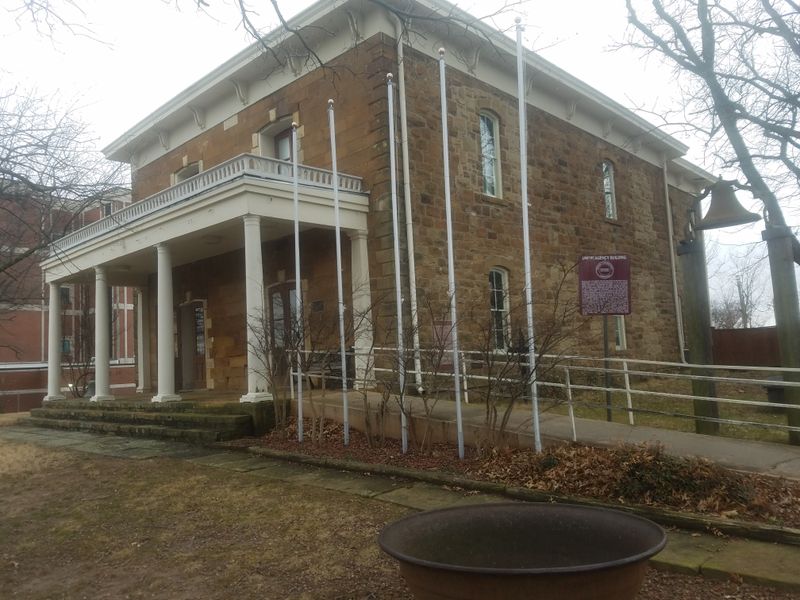
The Five Civilized Tribes Museum, located at 1101 Honor Heights Drive, Muskogee, OK 74401, occupies the historic Union Indian Agency building, which served as the headquarters for federal relations with these tribes from 1875 to 1952.
The building itself is a beautiful example of Italianate architecture and is listed on the National Register of Historic Places, adding historical significance to your visit.
Inside, you’ll find extensive exhibits covering the history, culture, and artistic traditions of all five tribes, with separate galleries dedicated to each nation’s unique heritage.
The museum houses impressive collections of traditional clothing, basketry, pottery, and beadwork, alongside contemporary art by tribal members that demonstrates the ongoing creativity within these communities.
Historical photographs and documents tell stories of removal, rebuilding, and resilience as these nations established new governments, schools, and communities in unfamiliar territory.
One particularly moving section explores the tribes’ experiences during the Civil War, when Indian Territory became a battleground and tribal members fought on both sides of the conflict.
The museum also addresses the painful history of the Dawes Rolls and allotment period, when tribal lands were divided and much territory was lost to non-Native settlement.
Despite these challenges, the five tribes maintained their governments, languages, and cultural practices, eventually achieving the political and economic strength they demonstrate today.
The museum’s art gallery features rotating exhibitions of work by contemporary Native artists, showcasing painting, sculpture, jewelry, and mixed media pieces.
Educational programs include lectures, cultural demonstrations, and special events that bring tribal history and culture to life for visitors of all ages.
The museum shop offers books about tribal history, authentic Native-made crafts, and artwork, with proceeds supporting the museum’s mission of preservation and education about these five important Oklahoma tribes.
Dear Reader: This page may contain affiliate links which may earn a commission if you click through and make a purchase. Our independent journalism is not influenced by any advertiser or commercial initiative unless it is clearly marked as sponsored content. As travel products change, please be sure to reconfirm all details and stay up to date with current events to ensure a safe and successful trip.
