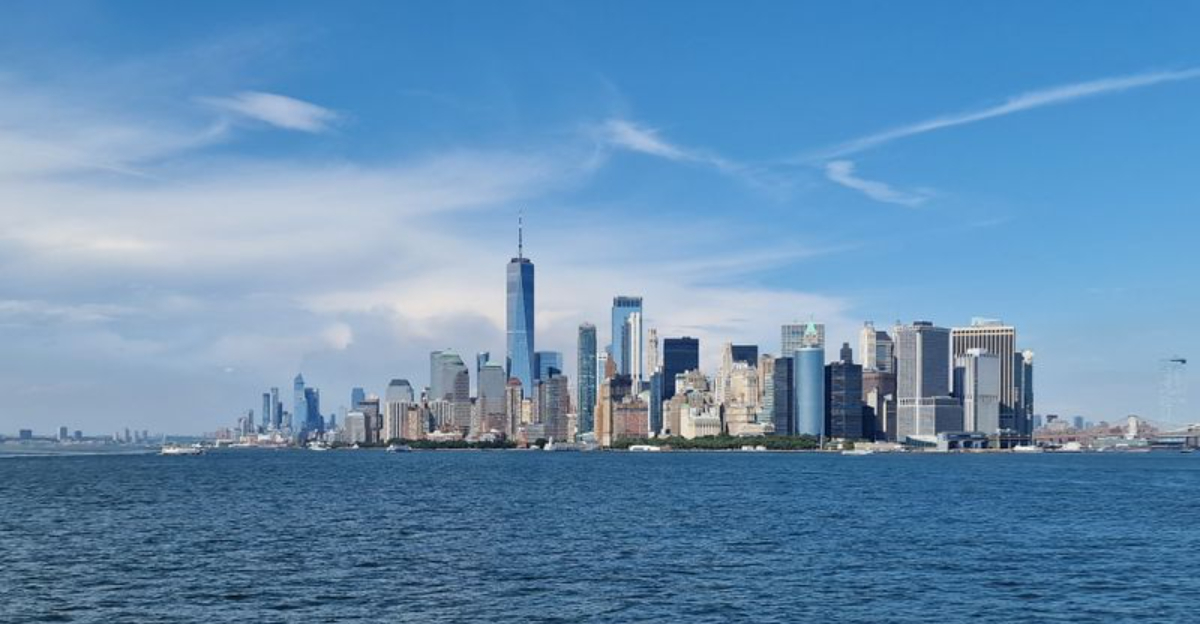
New York City is famous for Manhattan’s bright lights and towering skyscrapers, but the real magic of this incredible metropolis lives beyond that one famous borough.
The other four boroughs; Brooklyn, Queens, the Bronx, and Staten Island; each offer their own unique character, hidden gems, and unforgettable experiences that many visitors never get to see.
From stunning waterfront parks to world-class museums, authentic ethnic neighborhoods to historic landmarks, these areas showcase the true diversity and spirit of New York.
Exploring beyond Manhattan gives you a chance to see where real New Yorkers live, eat, and play, revealing a side of the city that’s just as exciting but far less crowded.
Whether you’re craving authentic international cuisine, looking for peaceful green spaces, or wanting to discover fascinating history, the outer boroughs deliver experiences you simply can’t find in Manhattan.
These neighborhoods offer better value, more space to breathe, and a genuine connection to the city’s rich cultural tapestry.
Getting ready to venture beyond the familiar tourist paths will reward you with memories and stories that most visitors miss entirely.
Brooklyn Bridge Park
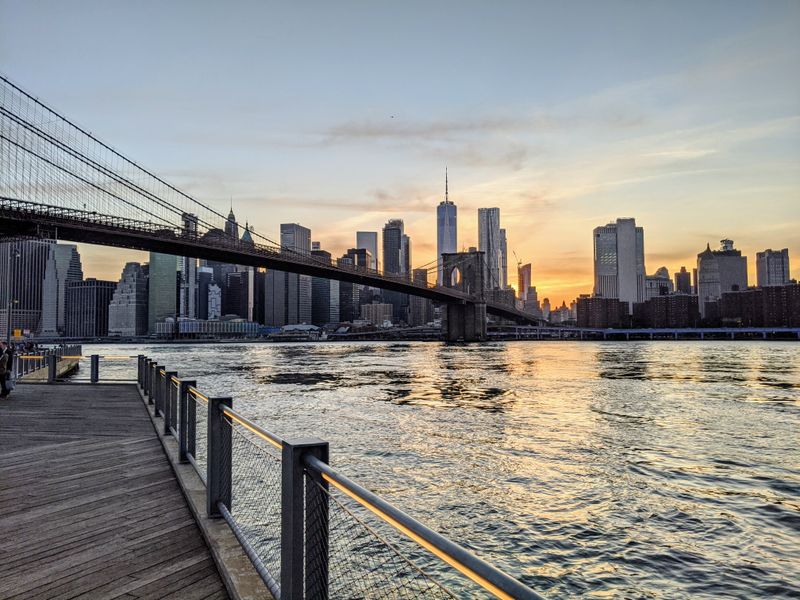
Brooklyn Bridge Park stretches along 1.3 miles of Brooklyn’s East River shoreline, offering some of the most breathtaking views of Manhattan’s skyline you’ll find anywhere in New York City.
This 85-acre park transforms old industrial waterfront property into a modern urban oasis where families picnic on grassy lawns, kids splash in water features, and couples stroll hand-in-hand along scenic promenades.
The park sits right beneath the iconic Brooklyn Bridge, giving you incredible photo opportunities from angles tourists in Manhattan never see.
Six different piers make up the park, each with its own personality and attractions.
Pier 1 features rolling hills perfect for lounging, while Pier 2 offers basketball courts, handball courts, and roller skating rinks where local teens show off their skills.
Pier 5 includes sports fields and a playground, and Pier 6 boasts the park’s most popular playground with water features that kids absolutely love during summer months.
Jane’s Carousel, a beautifully restored 1922 merry-go-round housed in a stunning glass pavilion designed by Jean Nouvel, sits in the park and operates year-round.
The park also hosts outdoor movies during summer, kayaking programs, and countless festivals that draw diverse crowds from across the city.
You can reach Brooklyn Bridge Park easily via the A or C train to High Street-Brooklyn Bridge station, or by walking across the Brooklyn Bridge itself for an unforgettable approach.
Food vendors and nearby DUMBO restaurants provide plenty of dining options, from quick snacks to sit-down meals with waterfront views.
The park remains free to visit and open year-round, making it accessible to everyone regardless of budget.
Whether you’re watching the sunset paint the Manhattan skyline golden or enjoying a peaceful morning jog, Brooklyn Bridge Park shows you a New York that feels both relaxed and spectacular.
Flushing’s Chinatown in Queens

Flushing’s Chinatown has grown into one of the largest and most authentic Asian communities in the entire United States, surpassing Manhattan’s Chinatown in both size and genuine cultural atmosphere.
Located in Queens, this vibrant neighborhood pulses with energy as residents conduct daily life in Mandarin, Korean, and other Asian languages while visitors discover incredible food and shopping experiences.
Main Street and Roosevelt Avenue form the heart of this district, where nearly every storefront features colorful signs in Chinese characters advertising everything from herbal medicine shops to bakeries selling fresh bao.
The food scene here is absolutely extraordinary and represents the real reason food lovers make pilgrimages to Flushing.
You’ll find hand-pulled noodles made fresh before your eyes, soup dumplings (xiaolongbao) that rival anything in Shanghai, Korean barbecue restaurants with tabletop grills, and Malaysian spots serving spicy laksa.
New World Mall’s basement food court alone contains dozens of stalls offering regional Chinese specialties you’d struggle to find elsewhere in America.
Prices remain remarkably affordable compared to Manhattan, with filling meals often costing under ten dollars.
Beyond restaurants, Flushing offers Asian supermarkets packed with ingredients you won’t recognize, karaoke bars, bubble tea shops on every corner, and bakeries displaying beautiful pastries and cakes.
The neighborhood feels genuinely lived-in rather than touristy, giving you an authentic glimpse into how immigrant communities shape New York’s character.
Take the 7 train to Flushing-Main Street station, and you’ll emerge directly into this bustling area.
Walking through Flushing reminds you that New York’s greatest strength lies in its incredible diversity.
This isn’t a preserved historical district or manufactured attraction; it’s a thriving community where culture, commerce, and daily life blend seamlessly.
Spending an afternoon here eating, shopping, and people-watching provides cultural education and culinary adventure simultaneously.
The Bronx Zoo
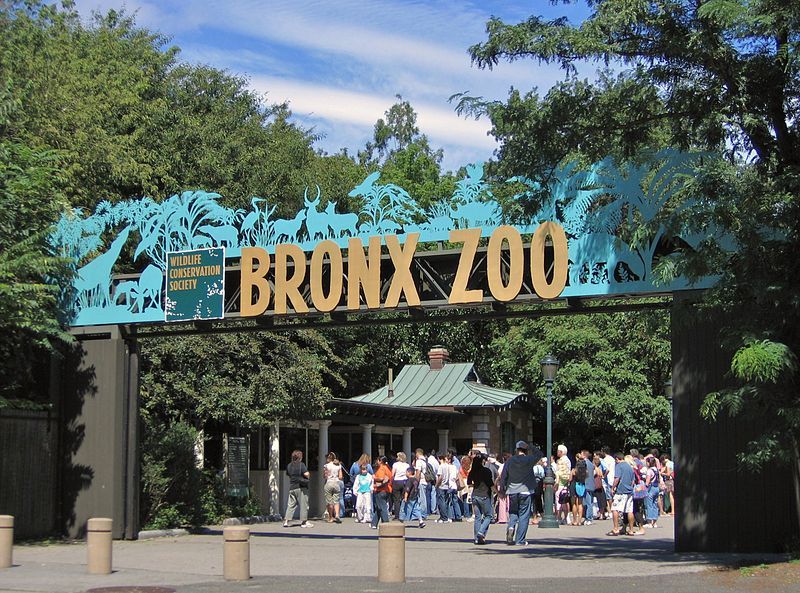
The Bronx Zoo stands as the largest metropolitan zoo in the United States, covering 265 acres of parkland and housing more than 6,000 animals representing over 700 species from around the world.
Opened in 1899, this incredible institution pioneered the concept of naturalistic habitats rather than cages, allowing animals to live in environments that closely resemble their native homes.
Visiting here feels less like touring a traditional zoo and more like taking a safari through different continents without leaving New York City.
The Congo Gorilla Forest immerses you in a misty African rainforest where you can observe gorillas, okapis, and other Central African species in a remarkably realistic setting.
The Wild Asia Monorail takes you on a 25-minute journey through forests and meadows where elephants, rhinos, and tigers roam across 38 acres.
The Himalayan Highlands exhibit showcases red pandas and snow leopards in rocky mountain terrain, while the African Plains let you see lions, zebras, and gazelles together as they would exist in the wild.
The zoo offers special experiences like camel rides, a 4-D theater, a butterfly garden, and the Nature Trek ropes course for adventurous visitors.
During winter months, the Holiday Lights spectacular transforms the zoo into a magical wonderland with millions of twinkling lights and animated displays.
You can reach the Bronx Zoo via the 2 or 5 train to East Tremont Avenue-West Farms Square, followed by a short walk.
Admission fees help support the Wildlife Conservation Society’s global conservation efforts, meaning your visit contributes to protecting endangered species worldwide.
The zoo is located at 2300 Southern Boulevard in the Bronx.
Plan to spend at least half a day here; the grounds are extensive, and there’s simply too much to see in just an hour or two.
This destination proves the Bronx offers world-class attractions that educate, inspire, and entertain visitors of all ages.
Staten Island Ferry and St. George

The Staten Island Ferry provides one of New York City’s greatest free experiences, carrying passengers across New York Harbor between Manhattan’s Whitehall Terminal and Staten Island’s St. George Terminal.
This 25-minute journey offers spectacular views of the Statue of Liberty, Ellis Island, the Manhattan skyline, and the harbor itself without costing you a single penny.
Commuters use this ferry daily for work, but tourists quickly discovered that it delivers better Statue of Liberty views than many expensive tour boats.
Ferries run 24 hours a day, seven days a week, departing every 15 to 20 minutes during rush hours and every 30 minutes during other times.
The orange-and-blue vessels can carry up to 4,400 passengers each, with both indoor seating and outdoor decks where you can feel the harbor breeze.
Photographers love the ferry because it provides constantly changing angles of iconic landmarks, especially beautiful during sunset when golden light bathes the skyline.
Once you arrive at St. George Terminal on Staten Island, don’t immediately return to Manhattan; explore this often-overlooked borough a bit.
The Staten Island September 11 Memorial, called Postcards, sits just steps from the ferry terminal and honors the 274 Staten Island residents who died in the attacks.
The nearby Empire Outlets shopping center offers retail therapy with harbor views, while the St. George Theatre, a beautifully restored 1920s venue, hosts concerts and shows.
The National Lighthouse Museum and Snug Harbor Cultural Center and Botanical Garden are also worth visiting if you have more time.
Richmond County Bank Ballpark, home to the Staten Island FerryHawks minor league baseball team, sits right by the water at 75 Richmond Terrace.
Grabbing a hot dog and watching a game here costs a fraction of seeing the Yankees or Mets.
The ferry ride itself, combined with even a short exploration of St. George, shows you a completely different side of New York that most tourists never experience.
Prospect Park in Brooklyn
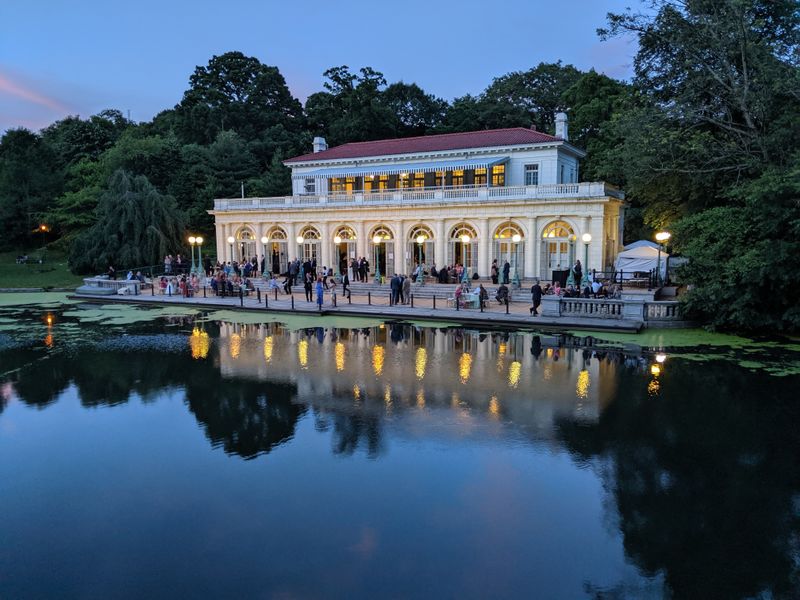
Prospect Park covers 526 acres in the heart of Brooklyn and was designed by Frederick Law Olmsted and Calvert Vaux, the same landscape architects who created Central Park.
Many New Yorkers actually consider Prospect Park superior to its more famous Manhattan cousin because it feels more natural, less crowded, and better preserved according to the designers’ original vision.
The park serves as Brooklyn’s backyard, where residents come to jog, bike, play sports, attend concerts, and escape the urban hustle without leaving their borough.
The Long Meadow stretches for 90 acres of uninterrupted green space, making it the longest meadow in any American park.
Families spread blankets here for picnics, kids fly kites, and friends gather for frisbee games in an atmosphere that feels remarkably peaceful despite being surrounded by a city of millions.
The park also contains a 60-acre forest, a beautiful lake where you can rent pedal boats, and winding paths perfect for leisurely walks or serious runs.
Prospect Park Zoo offers a smaller, more intimate animal experience than the Bronx Zoo, perfect for younger children.
The Audubon Center at the Boathouse provides nature education programs and sits in a historic 1905 building.
LeFrak Center at Lakeside operates as an ice skating rink in winter and roller skating venue in summer, with a splash pad for hot days.
The Prospect Park Bandshell hosts free concerts throughout summer, featuring everything from classical music to contemporary bands.
You can access Prospect Park from multiple subway stations including Grand Army Plaza (2, 3 trains), Prospect Park (B, Q, S trains), and Parkside Avenue (Q train).
The park’s location in central Brooklyn makes it easy to combine with visits to nearby attractions like the Brooklyn Museum, Brooklyn Botanic Garden, or the diverse neighborhoods of Park Slope and Prospect Heights.
Whether you’re seeking active recreation or quiet contemplation, Prospect Park delivers an essential Brooklyn experience that shows why locals love their borough so fiercely.
Arthur Avenue in the Bronx
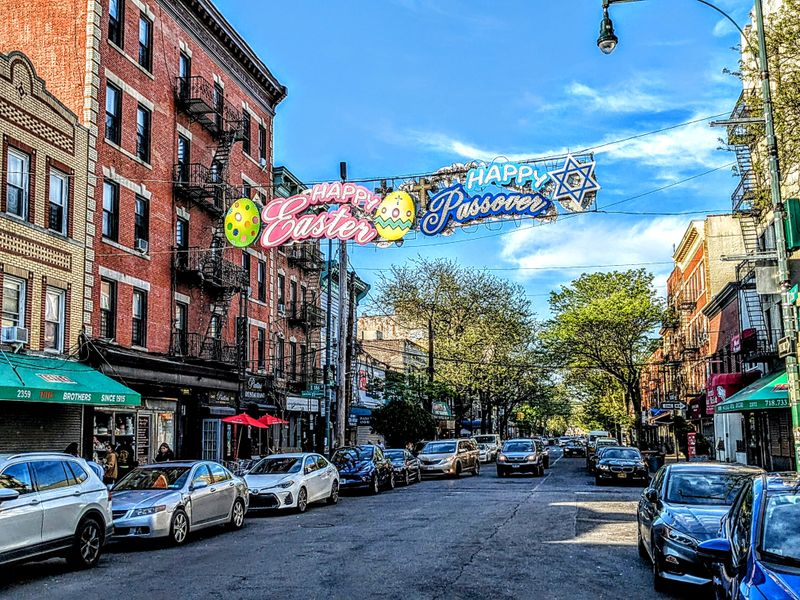
Arthur Avenue represents the Bronx’s Little Italy and maintains a level of Italian-American authenticity that Manhattan’s tourist-packed Little Italy lost decades ago.
This neighborhood, centered around Arthur Avenue and East 187th Street, still operates as a genuine Italian community where third and fourth-generation families run the same bakeries, butcher shops, and restaurants their grandparents established.
Walking these streets transports you to an earlier era of New York when ethnic neighborhoods thrived as tight-knit communities centered around food, family, and tradition.
The Arthur Avenue Retail Market, housed in a municipal building since 1940, contains vendors selling fresh pasta, imported cheeses, cured meats, fresh bread, seafood, and prepared Italian specialties.
The market buzzes with energy as shoppers converse in Italian, vendors slice prosciutto paper-thin, and the aromas of garlic, basil, and fresh-baked bread fill the air.
This isn’t a recreated historical attraction; it’s a functioning marketplace where Bronx residents do their weekly shopping.
Surrounding streets feature legendary establishments like Mike’s Deli, famous for sandwiches piled impossibly high with Italian meats and cheeses.
Madonia Brothers Bakery has been baking bread since 1918, and their loaves still emerge from brick ovens multiple times daily.
Teitel Brothers, established in 1915, sells imported Italian goods from floor to ceiling.
Restaurants like Zero Otto Nove and Roberto’s serve exceptional Italian cuisine in unpretentious settings where the focus remains squarely on food quality rather than trendy decor
Take the B, D, or 4 train to Fordham Road, then walk east to reach Arthur Avenue.
Visiting on a weekend morning lets you experience the neighborhood at its most vibrant, when families shop for Sunday dinner ingredients.
Arthur Avenue proves that the Bronx offers cultural treasures and culinary excellence that rival anything in Manhattan, if you know where to look.
Rockaway Beach in Queens
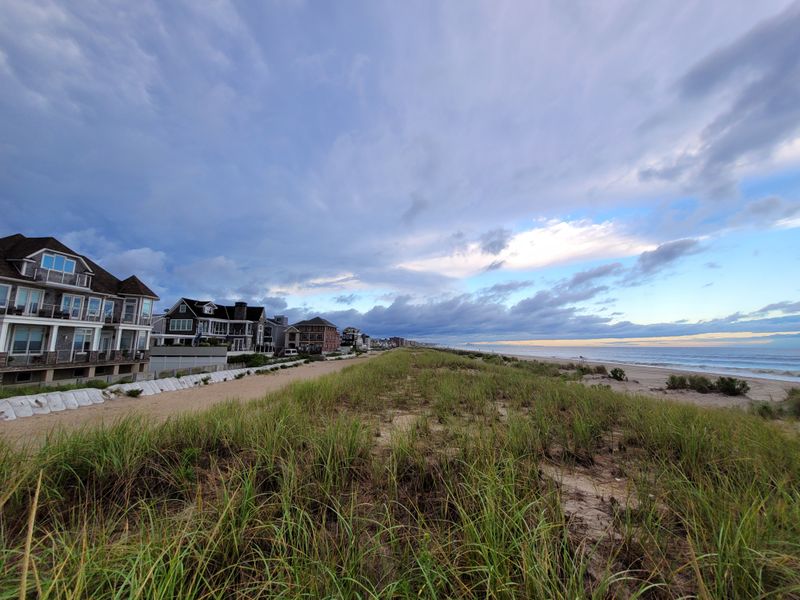
Rockaway Beach stretches for miles along Queens’ Atlantic Ocean coastline, offering New York City’s most extensive and accessible beach experience without leaving the five boroughs.
This beach community has experienced a remarkable renaissance in recent years, evolving from a somewhat forgotten corner of the city into a hip destination where surfers, families, and young professionals gather to enjoy sun, sand, and waves.
The Rockaway Beach and Boardwalk, rebuilt after Hurricane Sandy, now pulses with energy during summer months as diverse crowds come to swim, surf, and soak up the beach atmosphere.
Unlike the crowded shores of Coney Island, Rockaway Beach offers enough space that you can usually find a spot to spread your towel without sitting on top of strangers.
The beach culture here feels distinctly laid-back, with a strong surfing community that hits the waves year-round.
Several surf shops along the boardwalk rent boards and wetsuits, and surf schools offer lessons for beginners wanting to catch their first wave.
The boardwalk features food vendors, restaurants, and bars that come alive during summer.
Rippers serves excellent burgers right on the boardwalk, while Rockaway Beach Surf Club offers a full bar with beach views and regular live music.
The neighborhood’s main commercial strip along Beach 116th Street includes cafes, restaurants, and shops catering to both locals and visitors.
Tacos and frozen drinks flow freely as sunset approaches, creating a beach-town vibe that feels worlds away from Manhattan’s intensity.
You can reach Rockaway Beach via the A train to several stops including Beach 90th Street, Beach 98th Street, or Rockaway Park-Beach 116th Street.
The subway ride takes about an hour from Midtown Manhattan but delivers you directly to the beach.
Bring sunscreen, a towel, and cash for food vendors.
Rockaway Beach shows you a side of New York where the city meets the ocean, offering a refreshing escape that reminds you this metropolis contains surprising variety and unexpected pleasures.
Dear Reader: This page may contain affiliate links which may earn a commission if you click through and make a purchase. Our independent journalism is not influenced by any advertiser or commercial initiative unless it is clearly marked as sponsored content. As travel products change, please be sure to reconfirm all details and stay up to date with current events to ensure a safe and successful trip.
