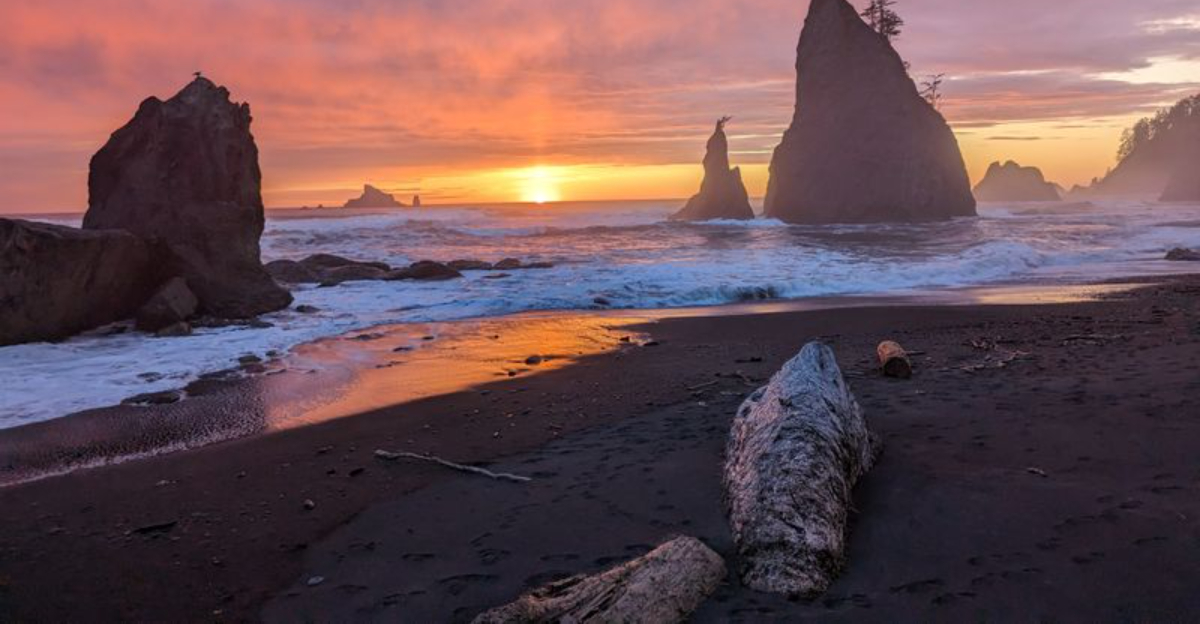
Washington State offers some of the most stunning coastline in the Pacific Northwest, where rugged cliffs meet sandy shores and forest trails wind along the ocean’s edge.
While popular beaches like Cannon Beach and La Push draw large crowds, the state hides numerous peaceful spots perfect for those seeking solitude and natural beauty.
Finding quiet beaches and coastal trails means discovering places where you can listen to waves crash without competing for space, explore tide pools at your own pace, and breathe in salty air surrounded only by nature.
Whether you’re looking for a meditative walk along the shore, a challenging hike with ocean views, or simply a peaceful place to watch the sunset, Washington’s hidden coastal gems offer unforgettable experiences away from the tourist rush.
These seven destinations provide the perfect escape for anyone craving the calming rhythm of the sea combined with the tranquility of uncrowded trails.
From the northern border down to the Columbia River, each location offers its own unique character and charm.
Pack your hiking boots, grab your camera, and get ready to explore some of Washington’s best-kept coastal secrets.
Point of Arches at Shi Shi Beach
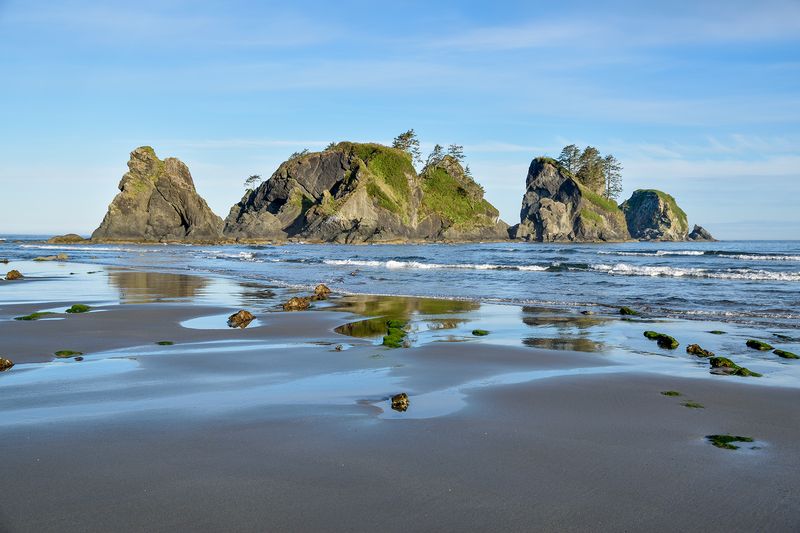
Tucked away in the northwest corner of Olympic National Park, this remote destination rewards adventurous souls with one of the most spectacular coastal landscapes in the entire state.
Getting there requires commitment, which naturally keeps the crowds thin even during peak summer months.
The trailhead sits near Neah Bay on the Makah Indian Reservation, and you’ll need to purchase a recreation pass from the Makah Nation before starting your journey.
The hike stretches roughly two miles through dense coastal forest before emerging onto a pristine beach that seems plucked from a fantasy novel.
Towering sea stacks rise from the sand like ancient sentinels, their surfaces covered in bright orange and purple starfish during low tide.
The famous Point of Arches formation creates natural tunnels and caves that beg to be explored when the ocean retreats.
Plan your visit around low tide to access the best tide pooling opportunities and walk beneath the dramatic arches safely.
Bring sturdy waterproof boots since the trail can get muddy, especially during Washington’s rainy seasons.
Many visitors choose to camp overnight at designated sites along the beach, waking to sunrise painting the sea stacks in golden light.
Wildlife sightings are common here, with bald eagles soaring overhead and harbor seals bobbing in the surf.
The relative isolation means you might have entire stretches of beach to yourself, even on summer weekends.
Just remember to check tide tables carefully and give yourself plenty of time to return before high tide blocks access points.
This spot perfectly combines challenging adventure with serene natural beauty, making every step of the muddy trail worthwhile once you round that final corner and see the Pacific stretching endlessly before you.
Kalaloch Beach 4
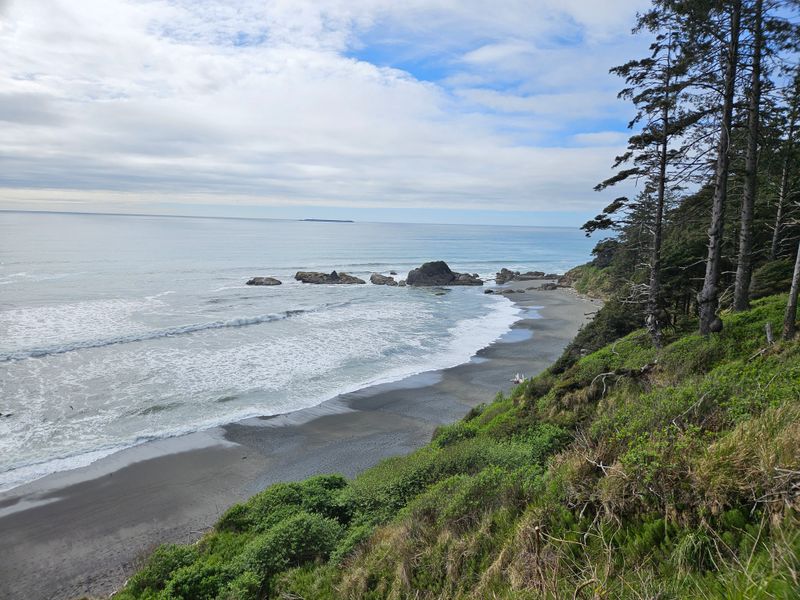
While Kalaloch’s more famous beaches attract their share of visitors, Beach 4 remains surprisingly peaceful throughout most of the year.
Located along Highway 101 within Olympic National Park, this gem offers easy access without sacrificing the sense of wild remoteness that makes Washington’s coast so special.
A short trail descends through coastal forest, delivering you to a wide sandy beach perfect for long contemplative walks.
What sets this location apart is its unique collection of sea stacks that create natural sculptures against the horizon.
During low tide, these rocky formations become islands you can walk around, discovering hidden tide pools teeming with anemones, crabs, and tiny fish.
The beach stretches far enough in both directions that even when other visitors are present, everyone finds their own private space.
Driftwood logs scattered across the upper beach provide perfect perches for picnics or simply sitting and watching the waves roll in.
The sound of surf creates a natural meditation soundtrack, drowning out any worries you brought with you.
Sunset transforms this beach into something magical, with the offshore rocks silhouetted against orange and pink skies.
Unlike some remote coastal trails, the path to Beach 4 is well-maintained and suitable for most fitness levels.
Families with older children will find this an achievable adventure that still feels like discovering something special.
The nearby Kalaloch Lodge offers convenient lodging if you want to extend your coastal escape, though the beach itself never requires reservations.
Remember to respect the tide pools by observing without touching, and always check weather forecasts since coastal conditions can change rapidly.
This beach proves that accessibility and tranquility can coexist beautifully.
Cape Disappointment Coastal Trail
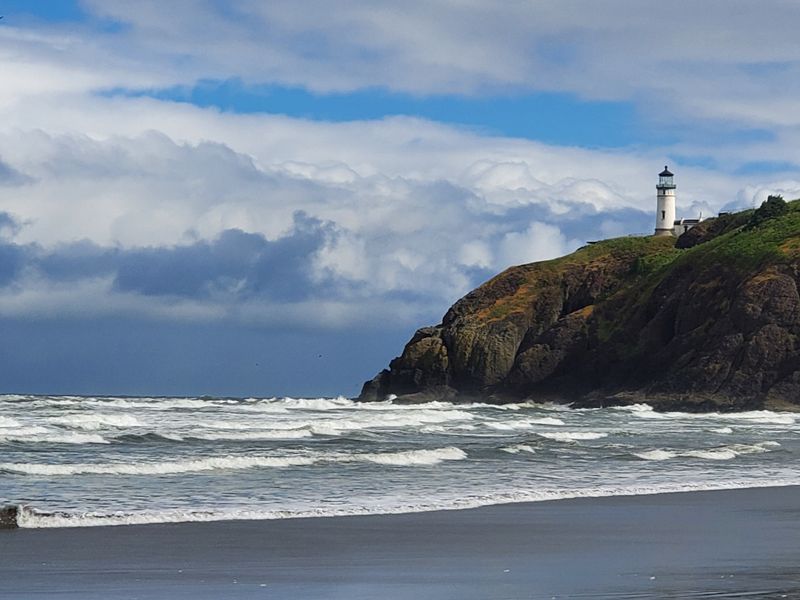
Don’t let the name fool you—there’s nothing disappointing about this spectacular trail system at the southwestern tip of Washington where the Columbia River meets the Pacific Ocean.
Cape Disappointment State Park offers over eight miles of interconnected trails that weave through old-growth forest and emerge at dramatic clifftop viewpoints.
The coastal trail specifically delivers stunning ocean vistas without the crowds found at more publicized destinations.
Starting near the North Head Lighthouse, the trail hugs the coastline, offering glimpses of crashing waves through the trees before opening to expansive views.
You’ll pass through ecosystems ranging from dense Sitka spruce forest to windswept coastal bluffs covered in wildflowers during spring and summer.
Historic military fortifications dot the landscape, adding an unexpected historical dimension to your nature walk.
Birdwatchers particularly love this area, as the convergence of river and ocean creates rich feeding grounds that attract diverse species year-round.
Gray whales can often be spotted during their migration periods, and the powerful Columbia River bar; known as the Graveyard of the Pacific; creates dramatic wave action visible from safe viewing points.
Two lighthouses within the park provide photogenic landmarks and fascinating maritime history.
The trail system offers options for both short walks and longer hikes, making it adaptable to your energy level and available time.
Well-maintained paths with gentle grades make this accessible to hikers of varying abilities, though sturdy shoes are always recommended.
Interpretive signs along the way enhance your understanding of the area’s natural and human history.
Visit during weekdays or off-season months for the quietest experience, though even summer weekends rarely feel overcrowded given the trail system’s length and multiple access points.
Rialto Beach North Trail
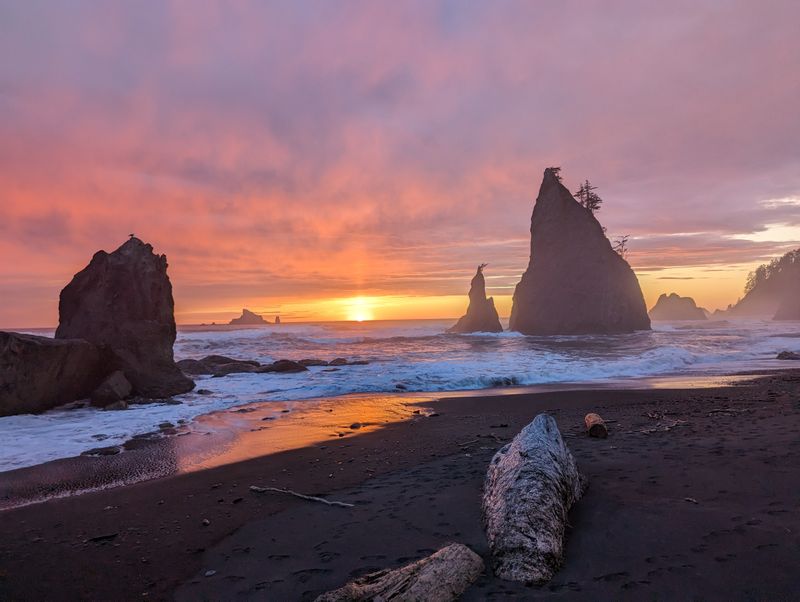
Most visitors to Rialto Beach stay near the parking area, snapping photos of the iconic Hole-in-the-Wall formation before heading back to their cars.
Smart hikers know that heading north along the beach leads to increasingly wild and isolated coastline where solitude becomes the norm rather than the exception.
The trail; really just the beach itself; stretches for miles, limited only by your ambition and the tide schedule.
Giant driftwood logs, some as thick as small cars, create a dramatic upper beach landscape that speaks to the Pacific’s raw power during winter storms.
Smooth round stones click and clatter with each wave, creating a distinctive sound you’ll remember long after leaving.
Sea stacks rise from the surf like ancient monuments, their bases carved into fantastic shapes by centuries of wave action.
As you walk north, the crowds thin quickly, and within a mile you’ll likely have the beach largely to yourself.
The forest presses close to the shore here, with massive Sitka spruce and western red cedars creating a green wall that amplifies the sense of wilderness.
During low tide, explore the exposed rocks and tide pools, but always keep an eye on the water and know your escape routes.
Chilean Memorial marks a somber historical note about two miles north, commemorating sailors lost in a 1920 shipwreck.
Beyond this point, the beach becomes even more remote, perfect for those seeking true solitude and willing to put in the miles.
Backpacking permits allow overnight camping along this stretch for those wanting to experience the coast’s nocturnal magic.
Bring layers regardless of the season, as coastal weather shifts quickly and wind is nearly constant.
This beach rewards those who venture beyond the obvious, offering a genuine wilderness experience surprisingly close to the parking lot.
Dungeness Spit National Wildlife Refuge
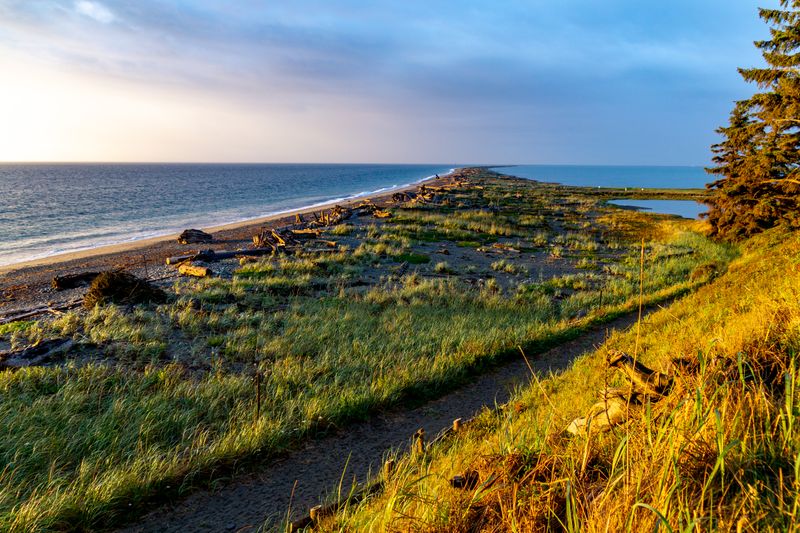
Stretching over five miles into the Strait of Juan de Fuca, Dungeness Spit ranks among the longest natural sand spits in the world.
This remarkable landform creates two distinct beach experiences; the windward side facing the strait with its waves and driftwood, and the sheltered bay side with calmer waters and abundant birdlife.
The refuge protects critical habitat for migratory birds while offering humans a unique coastal hiking adventure.
Walking the spit feels like journeying to the edge of the world, with water on both sides and the historic New Dungeness Lighthouse beckoning from the distant tip.
The five-mile one-way trek challenges your endurance while rewarding you with increasing solitude as fewer hikers make it to the far reaches.
Most visitors turn back after a mile or two, meaning the lighthouse area remains blissfully quiet for those who persevere.
Birdwatching opportunities abound year-round, with over 250 species recorded in the refuge.
Harbor seals haul out on the protected bay side, and you might spot orcas or gray whales in the strait during migration seasons.
The constantly shifting sand creates an ever-changing landscape where no two visits look exactly the same.
Plan for at least six hours if you want to reach the lighthouse and return, and bring plenty of water since no facilities exist along the way.
Soft sand makes walking more strenuous than you might expect, so pace yourself and wear comfortable shoes.
The lighthouse itself operates as a volunteer-run beacon, and visitors can tour the grounds during limited hours.
This destination offers a rare combination of accessible entry and genuine wilderness feel, where the simple act of walking becomes a meditative practice.
Sunrise and sunset both create spectacular light shows across the water and mountains beyond.
Fort Ebey State Park Bluff Trail
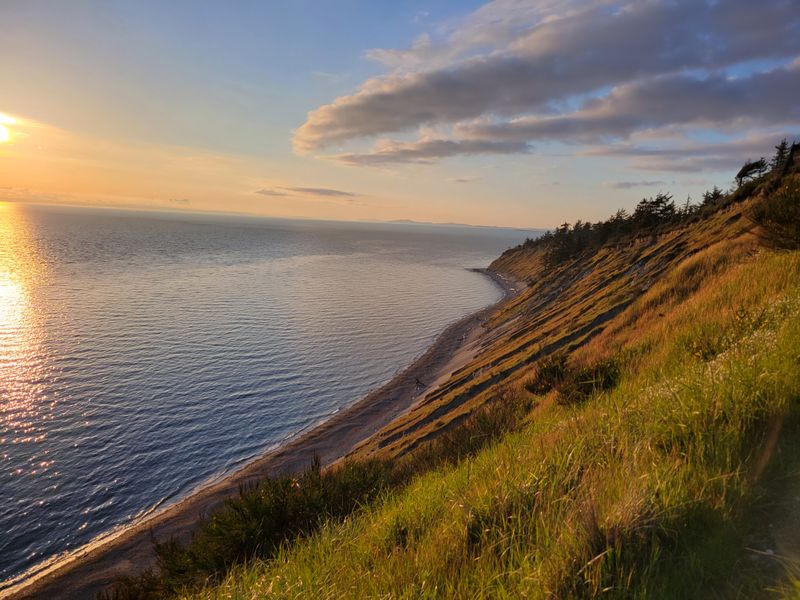
Perched on the western shore of Whidbey Island, Fort Ebey State Park offers a different kind of coastal experience; one where you walk high above the water rather than along the beach itself.
The bluff trail system winds through coastal forest and across dramatic headlands that provide sweeping views of the Strait of Juan de Fuca and Olympic Mountains.
Historic World War II gun batteries add an intriguing historical layer to your nature walk.
Unlike ocean beaches, this protected strait location often enjoys calmer weather and clearer skies, making it ideal for days when the outer coast gets hammered by storms.
The trails range from easy strolls to more challenging routes that descend to the rocky beach below, giving you options based on your mood and energy.
Wildflowers carpet the bluffs during spring, creating colorful displays against the blue water backdrop.
The park sees far less visitation than Olympic National Park’s coastal areas, meaning you can often hike for hours encountering only a handful of other trail users.
Birdlife includes bald eagles, which nest in the area, and various seabirds that fish in the strait’s productive waters.
Deer wander the forest trails, seemingly unbothered by the occasional hiker passing through their territory.
Lake Pondilla sits in the park’s interior, offering a freshwater contrast to the saltwater views and attracting different bird species.
Camping facilities allow you to extend your visit and experience the coastal environment at different times of day.
The sunset views from the bluffs rank among the finest in Puget Sound, with the Olympics silhouetted against fiery skies.
Getting to Whidbey Island requires a ferry ride or driving north through Deception Pass, but this journey adds to the sense of escape from everyday life.
The park proves that spectacular coastal scenery exists beyond just the open ocean beaches.
Leadbetter Point State Park
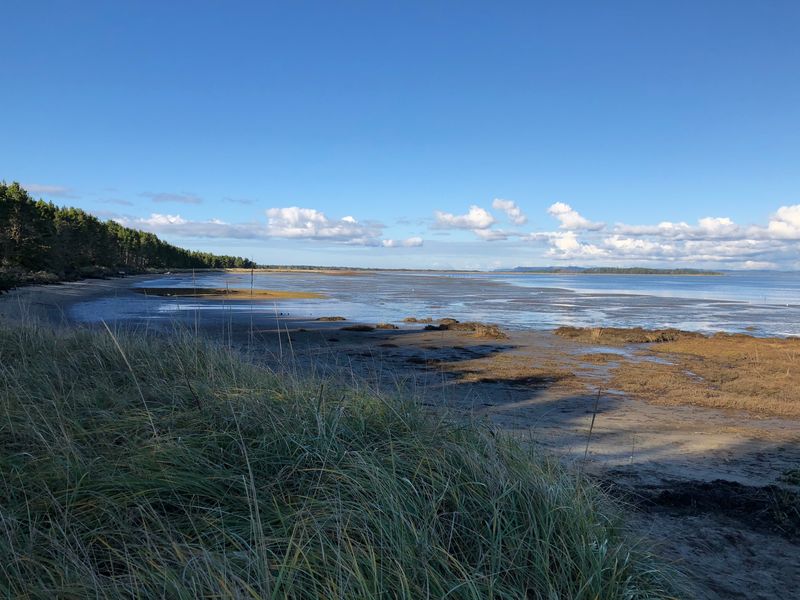
At the northern tip of Long Beach Peninsula, Leadbetter Point State Park and adjacent Willapa National Wildlife Refuge protect a pristine coastal ecosystem that few visitors ever discover.
The drive to reach this remote area takes you through small coastal towns and along a narrow peninsula, building anticipation for the wild landscape waiting at the end of the road.
Once there, you’ll find miles of undeveloped beach and dune habitat that feels worlds away from civilization.
Two distinct ecosystems meet here; the Pacific Ocean beach on the west side and the protected waters of Willapa Bay on the east.
Trails wind through coastal forest, across dunes, and along both shorelines, offering variety rarely found in a single location.
The shifting sands create an ever-changing landscape where trails sometimes disappear, adding a sense of adventure to your exploration.
Shorebirds congregate here in impressive numbers during migration seasons, making this a premier birdwatching destination.
The isolated location and protected status mean human disturbance remains minimal, allowing wildlife to thrive.
Gray whales can sometimes be spotted from the ocean beach during their spring migration, and harbor seals frequent the bay waters.
The beach itself stretches for miles in both directions from the parking area, with soft sand and gentle waves creating a peaceful atmosphere.
Driftwood accumulates in massive piles, offering windbreaks and natural seating for beach picnics.
Fog often rolls in from the ocean, creating an ethereal atmosphere that makes you feel like you’ve stepped into another world.
Bring everything you need for the day since no facilities exist at the park, and cell service is spotty at best.
This remoteness is precisely what makes Leadbetter Point special; a place where nature still rules and quiet contemplation comes naturally.
The journey to reach this hidden gem filters out casual visitors, ensuring those who make the effort find the solitude they seek.
Dear Reader: This page may contain affiliate links which may earn a commission if you click through and make a purchase. Our independent journalism is not influenced by any advertiser or commercial initiative unless it is clearly marked as sponsored content. As travel products change, please be sure to reconfirm all details and stay up to date with current events to ensure a safe and successful trip.
