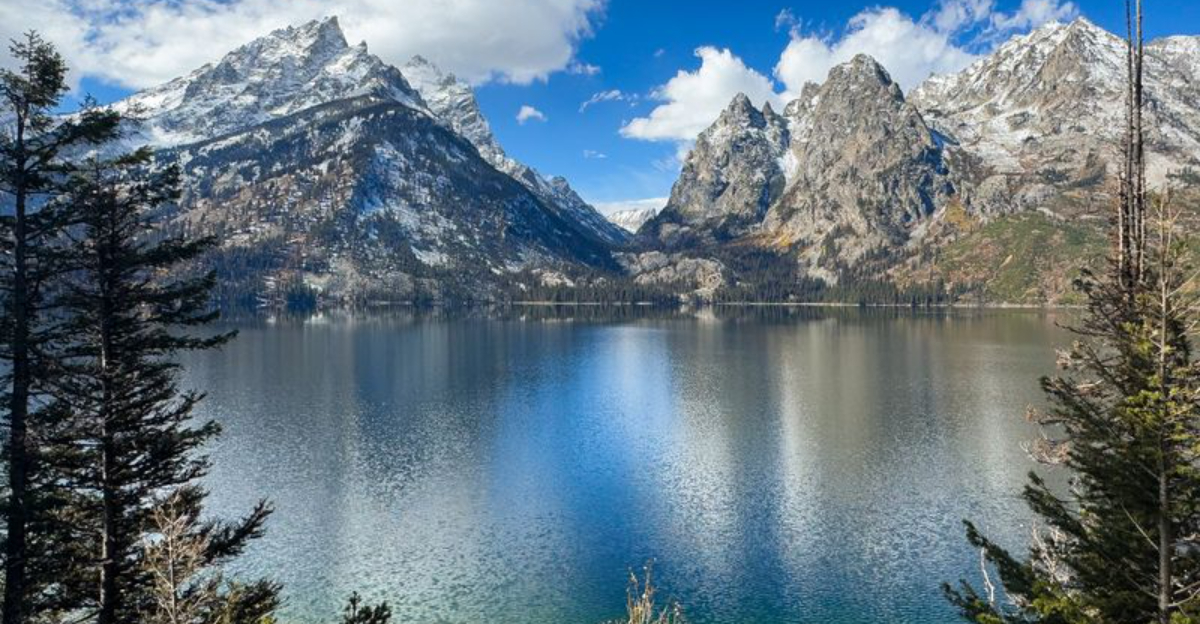
Tucked into the heart of Grand Teton National Park in Teton County, Wyoming, Jenny Lake rests at the base of some of the most dramatic mountain peaks in North America.
This glacial alpine lake, with its crystalline waters and surrounding wilderness, has drawn travelers for generations who seek both adventure and tranquility in equal measure.
Whether you arrive in summer when wildflowers blanket the meadows or in autumn when golden aspens frame the shoreline, Jenny Lake offers an experience that feels both timeless and deeply personal.
Here’s where Wyoming truly hides its most serene alpine treasure, and why this stunning destination deserves a spot on every nature lover’s travel list.
The Glacial Origins That Shaped a Masterpiece
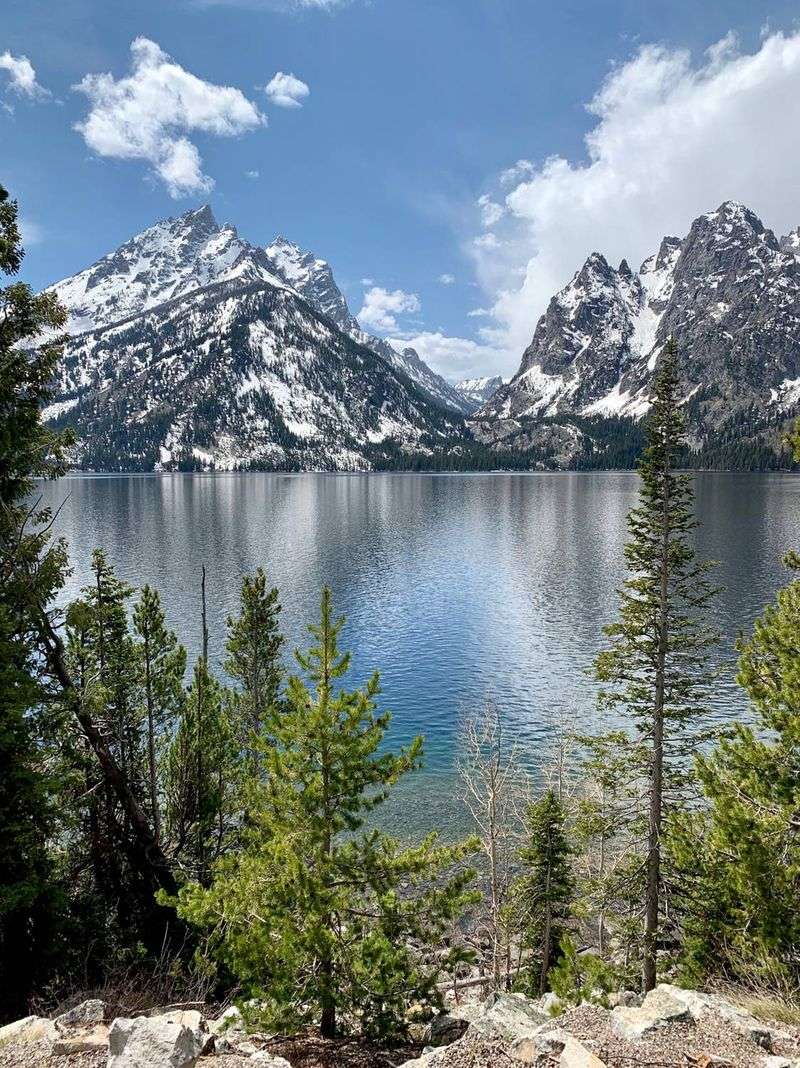
Ancient glaciers carved out Jenny Lake thousands of years ago, leaving behind a natural wonder that still captivates visitors today.
The lake sits in a basin sculpted by massive ice flows that once dominated this landscape during the last ice age.
As those glaciers retreated, they left behind this pristine body of water that now reflects the towering Teton Range like a perfect mirror.
The depth of Jenny Lake reaches nearly 260 feet in some areas, making it one of the deeper alpine lakes in the region.
Cold, clear water fed by mountain snowmelt maintains a temperature that rarely rises above the mid-50s even in peak summer.
This chilly environment supports a unique ecosystem of aquatic life perfectly adapted to alpine conditions.
The surrounding moraines and rocky shores tell the story of geological forces that shaped the entire Teton landscape.
Visitors who take time to understand this glacial history gain a deeper appreciation for the natural processes that created such beauty.
The lake’s formation connects directly to the dramatic peaks that rise abruptly from its western shore.
These mountains continue to shape the weather patterns and seasonal changes that make Jenny Lake a dynamic destination year-round.
Understanding the glacial origins adds layers of meaning to every photograph and memory captured at this remarkable location.
The geological story here spans millennia, yet feels immediate when you stand on the shore and witness the raw power of nature’s architecture.
Hiking Trails That Lead to Hidden Wonders
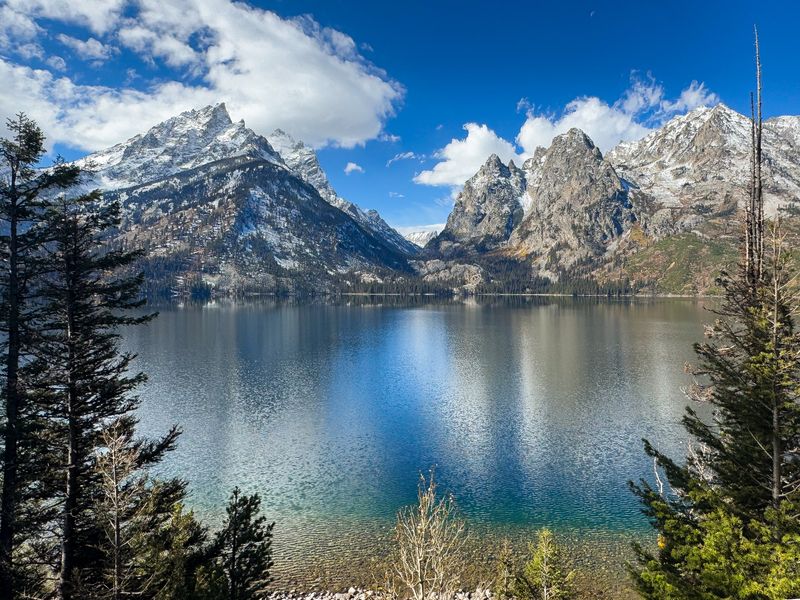
Trails radiating from Jenny Lake offer some of the most rewarding hiking experiences in the entire national park system.
The terrain varies from gentle lakeside paths perfect for families to challenging alpine routes that test even experienced hikers.
Cascade Canyon Trail begins at the west shore and winds deep into the mountains through forests of pine and spruce.
This popular route follows a glacially carved canyon with towering walls that create a sense of entering another world entirely.
Hidden Falls and Inspiration Point can be reached via a moderate hike that rewards visitors with spectacular waterfall views and panoramic vistas.
Many travelers choose to take the boat shuttle across the lake to shorten the hiking distance and save energy for the canyon exploration.
The loop trail around Jenny Lake spans approximately seven miles and provides constantly changing perspectives of the water and mountains.
Wildflowers bloom along these paths throughout summer, adding splashes of purple, yellow, and red to the green landscape.
Wildlife sightings along the trails include marmots sunning on rocks, pikas calling from talus slopes, and occasionally moose browsing in wetland areas.
Early morning hikes offer the best chance for solitude and the magical experience of watching sunrise light paint the peaks in shades of pink and gold.
Trail conditions change with seasons, so checking current information at the Jenny Lake Ranger Station helps ensure safe and enjoyable adventures.
Every path here leads to discoveries that make the effort worthwhile and create lasting memories of Wyoming’s alpine wilderness.
Boating Adventures on Crystal Waters
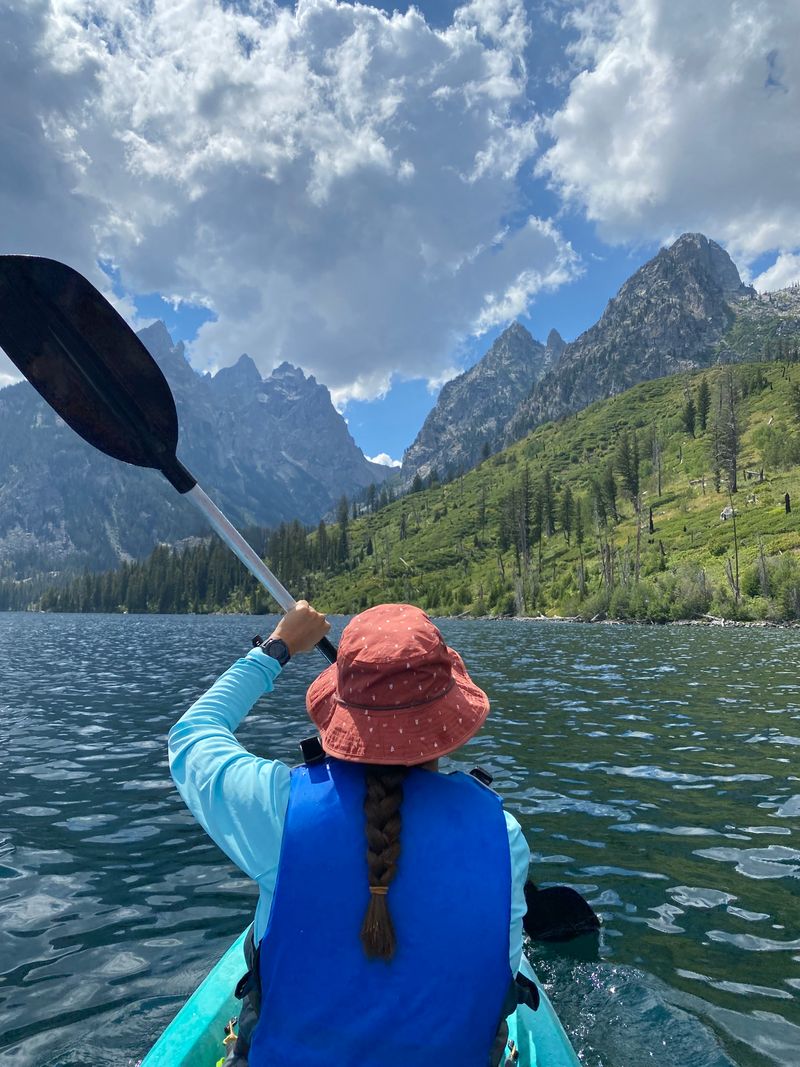
Motorboats and kayaks glide across Jenny Lake’s surface, offering unique perspectives on the surrounding mountain scenery.
The lake permits small motorized craft, though many visitors prefer the quiet experience of paddling canoes or kayaks.
Rental services operate near the south shore during summer months, providing equipment for those who want to explore by water.
The Jenny Lake Boating company runs a popular shuttle service that transports hikers across the lake to trailheads on the western shore.
This shuttle saves approximately two miles of hiking each way and allows more time for exploring the higher elevation destinations.
Paddling your own craft gives you freedom to explore quiet coves and get closer to the dramatic cliffs that plunge directly into the water.
The reflection of the Cathedral Group peaks in the calm morning water creates photographic opportunities that draw professional and amateur photographers alike.
Safety considerations include wearing life jackets, being prepared for sudden weather changes, and respecting the cold water temperature.
Even strong swimmers face serious risks in water this cold, making proper precautions essential for any boating activity.
Afternoon winds can create choppy conditions, so morning paddling typically offers the smoothest and most pleasant experience.
The perspective from the middle of the lake provides a humbling sense of scale as you realize how massive the surrounding peaks truly are.
Whether you choose a guided boat tour or venture out independently, time on the water adds a memorable dimension to any Jenny Lake visit.
Seasonal Transformations Throughout the Year
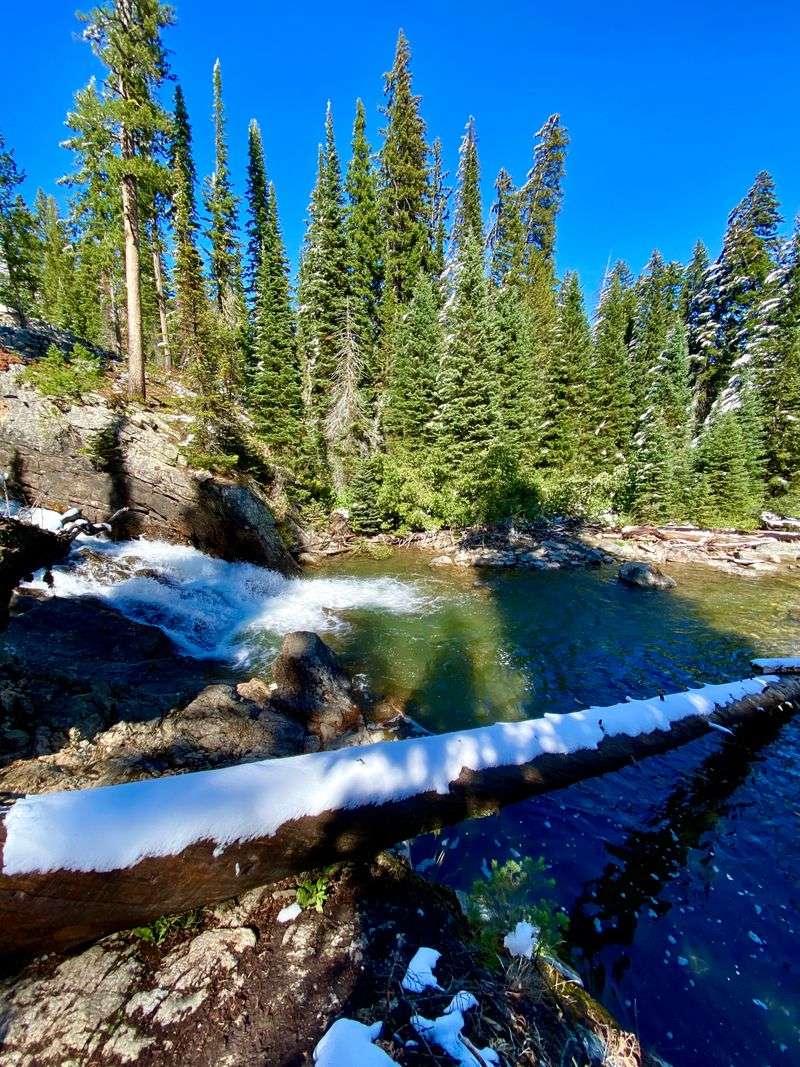
Each season brings distinct character to Jenny Lake, transforming the landscape in ways that create entirely different experiences.
Summer visitors find the most accessible conditions with warm days, blooming wildflowers, and full services operating around the lake.
Trails reach their busiest during July and August when families vacation and international travelers explore America’s national parks.
Autumn arrives early at this elevation, with aspen groves turning brilliant gold by mid-September and crisp air signaling the approaching winter.
This transitional season offers some of the most beautiful and peaceful times to visit, with fewer crowds and spectacular color displays.
Wildlife becomes more visible as animals prepare for winter, and elk bugling echoes across the valleys during the fall mating season.
Winter transforms Jenny Lake into a frozen wonderland, though access becomes limited and requires proper equipment and experience.
The Teton Park Road closes to vehicles, but cross-country skiers and snowshoers can still reach the lake for a truly magical experience.
Spring brings the challenge of unpredictable weather, with lingering snow at higher elevations even as valley floors begin to green.
Runoff from melting snowpack swells creeks and waterfalls to their most powerful flows, creating dramatic displays of water’s force.
Each season demands different preparation and offers unique rewards for those willing to experience Jenny Lake beyond the summer peak.
Understanding these seasonal rhythms helps travelers choose the perfect time for their personal vision of an alpine lake adventure.
Wildlife Encounters in an Alpine Ecosystem
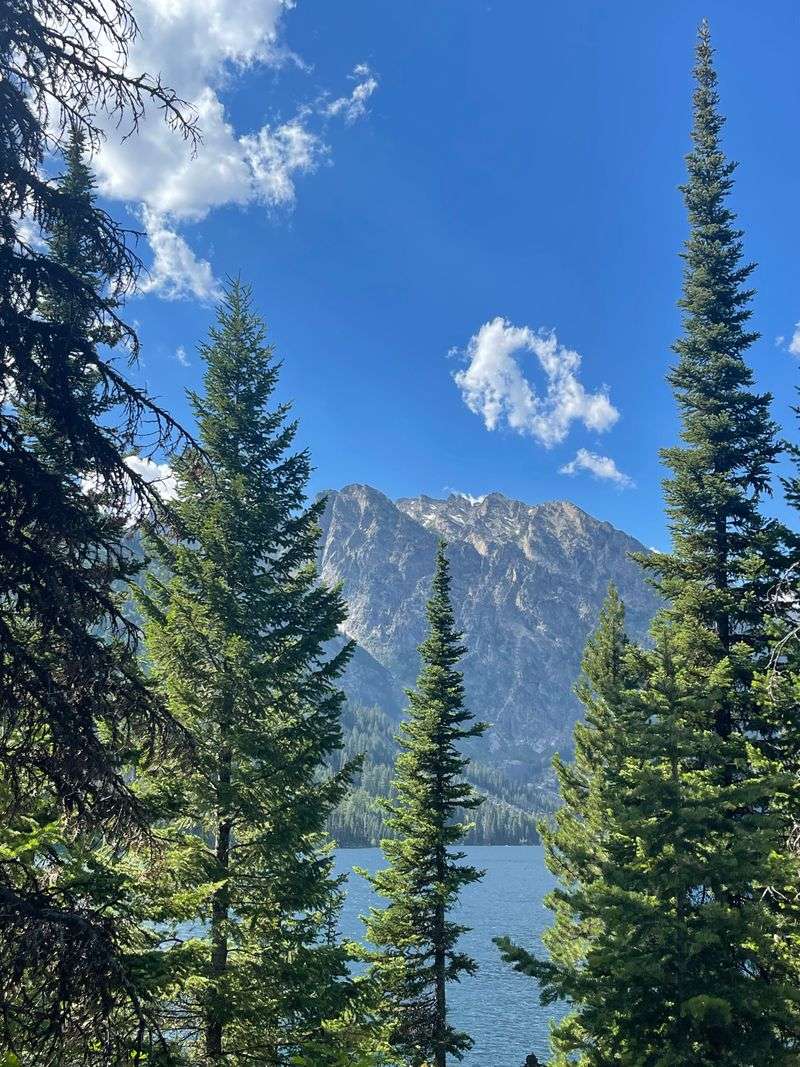
The ecosystem surrounding Jenny Lake supports an impressive diversity of wildlife adapted to mountain conditions.
Black bears and grizzly bears both inhabit the area, making proper food storage and bear awareness essential for all visitors.
Rangers provide bear canisters and detailed information about staying safe in bear country at the visitor center and ranger station.
Moose frequently browse in the willow thickets near the lake’s outlets and inlets, especially during early morning and evening hours.
These massive animals may appear calm but can be dangerous if approached too closely or if they feel threatened.
Smaller mammals like yellow-bellied marmots, pikas, and golden-mantled ground squirrels add charm and entertainment to hiking experiences.
Birdwatchers can spot species ranging from common ravens and Clark’s nutcrackers to occasional sightings of golden eagles soaring above the peaks.
Osprey nest near the lake and can be seen diving for fish during summer months, demonstrating impressive hunting skills.
The cold, clear water supports populations of native cutthroat trout and introduced lake trout, though fishing regulations are strict to protect native species.
Observing wildlife in their natural habitat requires patience, respect, and proper distance to ensure both animal and human safety.
The National Park Service recommends staying at least 100 yards from bears and wolves, and 25 yards from other large animals.
These encounters with wild creatures remind visitors that Jenny Lake remains a functioning wilderness ecosystem, not just a scenic backdrop.
Photography Opportunities at Every Turn
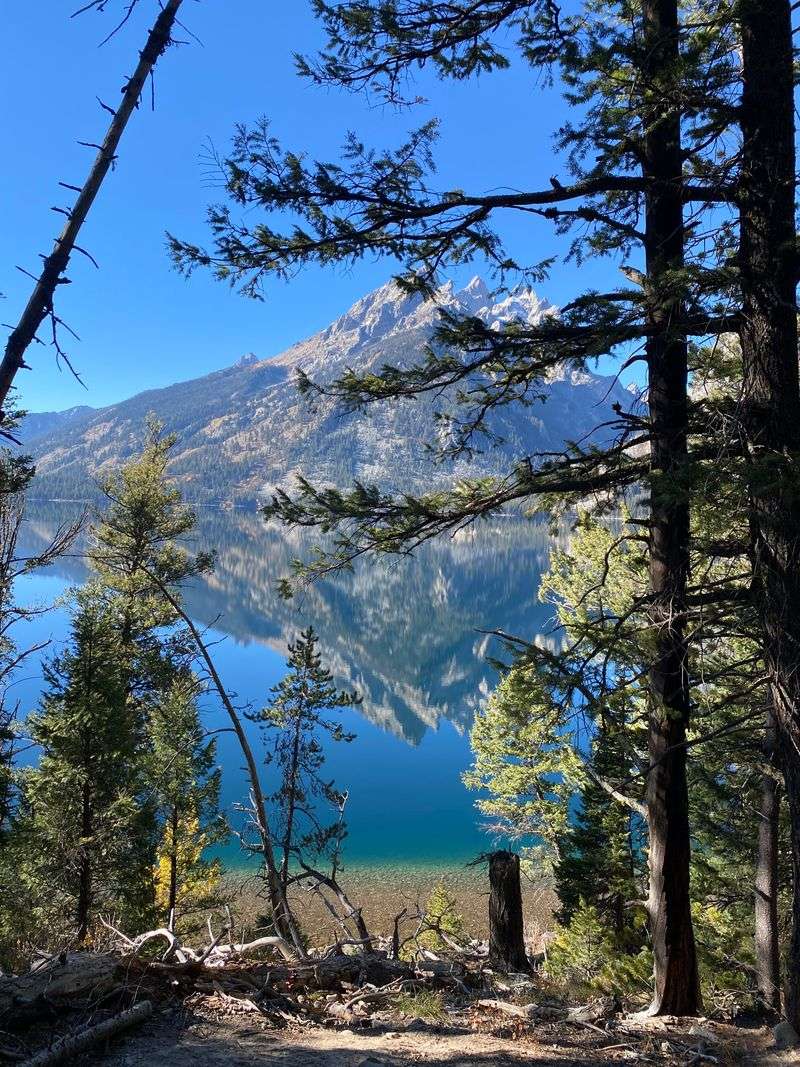
Photographers from around the world consider Jenny Lake one of the most photogenic locations in the American West.
The combination of reflective water, dramatic peaks, and changing light creates endless compositional possibilities throughout each day.
Dawn brings the famous alpenglow effect when first light turns the Teton peaks shades of pink, orange, and red.
The south shore viewing area provides classic composition opportunities with the Cathedral Group reflected in calm morning water.
String Lake, just north of Jenny Lake, offers additional reflection opportunities with slightly different mountain perspectives.
Wildflower season adds foreground interest to mountain shots, with lupine, Indian paintbrush, and balsamroot creating natural frames.
Sunset photography works best from the eastern shore where you can capture the peaks bathed in warm evening light.
Storm photography presents dramatic opportunities as clouds swirl around peaks and shafts of light break through to illuminate specific features.
Wildlife photography requires telephoto lenses and patience, but the potential for capturing bears, moose, and birds in stunning settings is exceptional.
Winter photography demands special preparation for cold conditions but rewards hardy photographers with snowy peaks and frozen lake scenes.
The changing seasons mean that photographers can return multiple times and capture completely different images of the same locations.
Whether you shoot with professional equipment or a smartphone, Jenny Lake provides subject matter that makes creating beautiful images almost effortless.
Visitor Services and Practical Information
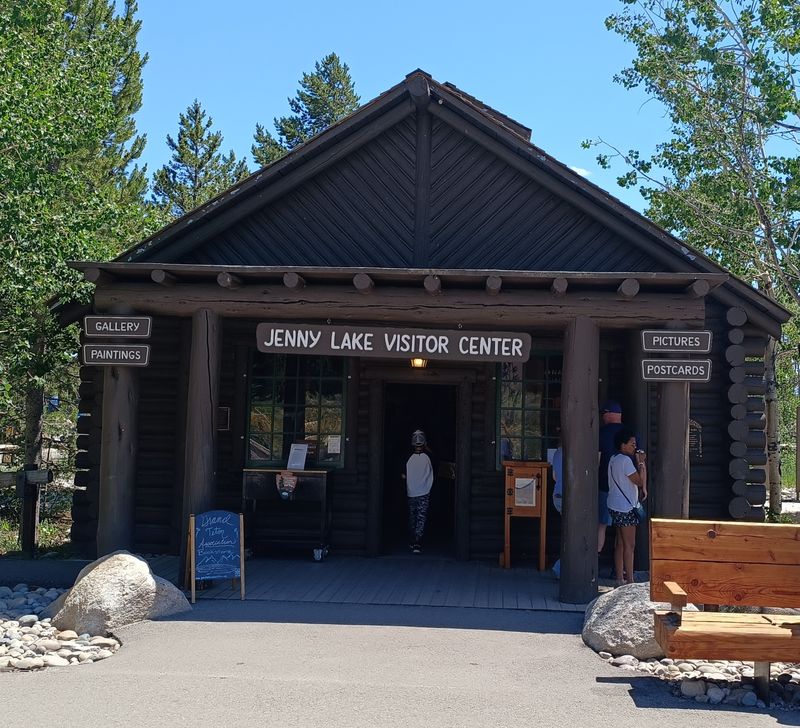
Planning a successful Jenny Lake visit requires understanding available services and practical considerations for this remote alpine location.
The Jenny Lake Visitor Center operates seasonally and provides maps, weather updates, trail conditions, and ranger programs.
Parking fills quickly during peak summer months, often by 8 or 9 a.m., making early arrival essential for day visitors.
The park offers a shuttle system from other areas, which helps reduce congestion and provides a more relaxed way to reach the lake.
No food services exist directly at Jenny Lake, so visitors should bring their own meals, snacks, and plenty of water for activities.
The nearest restaurants and grocery stores are located in Jackson, Wyoming, approximately 20 miles south of the lake.
Camping is available at nearby Jenny Lake Campground, which operates on a first-come, first-served basis and fills very early each morning.
Backcountry camping requires permits obtained through the park’s permit system, with specific regulations about where camping is allowed.
Cell phone service is extremely limited or nonexistent in most areas around the lake, so plan accordingly and don’t rely on mobile devices for navigation.
Weather can change rapidly in the mountains, making layered clothing essential even on warm summer days when afternoon thunderstorms frequently develop.
The park entrance fee covers seven days of access to Grand Teton National Park and is also valid for nearby Yellowstone National Park.
Understanding these practical details helps ensure your Jenny Lake adventure is enjoyable, safe, and free from preventable frustrations or disappointments.
The Spiritual Quality of Alpine Solitude
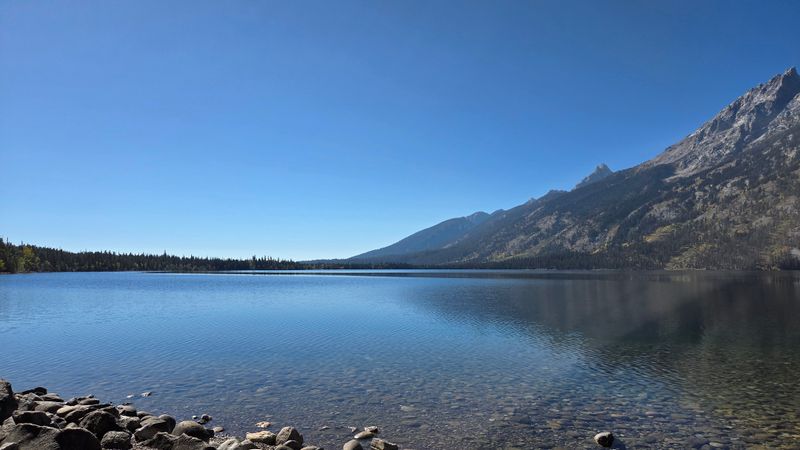
Beyond the physical beauty, Jenny Lake offers something less tangible but equally valuable to those who seek it.
Many visitors describe feeling a sense of peace and perspective that comes from being surrounded by such ancient and powerful natural features.
The scale of the mountains and the clarity of the water create an environment that naturally encourages reflection and mindfulness.
Early morning visits, before crowds arrive, provide opportunities for solitary contemplation rarely found in our connected modern world.
The sound of wind through pine trees, water lapping against rocky shores, and bird calls creates a natural symphony that calms racing thoughts.
Some travelers come specifically for this restorative quality, using time at the lake as a form of nature therapy or spiritual renewal.
The absence of cell service, while initially frustrating for some, ultimately becomes a gift that allows full presence in the moment.
Watching sunrise paint the peaks or sunset fade to twilight over the water connects us to rhythms that existed long before human civilization.
This timeless quality reminds us that while our individual lives are brief, we participate in something much larger and more enduring.
The lake has witnessed countless sunrises, supported endless generations of wildlife, and will continue long after our visits become memories.
Finding a quiet spot along the shore to simply sit and observe can be as valuable as any hike or activity.
This spiritual dimension of Jenny Lake may be its most precious offering to those willing to slow down and receive it.
Preserving Paradise for Future Generations
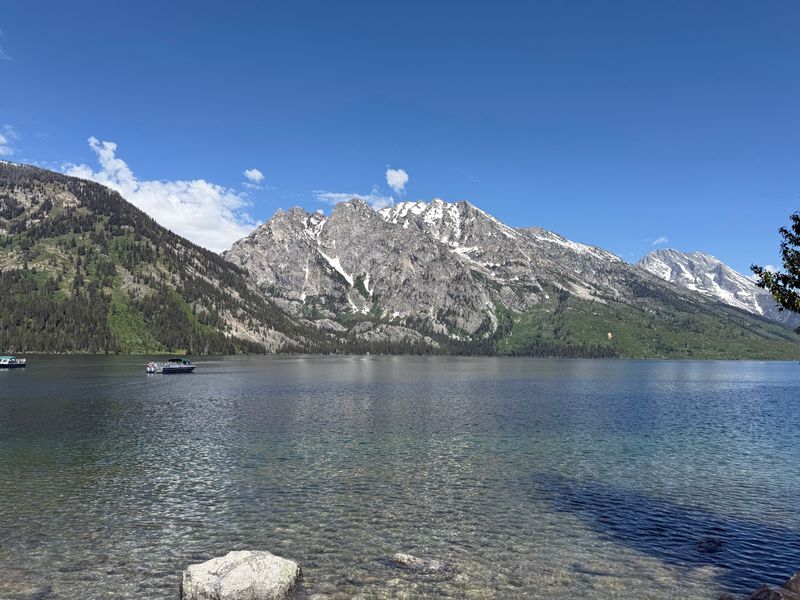
The pristine condition of Jenny Lake results from decades of careful management and the responsible behavior of millions of visitors.
Grand Teton National Park was established in 1929, though the area underwent expansions and controversies before reaching its current boundaries.
Conservation efforts focus on protecting native species, managing human impact, and maintaining the wilderness character that makes the area special.
Visitors play a crucial role in preservation by following Leave No Trace principles and respecting regulations designed to protect fragile alpine ecosystems.
Simple actions like staying on designated trails, packing out all trash, and properly storing food make significant differences in protecting this environment.
Climate change poses growing challenges as glaciers continue retreating, snowpack patterns shift, and temperatures gradually increase.
Scientists monitor these changes carefully, using Jenny Lake and surrounding areas as important research sites for understanding alpine ecosystem responses.
The National Park Service balances public access with resource protection, sometimes implementing restrictions when necessary to prevent damage.
Supporting the park through entrance fees, donations, and volunteer programs helps fund the ongoing work of preservation and education.
Teaching younger generations to appreciate and protect places like Jenny Lake ensures that future travelers will also experience this alpine wonder.
Every visitor who experiences the lake mindfully and leaves it undisturbed becomes part of the conservation story.
This shared responsibility connects all who love Jenny Lake in the important work of preserving paradise for those who will follow our footsteps.
Dear Reader: This page may contain affiliate links which may earn a commission if you click through and make a purchase. Our independent journalism is not influenced by any advertiser or commercial initiative unless it is clearly marked as sponsored content. As travel products change, please be sure to reconfirm all details and stay up to date with current events to ensure a safe and successful trip.
