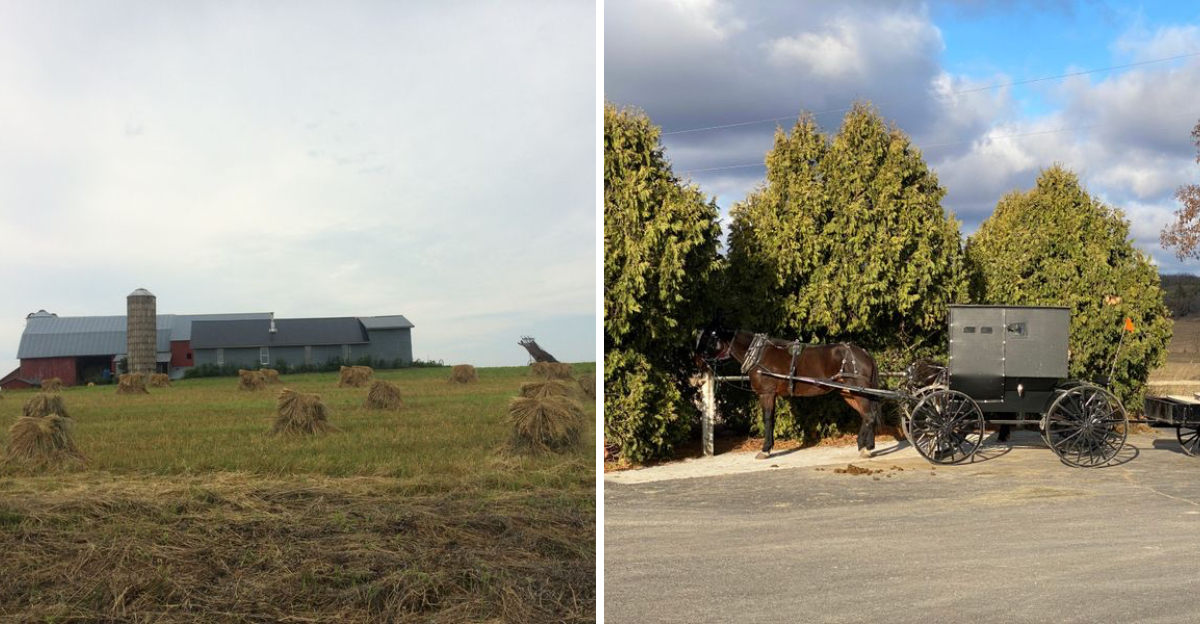
Wisconsin holds quiet places where buildings whisper about patience, purpose, and craft, and those whispers feel powerful right now.
You come for barns and buggies, then realize the architecture is a working archive that still mills, quilts, and worships by lamplight.
Each village reveals how form follows faith, how timber joins to duty, and how a hand planed door can outshine any modern façade.
Step into these counties and the past does not sit behind velvet ropes, it moves, breathes, and keeps perfect time with the fields.
Cashton and Ontario Amish Settlements, Driftless ridgelines
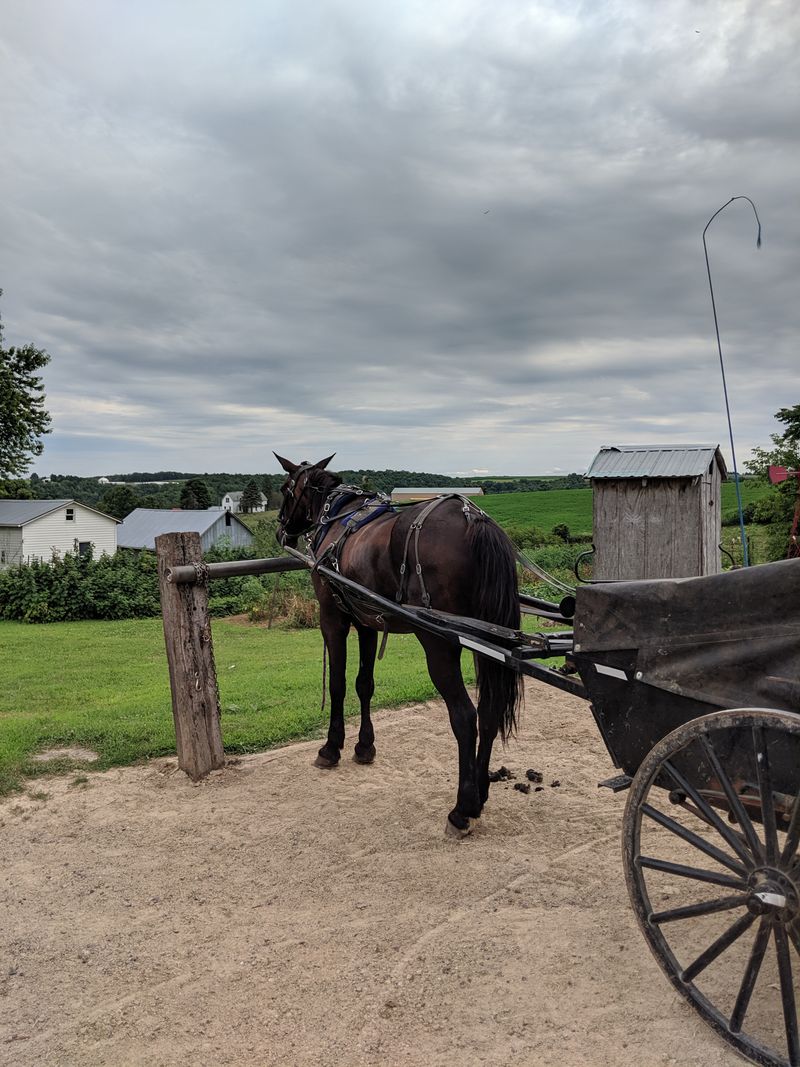
High on the Driftless ridges near Cashton and Ontario, the farm clusters look like a book of joinery left open on the land.
White clapboard homes sit square and sturdy, their porches deep enough for boots and baskets.
Barns line up with tidy corncribs, each beam pegged, each board planed true.
You notice how the houses avoid showy trim yet glow with proportion and light.
Window grids frame hand sewn curtains, and the buggy sheds reveal gentle arcs and careful roof pitches.
Everything reads like a field guide to restraint.
When laundry billows across yards, you can trace eaves and rafters by the shadows cast.
Fences march along the contours, guiding the eye to springhouses and windbreaks.
The architecture works because it serves chores first.
You see it in broad doors that welcome wagons, in thresholds burnished by daily steps.
Local sawmills cut straight and true, and you can hear the rhythm on quiet afternoons.
Shops along County roads sell furniture that matches the houses in spirit.
Hand rubbed finishes bring out grain patterns that feel almost topographic.
Even small sheds hold shape like they were measured against the horizon.
Visit in late summer and the barns become galleries for hay geometry.
If you slow down, the whole settlement teaches composition.
Spacing matters, setbacks matter, and so do lines that meet cleanly.
Wisconsin weather tests every seam and hinge, and these buildings pass.
No interpretive sign is needed because daily use is the label.
You leave understanding that beauty follows chores, and chores never end here.
Hillsboro countryside lanes and farm clusters
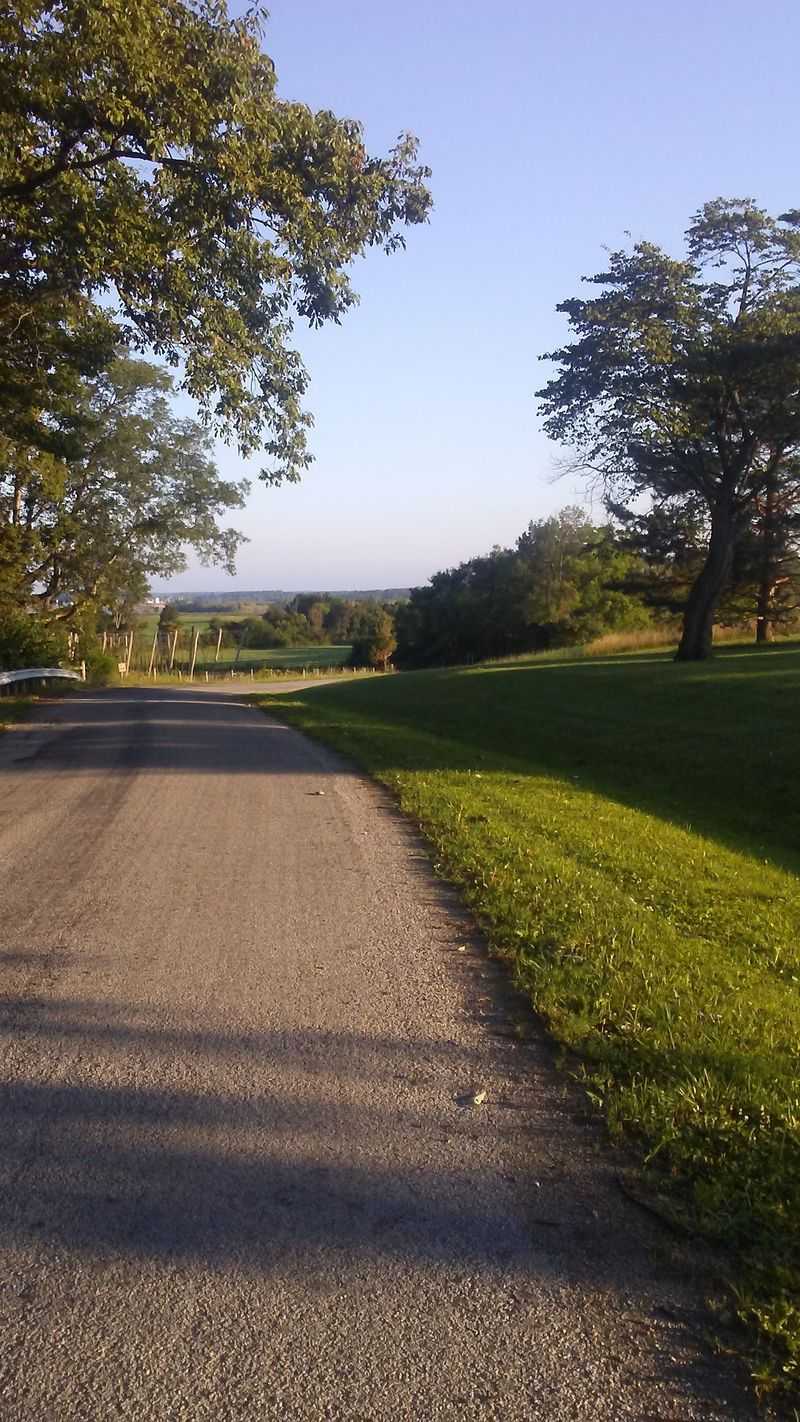
The lanes outside Hillsboro curl through fields until farms appear like punctuation on green pages.
Every cluster tells a short story in wood, stone, and light.
Roofs step down with quiet confidence, shedding snow without drama.
Porches hold tools by the door, and the spacing of posts feels musical.
Look at the chicken houses and you learn how ventilation shapes form.
Look at the corncribs and you learn how voids make structure breathe.
Workshops near the house keep heat close in winter.
Buggy sheds stand back a little, respectful and calm.
Paint is spare, often white, sometimes unpainted, always honest.
Trim stays narrow, windows symmetrical, rooflines free of fuss.
It all reads as a living syllabus for proportion and pragmatism.
You measure with your eyes as wagons clatter by.
Farm dogs guard thresholds smoothed by decades of steps.
Threshing days turn yards into kinetic museums of tools.
The geometry shines when hay ladders tilt and pulleys sing.
Wisconsin weather writes the footnotes in frost and dust.
Shingle patterns catch low sun and become quiet murals.
In the evening, lamplight warms windowpanes like hearth embers.
There is no stagecraft, only routine refining craft.
By the time you turn back toward town, you have learned to read eaves.
Dalton Amish Community near Kingston and Pardeeville
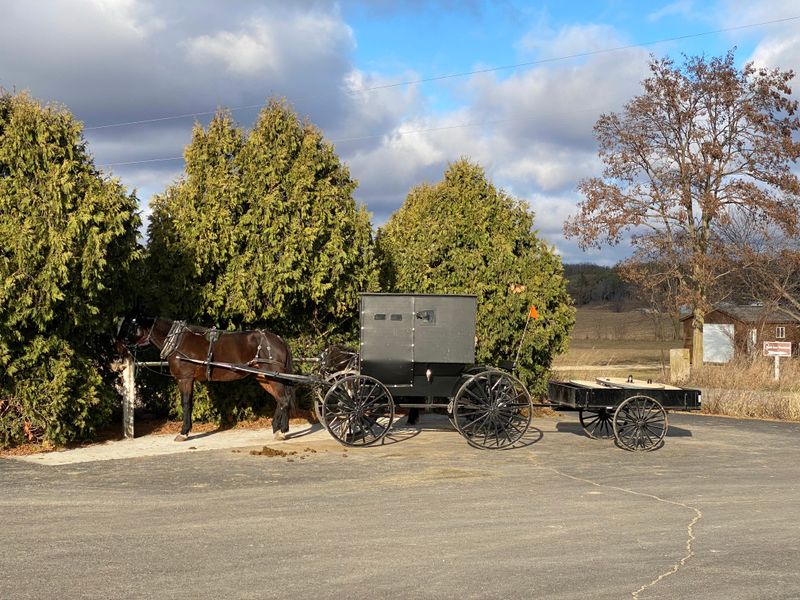
Dalton sits quiet among vegetable fields, and its buildings look built to breathe with the soil.
Houses sit square to the road, spaced to share wind and light.
Gardens draw neat borders that act like outdoor rooms.
Barns carry broad doors and mows that swallow seasons whole.
When the cannery runs, wagons queue and the place hums like a careful engine.
The millwork on porches reads clean and measured.
Window sashes hold slender muntins that sharpen the view.
Buggy sheds stretch long so horses stand easy in shade.
Coops and corncribs become studies in perforation and rhythm.
Every surface takes on a soft patina that Wisconsin weather blesses.
Shops along county routes offer furniture with quiet lines.
Chairs echo the farmhouses with narrow profiles and solid joints.
Cabinets hold dovetails you can trace with a fingertip.
Near harvest, the settlement glows with stacked shocks and fresh fence rails.
The air smells like wood shavings and cut straw.
Listen for the clip of steel shoes that makes time feel precise.
Look closer and you notice gutters hung generously to spare foundations.
Storm doors close softly and keep the weather where it belongs.
It all amounts to a living exhibit of purpose made visible.
Leave with an eye tuned to proportion, and the road home feels better aligned.
Medford area furniture shops and farmsteads
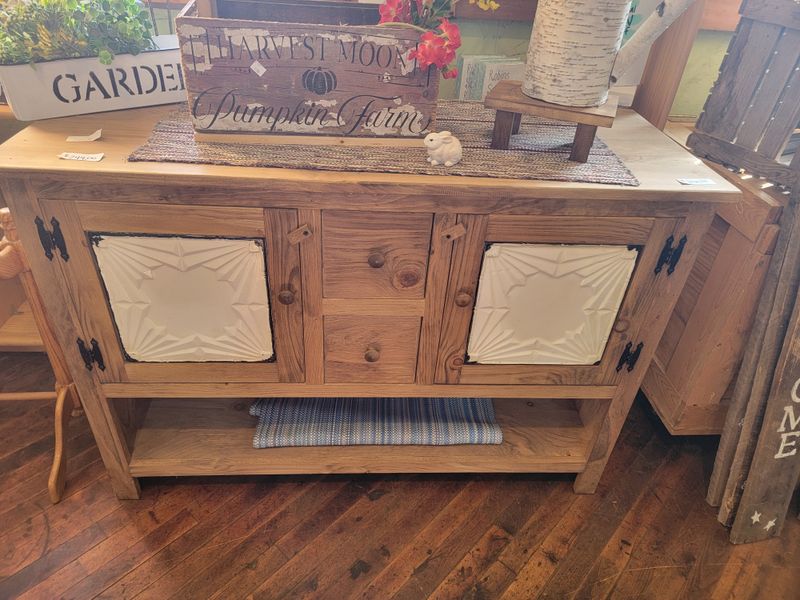
North of Medford, the rhythm of hand tools sets the tone for the whole landscape.
Workshops open their doors to air that smells like oak and ash.
Benches wear grooves where planes have traveled for years.
You read the architecture by looking at the furniture it produces.
Chairs stand with slim spindles and lean strength.
Tables carry legs that meet aprons with honest joinery.
The farmhouses nearby keep the same promises in their frames.
Rooflines settle low, winter ready, snow sure.
Outbuildings line up to share chores without wasted steps.
Buggy houses sit near fences that keep edges crisp.
Windows gather morning light and spend it carefully.
Door latches click with a note that sounds handmade.
Wisconsin cold checks every seam, and these walls hold tight.
In summer, porches become rooms where stories and seed catalogs trade places.
Mileage signs feel unnecessary because time moves by tasks.
When you watch a cabinet take shape, you understand the houses better.
Every bevel mirrors a roof pitch.
Every rail and stile echoes siding lines.
It is a lesson in how making shapes living.
You head out with the grain still under your nails and a steadier gaze.
King’s Country Store and community hub, near Cashton
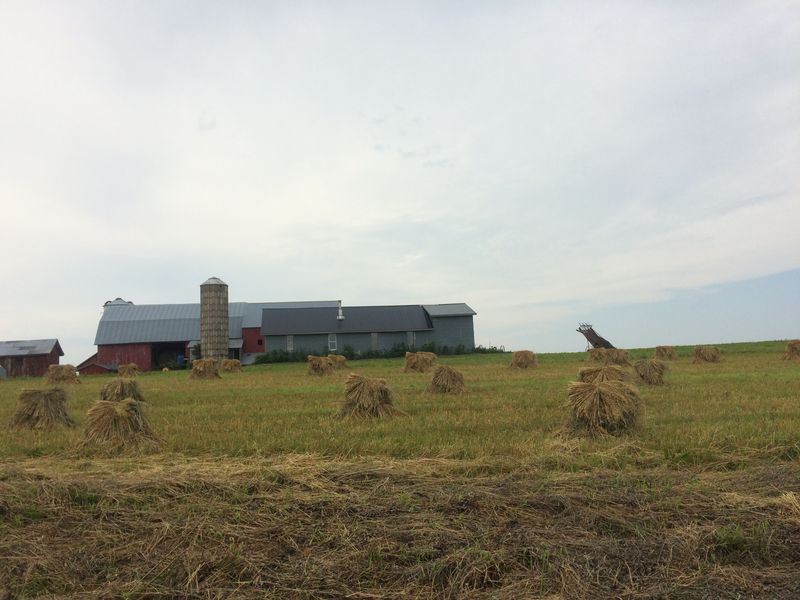
Near Cashton, a modest general store anchors daily life like a keystone in a quiet arch.
The building itself teaches why small works.
Clapboard siding runs true, the entry stays centered, and the porch invites without flourish.
Hitching posts frame the foreground and explain the flow of arrivals.
Inside, aisles sit close, and shelves stay low for reach and sight.
Windows are tall enough to light the floor without glare.
The counter wears a finish burnished by hands and seasons.
Outside, produce stands contour the edge like temporary architecture.
Barns nearby mirror the store in their plainspoken lines.
Buggy sheds keep pace with errands, their doors sliding with a satisfying hush.
The whole corner operates as a working square.
Even the signboard uses letterforms that feel patient.
You feel time soften as conversation replaces speed.
Wisconsin weekends see visitors pull in, then slow down naturally.
Every detail supports that pause.
Roof overhangs give rain somewhere else to fall.
Bench slats welcome a few minutes of weather watching.
Nothing here tries to impress, yet everything holds together beautifully.
Architecture becomes a neighbor, not a monument.
You leave with staples and a deeper respect for measured design.
Black River Falls area produce auctions
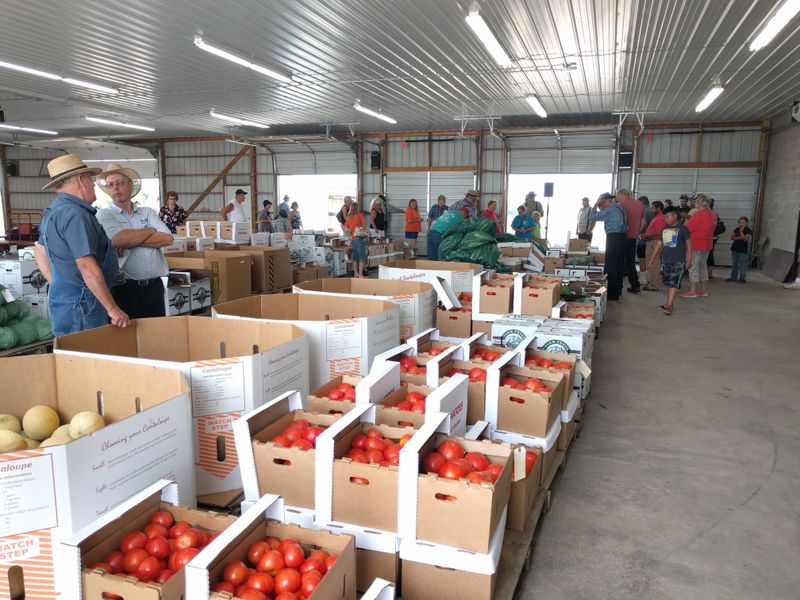
On auction days near Black River Falls, a simple pavilion turns commerce into choreography.
Posts rise from concrete pads and hold a broad roof like a patient umbrella.
Open sides invite wind and let voices carry cleanly.
Crates line up in rows that look like temporary streets.
Benches gather bidders who read the flow like a map.
At one edge, hitching rails define a calm boundary for teams.
The structure proves that shade and air can be enough.
It becomes a museum of movement where nothing stops moving.
Nearby farms send wagons that park in logical arcs.
Traffic becomes legible because the layout is honest.
When the gavel taps, you can hear how wood amplifies sound.
Sunlight strokes rafters and throws latticework across the floor.
Wisconsin sky fills the rest with blue and drifting cloud.
By closing time, the place folds back into tranquility.
Crates vanish, but the pavilion holds the memory of steps.
It shows how architecture can be seasonal and still enduring.
Winter snow will slide, spring mud will drain, summer heat will rise away.
The design earns trust through use, not slogans.
This is a gallery where produce and people are the art.
You drive off thinking urban markets could learn from this roof.
Green Lake and Princeton backroads, workshop loops
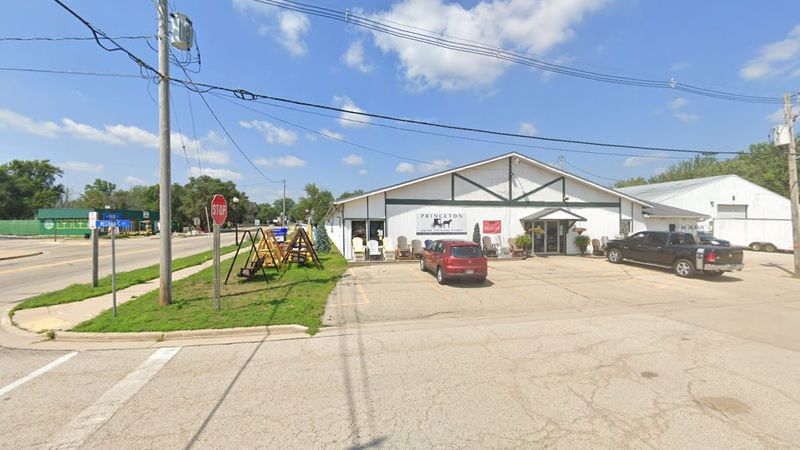
The backroads between Green Lake and Princeton trace a quiet circuit of workshops and farmyards.
Each stop adds a new chapter in practical design.
Small shops keep their gables forward, doors tall, and windows careful.
Tool marks decorate thresholds like signatures.
Farmhouses share the road with maples that read like colonnades.
In fall, leaves turn the lanes into glowing galleries.
Fences provide clean lines that guide the eye to gardens.
Rails dovetail with gates that swing perfectly balanced.
Barns hold steady on stone or poured footings that respect frost.
Buggy sheds line up like modest companions, always slightly back.
Wisconsin light changes everything by the hour here.
Morning reveals bevels, and evening softens clapboards into velvet.
Furniture makers set out samples that mirror local houses.
Waste stays low because offcuts become small boxes and pegs.
Even the signage keeps letterforms clear and quiet.
You learn to slow your turning radius and your thoughts.
A loop becomes a lesson in alignment, drainage, and shade.
Porches demonstrate how a single step can reset your pace.
The route never shouts, yet it stays in memory like a good floor plan.
By dusk, the road hum feels like a heartbeat you can trust.
Eau Claire County rural meetinghouses
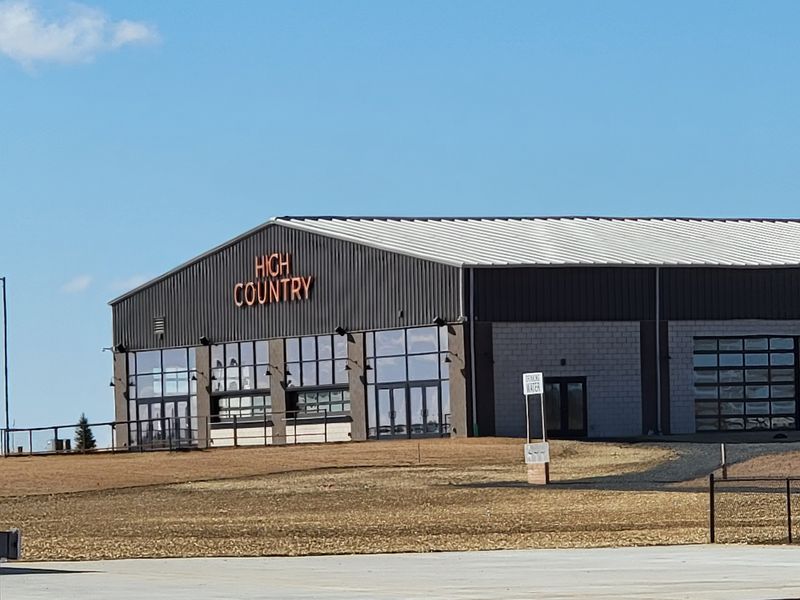
Meetinghouses in Eau Claire County sit low and steady, holding space for community and quiet focus.
From the road, each one reads as pure geometry, with centered doors and even windows.
The paint stays plain so the form does the speaking.
Inside, benches create a landscape of lines and light.
Stoves stand ready for cold months, and chimneys punctuate the roof with purpose.
Floors show the grain of boards that have learned every step.
There are no chandeliers, only light that enters and lands softly.
Ventilation rests on placement instead of gadgets.
The result feels like a live lesson in proportion and restraint.
Outside, yards stay open and uncluttered, making arrivals simple.
Hitching rails define the edge with humility and clarity.
On gathering days, the site becomes a temporary town square.
Neighboring farms and lanes absorb the flow like well designed streets.
Wisconsin seasons press hard and the buildings answer calmly.
Snow finds clean paths down, and summer heat finds exits.
Maintenance proves the theology of care one board at a time.
As you leave, the quiet keeps speaking through angles.
It tells you that intention can be seen, not just heard.
Architecture becomes a tool for attention, and attention becomes grace.
You carry that balance into the next turn of the road.
Shawano County buggy routes and farm geometry
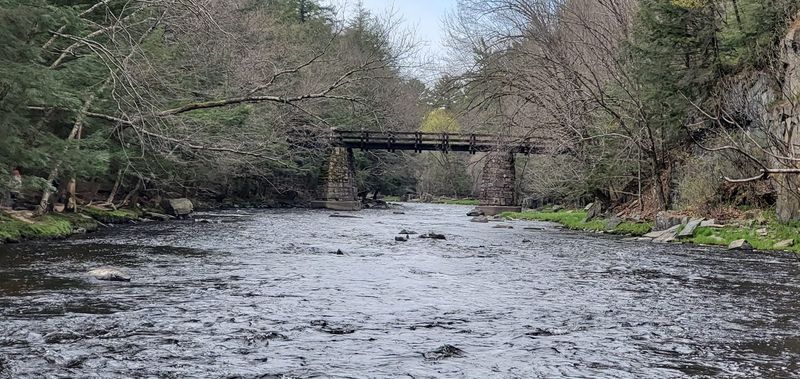
Shawano County opens in a patchwork that makes geometry feel alive under the wheels.
Buggies trace dark lines between bright fields and tidy farm clusters.
From a rise, you can read how buildings meet rows and windbreaks.
Houses sit with their narrow ends to winter and their open faces to work.
Barns place doors to dodge drifts and welcome hay wagons.
Silos take their places as measured punctuation marks.
Fences grid the pastures while creeks cut soft curves.
The contrast teaches why a square needs a bend nearby.
Every lane crossing becomes a lesson in sightlines and safety.
Buggy pull offs widen just where they should to calm the flow.
Wisconsin twilight pulls long shadows that sketch roof pitches.
Windows hold the last light like small lanterns in frames.
Workshops hum until chores eclipse the clock.
Signboards stay low, paint stays quiet, and balance stays king.
When rain comes, the ditches speak about drainage with authority.
When frost comes, footings answer without complaint.
You realize this landscape is a constantly updated exhibit.
The curation is done by weather, work, and wisdom.
It is not nostalgic, it is precise.
You roll on feeling newly fluent in the language of lines.
Dear Reader: This page may contain affiliate links which may earn a commission if you click through and make a purchase. Our independent journalism is not influenced by any advertiser or commercial initiative unless it is clearly marked as sponsored content. As travel products change, please be sure to reconfirm all details and stay up to date with current events to ensure a safe and successful trip.
