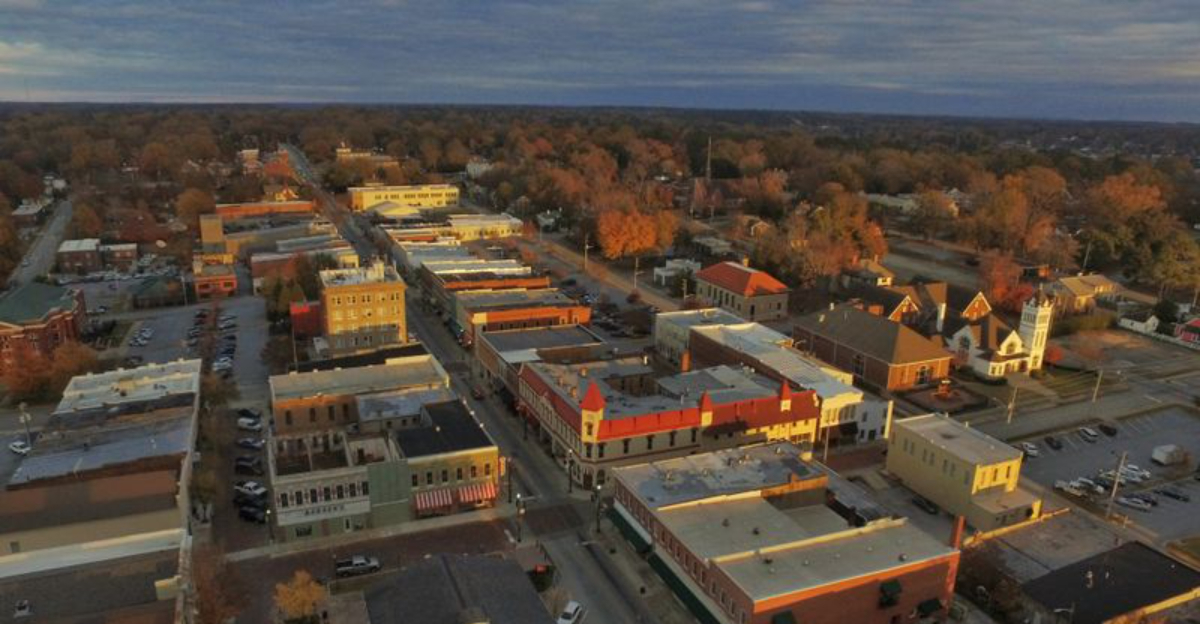
Arkansas villages offer something rare in today’s fast-paced world: a chance to slow down and truly experience life at a gentler pace.
Tucked away in the Ozark Mountains and along scenic byways, these small towns invite travelers to trade hurried itineraries for meaningful moments.
Whether you’re strolling through historic downtown squares, chatting with locals at family-owned diners, or exploring hidden natural wonders, every experience feels authentic and unhurried.
Slow travel isn’t just about moving slowly; it’s about connecting deeply with places and people.
Arkansas villages provide the perfect backdrop for this kind of journey.
You’ll discover charming main streets lined with antique shops, trails that wind through pristine wilderness, and communities that welcome visitors like old friends.
Instead of checking off tourist attractions, you’ll create memories that linger long after you return home.
These destinations remind us that the best adventures often happen when we take time to wander, wonder, and simply be present.
From mountain hamlets to river towns, Arkansas villages prove that the journey matters just as much as the destination.
Ready to trade your travel checklist for a rocking chair on a front porch?
Let’s explore why these hidden gems are transforming the way people think about getaways.
Authentic Southern Hospitality Makes Every Visitor Feel Like Family
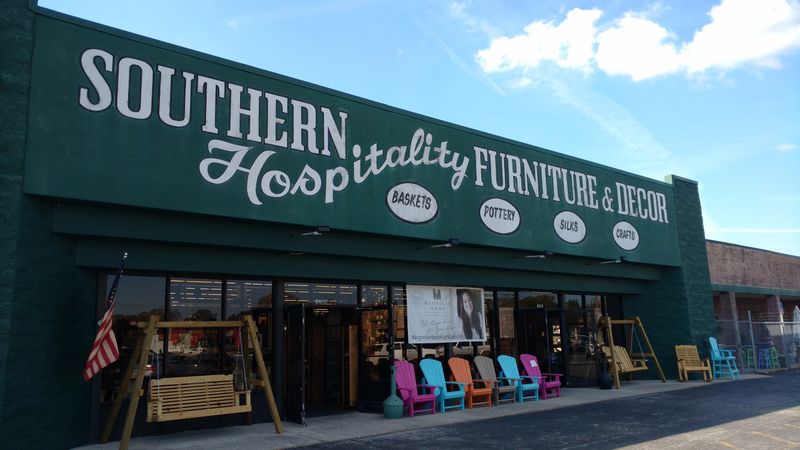
Walk into any café or shop in an Arkansas village, and you’ll immediately notice something different.
People look you in the eye, ask where you’re from, and genuinely care about your answer.
This isn’t scripted customer service; it’s real Southern hospitality passed down through generations.
Local business owners remember your name after one visit.
They’ll recommend their favorite fishing spot or tell you which hiking trail has the best wildflowers this week.
Conversations flow naturally, without anyone checking their watch or rushing to the next task.
Many villages still operate on what locals call “porch time,” where neighbors gather in the evening to share stories and sweet tea.
As a visitor, you’re invited into these moments.
You might find yourself learning family recipes, hearing folklore about the area, or getting invited to a community potluck.
This warmth extends beyond businesses into everyday interactions.
Strangers wave from their porches as you walk by.
If you look lost, someone will stop to help without being asked.
The pace of conversation matches the pace of life here; unhurried and meaningful.
Small-town Arkansas doesn’t just tolerate tourists; it embraces them as temporary community members.
You’re not an outsider observing local life; you’re participating in it.
This authentic connection transforms a simple trip into something deeper and more memorable.
When you leave, you’ll carry more than photographs.
You’ll have new friends who insist you come back soon.
That genuine human connection is what slow travel is all about, and Arkansas villages deliver it effortlessly.
Untouched Natural Beauty Surrounds Every Corner
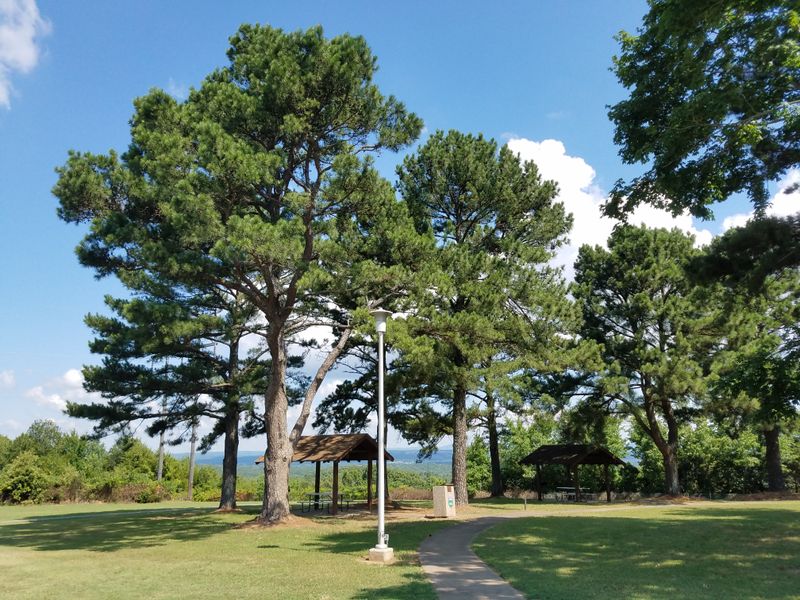
Picture waking up to birdsong instead of traffic noise, with mountain ridges visible from your window.
Arkansas villages sit in some of the most stunning landscapes in America, yet they remain refreshingly undeveloped.
No billboards clutter the views, and no chain hotels block the horizon.
The Buffalo National River flows through several small communities, offering crystal-clear water perfect for lazy float trips.
Unlike crowded tourist rivers, you might paddle for hours seeing only wildlife and limestone bluffs.
Towns like Ponca and Jasper serve as gateways to this pristine waterway without commercializing it.
Hiking trails wind through forests where you’ll spot white-tailed deer, wild turkeys, and occasionally black bears.
Many villages maintain their own trail systems that locals use daily.
These paths aren’t Instagram-famous yet, which means you’ll often have entire waterfalls or overlooks to yourself.
Seasonal changes paint the landscape in constantly shifting colors.
Spring brings dogwoods and redbuds blooming across hillsides.
Autumn transforms the Ozarks into a patchwork of crimson, gold, and orange that rivals New England’s famous foliage.
What makes this natural beauty special is how integrated it is with daily village life.
People don’t drive hours to reach nature; they live within it.
Main streets end where wilderness begins, creating a seamless blend of community and environment.
This accessibility means you can enjoy a home-cooked breakfast, take a morning hike to a waterfall, browse antique shops after lunch, and watch sunset from a mountain overlook—all within a few miles.
Nature isn’t an attraction here; it’s simply part of everyday existence.
Historic Main Streets Preserve Genuine Small-Town Character
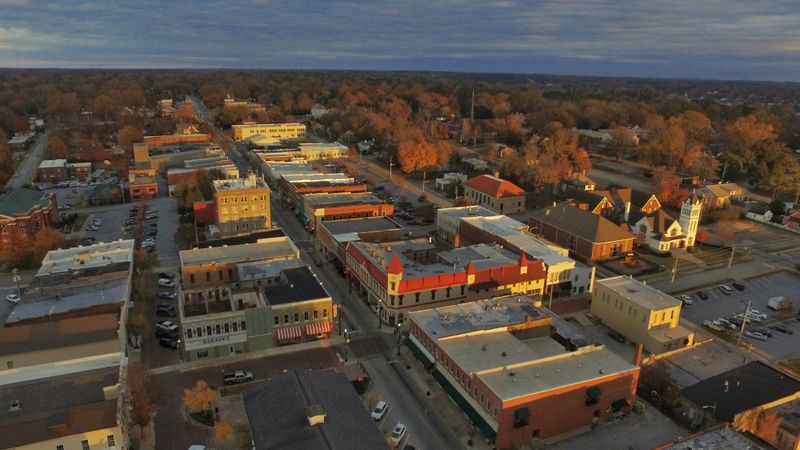
Forget generic strip malls and chain restaurants; Arkansas villages have preserved their historic downtown districts with pride.
Brick buildings from the 1800s and early 1900s still house operating businesses, their original architecture intact.
Walking these main streets feels like stepping into a living history book.
Eureka Springs stands out with its entire downtown designated as a National Historic District.
Victorian-era buildings cling to steep hillsides, connected by winding streets and stone stairways.
Every structure tells a story, from the 1886 Crescent Hotel to tiny cottages tucked into cliffsides.
Mountain View’s town square centers around the historic courthouse, where locals gather for weekly folk music sessions.
The surrounding shops occupy buildings that have served the community for over a century.
You’ll find no modern facades or corporate signage disrupting the authentic atmosphere.
These preserved main streets function as real community centers, not tourist attractions dressed up to look old.
Residents shop at the same hardware store their grandparents did.
The pharmacy still has a soda fountain counter where teenagers meet after school.
Local preservation efforts focus on maintaining character while supporting modern businesses.
You might find a yoga studio in a former general store or a craft brewery in a renovated warehouse.
The buildings stay historic while the businesses evolve with community needs.
Evening strolls down these streets reveal another layer of charm.
Street lamps cast warm glows on brick sidewalks.
Rocking chairs sit outside storefronts, inviting passersby to rest.
This isn’t manufactured nostalgia; it’s genuine small-town life continuing as it has for generations, welcoming visitors to experience it authentically.
Farm-to-Table Dining Happens Naturally, Not as a Trend
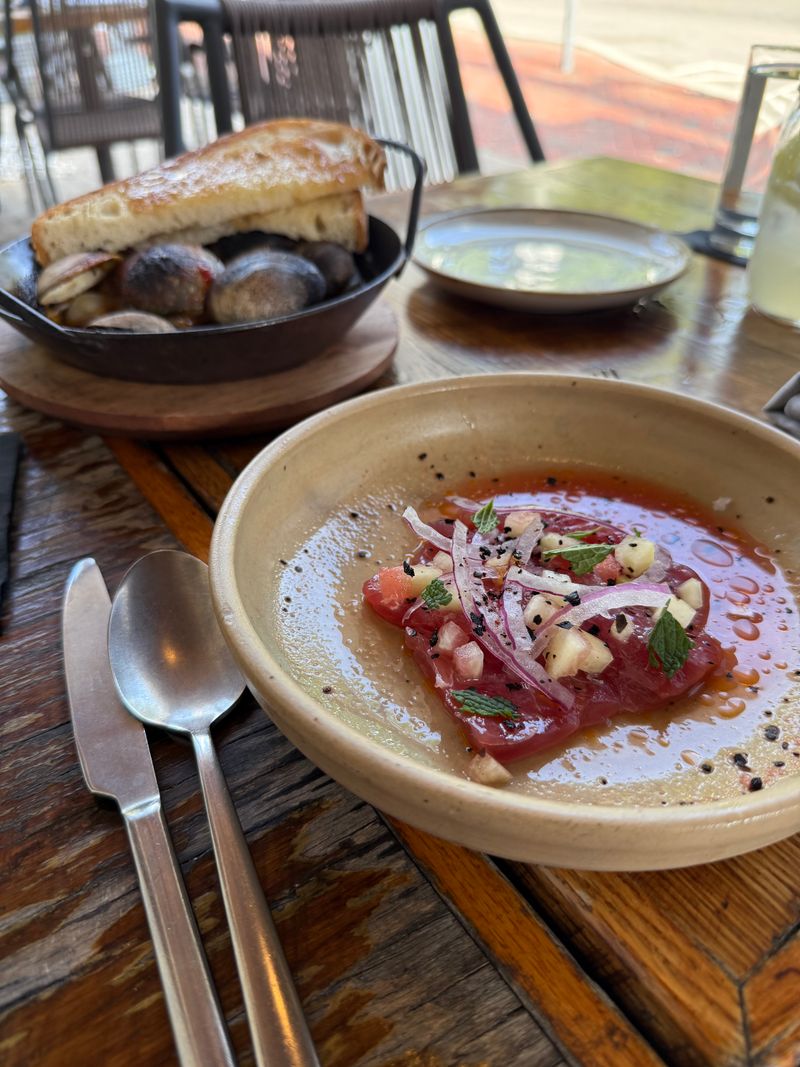
Long before farm-to-table became a buzzword in cities, Arkansas villages were serving food from nearby farms simply because that’s how things have always been done.
Restaurants here don’t advertise their local sourcing as a marketing gimmick—it’s just common sense.
The tomatoes in your sandwich probably grew within ten miles of your table.
Family-owned diners have relationships with local farmers going back decades.
The cook might mention that today’s green beans came from her cousin’s garden or that the catfish was caught this morning in a nearby creek.
This connection between food and source adds flavor that no fancy restaurant in a city can replicate.
Many villages host farmers markets where you can meet the people who grow your food.
These aren’t curated affairs with imported specialty items.
You’ll find whatever is currently in season: strawberries in May, peaches in July, apples in October.
Vendors share recipes and cooking tips freely.
Small cafés often change their menus based on what’s available locally.
You won’t find the same dishes year-round because they cook with the seasons.
This variability makes each visit unique and ensures peak freshness in every meal.
Home-style cooking dominates the food scene.
Biscuits are made from scratch each morning.
Pies feature fruit picked that week.
Barbecue is smoked low and slow using traditional methods passed through families.
Eating in Arkansas villages means experiencing food as nourishment and community connection rather than just fuel.
Meals take time.
Conversations happen between courses.
Nobody rushes you out the door when you finish.
This slower approach to dining perfectly complements the overall pace of village life, turning every meal into a memorable experience worth savoring.
Affordable Accommodations Let You Stay Longer Without Breaking the Bank
One of the biggest advantages of choosing Arkansas villages over popular tourist destinations is the cost.
You can rent an entire cabin with mountain views for what you’d pay for a basic hotel room in a city.
This affordability extends your trip without stretching your budget, allowing for true slow travel.
Bed and breakfasts run by local families offer personalized experiences at reasonable rates.
Many include homemade breakfasts featuring regional specialties.
Your hosts become informal tour guides, sharing insider knowledge about hidden gems tourists typically miss.
Vacation rentals in villages often occupy historic homes with character you won’t find in modern properties.
You might stay in a restored 1920s bungalow or a farmhouse surrounded by pastures.
These accommodations feel like temporary homes rather than impersonal hotel rooms.
Campgrounds and RV parks provide even more budget-friendly options for outdoor enthusiasts.
Many villages maintain well-kept facilities near rivers or forests.
You’ll pay a fraction of what commercial campgrounds charge while enjoying better natural surroundings.
The lower accommodation costs mean you can afford to stay longer.
Instead of rushing through a weekend, you can spend a week or more truly settling into the rhythm of village life.
This extended time allows deeper connections with the community and landscape.
Beyond lodging, the overall cost of visiting Arkansas villages remains remarkably low.
Meals at local restaurants cost less than fast food in many cities.
Activities like hiking, swimming in natural pools, and attending community events are often free.
Your money goes further, reducing financial stress and letting you focus on experiences rather than expenses.
This affordability makes slow travel accessible to families, retirees, and anyone seeking value without sacrificing quality.
Artistic Communities Thrive in Unexpected Places

Creativity flourishes in Arkansas villages in ways that might surprise you.
These small communities have become havens for artists, musicians, and craftspeople seeking inspiration away from urban distractions.
The result is a vibrant artistic culture that feels organic rather than commercialized.
Mountain View has earned the title “Folk Music Capital of the World” for good reason.
Every weekend, musicians gather on the courthouse square for impromptu jam sessions.
Anyone can join in or simply listen as banjos, fiddles, and guitars fill the air with traditional Ozark tunes.
Eureka Springs draws painters, sculptors, and writers to its scenic hillsides.
The town hosts dozens of galleries showcasing local work.
Many artists open their studios to visitors, explaining their techniques and inspirations.
You’re not just buying art; you’re meeting the creator and hearing their story.
Craft traditions remain alive in villages throughout Arkansas.
You’ll find quilters, blacksmiths, woodworkers, and potters practicing skills passed down through generations.
These aren’t demonstrations for tourists but working artisans making their living through their craft.
The Arkansas Craft Guild maintains a gallery in Mountain View featuring work from over 200 local artisans.
Everything sold there is handmade in Arkansas, ensuring authenticity.
Purchasing from these artists directly supports the local economy and preserves traditional skills.
Community theaters and music venues provide entertainment that reflects local culture.
You might attend a bluegrass concert in a converted barn or watch a play written by a village resident.
These performances have heart and authenticity that polished city productions sometimes lack.
The artistic spirit in Arkansas villages adds depth to the slow-travel experience, offering cultural enrichment alongside natural beauty and genuine hospitality.
Time Moves Differently When You Disconnect from Digital Distractions
Many Arkansas villages have spotty cell service and limited WiFi, which initially might seem like a drawback.
However, this digital disconnect becomes one of the most valuable aspects of visiting these places.
Without constant notifications and social media scrolling, you rediscover what it means to be fully present.
When you can’t check your phone every few minutes, you notice things you’d normally miss.
The way afternoon light filters through oak leaves.
The sound of a creek flowing over rocks.
The taste of homemade pie without photographing it first.
Evenings transform when screens aren’t competing for attention.
Families actually talk to each other over dinner.
Couples rediscover conversation.
Solo travelers find space for reflection and creativity that constant connectivity usually crowds out.
Local activities replace digital entertainment naturally.
You might spend an evening playing board games at your cabin, attending a community concert, or simply watching fireflies from a porch swing.
These analog experiences create stronger memories than scrolling through other people’s vacation photos.
The absence of digital distraction also improves sleep quality and reduces stress.
Your nervous system gets a break from the constant stimulation of modern life.
Many visitors report feeling more rested after a few days in Arkansas villages than after weeks at conventional vacation spots.
This forced disconnection helps you reconnect with yourself and your travel companions.
You remember what you actually enjoy doing when not defaulting to screen time.
Some visitors find this aspect so valuable they intentionally leave devices turned off even when service is available.
The slower pace of village life pairs perfectly with this digital detox, creating space for the kind of rest and renewal that true slow travel promises.
Dear Reader: This page may contain affiliate links which may earn a commission if you click through and make a purchase. Our independent journalism is not influenced by any advertiser or commercial initiative unless it is clearly marked as sponsored content. As travel products change, please be sure to reconfirm all details and stay up to date with current events to ensure a safe and successful trip.
