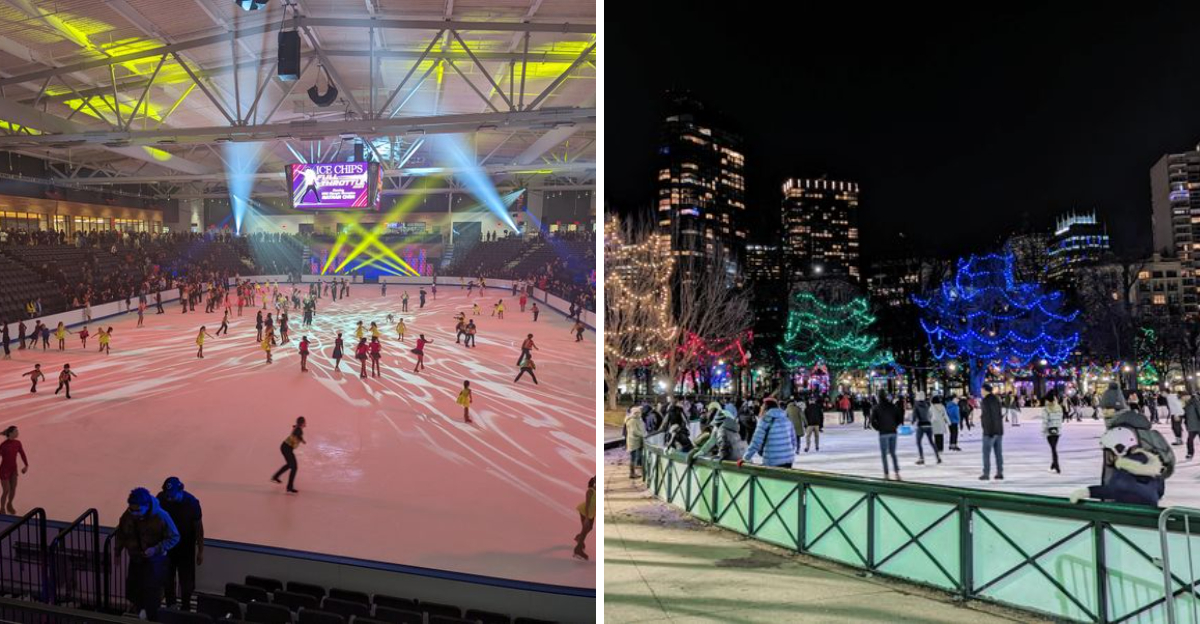
Boston winters look magical until you try to lace up at a rink packed tighter than a rush hour Green Line car.
You want crisp turns, not bumper cars on blades, and that is exactly what overcrowding turns into.
I am a travel enthusiast who loves this city, and I will show you how the local gripes actually help you plan smarter.
Stick with me and you will skate more, stress less, and still soak up that classic Massachusetts winter vibe.
Lines That Eat Your Day
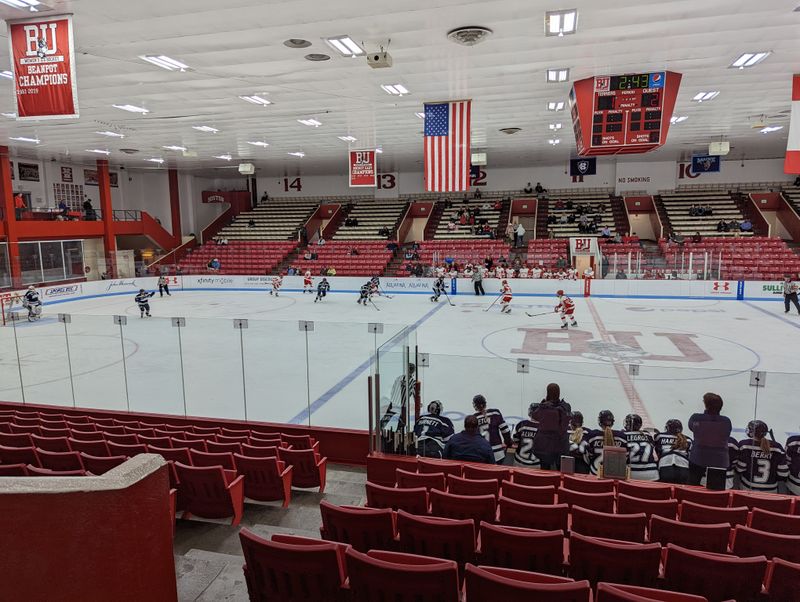
Locals do not mind a line, but they hate when a queue stretches around the block while the ice sits at capacity.
You carve precious daylight just waiting to get in, and winter sunsets in Massachusetts do not give you extra minutes.
By the time you hit the ice, your toes are cold and your patience is thin.
The delay bleeds into the rental counter, where returns and fittings stack up like airport security.
Staff usually move fast, but an overloaded rush turns simple tasks into a crawl.
That is not a quality Boston winter experience when you could be gliding along the Charles instead.
Time matters because outdoor ice is a shrinking window when temperatures wobble above freezing.
If you are visiting, book online when the rink allows it, then arrive early for a smoother flow.
Locals will tell you that first session of the day often saves your sanity.
Even with reservations, popular rinks like the Rink at 401 Park can draw crowds at peak hours.
You might love the vibe, but lines at prime-time weekends still back up.
Choose weekday mornings or late evenings after dinner for a calmer scene.
Pack what you can so you skip the rental line altogether.
Bring pre-sharpened skates, gloves, and a small skate tool if it is allowed.
The less time you spend in the queue, the more you feel like you own the ice.
Boston thrives on efficiency, and long waits clash with that energy.
Locals plan around lines because they want the skating, not the standing.
Take their cue and guard your winter hours like gold.
Rink Traffic Jams And Near Collisions
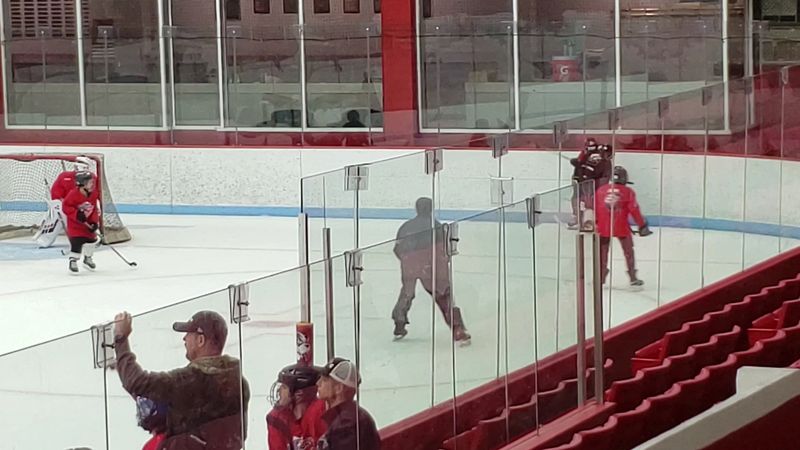
Overcrowded rinks turn graceful laps into unpredictable dodging.
Beginners wobble across lanes, kids cut in fast, and selfie stops appear mid-circle like surprise pylons.
Locals get frustrated when a simple loop becomes a slalom course.
Most rinks set a traffic direction, but heavy volume still creates crosscut chaos.
You can hear polite warnings morph into nervous shouts, and that is when people clip blades.
A minor tumble hurts more on hard seasonal ice.
Skill mixing is great for community, yet it works better with space.
When the sheet is packed, experienced skaters cannot practice edges or three turns safely.
Newer skaters feel rushed and lose confidence.
Safety monitors help, but they cannot cover every pocket in a sea of people.
Expect crowded weekend afternoons to be the riskiest period.
Mornings usually give beginners calmer room to learn.
If you are visiting Massachusetts, consider helmets for kids and anyone new to skating.
Keep mittens with wrist protection for extra padding.
Stagger breaks to avoid mid-rink stops that create traffic walls.
Locals also favor rinks with timed sessions and clear announcements.
A brief pause to sweep snow and reset the flow can prevent pileups.
Respect the posted direction and pass wide for fewer surprises.
Choppy Ice That Never Recovers
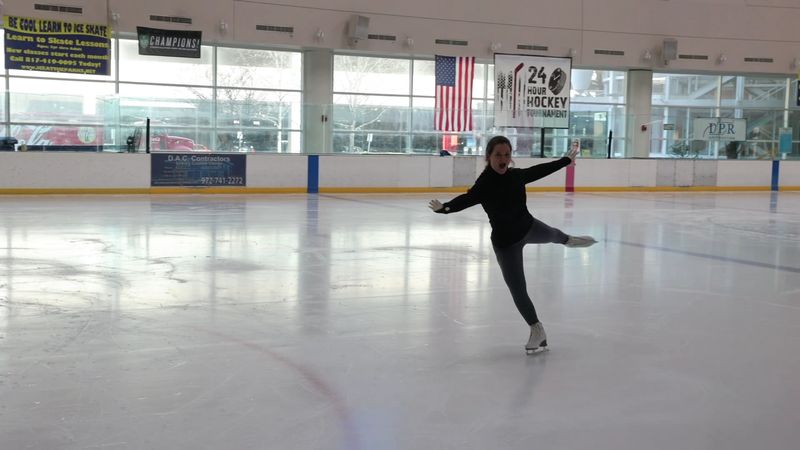
When too many blades slice the sheet, the ice turns into rutted corduroy.
You feel your edges catch and your knees take a beating on sudden ridges.
Locals hate paying for a session that feels like skating on gravel.
Frequent resurfaces help, but short turnarounds cannot fix chronic overcrowding.
The Zamboni does its pass, then the ice is crowded again within minutes.
That fresh glassy sheen disappears before it sets.
Cold snaps in Massachusetts can improve durability, yet variable temperatures undo the magic.
Outdoor rinks warm up under bright sun and soften, then refreeze into bumps at night.
The cycle is tough when thousands of feet churn it all day.
Skaters who practice crossovers and edges need clean surfaces.
Choppy ice punishes small mistakes and reduces confidence, especially for newer riders.
Locals avoid peak sessions simply to protect their ankles.
Ask staff about the resurfacing schedule before you pay.
If the next cut is soon, wait it out near the boards and jump in first.
The first five minutes after a cut are gold.
Keep your blades sharpened to slice through messy patches.
Shorter sessions with reliable ice beat longer fights against ruts.
Boston skaters value quality over quantity when winter time is scarce.
Rental Counter Gridlock
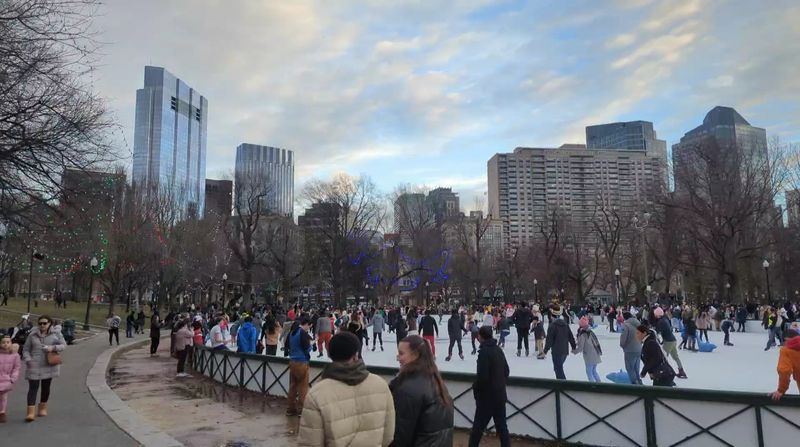
Nothing stalls your momentum like a jammed rental counter.
Sizes run out, half sizes go missing, and the check-in software slows when the crowd spikes.
Locals would rather bring their own gear than gamble.
A poor fit wrecks balance and confidence, especially for kids. Loose ankles and dull blades make falls more likely in heavy traffic. You do not want a bad boot in a busy session.
Many Boston rinks let you reserve skates online, but arrivals during peak hours still bottleneck.
Try on early, and ask for a heat-molded fit if offered. A snug, secure ankle saves the day.
Consider non-peak visits on school days or late evenings.
Massachusetts families flock to weekend afternoons, so plan around them.
Your photos will still look winter-perfect at night.
Bring thin socks you can layer for better fit.
Label your bag so pickup is quick, and keep laces tied together to avoid tangles.
Efficiency matters when the lobby is shoulder to shoulder.
If the line looks wild, skip rentals and focus on watching for a round.
You can scout the ice, study flow, and decide on a later slot.
Locals do this to avoid gear frustration.
Expensive Peak Pricing For Short Sessions
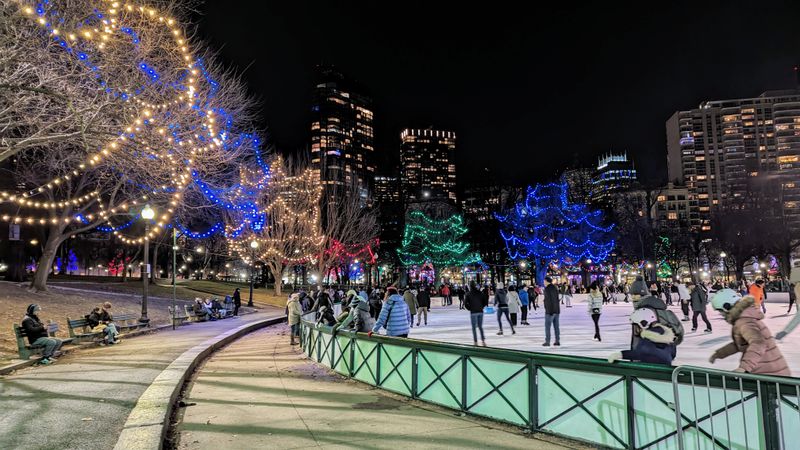
Overcrowding often pairs with peak pricing, and locals feel the pinch.
You pay more for a timed session, then spend half of it weaving through traffic.
That math does not feel great on a cold night.
Dynamic pricing has reached some seasonal rinks in Massachusetts.
Holiday weeks and school vacations tug rates upward.
A sold-out calendar does not guarantee a better skating experience.
Check for resident discounts or weekday specials.
Some rinks offer lower rates on early sessions or late slots after dinner.
Your wallet and nerves benefit from quieter ice.
If you bring your own skates, you can skip rental fees and save time.
Families should compare package options and pre-purchase online when available.
Transparency helps you decide if the value is there.
Locals tend to favor community-run rinks that keep prices level.
Shorter lines often mean more minutes actually skating.
You can feel that value in smoother laps.
Always scan the session length before you tap to pay.
Ask staff about capacity limits and whether the rink enforces them.
A fair cap can make a big difference on ice quality.
No Space For Beginners To Learn
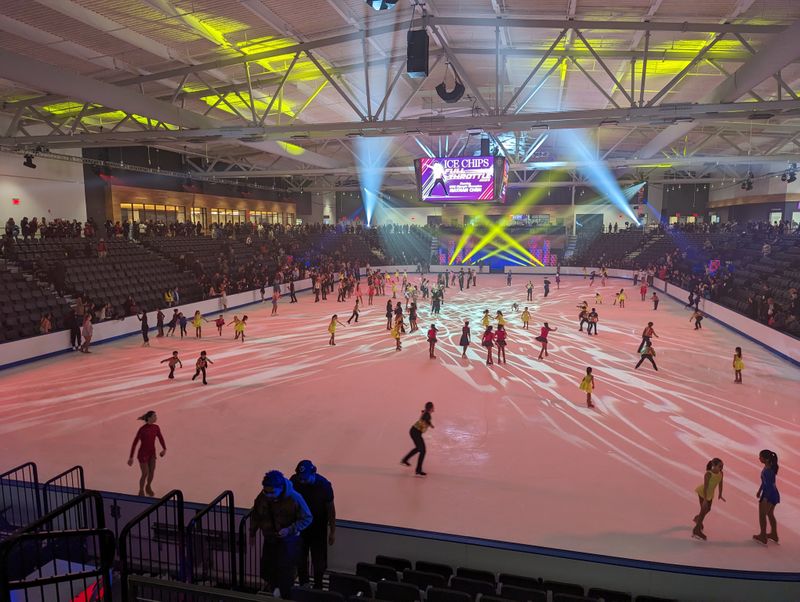
Beginners need calm corners to build confidence, but crowded rinks erase that buffer.
You can see tiny skaters clutching the boards while fast feet zip by inches away.
That stress pushes families to bail early.
Many rinks try cones or a slow lane, yet overflow ignores boundaries when it is packed.
Parents spend the session spotting collisions instead of cheering first laps.
Locals dislike seeing newcomers turned off from a classic Boston winter activity.
Skate aids help, but access gets limited when demand spikes.
Reserve early if the rink offers rentals for assist frames.
A lighter crowd makes practice feel safe.
Consider lessons with capped group sizes for a better introduction.
Weekday clinics often guarantee space and trained coaches.
The right first experience can make a lifelong fan.
Massachusetts families should also check parks with pond skating when conditions are officially posted. Natural ice opens and closes based on safety notices, so never assume.
Follow municipal updates and avoid untested surfaces.
When in doubt, scout a late session after dinner.
You get twinkle lights, quieter ice, and fewer speedsters.
It is the kind of memory that brings beginners back.
Locker Chaos And Nowhere To Stash Your Stuff
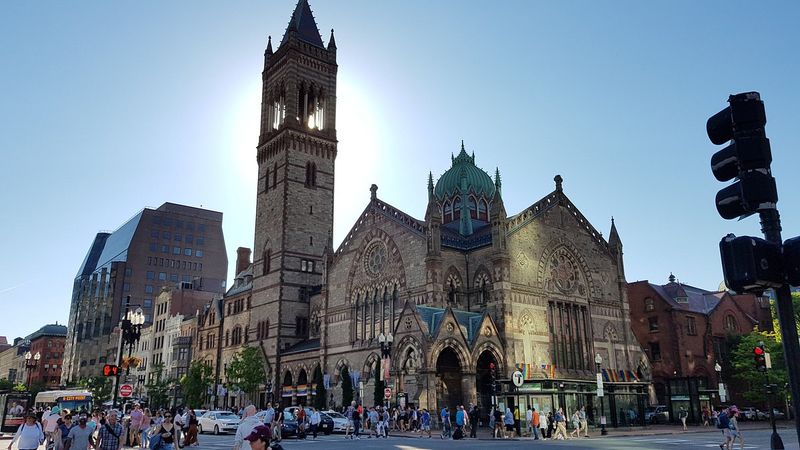
Benches fill up fast at popular rinks, and bags sprawl like a yard sale.
You spend more time guarding your gear than enjoying the session.
Locals call it locker roulette.
Small lockers vanish first, and the bigger ones can be pricey.
Bring a compact lock because some rinks are BYO.
Clear labels help if staff need to move items.
The fix is simple planning. Travel light with a sling bag that tucks under the bench.
Wear layers you can keep on rather than stuffing a duffel.
Families should pre-assign one person as the gear captain.
That person watches the stash while others skate, then you swap.
It beats scrambling during a crowded turnover.
Massachusetts winters encourage heavy coats, but choose slimmer insulation for rink days.
Streamlined layers help you move and store easier.
You will thank yourself when the buzzer ends the session.
If lockers are sold out, ask staff about supervised shelves or a coat check.
Some rinks add temporary racks during holidays.
Locals know to ask, not assume.
Crowds Kill The Downtown Charm
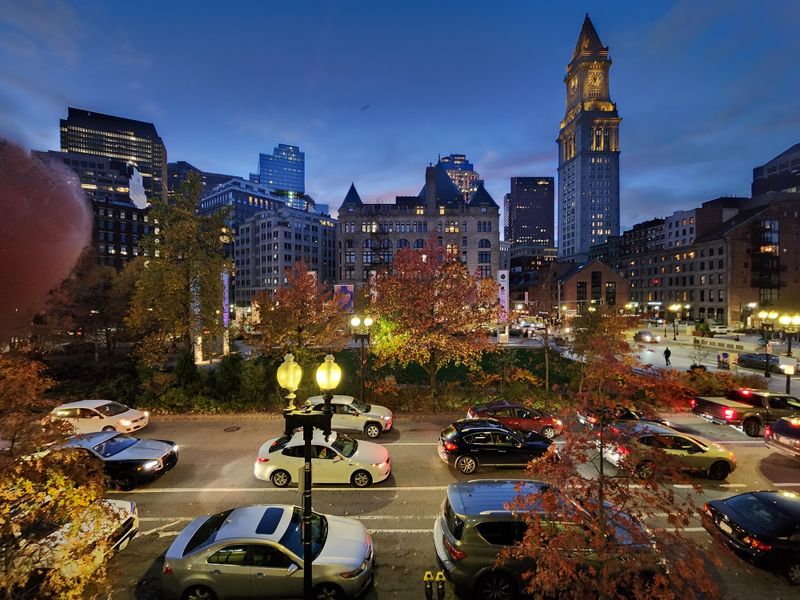
Downtown Boston looks perfect in winter lights until the rink is packed shoulder to shoulder.
The city charm fades when you shuffle more than you glide.
Locals would rather stroll the lights than fight the swarm.
Photo ops also suffer because background frames get jammed.
Every shot includes elbows and bright rental tags.
Quiet corners disappear under holiday rush.
To keep the magic, visit during off-peak nights.
Tuesdays or Wednesdays after dinner often feel calmer.
You still get skyline sparkle without the squeeze.
Consider a pre-skate warmup walk along Commonwealth Avenue Mall.
The lights are lovely and free, and the pace is yours.
Then pick a later session once crowds thin.
Massachusetts winters can be crisp but manageable with the right layers.
Hand warmers help when you pause for photos.
Keep the camera ready and move quickly between spots.
Locals know that a good plan preserves the downtown mood.
You can have the postcard look and a pleasant skate.
Timing, not luck, shapes the experience.
Parking Drama And Transit Crunch
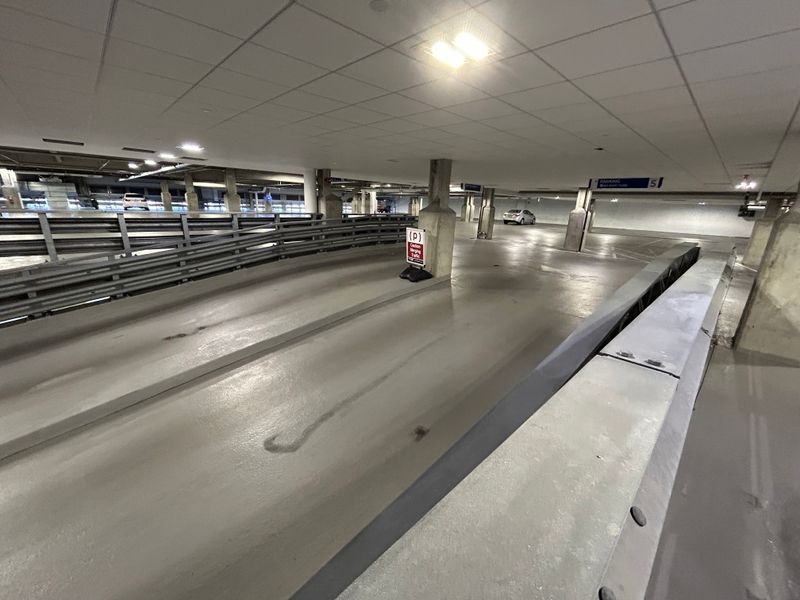
Driving to a popular rink can test anyone in Boston.
Garages fill, side streets post resident rules, and meters flip to event pricing.
Locals avoid the car if they can.
Transit helps, but peak trips also crowd the MBTA.
You may stand the whole ride with skates on your shoulder.
Families juggling gear find that tough in winter layers.
Plan ahead with mobile garage reservations where available.
Some lots near Fenway and Back Bay offer evening deals.
It beats circling in cold wind.
If you take the T, pick off-peak boarding and bring a compact skate bag.
Avoid blocking doors so you can exit quickly at your stop.
Small etiquette moves keep stress down for everyone.
Massachusetts weather can flip fast, so pad your travel time.
A light snow slows traffic and turns curbs into slush traps.
Leave earlier than you think you need.
Locals often combine a neighborhood coffee stop to stagger their arrival.
That means missing the first wave and landing in a calmer session.
Smart timing turns transit crunch into a nonissue.
Cold Wind Tunnels Around Big Buildings
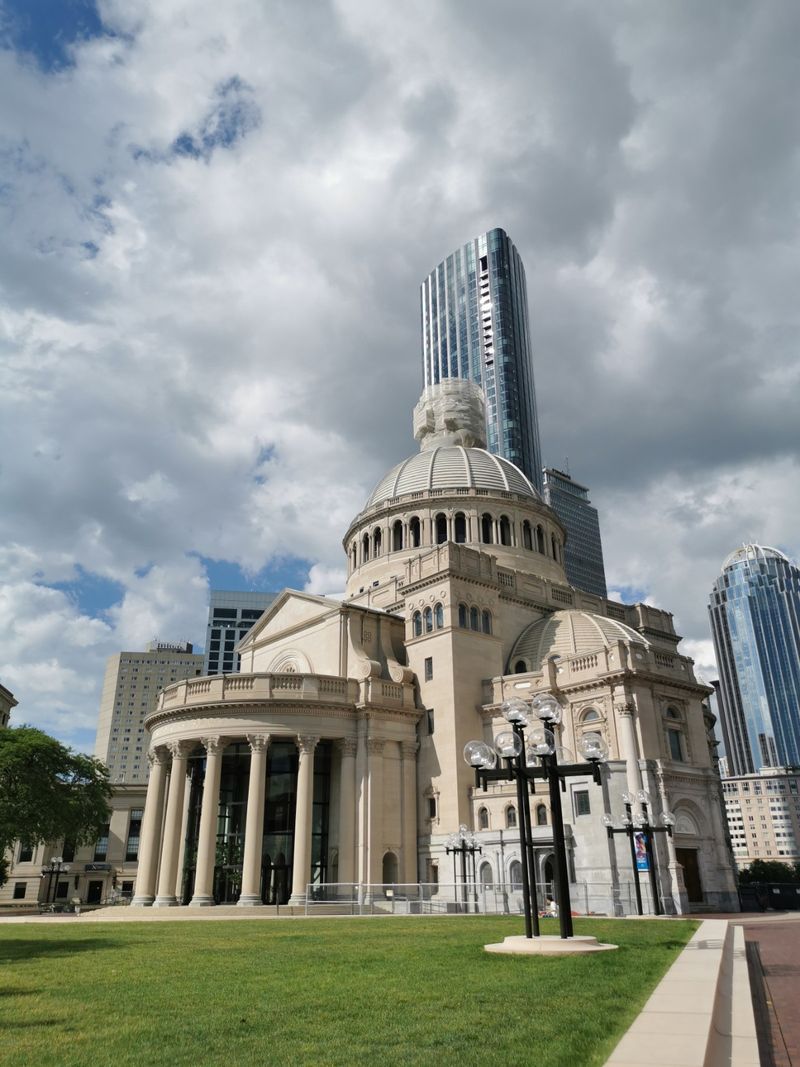
Tall buildings can funnel wind straight across the ice.
Gusts push skaters sideways and raise the chill factor fast.
Locals hate when a calm day turns brutal inside the rink bowl.
Wind also roughs up the surface by drifting snow and debris.
You end up with gritty corners and numb fingers. That combo is rough for families and beginners.
Check forecasts for wind speed, not just temperature.
A breezy 25 feels worse than a still 20 in Massachusetts.
Layer a wind-resistant shell even if you think it is mild.
Some rinks set up vinyl barriers or partial boards as wind shields.
They help, but crowds still create drafts as people loop.
Pick a rink with natural tree cover when you can.
Warm up with dynamic stretches near the boards before you push off.
Keep breaks short so sweat does not chill.
Hand and toe warmers buy you extra laps without ache.
Locals plan the direction of travel to use the headwind on straights.
Then they relax with the tailwind going back. Smart pacing saves energy on gusty nights.
Hard To Score A Lesson Or Private Slot
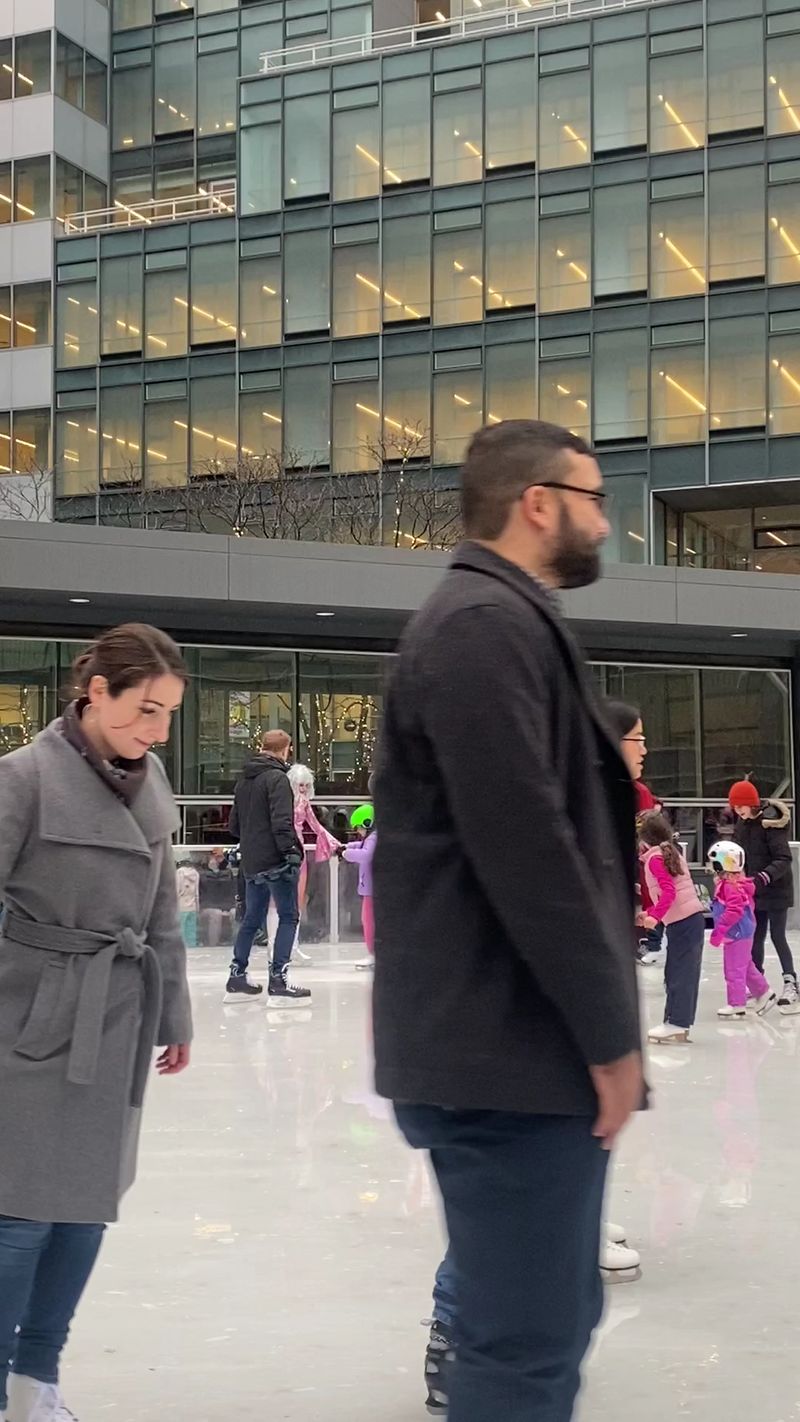
When rinks are packed, coaching calendars vanish.
Parents chase a slot for weeks and watch waitlists grow.
Locals complain because winter is short and progress needs momentum.
Private ice fixes crowd issues, but access is limited and pricey.
Group classes help until enrollment spikes and ice gets tight.
Students stall when drills need space they do not have.
Call early in the season and ask about cancellation lists.
Coaches often fill last-minute openings from a text chain.
You can snag a spot if you stay flexible.
Travelers to Massachusetts should email before their trip with size, level, and dates.
That lets the rink match you to a coach fast.
Bring your own skates so you are lesson-ready.
If you cannot land a lesson, use quiet mornings to practice basics.
Set one focus per session like edges or stops. Progress still happens without a clipboard.
Locals also share community bulletin boards with coaching leads.
Check rink lobbies and league social pages for fresh contacts.
Persistence pays off when slots are scarce.
Dear Reader: This page may contain affiliate links which may earn a commission if you click through and make a purchase. Our independent journalism is not influenced by any advertiser or commercial initiative unless it is clearly marked as sponsored content. As travel products change, please be sure to reconfirm all details and stay up to date with current events to ensure a safe and successful trip.
