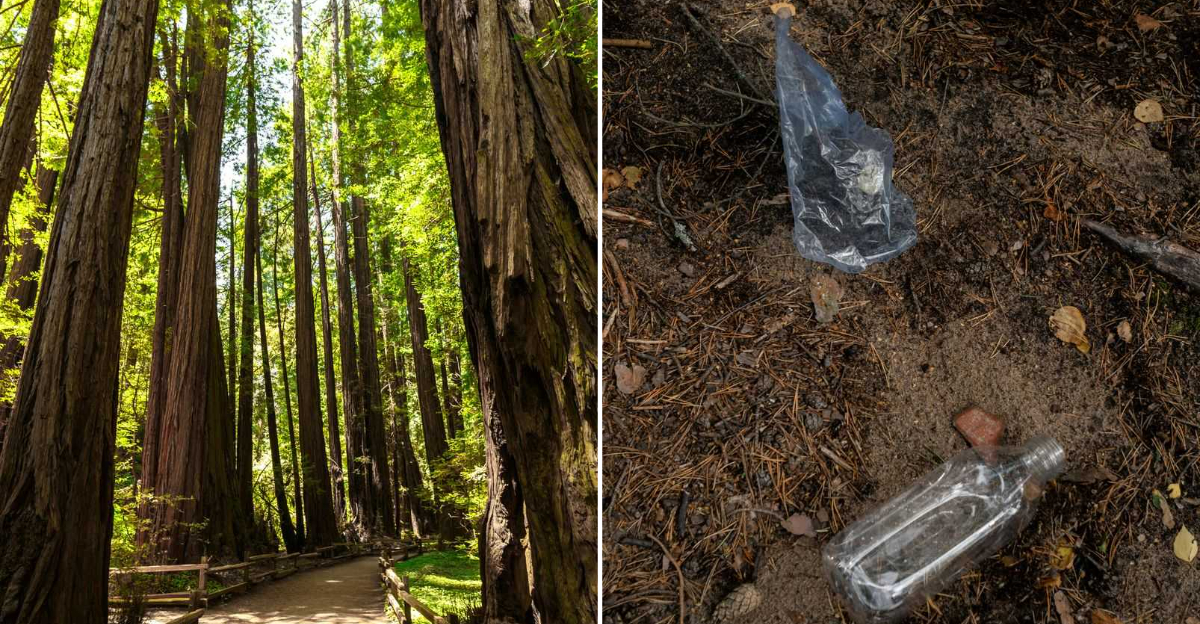
What happens when too many visitors show up to see California’s famous redwoods? These towering trees are some of the most iconic sights in the state, but the growing crowds have brought new challenges.
Trails that were once quiet are now packed, and the pressure from foot traffic, litter, and even people carving into bark has started to take a toll.
Rangers and locals often point out that the redwoods aren’t just big trees, they’re fragile ecosystems that need care to survive.
For travelers, it’s easy to get caught up in the excitement of standing beneath something that’s been alive for hundreds or even thousands of years. But with that awe comes responsibility.
Simple actions, like staying on marked paths or respecting park rules, make a huge difference in keeping these forests healthy. California’s redwoods will always be worth the trip, but the way visitors treat them will decide how long they last.
1. Foot Traffic Slowly Compacts Ancient Soil
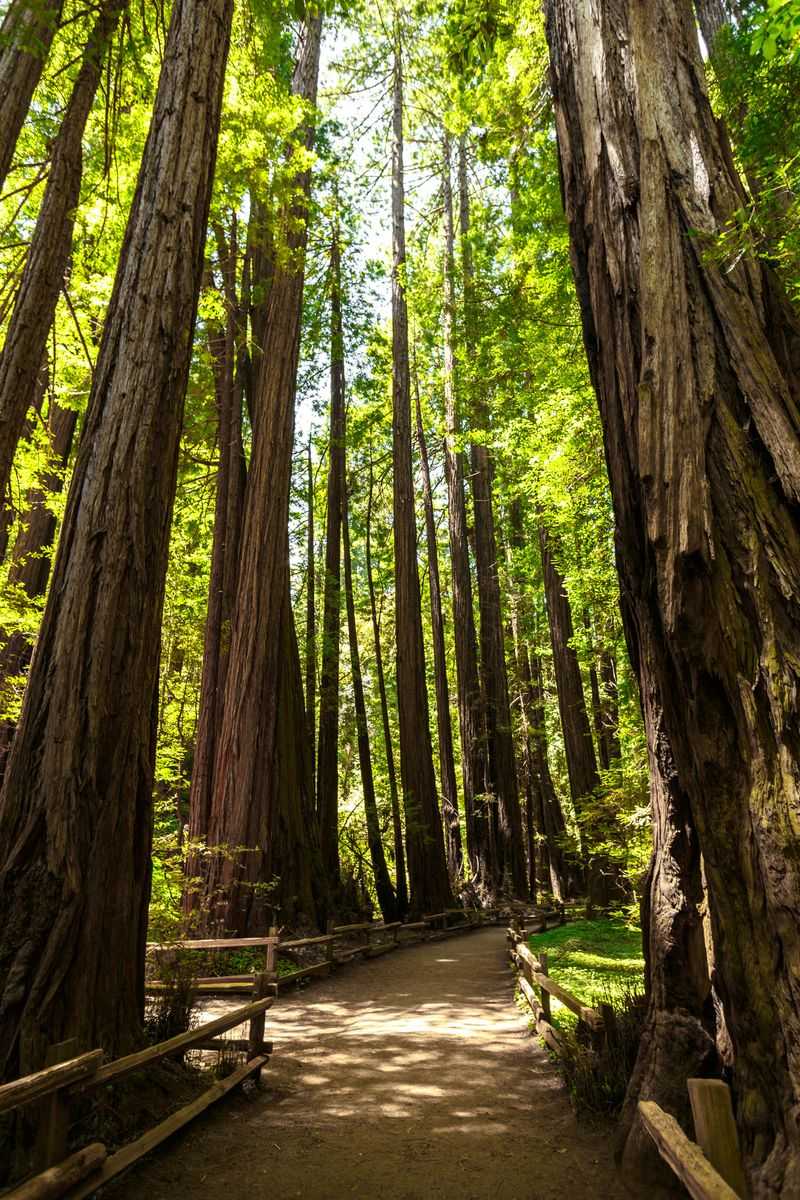
You know that springy feeling underfoot on a forest trail? That is living soil, and redwoods depend on it staying fluffy and full of air.
When crowds shuffle off trail, that cushion gets pressed flat and tight. Water stops soaking in evenly, tiny organisms lose their pockets of space, and roots struggle.
Redwoods spread their roots wide, like a lacework under the duff. Compaction chokes those roots and makes storms harder to handle.
A strong wind can push a stressed tree more than you might think. Park crews place fencing and small logs to guide feet, and it helps when you listen.
California parks mention this constantly because they see the patterns day after day. I try to pause and pick the path that feels gentle rather than convenient.
Staying on the boardwalk or the main tread keeps the rest breathable. These trees feel unshakable, yet the ground beneath them is the real deal maker.
Let it stay soft so the giants keep their balance.
2. Visitors Stray Off Trails For Photos
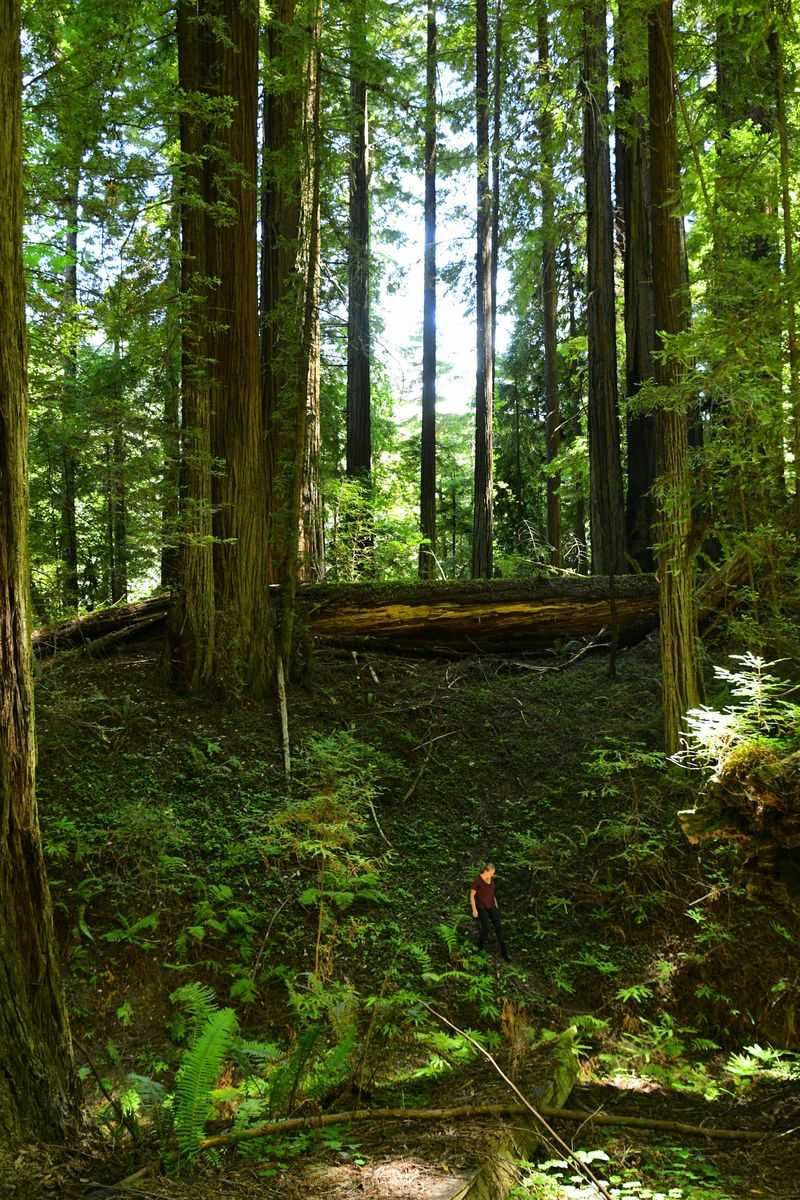
I get the urge to frame that perfect shot. The light hits a fern just right and the bark glows like copper.
But stepping off trail for the angle is what flattens the understory fast. Those delicate plants hold soil and shelter insects that keep the whole place humming.
When they are crushed, the ground loosens and slides. Recovery drags, and sometimes it never looks the same.
California crews spend long hours shaping tread that drains and lasts. All that work depends on us keeping our curiosity corralled.
If you are tempted, try kneeling on the trail and zooming in. The shot still sings, and the plants do not pay for it.
Signs are not there to be strict for no reason. They mark places where the ground is weakest and needs a break.
Think of the camera as a guest too, with respectful boundaries. The photo feels better when you leave no trace behind.
3. Root Systems Are More Fragile Than They Look
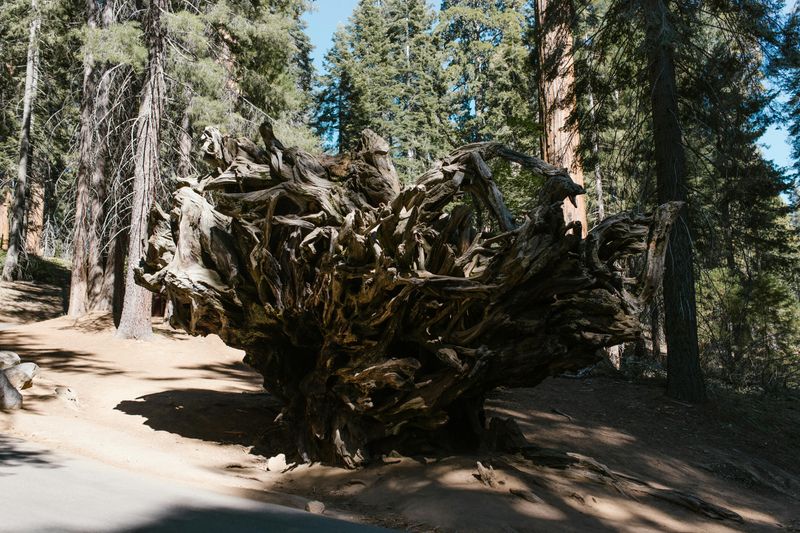
Here is the thing that always surprises people. Redwoods do not drive roots deep like anchors.
They spread them wide and shallow, sharing strength by linking with neighbors. That web is powerful, but it is also easy to bruise.
Standing right at the base compresses the soil and scuffs off protective layers. It looks harmless, yet it chips away at stability over time.
In Humboldt Redwoods State Park, I walked past gentle barriers around famous trees and watched someone hop over to lean on the trunk.
I get the urge to feel the bark. The wiser move is to admire from a few steps back.
Those thin roots near the surface are like tendons. Once they are exposed, the sun and air are not kind.
Moisture fades fast and tiny organisms shift away.
Think of the drip line as the no pressure zone. If your feet are there, you are probably too close.
Trails and platforms sit just outside that stress ring. California rangers keep adding rails because love can be rough when it crowds.
Give the roots some breathing room and the tree can handle the wind better too. You are not losing anything by stepping back.
The view is still huge and the tree stays steady.
4. Illegal Climbing Threatens Tree Health
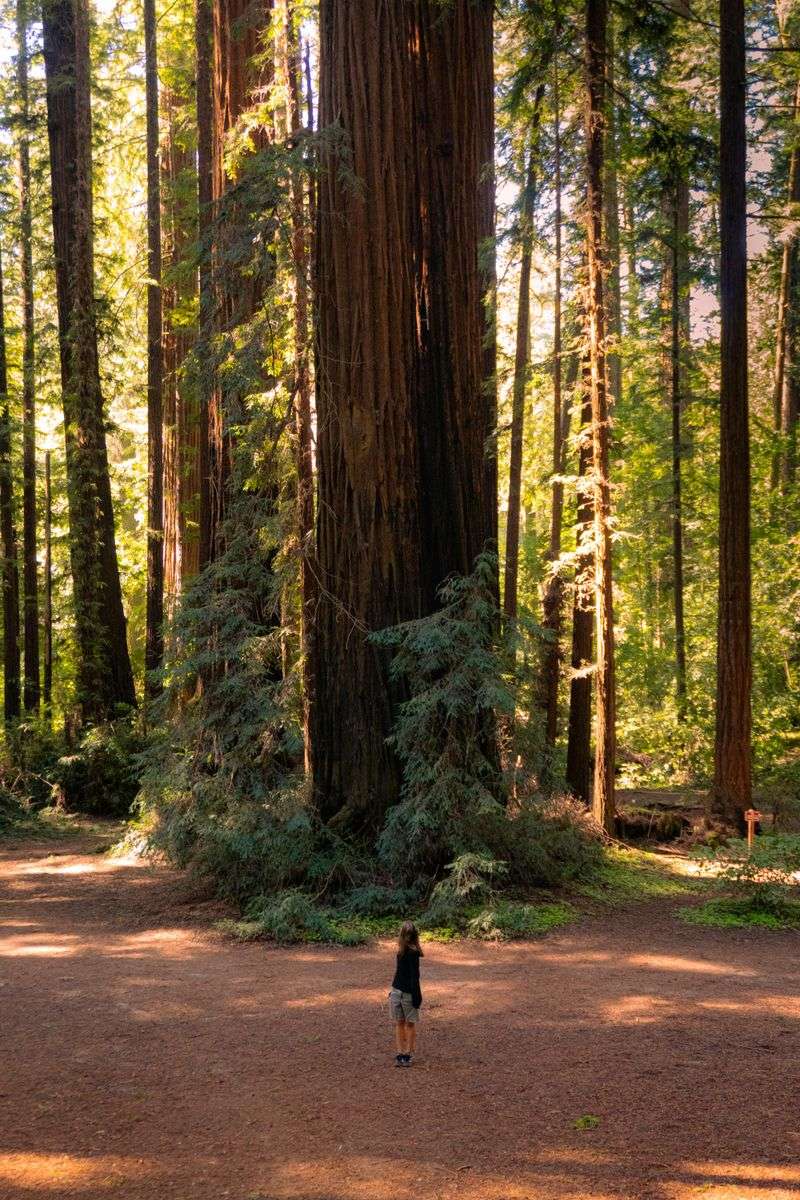
Climbing a redwood sounds like a story you would brag about forever. The reality is rougher, trust me.
Bark is a living shield that keeps pests and disease out. Every scrape from a shoe or rope becomes a doorway.
Small wounds look like nothing and then turn into long problems. I have seen scars at shoulder height that tell a whole tale without a word.
Most protected areas ban climbing for good reason. Rangers in California have to chase this more than you think.
Enforcement keeps inching up because the incidents keep popping up. The goal is not to spoil fun.
It is to keep the trees from fighting infections they never needed to meet. Even a careful climber cannot avoid micro damage on soft bark ridges.
If you feel the itch to go vertical, shift it to a designated climbing area away from the groves. In places like Prairie Creek Redwoods State Park, signs make the rules plain.
That is the moment to respect the living museum around you. The best view is still from the ground, neck craned, light filtering like slow water.
Your story can be about restraint instead. That is the kind that ages well.
5. Overcrowding Strains Trail Infrastructure
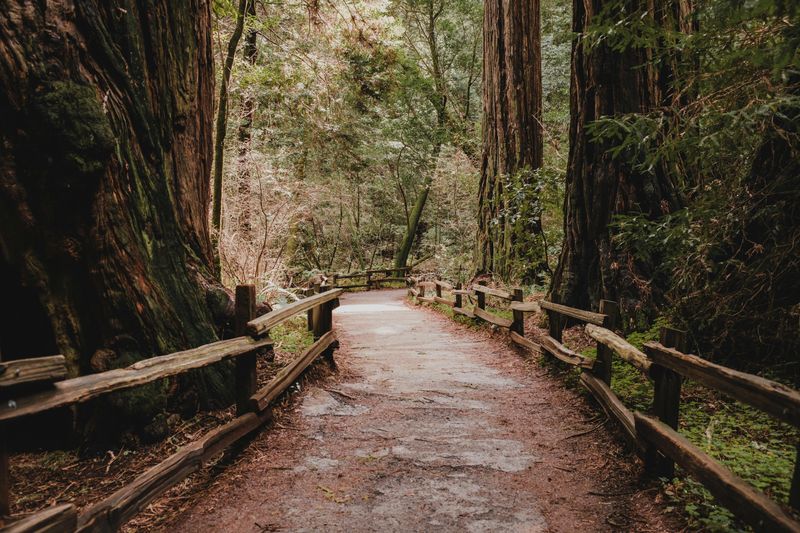
There are days when a redwood trail feels like a sidewalk at rush hour. You can hear the shuffle before you see the crowd.
Boardwalks flex, rails loosen, and the tread turns dusty and slick. Maintenance budgets stretch, but traffic grows faster.
When a plank breaks or a switchback crumbles, people blaze side routes. Those shortcuts widen damage like ripples after a stone hits water.
California parks are trying creative fixes, like one way loops and temporary closures. It is not perfect, but it buys the ground some time.
What helps from your side? Pick less popular hours and trailheads.
Spread out the strain rather than loading the same highlight reel.
Walk a single file on narrow stretches to keep edges intact. If a boardwalk looks tired, stay centered and steady.
If a boardwalk looks tired, stay centered and steady. Small moves stack up just like small scuffs do.
The trees feel calmer when the footing does too.
6. Vehicles Contribute To Pollution And Vibration
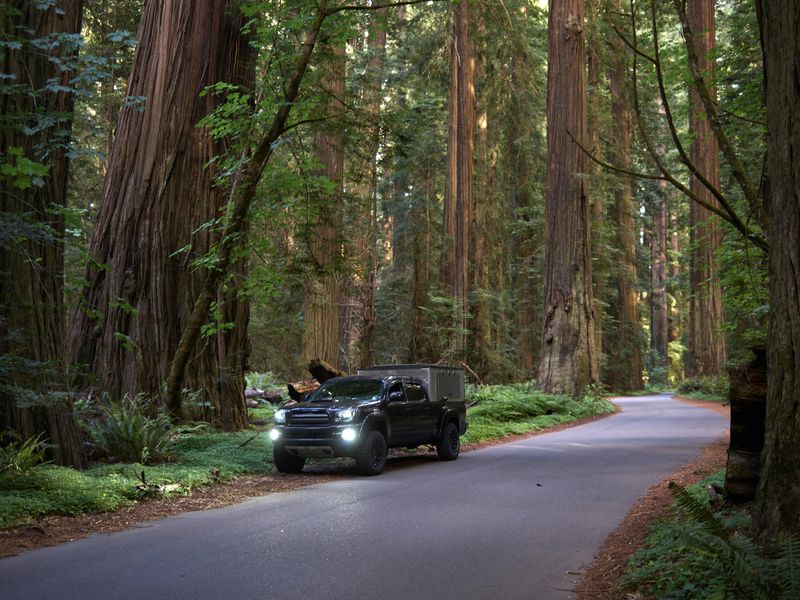
Driving the Avenue of the Giants is a thrill, yet the rumble does not stop at the pavement. Engines shake the ground more than you expect.
Vibration can loosen soil near roots and rattle small burrows along the shoulder. Exhaust hangs in low spots and creeps into streams after a rain.
The trees handle a lot, but the rest of the ecosystem is sensitive. I feel it most when I step from the car and the forest seems to exhale.
Roads here were built for a different era. Now the lanes carry long lines and occasional jams.
That brings stress and a higher chance of fender bumps in tight places. California road crews and park staff try traffic controls and pullouts, yet the squeeze remains.
I think the best moment of a visit is often the first step away from the asphalt. That is where the forest starts to sound like itself.
If you can, park once and linger. String together nearby trails instead of hopping between lots.
Keep tires on gravel or pavement, never on the duff. Idling less helps the air and your head too.
The quiet returns faster than you think. Give the grove more time than the road.
7. Litter And Food Waste Disrupt Ecosystems
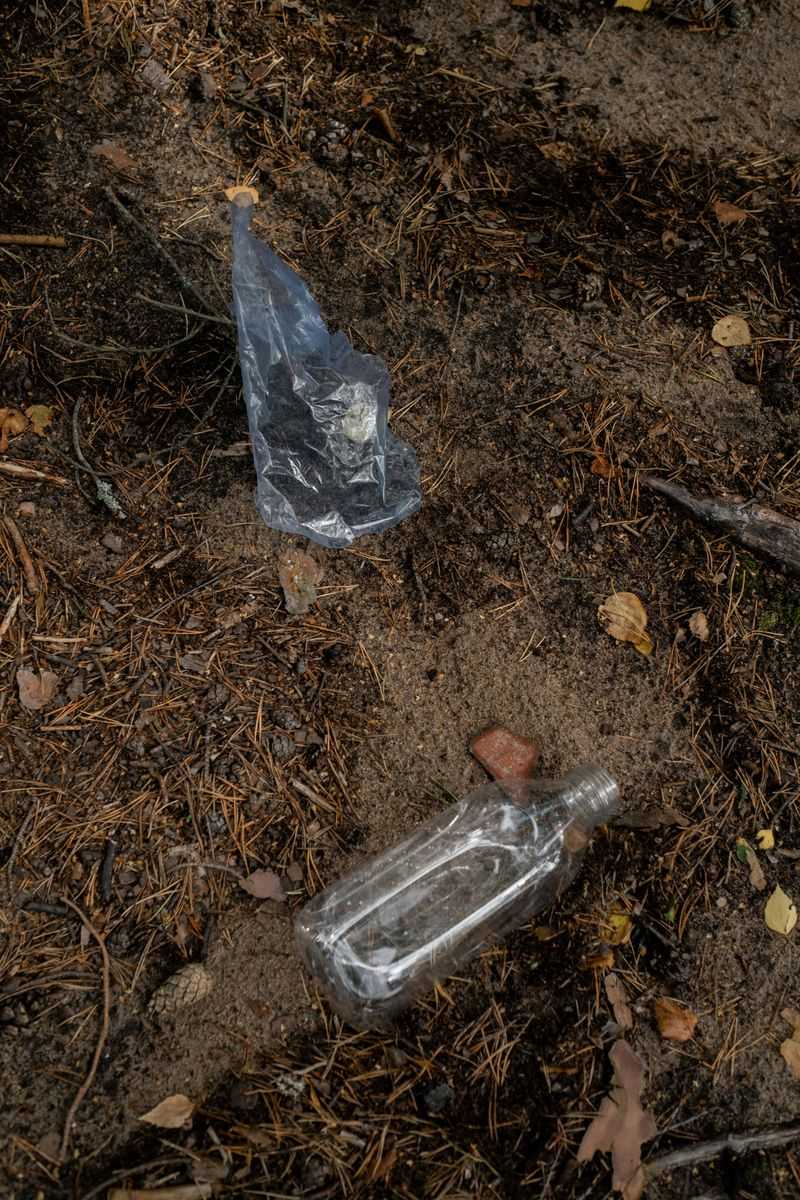
A crumpled wrapper or a tossed peel seems tiny. In a redwood grove, it starts a chain.
Animals learn to sniff out human spots instead of foraging. Nutrients shift where they should not, and soil chemistry tilts.
Even the look of the place dims when bright bits pop against the dark duff. I carry a small bag because it is easier than feeling annoyed later.
Crews and volunteers spend hours cleaning instead of restoring habitat. Parks in this state would rather put that energy into trail fixes and research.
The fix is simple and stubborn. Pack out everything, even the accidental crumbs you notice.
Keep lids tight and never stash food under logs. If you see trash, grab it if you can do it safely.
That small win keeps the grove wilder for the next wanderer. It feels good to leave a place quieter than you found it.
The giants deserve that kind of care.
8. Noise Pollution Impacts Wildlife
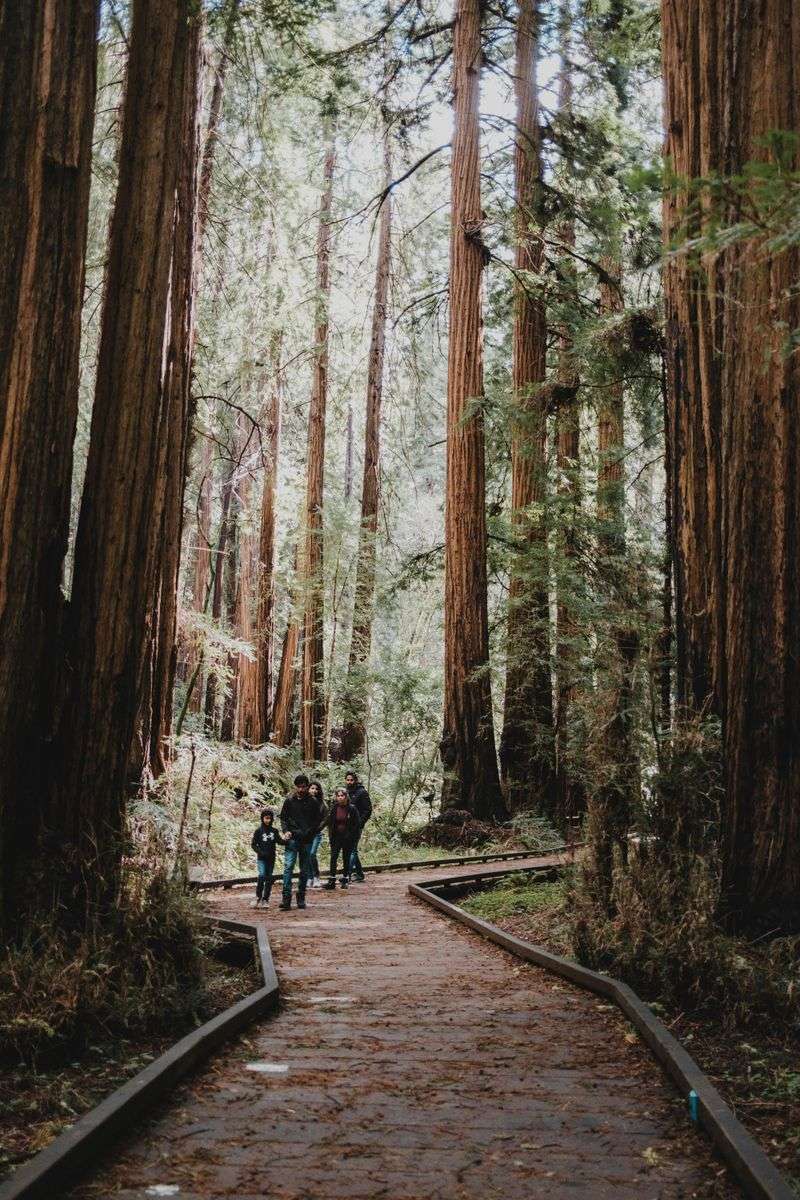
It is easy to forget how loud we sound under tall trees. Voices carry like they are bouncing off cathedral walls.
Birds listen for subtle calls, and mammals cue into tiny rustles. When chatter fills the corridors, those signals blur.
Nesting, feeding, and hunting routines wobble. I caught myself talking too bright and felt the forest tense a little.
On a calm morning in Humboldt Redwoods State Park, a single laugh rolled down the trail like a bell. It took minutes for the birdsong to creep back.
Sound layers matter in a place built on balance. Rangers here sometimes ask groups to spread out and soften their tone.
The forest has its own pace, and you can tune to it.
Try walking for a stretch without words. Let your feet and breath set the beat.
If music is your thing, keep earbuds low and sealed.
Give wildlife a chance to hear each other first. The magic flips on when it gets quiet.
You will notice more, and the grove will notice less of you.
9. Climate Stress Makes Human Impact Worse
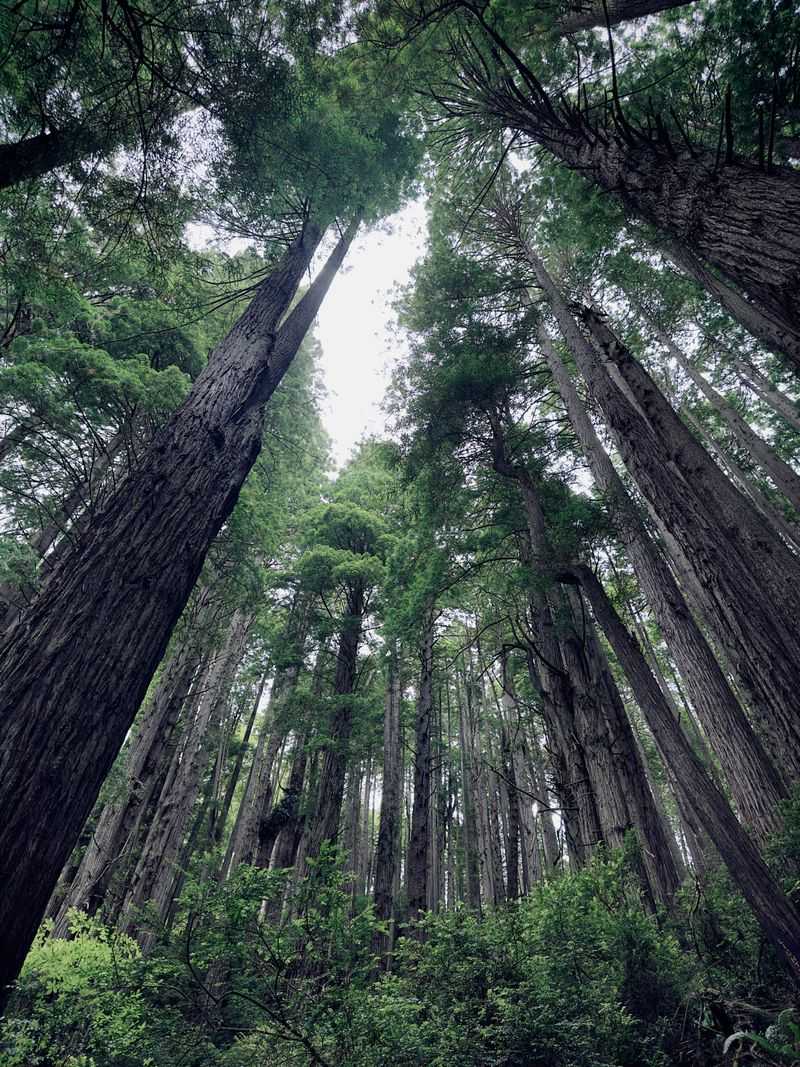
These trees grew with cool fog and steady moisture in mind. When the air runs warmer and drier, every scuff and shortcut hits harder.
Soil that once bounced back now crusts and sheds water. Roots lose the sponge they rely on.
Human pressure that felt minor a while ago can tip the balance. I notice it most in late season when the duff crackles underfoot.
In California, shifts in fog and heat have become part of trail talk. Rangers point out places where ground once stayed damp and now feels dusty.
Add heavy feet, and the stress doubles. Metaphorically, the grove has less cushion left for mistakes.
That means our choices carry more weight. Small kindnesses matter more when the baseline is thin.
What helps? Stay on durable surfaces, even if it means walking through a shallow puddle instead of skirting the edge.
Take breaks on rocks or benches, not on roots. Keep visits flexible so you can avoid overly hot afternoons.
The idea is not to tip the scale further. Give the forest the easiest version of you, it adds up, especially now.
10. Emergency Rescues Damage Sensitive Areas
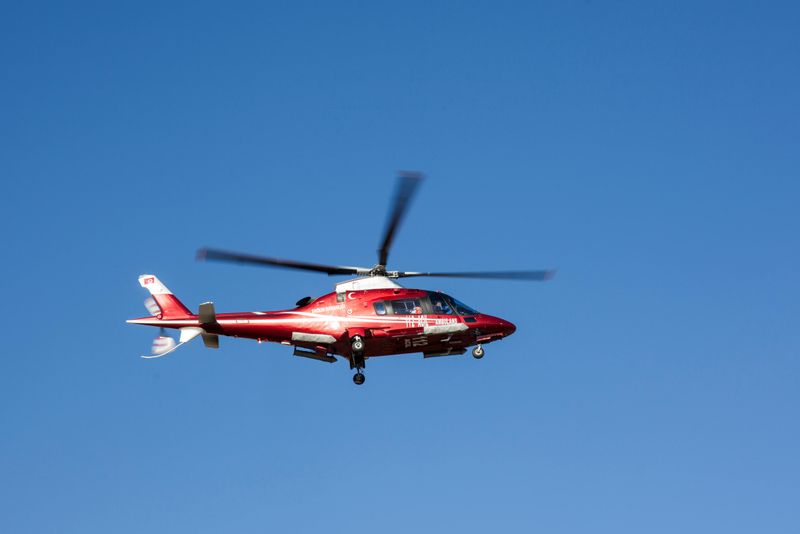
No one plans to get lost on a mellow hike. When it happens, responders do what they must.
That often means stepping off trail with gear and a team. Sensitive soil gets compacted, and quiet corners get disturbed.
It is a necessary trade when someone needs help. Still, it leaves a mark that takes a while to soften.
Many real callouts begin with someone skipping a sign or pushing past a closed section. Those choices ripple beyond the person in trouble.
Crews here carry a huge responsibility and do it with care. You can lighten their load by showing up prepared.
Carry a simple map, charge your phone, and tell someone your general plan. Turn around when the trail looks tired or unclear.
Stick to marked routes, even if curiosity tugs hard. A quiet day is the best outcome for rescue teams and the forest.
Think prevention as a kindness to the unseen corners of the grove. It is the gentlest path there is.
11. Limited Staffing Struggles To Keep Up
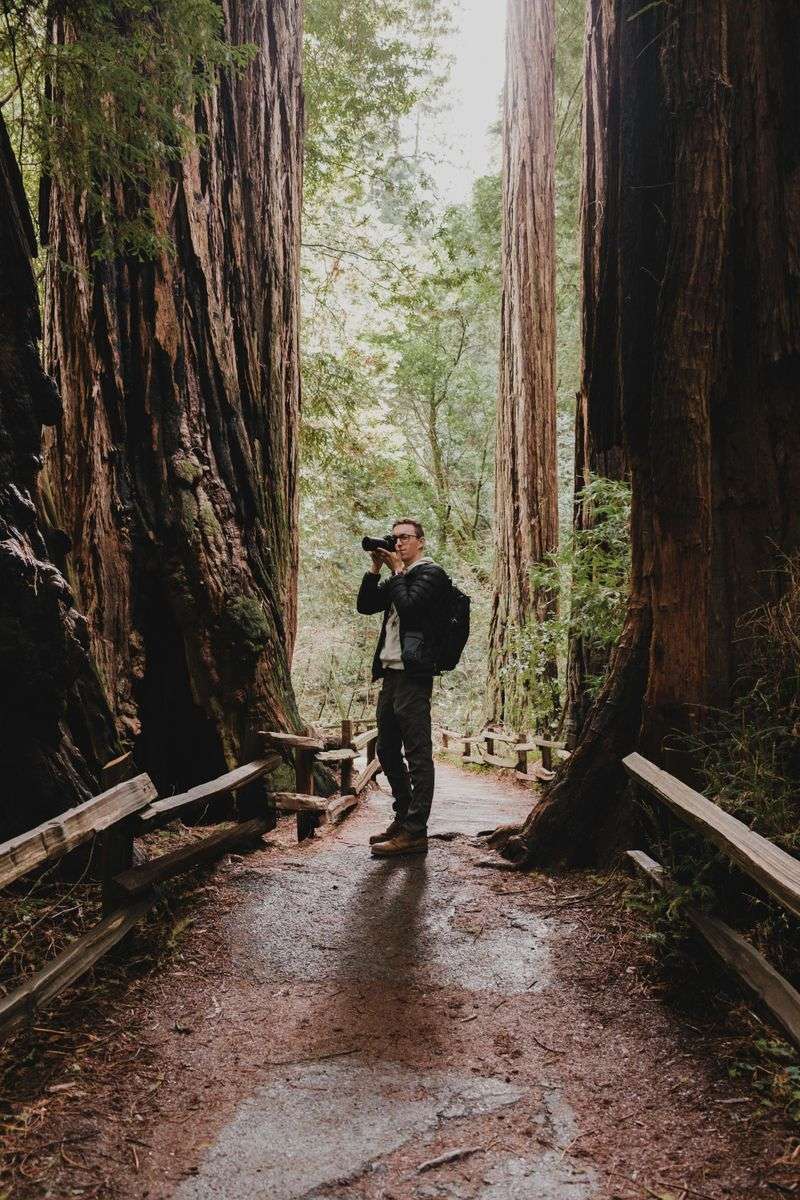
You can feel how thin the crew is when you roll into a quiet ranger station. A couple of folks juggling maps, trail reports, and a stack of tasks.
Meanwhile the parking lot keeps filling. Less staffing means slower repairs and fewer friendly reminders out on the path.
Damage spreads while the to-do list grows. I always appreciate how patient they stay under that kind of pace.
Education is the force multiplier. One ranger talk can save a hundred small mistakes.
Parks here lean on signs and partner groups to bridge the gap. Volunteers jump in with trail days and guided walks.
It helps, but the math still bites on busy weekends. That is when your own habits matter most.
Plan ahead, read the boards at the trailhead, and pass along tips to anyone who seems unsure. Pack a tiny brush to knock mud off boots so it stays on the trail.
Offer a friendly heads up if someone drifts toward a closed area. You are not the hall monitors of the woods, just good neighbors, and that vibe spreads faster than rules alone.
The forest benefits when the crowd acts like a team.
