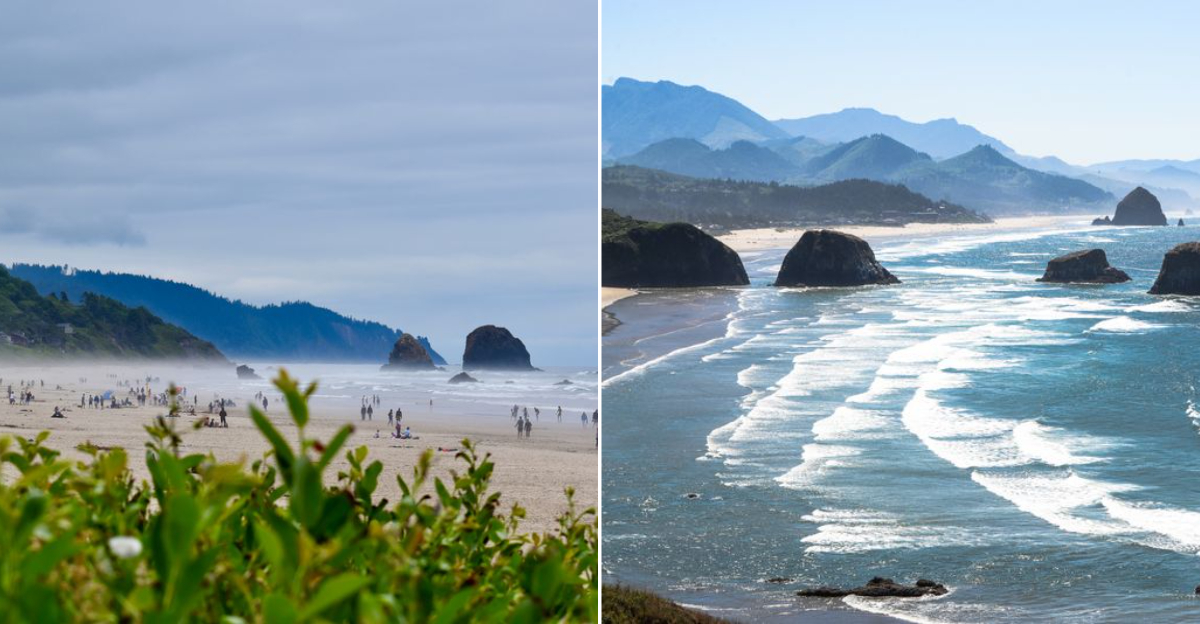
Sometimes a place you’ve always loved just doesn’t hit the same way when you go back. That’s what many people say about Cannon Beach in Oregon.
Famous for its coastline and Haystack Rock, it used to feel calm and laid-back, but over time the atmosphere has shifted. The views are still incredible, but the experience feels different.
More crowds, busier shops, and a faster pace have changed the vibe from what longtime visitors remember.
Walking along the sand, you notice how the quiet charm has been replaced by a more commercial feel. It’s not necessarily bad, it’s just not the same as it once was.
I’ve had that same moment at places I revisited, where nostalgia clashes with reality, and it leaves you with mixed feelings.
So if you’re planning a trip to Cannon Beach, expect the beauty you know, but with a new energy that might surprise you.
Once A Quiet Coastal Hideaway

Have you ever stood on a beach and felt like the whole town was whispering, not shouting?
Cannon Beach used to be exactly that, a soft coastal hush where Haystack Rock felt close enough to touch with your eyes. Back then the rhythm was the tide, not the traffic.
Locals remember when the streets around North Hemlock Street and East Gower Avenue felt like front porches instead of corridors.
Neighbors waved from yards, and weekends meant bonfires, not backups. I think that kind of small town warmth is why people still talk about the old days with a catch in their voice.
The mood changed as more people discovered the view and the ease of a getaway within Oregon driving distance.
What used to be a quiet stroll to the sand now feels like a plan with timing and luck and backup options.
The village texture softened when everyday faces got mixed with new crowds you rarely see twice. It is not bad, just a different beat.
There is still a pulse under the noise if you listen early or late. But the contrast is sharp next to busier afternoons and packed crossings, that gap makes memory feel louder than the surf sometimes.
It is why long timers call this shift by its real name.
Global Fame Changed The Vibe
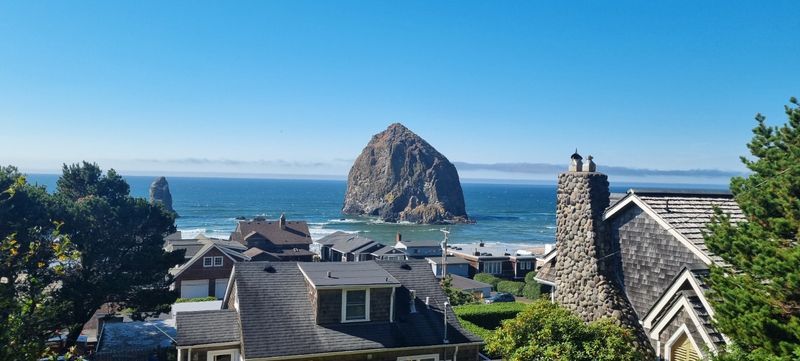
Here is the thing about fame: it pulls a place into the spotlight and leaves very few shadows to hide in.
Haystack Rock turned into a global postcard and the town followed.
Walk down North Hemlock Street near 2nd Street and you can almost hear languages mingling with the gulls.
Travel lists did what they do, and suddenly the quiet felt public. The magic stayed, but the feeling shifted from personal to shared with everyone.
That is a beautiful success story and a complicated daily reality in my opinion. Locals who grew up here talk about how the town center now moves on visitor time.
Photo stops shape the flow of a day the way tide tables used to. Even the shop windows look curated for first impressions over long relationships.
I wouldn’t say it’s pretend or staged, just very aware of being seen. Fame changes a town’s posture the way bright lights change a stage.
You stand taller, but you brace a little too. The coast here was always proud, just not always performing.
Now the show runs most days, and the encore feels built in.
Crowds In Peak Seasons
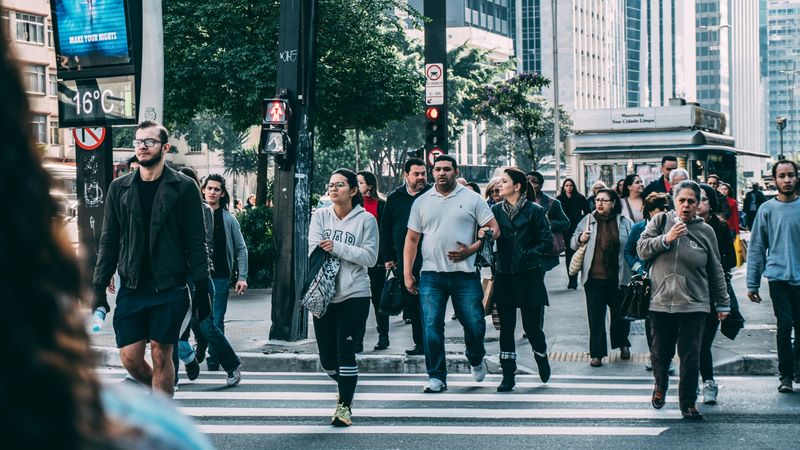
Peak season used to feel like a big family reunion that you could still slip away from. Lately it is more like a block party where every road is the main stage.
Sidewalks move in waves and parking turns into a treasure hunt.
Around East Gower Avenue and South Hemlock Street you start timing crosswalks like you are catching a train.
Beach access points fill quickly, and the sand feels quilted with towels and kites. I think it is lively and cheerful until you want a quick quiet moment and realize there are none left.
That is when locals nudge errands to early morning or late evening.
You plan around crowds the way sailors plan around weather. Even small tasks like grabbing sunscreen or a jacket become missions with detours.
Visitors are not the problem, the volume is; it changes the soundtrack from sea hush to steady chatter.
Housing Costs Price Out Locals

The numbers in real life are homes and who gets to keep their porch light on all year.
As short stays grew, long stays thinned out, and the market followed the weekend, not the weekday.
Drive near South Laurel Street and West Taft Avenue, you will notice houses that look loved yet empty on weeknights.
That gap shows up in school events and pickup lines that feel shorter than they should. It shows up in the neighbor who wanted to stay but could not make the math work.
None of this is about blame so much as gravity. Tourism pulls value upward and sideways, and wages can lag behind the curve.
When a place becomes a destination, the homes become part memory, part investment, part revolving door.
Locals feel that door swinging every season, and it changes the dialogue on the sidewalk from familiar nods to quick hellos.
It changes who hosts the potluck and who just checks in for two nights. The state knows this story in other towns too.
Cannon Beach just wears it close to the surface because the town is compact and every change shows.
Workforce Housing Shortages
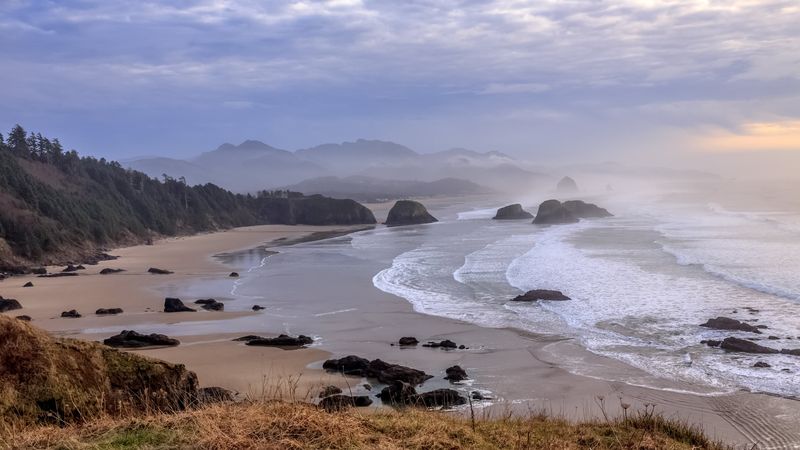
The heartbeat of a town is who unlocks the doors in the morning and who locks them at night.
In Cannon Beach a lot of those keys ride in from other towns now. That daily commute chips away at neighborhood rhythm.
Near East Hills Lane and South Spruce Street you can feel the difference when dawn starts without many porch conversations.
Workforce friends talk about long drives and short leases, and they keep the town running but cannot always stay for the late evening glow.
When folks head out right after shifts, you lose the casual moments that build community. There are efforts and task force notes and meetings that try to stitch things back together.
Housing is a puzzle where the edge pieces keep moving, you get one corner placed and another pops free. It is frustrating and still worth the work.
The goal is simple enough to say and tough to fund, people who work here can live here. Oregon towns up and down the coast nod along to that line.
The fix will not be fast, but every unit matters when the porch lights come back on. That is when a town starts to breathe like a town again.
Tourism Strains Local Infrastructure

Infrastructure is the backstage no one claps for until it squeaks. When more people show up, the squeaks get louder.
Roads and lots built for a smaller crowd start to feel tight.
Check the junction near South Hemlock Street and East Monroe Street in Cannon Beach, Oregon when a sunny afternoon hits.
Crosswalks pulse, restrooms queue, and patience does its best impression of a renewable resource.
Locals adapt by running errands at odd hours and saving street parking like a favor. Visitors bring energy and that is real and good, but pressure on simple things like trash pickup, benches, and signage changes daily life.
I think it is the difference between a quick stop and a planned sortie.
Infrastructure upgrades always trail the curve because demand moves faster than permits, that lag is what people feel before they can name it.
The town keeps tinkering, repainting, adding, adjusting, and hoping the fixes stick.
The coast keeps drawing more folks because Oregon is magnetic that way, so the backstage crew hustles while the show goes on.
Short-Term Rentals Turn Homes Into Vacation Units

You can spot a short stay house by the keypad and the rolling suitcase tracks in the sand. That little detail tells a bigger story about turnover and tempo.
When nights replace years, neighborhoods lose their regular cast.
Walk near South Chena Street and West Adams Street and you will see homes that cycle guests like tides. It is tidy and cared for and somehow still quiet in a different way.
You hear luggage wheels at dawn instead of dogs greeting the mail carrier. Short stays can be helpful for income, and that matters for owners.
It is also true that weeknights do not hum like they used to.
Schools feel it when families move out and do not move back in. Clubs and pickup games feel it when evenings thin out.
None of this is unsolvable, but it asks for balance with teeth. Caps, zones, and clear rules give neighbors a chance at continuity.
Coastal towns in the state keep comparing notes because they are learning in real time. Every strong policy tries to protect housing without dimming the welcome.
The goal is simple, a town that says hello and also knows your name.
Community Events Feel Different

Remember when an event felt like your neighbor’s backyard, just bigger?
Some traditions still carry that warmth, but the crowd now includes folks from far away. The vibe shifts when schedules tilt toward visitor calendars.
Locals still show up with the same energy, just with fewer inside jokes. I feel like it is a gentle change, not a sharp one, but you notice.
Volunteers juggle welcome and stewardship at the same time, they want the story to stay rooted and still be shared widely. That is a tough needle to thread when the microphone faces outward.
Some events lean into education and community booths to keep the core strong. You can tell when organizers care about more than head counts.
The difference shows up in little choices like quieter hours and local spotlights. The work now is about tone and pace and whose voice leads.
When locals lead, the whole day feels grounded again.
Local Shops And Restaurants Adapt To Visitors

Main street still looks cute, but the details tell you who the town is speaking to today.
Window displays lean toward quick souvenirs and snapshot friendly setups. Hours stretch to catch the flow of day trippers.
Walking along South Hemlock Street near West Harrison Street, you feel the retail rhythm tracking visitor waves.
Merchandise shifts with the season and the weather forecast, and even the greeting at the door sounds tuned to first-timers.
Locals miss the old back and forth where shopkeepers knew your size and your kid’s favorite color. Now it is more about quick hellos and quick decisions, and I’d say it is efficient.
Efficiency keeps the lights on when the line reaches the curb.
Some spaces still hold the old neighborhood tone if you look for it, they remember your name and set aside what you like.
Oregon coastal towns rotate through this dance constantly. Cannon Beach feels it strongly because every storefront sits close to the sea and the stream of visitors.
The balance works best when regulars still feel like regulars at the counter.
Peak Season Feels Unrecognizable

Shoulder season used to be the sweet spot for slow days and long looks at the horizon. Now the lull is shorter and softer, crowds arrive with less predictability and more energy.
Walk near East 2nd Avenue and North Larch Street and you will see people in every kind of weather gear.
It is lively in a way that blurs the edges between seasons. The calendar no longer tells you exactly what to expect.
Locals take their quiet where they can find it, often at sunrise or after dinner time.
I think the surf sounds the same, but the sidewalks do not. You learn to read the sky and the parking lots at the same time.
There is a kind of fun in the unpredictability if you are visiting. For residents the constant readiness can feel tiring, it adds a hum that never fully turns off.
The weather here still does its own thing and sometimes clears the stage. On those days you catch a glimpse of the old pace that drew everyone here.
It flickers like a lighthouse, still guiding if you look up.
Nature Spots Get More Foot Traffic
The forest used to feel like a secret you shared with a few friends and a thermos.
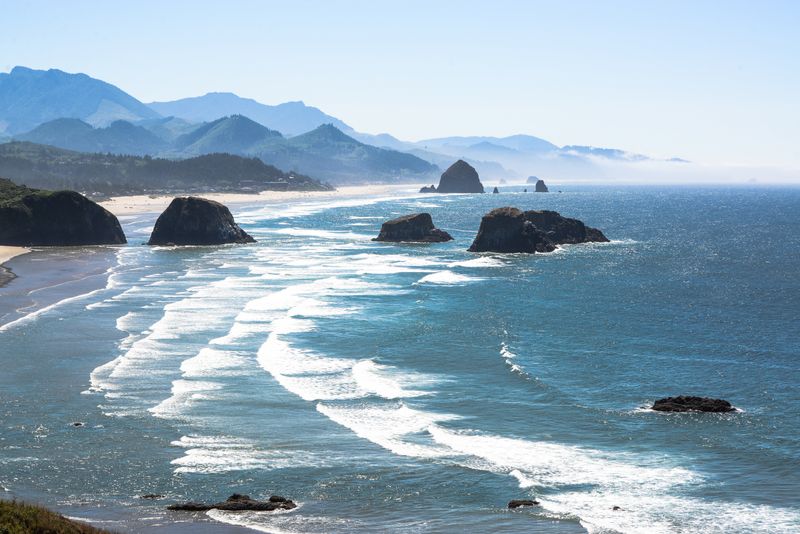
Now the trailheads write their own invitations with packed lots and lively chatter. Ecola State Park carries the weight of that popularity with grace and strain.
Paths show it in widened edges and braided shortcuts that rangers try to mend. Tidepool areas near Haystack Rock also carry that extra attention.
More eyes on nature can mean more care if the message lands well.
Volunteers put out signs and gently guide folks off the fragile spots. Most people listen, and I feel like they just need the nudge.
Timing becomes everything if you want a quiet hour with the gulls.
Early mornings still hand you a private moment when fog hangs low, late evenings do the same with violet light.
Oregon’s coastline is generous, but it needs thoughtful footsteps. The fix is not complicated, just consistent and kind.
Stay on trail, read a sign, and the place keeps its voice.
Dear Reader: This page may contain affiliate links which may earn a commission if you click through and make a purchase. Our independent journalism is not influenced by any advertiser or commercial initiative unless it is clearly marked as sponsored content. As travel products change, please be sure to reconfirm all details and stay up to date with current events to ensure a safe and successful trip.
