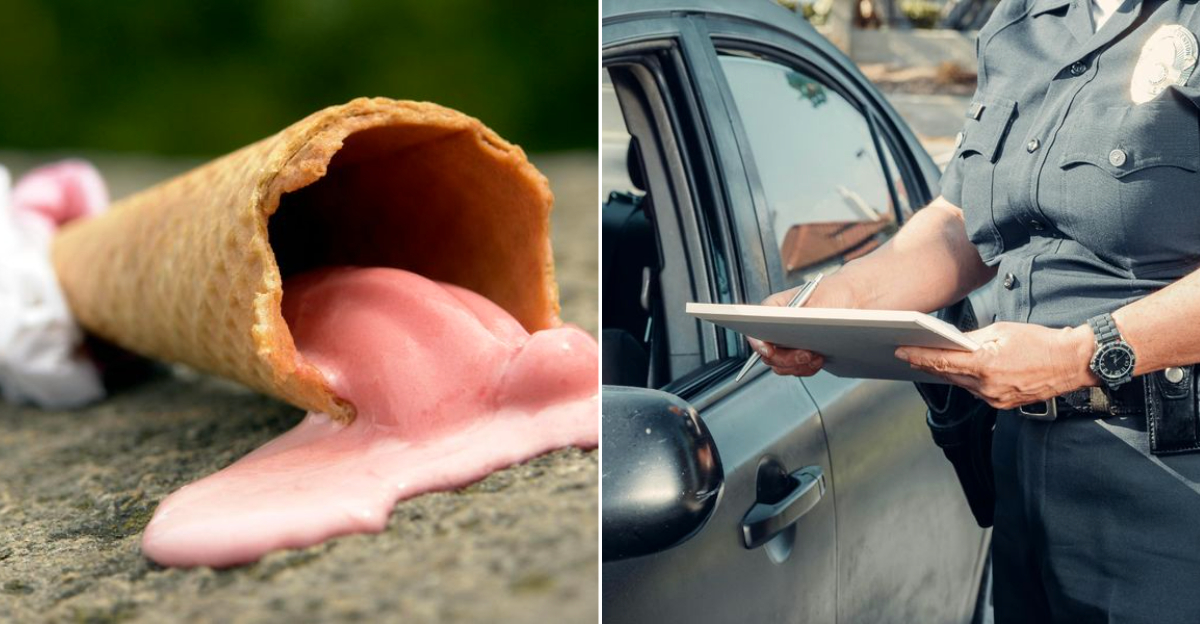
Could an ice cream cone in your back pocket really get you in trouble? That’s the story everyone tells about Alabama, and it’s the kind of legend that sticks because it’s absurd, visual, and just believable enough.
Picture a scoop poking out of someone’s jeans while they navigate a crowded sidewalk, like a prank waiting to happen, and suddenly the tale feels like law. In reality, the state isn’t policing novelty snacks.
Local ordinances care about behavior that blocks walkways, creates messes, or causes minor hazards. The cone itself is harmless; what matters is how it interacts with the people and spaces around you.
Festivals, plazas, and busy streets can turn any prop into a problem if you’re not paying attention. For travelers, the lesson is simple.
Keep your hands free, your pockets tidy, and your awareness sharp. The back-pocket cone myth is hilarious, but respecting the rhythm of local spaces keeps your day sweet, smooth, and ticket-free.
Where The Back-Pocket Ice Cream Story Comes From

This story sticks because it feels oddly specific, and oddly specific things sound true when you are traveling and swapping tales.
Alabama gets roped in because people love a Southern twist, a small-town visual, and a rule that seems both funny and strict.
I have heard it told like a cousin of those weird carriage laws and sidewalk quirks you hear in old districts. The setting usually lands in places like Mobile or Birmingham, where history and nightlife make a believable stage.
What really spreads it is the rhythm of road talk, that casual handoff of one-liners between friends in a hotel lobby or while parallel parking on Dauphin Street.
You remember the joke, repeat it later, and the edges get sharper every time.
There is also the image factor. A cone poking from a back pocket looks like a prank, and pranks love company.
Add in a few half-heard comments about littering or obstructing sidewalks, and suddenly you have a legal-sounding backbone under a silly headline. The blend feels tidy, so nobody rushes to fact-check.
Even tour guides will lean into it with a wink, not to mislead you, but to color the moment and keep a walk lively. Stories travel faster than statutes, and they arrive with better timing.
How Local Ordinances Can Create Confusing “Rules”
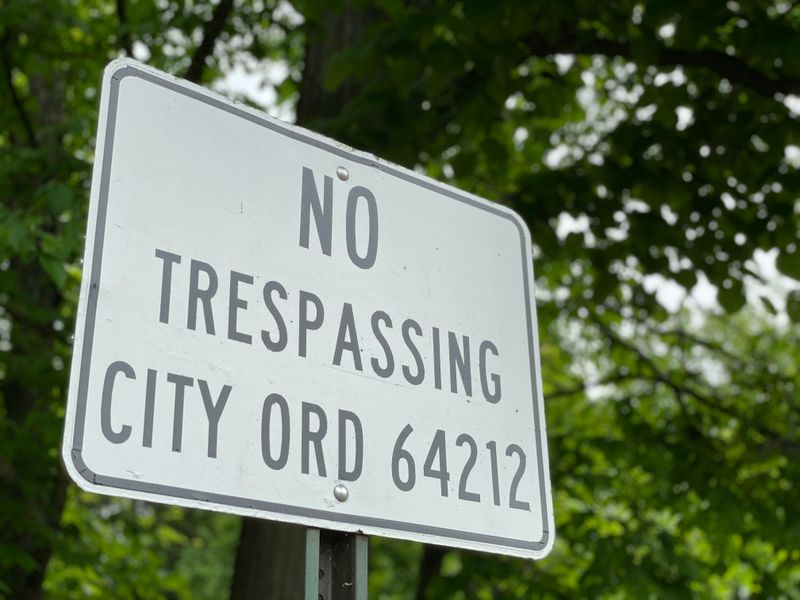
City ordinances feel bigger than they are when you are visiting because a posted sign looks like a statewide decree.
In Alabama, each city can tweak rules for sidewalks, parks, and events, so the ground shifts as you move.
That is where confusion grows. You pass a tidy list of dos and do-nots near a plaza in Huntsville, then cross to a street festival in Montgomery and see a different list entirely.
A traveling rumor does the lazy work of stitching those pieces together. It shrinks everything to one catchy rule that pretends to cover the whole state.
Meanwhile, the real map of rules is local, immediate, and often tied to specific blocks or hours.
A plaza sign might only apply inside a small footprint.
If you are carrying anything odd, even a silly prop, context matters more than the object. Are you blocking a narrow lane, or bumping strangers near a curb?
When people say Alabama will ticket you for a pocket cone, what they often mean is a city might cite you for causing a minor problem that happened to involve that cone. It is the circumstance, not the novelty.
Myth Versus Law, What People Usually Get Wrong

Here is the split that matters. A catchy myth says you can be ticketed simply for sticking a cone in your back pocket, but the law cares about behavior that causes problems, not a punchline.
In real Alabama towns, the rules you will actually meet are about blocking walkways, causing a nuisance, or making a mess that someone has to clean up.
Those are practical concerns, and they are written down.
So if someone tells you the pocket cone itself is illegal, that is the myth talking. What could draw attention is how you are moving, where you are standing, or what is falling on the ground.
Think about it like this. An officer is not scanning for novelty props, they are scanning for hazards and headaches.
Local codes back that up with language about obstructions, litter, or disruptive behavior, which is not exciting but is very real.
Alabama cities phrase it in their own ways, yet the point stays the same.
The myth survives because it is tidy and fast, while the law is slow and conditional. That gap is where travelers get tripped up.
When Public Behavior Rules Actually Apply
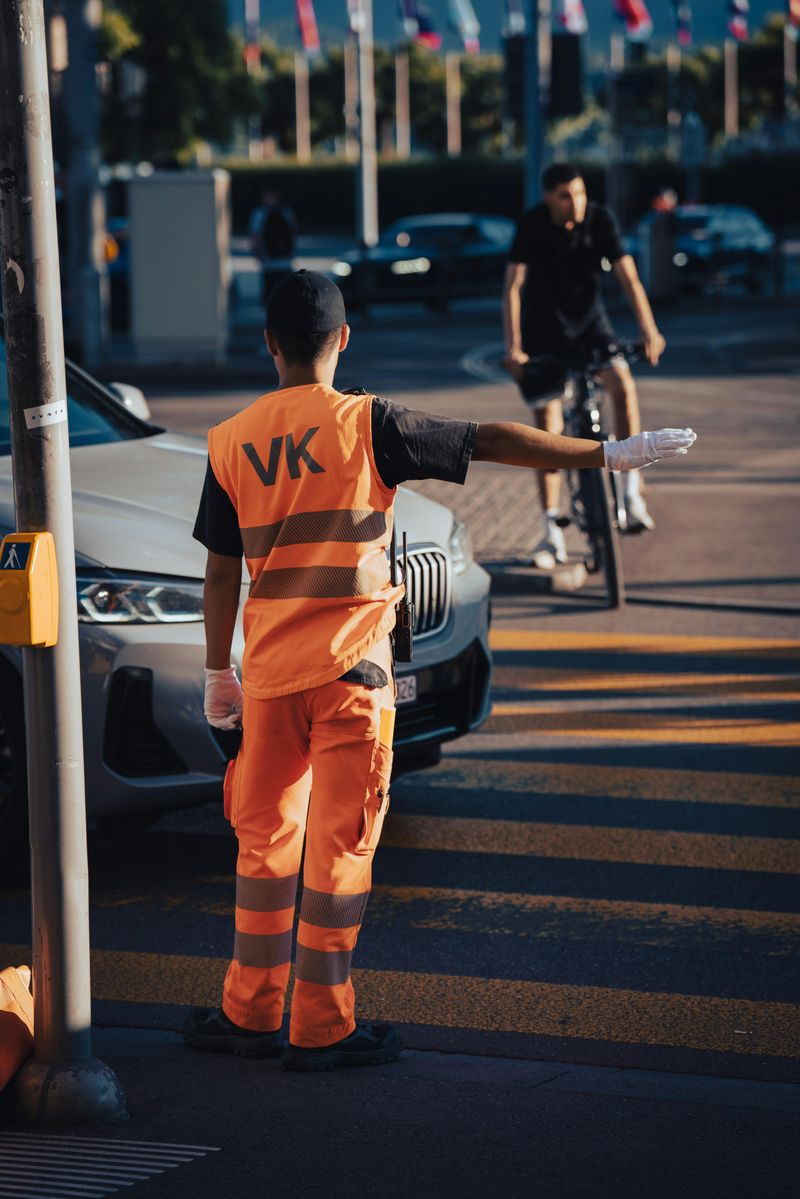
The moment these rules wake up is when foot traffic gets tight. Downtown blocks near the riverfront in Montgomery or a busy stretch in Tuscaloosa can feel like moving puzzles.
That is when anything hanging off you, poking out, or swinging loose starts to matter.
People cut by with strollers, groups cluster near crosswalks, and edges collide.
If a prop or cone catches bags or slows the flow, someone will step in. It might be a friendly nudge from an event marshal or a calm note from an officer.
Festivals and parades add another layer. Temporary rules show up on sandwich boards and entry points.
Walking through a packed square in Alabama, assume the rule of least friction. Keep everything close, compact, and predictable.
That habit saves you from the awkward dance of apologies and quick explanations.
It also keeps the attention off you when the crowd is watching for direction.
Tourist Traps, Where Visitors Misread The Fine Print

Tourist zones love clear signs, but our brains skim them. You glance, assume you got it, and wander in with a prop sticking out like a flag.
In places like the Birmingham Civil Rights District or near Mobile waterfront attractions, policies shift from block to block.
One plaza allows props for photos, the next has a security checkpoint with stricter rules.
That is how a myth grows legs. You get waved through once and think the whole city works like that.
Then a new sign says nope, please tuck it away or step aside. It feels inconsistent, but it is just a different footprint with different needs.
When the setup looks formal, slow down. Scan the icons, not just the words, because the pictures tell you faster than the paragraph.
Alabama sites aim for smooth visits, not gotchas. Read once well, and you will breeze through without a second thought.
What “Ticketed” Usually Means In Everyday Terms
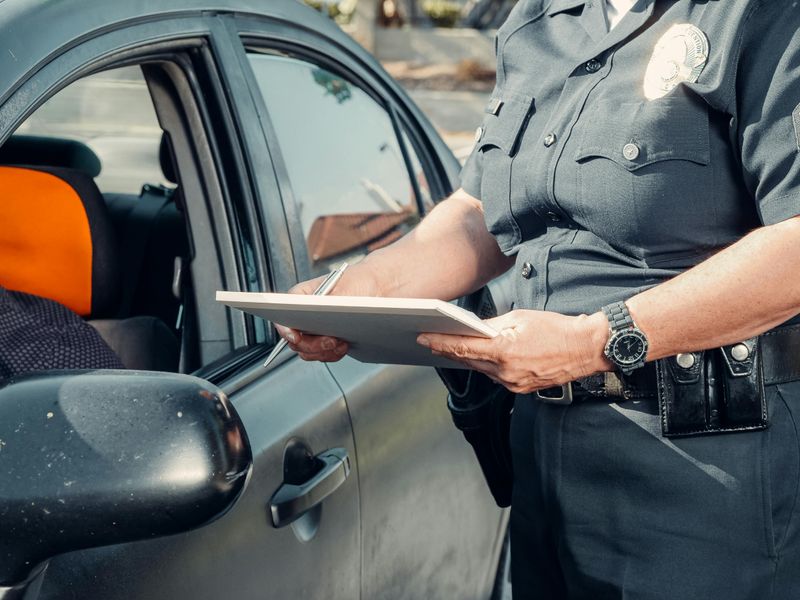
When people say ticketed, they imagine a dramatic scene. Most of the time, you get a polite heads-up long before anything official happens.
If a rule has actually been crossed, the first step is usually a warning or a request to change what you are doing.
You tuck the odd item away, adjust, and move on.
Citations show up when the situation is repeated, ignored, or tied to a clearer violation like blocking an entrance. That is when paperwork enters the chat.
Even then, the tone can be calm and procedural. Officers in Alabama are often focused on restoring flow, not making a spectacle.
So the wild cone story turns out to be a ladder of possibilities, not a trapdoor.
Conversation sits on the first rung, and it often ends there.
If you keep your cool and respond quickly, you usually reset the moment. That is the everyday rhythm behind the headline word.
Easy Ways To Avoid Trouble Without Overthinking It
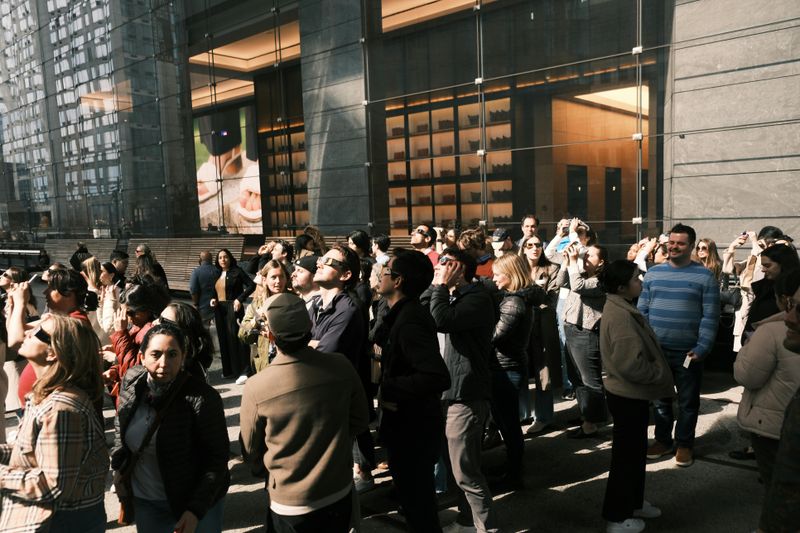
Start simple, and stay light on your feet. Keep pockets tidy, carry props in a bag, and leave hands free where crowds squeeze.
When you hit a sign, read it like it matters for the next few minutes, not your whole day.
That mindset keeps you flexible if the rules change half a block later.
Use common sense about space. If you would not swing it near a glass display at home, do not swing it near a stroller on a busy street.
Alabama sidewalks run best when everyone moves like a school of fish. Stay smooth, keep pace, and avoid sudden stops in narrow spots.
If a staffer waves or points, make eye contact and nod.
That tiny moment shows you are on board, and it defuses confusion before it grows.
Carry a small trash bag or wipes if your item could smear or shed. It signals care and turns potential mess into no big deal.
Turning A Silly Story Into A Smart Travel Tip

Here is the neat turn. Treat the cone-in-pocket legend like a sticky note that reminds you to read the moment in front of you.
Alabama is welcoming, but it runs on small courtesies that keep crowds moving and spaces clean.
When you respect those, you blend in and see more.
The myth is funny enough to remember, which gives it value. Every time it pops up, it nudges you to scan signs, pack smarter, and stay aware.
That habit pays off anywhere with local quirks, from Huntsville plazas to Gulf Shores boardwalks.
The rules change, but the rhythm stays steady.
So keep the story, just rewrite the ending. It is not about fear of a ticket, it is about skipping hiccups.
Travel smoother, laugh at the image, and carry on with your day. Your pockets will thank you, and so will the people sharing the sidewalk.
Dear Reader: This page may contain affiliate links which may earn a commission if you click through and make a purchase. Our independent journalism is not influenced by any advertiser or commercial initiative unless it is clearly marked as sponsored content. As travel products change, please be sure to reconfirm all details and stay up to date with current events to ensure a safe and successful trip.
