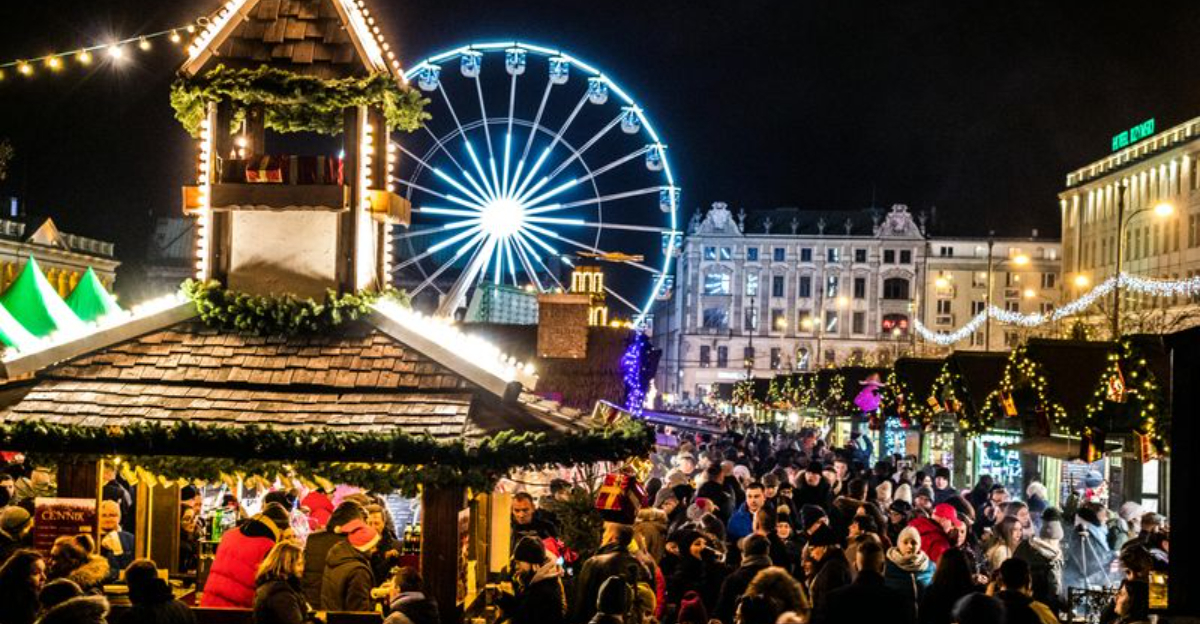
Meredith, New Hampshire sits along the northern shores of Lake Winnipesaukee, where white church steeples rise against mountain backdrops and Victorian storefronts line Main Street like pages from a forgotten postcard.
Every December, this quiet lakeside town of fewer than 7,000 residents transforms into a Christmas wonderland that draws thousands of visitors seeking holiday magic, craft fairs, twinkling lights, and that picture-perfect New England charm.
Yet beneath the festive surface, a growing tension simmers between those who call Meredith home year-round and the seasonal flood of tourists who arrive with cameras, crowded parking lots, and expectations shaped by Instagram filters.
Understanding why Christmas fair tourism frustrates locals requires looking beyond the decorated lampposts to see how this annual invasion reshapes daily life in ways that outsiders rarely consider.
Parking Becomes a Daily Battle for Residents
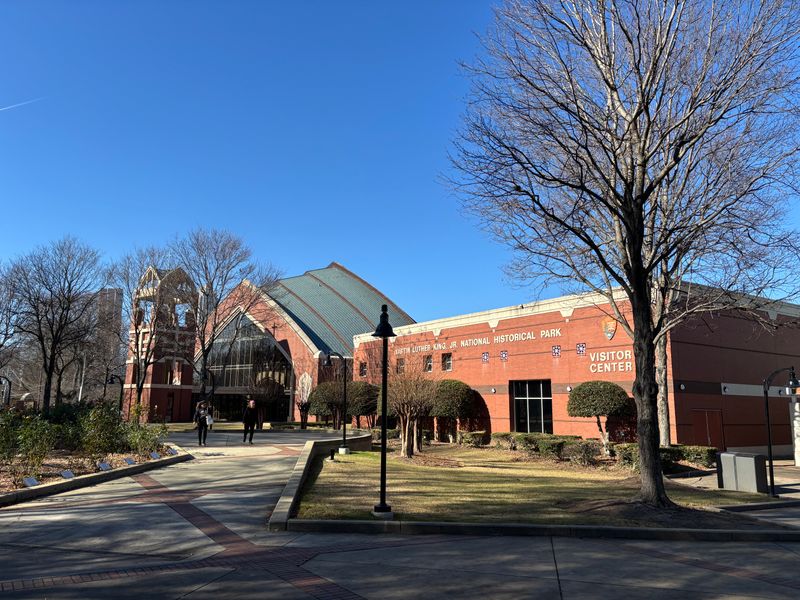
Anyone who has tried to run a simple errand in Meredith during December knows the sinking feeling of circling downtown blocks for twenty minutes searching for a parking spot.
Main Street, which normally offers ample parking for the local hardware store, post office, and pharmacy, becomes a gridlocked maze of out-of-state license plates.
Residents who need to pick up prescriptions, mail packages, or grab groceries find themselves competing with tourists who park for hours while browsing craft booths and sipping hot chocolate.
The municipal lots near Mill Falls Marketplace fill by mid-morning on weekends, forcing locals to park blocks away and trudge through snow just to access their own downtown.
Some longtime residents report leaving home extra early for doctor appointments or work shifts because they can no longer predict how long it will take to find parking.
Business owners who live above their shops sometimes cannot park near their own buildings.
The town has limited enforcement resources, so illegally parked vehicles often block fire lanes, residential driveways, and loading zones without consequence.
For elderly residents or those with mobility challenges, the extra walking distance in icy conditions creates genuine hardship.
What visitors see as a minor inconvenience represents a daily obstacle that disrupts the basic rhythms of local life.
When your hometown becomes inaccessible to you during an entire month, resentment naturally builds, even toward well-meaning tourists who simply want to enjoy the holiday atmosphere that locals helped create.
Traffic Jams Transform Quiet Roads Into Highways
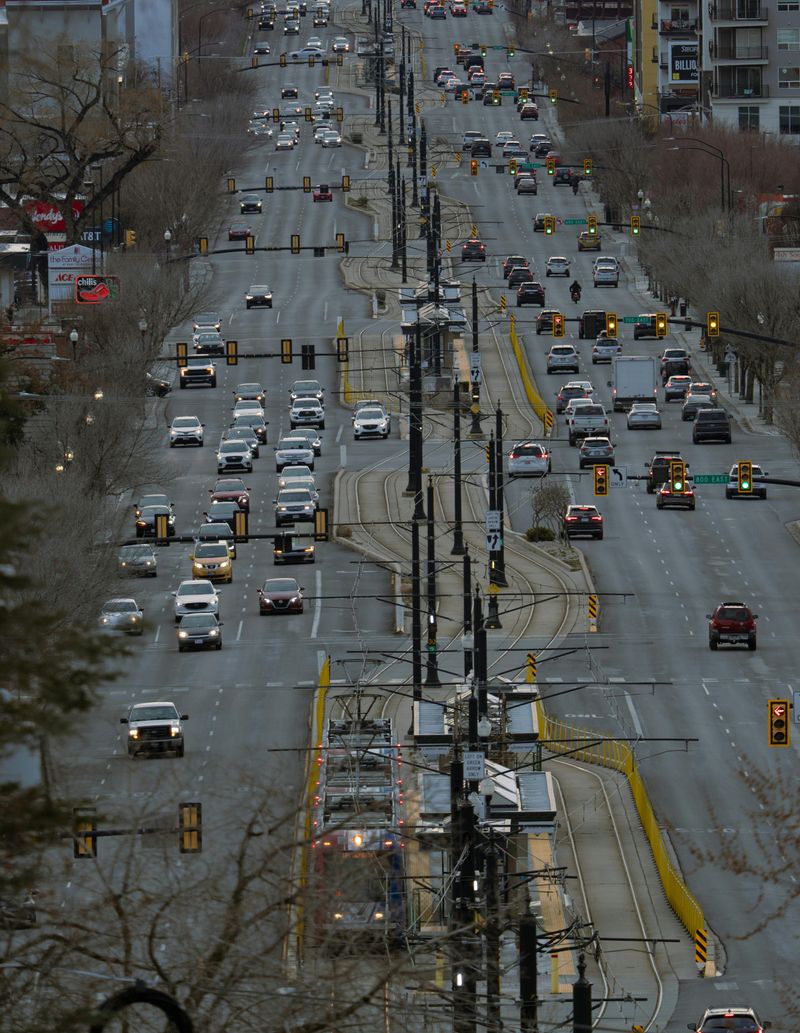
Route 3 runs through the heart of Meredith, normally carrying a steady but manageable flow of traffic that allows residents to cross streets, pull out of driveways, and make quick trips across town.
December transforms this main artery into something resembling a Boston rush hour, with bumper-to-bumper vehicles crawling past the town docks and through the village center.
Local parents trying to get children to school or activities find their ten-minute drives stretching to thirty minutes or more.
The backup extends beyond downtown, affecting residential neighborhoods as GPS apps route frustrated tourists through quiet side streets never designed for heavy traffic.
Families living on what were once peaceful lanes suddenly watch hundreds of unfamiliar cars pass their homes daily, many drivers distracted by phone navigation or arguing about directions.
The increased traffic also raises safety concerns, particularly near Meredith Village School where children walk and bike.
Turning left out of driveways becomes a calculated risk as impatient drivers race between stoplights.
Emergency vehicles struggle to navigate the congestion, a worry that weighs on residents who understand that minutes matter in medical crises.
Some locals avoid driving entirely during peak tourist hours, essentially becoming prisoners in their own homes on weekends.
The environmental impact troubles conservation-minded residents too, as idling vehicles pump exhaust into the cold air for hours.
What began as a celebration of small-town charm has created traffic problems that undermine the very qualities that make Meredith special in the first place.
Local Businesses Prioritize Tourist Dollars Over Community Relationships
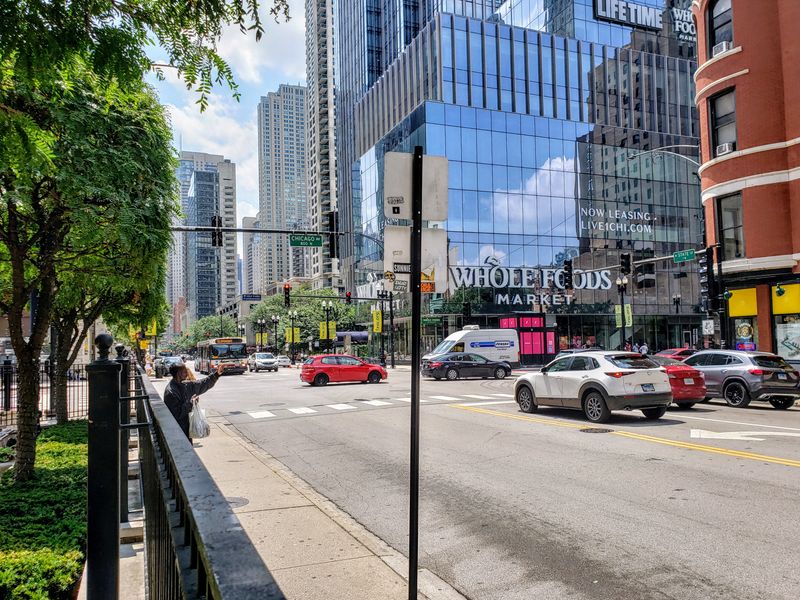
Walk into the general store where you have shopped for fifteen years, and suddenly the owner barely acknowledges you because a bus tour group just arrived.
This scenario plays out repeatedly across Meredith each December as businesses shift their focus almost entirely toward maximizing tourist revenue during the brief holiday season.
Restaurants that locals frequent year-round implement special holiday menus with higher prices and eliminate regular items that neighborhood customers prefer.
Wait times balloon from fifteen minutes to two hours, and reservation systems favor larger tourist parties over local couples or small families.
Retail shops stock their shelves with expensive holiday decorations and souvenirs while reducing inventory of everyday items that residents actually need.
The hardware store fills prime display space with ornamental items instead of snow shovels and furnace filters.
Staff members who normally know customers by name become harried and impersonal, stretched thin by the seasonal rush.
Some businesses even close to regular customers for private holiday events catering exclusively to tour groups.
Locals understand the economic reality that December tourism provides crucial revenue for businesses facing quiet winter months ahead.
However, feeling invisible in your own community stores creates a sense of displacement and betrayal.
The unspoken message becomes clear: tourist money matters more than the year-round relationships that sustain these businesses when the crowds disappear.
This temporary abandonment leaves lasting emotional scars that affect how residents view both the businesses and the tourism industry itself.
Noise Pollution Shatters the Peaceful Winter Atmosphere
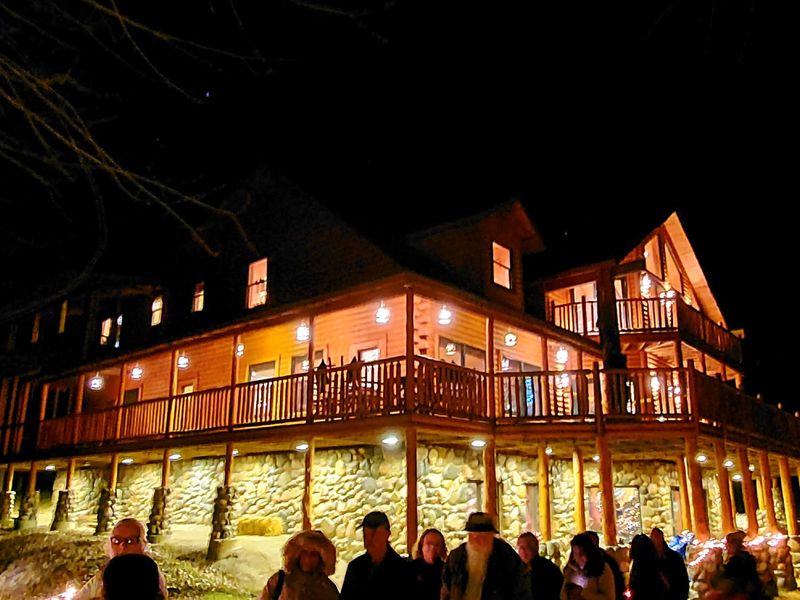
Meredith residents cherish the quiet beauty of winter evenings when snow muffles sound and Lake Winnipesaukee lies frozen and still under starlight.
Christmas tourism season replaces this tranquility with constant noise that invades even residential neighborhoods far from the commercial center.
Tour buses idle on side streets, their engines rumbling for hours while drivers wait for groups to finish shopping.
Amplified holiday music blares from outdoor speakers near craft fair venues, the same dozen songs repeating endlessly from morning until late evening.
Large groups of tourists move through town in chattering clusters, their voices echoing off buildings and carrying across the frozen lake.
Weekend evenings bring additional noise from special events: carolers with portable sound systems, horse-drawn carriage rides with bells, and outdoor ceremonies with microphones.
Residents who work night shifts or have young children struggle to maintain sleep schedules amid the constant commotion.
Even during traditional quiet hours, the noise continues as tourists return to hotels and vacation rentals, slamming car doors and continuing conversations in parking areas.
The acoustic character of the town changes completely, transforming from a peaceful lakeside village into something resembling a theme park.
Wildlife that normally winters near residential areas disappears, driven away by the constant human activity.
For people who chose to live in Meredith specifically because of its peaceful setting, this seasonal noise invasion feels like a violation of the unspoken contract that defines small-town life.
The inability to find quiet in your own home during what should be a reflective season adds stress to what is already a demanding time of year.
Infrastructure Strains Under Pressure It Was Never Designed to Handle
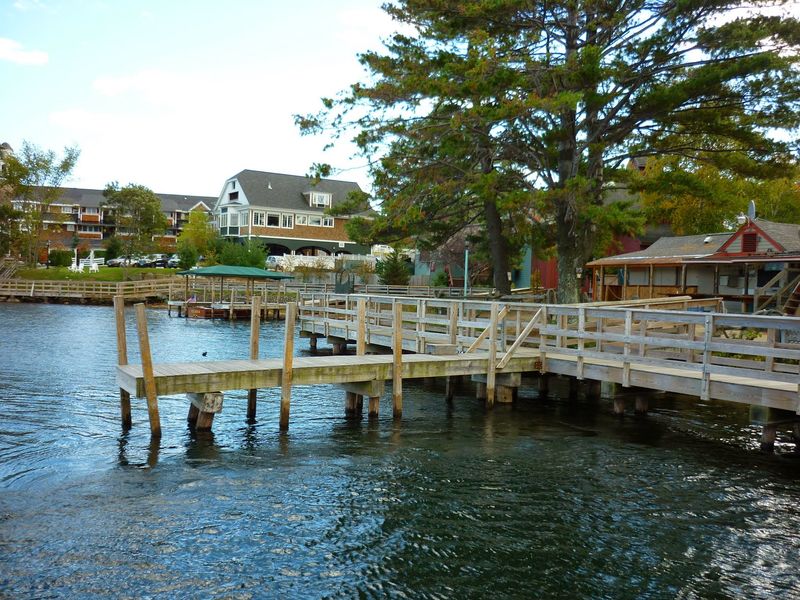
Meredith built its roads, parking, utilities, and public facilities to serve a population of roughly 6,600 permanent residents, not the tens of thousands who descend during peak Christmas weekends.
The strain shows everywhere once you start looking.
Public restrooms at the town docks and community center face lines stretching outside, with facilities running out of supplies and requiring constant maintenance.
The water and sewer systems experience usage spikes that stress aging infrastructure, occasionally leading to pressure drops or service interruptions in residential areas.
Trash and recycling bins overflow throughout downtown, with windblown litter accumulating in snowbanks and along roadsides.
The small police department, already stretched thin covering a geographically large town, cannot adequately monitor traffic, parking violations, and the increased potential for accidents or emergencies.
Snow removal becomes more complicated and expensive as crews must work around parked cars and navigate streets clogged with traffic.
Cell phone networks become congested, causing dropped calls and slow data speeds that affect both residents and local businesses trying to process credit card transactions.
The post office at 4 N Main Street experiences such volume that normal mail delivery schedules slip, and locals face long waits behind tourists mailing packages.
These infrastructure problems represent real costs that local taxpayers bear long after tourists return home.
Accelerated wear on roads requires more frequent repairs, stressed utilities need earlier replacement, and public facilities deteriorate faster.
Meanwhile, most tourist spending goes to private businesses, not the municipal budget that must somehow accommodate the seasonal surge without proportional revenue increases.
Housing Costs Rise as Properties Convert to Short-Term Rentals

The explosion of Christmas tourism has made Meredith an attractive destination for property investors who recognize the profit potential of short-term vacation rentals.
Homes that once housed year-round residents now sit empty eleven months of the year, reserved exclusively for high-paying holiday visitors.
This conversion shrinks the already limited housing stock available to locals, driving up both rental and purchase prices beyond what many longtime residents can afford.
Young families who grew up in Meredith find themselves priced out of their hometown, forced to relocate to less expensive communities farther from Lake Winnipesaukee.
Essential workers like teachers, firefighters, and healthcare staff struggle to find affordable housing within reasonable commuting distance of their jobs.
The town loses its economic diversity as only wealthy retirees and remote workers can afford to live here.
Neighborhoods develop an eerie, transient quality with darkened houses that suddenly fill with strangers for a week before going dark again.
The sense of community erodes when you cannot know your neighbors because they change constantly.
Property owners who rent to tourists rather than long-term residents face little social pressure because they often live elsewhere and view their Meredith properties purely as investment vehicles.
Local governance becomes more difficult when fewer residents have genuine stakes in community decisions.
The housing crisis represents perhaps the most serious long-term consequence of unchecked tourism growth, fundamentally altering who can afford to call Meredith home.
Without intervention, the town risks becoming a seasonal playground for wealthy visitors rather than a living community where working families can build lives.
Cultural Authenticity Gets Manufactured for Tourist Consumption
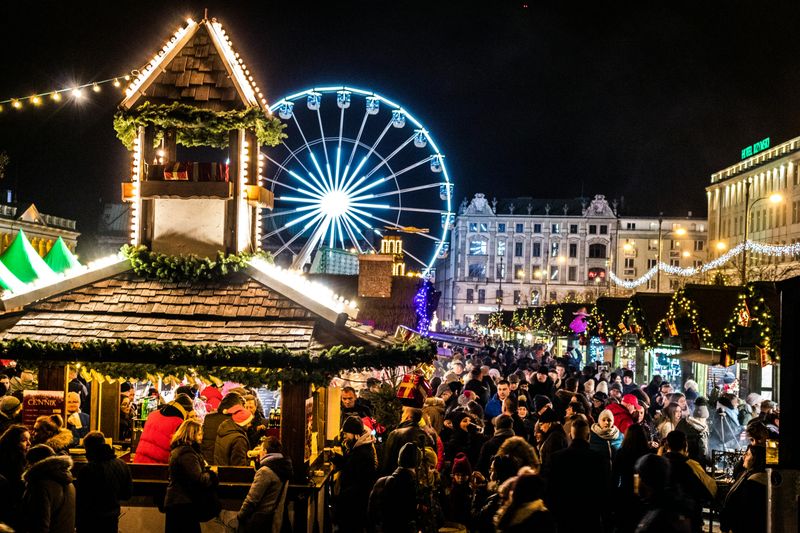
Meredith once celebrated Christmas the way small New England towns had for generations, with simple decorations, church services, school concerts, and neighborhood gatherings that reflected genuine local traditions.
The rise of Christmas tourism has transformed these authentic expressions into carefully choreographed performances designed to match tourist expectations shaped by movies and social media.
Downtown decorations now follow commercial holiday themes rather than reflecting the understated New England aesthetic that locals prefer.
Events that were once intimate community gatherings expand into ticketed spectacles with professional entertainment that crowds out local participation.
Craft fairs that originally showcased regional artisans now feature vendors from across the country selling mass-produced items with little connection to New Hampshire.
The town markets itself using imagery and language that emphasizes quaint nostalgia rather than contemporary reality, creating a Disneyfied version of itself.
Residents feel increasingly like unpaid actors in someone else’s fantasy, expected to perform a version of small-town life that exists more in imagination than fact.
Younger locals particularly resent the pressure to conform to tourist expectations that ignore the town’s actual diversity and modernity.
The economic pressure to maintain the profitable Christmas brand discourages authentic evolution, freezing Meredith in an imagined past.
When your hometown becomes a stage set, it creates a strange alienation from place.
The buildings and streets remain familiar, but their meaning shifts from lived experience to commercial product.
This loss of cultural authenticity may seem abstract compared to parking problems, but it represents a deeper form of displacement that affects community identity and belonging.
Environmental Impact Threatens the Natural Beauty That Attracts Visitors
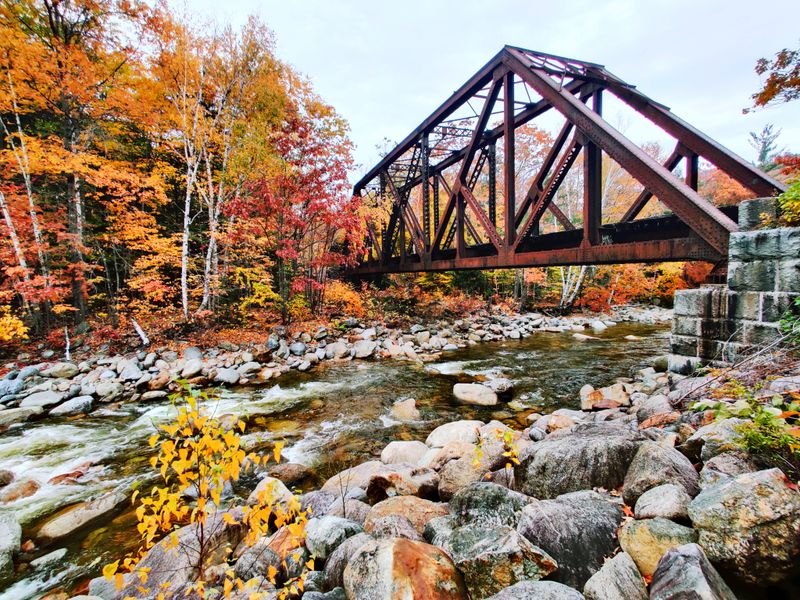
Thousands of additional visitors concentrated in a small geographic area during winter months create environmental pressures that threaten the pristine natural setting that makes Meredith attractive in the first place.
Increased vehicle traffic pumps exhaust into cold air that traps pollutants, creating haze over the lake and affecting air quality.
Road salt usage multiplies to keep tourist-heavy routes clear, with runoff contaminating streams, groundwater, and eventually Lake Winnipesaukee itself.
Trash escapes from overwhelmed collection systems, accumulating in snowbanks throughout winter before emerging as unsightly litter when spring melt arrives.
Foot traffic compacts snow and damages vegetation in parks and along lakefront areas that lack the infrastructure to handle such heavy use.
Light pollution from extended business hours and additional outdoor decorations disrupts wildlife patterns and obscures the starry skies that rural residents value.
Noise drives away wintering birds and mammals, reducing the biodiversity that contributes to the area’s ecological health.
The energy consumption spike strains regional power generation and increases the town’s carbon footprint significantly.
Residents who chose Meredith partly for its environmental quality watch helplessly as tourism gradually degrades the natural features they cherish.
The irony stings: visitors come seeking unspoiled New England beauty while their collective presence slowly destroys it.
Conservation-minded locals find themselves in the uncomfortable position of seeming unwelcoming when they raise environmental concerns.
Without serious attention to sustainable tourism practices, Meredith risks loving its natural environment to death, left with a degraded landscape that satisfies neither residents nor future visitors.
The Social Fabric Frays When Community Takes Second Place to Commerce
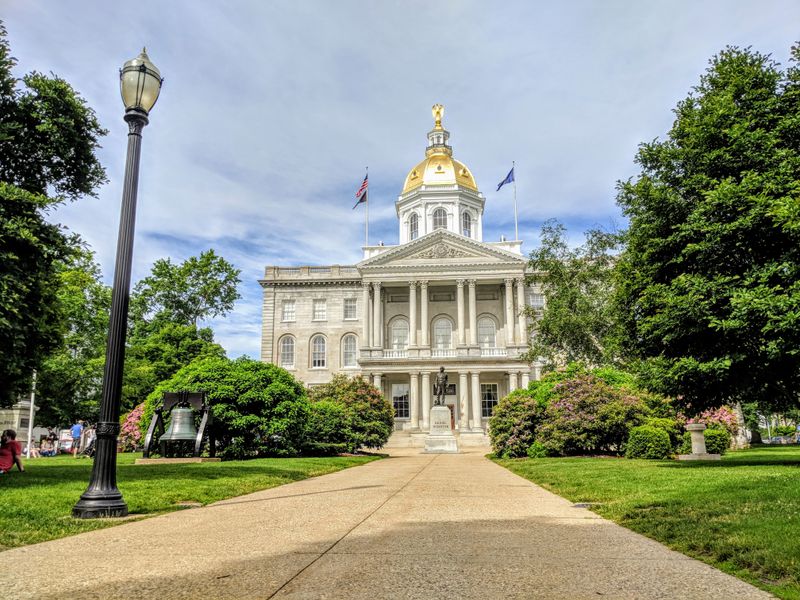
Small towns function because residents invest in relationships that extend beyond transactions, creating networks of mutual support that sustain communities through difficult times.
Christmas tourism season disrupts these social patterns in ways that weaken the bonds holding Meredith together.
Community spaces like the library, town hall, and recreational areas get overrun with tourists, making locals feel like guests in their own public facilities.
Traditional holiday events that once brought neighbors together become crowded tourist attractions where residents can barely find each other in the crush.
Volunteer organizations struggle to meet because members cannot navigate traffic or find parking for meetings.
Churches that anchor community life face overflow crowds of visitors during December services, sometimes leaving regular congregants without seats.
The constant presence of strangers creates social wariness that persists even after tourist season ends, making residents less open and trusting generally.
Local conversations increasingly center on tourism frustrations rather than shared interests and positive community building.
Young people observe that economic success requires catering to outsiders rather than serving community needs, subtly teaching that money matters more than relationships.
The cumulative effect resembles a low-grade trauma that residents experience collectively but rarely discuss openly for fear of seeming inhospitable or hurting the local economy.
Social fabric, once torn, repairs slowly and never quite returns to its original strength.
Meredith risks losing the intangible qualities that made it a genuine community rather than simply a scenic location where people happen to live near each other.
Dear Reader: This page may contain affiliate links which may earn a commission if you click through and make a purchase. Our independent journalism is not influenced by any advertiser or commercial initiative unless it is clearly marked as sponsored content. As travel products change, please be sure to reconfirm all details and stay up to date with current events to ensure a safe and successful trip.
