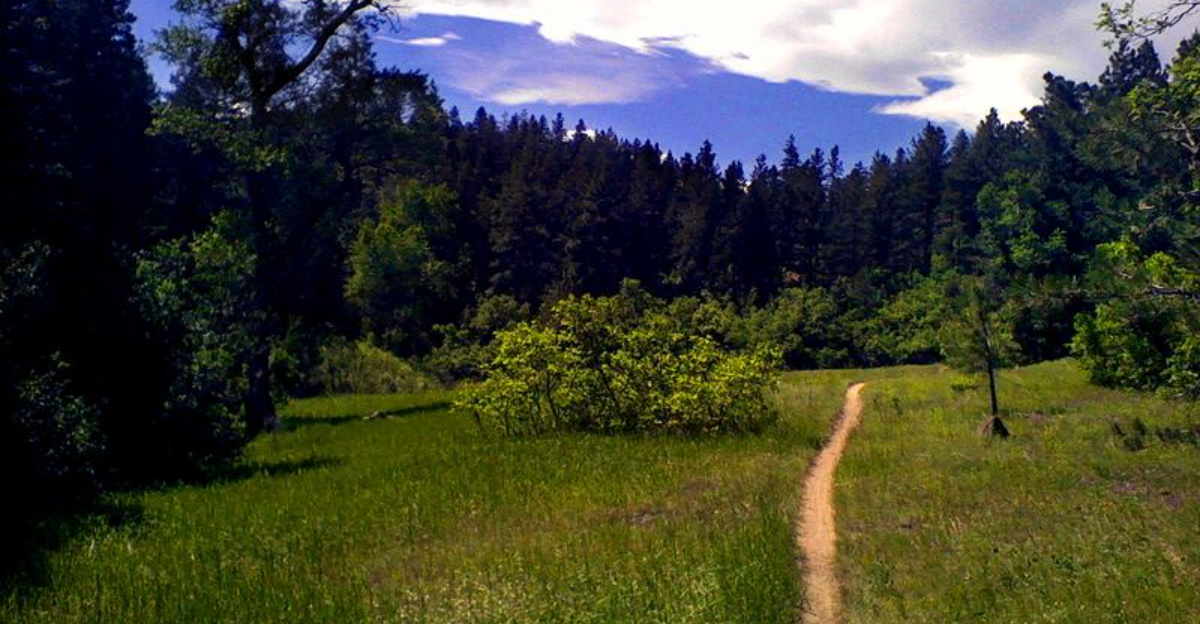
Colorado’s mountains draw millions of hikers every year, but most of them crowd onto the same handful of famous trails.
While places like Hanging Lake and Maroon Bells offer stunning beauty, they also come with packed parking lots, long waits, and elbow-to-elbow hiking.
The good news is that Colorado has hundreds of lesser-known trails that offer equally breathtaking views without the chaos.
These hidden gems provide a more peaceful and authentic outdoor experience, letting you connect with nature in ways that crowded trails simply cannot match.
Whether you’re seeking solitude, wildlife encounters, or simply a more relaxed hike, Colorado’s under-the-radar trails deliver all of that and more.
Exploring these quieter paths means you’ll spend less time waiting and more time enjoying the scenery.
Ready to discover why skipping the crowds might be the best decision you make this hiking season?
No Crowds Mean True Solitude and Peace
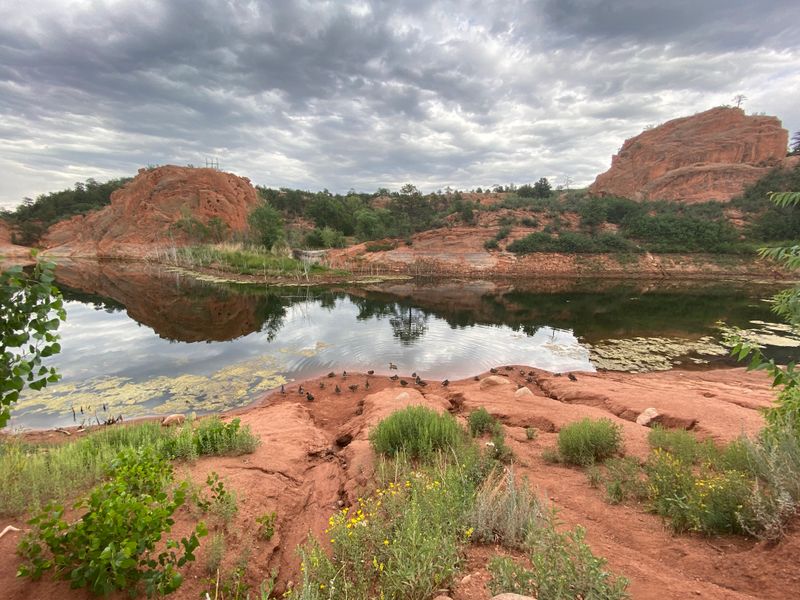
Imagine standing at a mountain overlook where the only sounds you hear are wind rustling through aspen leaves and birds singing their morning songs.
On lesser-known trails, this dream becomes reality.
Popular trails often feel more like theme park lines than wilderness adventures, with hikers bunched together taking selfies at every scenic spot.
When you choose a hidden trail, you get the mountain experience all to yourself.
Your thoughts can wander freely without interruption from loud conversations or the constant shuffle of footsteps behind you.
This solitude creates space for reflection and mindfulness that our busy lives rarely offer.
Studies show that time spent alone in nature reduces stress hormones and improves mental clarity better than almost any other activity.
On crowded trails, you’re constantly aware of other people, which keeps your brain in social mode rather than relaxation mode.
Lesser-known paths let you truly disconnect from the noise of everyday life.
You can hike at your own pace without feeling rushed by faster hikers or held back by slower groups.
Some hikers even report seeing more wildlife on quiet trails because animals avoid areas with heavy human traffic.
The peace you find on these trails stays with you long after you return home.
That calm, centered feeling becomes a memory you can revisit whenever life gets overwhelming.
For anyone seeking a genuine escape from the hustle of modern living, solitude on the trail offers something truly priceless that no popular destination can match.
Easier Parking and Access Without Reservations

Have you ever driven two hours to a trailhead only to find the parking lot completely full with cars lining the road for miles?
This frustrating scenario happens constantly at Colorado’s most famous trails.
Many popular destinations now require advance reservations that fill up weeks or even months ahead of time.
Lesser-known trails eliminate this headache entirely.
You can decide on a Saturday morning that you want to go hiking and actually make it happen without military-level planning.
The parking lots at hidden gems typically have plenty of space, even on beautiful summer weekends.
This flexibility means you can adjust your plans based on weather, your mood, or sudden bursts of inspiration.
No more checking reservation systems at midnight hoping to snag a permit.
No more backup plans for your backup plans.
The freedom to hike spontaneously brings back the joy that outdoor adventures should provide.
Plus, easier access means you can explore multiple trails in a single day if you want to.
When you’re not spending an hour circling for parking or hiking a mile from overflow lots, you have more energy for the actual trail.
Some lesser-known trailheads sit right off main roads with convenient facilities nearby.
Others require a bit of driving on forest roads, but the trade-off is worth it for guaranteed access.
This convenience especially benefits families with young children or anyone with limited time who wants to maximize their outdoor experience without the stress and uncertainty that comes with popular trail logistics.
Better Wildlife Viewing Opportunities

Wildlife behaves differently depending on how much human activity an area sees.
On crowded trails, animals learn to avoid the commotion and retreat to quieter zones.
This means your chances of spotting elk, deer, bighorn sheep, or even black bears drop significantly on popular paths.
Hidden trails tell a completely different story.
Animals frequent these quieter areas because they feel safe from constant disturbance.
Early morning hikers on lesser-known trails often encounter deer grazing in meadows or catch glimpses of foxes darting through the underbrush.
Bird watchers particularly benefit from the peace that hidden trails provide.
Species like the mountain bluebird, Clark’s nutcracker, and various woodpeckers are easier to observe when they’re not constantly spooked by groups of noisy hikers.
The quiet also lets you hear wildlife before you see it, giving you time to stop and watch without startling the animals.
Many photographers prefer lesser-known trails for exactly this reason.
Capturing genuine wildlife behavior requires patience and stillness that crowded trails make nearly impossible.
On hidden paths, you can set up your camera and wait without dozens of people walking through your shot.
Kids especially love these unexpected wildlife encounters, which turn a regular hike into an exciting adventure.
Seeing a marmot sunbathing on a rock or watching an eagle soar overhead creates memories that last a lifetime.
These magical moments happen far more frequently when you venture off the beaten path into Colorado’s quieter corners where nature still operates on its own schedule.
More Authentic Colorado Wilderness Experience
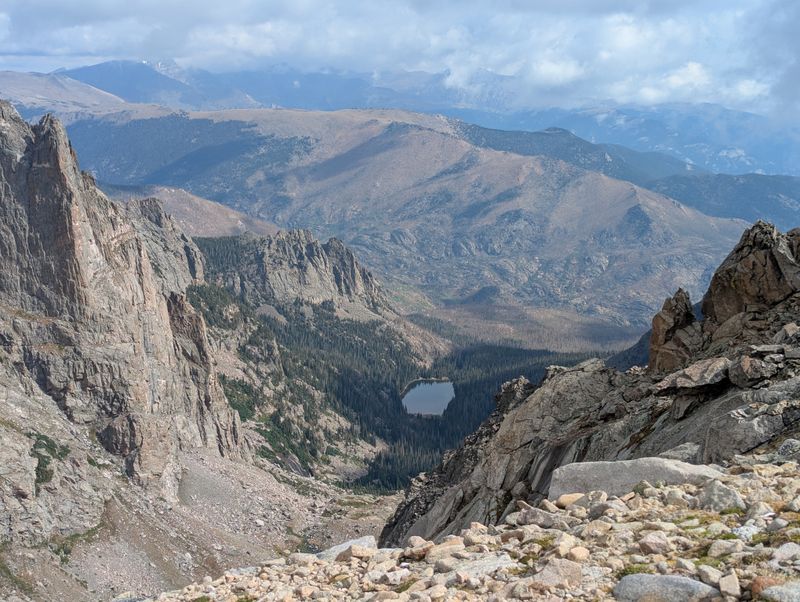
Colorado’s early explorers and miners didn’t hike on Instagram-famous trails with well-maintained boardwalks and interpretive signs every hundred feet.
They experienced raw wilderness that tested their skills and rewarded their courage.
While we certainly appreciate modern trail improvements, something gets lost when nature becomes too manicured and controlled.
Lesser-known trails preserve that sense of genuine wilderness adventure.
These paths often feature natural obstacles like stream crossings, rocky scrambles, and routes that require actual navigation skills.
You might need to consult your map or GPS to stay on track, which engages your brain in ways that following obvious, heavily-trafficked trails never does.
This challenge brings a deeper sense of accomplishment when you reach your destination.
You didn’t just follow the crowd; you found your own way through real wilderness.
The vegetation on hidden trails often grows closer to the path, brushing against your legs and filling the air with the scent of wild sage and pine.
Streams run clearer because fewer feet disturb the sediment.
The landscape looks more like what Native Americans and pioneers saw centuries ago.
This authenticity connects you to Colorado’s history in meaningful ways.
You’re not just visiting nature; you’re experiencing it as it truly exists.
Many hidden trails also lack cell service, which forces you to be present and self-reliant.
This digital detox enhances the wilderness feeling and helps you develop confidence in your outdoor skills that scrolling through trail apps never could provide.
Less Trail Damage and Environmental Impact
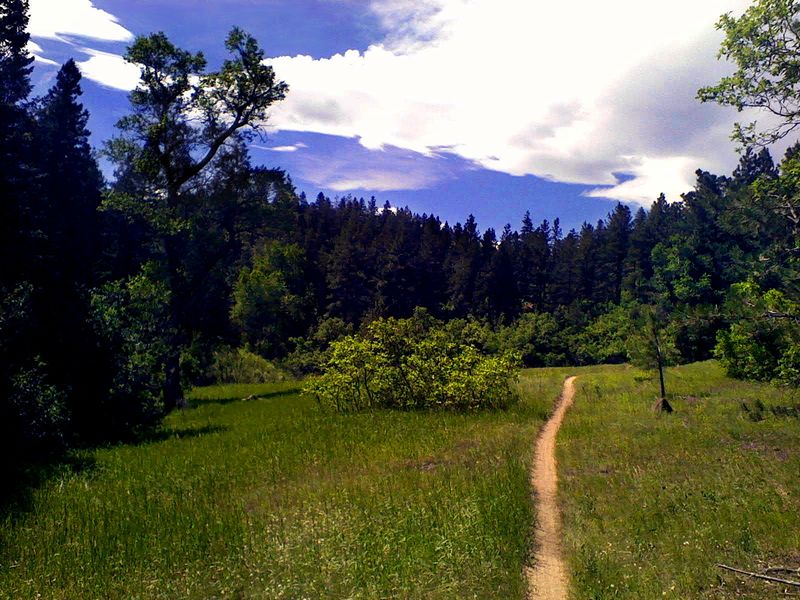
When thousands of hikers pound the same trail day after day, the environmental consequences become obvious and troubling.
Soil compacts so severely that plant roots cannot penetrate it, creating dead zones alongside the path.
Erosion carves deep channels that turn trails into muddy streams during rainstorms.
Popular trails often widen as hikers step off the main path to avoid mud or pass other groups, damaging vegetation that took decades to establish.
Lesser-known trails suffer far less damage because the impact spreads across more locations rather than concentrating in a few spots.
The vegetation alongside hidden trails remains healthy and diverse.
Wildflowers bloom abundantly because they’re not constantly trampled.
Tree roots stay protected under natural soil layers instead of becoming exposed trip hazards.
When you choose a lesser-known trail, you’re making an environmentally conscious decision that helps preserve Colorado’s natural beauty for future generations.
Your footsteps still create impact, but that impact gets distributed more sustainably across the landscape.
Many conservation organizations now encourage hikers to explore diverse trails rather than concentrating on famous destinations.
This strategy, called visitor dispersal, helps protect fragile alpine ecosystems from overuse.
Some popular trails have become so damaged that they require years of restoration work and temporary closures.
By hiking lesser-known paths, you avoid contributing to this degradation.
You also get to see what healthy Colorado ecosystems actually look like when they’re not stressed by excessive human traffic, which deepens your appreciation for the state’s remarkable natural heritage.
Discovering Your Own Secret Spots

Everyone knows about Hanging Lake’s turquoise waters and the Maroon Bells’ iconic twin peaks because millions of photos flood social media every year.
These destinations lose their magic when they become so familiar that you feel like you’ve already been there before you arrive.
Lesser-known trails offer something far more valuable: the thrill of personal discovery.
When you round a bend and find a hidden waterfall or stumble upon a meadow filled with columbines, that moment belongs to you.
You’re not recreating someone else’s Instagram shot; you’re creating your own unique memory.
These personal discoveries form stronger emotional connections to places than visiting famous landmarks ever could.
The hidden lake you found after navigating a faint trail becomes your special place, a secret you might share only with close friends and family.
This sense of ownership and connection makes you more invested in protecting these areas.
You become a steward of places that matter to you personally rather than just another tourist checking boxes.
Exploring lesser-known trails also develops your confidence as an outdoor adventurer.
Each discovery proves that you don’t need guidebooks or influencer recommendations to find beauty.
You learn to trust your instincts, read maps effectively, and recognize promising trails that others overlook.
These skills transform hiking from passive consumption into active exploration.
Years later, you’ll remember your secret spots with more fondness than any famous destination because they represent your curiosity, courage, and willingness to venture beyond the ordinary.
Flexible Trail Conditions and Seasonal Access
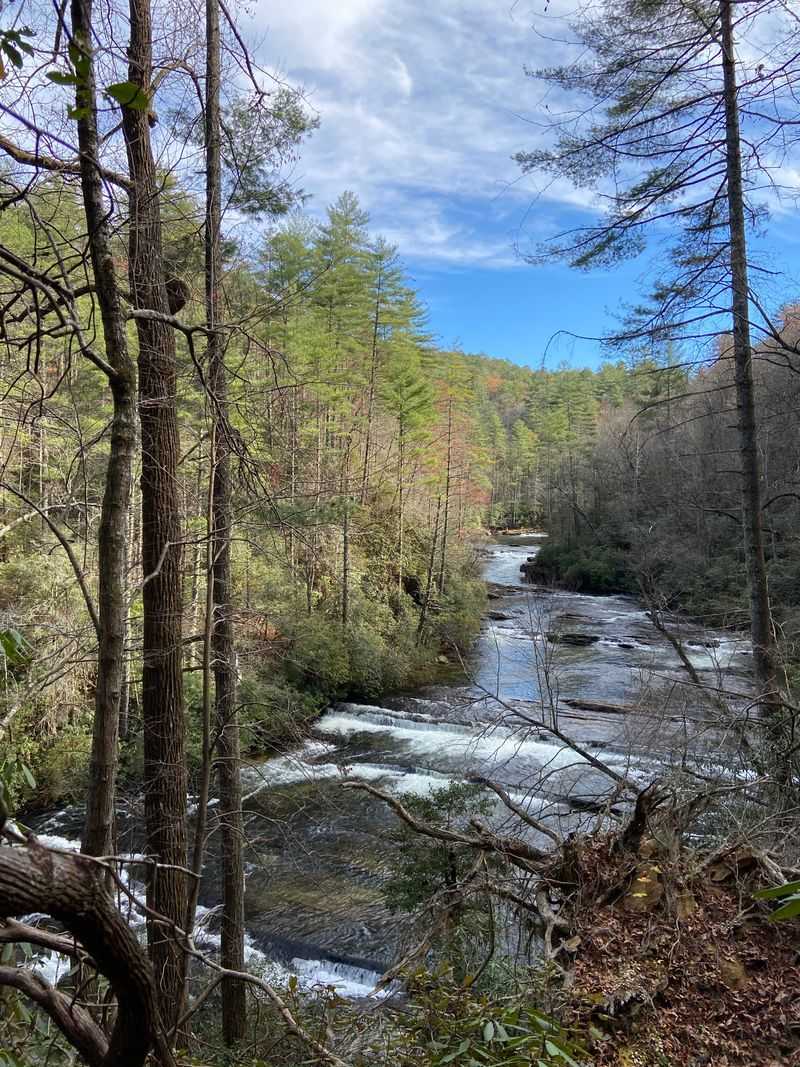
Popular trails operate under intense scrutiny, with rangers and volunteers monitoring conditions constantly and closing trails at the first sign of trouble.
Muddy conditions, wildlife activity, or minor hazards often trigger closures that can last weeks.
These restrictions make sense for protecting heavily-used trails but can frustrate hikers who planned trips around specific dates.
Lesser-known trails typically remain open under a wider range of conditions because they receive less official oversight.
This doesn’t mean they’re unsafe; it means experienced hikers can make their own informed decisions about trail conditions.
During shoulder seasons when popular high-elevation trails remain snowbound or muddy, hidden lower-elevation paths offer excellent alternatives.
Many lesser-known trails provide year-round access because they don’t face the same traffic-related problems that force seasonal closures elsewhere.
In autumn, when crowds thin at famous destinations, hidden trails showcase spectacular aspen colors without a single other person in sight.
Winter transforms quiet trails into peaceful snowshoe routes where you can break your own path through fresh powder.
Spring brings wildflower displays that rival any famous meadow but without the permit requirements.
This seasonal flexibility means you can hike more consistently throughout the year rather than competing for access during the narrow summer window when popular trails allow visitors.
You develop a deeper relationship with Colorado’s mountains when you experience them across all seasons instead of just during peak tourist months.
The flexibility of lesser-known trails rewards spontaneous adventurers who check conditions and adjust plans accordingly rather than those who book famous trails months in advance.
Dear Reader: This page may contain affiliate links which may earn a commission if you click through and make a purchase. Our independent journalism is not influenced by any advertiser or commercial initiative unless it is clearly marked as sponsored content. As travel products change, please be sure to reconfirm all details and stay up to date with current events to ensure a safe and successful trip.
