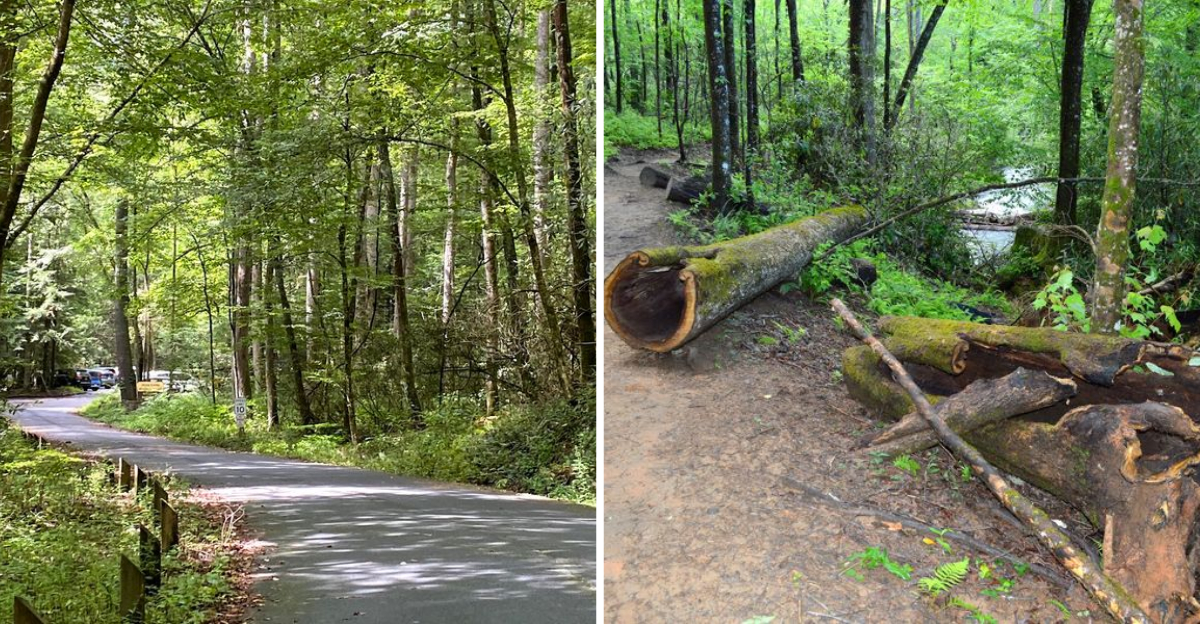
You do not really understand old growth until you stand in it. The trees are massive, with trunks so wide two people cannot wrap their arms around them.
The ground is soft with centuries of decaying leaves. The silence is different too, thicker somehow.
North Carolina’s Nantahala National Forest holds some of the last remaining old growth in the eastern United States. And conservationists are fighting hard to keep it that way. Logging interests want access.
Development creeps closer every year. The Forest Service is caught in the middle.
I walked a trail there recently and tried to imagine losing those trees. You cannot replace what took 400 years to grow.
Once it is gone, it is gone forever. The fight is far from over.
A Forest That Has Stood for Centuries
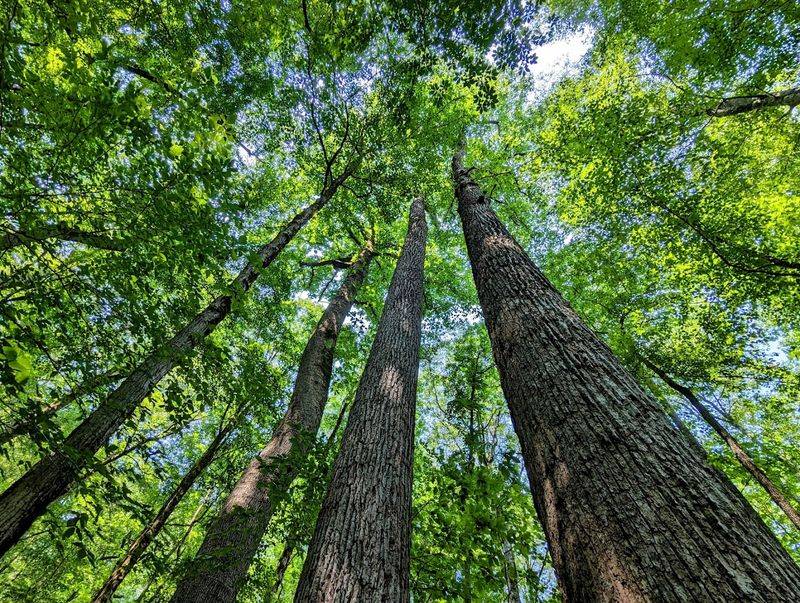
Few places in the eastern United States carry the kind of age and weight that Joyce Kilmer Memorial Forest does. Spanning 3,800 acres within the Nantahala National Forest, this forest is one of the largest remaining stands of old-growth trees east of the Mississippi River.
Some of these trees have been growing for more than 400 years, reaching heights that exceed 100 feet and circumferences of up to 20 feet around.
The forest is a rare example of an old-growth cove hardwood ecosystem, a type found almost exclusively in North Carolina. Over 100 species of trees grow here, including tulip poplars, sycamores, basswoods, oaks, and beeches.
Each one plays a specific role in the ecosystem, providing food, shelter, and stability to hundreds of other species.
What makes this place so special is that it was never logged commercially. That history of being left alone is exactly what allowed these giants to grow.
Protecting that legacy is at the heart of every conservation effort happening in the region today. The forest is not just old.
It is irreplaceable.
The Logging Threat That Sparked a Movement
In February 2023, the U.S. Forest Service finalized a new management plan for the Nantahala and Pisgah National Forests.
Conservation groups immediately raised concerns, arguing the plan could quadruple existing logging levels and authorize the construction of more than 300 miles of new logging roads cutting through sensitive forest land.
For many conservationists, this felt like a direct threat to places like Joyce Kilmer. The plan, they argued, failed to adequately protect over 100,000 acres of old-growth forest and ignored the forests’ critical role in storing carbon and supporting biodiversity.
Several organizations filed lawsuits challenging the plan on multiple grounds.
The Southside Timber Project became one of the most visible flashpoints. It targeted 317 acres for logging, including old-growth areas and habitat for the imperiled green salamander near the Whitewater River.
A coalition of groups including the Southern Environmental Law Center and the Center for Biological Diversity took legal action. A settlement reached in late June 2024 spared one designated special interest area from logging, giving conservationists a meaningful, hard-fought win in a battle that is far from over.
What the Crossover Project Controversy Revealed
Even after the Southside settlement, new concerns surfaced quickly. The U.S.
Forest Service issued its final decision on the Crossover Project in February 2026, describing it as a hardwood forest restoration effort covering more than 1,900 acres of the Nantahala National Forest. On the surface, restoration sounds like a good thing.
The problem, conservationists say, is that the project’s footprint includes at least 98 acres of rare old-growth forest. Some of the trees in that footprint are two centuries old.
Calling it restoration while potentially impacting ancient trees felt contradictory to many advocates who had been closely following forest management decisions in the region.
This controversy highlights a recurring tension in forest policy: the difference between managing younger, recovering forests and protecting genuinely ancient ones. Old-growth trees are not interchangeable with younger timber.
They took centuries to become what they are, and no replanting program can recreate that in a human lifetime. The Crossover debate forced a broader public conversation about what the word “restoration” should actually mean when applied to these mountains.
Carbon Storage and the Climate Connection
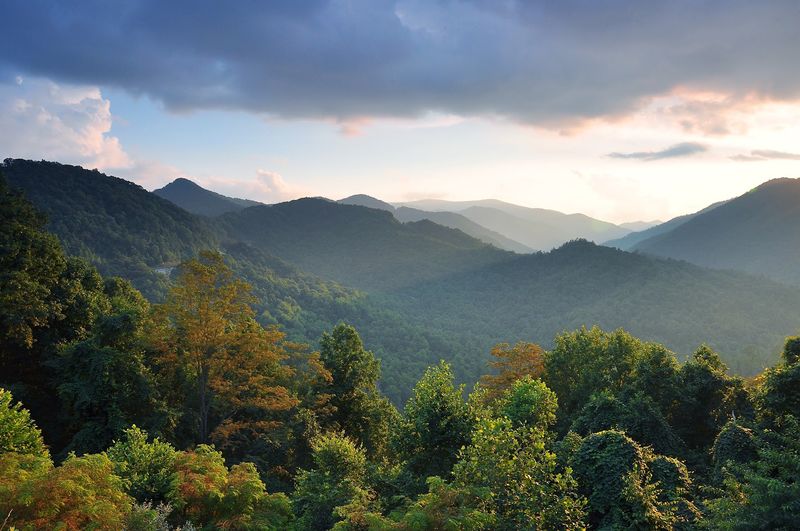
One of the strongest arguments conservationists make for protecting places like Joyce Kilmer is not sentimental at all. It is scientific.
Old-growth forests store enormous amounts of carbon, far more per acre than younger forests or tree plantations. Cutting them down releases that stored carbon directly into the atmosphere.
President Biden’s April 2023 executive order directed the U.S. Forest Service to inventory federal old-growth forests specifically because of their climate value.
A nationwide policy proposed in December 2023 sought to amend all National Forest plans to prioritize old-growth preservation. Public comments on that policy were open through September 2024, drawing significant attention from both environmental groups and logging industry advocates.
For the North Carolina region, this federal momentum matters. If stronger protections are codified at the national level, projects like Crossover could face additional legal and regulatory hurdles before any trees are touched.
The climate argument gives conservationists a powerful, data-backed foundation for their work. Protecting old-growth is not just about the trees themselves.
It is about keeping centuries of stored carbon exactly where it belongs, locked inside living wood.
Wildlife That Depends on Ancient Trees
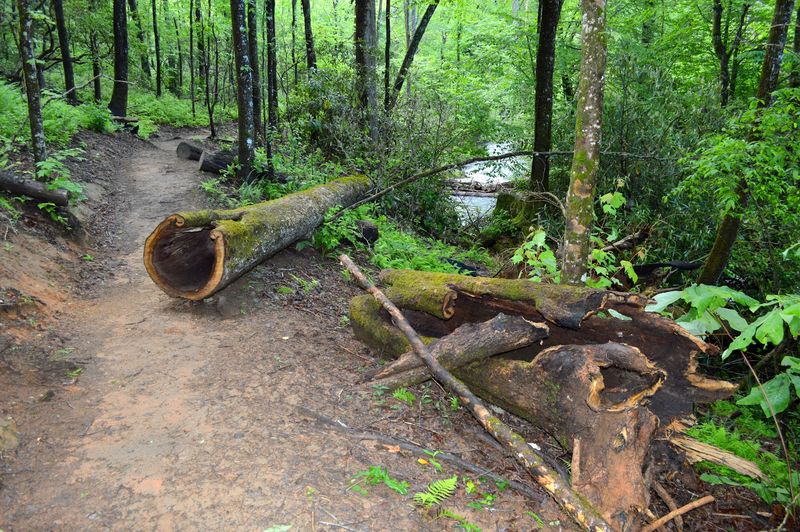
Ancient forests support a web of life that simply cannot survive in younger, managed woodlands. Joyce Kilmer and the surrounding Nantahala wilderness provide habitat for dozens of rare and sensitive species.
The green salamander, a small but ecologically significant creature, lives in the rocky outcrops and old-growth areas near the Whitewater River, one of the specific habitats threatened by the Southside Timber Project.
Endangered bat species also depend on the undisturbed forest landscape. A separate lawsuit is currently pending to protect these bat habitats from expanded logging within the national forests.
Bats play a crucial role in controlling insect populations, and their decline can trigger cascading effects throughout the ecosystem.
Beyond salamanders and bats, the forest’s biodiversity extends to rare wildflowers, mosses, fungi, and countless invertebrates that live in the deep leaf litter and rotting logs. Old logs and standing dead trees, called snags, are actually critical habitat components that younger managed forests rarely have.
Every ancient tree that falls naturally becomes a new home for something else. That cycle of life is what makes old-growth so biologically rich and so difficult to replicate.
The Hemlock Woolly Adelgid: A Hidden Crisis
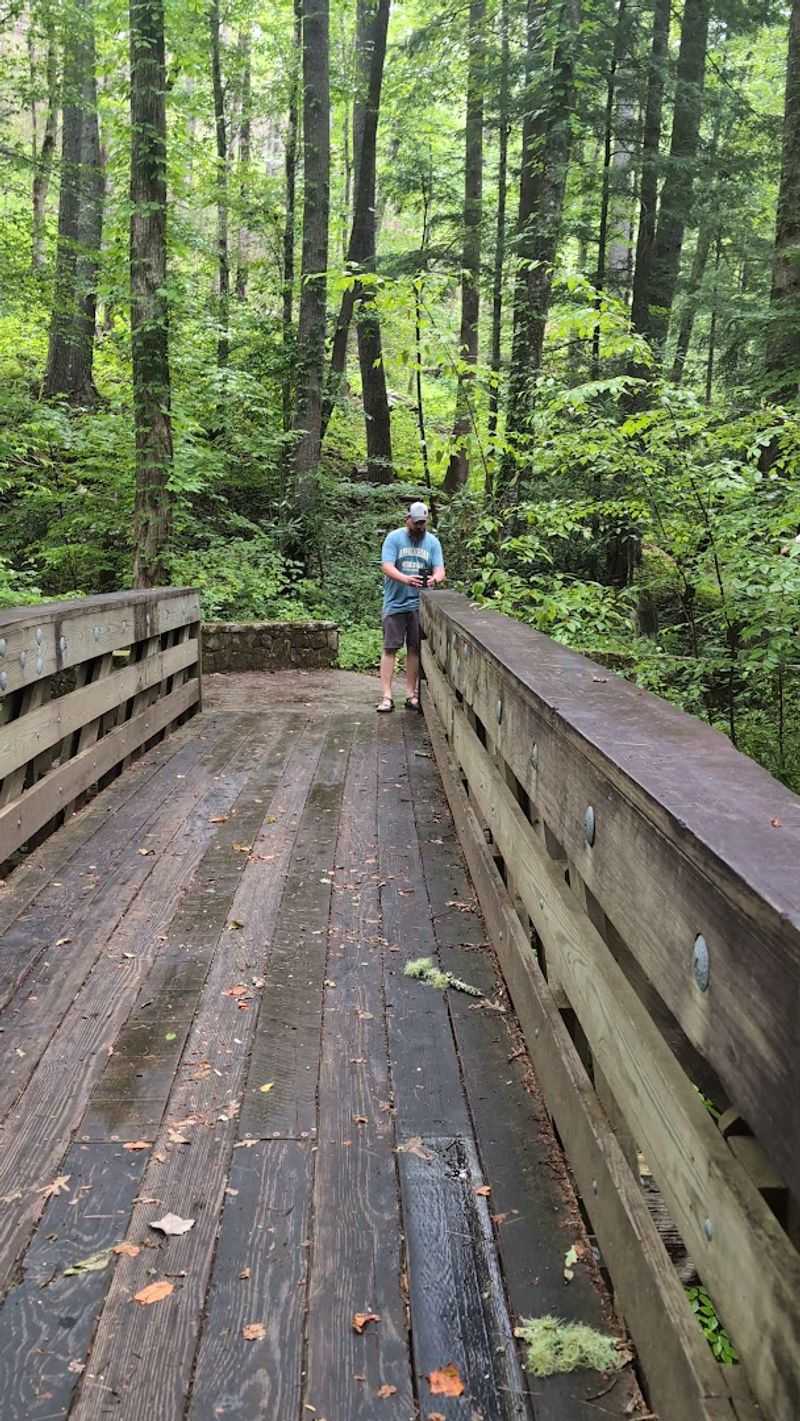
Not every threat to Joyce Kilmer comes from a chainsaw or a policy document. The hemlock woolly adelgid, a tiny invasive insect originally from Asia, has been quietly devastating hemlock trees across the eastern United States for decades.
Hemlocks are a defining species in many Appalachian stream corridors, and their loss reshapes entire forest communities.
When hemlocks die, the deep shade they once provided disappears. Stream temperatures rise.
The aquatic insects that fish and salamanders rely on begin to disappear too. The forest understory changes dramatically as different plant species rush in to fill the gap.
It is a slow-motion transformation that most visitors never realize is happening as they walk the trails.
Conservationists working in the Nantahala region are pushing for more aggressive biocontrol efforts and treatment programs to slow the adelgid’s spread. Some hemlocks in Joyce Kilmer have already been treated with pesticide injections to protect individual trees.
The effort is painstaking and expensive, but losing the hemlocks entirely would permanently alter the character of the forest. It is one more reason why active, well-funded conservation work in this region is so urgently needed right now.
Hiking Through History: What a Visit Actually Feels Like
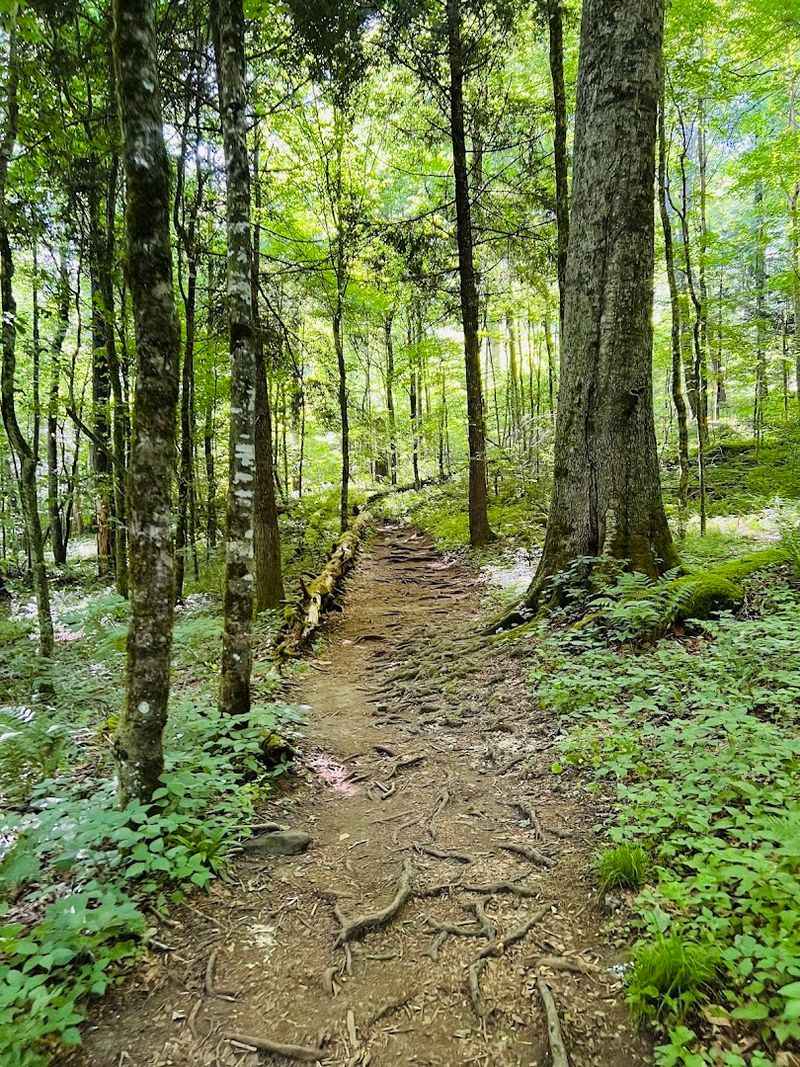
My first time on the figure-eight Memorial Loop at Joyce Kilmer, the scale of the trees genuinely stopped me in my tracks. The two-mile trail is rated easy to moderate, making it accessible for families, older hikers, and first-timers.
But nothing about the experience feels ordinary. Every bend in the trail reveals something that makes you slow down and look up.
The upper portion of the loop is where the most ancient trees are concentrated. Tulip poplars with trunks wider than most doorways line the path.
The canopy is so dense in summer that the light takes on a green, almost underwater quality. In winter, the bare branches reveal the true architecture of these giants in a completely different way.
Trail roots can be tricky, so solid footwear is a smart choice. The parking area has clean restrooms and picnic tables, and entry is free.
Dogs are welcome on leash. The trail is generally quiet, especially on weekday mornings, which is the best time to experience the forest at its most peaceful.
Visiting here feels less like a hike and more like a conversation with something very, very old.
How You Can Support the Fight to Protect This Forest
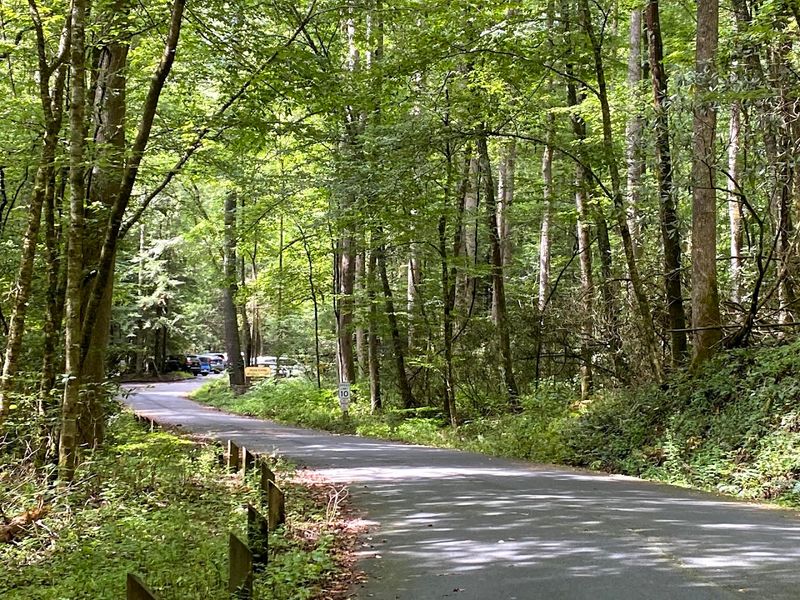
Caring about a place like Joyce Kilmer does not have to stop at the trailhead. There are real, practical ways to support the organizations working to keep this forest intact.
Groups like MountainTrue, the Southern Environmental Law Center, the Center for Biological Diversity, and the Sierra Club are all actively engaged in legal and advocacy work in the Nantahala region.
Submitting public comments during federal planning processes is one of the most direct ways individual citizens can influence forest policy. When the U.S.
Forest Service opens comment periods on projects like Crossover, every voice adds weight to the record that agencies and courts review. It takes maybe twenty minutes and genuinely matters.
Visiting the forest responsibly also helps build the case for its protection. High visitation numbers signal to policymakers that the public values these places for recreation, not just timber.
Spending money in nearby Robbinsville and Graham County supports local economies that have a stake in the forest’s long-term health. Every visit, every comment, and every donation to a conservation group is a small act in a much larger story.
This forest has survived 400 years. With enough support, it can survive the next 400 too.
Address: 5410 Joyce Kilmer Rd, Robbinsville, NC 28771
