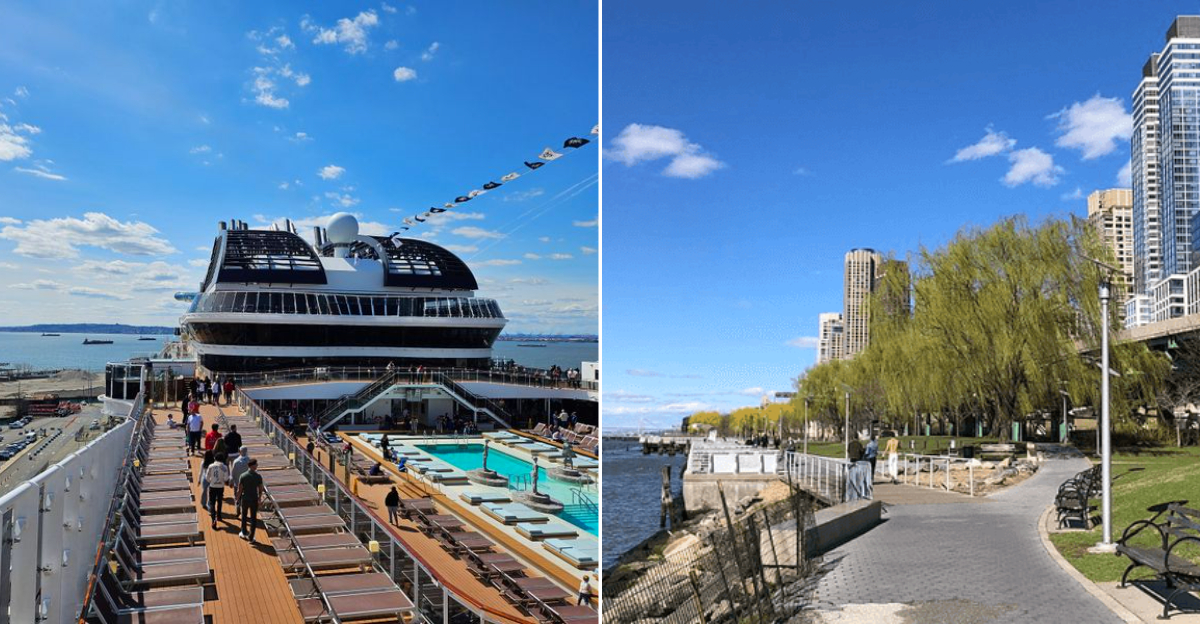
Here is what I keep noticing when we talk about cruising into New York and wandering the waterfront: everything feels calm until a ship docks, and then the streets flip like a switch.
You could be planning a lazy drive along the Hudson, and suddenly you are timing coffee stops around baggage waves and taxi lines that stretch forever.
It is not that the neighborhoods are against visitors, it is that the rhythm of these places gets yanked from a neighborhood pace to a terminal pace without warning.
Locals adjust without thinking, shifting errands and routines around those surges. Visitors usually feel it only after they are stuck in the middle of it.
If you are going to do this road trip, you should plan it like locals do and read the tide of people the way you would read the river itself.
Cruise Schedules Concentrate Visitors All At Once
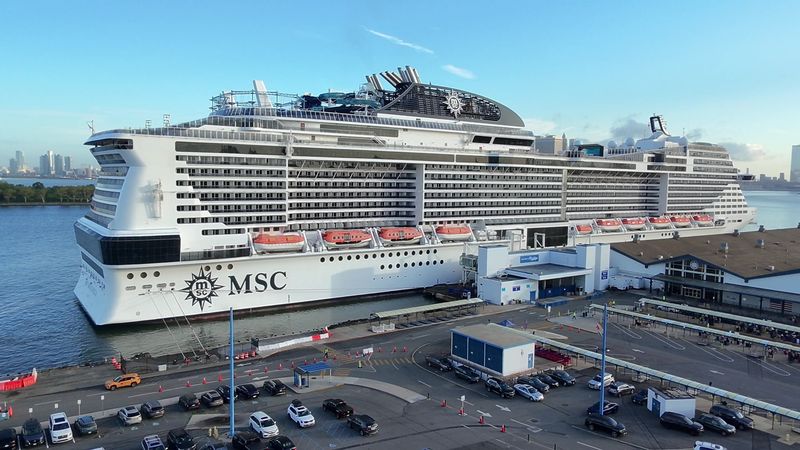
Ever watch a neighborhood inhale all at once and then hold its breath? That is what happens around the Brooklyn Cruise Terminal when a ship pulls in.
The morning feels easy along Van Brunt Street, then a thousand rolling suitcases turn a quiet curb into a taxi lobby in minutes.
You can hear duffels thump and drivers calling out like a chorus.
If you are cruising by car, the trick is to arrive either well before the baggage parade or after the security lines fade. Otherwise you are stuck idling behind shuttles that keep looping.
Schedules turn people into waves, not streams.
A wave overwhelms corners, bike lanes, and crosswalks that were fine a moment ago.
Red Hook looks sturdy, but the sidewalks are narrow and loading zones get snapped up by rideshares. That makes delivery trucks circle, which clogs Richards Street.
It is not just Brooklyn either. Manhattan’s Pier breathes in the same big gulp.
Want a workaround? Aim for side streets near DeWitt Clinton Park, then walk a block or two and let the tide pass.
New York can handle crowds, but concentrated crowds feel different than weekend foot traffic.
They punch the hour instead of spreading across the day.
That rhythm decides everything from when buses bunch to when a crosswalk feels safe. Planning around it is not fussy, it is just how the city moves.
Narrow Streets Struggle With Sudden Foot Traffic
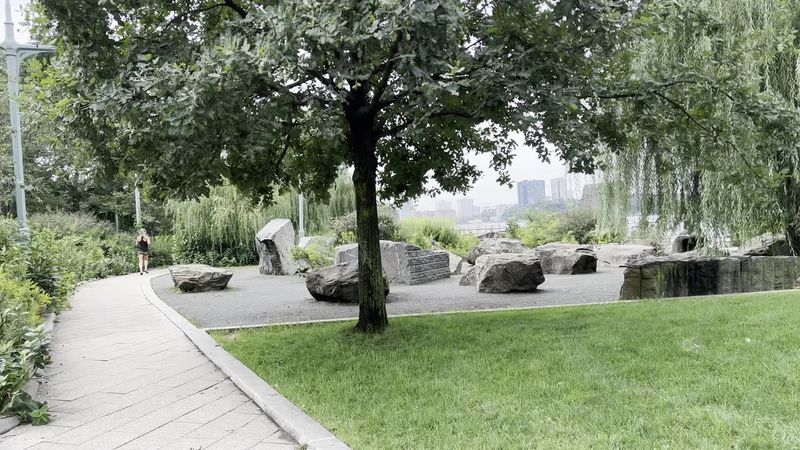
You know that squeeze you feel when a hallway is just a bit too tight for two people with backpacks? That is Columbia Street when cruise buses unload.
Sidewalks that work for dog walkers and strollers start buckling under rolling luggage.
Stanchions pop up, and suddenly a bus stop feels like a mini terminal.
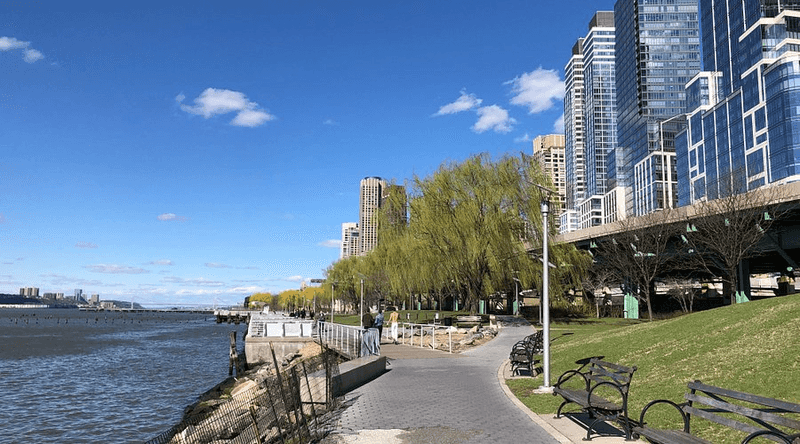
In Hudson River Park, the path is wide, but entrances pinch like bottle necks. People pause to check maps, and that pause multiplies.
Workers adapt by hugging building lines. Cyclists slow to a wobble because bell rings are not enough when there is nowhere to go.
You can time your walk on Van Dyke Street to slip between motorcoaches. If you miss the window, you are stuck in suitcase slalom mode.
City trucks still need those lanes. When they cannot squeeze through, horns start stacking up behind a single delivery.
It is not anger you are hearing so much as impatience. The street is doing math it was not built for.
One fix neighbors mention is more temporary sidewalk extensions at pinch points.
Even paint and cones would give people somewhere to stand.
New York State rules shape curb uses, but the reality lands on these blocks. The geometry wins every time.
Local Transit Feels The Immediate Impact
The minute a ship docks, bus headways stop behaving. You will watch three routes arrive together and then nothing for a stretch.
Riders pile on with suitcases that block doors. Drivers do their best, but aisles turn into luggage lanes.
The ferry at Pier 11 handles surges better, yet even there the ramps crawl.
A boarding pause becomes a line that bends along the pier.
What helps is walking one or two avenues before tapping a bus. That small move skips the terminal gravity.
Down in Sunset Park at Brooklyn Army Terminal the NYC Ferry can soak up crowds. Still, on peak days, the waiting area feels like a moving room.
You could bike from DeWitt Clinton Park to the C train at 50th Street. It keeps you out of the bag jam.
The big thing is remembering transit is built for daily rhythm. Cruise schedules rewrite that rhythm for a few noisy hours.
New York State and city agencies tweak stops and loading rules, but the stress hits right at curb level. That is where our patience has to live.
If you time transfers after the first disembark wave, everything feels normal again.
Missing that window is the difference between calm and chaos.
So, yes, transit works. It just needs us to read the tide chart, not the clock.
Small Businesses Shift Toward Short Term Demand
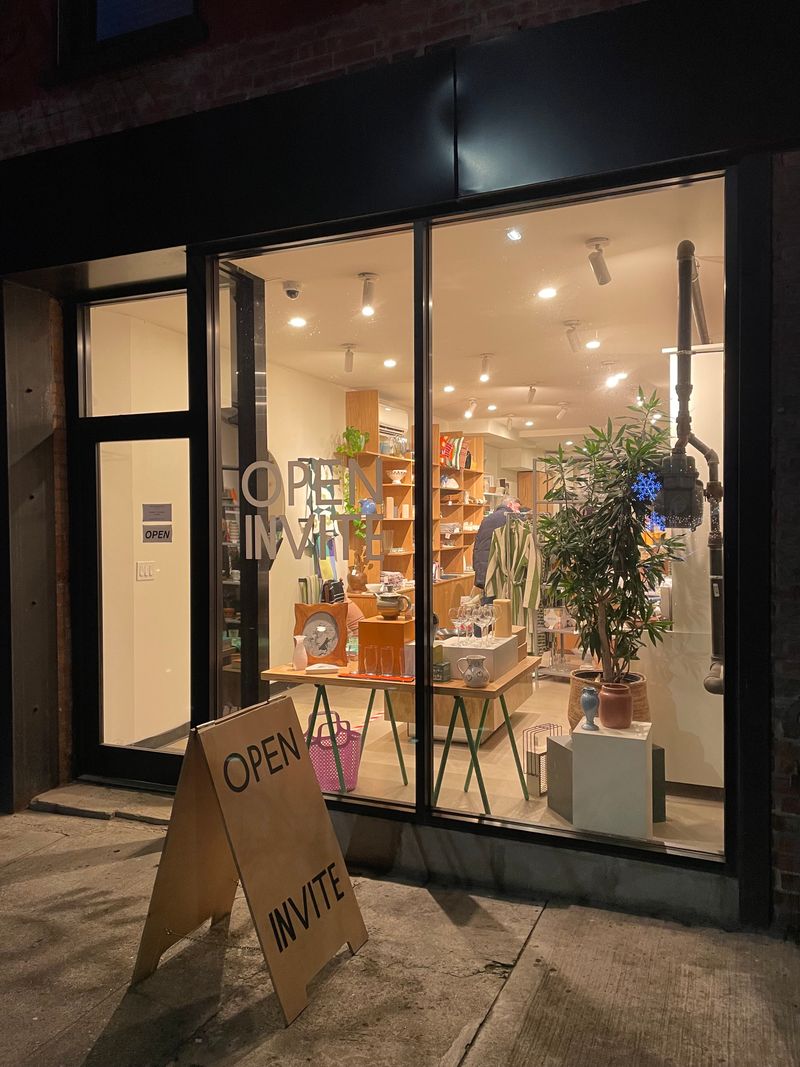
Walk down Van Brunt Street on a cruise day and you can feel the pivot. Signs switch to quick services, and staff post up near doors to manage lines.
Shops that usually lean on repeat customers shift toward same day needs.
It is logical, but the mood of the block changes.
On Eleventh Avenue, storefronts turn into orientation desks with directions and last minute supplies. People ask the same questions, and clerks become unofficial concierges.
That hustle brings money, but it can sideline the slow relationship work locals love. Regulars wait an extra beat while the line of rolling bags moves through.
When you park near Beard Street and wander, you can see window displays edited for portable stuff. It is like the neighborhood is dressing for speed.
New York businesses are adaptable, which is part of the charm.
Still, the reset every arrival day keeps owners on their toes.
I try to buy something small from a spot that looks neighborhood first. It nudges the balance back a little.
Over by Pier 84, kiosk clusters bloom and then vanish after the last shuttle. The pop up economy is as tidal as the river next to it.
If you are timing your visit, late afternoon feels calmer and more neighborly. You can hear actual conversations again.
That is when the block remembers itself. You can feel the shoulders drop a notch.
Housing Pressure Increases Near Cruise Terminals
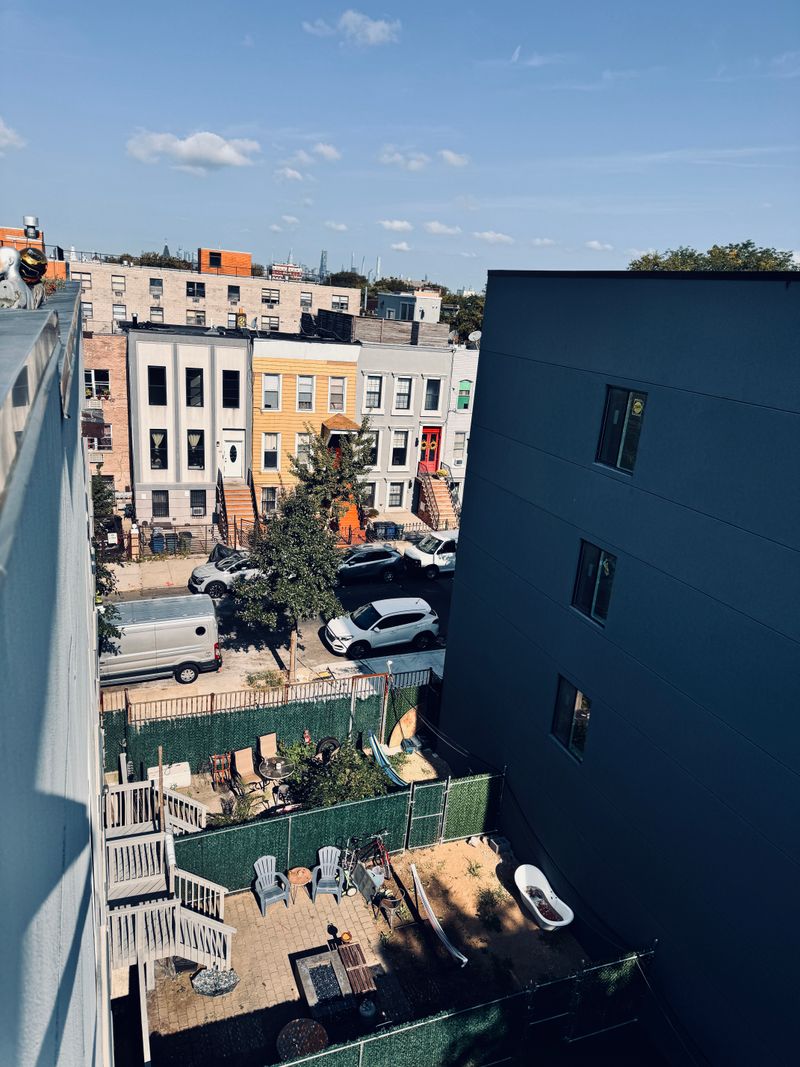
Here is the part folks do not talk about on the pier. Short stays creep into buildings that were steady with long term neighbors.
Around 160 Pioneer Street, you hear rolling bags at odd hours as people time departures. That staircase echo is the soundtrack of a building flipping between visitors and residents.
Near Midtown’s cruise piers, you see listings touting terminal access as a perk.
It is convenient, but it nudges rents and reshuffles who can stay put.
New York State laws draw lines for short term rentals, yet pressure still finds cracks. The street knows before the paperwork does.
You have seen it in other waterfronts too, like Greenpoint. Proximity to ferries and views amplify the churn.
What keeps things steady is simple: a strong baseline of year round tenants. When that balance tilts, the stairwell chatter changes.
If you are staying overnight, I would rather pick a hotel corridor. It leaves apartment buildings to be actual homes.
Neighbors will tell you the shift shows up in trash days and mailboxes. The little patterns reveal the big change.
You can still enjoy the waterfront without adding to the churn.
Choosing carefully is part of traveling kindly.
Housing is the bones of a neighborhood. When you stress the bones, the walk feels different under your feet.
Noise Levels Spike On Arrival Days
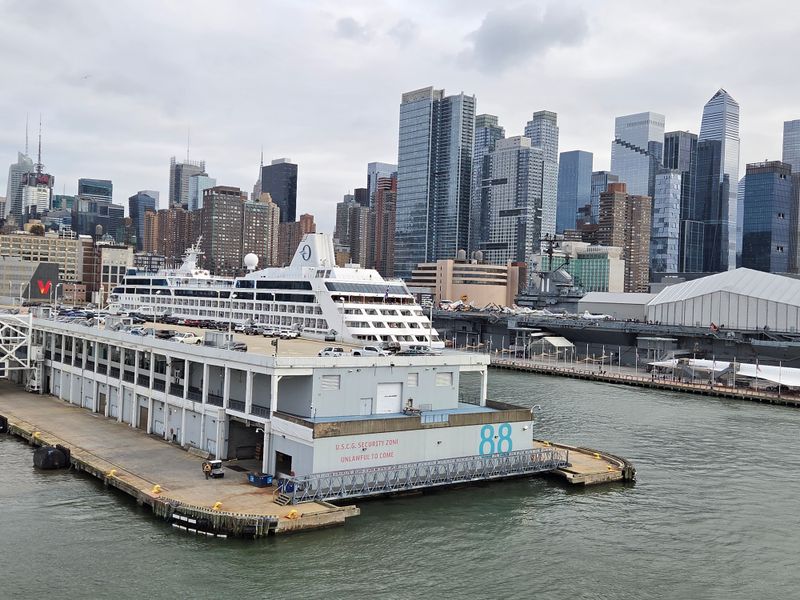
It is not just loud, it is layered. Coach engines idle, luggage wheels buzz, and walkie chatter bounces off brick.
Stand near Pier 88 and you will hear a steady hum that never quite settles.
The sound lifts and dips as buses cycle in.
Down in Red Hook, forklifts beep in the yard while trucks nudge along. Birds keep singing, but they are singing over engines.
You could duck into the waterfront path at Erie Basin Park. Even there, the noise trails you like a coat you cannot take off.
Headsets help, but so does timing. After the first hour, the hum thins, and conversations stop competing with horns.
New York is never quiet, which is part of why we love it. Still, cruise days feel like someone nudged the volume knob.
If you live nearby, you learn the calendar by ear.
The block tells you when a ship is due before any schedule does.
On your road trip, plan morning walks away from the piers. Afternoon swings back once the loading is done.
Sound maps the mood of a street as much as traffic does. When the hum eases, patience comes back too.
Noise is a tide, and like any tide, it rewards timing. That is how you keep the day easy.
Public Spaces Become Transit Zones
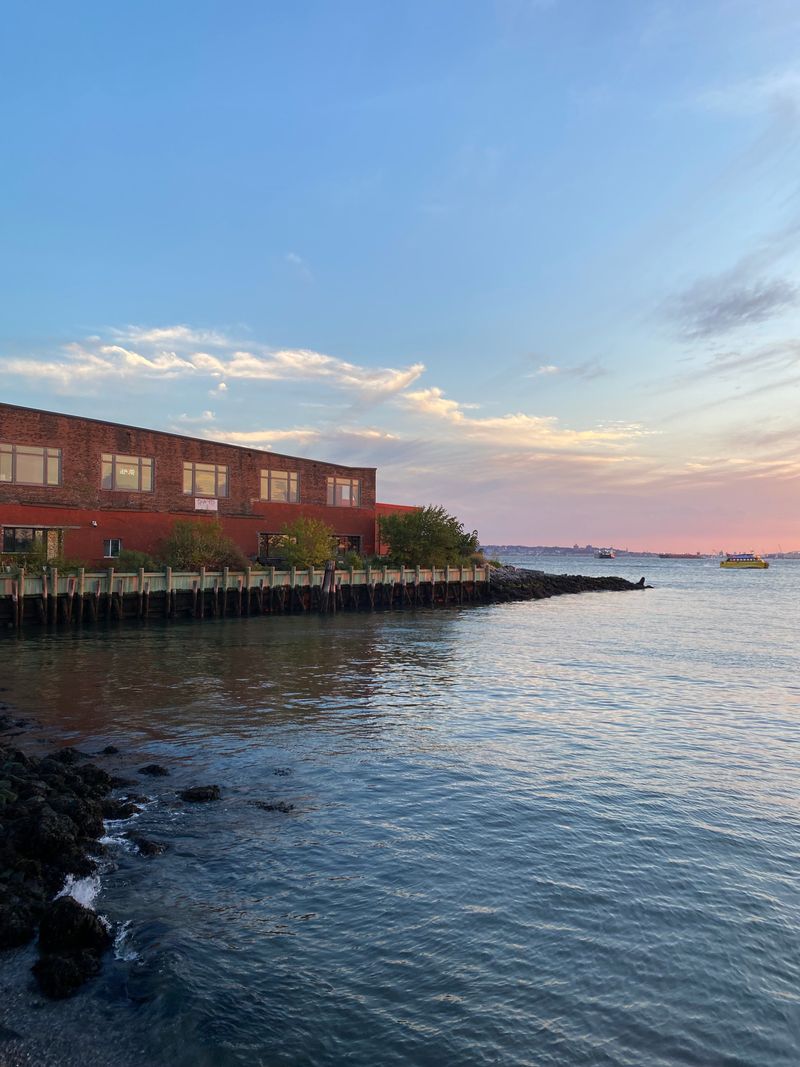
Watch how a park bench becomes a staging area. One suitcase sits, then five, then a line forms around the shade.
At DeWitt Clinton Park, people wait for rides like it is a station.
Dogs and joggers weave through and make room.
In Valentino Pier, the pier itself turns into a meeting point with rolling bags parked along railings. It is a different kind of waterfront day.
You can still enjoy the view if you step to the quieter edges. The trick is walking past the first cluster you see.
Wayfinding signs help, but temporary posts would keep lines from spooling across paths.
The current setup leaves crowd drifts in every direction.
New York State parks staff are used to events, which is why they adapt quickly. Cruise days feel like recurring pop up events whether planned or not.
If you bring bikes, I would lock them a block off the water. That keeps the racks free for folks who need quick turnover.
Public space is precious in the city. Turning it into a temporary terminal changes the social code.
Once the ships clear, the benches go back to being benches. The shift is fast, but you can still feel it after.
It is worth timing a quiet hour to see the park breathe again. That contrast teaches you how the neighborhood works.
Neighborhood Routines Are Repeatedly Interrupted
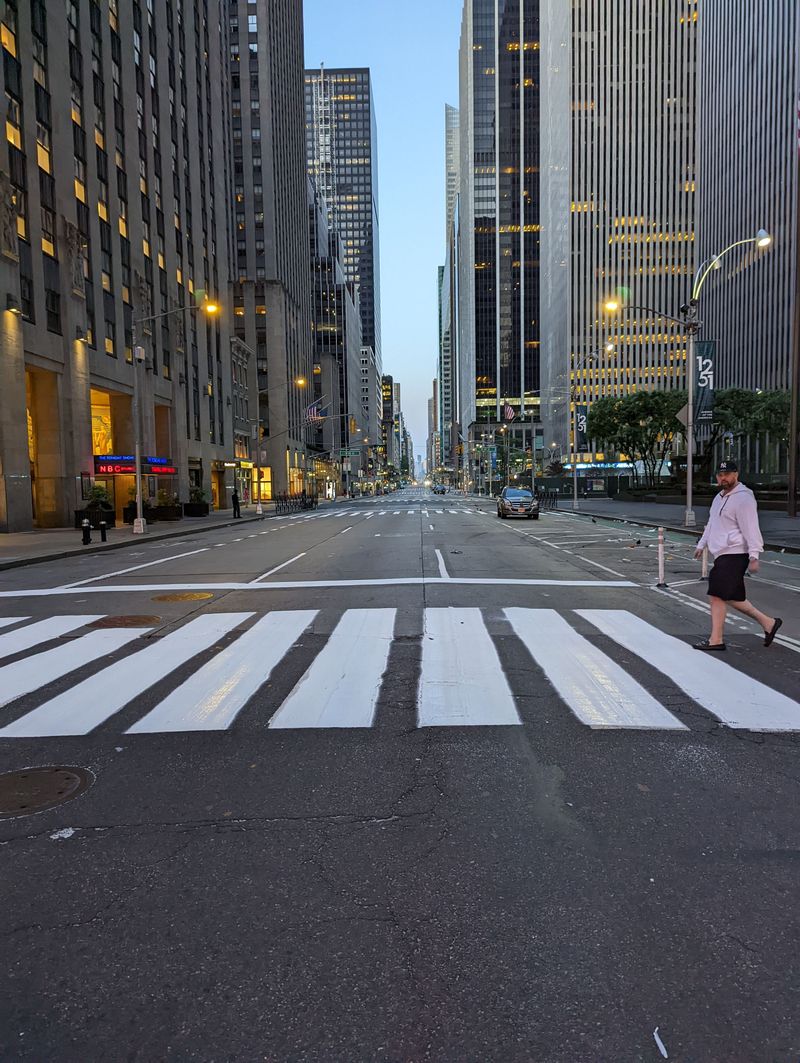
You start to notice the little delays. A school drop off takes longer because a coach blocks the curb.
Crossing guards juggle regular traffic plus shuttle waves. The whole corner learns new choreography.
In Red Hook, families thread strollers through luggage lines.
The neighborhood adapts, but the morning gets tighter.
You have seen package vans reroute and miss their normal window. That pushes delivery knock times into dinner hours.
It is nobody’s fault exactly. It is routine versus surge, and surge wins until it passes.
New York is built on habits, tiny ones. When you nudge those, everything downstream wobbles.
For you, that means choosing side streets when the ship is in. You keep your pace and let the main drag do terminal duty.
Neighbors post timing notes on local boards, which helps. Those notes read like tide tables for errands.
After the rush, the block resets, and you can feel shoulders loosen. Routines slip back into place like they were on hold.
So you plan your taco run away from arrival windows. It is a small thing that makes the day smoother.
Economic Benefits Feel Unevenly Distributed
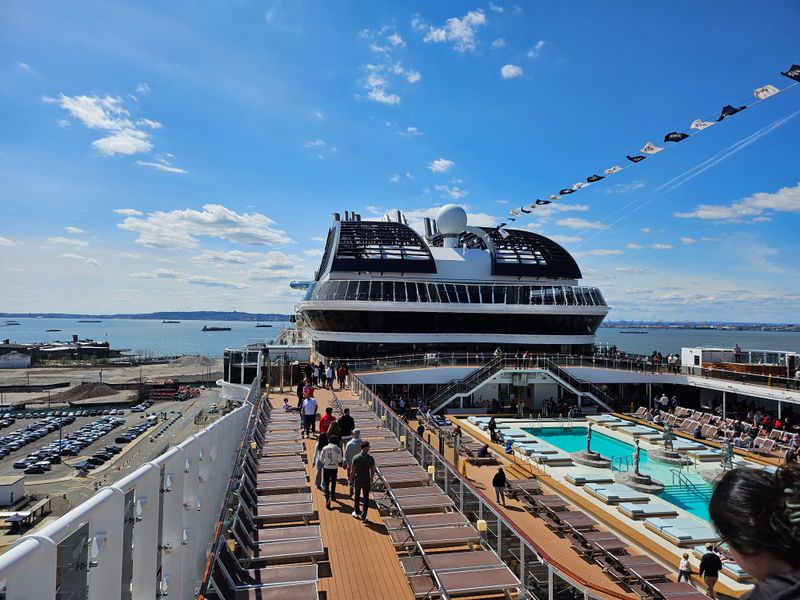
Money definitely shows up on cruise days. The question is where it lands and who gets to catch it.
Near Pier 88, vendors do brisk business while shops two avenues inland see less.
Distance reshapes the pie in real time.
Over in Red Hook, storefronts close to shuttle stops see fast sales. Places tucked on quiet corners keep regular pace and wonder about the hype.
Neighborhood groups try to spread foot traffic with maps and local guides. The follow through depends on how harried people feel when they get off the bus.
New York loves a crowd, but equitable crowds are tricky.
Routes and signs act like magnets that pick winners.
If you want to be a decent tourist, you can aim your errands one block farther than the obvious. That tiny detour shares the love.
Citywide programs can help with wayfinding and staffing, but the curb is where it all plays out. That is where decisions feel immediate.
On quiet days, the same stores carry the neighborhood without fanfare.
Cruise surges should add to that, not replace it.
You can try a loop that hits a couple of side streets on your walk. It feels better and you meet actual neighbors.
The goal is not to skip the waterfront. It is to make the waterfront feed the whole district, not just the curb.
