Delaware’s coastline attracts millions of tourists each year, many searching for those quiet, off-the-beaten-path beaches they’ve read about online. While these spots might look perfect in photos, locals know a different story.
There are real reasons why Delaware residents choose the busier ocean beaches over the so-called “hidden gems” along the bay.
1. Water Quality Raises Health Concerns
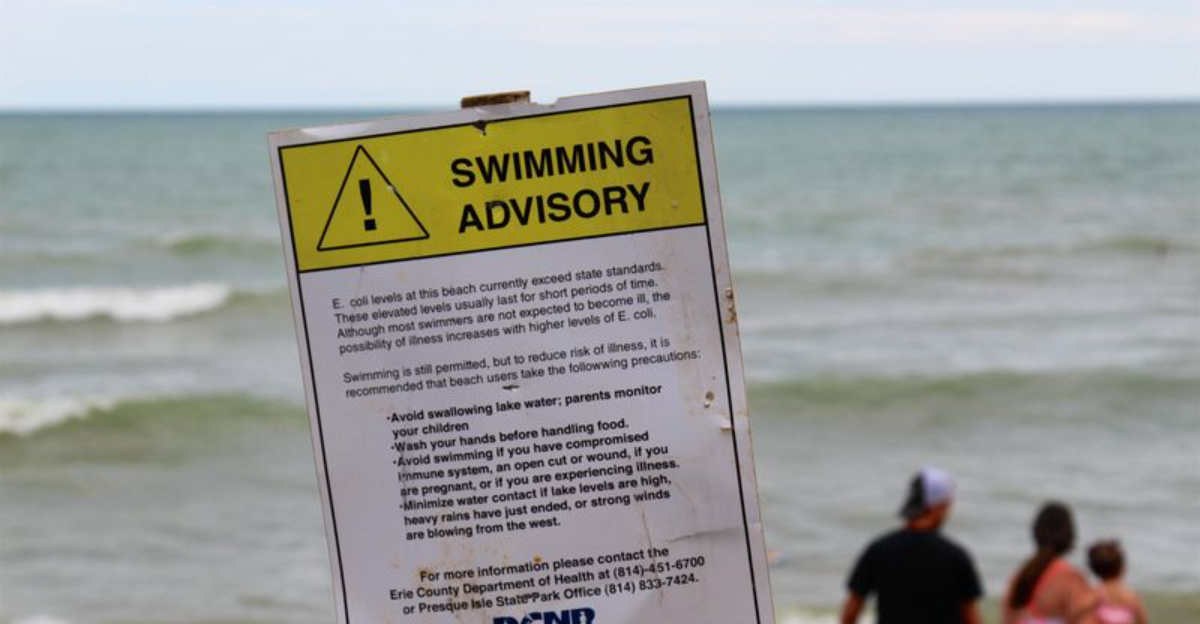
Bay beaches and inland waterways don’t flush out like ocean shores do. Bacteria levels climb higher in these calmer waters, sometimes triggering official swimming advisories that never fully go away. Locals grew up hearing warnings about these spots and remember when friends got sick after swimming there.
The Delaware Bay and Inland Bays sit in protected areas where pollution lingers longer. Testing reveals elevated bacteria counts regularly, especially after heavy rains. Families who live here year-round would rather drive to Rehoboth or Dewey where the Atlantic Ocean keeps things cleaner and safer for their kids.
2. Horseshoe Crab Invasion Takes Over
Slaughter Beach and Broadkill become horseshoe crab nurseries during mating season. Thousands of these ancient creatures blanket the sand, making it nearly impossible to walk without stepping on them or their sharp-edged shells. What tourists find fascinating quickly becomes overwhelming when you’re trying to lay out a beach towel.
These protected sanctuaries serve an important ecological purpose, but locals know the timing. May and June transform these beaches into biological research sites rather than relaxation destinations. The smell of decaying crabs mixed with piles of molted shells creates an experience most residents skip entirely.
3. Bay Smell and Biting Flies Ruin Relaxation
Marshlands border many bay beaches, creating a distinct odor of stagnant water and decomposing plant matter. On hot summer days, the smell intensifies and drifts across the sand. It’s not the fresh salt air you expect from a beach day.
Black flies and greenheads swarm these areas in thick clouds during peak season. Unlike regular mosquitoes, these biters are aggressive and persistent, making it impossible to sit still without constant swatting. Locals learned long ago that no amount of bug spray makes these beaches worth the misery compared to the breezier ocean side.
4. Zero Amenities Mean Constant Hassles
Hidden gems lack bathrooms, showers, lifeguards, and even trash cans. What sounds adventurous to a tourist becomes a logistical nightmare for families with young children who need facilities. Locals value convenience after years of beach-going experience.
Without lifeguards, parents worry about water safety, especially in unfamiliar currents. The absence of boardwalks means nowhere to grab food or drinks when hungry. Limited or nonexistent parking means circling residential streets hoping for a spot. Delaware residents would rather pay for parking at a state park and actually enjoy their day instead of managing all these complications.
5. Illness Risk Keeps Families Away
Warmer, shallow bay waters create perfect conditions for bacteria growth. Locals hear stories about ear infections, stomach bugs, and skin rashes linked to swimming in these spots. Even without official warnings, the risk feels too real to ignore.
Parents especially avoid these beaches after hearing neighborhood warnings passed down through generations. The ocean’s constant wave action and cooler temperatures naturally reduce bacterial loads. Why gamble on your family’s health when cleaner alternatives exist just a few miles away? Residents choose peace of mind over exploring questionable waters, no matter how pretty the photos look online.
6. Inconvenient Locations Waste Precious Time
Getting to secluded bay beaches means navigating winding back roads far from Route 1. Locals know these scenic drives add thirty minutes or more compared to highway access to major beaches. When you live here year-round, time efficiency matters more than novelty.
These hidden spots sit in tiny towns with confusing directions and poor cell service. GPS often fails or sends you down dead-end streets. Delaware residents already know where they want to go and prefer straightforward routes. After working all week, spending extra time lost on country roads loses its charm quickly.
7. Overcrowding Ruins the Secret Spots
Social media destroyed the concept of hidden gems. Once a beach gets featured in a blog post or Instagram story, crowds arrive immediately. Locals who discovered these places years ago now find them packed with tourists holding their phones up for selfies.
Bowers Beach and Prime Hook used to offer genuine solitude on weekday mornings. Now parking lots fill up by ten o’clock with out-of-state plates. The very thing that made these spots special—peaceful isolation, disappeared the moment they went viral. Residents moved on to truly private locations they’ll never share online.
8. Parking Nightmares Create Legal Risks
Unlike resort towns with clearly marked paid lots, hidden beaches offer only residential street parking. Locals know which spots trigger tickets or tows, but tourists park anywhere they fit. Getting caught in these traps costs money and ruins entire days.
Many bay beach access points have maybe five or six unmarked spaces on gravel shoulders. Arrive after nine in the morning and you’re out of luck. Some neighborhoods post confusing signs about resident-only parking or two-hour limits. Delaware residents tired of this guessing game just pay the meter at Rehoboth and know their car stays safe.
9. Industrial Proximity Spoils the Scenery
Certain bay beaches sit surprisingly close to shipping channels and industrial facilities upriver. While not directly contaminating the water, the visual presence of cargo ships and storage tanks kills the pristine beach fantasy. Locals notice these details that tourist guides conveniently omit.
The psychological effect matters, swimming feels less appealing when you can see commercial activity on the horizon. Port facilities and transportation infrastructure remind you this isn’t the untouched natural paradise it pretends to be. Delaware residents prefer beaches where the only view is ocean and sky, not reminders of Delaware’s working waterfront economy.
10. Missing Wave Action Disappoints Beach Lovers
Bay beaches offer flat, pond-like water that barely moves. For anyone who grew up with real ocean beaches, this feels wrong. The sound of crashing waves, the pull of undertow, the thrill of body surfing, none of that exists on the bay side.
Locals associate proper beach days with Atlantic coast energy and movement. Kids get bored quickly in water so calm it feels like a lake. Surf fishing enthusiasts find nothing to catch in these sheltered spots. The entire sensory experience falls flat compared to the dynamic oceanfront just a short drive away.
11. Locals Know Better Beach Options Exist
Delaware residents understand the difference between genuinely good beaches and overhyped alternatives. Cape Henlopen State Park offers amenities, cleaner water, and beautiful scenery without the bay beach drawbacks. Bethany and Fenwick provide quieter alternatives to Rehoboth without sacrificing ocean access.
Experience teaches locals which beaches deliver consistent quality. They’ve tested every option over decades of living here. When tourists discover a “hidden gem,” locals already evaluated and rejected it years ago for valid reasons. Why settle for second-rate spots when you know where the truly great beaches are?
12. Reputation Matters in Small Communities
Delaware’s beach towns form tight-knit communities where word spreads fast. When a beach develops a reputation for poor conditions, that knowledge passes through neighborhoods quickly. Locals trust community wisdom accumulated over generations more than any online travel article.
Grandparents warn their grandchildren about which beaches to avoid. Friends share stories about bad experiences at certain spots. This collective memory creates an informal rating system more accurate than any tourist website. Residents respect this local knowledge and make choices accordingly, leaving the problematic “hidden gems” to visitors who don’t know any better yet.
Dear Reader: This page may contain affiliate links which may earn a commission if you click through and make a purchase. Our independent journalism is not influenced by any advertiser or commercial initiative unless it is clearly marked as sponsored content. As travel products change, please be sure to reconfirm all details and stay up to date with current events to ensure a safe and successful trip.
