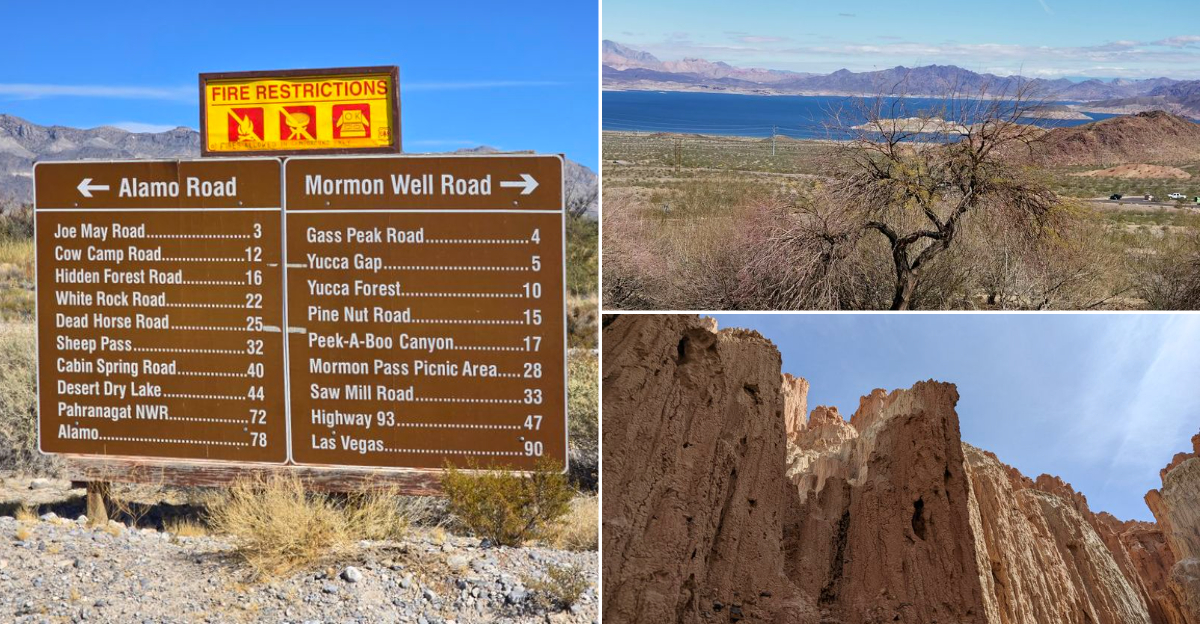
You know that quiet feeling you get pulling off a Nevada highway and hearing nothing but wind on the sagebrush? That calm tricks people into lighting a small campfire like it is no big deal.
The thing is, desert fire rules change fast, and they do not care if you meant well. If you are planning a road trip, let’s talk about why tourists keep getting burned by the rulebook, and how to keep the trip easy and fine free. What was allowed last week can be banned today without much warning.
Locals track conditions closely because one spark can undo an entire season out here. Knowing the rules before you strike a match keeps the desert quiet and your trip drama free.
Campfires Feel Harmless In The Nevada Desert
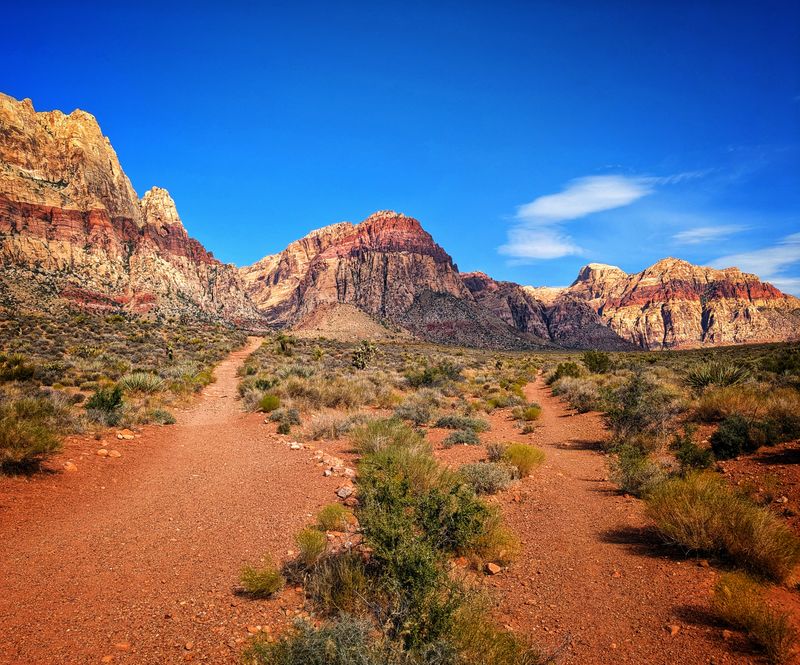
You step out near Red Rock Canyon and it all feels wide open and forgiving. The silence makes a small flame seem tiny and polite.
That vibe is misleading in Nevada. Dry air and thin fuels carry heat farther than you’d think.
Open space does not absorb risk. It spreads it, because embers drift with nothing to stop them.
If you want a visual, go to Red Rock Canyon National Conservation Area at 1000 Scenic Loop Dr, Las Vegas, NV 89161. Walk the parking lot and feel that constant breeze.
Desert grasses look sparse, but they flash.
One ember lands, and the wind does the rest.
The landscape recovers slowly. Scars last and land managers remember.
Tourists Do Not Realize This About Desert Fire Risk
Here is the part people miss. Desert soil does not hold moisture, so heat lingers in roots and duff.
Sage and creosote look tough. They snap dry and throw sparks easy.
Wind is the sneaky partner. It slips under flames and carries them sideways.
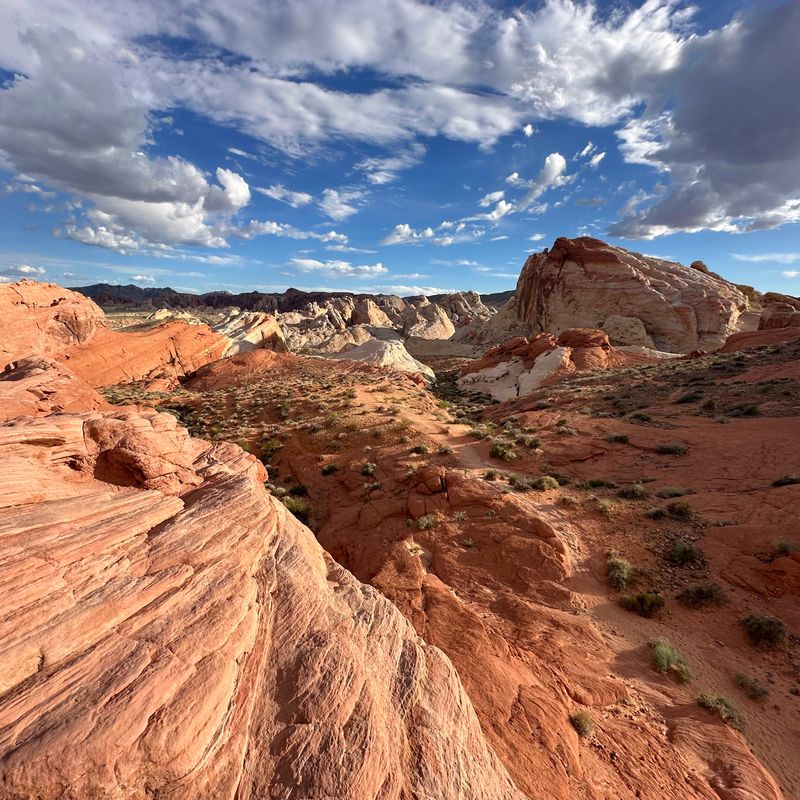
Drive out toward Valley of Fire State Park at 29450 Valley of Fire Hwy, Overton, NV 89040.
You can feel the air move even on a calm day.
Recovery in the desert is slow. A burn scar can sit there like a bruise.
Land managers plan for that slowness. That is why they write conservative rules.
Fire Restrictions Change Without Much Warning
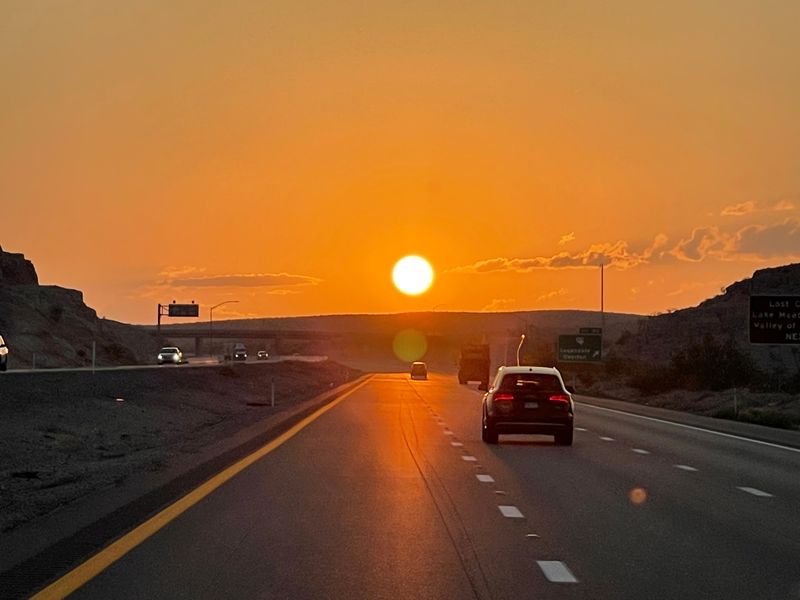
This is where folks get tripped up. Restrictions flip from allowed to banned based on weather and fuel conditions.
One windy afternoon and boom, emergency order. You do not always see it broadcast.
Check the Bureau of Land Management Southern Nevada District office info.
Call ahead or scan their alerts page before you go.
The office is at 4701 N Torrey Pines Dr, Las Vegas, NV 89130. They post updates faster than campground rumor.
Also look at park kiosks. A small laminated sheet can be the law that day.
When in doubt, no flame. Nevada rangers will back that choice every time.
The Difference Between Designated Fire Rings And Open Desert
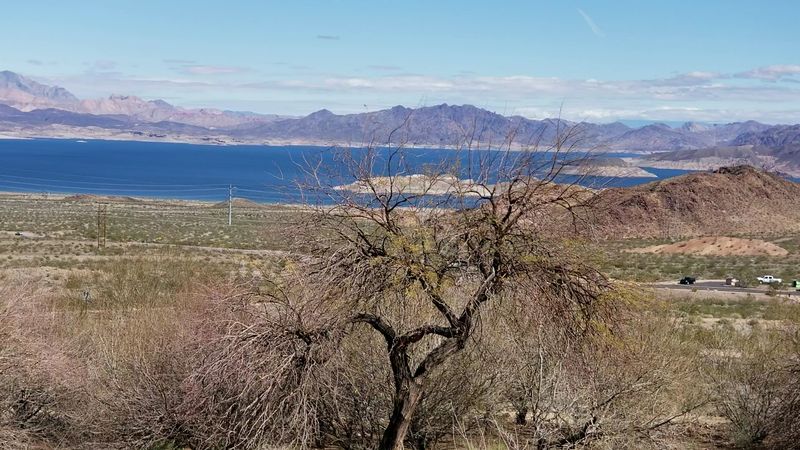
You see a circle of rocks and think, great, a fire ring. Rangers see a random rock pile and a violation.
Designated rings are installed and maintained. They are placed where heat and smoke are manageable.
Open desert is none of that. Rocks do not equal permission.
Want a sure thing near Lake Mead National Recreation Area.
Head to Alan Bible Visitor Center at 10 Lakeshore Rd, Boulder City, NV 89005 and ask where fires are allowed.
Park fire rings are obvious steel structures. They sit in signed areas with clear rules posted.
If the sign says no fires, believe the sign. Not the last camper’s creative landscaping.
“It Burned Out” Still Counts As A Violation
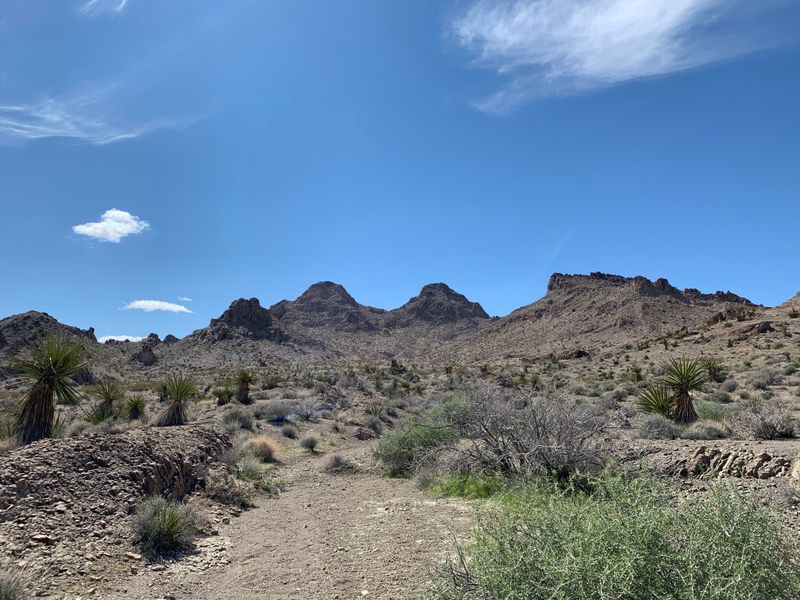
You would think no harm no foul if the coals are cold. Rangers do not see it that way.
They enforce the risk, not your outcome. If a ban was active, the act itself is the issue.
Also, ashes can hide heat. Nevada wind loves to find leftovers and push them into brush.
Out by Sloan Canyon National Conservation Area, stop at the trailhead near 1950 E Warm Springs Rd, Henderson, NV 89014.
You will notice how sparse shade is and how exposed every ember feels.
Enforcement is about prevention. They do not wait for a hillside to ignite.
So you pack a stove with a shutoff valve. That move ends the debate on the spot.
Rangers Patrol Popular Camping Areas
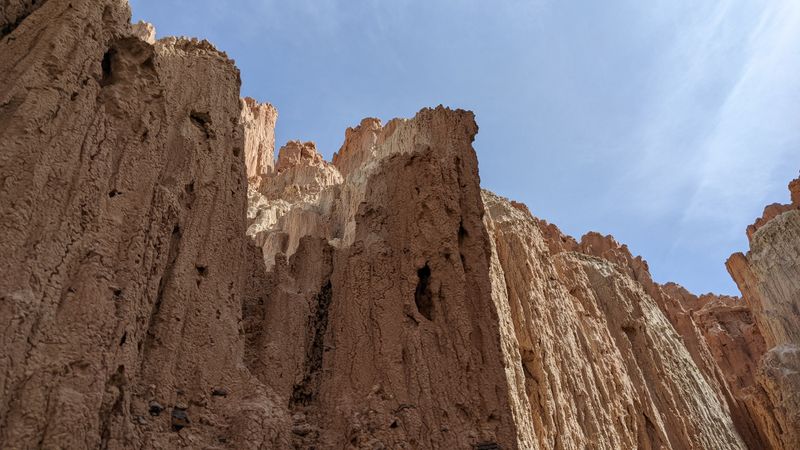
This is not cloak and dagger. High traffic zones get regular passes and quick checks.
They watch for smoke plumes first. Then they pull up quiet and look for ash signs.
Expectation wise, they focus on hosts, kiosks, and main loops. Backroads still get eyes, just less often.
Cathedral Gorge State Park at 111 Cathedral Gorge State Park Rd, Panaca, NV 89042 is a good example. Easy loops, clear pads, and visible patrol routes.
If your setup looks tidy, you get friendly questions.
If there is flame during a ban, the tone shifts fast.
Think of patrols as neighbors with authority. Save them the stress and follow the board.
The Mistake Of Assuming Remote Means Unregulated
That long dirt road feels like freedom. It is still public land with posted rules.
A map might show no gate. That does not cancel regulations or seasonal orders.
Check the land manager: BLM, Forest Service, or state parks.
Each uses different language for bans.
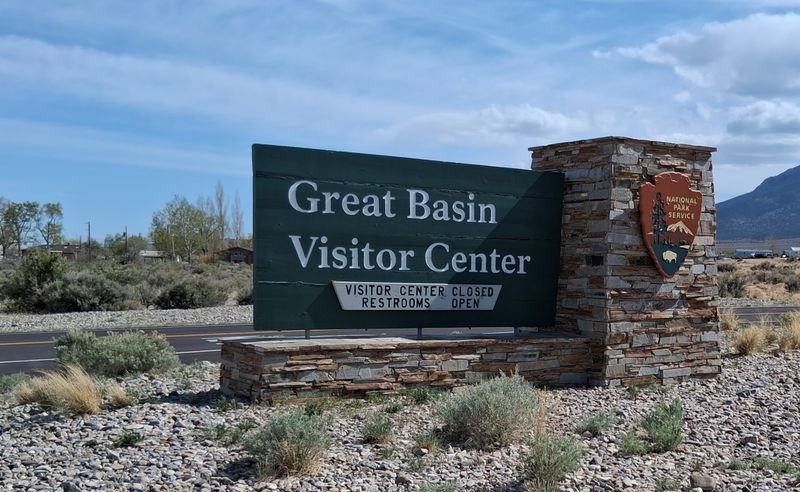
Great Basin National Park is farther, but the lesson fits, and the visitor center at 100 Great Basin National Park, Baker, NV 89311 can spell it out. Quiet does not mean permission.
Locals read the agency first. Tourists read the horizon and guess.
Guessing is how fines start. Nevada is friendly, but not on fire rules.
Fines Can Escalate Quickly
No one plans on paying a fine on vacation. The structure is built to scale with risk and damage potential.
If conditions are extreme, penalties rise.
Multiple agencies can write citations on the same incident.
Think of it like lanes merging. Park, state, and federal rules overlap out here.
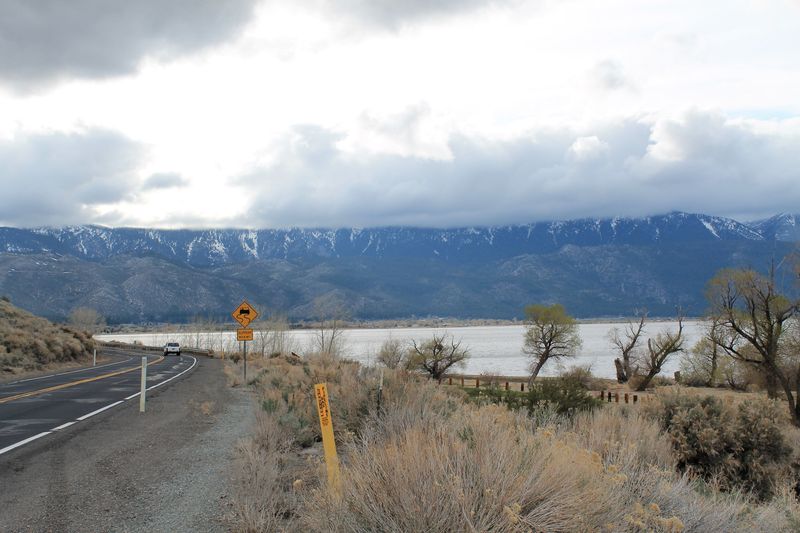
Near Reno, head to Washoe Lake State Park at 4855 Eastlake Blvd, New Washoe City, NV 89704 and check the kiosk language. It stacks authority in plain words.
Cooperation is your friend. Once the ranger trusts you are trying, the mood shifts.
But the rule still stands. Put the flame out by not lighting one in the first place when bans are up.
Wind Turns Small Fires Into Big Problems
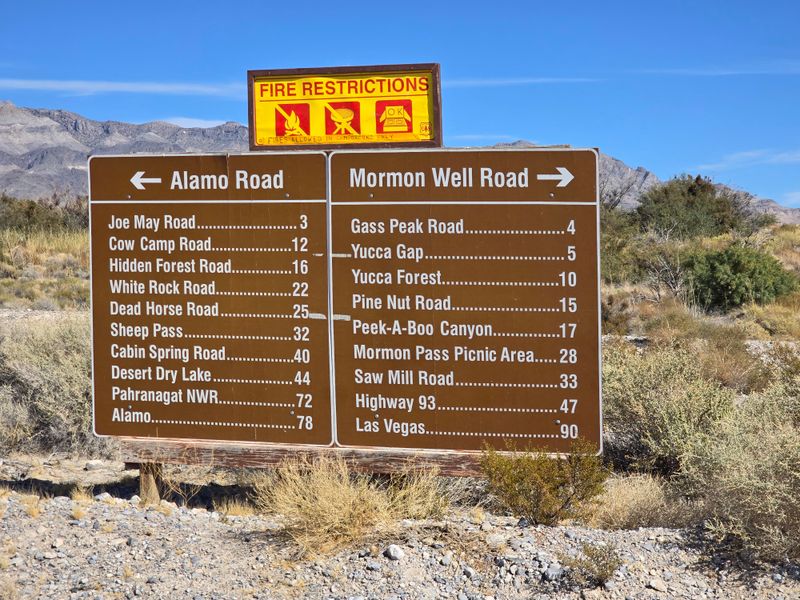
You know those quick gusts that slap the tent. That is the desert reminding you who is in charge.
Wind throws sparks into dry pockets. It also feeds flames sideways faster than you can react.
Even a low ring cannot stop a gust. Ash goes airborne and finds new fuel.
Down by Desert National Wildlife Refuge, swing past the Corn Creek Visitor Center at 16001 Corn Creek Rd, Las Vegas, NV 89166.
Watch the flags twitch even when the ground looks calm.
Wind forecasts are guides, not shields. A calm morning can turn rowdy after lunch.
If a ban mentions wind, take it literally. Nevada gusts are nobody’s friend.
Learn From Locals And Avoid Fines
Locals tend to skip flames most of the year. They bring stoves with built in shutoffs and spark arrestors.
They also plan campsites around legal devices. That way there is no debate if a ranger rolls up.
You can do the same and still have a cozy night.
Warm layers, a lantern, and a good chair get you there.
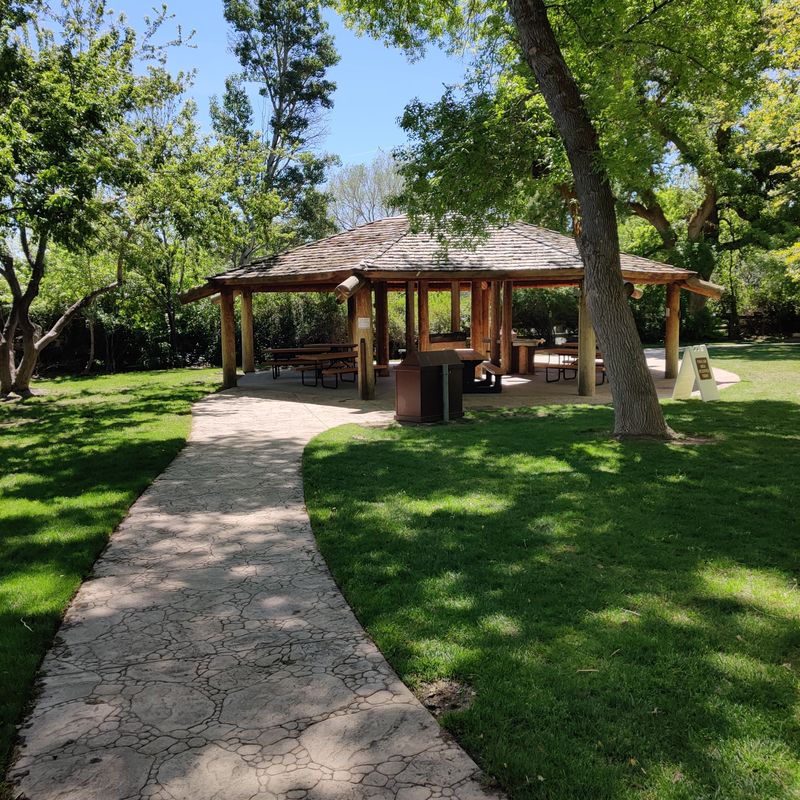
If you want a base with clear rules, try Mormon Station State Historic Park at 2295 Main St, Genoa, NV 89411 for a day stop. Staff there will talk through safe setups with a smile.
Before each drive, check agency pages. Screenshot the latest order in case cell service drops.
Keep a small shovel and water jug handy. You will use them for dust and dishes even without a flame.
Dear Reader: This page may contain affiliate links which may earn a commission if you click through and make a purchase. Our independent journalism is not influenced by any advertiser or commercial initiative unless it is clearly marked as sponsored content. As travel products change, please be sure to reconfirm all details and stay up to date with current events to ensure a safe and successful trip.
