Some of the biggest stories in West Virginia hide in the smallest places, tucked beside a river and a quiet set of railroad tracks. You might roll past a modest little depot and never guess it holds tales that once had the whole country reading the morning paper.
The Hatfield-McCoy feud turned mountain courtrooms into national headlines, and folks still wonder how many people truly crowded in to watch. Grab a coffee, settle in, and let a humble welcome center show you why this corner of the Mountain State still pulls people back.
A Railroad-Style Welcome Beside the Tug Fork
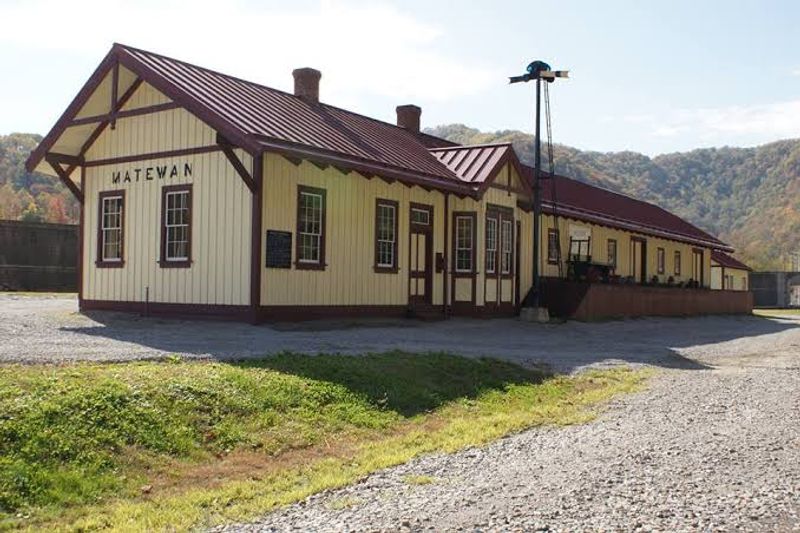
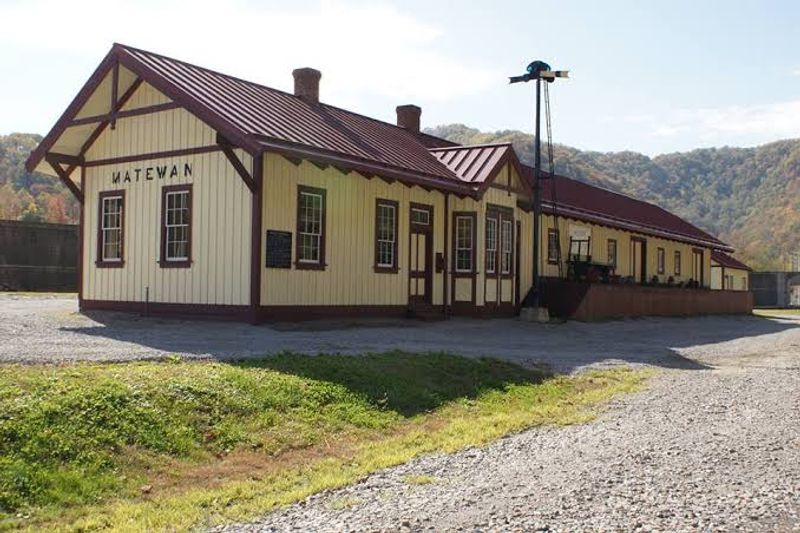
Picture a sleepy stretch of southern West Virginia where the mountains crowd close and the Tug Fork River slides lazily along the Kentucky line. Right in the middle of it sits a small building dressed up like an old train depot.
From the street, it looks like the kind of place where your granddad might have waited on the evening passenger train.
Inside, though, it works as both a welcome center and a history museum. Visitors often describe it as a hidden gem, and that phrase fits better than most.
The building gathers the stories of coal camps, railroads, river floods, and one very famous family quarrel under a single tidy roof.
Many West Virginians grew up hearing bits and pieces of the Hatfield and McCoy saga at the supper table. Here, those scraps finally get stitched into a full quilt.
You can walk in curious and walk out feeling like you understand your own backyard a little better.
Best of all, the place never feels stuffy. It carries the easy warmth of a small town that is proud of where it came from and happy to share it with anybody willing to slow down and listen.
The Big Question About Those Crowds
So did thousands of people really squeeze into one tiny mountain town to watch a Hatfield-McCoy trial? Honest answer: the historical record does not clearly show a single West Virginia courthouse packed by thousands for one feud case.
Good historians, and good neighbors, like to keep the story straight.
What the records do show is a feud that grabbed the attention of an entire nation. Local courtrooms reportedly drew keen interest from family members, neighbors, and folks from up and down the valley who had a stake in how things turned out.
In a sparsely settled region, even a few hundred onlookers would have felt like the whole world had come to town.
The idea of thousands is probably best understood as a picture of how enormous the public fascination became. Newspapers across the country followed the legal drama closely, and readers from big cities felt like they had front-row seats.
That is part of the fun of visiting this depot museum today. You get to sort out legend from fact, and the real story turns out to be every bit as gripping as the tall tale.
Sometimes the truth just needs a patient storyteller.
Courtrooms, Governors, and the Supreme Court
Few family disputes ever climb all the way to the nation’s highest court, but this one did. A major legal fight reached the U.S.
Supreme Court over whether Kentuckians could legally carry Hatfields out of West Virginia to stand trial across the river. That question touched on the rights of states themselves.
Closer to home, cases played out in West Virginia too. Johnse Hatfield, son of the famous William Anderson Hatfield, better known as Devil Anse, faced trial in Logan County on an abduction charge.
Sam and Paris McCoy, relatives of Randolph McCoy, also stood trial in West Virginia in the matter involving Bill Staton.
Things got tense enough that the governors of both West Virginia and Kentucky stepped in. They reportedly threatened to send state militias to deal with posses crossing the border.
Imagine reading that in your weekly paper back then!
Each hearing became a chapter in a story the public could not stop following. For folks living along the Tug Fork, the courtroom was not a far-off abstract place.
It was right down the road, involving people they knew by name, and that made every ruling feel personal.
Headlines That Carried a Mountain Feud Nationwide
Long before television or the internet, newspapers were the evening entertainment in many American homes. Reporters discovered that a feud in the West Virginia and Kentucky hills sold papers like hotcakes.
Stories about the Hatfields and McCoys traveled from the Tug Fork all the way to big-city breakfast tables.
Plenty of that coverage leaned toward the sensational. Writers sometimes painted mountain people with a broad and unfair brush, turning real families into cartoon characters.
Many West Virginians still bristle a bit at those old portrayals, and rightly so.
Yet the flood of ink is exactly why the trials felt so enormous. Readers everywhere followed each twist as though they were sitting in the courtroom gallery.
In that sense, thousands, maybe far more, really were paying attention, just from their own front porches.
A visit to the depot museum offers a gentler, fuller view. Instead of tabloid drama, you get local context, careful writing, and a sense of the everyday life that surrounded these events.
It is a nice way to reclaim the story for the folks who actually lived it, and to honor the region’s grit and pride.
Life on the Tug Fork Border
Stand on the riverbank here and you can almost toss a pebble into Kentucky. The Tug Fork has always been more than a line on a map.
It was a shared backyard, a fishing hole, a travel route, and at times a sore spot between neighbors.
Back in the feud era, this land belonged to Logan County, where much of the Hatfield family made its home. Later, part of that territory became Mingo County.
Pike County, Kentucky, home to many McCoys, sat just across the water.
Life in these hills was hard work. Families farmed steep slopes, cut timber, and depended on one another through long winters.
When the railroad and coal industry arrived, the pace of change picked up quickly, bringing new jobs, new faces, and new tensions.
The museum helps visitors see how the river shaped daily life. Exhibits touch on the Tug Fork itself and on the floodwall that now protects the town from high water.
Anyone who remembers spring floods in southern West Virginia will nod along. It is a reminder that geography and history in the mountains are always tangled together like tree roots on a creek bank.
A Depot Built to Echo the Railroad Days
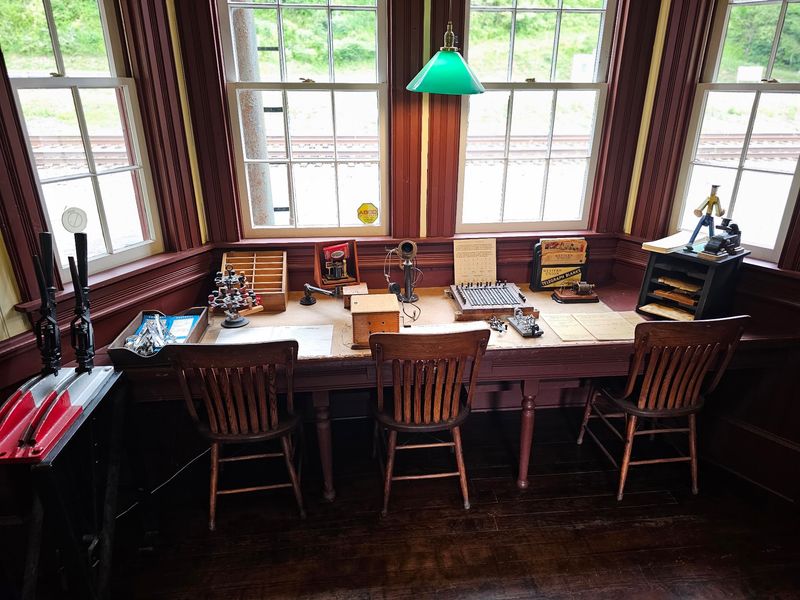
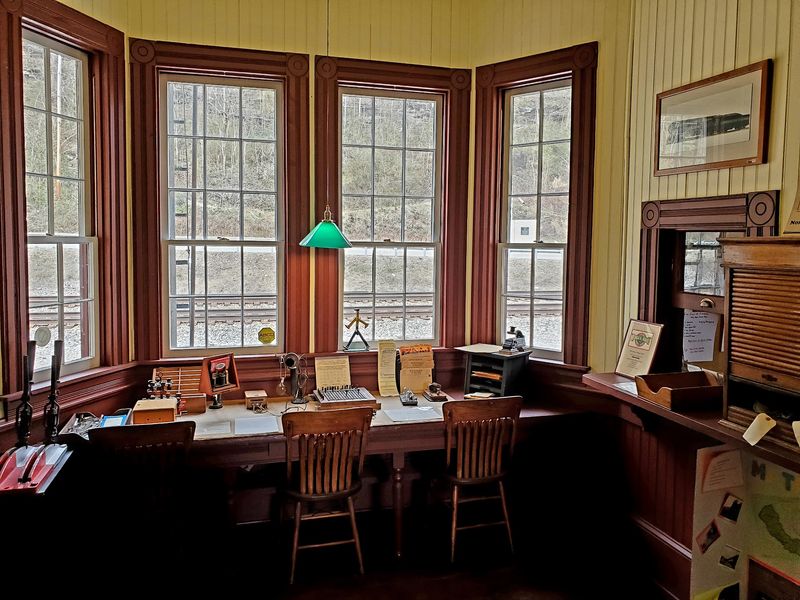
Railroads made these mountain towns, plain and simple. When the tracks came through, coal could finally reach the markets, and quiet hollows turned into bustling communities almost overnight.
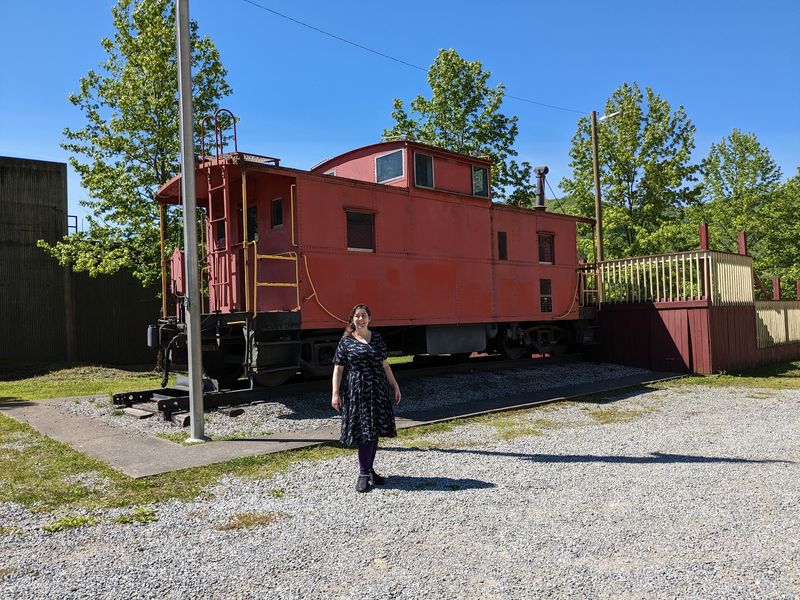
Building the welcome center in the style of an old depot was a fitting nod to that heritage.
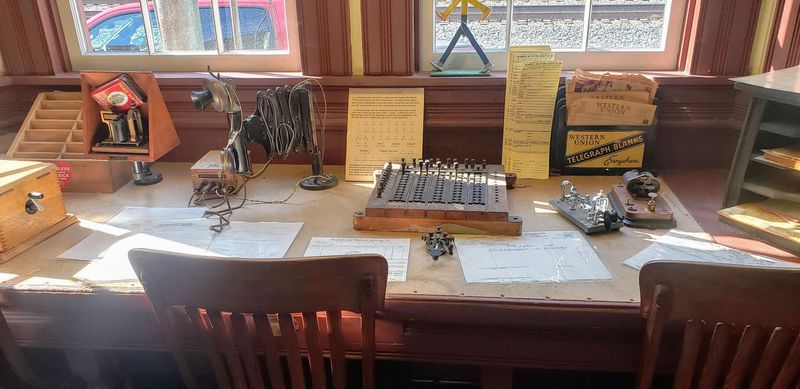
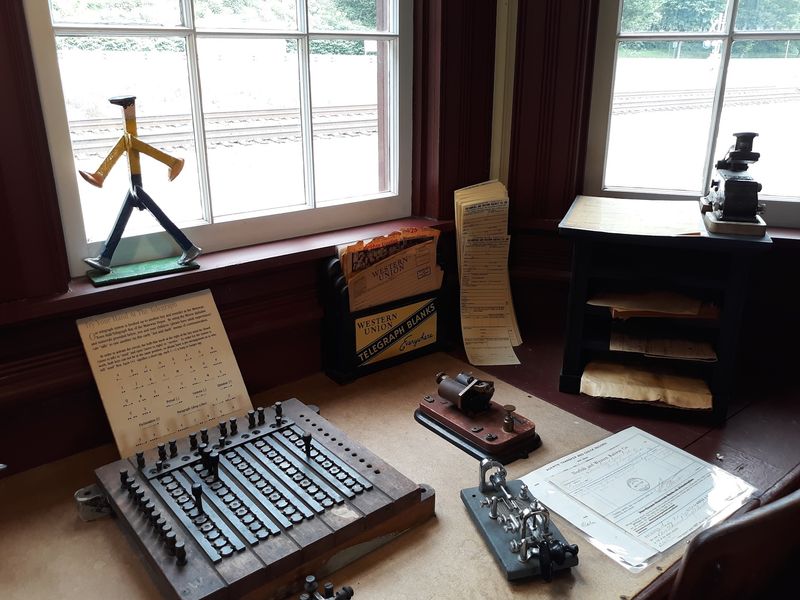
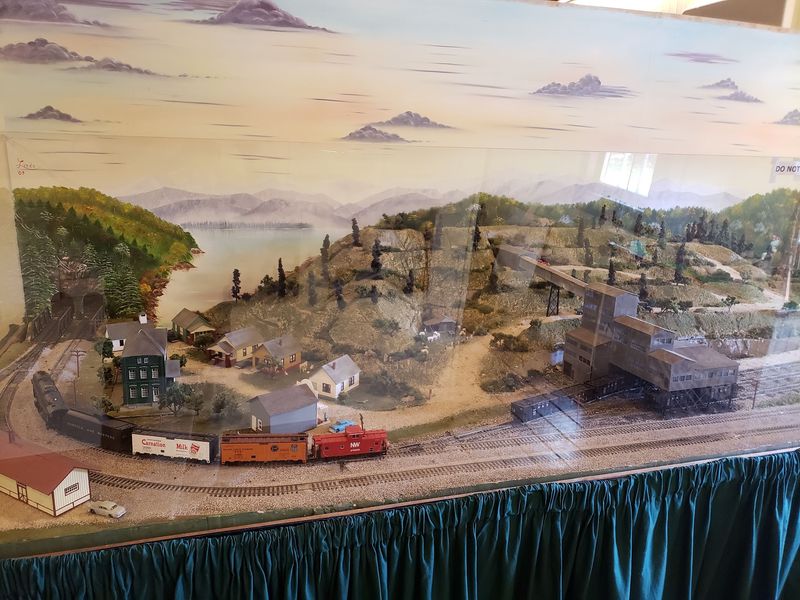
Walking in feels a little like stepping onto a platform from a century ago. Visitors mention railroad equipment on display, and one traveler called the building an unexpected gem with a fascinating array of exhibits.
The replica design sets the mood before you read a single placard.
For older West Virginians, the depot look may spark memories of grandparents catching the train to visit kin or heading off to work in another camp. Many small towns once had a station at the heart of everything.
Plenty are gone now, which makes this one feel extra special.
Railroad buffs will enjoy spotting the details. Families with young children tend to like it too, since trains have a way of lighting up little faces.
Even if you arrived only for feud history, the railroad story ends up weaving through everything else in a way that makes perfect sense.
Matewan, Where the Story Comes Home
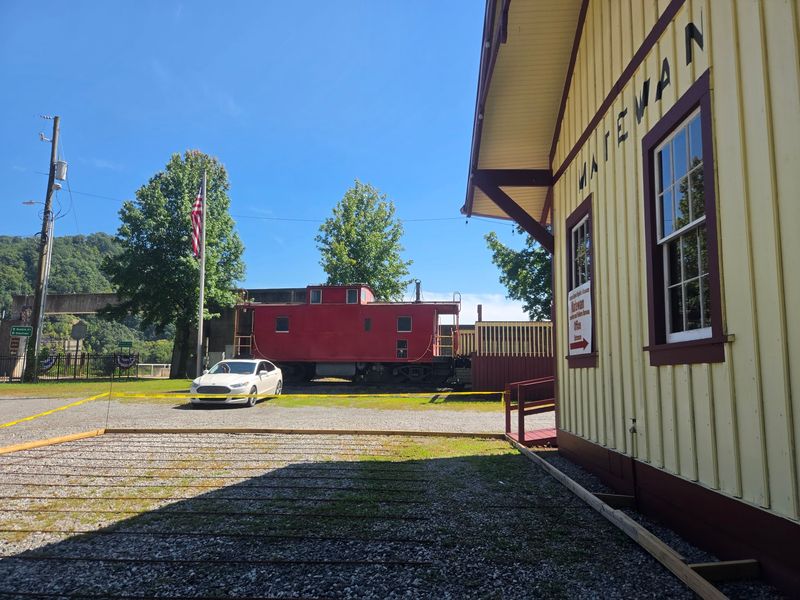
Time to name the town: Matewan, in Mingo County, West Virginia. It is a very small place, and visitors love to point out how much history got packed into so few streets.
One traveler summed it up as a lot of history in a little town.
Matewan sits right in the heart of Hatfield and McCoy country along the Tug Fork. It also carries a strong coal mining legacy, including the labor struggles of 1920 connected to police chief Sid Hatfield, which many folks know from the movie about the town.
Those chapters sit side by side in local memory.
Families who grew up here often return to show their children and grandchildren around. One visitor described walking the streets with a father who was raised in town, recognizing some spots and noticing how others had changed.
That mix of memory and change feels very West Virginia.
People here are friendly if you slow down to chat, as returning visitors like to say. Folks mention a couple of good places to eat, spots to fish, and a welcoming attitude toward ATV riders.
It is the sort of town where a short stop can easily stretch into an afternoon.
Artifacts and Storytelling on the Walls
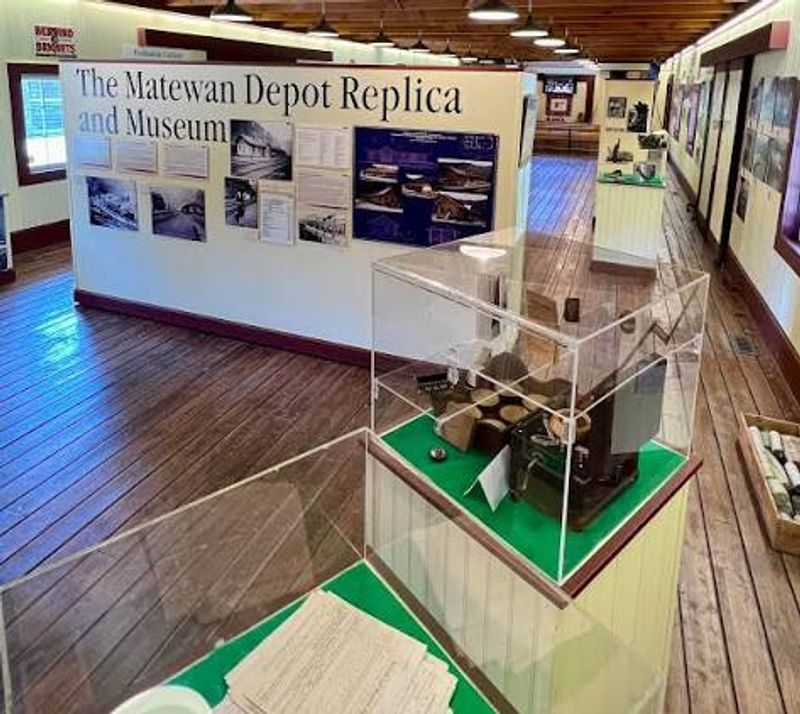
Good museums do not just show you objects. They make you care about the people behind them, and visitors say this one pulls that off beautifully.
The written history panels earn praise for being clear, well researched, and genuinely enjoyable to read.
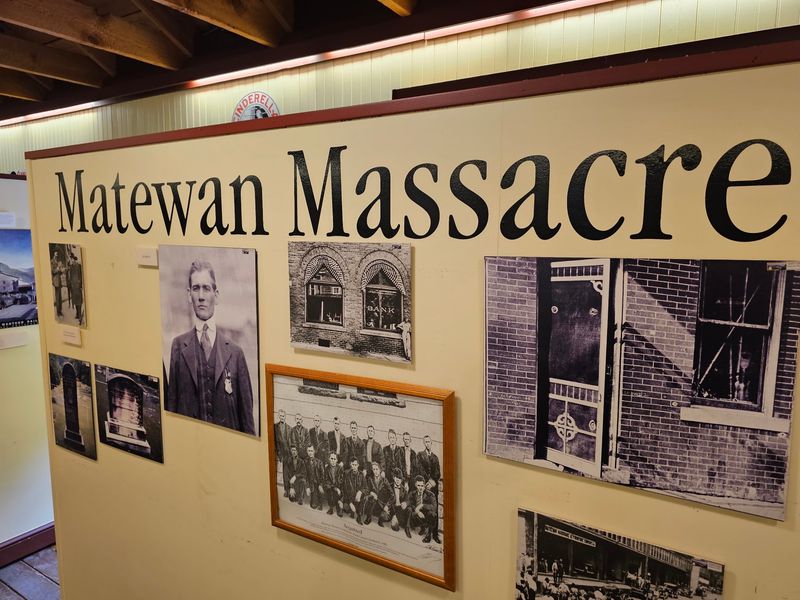
Exhibits connect to several threads of local life. You will find items tied to the Hatfield-McCoy feud, the coal industry and the 1920 mine labor clash, the Tug Fork River, and the Matewan floodwall.
Guests often mention how much they learned about Sid Hatfield in particular.
One visitor was delighted to see a personal item belonging to Sid Hatfield that they had assumed was lost to history. Moments like that are why folks linger.
There is something powerful about standing inches away from a real piece of a story you have heard all your life.
The memorabilia is not flashy, and that is part of its charm. Each piece feels like it came from a neighbor’s attic or a family trunk, handed down with care.
Take your time reading, because the storytelling truly brings the characters to life, and you will probably find yourself sharing a fact or two on the drive home.
The Tiny Theater in the Back
Tucked toward the back of the building is a pleasant surprise: a little theater. It is small, just right for a family or a handful of travelers, and it adds a whole new layer to the visit.
Guests mention that different films are shown there.
Plenty of visitors call out the video as a highlight. One group said it helped the museum exceed their expectations.
After reading the panels up front, sitting down to watch the history unfold on screen makes everything click into place.
For grandparents bringing along grandkids, the theater can be a real lifesaver. Younger visitors who might wander past a display case will often settle right in for a movie.
It also gives older legs a welcome chance to rest in the middle of the tour.
There is something wonderfully homespun about the setup. It is not a giant IMAX screen, and nobody wants it to be.
Instead, it feels like the town invited you into its living room to share some home movies about its past. That cozy, personal touch matches the rest of the depot perfectly and leaves a lasting impression.
Docents Who Know Every Story
Ask almost anyone who has visited, and the first thing they rave about is the staff. Knowledgeable is the word that comes up again and again.
Guests describe docents who seem to have a story ready for every artifact on the shelf.
Several visitors fondly remember a friendly young man who shared historical tales and was simply fun to talk with. Another guest praised a guide named Juan Joyce for giving an awesome tour of the depot.
That kind of personal attention turns a quick stop into a memorable afternoon.
The museum is often described as interactive, and much of that comes from the conversations. You can ask questions about the feud, the railroad, or what life in the coal camps was like.
The folks working here seem genuinely happy to answer.
For West Virginians, that insider knowledge feels like talking with a neighbor who remembers everything. Out-of-state guests get a warm introduction to Appalachian hospitality at its finest.
Do not rush past the front desk. Stop, say hello, and let the staff point you toward the displays that match your interests, because their enthusiasm is honestly contagious.
A Gift Shop Full of Local Artisans
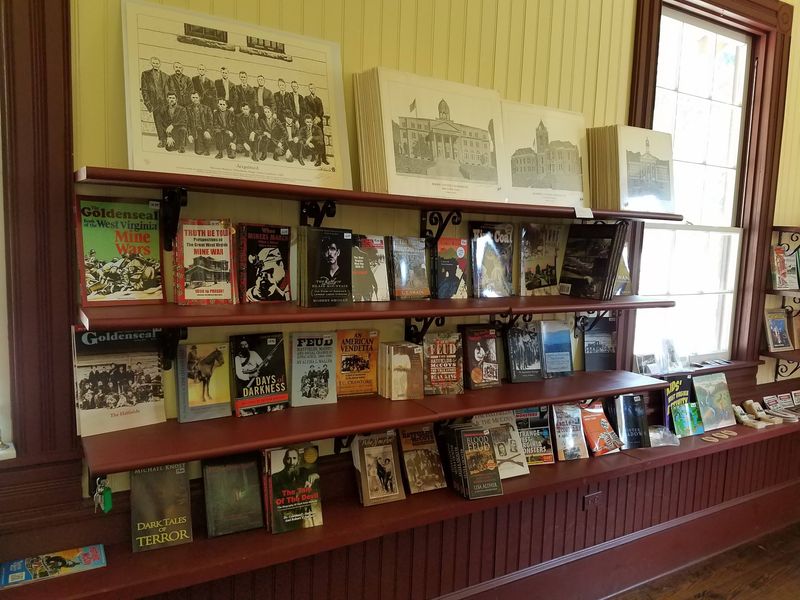
Save a few dollars for the end of your visit, because the gift shop is a treat. One guest even described it as huge, packed with beautiful art and unique finds.
It leans heavily on work from local artisans who represent the region.
Shoppers mention handmade crafts alongside homemade food items, which makes for great take-home presents. You will also find t-shirts, books, movies, and plenty of souvenirs.
It is an easy place to pick up something for the folks back home.
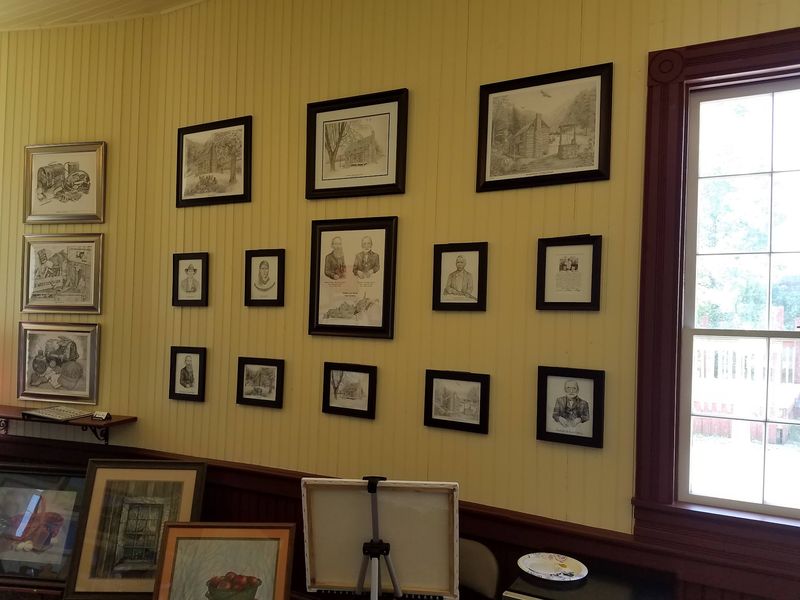
A local artist named Vera K. gets special mention from visitors. Her drawings are described as beautiful, and several are offered for sale.
Buying a piece of hometown art feels a lot more meaningful than grabbing a trinket at a highway rest stop.
For anyone who loves supporting small-town makers, this is a happy spot. Every purchase helps local craftspeople keep their skills alive in the mountains.
Retirees on a budget can still find affordable little keepsakes, while collectors might discover something truly one of a kind. Either way, you leave with a tangible reminder of southern West Virginia and the talented people who call it home.
Hours, Donations, and Getting There
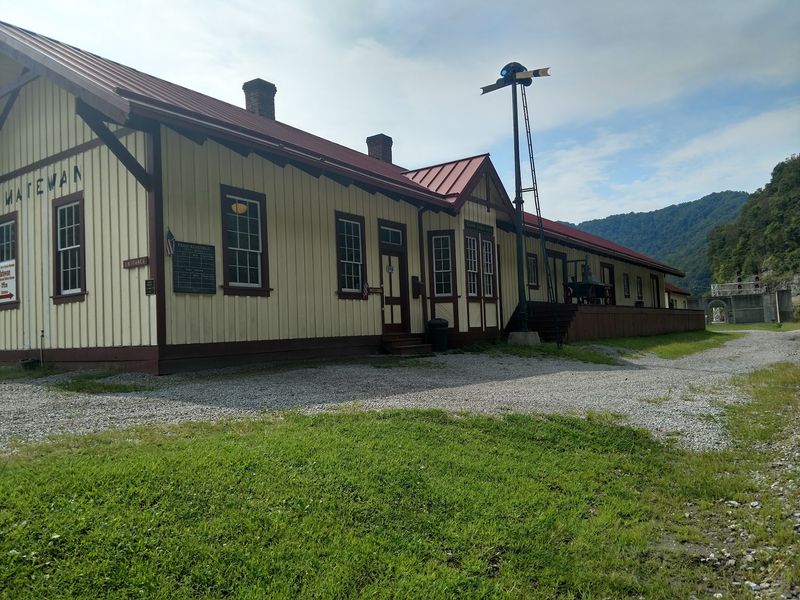
Planning makes all the difference with a small-town museum. The Matewan Depot Replica Welcome Center and Museum is open Tuesday through Saturday from 9 AM to 5 PM.
It is closed on Sundays and Mondays, and one family learned that the hard way after showing up early on a Sunday.
Here is a pleasant bit of news for folks watching their pennies. Visitors say there are no tickets, and admission is free.
Guests are kindly asked to make a donation to help keep the doors open, which is a small price for such a rich experience.
Most people find that about an hour is a comfortable amount of time. That leaves room to read the displays, watch a film, chat with staff, and browse the gift shop.
History lovers may want to linger longer.
You will find the museum at 100 Bridge St, Matewan, WV 25678. Travelers note that the nearby mining museum pairs nicely with it, since the two complement each other.
Round out the trip with a meal in town and a stroll along the floodwall. For more details, the Matewan visitors bureau website is a handy place to check before heading out.
A Soft Verdict From the Tug Fork
Maybe thousands never did cram into one courthouse to watch a Hatfield or McCoy stand trial. What really happened may be even more interesting.
A whole nation leaned in close, and a small corner of West Virginia found itself at the center of the story.
Today, the Matewan depot museum lets you experience that history at a slower, friendlier pace. There are no crowds shoving for a seat, just knowledgeable people, thoughtful exhibits, and a gift shop full of mountain talent.
Visitors keep calling it a must-see, and it is hard to disagree.
It suits history buffs, railroad fans, families on a weekend drive, and retirees looking for an affordable outing close to home. It also suits anyone who grew up hearing feud stories and always wondered how much was true.
Bring your questions and your curiosity.
So next time you are rolling through Mingo County, pull over by the river. Step inside that little depot and let the past say hello.
And if you have family memories of Matewan or the old railroad days, share them with someone. Those stories are part of the museum too, even if they never make it onto the wall.
