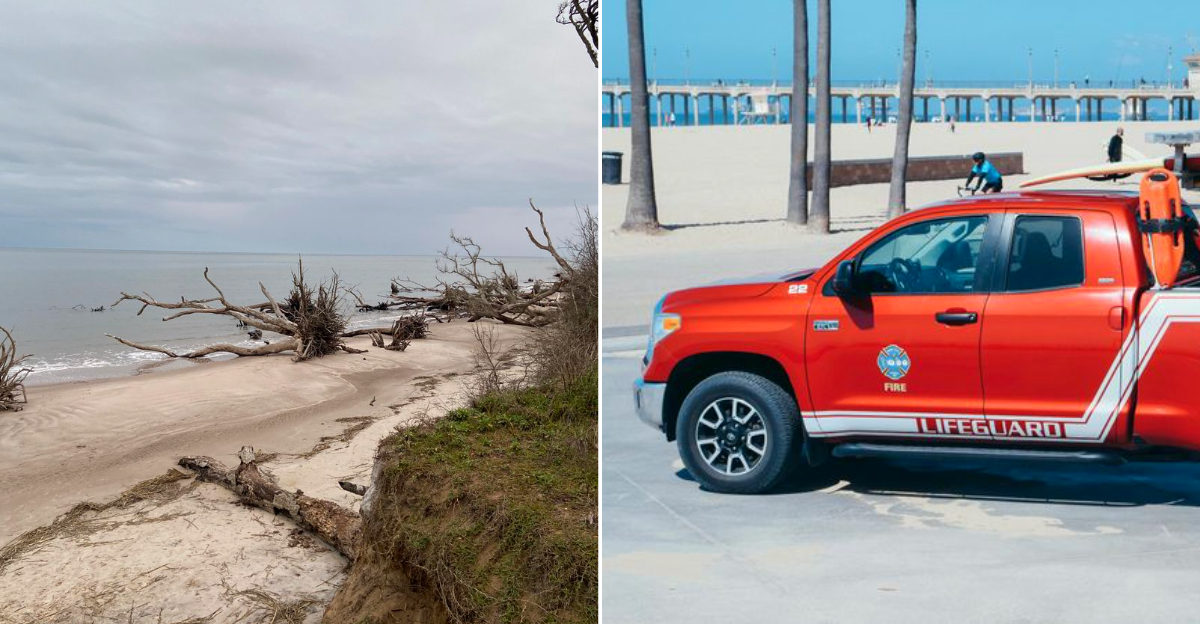
Picture a Florida beach at sunset, waves rolling in, sand warm under your feet, and the boardwalk empty except for you. It feels irresistible to wander past the signs and gates, but those “closed” warnings are there for more than decoration.
Entering a beach outside allowed hours can create safety risks, disturb wildlife, and sometimes trigger official attention. Local authorities take closures seriously.
Whether it’s protecting nesting sea turtles, preventing accidents in rough surf, or simply managing maintenance, the rules exist to keep both visitors and the environment safe. Ignoring them can mean a citation, a fine, or an awkward conversation with park rangers.
For travelers, it’s easy to assume the sand is free for anyone at any time, but a little patience pays off.
Planning your visit within open hours ensures a relaxing experience, preserves the natural beauty, and keeps you on the right side of the law while enjoying Florida’s sun-soaked shores.
Closed Beach Signs People Treat Like A Suggestion
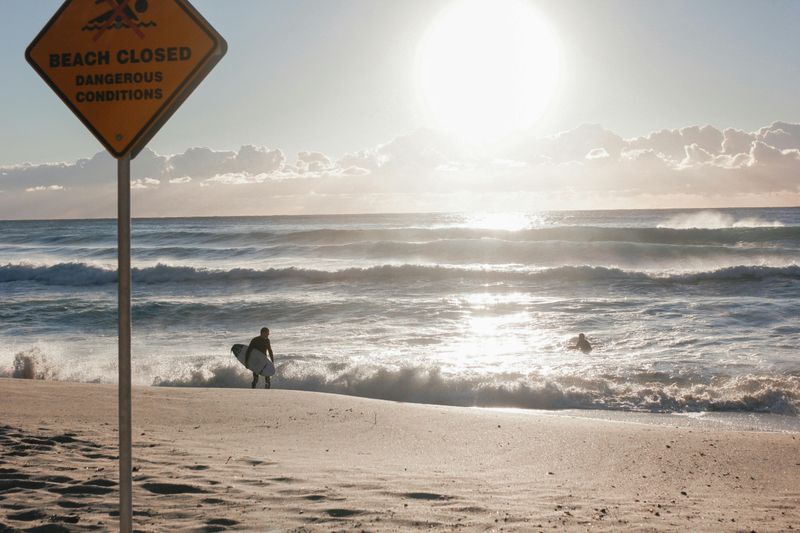
You see a simple sign and a rope line and think it’s a soft no, not a hard stop. That’s the first trap on a lot of Florida beaches after storms or turtle nesting.
Those closures usually come from county orders, park managers, or Florida Fish and Wildlife.
Once that order is posted, stepping past it can count as trespassing or ignoring a lawful directive.
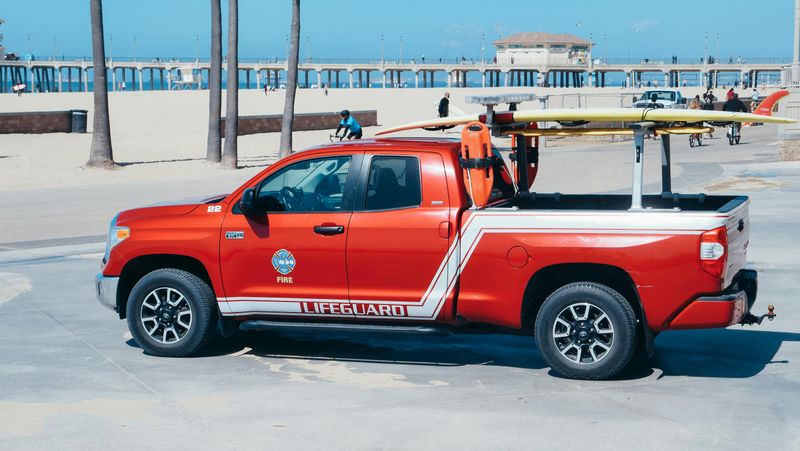
I’ve watched people slip under the tape at Cocoa Beach because the surf looked mellow. Ten minutes later, a beach patrol truck rolled up and the vibe changed immediately.
Enforcement is not about being dramatic. It’s about avoiding rescues that drain resources and put first responders at risk.
Even if nobody notices right away, cameras and patrols are common along popular stretches. Your plate at a nearby lot can connect to you faster than you think.
Think of that sign like a locked door with a polite tone. You would not walk into a closed store just because the lights were on.
Florida posts these for tides, debris, or utilities under the sand.
There might be exposed cables or sharp storm junk you cannot see from the walkway.
If you want that sunrise stroll, hit an open segment down the road. The coast is long, and there is almost always another legal access.
The “Looks Quiet” Moment That Turns Into A Bad Idea
Quiet is sneaky out here. A flat horizon at Daytona Beach or St. Augustine can hide a nasty rip or a half-buried pier piling.
The brain goes, no crowds means safer, but closures often follow damage from recent weather.
Sand shifts, currents shift, and access paths can be undercut.
I have stood on a boardwalk telling myself it looked fine. Then a ranger pointed to a collapsed dune slice I had not even noticed until my eyes adjusted.
That’s why the empty vibe is not proof of safety. It’s frequently proof of risk management working like it should.
If the flag system is down and gates are locked, that is not a light suggestion. It means lifeguards are not covering the zone and response times get longer.
In Florida, a lot can change between morning and lunch.
Tidal swings and surf forecasts can flip the script while you’re tying your shoes.
Remember the liability side too. If you get hurt in a posted closed area, insurance and rescue reports get complicated fast.
So if it looks chill and blocked off, read that as a cue to pivot. Drive ten minutes, check another ramp, and save the morning.
How Temporary Closures Actually Get Enforced
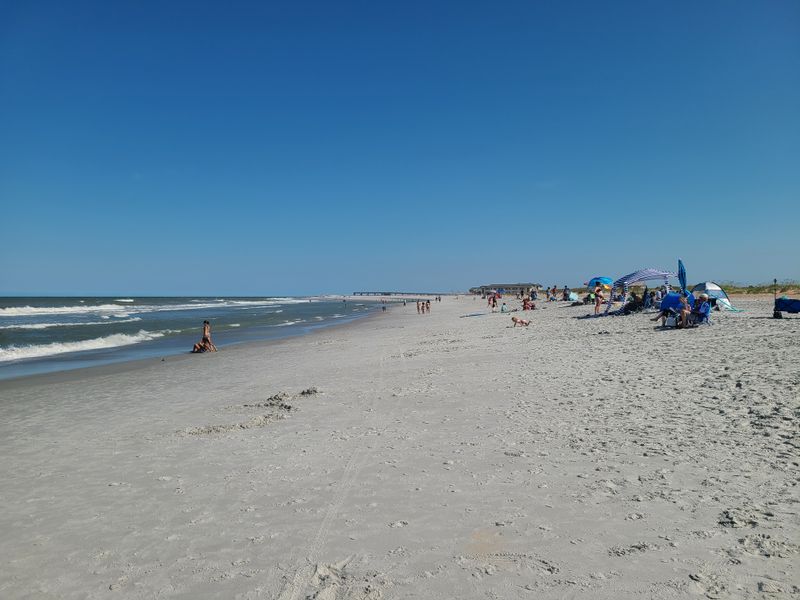
Want the unglamorous truth? Temporary closures usually come with rotating patrols, radioed updates, and a clear paper trail.
In Florida, you will see county beach patrols, state park rangers, and sometimes FWC officers sharing notes. They coordinate which ramps stay blocked and who checks which stretch.
I have heard the calm chat on scanners at Anastasia State Park.
It is boring until someone steps over a rope and the whole channel perks up.
Citations can happen on the sand or back at the lot. Officers can wait by the only exit and have a friendly chat that turns official fast.
They are not trying to ruin vacations. They are trying to keep folks alive and protect areas that would collapse under one careless footprint.
Photos on your phone with landmarks can also place you.
If you post from a restricted area, that time stamp does not help your case.
Florida agencies document repeat problem spots and build patterns. Once a place keeps getting breached, patrols tighten and fines tend to stick.
If you want no part of that, scan for QR codes or hotlines on the sign. They usually point to the current closure list and who to call with questions.
Safety Zones That Exist For Reasons You Don’t See
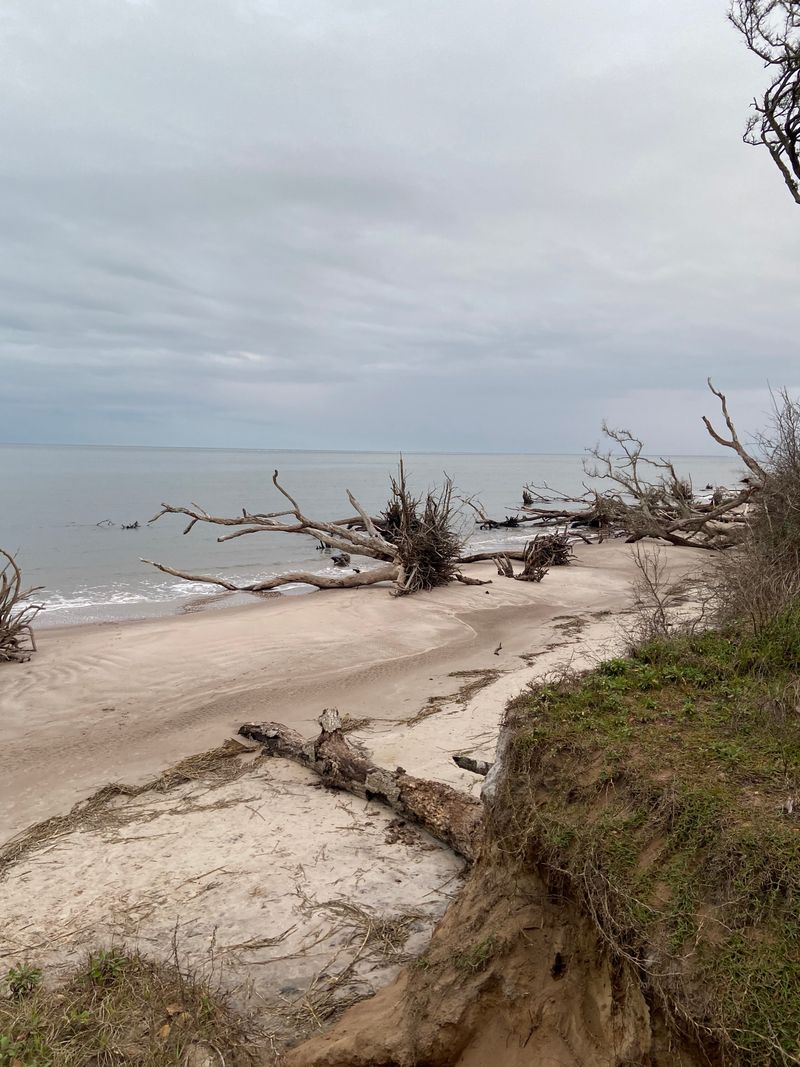
The sneakiest hazards are the ones under your feet. After a storm, sand can look normal but sit on a hollow pocket that drops when you step.
Florida crews block these zones so people do not vanish into soft spots or exposed drainage lines.
Think hidden trenches, rebar, or eroded walkovers waiting to fail.
I once watched a boot print fill with water instantly near Jacksonville Beach. That tiny puddle was a clue to a buried pipe break the county flagged later.
From the boardwalk, none of that shows. From the tape line, you’re basically standing at the edge of a construction site in disguise.
There is also the surf side. Sandbars can split and rejoin, pushing rips sideways right where people like to wade.
In Florida, those shifts can arrive with one tide cycle.
Crews need breathing room to map it, test it, and fix it.
Walking past the barrier can bump you into rescue territory. That pulls lifeguards and patrol from open areas where help is needed.
If a zone is fenced off and looks random, trust the fence. Someone already found the problem so you do not have to.
Wildlife Protection Areas Tourists Walk Into By Accident
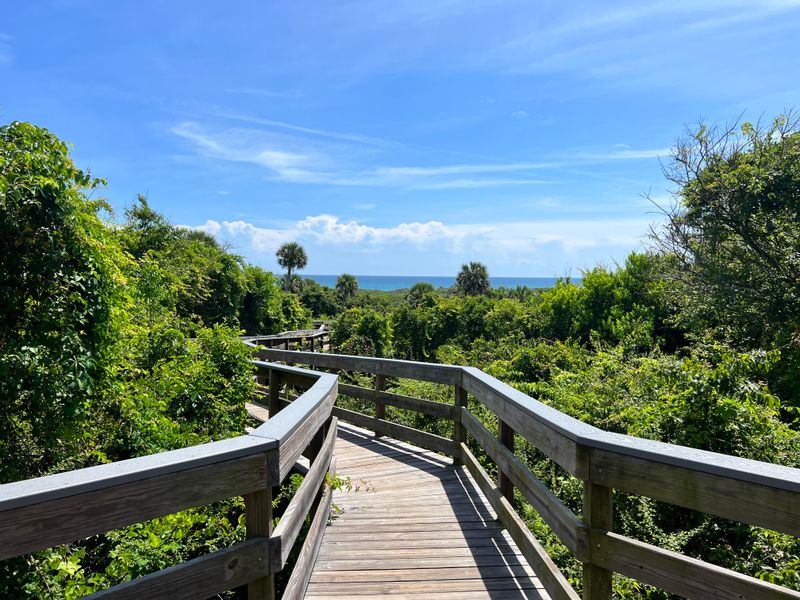
Those ropes and little signs by the dunes are not decoration. They mark nests and habitats that Florida protects hard, especially during turtle season.
Walk in there, and you can crush a nest or stress birds that need every ounce of energy to survive.
Officers take that seriously, and so should you.
I have seen people wander into a roped section at Cape Canaveral seashore because it looked like a good shortcut. A ranger jogged over, and the chat got real very quickly.
Sea turtles, shorebirds, and dune plants are not props. Their survival is tied to leaving certain patches completely alone.
It is easy to miss when light is low or you are chasing a shell. That’s why closures expand at times, covering wider buffers.
Florida posts fine print that explains the species.
You will notice icon stickers that match the season and local rules.
Even your footprints can make predators’ jobs easier by pointing to nests. It sounds dramatic until you see how neat the tracks line up.
Stay on wet sand near the waterline where allowed. If you spot markers, give them space and enjoy the view from a respectful distance.
Dune Crossings That Trigger Real Fines Fast
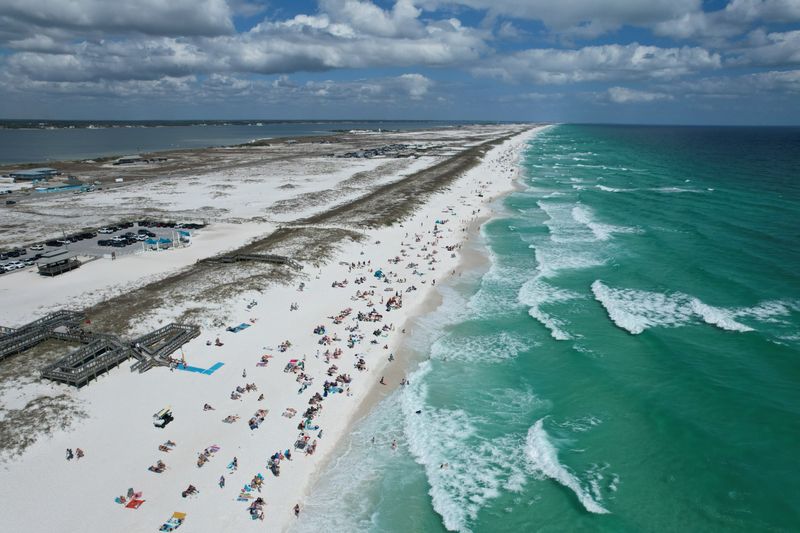
Hop a dune fence and you are not being adventurous. You are damaging a natural wall that keeps neighborhoods from flooding in big weather.
Florida treats dunes like sacred infrastructure.
The plants there hold the whole shape together with roots that look delicate but do heavy work.
I watched someone cut a new path at Navarre Beach to shave a minute.
A deputy rolled up, and that quick shortcut became a very long detour.
Those posted walkovers exist so feet stay in one channel. Every extra track widens the cut, and wind does the rest.
When you see signs saying restoration, that means crews replanted and need time. Even a few steps can undo weeks of careful work.
Florida counties are on the same page about this. Damage adds up and so do fines when patterns repeat.
If the official crossing is crowded, breathe and wait.
The boardwalks move faster than you think once a family stroller clears.
It is one of those small patience moments that saves you money. It also saves the next storm from pushing into someone’s living room.
Blocked Access Points That Still Tempt Visitors
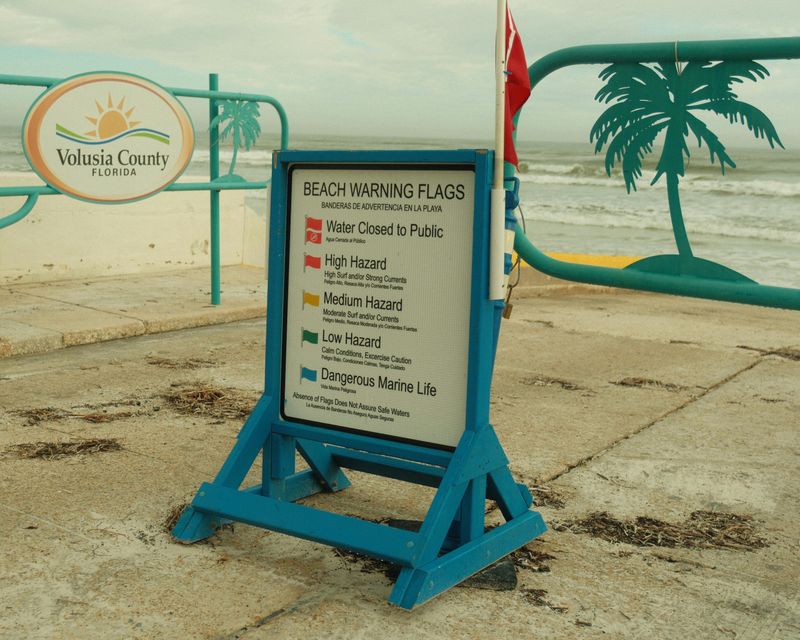
There is always that one stairway with the lower steps missing. Someone left a gap by the rail and your brain goes, maybe I can slide through.
Blocked means blocked, not choose-your-own-adventure.
Florida crews close those because the landing washed out or the handrail is loose.
I once saw a teenager jump the last few feet at Fort Lauderdale Beach. He landed fine and then slipped on algae, which is how the paramedics earned a workout.
Here is the part people forget. Even if you are steady, the next person might follow you and eat it hard.
Signs at the top are not for the bottom only. They cover the whole structure, which may fail in sections like dominoes.
In Florida, salt and sun chew through wood and metal faster than you expect.
What held last week can snap without a sound today.
If you are dying to get sand on your feet, find a parallel ramp. Cities usually list which ones stayed open after storms.
Let the crew finish fixing the busted access. Your ankles and their schedule will both be better off.
The Quick Photo Move That Causes The Biggest Problems
Tell me you have not done this. You duck under a rope for a twenty-second selfie, promising yourself you will step right back.
That tiny rule bend is where most citations start.
Florida patrols watch hotspots where people lean in for sunset shots or storm backdrops.
I caught myself edging too close near Clearwater after a squall. One gust shoved sand like needles and I got the message.
Phones make it worse because they flatten distance. The risky spot looks tame in the screen even when the wind is yelling.
Lifeguards keep an eye on body language. A tripod or a long lens near a barrier draws attention like a magnet.
Even without a ticket, you might get escorted out. That chat goes on a log that can follow you if something else happens nearby.
Florida has endless safe angles anyway. Step back, grab the shot with the sign in frame, and call it a story detail.
Better photo, fewer problems. Your future self does not need a souvenir from municipal court.
Smart Alternatives When Your Beach Plan Gets Shut Down
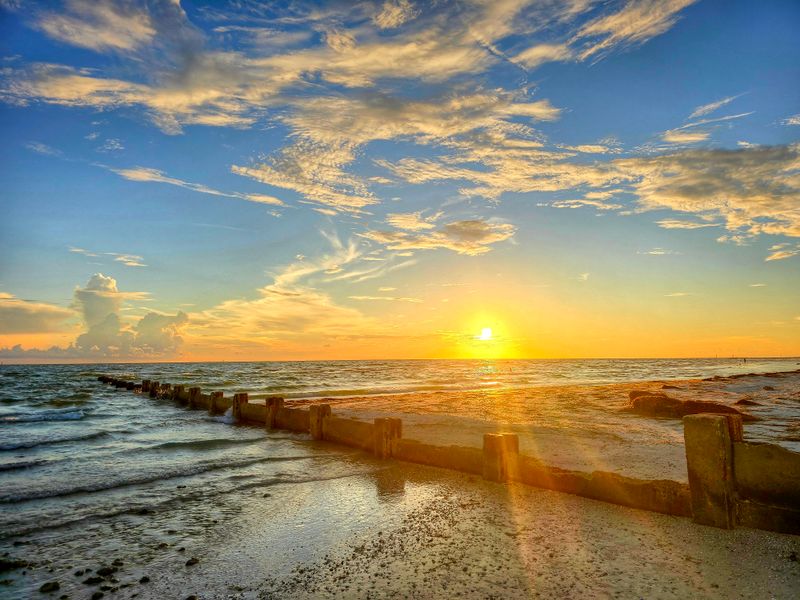
When the beach is a no, pivot time. Florida is stacked with boardwalks, lighthouse overlooks, and calm bays you can reach without crossing tape.
I have swapped a closed Gulf stretch for a trail at Honeymoon Island and felt my shoulders drop in five minutes.
Salt air still hits, birds still show, and you are not dodging patrols.
Pier walks scratch the ocean itch without stepping on sensitive sand. The views run just as wide, and the breeze does its job.
If the surf is messy, paddling a spring run or a sheltered river keeps the day outdoors. You still wrap up salty and happy, minus the stress.
Check for beach parks with open picnic lawns and shade. You can watch waves from behind the dune line where it is allowed.
Florida’s coastal towns have long promenades and pocket parks tucked between condos. Those spots feel like a breather when closures stack up.
End with a sunset pullout or a causeway shoulder where parking is legal.
The sky does not care if you are on sand or concrete.
The point is momentum, not stubbornness. Save the beach walk for tomorrow when the signs flip to open.
Dear Reader: This page may contain affiliate links which may earn a commission if you click through and make a purchase. Our independent journalism is not influenced by any advertiser or commercial initiative unless it is clearly marked as sponsored content. As travel products change, please be sure to reconfirm all details and stay up to date with current events to ensure a safe and successful trip.
