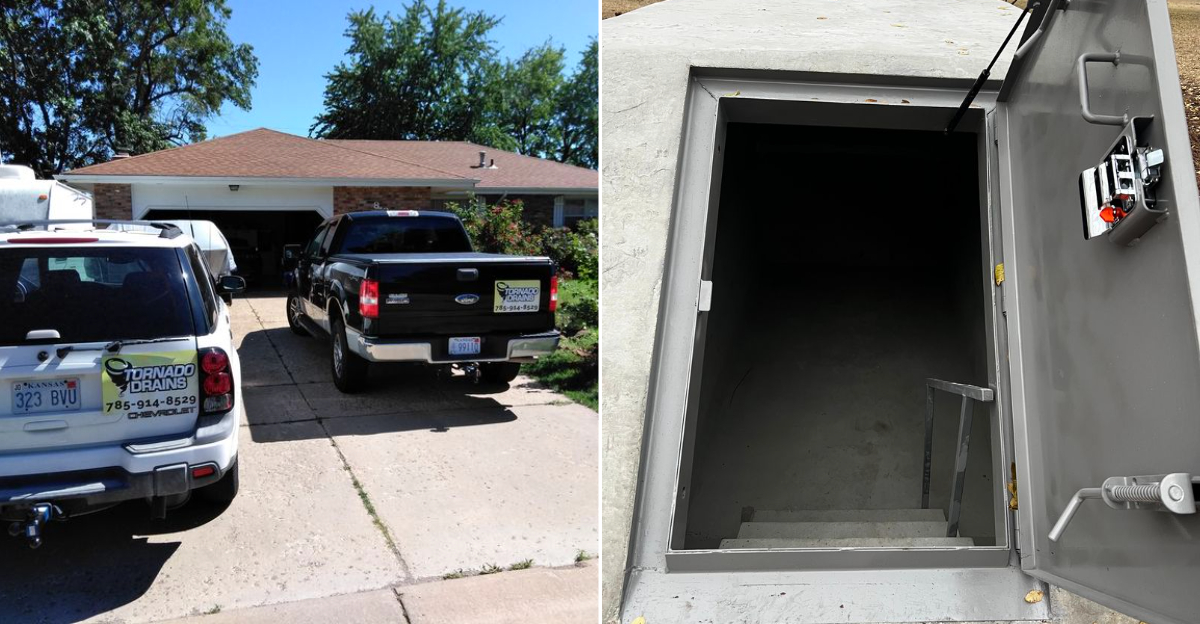
Are you planning to drive across Kansas? Beware, those little bunker doors and blocky mounds that look like movie props get visitors in hot water fast.
You see one by a farmhouse or a school and the curiosity hits, but that tiny detour can spiral into a really awkward conversation with a deputy. A lot of people assume they are abandoned or public, when they are anything but.
Locals aren’t being unfriendly, they’re protecting lifelines, and the rules make more sense once you hear how these shelters work day to day.
These spots are tied to plans, keys, and responsibilities that kick in when weather turns serious.
Stick with me, and I’ll walk you through why a selfie stop can turn into trouble before you can say, that storm looks close.
Most Tornado Shelters Are Privately Owned Property
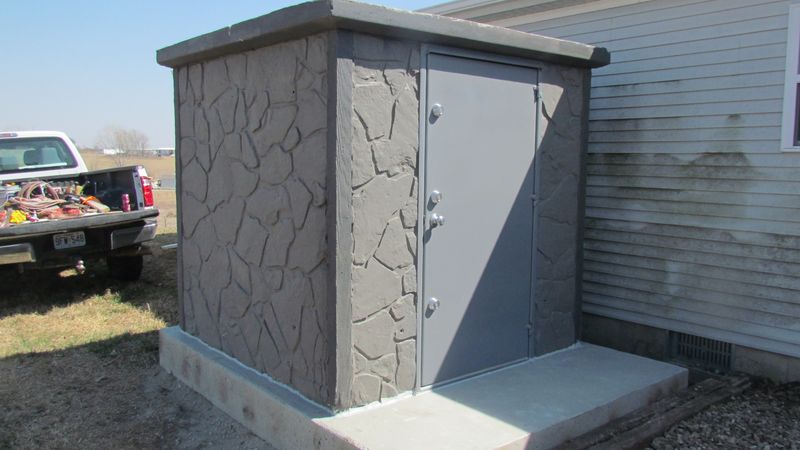
First thing you notice out here is how many shelters sit on private land, tucked behind barns or next to small apartment buildings. They look sturdy and public, but they usually belong to whoever pays the mortgage or the lease.
Picture a concrete dome by a driveway, and you’ll see the setup I mean. It’s part of the home, not a roadside landmark, and the owner treats it like a garage with lifesaving gear.
Walking up uninvited reads like stepping into someone’s mudroom without knocking.
Even if you just want to peek, it can come off as bold and a little reckless.
There’s also liability on their mind, because if you slip on a wet step, that becomes their problem.
Nobody wants legal drama layered onto storm prep.
Some neighborhoods share a shelter behind a small HOA fence. That still counts as private, and the gate is there for a reason.
If a sign says residents only, take it literally and wave from the sidewalk. Better yet, snap a photo of the sky and move along.
Curiosity is normal, but privacy matters more when safety is involved. In Kansas, those doors are as personal as front porches.
When we roll by one outside Salina, let’s keep it respectful. You’ll avoid trouble, and the folks living there will breathe easier.
Shelters Are Reserved For Immediate Emergency Use Only
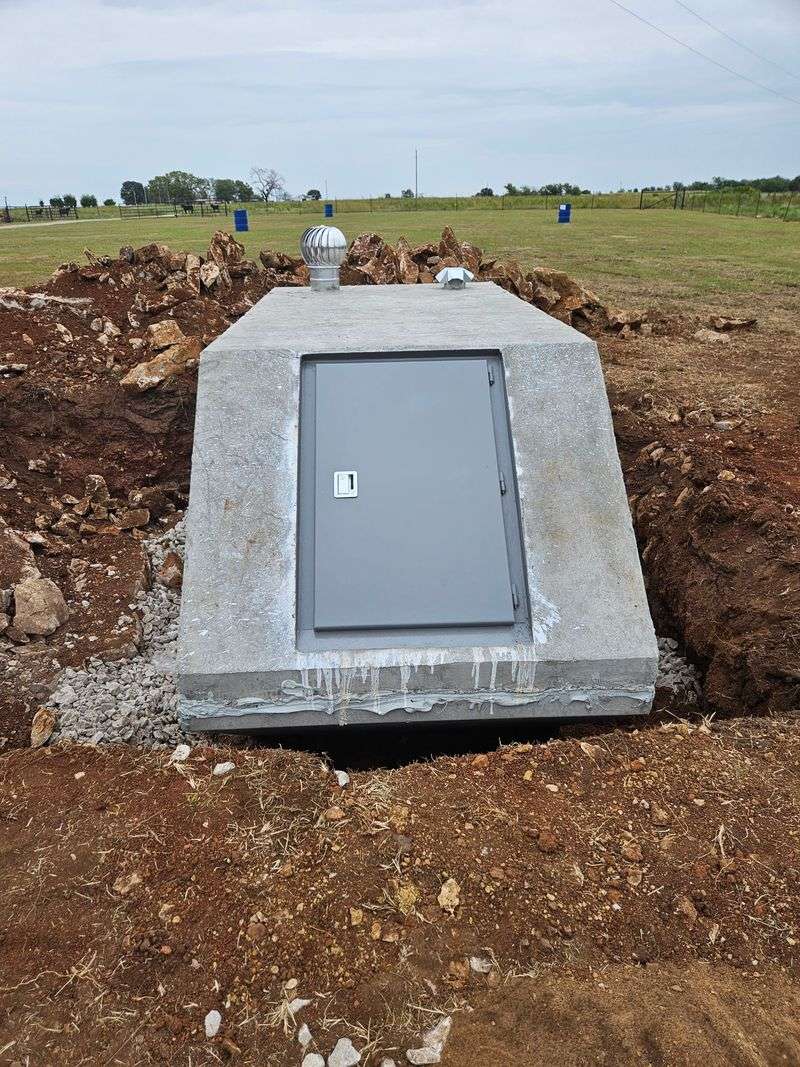
Here’s the deal, these spaces are basically first aid kits you can walk into, and they’re meant to be empty until the sirens hit.
If people hang out inside, someone in real trouble could hesitate or lose time.
Think about a small shelter serving a few nearby homes. If tourists camp there for shade or a break, the whole point gets flipped.
When storms spin up, seconds matter more than courtesy. You want a door that opens to clear floors and easy breathing room.
Emergency planners talk about flow, which is a fancy way of saying nothing should slow the sprint.
A lost minute during an active warning is a big deal.
Some buildings have marked interior shelters. Those rooms need to stay ready like fire exits, not lounges or storage closets.
So if the sky is sunny and you see a bunker, treat it like a sealed kit. It’s not a viewpoint, it’s a plan.
During a drill or a real alert, locals move fast and know the sequence. Strangers inside create confusion, and confusion wastes time.
Next time we hear wind picking up, we’ll look for official guidance. Until then, best move is staying out and letting the space stay ready.
Unauthorized Entry Is Classified As Trespassing
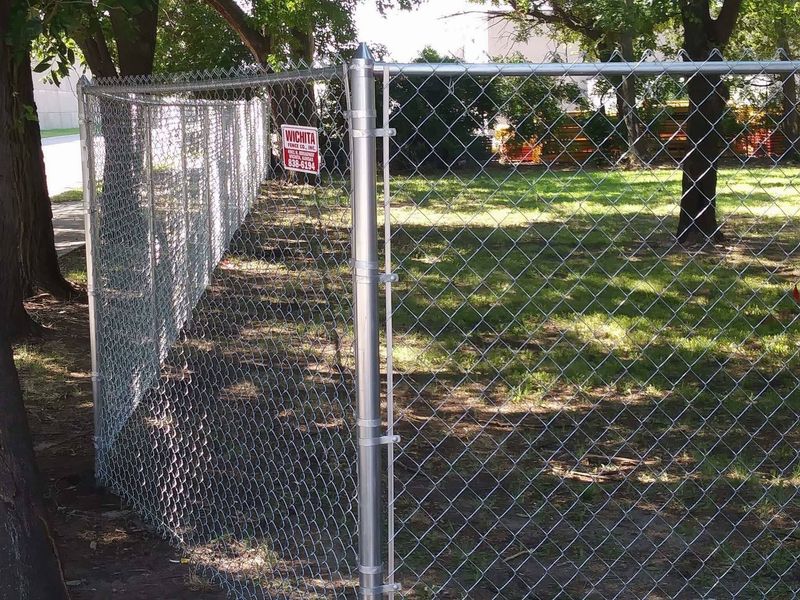
Walking into a shelter without permission is the same as stepping into a locked shed, and Kansas treats it like trespassing.
Property lines do not pause because a door looks interesting.
You’ll see fences or small signs, and they are there to make that line crystal clear. Even if the gate is open, the rules don’t vanish.
Law enforcement out here is used to weather tourists. They’re patient, but they also have to keep things tight when storms are brewing.
Getting cited ruins the whole road trip vibe and follows you longer than a gusty afternoon. It’s easier to admire from a distance and keep rolling.
Some community shelters by schools lock when not in use. That lock means not now, not maybe, not for photos.
If a door is ajar, assume someone is maintaining it.
Ask permission if you somehow find the owner nearby.
No owner around? Then it’s a no go, even if the interior looks harmless.
We can still learn plenty by visiting a city office and asking about local procedures. That way you get answers without the awkward badge and clipboard moment.
Damage And Reckless Activity Have Become Ongoing Issues
Locals will tell you they’ve dealt with busted locks, pried hinges, and graffiti that soaks into concrete. It is not just ugly, it can make a door fail when it matters.
I saw a shelter with a latch that looked freshly repaired.
The owner said folks had been poking around after a storm rolled through.
Even small damage throws off how the seal sits. Moisture sneaks in, metal rusts faster, and then maintenance gets expensive.
When vandals hit, neighbors often chip in to fix things, and that bonds a block. But it also makes them protective and quick to call things in.
Painted tags inside are more than a nuisance because fumes and residue hang in tight air. Imagine waiting out a warning breathing that in.
If a town posts cameras, it is because they got tired of repeat repairs.
They want these rooms safe, not renovated every season.
So the quickest way to avoid suspicion is pretty simple. Do not yank on doors or test hardware like you’re helping.
We can appreciate the engineering and keep our hands off the hinges. Kansas communities will appreciate that more than any compliments we could give.
Shelters Require Maintenance To Remain Functional
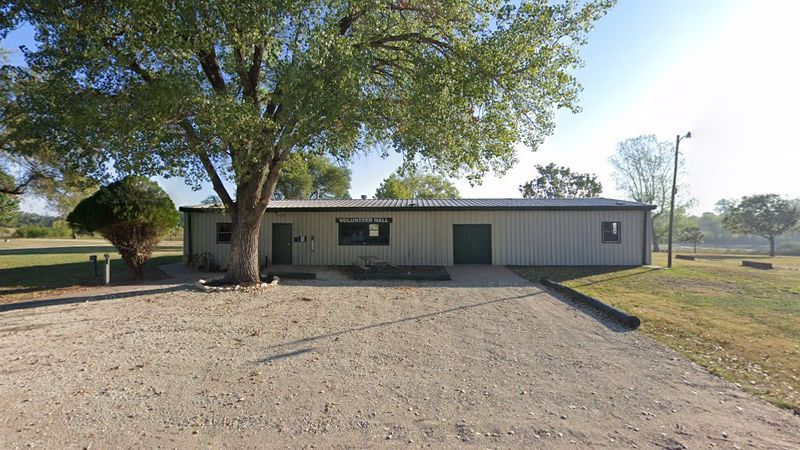
These rooms are not magical bunkers that sit forever without care. They need airflow checks, sump pumps tested, seals cleaned, and lighting verified.
A public site gets scheduled inspections by local crews.
When tourists wander in, they can mess with logs or move things around.
Think about a flashlight left half out of a charger. One bump, and it is dead when the siren hits.
Same deal with first aid kits and battery radios, because placement matters when adrenaline spikes. You want the grab to be muscle memory.
Maintenance folks keep spare bolts, desiccant, and marking tape in labeled spots. That system only works if nobody plays tidy tourist and rearranges it.
Sometimes doors are propped for drying after a washdown. That is a work in progress, not an open house.
I know it looks inviting when a light is on and a floor looks spotless.
It is still a workspace, and a safety one at that.
Best move is letting the pros do their circuit and logging. Kansas needs those checklists unbroken, not creatively improved by visitors.
False Use Can Block Access During Real Emergencies
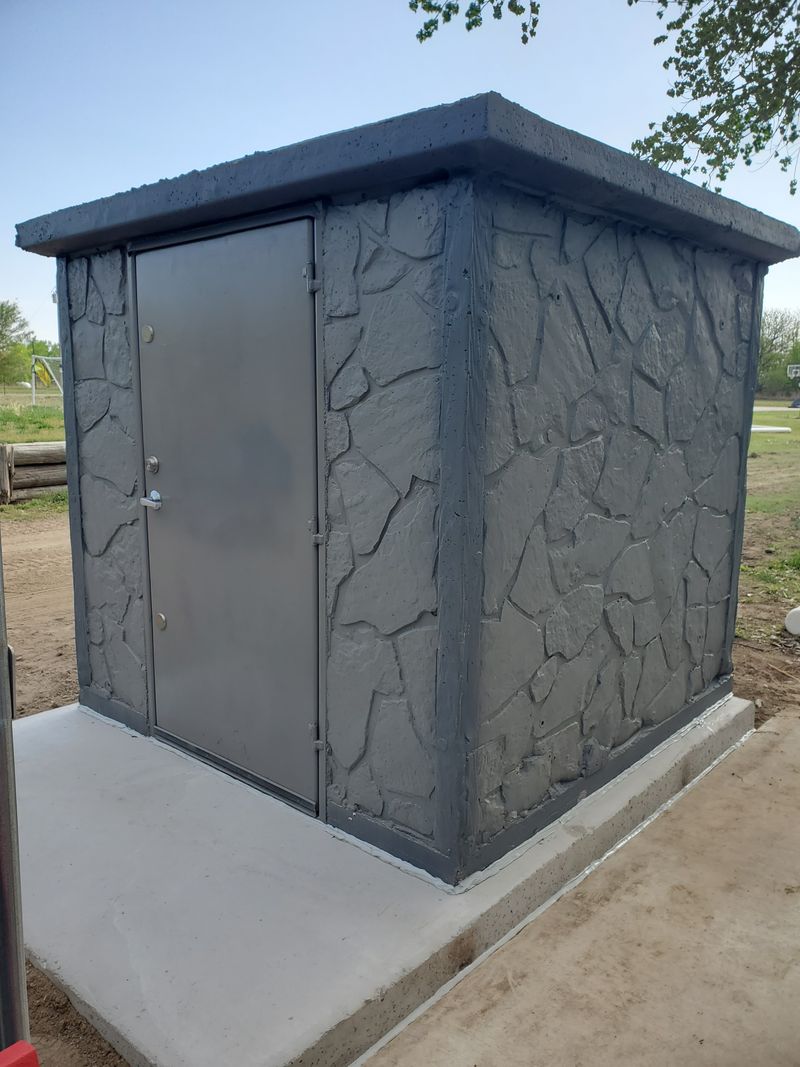
The nightmare scenario is someone treating a shelter like a novelty hour, then a real warning hits and they are in the way. That delay is not dramatic, it is consequential.
Imagine a compact unit, sized for a few families.
If it is already occupied by curious visitors, neighbors have to negotiate instead of ducking in.
People freeze when plans go sideways, and that eats clock. Doors jam easier when folks are crowding or standing unsure.
Emergency etiquette is simple, arrive, close, stay calm, and keep a clear path. Anything else gets messy, fast.
It also creates a chain reaction because nearby residents may think the shelter is full. Then they waste time hunting another spot during the loudest part of the storm.
Cities sometimes label capacities inside. Those numbers are chosen for air and space, not comfort.
So using a shelter as a prop or meeting room is more than awkward. It can literally push someone back into the wind.
When the sky is quiet, the right move is to keep doors closed and spaces empty.
Kansas weather can flip fast, and you want those rooms ready to receive, not entertain.
Tourists Often Assume Shelters Are Public Facilities
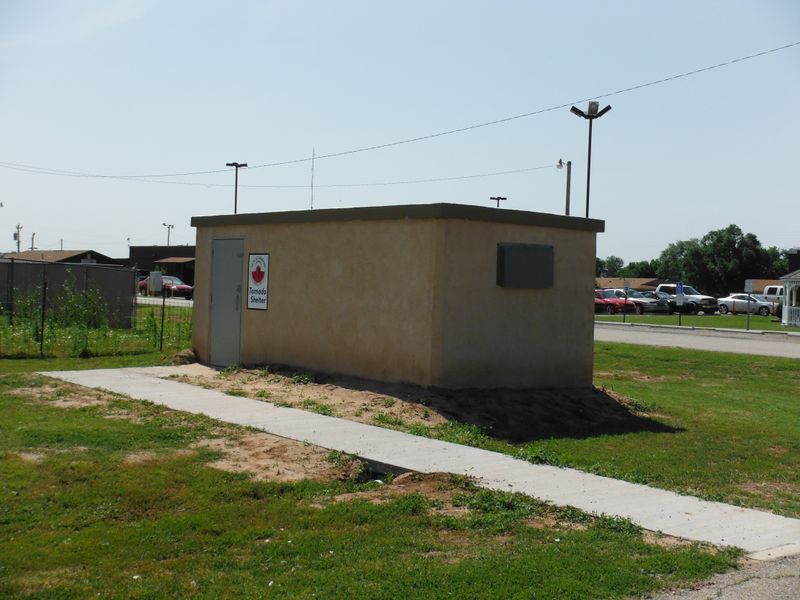
I get it, a door with a city logo nearby feels like general use, like a park bathroom. But shelters are a different category with very specific rules.
You might see one, and think, looks municipal, so it must be fine.
The fine, ironically, shows up when you treat it like an exhibit.
Public buildings in Kansas can have mixed spaces. A lobby might be open, while a shelter room behind a marked door is not.
Signs can be subtle because they are designed for locals who already know. Out of town eyes miss the nuance and drift right in.
Some residents put small decals on doors. Those stickers signal emergency use, even if they are not flashy.
If you are unsure, assume restricted unless you see an open public event with staff. That saves you the awkward backpedal.
We can always ask at a visitor center. They will point you to legit tours or displays that scratch the curiosity itch.
That way you learn something without tripping into a safety zone.
Kansas folks appreciate interest as long as it does not clog the lifeboats.
Local Laws Prioritize Resident Safety Over Convenience
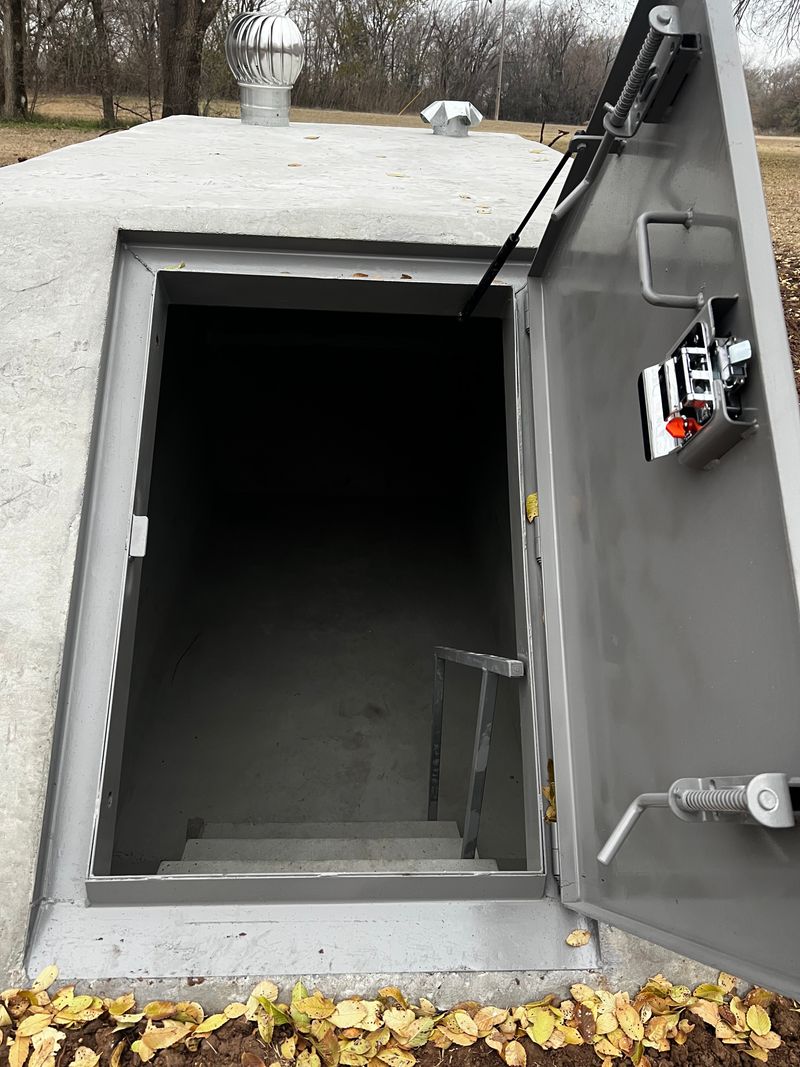
When rules feel strict, it is usually because the stakes are high, not because someone wants to hassle travelers. Kansas towns write policies around keeping residents alive first.
You will see this near city halls.
The ordinances read dry, but the results are clear hallways and fast access.
During warnings, officials need clean communication. That means no side conversations with curious visitors in critical spaces.
If you want to understand how it works, most counties publish emergency plans. They explain who opens what and when.
Libraries sometimes host preparedness talks.
That is the right room for questions, not the shelter door in the rain.
This is not meant to gatekeep storm safety for outsiders. It is a system built around predictability during chaos.
As guests, we can match that by keeping to designated areas. Ask first, then step in only if told.
That approach keeps you out of trouble and respects the rhythm communities rely on. You end up safer, and so does everyone else.
Fines Are Used To Deter Casual Or Curious Entry
Money penalties exist because a stern lecture rarely fixes a safety habit. When people stop and think about a hit to the wallet, they choose the sidewalk instead.
The goal is deterrence, not revenue.
Local leaders want fewer incidents, not more tickets to write.
Police usually start with a conversation if you are respectful. But if the pattern shows up again, the citation follows.
No one enjoys that dance, especially during an active weather day. It drags attention from radios and radar to paperwork.
Signs might read authorized personnel only at community sites.
The hint could not be louder without a siren.
The simplest move is to treat the door like a locked toolbox. You would not pop it open just to look at the wrenches.
If you really want to see one inside, find a scheduled tour at a museum or a safety expo. Those exist, and they are designed for questions.
Until then, keep feet on the curb and eyes on the sky. Kansas has plenty to see without stepping into a fine.
Community Trust Depends On Respecting Shelter Rules
Out here, trust is part of the weather plan, because neighbors count on neighbors to keep the path clear. When visitors follow the same rules, everyone relaxes a notch.
I remember passing a shelter with a neighbor sweeping the entry.
That tiny act said, we want this ready for whoever needs it.
Respect looks like staying back, not testing handles, and leaving no trace. It also looks like asking a quick question at a nearby office if you are unsure.
Communities notice who treats safety gear like a photo prop. They remember, and the welcome gets cooler next time.
On the flip side, when travelers act considerate, locals share tips about safe viewing spots. You end up with better stories and better directions.
There is a shelter sign pointing to an interior hall.
If you are not part of the building’s plan, keep moving and let their system do its thing.
Road trips work best when we fit into the local rhythm. Kansas has a steady beat that gets fast when the clouds turn weird.
Follow that tempo, and you will stay clear of trouble while still seeing the big sky. That is the kind of respect people feel, even after the wind dies down.
