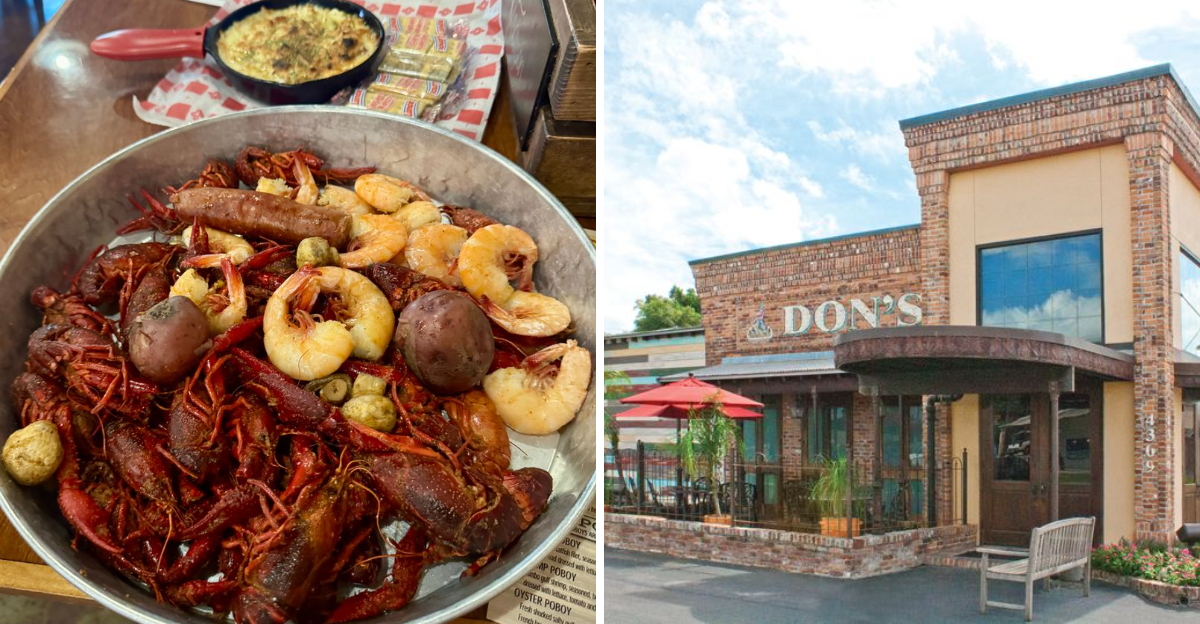
Lafayette sits along the Vermilion River in the heart of Cajun Country, where the air smells like spices and every street corner seems to lead to another incredible meal.
Food lovers from across the nation are discovering what locals have known for generations: this Louisiana city serves up some of the most authentic and mouthwatering cuisine in America.
From crackling boudin to perfectly seasoned crawfish, Lafayette offers flavors you simply cannot find anywhere else.
Here’s why this charming river city has become the hottest destination for anyone who takes their taste buds seriously.
Authentic Cajun and Creole Restaurants Serve Generations-Old Recipes
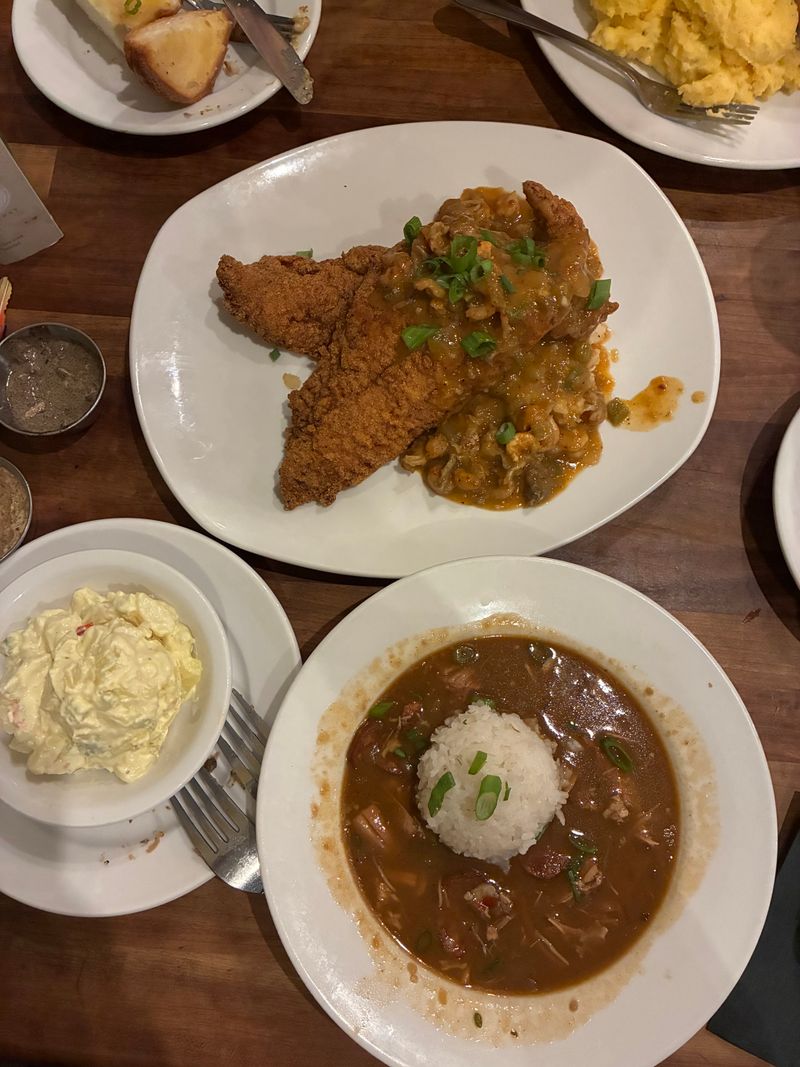
Walking into a traditional Cajun restaurant in Lafayette feels like stepping into someone’s family kitchen where recipes have been passed down through countless generations.
The flavors here tell stories of French, Spanish, African, and Native American influences blending together over centuries.
You won’t find watered-down versions of gumbo or jambalaya designed for tourist palates.
Instead, local chefs cook with the same techniques their grandmothers taught them, using proper roux that takes patience and skill to perfect.
Prejean’s Restaurant, located at 3480 Interstate 49 North Service Road, Lafayette, LA 70507, has been serving authentic Cajun cuisine since 1980 with live music enhancing the dining experience.
Their crawfish étouffée and alligator dishes showcase the bold seasonings that make Cajun food unforgettable.
Randol’s Restaurant & Cajun Dancehall at 2320 Kaliste Saloom Road, Lafayette, LA 70508, combines exceptional food with traditional Cajun music and dancing every night.
The seafood platters overflow with fresh Gulf catches prepared exactly as they’ve been made for generations.
Chris’s Po-Boys at 960 Jefferson Street, Lafayette, LA 70501, proves that simple street food can be extraordinary when made with care and quality ingredients.
Their shrimp and oyster po-boys come on French bread baked fresh daily, dressed with crisp lettuce, ripe tomatoes, and tangy remoulade sauce.
Each restaurant maintains connections to local farmers and fishermen, ensuring ingredients arrive fresh and support the community.
Eating at these establishments isn’t just about filling your stomach; it’s about experiencing living culinary history that continues to evolve while honoring its roots.
Food critics and everyday diners alike recognize that Lafayette’s restaurants offer something increasingly rare: genuine, uncompromising authenticity that tastes like home cooking elevated to an art form.
Boudin Shops on Every Corner Make This Cajun Sausage Accessible
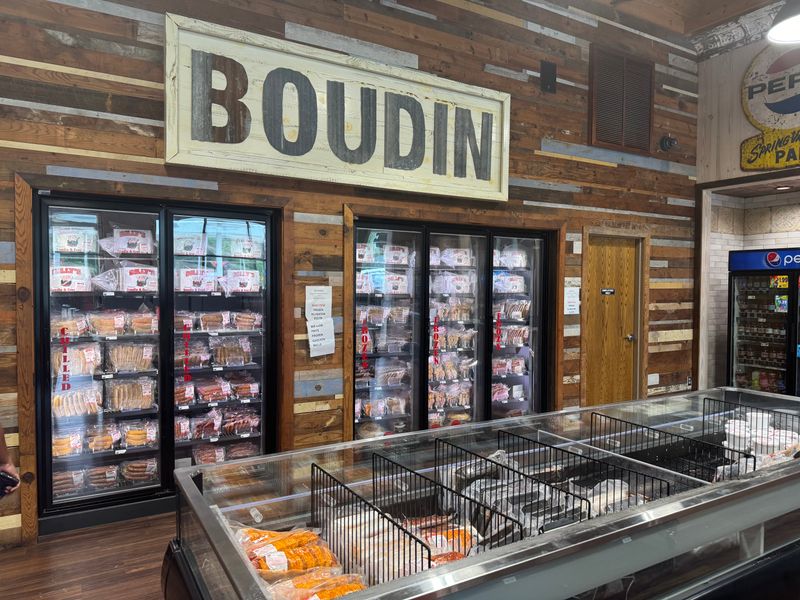
Boudin might be Louisiana’s most beloved food that outsiders have never heard of, but in Lafayette, this savory rice and pork sausage is practically a religion.
Drive through any neighborhood and you’ll spot small meat markets and gas stations proudly advertising their boudin as the best in town.
The debate over which shop makes superior boudin sparks passionate conversations among locals who have strong opinions about seasoning, texture, and the proper rice-to-meat ratio.
Best Stop Supermarket at 615 Highway 93 North, Scott, LA 70583 (just outside Lafayette proper) attracts visitors from across the state who claim it serves the finest boudin anywhere.
Their links come out steaming hot, packed with perfectly seasoned pork, rice, and spices that create an addictive combination.
Billy’s Boudin & Cracklins at 701 Parkway Drive, Scott, LA 70583, offers another take on this classic with their family recipe that emphasizes a slightly spicier kick.
The Cajun cracklins here provide the perfect crunchy companion to the soft, flavorful boudin.
Johnson’s Boucaniere at 111 Saint John Street, Lafayette, LA 70501, has been smoking meats and making boudin since 1937, giving them nearly a century of expertise.
Their smoked boudin adds another layer of complexity to the traditional recipe.
What makes Lafayette special is how boudin functions as everyday food rather than special occasion fare.
People grab links for breakfast, lunch, or a quick snack without thinking twice.
The accessibility of quality boudin throughout the city means visitors can easily understand why locals consider it essential comfort food.
Trying boudin from multiple shops becomes a delicious scavenger hunt that reveals subtle differences in preparation and seasoning philosophy.
This humble sausage represents Lafayette’s unpretentious approach to food: it doesn’t need fancy presentation when the flavor speaks for itself.
Crawfish Season Transforms the City Into a Seafood Paradise
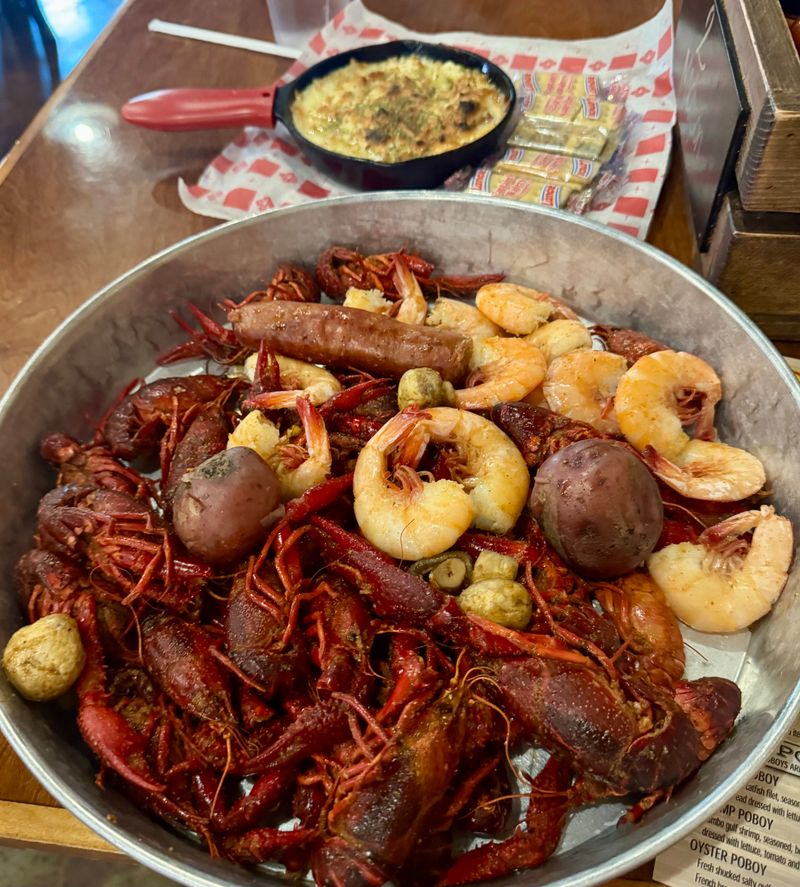
When crawfish season arrives between late winter and early summer, Lafayette essentially shuts down normal life to celebrate these freshwater crustaceans.
Restaurants expand their menus, backyards fill with boiling pots, and the distinctive smell of seasoned crawfish wafts through neighborhoods.
Visitors who’ve only experienced frozen or poorly prepared crawfish elsewhere finally understand what all the fuss is about.
Hawk’s Restaurant at 16590 Highway 182, Rayne, LA 70578 (near Lafayette), specializes in crawfish prepared multiple ways beyond the traditional boil.
Their crawfish étouffée, bisque, and fried crawfish tails showcase the versatility of this ingredient when handled by skilled cooks.
Pat’s of Henderson at 1008 Henderson Levee Road, Breaux Bridge, LA 70517, sits right on the Atchafalaya Basin where many crawfish are harvested.
The restaurant’s location means you’re eating crawfish that were swimming in nearby waters just hours earlier.
Locals know the best crawfish come from specific conditions; mudbugs from certain ponds taste sweeter, while others have meatier tails.
Lafayette’s proximity to prime crawfish habitat means restaurants can be picky about their sources.
The social aspect of crawfish eating matters as much as the food itself.
Tables covered in newspaper, mountains of red shells piling up, and the communal nature of peeling and eating create an experience that bonds people together.
First-timers receive patient instruction on the proper technique: pinch the tail, suck the head, and don’t be afraid to get messy.
Crawfish boils function as social gatherings where strangers become friends over shared tables and cold drinks.
The seasonal nature of crawfish makes them feel special rather than ordinary, creating anticipation that builds throughout the year.
Food lovers visiting during peak season witness Lafayette at its most vibrant and delicious.
Downtown Farmers Markets Connect Eaters Directly With Local Growers
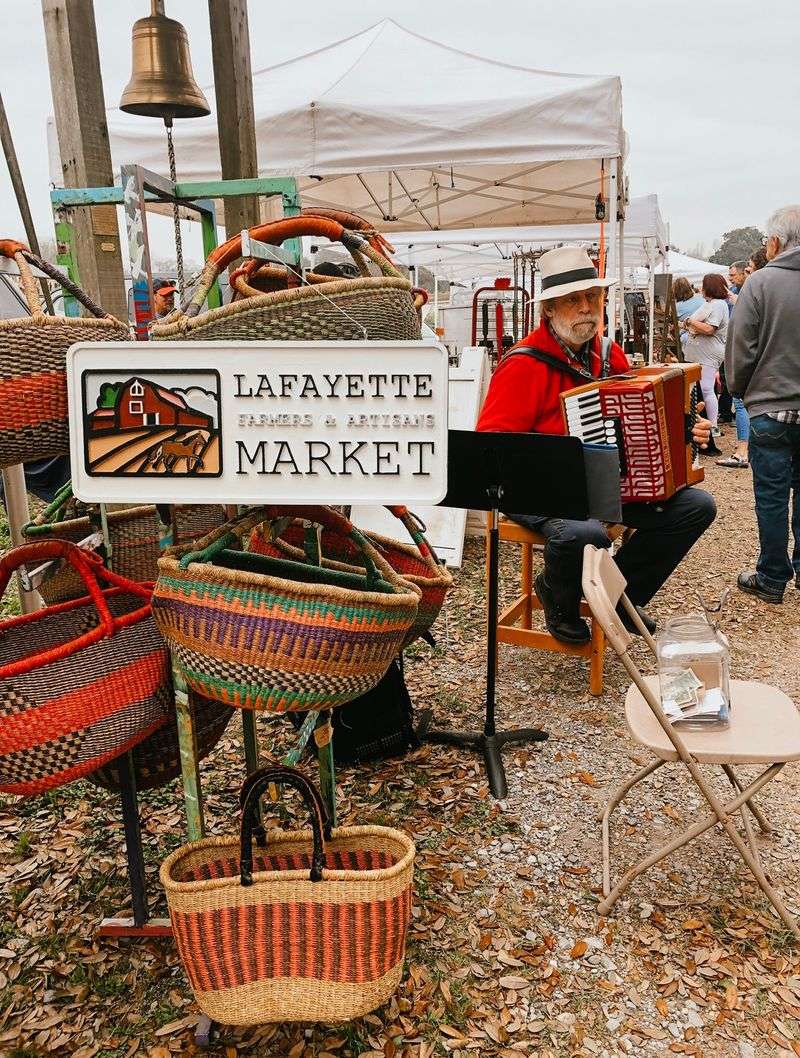
Something magical happens when you buy tomatoes from the person who grew them or learn cooking tips from someone who’s been raising the same vegetable varieties for decades.
Lafayette’s farmers markets create direct connections between the land and your plate in ways that supermarkets simply cannot replicate.
Conversations with farmers reveal which vegetables are at their peak, how weather patterns affected this year’s harvest, and family stories connected to particular crops.
The market atmosphere feels festive rather than transactional, with live music often providing a soundtrack to your shopping.
Acadiana Root Cellar at 714 Saint John Street, Lafayette, LA 70501, functions as a year-round farmers market and community space supporting local food systems.
They connect consumers with regional farmers, helping people understand where their food originates and who produces it.
The selection changes with seasons, reminding shoppers to eat according to natural growing cycles rather than expecting all produce year-round.
Food lovers appreciate how markets showcase ingredients central to Cajun cooking that rarely appear in chain grocery stores.
Fresh sassafras for filé powder, bundles of green onions with roots still attached, and specialty peppers used in traditional recipes all make regular appearances.
Buying ingredients at farmers markets elevates home cooking because the produce actually tastes like something; tomatoes have acidity and sweetness, greens have mineral complexity, and everything seems more alive.
Many visitors report that shopping at Lafayette’s markets changes how they think about food back home.
The experience demonstrates that knowing your food’s source isn’t elitist or complicated; it’s simply how people ate before industrial agriculture disconnected us from our meals.
Food Festivals Celebrate Specific Ingredients With Serious Dedication
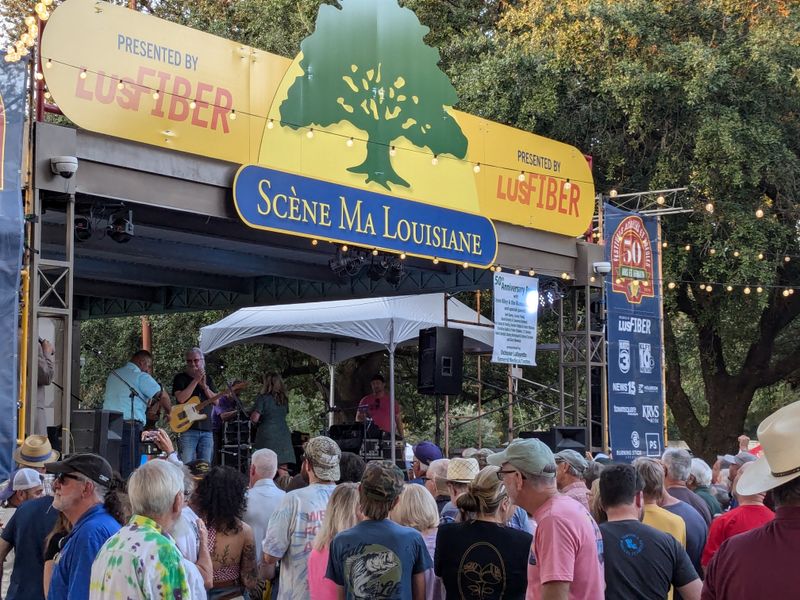
Lafayette doesn’t just have food festivals; it has festivals dedicated to single ingredients with the kind of focus usually reserved for religious observances.
These events reveal how deeply food is woven into the cultural identity of this region.
Festival International de Louisiane, held annually in downtown Lafayette with its headquarters at 735 Jefferson Street, Lafayette, LA 70501, celebrates francophone culture with incredible food representing Louisiana’s French heritage.
The free festival attracts hundreds of thousands of visitors who sample dishes from dozens of vendors while enjoying world-class music.
Boudin, jambalaya, alligator sausage, and beignets flow freely as people wander between stages.
Downtown Lafayette transforms into a massive street party where food takes center stage alongside art and music.
The Breaux Bridge Crawfish Festival in nearby Breaux Bridge (just minutes from Lafayette) has celebrated crawfish since 1959, making it one of Louisiana’s oldest food festivals.
Competitions determine who makes the best crawfish étouffée, crawfish boudin, and crawfish pie, with judges taking their responsibilities very seriously.
What outsiders might find amusing; an entire festival devoted to one crustacean; locals consider perfectly reasonable given crawfish’s importance to regional cuisine and economy.
Festivals of Acadiana at 5601 Johnston Street, Lafayette, LA 70503, hosts multiple cultural celebrations throughout the year, each featuring traditional foods prepared by families who’ve been making the same dishes for generations.
These aren’t corporate-sponsored events with chain restaurant booths; they’re community gatherings where food authenticity matters.
Attending festivals allows visitors to taste dozens of variations on classic dishes, comparing different cooks’ approaches to gumbo or jambalaya.
The friendly competition pushes everyone to bring their best recipes, resulting in exceptional quality across the board.
Food festivals in Lafayette function as living museums where culinary traditions get passed to younger generations who watch, learn, and eventually take over family cooking duties.
The dedication to celebrating food creates an environment where culinary excellence is expected rather than exceptional.
Breakfast Boudin and Morning Cracklins Define Local Morning Routines
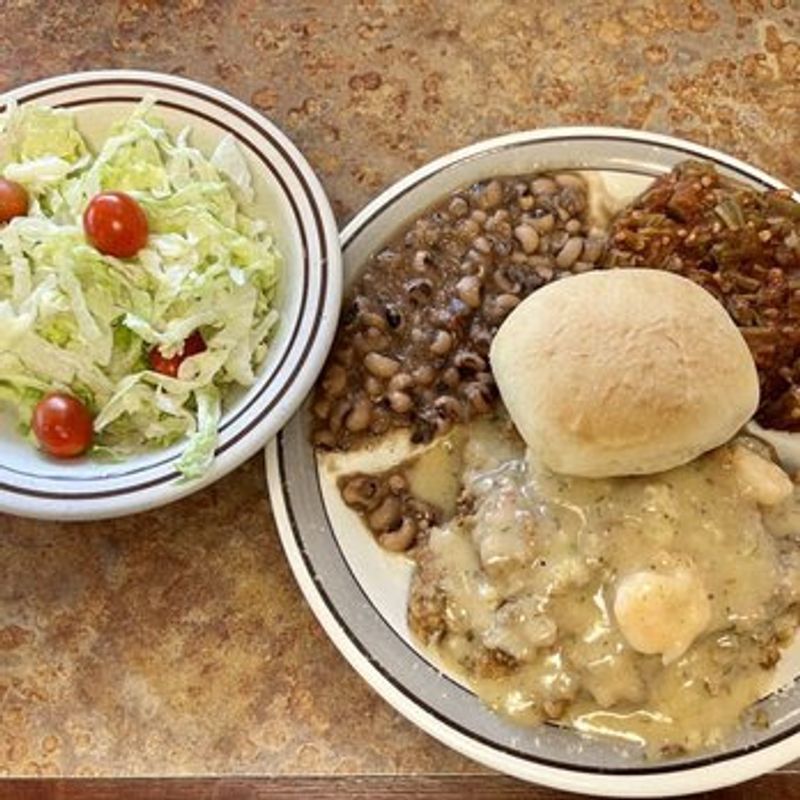
Forget your usual breakfast sandwich or bowl of cereal; Lafayette mornings start with boudin links and cracklins that would make most nutritionists faint.
Gas stations here aren’t just fuel stops but legitimate food destinations where people line up before work for their morning meat fix.
The concept of breakfast boudin might seem strange to outsiders, but locals consider it the perfect portable morning meal.
NuNu’s Fresh Market at 4698 Highway 167 North, Arnaudville, LA 70512 (near Lafayette), opens early to serve people who need their boudin before heading to job sites or offices.
The rice and pork mixture provides sustained energy that keeps you full until lunch without the sugar crash from pastries or donuts.
Cracklins; fried pork skins with fat still attached; offer a crunchy, salty counterpoint to soft boudin.
They’re addictive in a way that’s hard to explain until you’ve experienced the perfect cracklin: crispy exterior giving way to a thin layer of rendered fat that melts on your tongue.
Don’s Specialty Meats at 730 Interstate 10 South Frontage Road, Scott, LA 70583, produces cracklins that achieve legendary status among people who take their pork products seriously.
The morning batch comes out of the fryer steaming hot, and regulars know to arrive early before they sell out.
Coffee shops in Lafayette often sell boudin alongside pastries, recognizing that not everyone wants a sweet breakfast.
The French Press at 214 East Vermilion Street, Lafayette, LA 70501, pairs excellent coffee with locally made boudin, creating a uniquely Lafayette breakfast experience.
This morning food culture demonstrates how Lafayette prioritizes flavor and substance over convenience or health trends.
Starting your day with rich, well-seasoned food sets a tone that carries through subsequent meals.
Visitors who embrace breakfast boudin often report it becoming their new standard, making regular breakfast options seem boring by comparison.
The willingness to eat boldly flavored food first thing in the morning shows a culture that doesn’t apologize for loving what it loves.
Family-Owned Restaurants Pass Down Recipes Through Multiple Generations
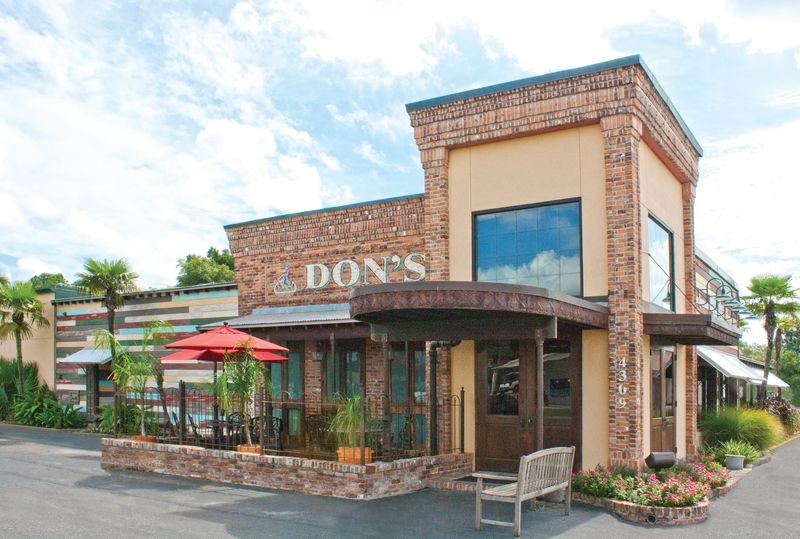
Corporate chain restaurants exist in Lafayette, but they’re essentially irrelevant when family-owned establishments serve food that represents actual family history rather than corporate recipe testing.
These restaurants function as edible family trees where each generation adds their touch while respecting what came before.
Bon Temps Grill at 1312 Verot School Road, Lafayette, LA 70508, represents the kind of family operation where multiple generations work together in the kitchen and dining room.
The menu features dishes that grandmother perfected, mother adapted, and grandchildren now prepare for a new generation of diners.
Eating here means tasting food that’s been refined over decades of daily cooking rather than created in a test kitchen.
Olde Tyme Grocery at 218 West Saint Mary Boulevard, Lafayette, LA 70506, has been making po-boys since 1982, with family members still running the operation.
Their commitment to quality hasn’t wavered as trends come and go; they make the same excellent sandwiches today that built their reputation decades ago.
The personal investment family owners have in their restaurants creates a different dining experience than corporate establishments can provide.
When your name is on the building and your children will inherit the business, every plate matters in a way that transcends profit margins.
Mistakes get corrected immediately, regular customers receive personalized service, and the food maintains consistency because family pride demands it.
T-Coon’s Restaurant at 740 Jefferson Street, Lafayette, LA 70501, showcases how family restaurants adapt while maintaining their core identity.
They’ve updated their space and expanded menu options without abandoning the traditional dishes that made them successful.
Food lovers increasingly seek these authentic family operations because they offer something chain restaurants cannot replicate: genuine connection between food, place, and people.
Knowing that your étouffée was made using someone’s great-grandmother’s recipe adds meaning to the meal.
Lafayette’s abundance of thriving family restaurants proves that people will always choose real food with history over manufactured dining experiences.
Seafood Arrives Fresh From the Gulf and Nearby Atchafalaya Basin
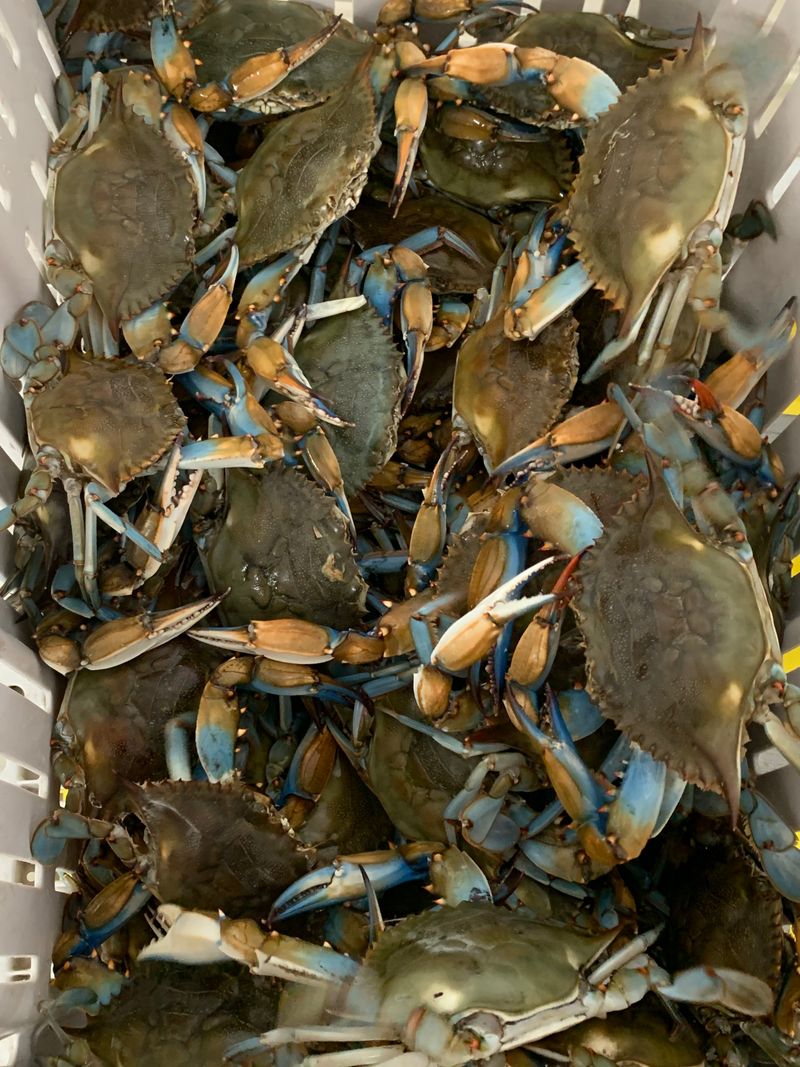
Geography gives Lafayette an enormous advantage when it comes to seafood; the Gulf of Mexico lies just an hour south, while the Atchafalaya Basin’s freshwater ecosystem sits practically in the city’s backyard.
This proximity means seafood arrives at restaurants and markets while it’s still incredibly fresh, often within hours of being caught.
The difference between truly fresh seafood and what most of America eats is shocking when you experience it firsthand.
Shrimp have a sweet, delicate flavor instead of the fishy taste that comes from aging.
Oysters taste clean and briny, reflecting the specific waters they came from.
Fish have firm texture and mild flavor that doesn’t require heavy sauces to mask off-flavors.
Seafood Palace at 4650 Johnston Street, Lafayette, LA 70503, sources directly from Gulf fishermen and local crawfish farmers.
Their market sells to both home cooks and restaurants, maintaining high standards because their reputation depends on consistent quality.
Walking through their displays reveals seafood varieties that never make it to inland markets: speckled trout, redfish, flounder, and blue crabs all caught locally.
Riverside Seafood Restaurant at 1859 Henderson Levee Road, Breaux Bridge, LA 70517, sits right on the Atchafalaya Basin where fishing boats dock.
You can literally watch your dinner being unloaded from boats before it’s cooked and served.
The restaurant’s location eliminates the supply chain that usually exists between water and plate.
Lafayette’s chefs understand how to prepare seafood properly because they grew up eating it and learning traditional techniques.
They know not to overcook shrimp, how to properly season a seafood boil, and which preparations suit different types of fish.
Restaurants here don’t rely on butter and cream to make seafood palatable; the ingredients are good enough to shine with minimal intervention.
For food lovers accustomed to mediocre seafood, Lafayette’s offerings provide a revelation about what these ingredients should actually taste like.
The combination of access to exceptional raw ingredients and cultural knowledge about preparation creates seafood experiences worth traveling for.
Meat Markets Double as Community Gathering Spots With Lunch Counters
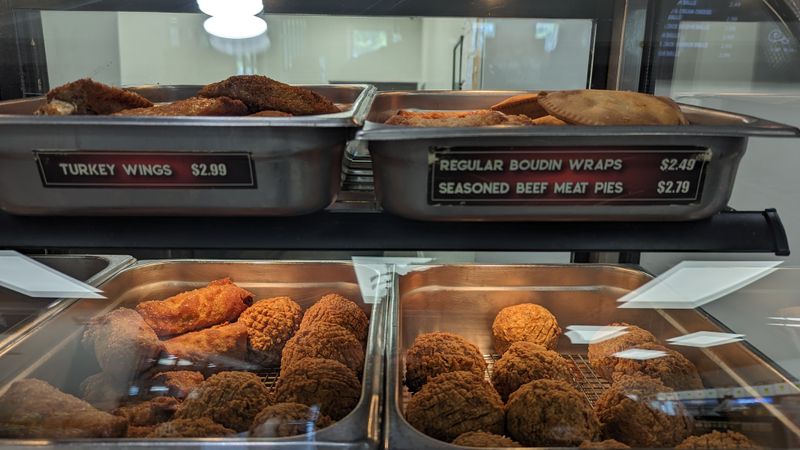
Meat markets in Lafayette serve functions far beyond simply selling meat—they’re social hubs where people catch up on neighborhood news while eating exceptional plate lunches.
The combination of butcher shop and casual restaurant creates a uniquely Louisiana institution.
These establishments represent the opposite of modern food trends toward separation and specialization.
Here, the same people who butcher your pork chops also cook your lunch, creating direct accountability and pride in every product.
The Best Stop Supermarket at 615 Highway 93 North, Scott, LA 70583, exemplifies this tradition with its busy lunch counter serving daily specials alongside the meat market.
Workers from nearby businesses crowd in at noon for plates loaded with smothered pork chops, rice and gravy, and vegetables cooked the old-fashioned way.
The informal atmosphere encourages conversation between strangers who bond over shared appreciation for good food.
Billy’s Boudin & Cracklins at 701 Parkway Drive, Scott, LA 70583, operates similarly, with people coming for the meat but staying for the camaraderie.
Regular customers have their usual orders and preferred seats, treating the place like an extension of their dining room.
Meat markets maintain direct relationships with local farmers and ranchers, ensuring they know exactly where their products originate.
This traceability matters increasingly to consumers who want transparency about their food sources.
The lunch counter food at these markets often surpasses fancier restaurants because the cooks aren’t trying to impress anyone; they’re simply making food the way it’s supposed to taste.
No fusion experiments or trendy ingredients, just solid technique applied to quality ingredients.
Charlie’s Meat Market at 3811 Ambassador Caffery Parkway, Lafayette, LA 70503, has built a loyal following through consistency and friendliness.
People return not just for the food but for the familiar faces and sense of community.
Food lovers visiting Lafayette should absolutely eat at meat market lunch counters to experience how food functions as social glue in this culture.
The unpretentious excellence found in these spaces represents Lafayette’s food scene at its most authentic and accessible.
Cooking Classes and Food Tours Share Culinary Secrets With Visitors
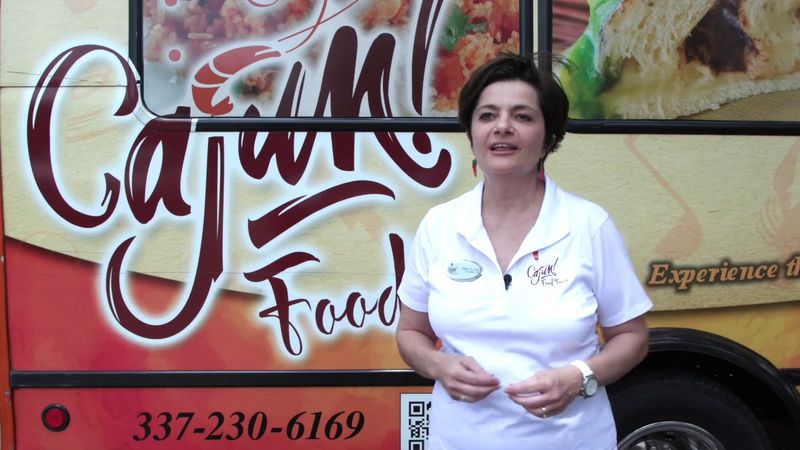
Food lovers visiting Lafayette increasingly want more than just eating; they want to understand the techniques and traditions behind the dishes they’re enjoying.
Local cooking classes and food tours have emerged to meet this demand, offering hands-on education from people who truly know their subject.
These experiences transform visitors from passive consumers into active participants in Lafayette’s food culture.
Cajun Food Tours at 525 Jefferson Street, Lafayette, LA 70501, guides small groups through downtown restaurants and markets while explaining the history and technique behind Cajun and Creole cooking.
The tours aren’t just eating marathons; guides discuss how geography, immigration patterns, and economic factors shaped regional cuisine.
You’ll learn why gumbo varies from household to household, what makes boudin distinctly Cajun, and how to tell good cracklins from mediocre ones.
Tasting food while learning its context creates deeper appreciation and understanding.
Seeing someone make proper roux; the foundation of so many Cajun dishes; reveals why it requires patience and constant attention.
Watching an expert debone a chicken or properly season a gumbo provides knowledge that recipes alone cannot convey.
Several local restaurants offer private cooking classes where small groups learn to prepare multi-course Cajun meals.
Students leave with recipes, techniques, and newfound confidence in their ability to recreate Lafayette flavors at home.
The instructors share family stories and cooking tips passed down through generations, adding personal dimension to the technical instruction.
Food tours and classes acknowledge that Lafayette’s cuisine deserves serious study rather than casual consumption.
Taking a class or tour elevates a vacation into an educational experience that changes how you cook and eat long after returning home.
The willingness of locals to share their culinary knowledge reflects pride in their food heritage and desire to preserve it for future generations.
Dear Reader: This page may contain affiliate links which may earn a commission if you click through and make a purchase. Our independent journalism is not influenced by any advertiser or commercial initiative unless it is clearly marked as sponsored content. As travel products change, please be sure to reconfirm all details and stay up to date with current events to ensure a safe and successful trip.
