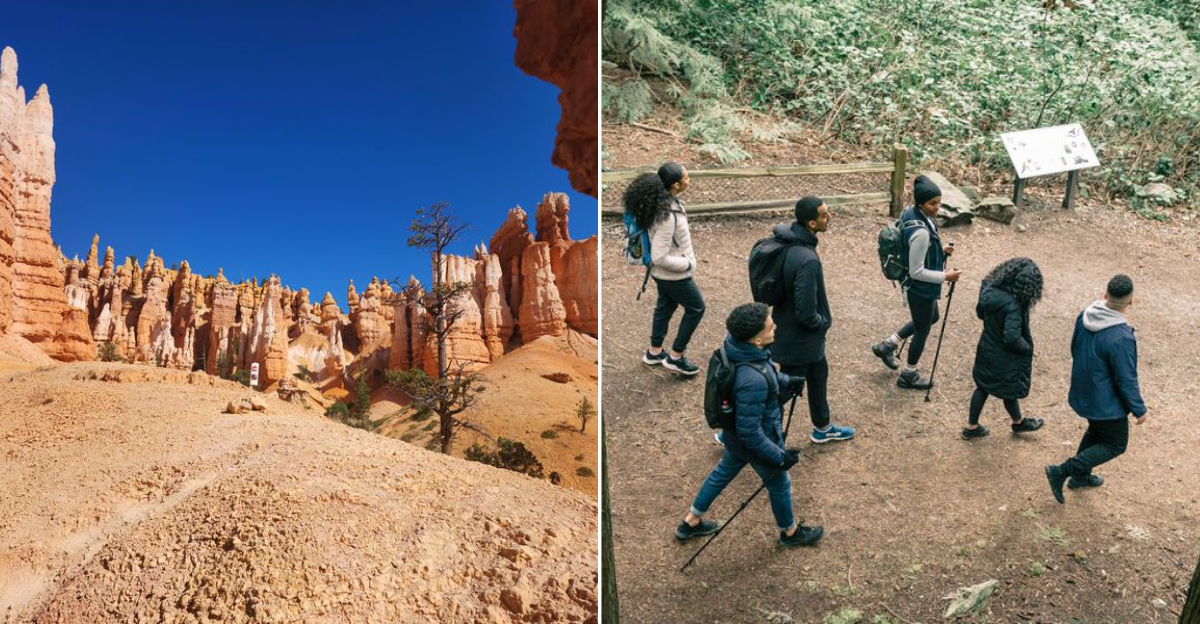
Ever thought about letting someone else handle the details while you just enjoy the views? That’s exactly why guided tours have become such a popular way to experience Utah’s national parks.
From Zion’s towering cliffs to Bryce Canyon’s strange hoodoos, these landscapes are breathtaking, but they can also feel overwhelming if you’re on your own. Joining a tour takes the stress out of planning.
Instead of worrying about maps, parking, or missing the best trails, you get a local guide who knows the area inside and out. They’ll point out hidden spots, share stories about the land, and make sure you don’t miss the highlights. Plus, traveling with a group often adds to the fun.
You meet people who are just as excited to be there as you are. Utah’s parks are unforgettable no matter how you visit, but guided tours make the adventure smoother and richer. Next time you’re heading west, consider hopping on one.
You might find the journey as memorable as the destination.
1. Guides Unlock Landscapes That Can Be Intimidating Solo
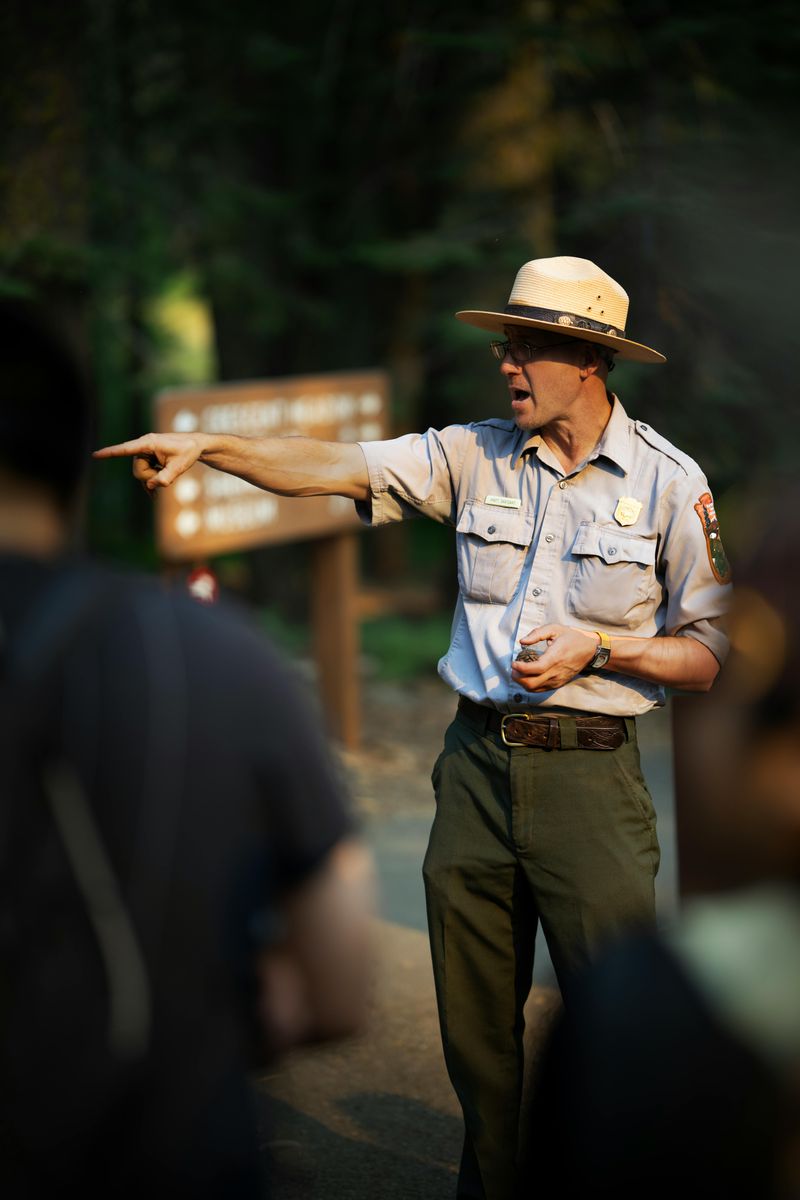
Here is the real talk you asked for.
These landscapes in Utah look clean on a map, but the ground tells a different story with steep grades, narrow passages, and paths that fade into slickrock.
A guide makes that feel doable, and suddenly you are looking up at the cliffs instead of staring down at your feet.
Think about those moments when the route pinches or tilts or disappears. A pro sets the pace, calls out foot placements, and explains why this canyon twists the way it does.
I like how you get safety, but you also get the story of the rock, the wind, and the water.
There is a legal side too. Guides know which routes are open and which are sensitive or closed for restoration.
That takes pressure off your choices so your energy stays on the experience, not the rules. It is a quiet kind of confidence that sneaks in.
And the best part is how calm it all feels. You move with intention, learn simple techniques, and trust that tricky sections have a plan.
By the time you step back at the trailhead, you are surprised by how natural it felt to move through a place that seemed intimidating yesterday.
2. Zion’s Terrain Rewards Local Knowledge
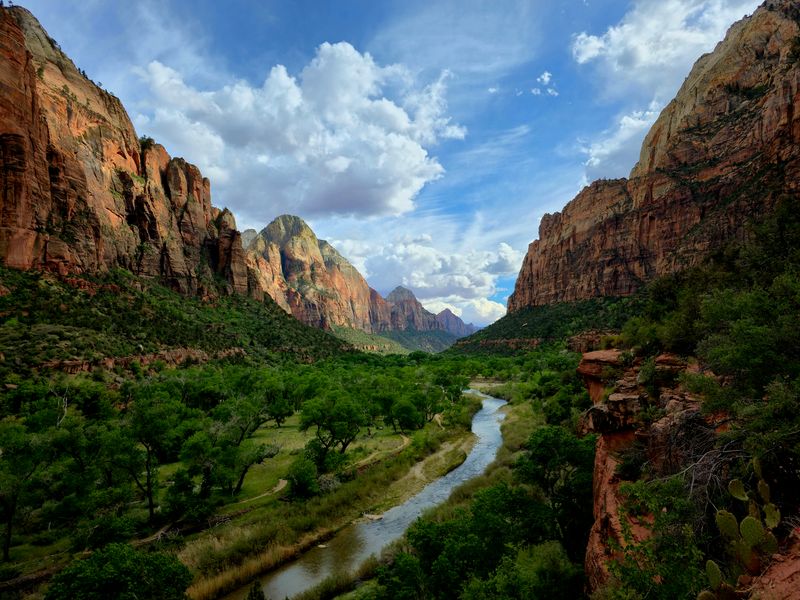
Let me say it straight: Zion National Park looks simple until a slot canyon fills or a cliffside path turns slick after a passing cloud.
Local knowledge turns that from stress into smooth decision making.
A good guide in Zion reads the rock and the weather like a friend’s mood. They know when a canyon holds pooled water and when a side route stays drier and faster.
You end up spending your energy on the view instead of the what ifs.
Know that seasonal details matter here. Snow can linger high, while the valley bakes, and runoff changes everything you think you know.
With a guide, those variables are a solved puzzle before you lace your shoes.
What I love most is the creativity. A guide sees three viable paths where you see one, and they pivot without drama when conditions nudge the plan.
That makes Zion feel generous rather than stern, and you get to finish the day feeling bold instead of tense.
3. Bryce Canyon’s Hoodoos Make More Sense With Context
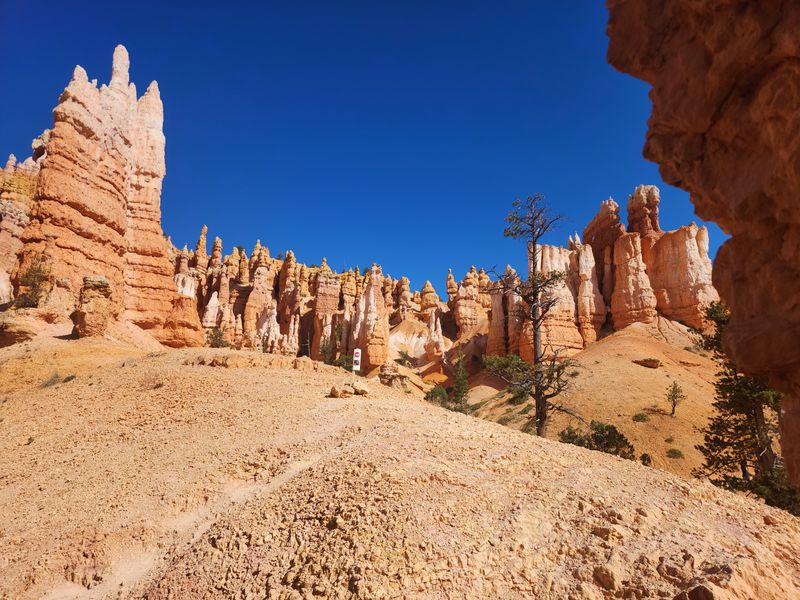
First impression of Bryce Canyon National Park is always wow, then the brain asks why it looks like a dream. A guide answers without sounding like a lecture.
Suddenly those spires feel like characters with names, ages, and habits.
You hear how frost and thaw sculpt delicate fins and windows. You notice color bands that track through time and moisture.
The walk slows down in a good way, because you are actually seeing instead of scanning.
Stories stick better than facts alone. A guide ties erosion to a windy morning or points out a hoodoo where ravens like to land.
Hours later, that memory lands again when the light shifts and the shapes glow from within.
The photos get better too, because you understand where the light will move and which overlook suits a certain mood.
You leave with fewer random shots and more keepers that say something. Bryce feels less like a postcard and more like a friendly conversation with stone.
4. Arches Has Fragile Features That Require Care
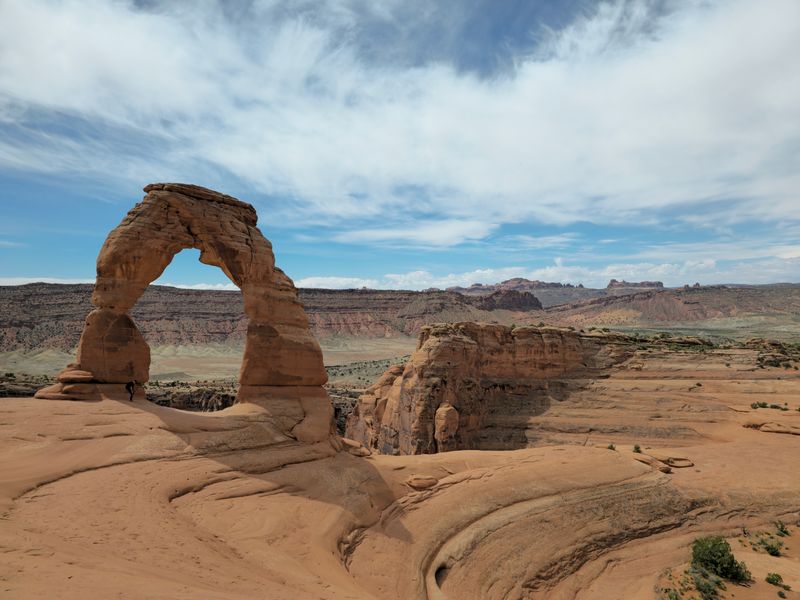
Arches National Park looks sturdy from a distance, but up close it is thin and tender. Guides make that clear without guilt.
They show you how to move with care so the place stays wild for the next round of travelers.
“Leave No Trace” becomes practical instead of preachy. Step here, not there, watch the cryptobiotic soil, and give those delicate spans breathing room.
I think the trade is simple, you get access and the landscape stays healthy.
There is also the fun of learning the backstory, like how water found a seam, how pressure released, and why the arch still stands today.
You feel part of a shared mission with the people beside you, and the payoff is bigger than a selfie.
You see the same icons with a calmer eye, and you might even notice a small arch tucked behind a wall that most people stroll past.
It is a quieter thrill, the kind you remember on the drive out when the sky turns pink and the road hums.
5. Canyonlands Is Easy To Underestimate
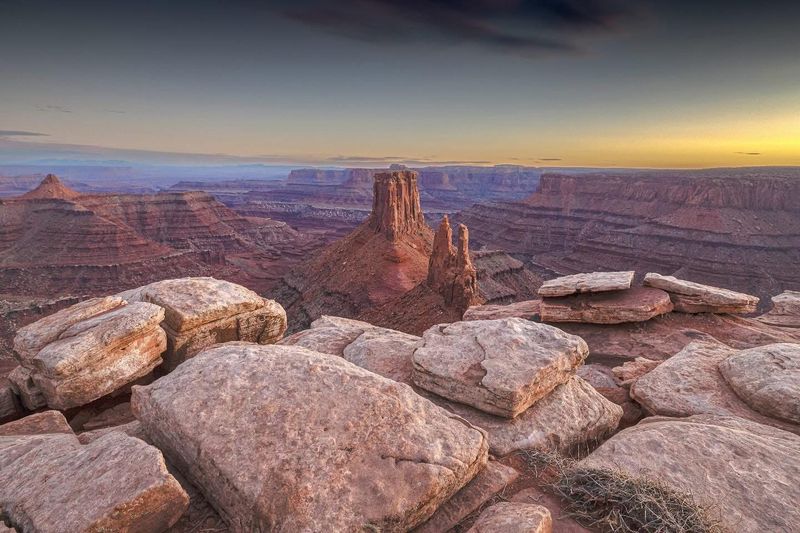
Canyonlands National Park stretches so far that your sense of scale goes fuzzy, trust me. Without context, you might hop between viewpoints and miss the bigger shape of the place.
A guide ties distances and districts together in a way that clicks.
They help choose a plan that fits your time and energy. Maybe an overlook tour, maybe a steady hike that drops you into a quieter pocket.
The stress of guessing fades into a clear, easy rhythm, and I love that.
Out there, light changes fast. A guide gives you timing that matters, where the shadows carve depth and the river glints below a mesa.
You end up where the day looks its best, not just where the map says stop.
By the end, you have a mental map that feels personal. You leave knowing why one district feels rugged while another feels open and calm.
Canyonlands becomes a memory you can navigate, not just a line on your itinerary.
6. Capitol Reef’s History Gets Missed Without A Guide
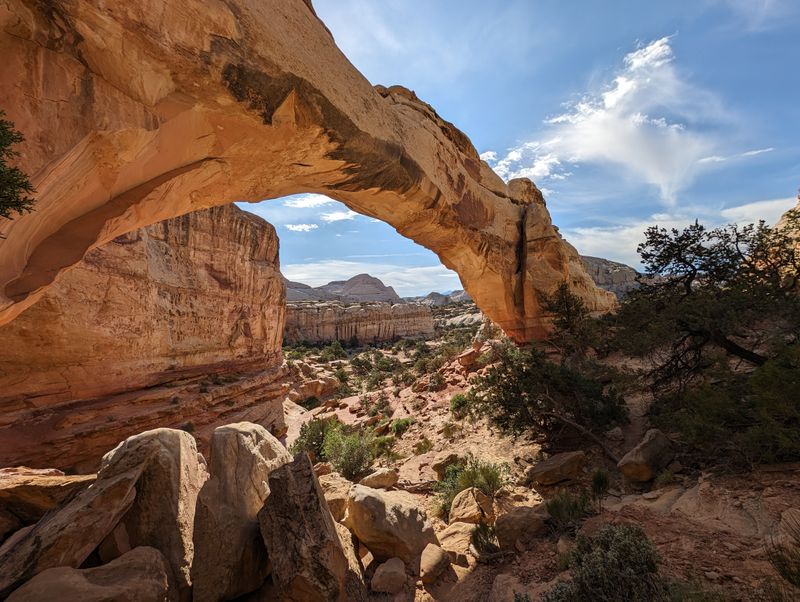
Capitol Reef National Park holds quiet stories that are easy to pass by. You see an orchard or an old structure and think it looks nice.
A guide slows you down and shows how water, work, and grit shaped life here.
You hear about routes that followed the fold, and old irrigation that still threads through the shade. Suddenly the cliffs feel like walls around a small community.
I feel like it turns from scenery into a place with names and rhythms.
That human layer pairs with geology in a natural way. You learn how the rock controlled movement and how people adapted without fuss.
It is the kind of detail that makes a short walk feel like a film you stepped into.
When you roll out, the park feels lived in rather than distant. You keep spotting details you would have missed without a nudge.
Capitol Reef becomes a story you can retell, with corners and characters you actually remember.
7. Rangers And Guides Provide Real-Time Safety Awareness
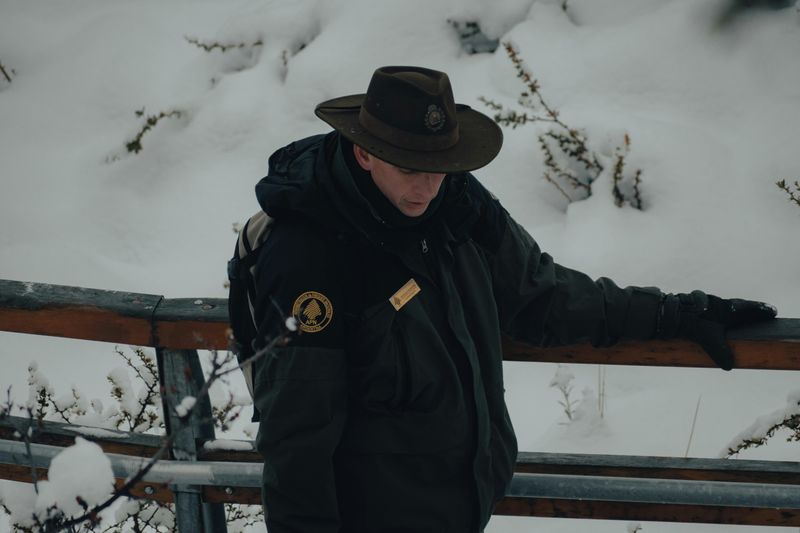
Utah can flip the script with heat, quick storms, or snow high on the rim. That is where guides stand between a good day and a messy one.
They watch the sky and the forecast, then adjust the route before trouble shows.
You feel it in small moments: a water break in the shade that buys comfort later, a pivot to a safer slot, or a decision to start early while the air is cool.
The day stays smooth because someone is steering with up to date info.
Safety talk can sound heavy, but it does not need to. A guide keeps it simple and practical so it blends into the rhythm.
You move, you listen, you keep going, and the fun never hiccups.
It is the peace of knowing you are not guessing. Plans flex instead of snapping, and hat mindset keeps the adventure light.
You get home feeling proud rather than lucky.
8. Guided Tours Open Access To Restricted Areas
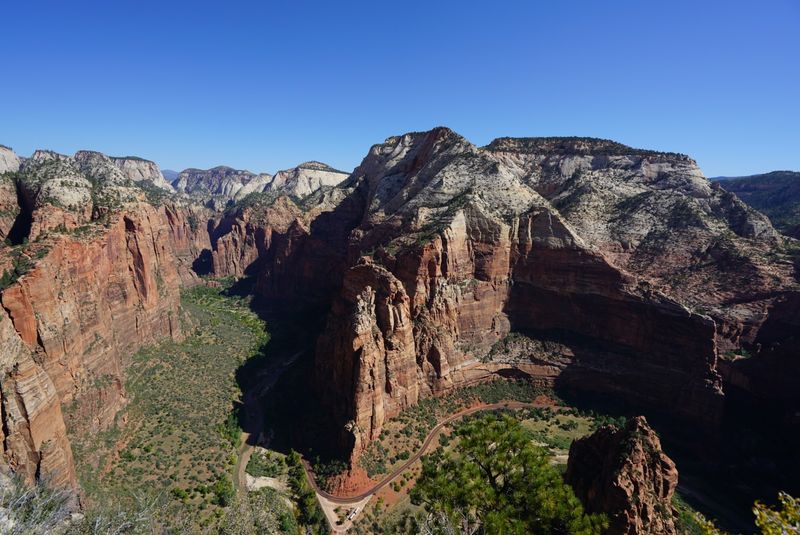
Some routes need permits or technical skill that you would not want to wing. Guided operators handle the paperwork and the gear so you can enjoy the route itself.
It turns a maybe into a sure thing with a calm pace, and I love that.
Think of rope work, narrow slots, or places with strict quotas. The guide sorts the flow, checks the comfort level, and keeps the group tight.
You get to step into a space that stays protected without feeling rushed.
There is also a respect factor. Sensitive spots deserve careful feet, and guides make that easy with simple instructions.
Everyone wins when access pairs with stewardship and patience.
By the exit, you feel both accomplished and relaxed. The logistics fade to the background and the landscape takes center stage.
I think that is a sweet balance that can be hard to find on your own with limited time.
9. Educational Value Is Built Into The Adventure
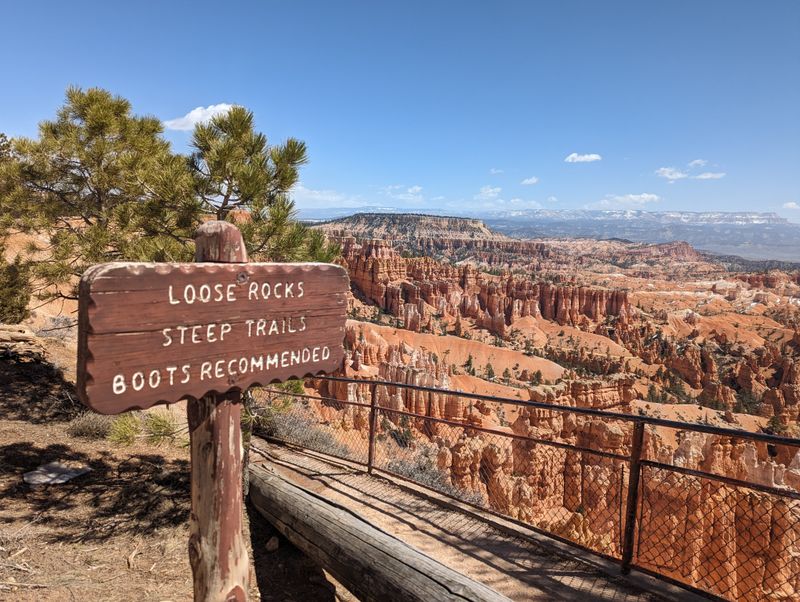
This is my favorite part of a guided day. You keep moving and the learning just slips in without effort.
A guide points to a layer in the cliff or a hardy plant and a puzzle piece drops into place.
Geology, ecology, and human history weave together while your boots keep a steady beat. You remember it because your body was there at the same moment as the idea.
That pairing sticks far better than a sign on a wall.
There is room for questions too, quick ones, not a seminar, just the stuff that pops into your head. The guide answers and the whole group gains a tiny new lens.
By late afternoon, you are hearing the landscape differently. Names, timelines, and patterns start to make sense.
It feels like you leveled up without ever sitting still.
10. Group Energy Makes Big Landscapes Feel More Fun
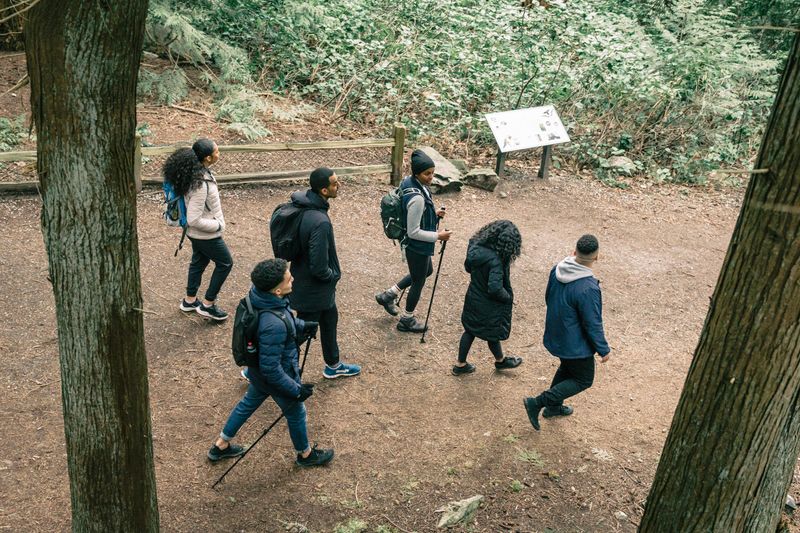
A big view hits harder when you share it. Someone laughs, someone points, and suddenly the moment grows.
Guided groups create that feeling without forcing it.
There is a rhythm to moving together. Breaks turn into chats, and the hard part of the climb feels lighter because the pace fits more than one person.
I like how you end up feeding off the good energy even if you are usually a solo hiker.
That social spark sticks after the trail ends. People trade tips, swap photos, and keep in touch.
The day becomes a little chapter you shared, not just a line in your notes.
I think that is why these tours get talked about so much. We remember how it felt to belong in a place this huge.
Utah turns from a backdrop into a gathering spot, and that is a lovely thing.
11. Transportation And Timing Are Handled For You
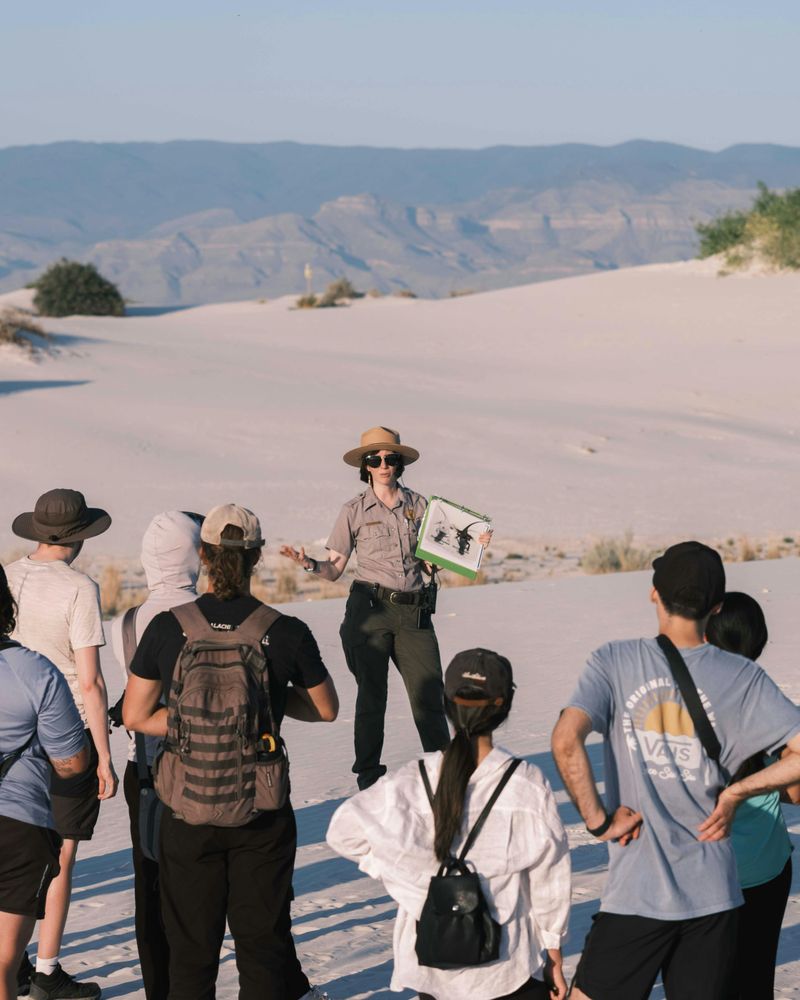
Logistics can drain the fun before you even start. Guided tours scoop that up and tidy it away.
You step into a van, stash your pack, and focus on the day ahead.
Timing matters in this state, with popular spots and limited parking. Guides run the schedule so you are moving when the light is good and the crowds thin.
That is the difference between a frantic morning and a relaxed one.
Little details add up, like a pickup spot that actually makes sense, a plan B trailhead ready to go, and a route that lines up with daylight.
You feel cared for without being coddled, and that matters to me.
By evening, it hits you how smooth it felt. Just a clean arc from start to finish, and a mind full of the good stuff.
12. People Leave Feeling Changed, Not Just Tired
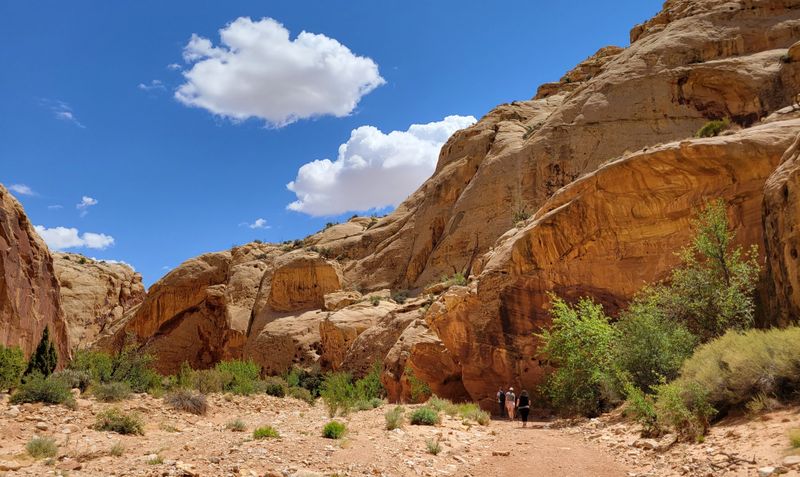
The best trips give you space to feel something new. Guided tours do that by clearing out the noise and filling the day with meaning.
You come back with a head full of sky and a calmer pulse. That deeper connection sneaks up during quiet steps and shared glances at the horizon.
A guide sums up what you saw and why it matters, and it lands right where it should. You carry that home like a small light you can turn on later.
I think it is about understanding a place and your place inside it. Utah makes that easy, and the people who know it best help you listen.
When you unpack, you will notice it. The photos feel warmer, the stories come out faster, and the day keeps echoing in a good way.
That is the souvenir that lasts longer than any trinket!
Dear Reader: This page may contain affiliate links which may earn a commission if you click through and make a purchase. Our independent journalism is not influenced by any advertiser or commercial initiative unless it is clearly marked as sponsored content. As travel products change, please be sure to reconfirm all details and stay up to date with current events to ensure a safe and successful trip.
