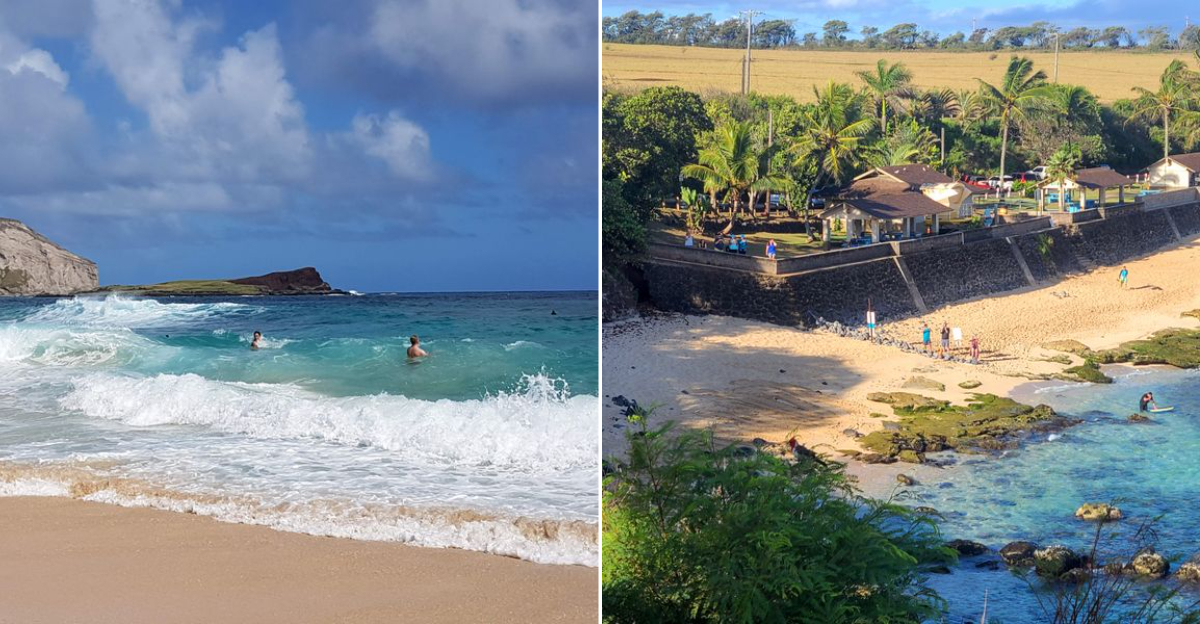
You know how the water in Hawaii can look like glass from the parking lot, and then suddenly it’s chaos up close? That gap between what you see and what’s really happening is where people get into trouble.
I’m not trying to scare you, but I want you to hear the way locals talk about the ocean so your trip stays relaxed and you actually enjoy the beach. If you’re cool with a little real talk, I’ll break down why the warnings don’t always sink in and what to do instead.
Most issues start when calm-looking water gets mistaken for safe water. Locals read color, movement, and sound in ways visitors usually haven’t learned yet.
Once you start noticing those cues, the ocean feels less unpredictable and a lot more manageable.
1. Hawaii’s Ocean Looks Calmer Than It Really Is
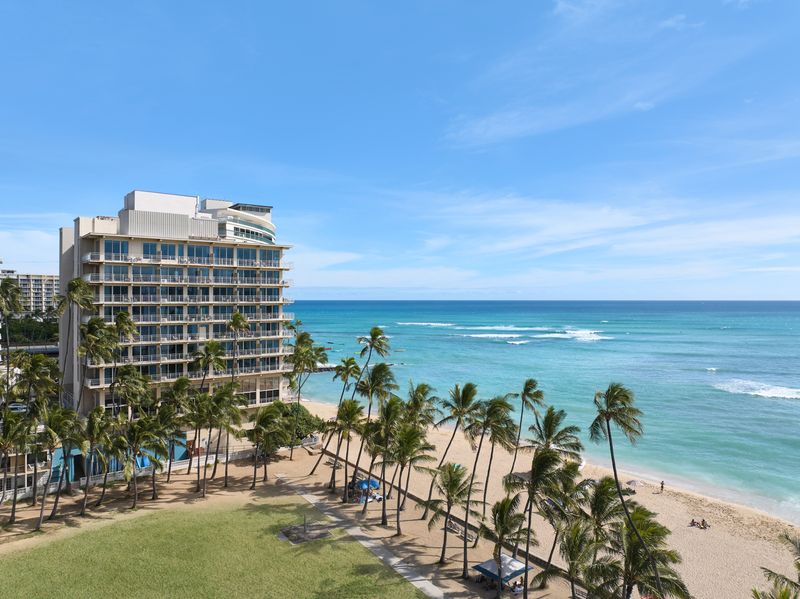
From the overlook, the ocean here plays a slick magic trick. The reef knocks the tops off waves and hides the muscle underneath.
You get these wide, glossy faces that read as gentle. Then a set stacks up on the horizon, and the whole mood shifts without warning.
Stand at Kaimana Beach, 2801 Kalakaua Ave, Honolulu, and watch the nearshore water move in slow pulses. It looks lazy until a longer-period swell sneaks through the reef pass.
The calm look is real, but it’s incomplete. You are seeing the surface, not the engine.
At Poipu Beach, Ho’onani Rd, Koloa, HI, the protected cove can lull you.
Step twenty yards the wrong direction, and the channel pulls like a treadmill.
That contrast is why warning signs get shrugged off.
People think the signs are for some other day, some other spot.
The ocean here wears a poker face. You can enjoy it, but you have to assume there is more happening than you can see.
Give yourself a few minutes to just watch. Count how the bigger sets arrive and how the inside water drains between them.
2. Visitors Misread Warnings About Waves, Currents, And Conditions
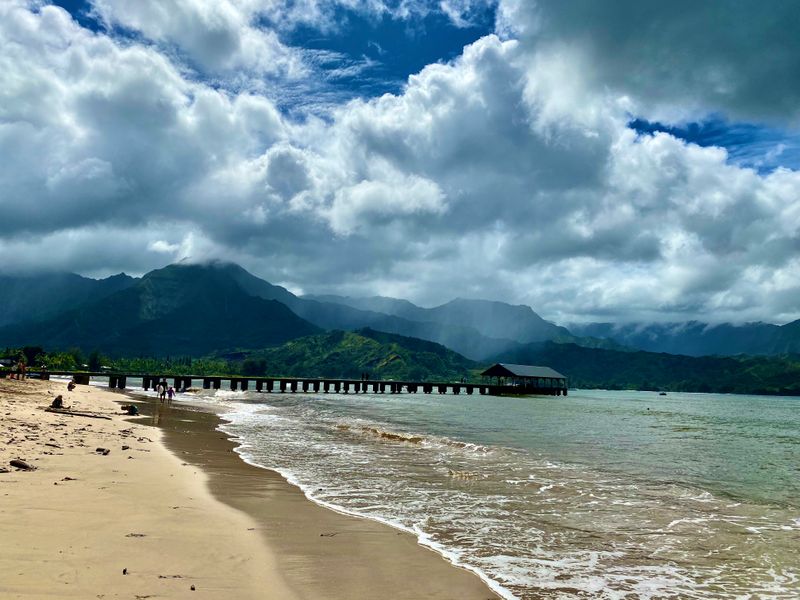
Let’s call it translation trouble. The ocean here speaks a different dialect than the beaches you grew up with.
Waves don’t just roll in and out like a metronome. They run on sets, channels, and weird refracting angles off lava headlands.
At Hanalei Bay, Weke Rd, Hanalei, you’ll see wraparound lines that look mellow.
Underneath, the water is circling like an airport roundabout.
Currents rarely point straight out. Most slide sideways along the beach until they find an exit.
Makaha Beach Park, Farrington Hwy, Waianae, shows you this perfectly.
The corner looks friendly while the bowl is moving fast and loud.
Swell direction matters, and period matters even more.
A longer period means deeper energy sneaking through gaps you thought were sheltered.
Wind can flip the script in an hour. Morning glass can turn to whitecaps and sneaky rips before your second swim.
If the flags say caution, trust they’re translating that dialect for you. They are saying the water is doing things your eyes might miss.
3. Social Media Shapes Dangerous Assumptions
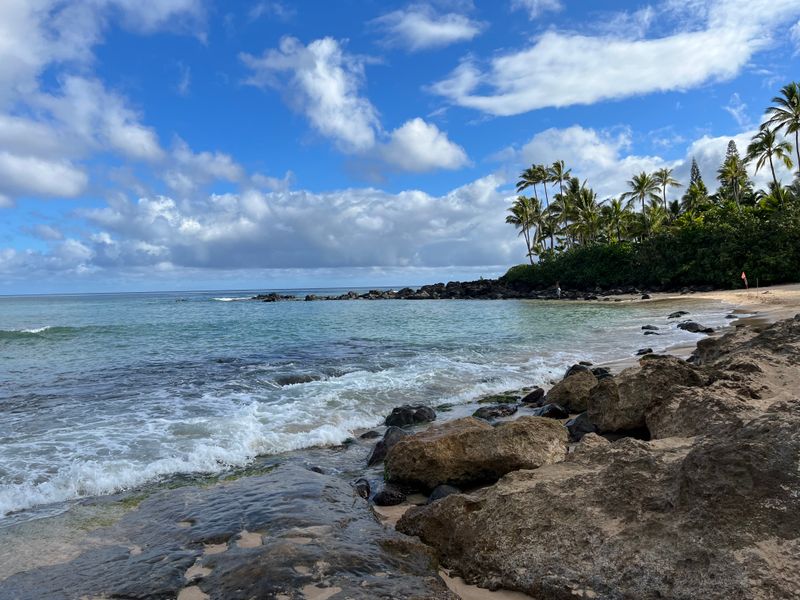
Those clips you saved are highlight reels. They’re shot at the prettiest tide with no side chop and a friendly angle.
A place like Lanikai Beach, Mokulua Dr, Kailua, looks like a pool online.
In person, the wind funnels between the islets and the current plays ping-pong around the reef.
Edits cut out wipeouts and weird lulls. They also crop out the warning signs and the lifeguard tower.
At Waimea Bay, Kamehameha Hwy, Haleiwa, a calm shoreline can switch mood when a set lurches over the deepwater trench.
The camera doesn’t catch that weight shift until it’s too late.
Slow-motion water hides speed. Smooth music hides noise.
None of this means skip the spot. It means plan your swim for what the ocean is doing, not for what a video promised.
Check the forecast, not the feed. Then watch the locals to see how they time their entries.
If they are waiting, wait. If they are walking away, that’s the shot you should copy.
4. Posted Warnings Often Go Ignored
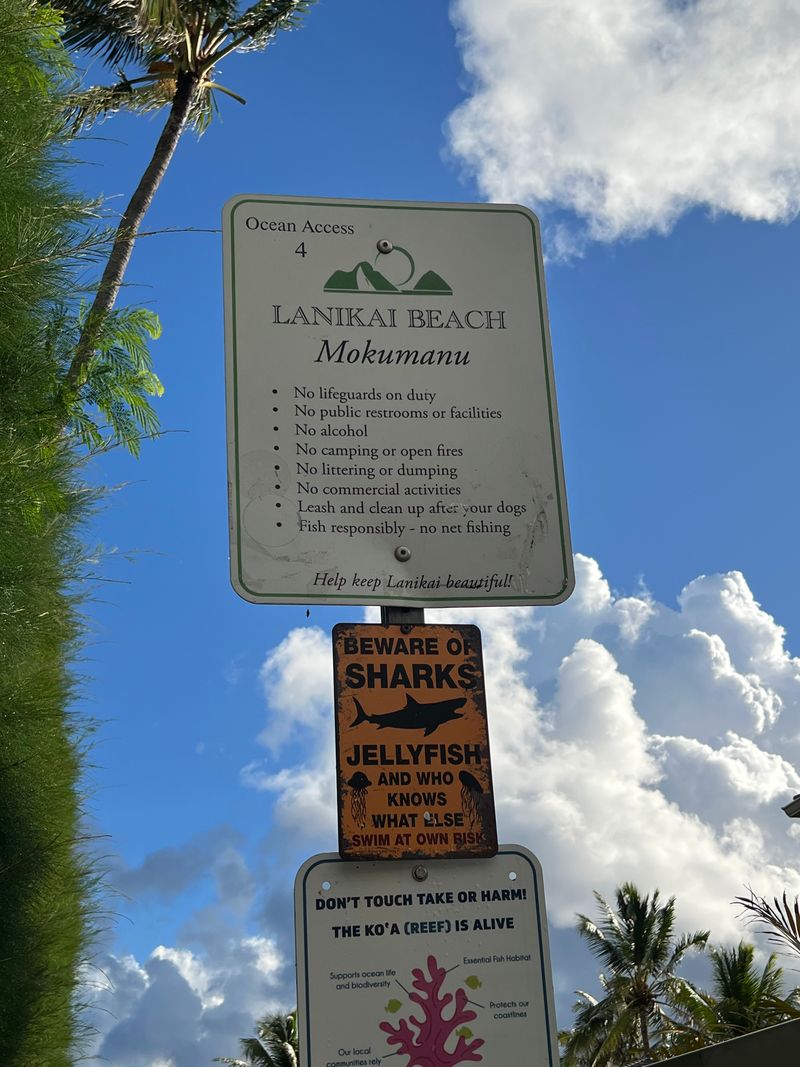
Familiar habits follow you on vacation. You see a red flag and think it just means be careful, like back home.
In Hawaii, that flag is someone shouting from a distance. It means conditions are actively tricky, not theoretically tricky.
Go stand by the sign at Hapuna Beach State Recreation Area, Old Puako Rd, Waimea.
You’ll watch folks read it, nod, then walk straight into the rip line.
Part of it is optimism bias. Part of it is not wanting to change the plan you already pictured.
Lifeguards at Baldwin Beach Park, Hana Hwy, Paia, switch flag colors as conditions change. That board is the most honest update you’ll get all day.
Ignoring it isn’t rebellious. It’s like covering the speedometer and hoping the turns get easier.
Ask the guard what the safe channel is today.
They will point exactly where to avoid and where to enter.
That two-minute chat beats every internet review. And it makes the warnings feel personal enough to matter.
5. The Role Of Rip Currents Tourists Don’t Recognize
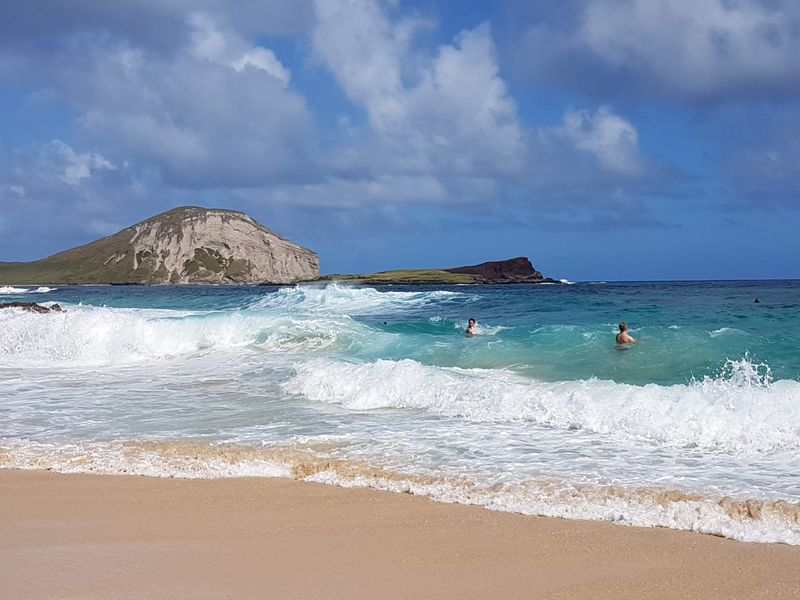
You won’t always see the classic river of water heading straight out. Here, rips snake sideways until they find a gap.
Watch the texture at Makapuu Beach Park, Kalanianaole Hwy, Waimanalo. The smooth patch between choppy peaks is the conveyor belt.
People chase foam thinking it’s safer. The foam marks turbulence, not a cushion.
At Kiahuna Beach, Poipu Rd, Koloa, the gaps in the reef create exits. That’s where you’ll feel the treadmill effect under your feet.
If you feel the bottom dropping and the pull increasing, don’t sprint against it.
Angle with the flow and use the next lull to slip out.
Floating buys time, and time brings sets. Sets give you lift and a window to move sideways.
It feels counterintuitive, but relaxing a beat isn’t surrender.
It’s strategy while you reset your breathing and scan your line.
Best move is prevention. Before you swim, map the channels from the sand with your eyes.
6. “Good Swimmers” Still Get Into Trouble
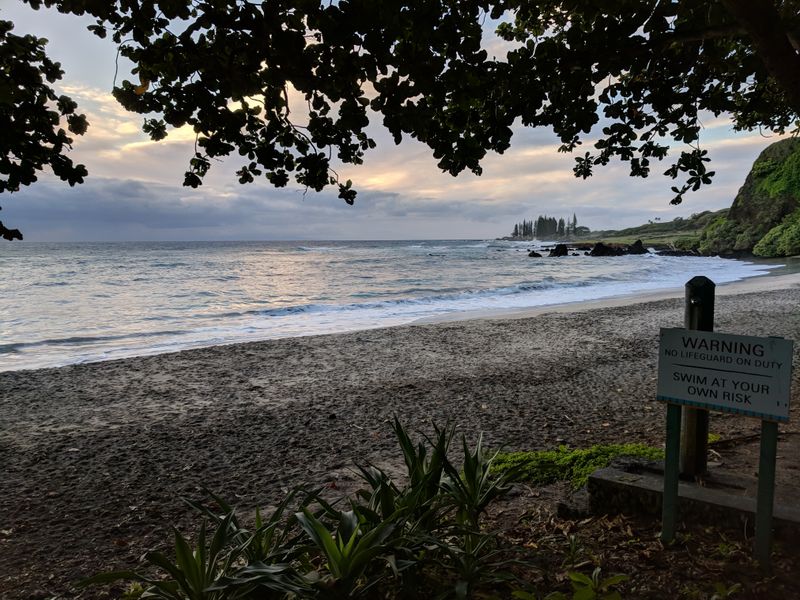
Being strong in a pool is amazing. The ocean doesn’t care about your lap time.
North Shore breaks like Ehukai Beach Park, Ke Nui Rd, Pupukea, move water with personality. It surges, stalls, and swings sideways without warning.
A good swimmer expects consistency. Hawaii serves variety in every stroke.
At Hamoa Beach, Haneo’o Rd, Hana, shorebreak looks short and sweet from the parking turnout.
In the impact zone, it feels like a garage door slamming shut.
Breath control helps, and fitness helps. Local knowledge keeps you from being in the wrong spot to begin with.
Ask for the easiest entry. Wait for the lull that locals favor, not the tiny pause you want to believe in.
Strong swimmers get humbled when they fight the water.
Smart swimmers read it, then match its rhythm.
No shame in skipping it. Hawaii will hand you another beach with a better mood later.
7. Weather And Tides Change Conditions Fast
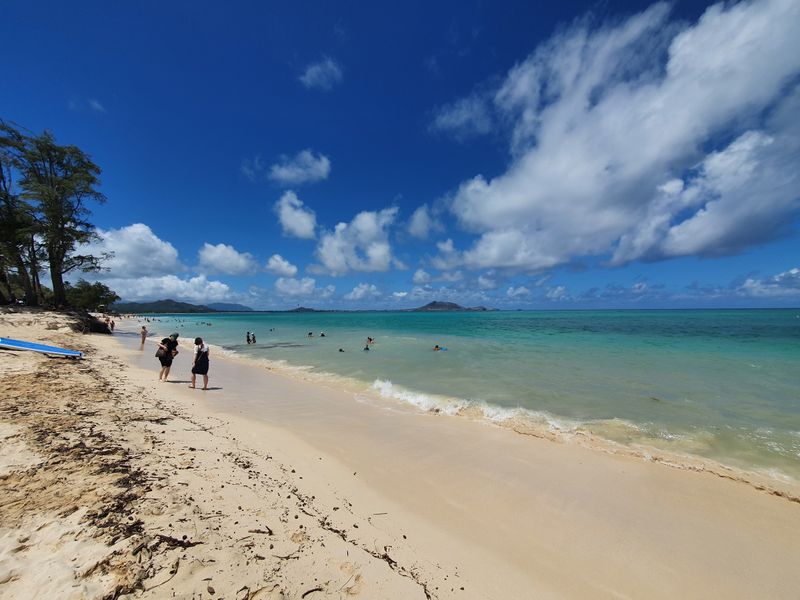
Morning looked mellow, right? Then the wind filled in and the tide switched gears.
That combo changes the angles, depth, and speed at places like Kailua Beach Park, 526 Kawailoa Rd, Kailua.
What felt like ankle push becomes a sideways shove.
Trade winds add chop that hides set timing. Higher tide puts the break right on the sand.
At Ke’e Beach, Haena State Park, Kuhio Hwy, Hanalei, low tide exposes rocks and funnels current.
Later, the same spot looks silky and still sneaks you outward.
If you swim, check a tide app and wind forecast. Then check the shoreline again when you arrive.
Look for flags changing color midday. That is your cue to reset expectations and maybe keep it to wading.
Hawaii swings moods as the day runs.
Plan B is your friend, not a backup you’ll never use.
You wanted water time, not drama. Pick the window that treats you kindly and call it good.
8. Locals And Lifeguards Notice This Immediately
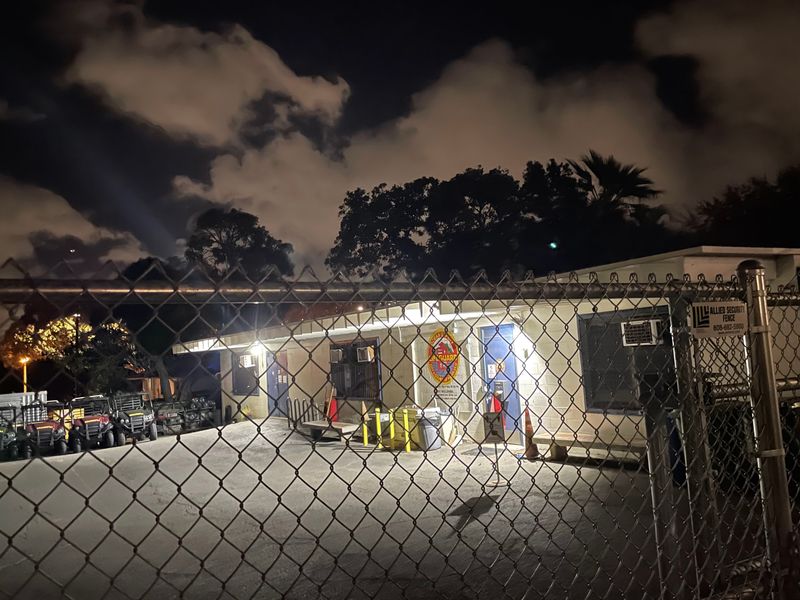
They clock micro details from muscle memory. You can borrow that skill with a minute of quiet watching.
At Ala Moana Beach Park, 1201 Ala Moana Blvd, Honolulu, guards scan texture, color, and rhythm.
Darker lanes, feathering edges, and oddball surges pop out to them.
They also watch people. Who’s drifting faster than they’re swimming, who’s standing where the water drains.
On Maui at Kamaole Beach Park I, S Kihei Rd, Kihei, they’ll point to a pole or tree and say stay up-current of that. It’s shorthand for where the conveyor starts.
You can copy this. Find a fixed landmark, then see who slides past it without trying.
If you see sand plumes moving one direction, believe them.
Sand tells the truth even when the surface lies.
Ask a quick question and you’ll get a full weather report. The answer comes with local maps built into it.
That tiny chat is free confidence. It also buys you calmer breathing the second your toes leave the sand.
9. Rescue Efforts Are More Common Than Visitors Realize
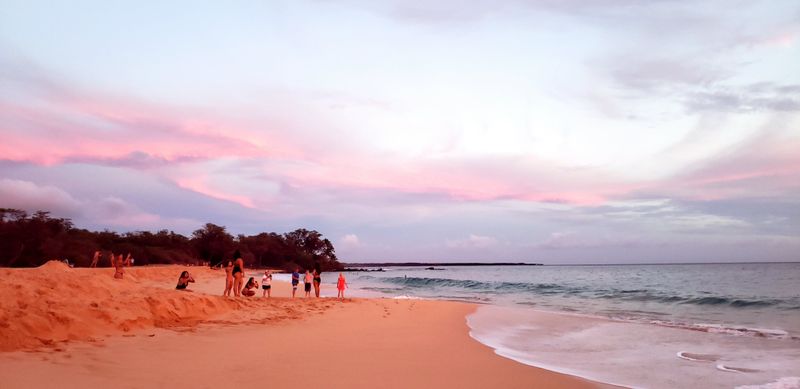
You don’t always see the rescues from your towel. They happen just outside the swell line or around the rocks.
At Hapuna and Makena, teams move fast with fins, boards, and a plan.
Every save takes energy they might need again an hour later.
Makena State Park, Makena Rd, Kihei, has shorebreak that flips people like coins.
Guards time their entries so they don’t add one more patient.
On Oahu’s North Shore, Haleiwa Alii Beach Park, Haleiwa Rd, Haleiwa, looks tame between sets. That lull hides the workload piled up all season.
Each rescue is a risk for the rescuer. They do it because that’s the job and because community matters.
You help by picking safer windows and staying near staffed towers. That turns a potential save into a casual wave and a nod.
It’s not dramatic to choose the easy swim. It’s generous.
You’re letting the crews spend their energy on the day’s real emergencies. That adds up more than you think.
10. The Difference Between Watching The Ocean And Reading It
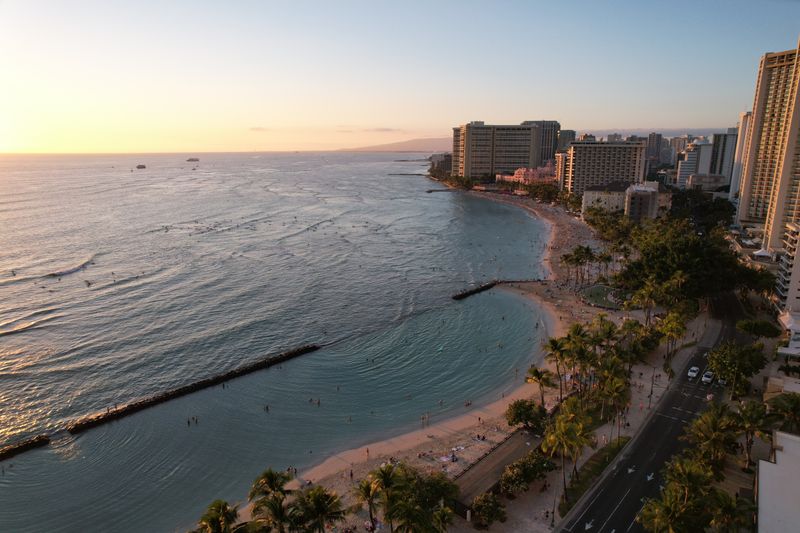
Watching is what you do with a coffee in hand. Reading is what you do before you touch the water.
Reading means naming what you see at Waikiki Beach, Kalakaua Ave, Honolulu.
Where are the channels, where is the crowd, where are sets capping?
It’s also tracking how lines bend around structures. Piers and groins fold energy into corners.
At Kahaluu Beach Park, Alii Dr, Kailua-Kona, reef fingers funnel flow like gutters.
The calm pocket sits directly beside a sneaky exit.
Give yourself a count for sets and lulls. Ten slow breaths can tell you the whole story.
If the pattern makes you squint, that’s your sign. You can always just walk and watch.
The ocean is still the show even when you skip the swim.
You’ll come back when the story reads simpler.
Reading beats bravado every time. It also makes the beach day feel smarter and slower in the best way.
11. Locals Know To Approach The Water Differently
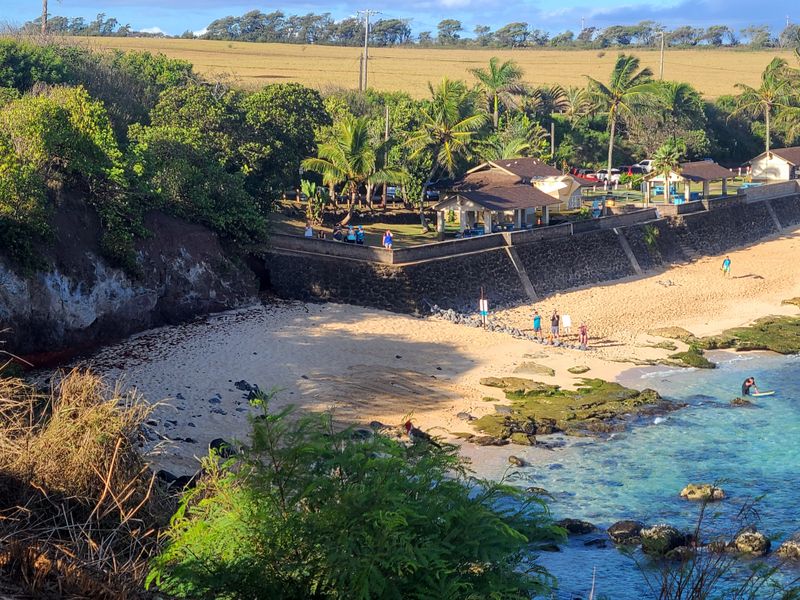
You’ll notice locals are unhurried at the shoreline. That pause is on purpose.
At Ho’okipa Beach Park, Hana Hwy, Paia, they stand, watch, and slide in during a clean lull. If it’s messy, they bail without drama.
They also gear to the plan. Fins, bright rash guards, and a buddy are normal, not extra.
On the Big Island at Carlsmith Beach Park, Nenes Pl, Hilo, families stick to the calm pools. They know where the current turns the corner.
Copy the patience and the small rituals. It resets your head from rush to read.
Buddy up and pick a landmark for regrouping.
Agree on a time limit before the first duck dive.
Locals treat the ocean like a neighbor with moods. Friendly, but not always chatty.
That attitude solves half the risk. It also makes the fun last longer.
12. This Is What Actually Keeps People Safe In Hawaii’s Ocean
It’s not a gadget. It’s a stack of small habits done every single beach day.
Pick a guarded beach like Waikiki or Hapuna when you’re unsure.
Read the board, watch the water, and ask one quick question.
Choose the friend who is calm, not the friend who is daring. Stay in the pocket where the current is lazy and the footing is honest.
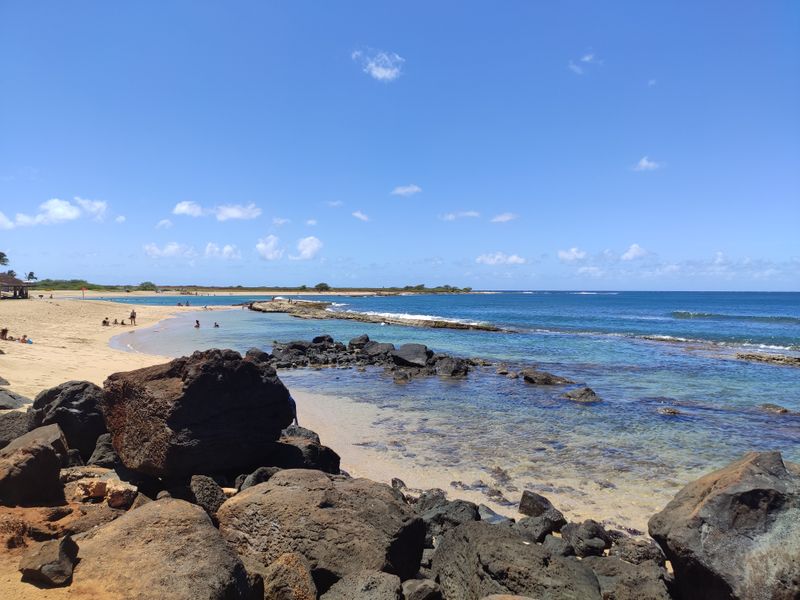
At Salt Pond Beach Park, Lokokai Rd, Hanapepe, that pocket sits behind the natural rock ridge.
On Oahu at Ala Moana, it sits inside the reef where the laps crowd gathers.
Know your exit before you enter. If the entry looks rough, the exit will be worse when you’re tired.
Skip it when you feel rushed or stubborn.
The ocean will be here tomorrow, and Hawaii will hand you another calm window.
None of this ruins the fun. It preserves it.
You’ll come home with stories about sunsets, not rescues. That’s the win you actually wanted.
Dear Reader: This page may contain affiliate links which may earn a commission if you click through and make a purchase. Our independent journalism is not influenced by any advertiser or commercial initiative unless it is clearly marked as sponsored content. As travel products change, please be sure to reconfirm all details and stay up to date with current events to ensure a safe and successful trip.
