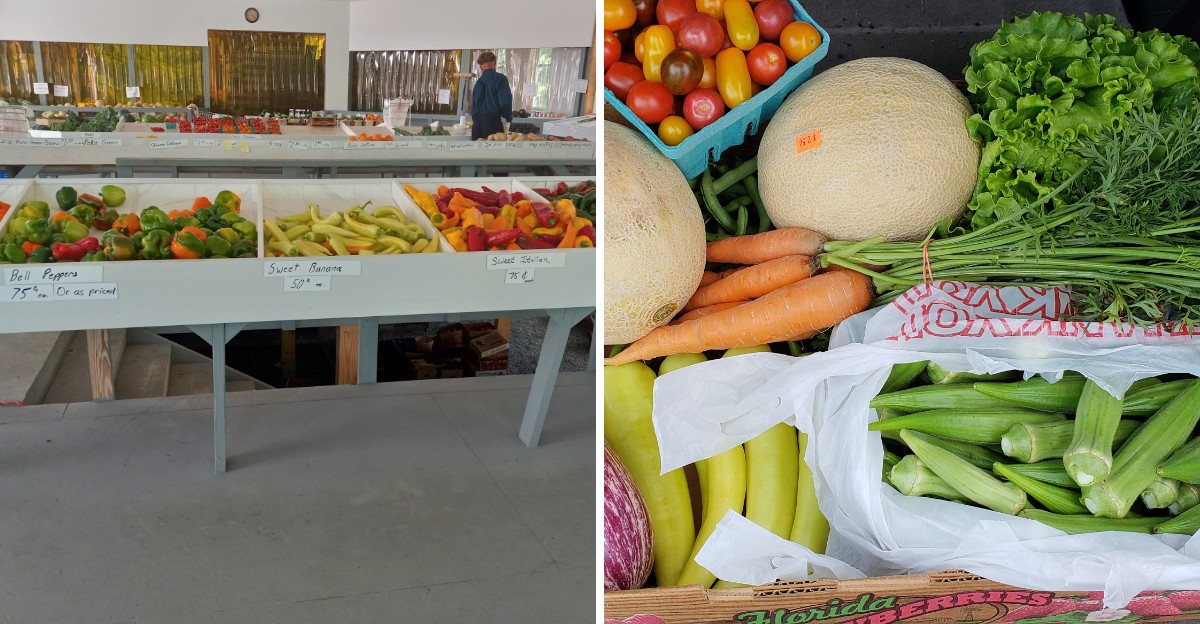
There are two kinds of grocery shoppers. People who want to get in and get out.
And people who will drive an hour because someone told them about really good bread. This Alabama market seems to attract the second group.
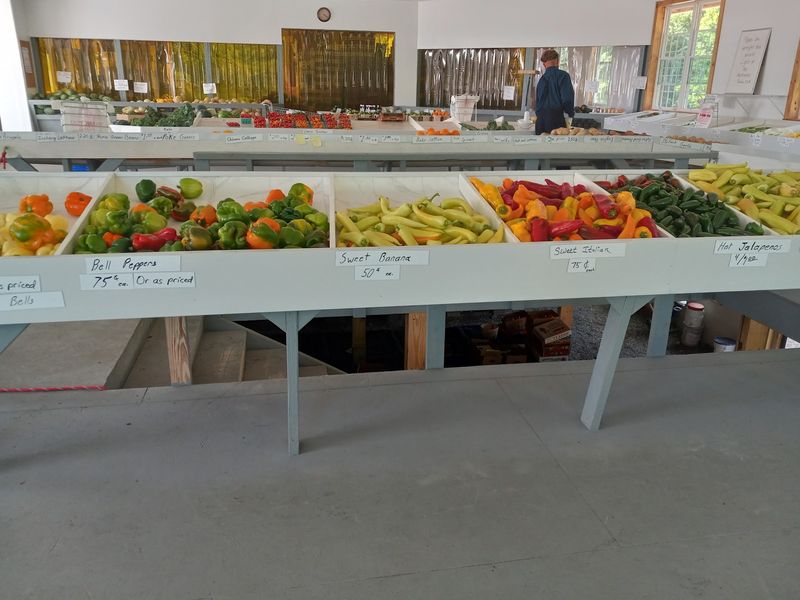
The building is simple. The road is quiet.
The operation belongs to around sixteen local Mennonite families. Yet cars keep arriving, including shoppers from DeKalb and Cherokee counties and places even farther away.
Then the reason becomes obvious. Warm bread.
Fresh melon. Tomatoes with actual flavor.
A cart starts filling up very quickly when the food does not feel like an ordinary supermarket purchase.
Produce Picked So Recently It Still Smells Like The Field
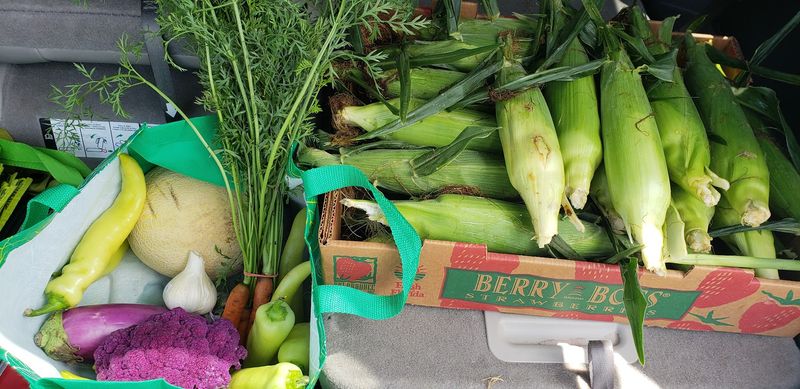
There is a difference between produce that traveled a thousand miles and produce that traveled a few minutes down a country road. The second kind is what fills the tables here, and shoppers notice it right away.
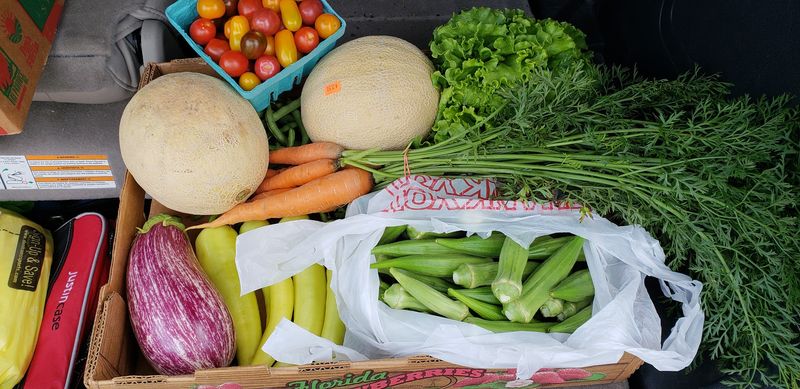
Beefsteak tomatoes sit heavy in the hand. Sweet corn still wears its husk, and okra gets stacked in baskets that get emptied fast.
The selection shifts with the calendar, which is part of the fun. Early spring brings salad greens, radishes, and herbs grown for cool weather.
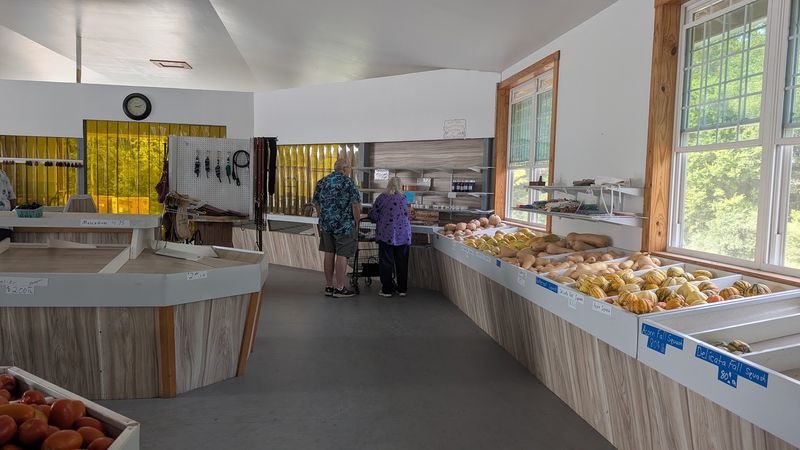
Summer is the big show, with peppers, squash, stone fruits, cantaloupe, and watermelons that shoppers tuck under one arm like a football. By fall, the tables lean toward apples, pears, and storage vegetables that keep well in a cool pantry.
A helpful detail worth remembering: items marked with blue labels are organic, so anyone looking for that can spot it quickly. Everything is grown by the Mennonite families in the surrounding community, so the answer to where it came from is usually just over the hill.
Bring reusable bags or a sturdy box, because it is genuinely hard to leave with only two or three things. Many visitors plan a full week of meals around whatever looks best that morning.
That kind of shopping feels old-fashioned in the best possible way, and it makes dinner planning a little more interesting.
Bread, Cinnamon Rolls, And The Great Morning Race
Ask regulars what sells out first and the answer arrives quickly: the baked goods. Loaves come out fresh, get stacked on shelves, and disappear at a pace that surprises first-timers.
Jalapeno cheese bread has developed a small following, and the heat in it stays gentle rather than sharp. Even people who normally skip peppers end up finishing half a loaf on the drive home.
Sourdough here leans dense and soft instead of tangy, closer to a cultured white loaf than a sour bakery style. Tomato herb bread shows up too, and banana nut and pumpkin breads keep the sweeter side covered.
Cinnamon rolls are the trophy item, and they are typically available on Fridays and Saturdays only. Arriving mid morning is the safest bet for anyone with a roll on their list.
The general rule at this market is simple. Come early, or come prepared to shop whatever is left.
Shoppers who roll in after lunch often find the bread shelves picked clean, along with the sweet corn. Doors open at 9 a.m. most days, and the lot can start filling roughly half an hour before that on Saturdays.
Set an alarm. Grab coffee for the drive.
The reward is a back seat that smells like a bakery the whole way home.
Jars, Jellies, And Sauerkraut Made The Slow Way
Shelves lined with glass jars have a quiet pull, and this market has plenty of them. Jams, jellies, preserves, pickles, salsas, and sauces sit in neat rows with simple labels.
Naturally fermented sauerkraut shows up as well, made the traditional way rather than rushed with vinegar. Sorghum syrup is another staple, poured over biscuits or stirred into baking by folks who grew up on it.
What sets these jars apart is what is missing from them. Many shoppers point out the absence of corn syrup and the long lists of additives found on standard grocery shelves.
Honey turns up too, along with pickled vegetables that make a decent snack straight from the jar. Flavors rotate through the season based on what the gardens and orchards produced that week.
A practical tip for travelers: jars travel well, but they are heavy and breakable. Wrap them in a towel or bring a small cooler with dividers if the drive home is long.
Preserves also solve the gift problem nicely. A few jars in a basket make a thoughtful present, and they last far longer than a bag of tomatoes.
Fall is especially strong for this section, when preserving season is in full swing and the shelves fill up with the results of a busy harvest.
Handmade Leather, Stools, And Little Wooden Whistles
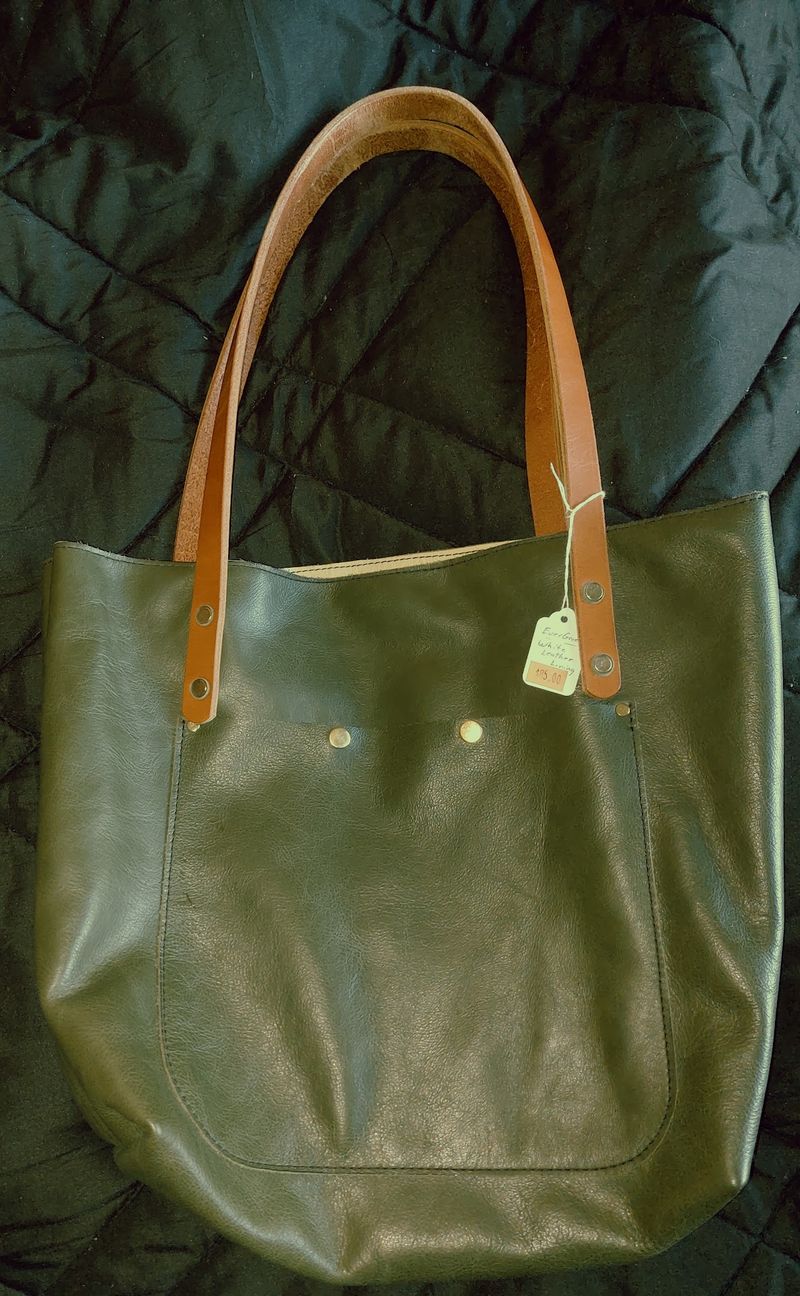
Not everything at the market is edible, and that is a pleasant surprise for anyone expecting only vegetables. Handcrafted goods fill a corner with leather bags, wooden stools, aprons, soaps, and candles.
The leatherwork gets noticed. Bags come lined and finished with care, built to be used rather than displayed.
Small wooden whistles have become a favorite souvenir for kids, though grandparents sometimes regret the purchase about twenty minutes into the drive home. That is part of the charm.
Craftsmanship here reflects the skills of the families who run the market, and each item is made by hand rather than ordered in bulk. A stool built by someone in the community carries a different weight than one pulled off a warehouse shelf.
Aprons and kitchen items pair naturally with the food side of the market. Shoppers picking up bread and jam often walk out with something for the kitchen too.
Spring visitors will also find potted plants and seedlings, which makes the market a handy stop for anyone starting a garden. Tomato and pepper starts tend to move quickly once the weather warms.
Baby chicks have appeared at the market on occasion as well, which delights children and creates a few interesting conversations in the parking lot afterward. Browsing takes time, so leave room in the schedule.
A Mennonite Community You Can Actually Meet
Horse-drawn buggies parked in the shade behind the building tell a good part of the story here. The Old Order Mennonite families who settled on Sand Mountain in recent years run this market themselves, from planting to checkout.
Roughly sixteen families contribute, and the place functions as a hub for the whole group. That shared effort shows in how the market is kept, neat and clean with everything arranged by hand.
Talking with the people behind the tables is part of what makes the trip worthwhile. They know how the tomatoes were grown because they grew them, and questions about crops or canning get real answers.
One important courtesy: photographs of the families are not welcome. Photos of the produce and the building are fine, but pointing a camera at people crosses a line that visitors should respect.
Modest dress is requested as well, out of respect for the community’s beliefs. Nobody enforces a strict code, but arriving thoughtfully dressed goes a long way.
The atmosphere stays friendly and unhurried, even on busy days when carts crowd the aisles. Helpful hands appear when someone looks lost among the baskets.
Seeing horses tied up outside while shoppers load bags into pickup trucks creates a scene that sticks with people long after the groceries are gone.
Cash Only, And Why That Turns Out To Be Fine
Plan ahead on one detail and the whole visit goes smoothly. No cards are accepted here, no tap payments, no apps, just cash handed across the counter.
Plenty of first-time visitors learn that lesson the hard way, standing in line with a full cart and an empty wallet. Hitting an ATM before turning onto AL-71 saves a lot of frustration.
Bring more than expected. Between produce, bread, jars, and whatever catches the eye outside, budgets tend to stretch.
Smaller bills help the checkout move faster, especially during the Saturday rush when the aisles get crowded. Regulars usually keep a set amount tucked in the car specifically for market runs.
The cash-only approach fits the community’s way of doing business, keeping things simple and direct. It also creates a shopping rhythm that feels different from scanning a card without thinking twice.
Prices stay fair, which is one of the most common things shoppers mention. Quality food at reasonable cost is a big reason people drive an hour or more to get here.
Bags are another thing worth packing. Reusable totes, a sturdy box, or a cooler for the ride home all come in handy.
Little bit of preparation, big payoff. The trip works best for people who treat it like a planned outing rather than a spontaneous stop.
Timing The Trip Right On Sand Mountain
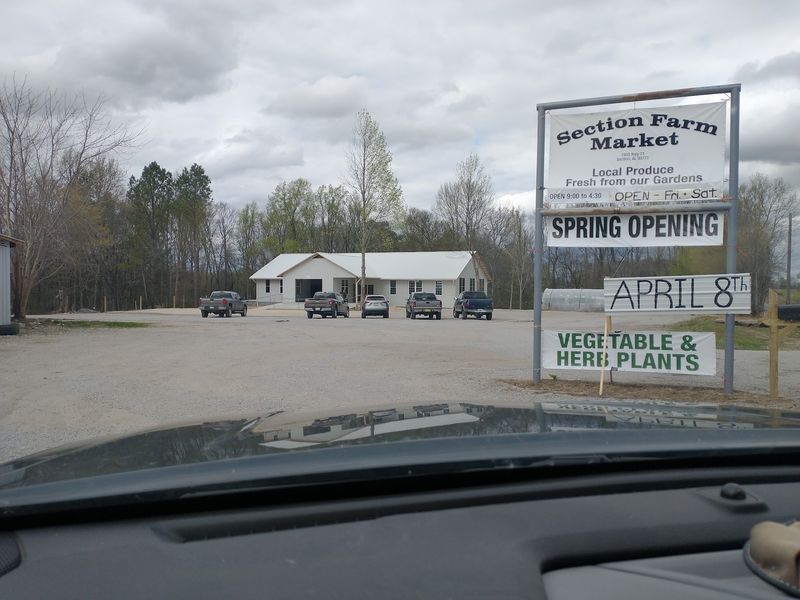
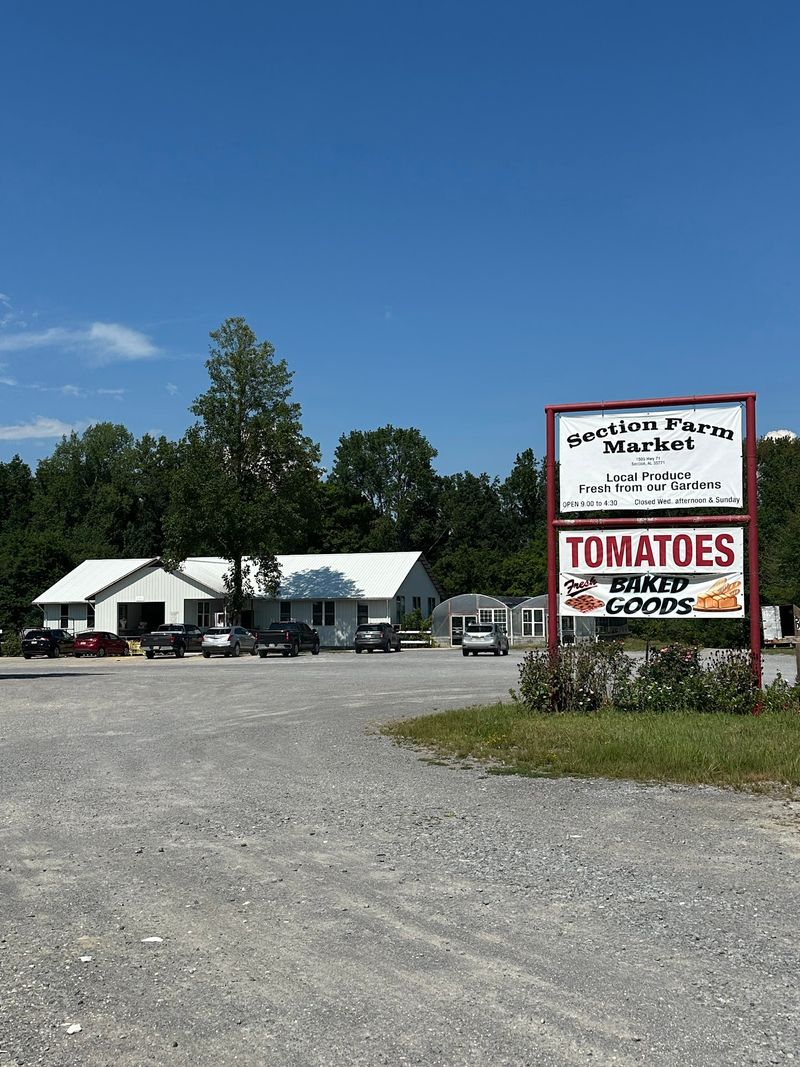
Getting there is half the pleasure, with Sand Mountain farmland rolling past the windows on the way in. The market sits about a mile off Highway 35 on AL-71, an easy landmark once travelers know to look for the line of parked cars.
Hours run 9 a.m. to 4:30 p.m. on Monday, Tuesday, Thursday, Friday, and Saturday, with a shorter Wednesday window from 9 a.m. to noon. Sundays are closed, and seasonal changes can shift things slightly.
Operating season stretches roughly from spring through fall, wrapping up around November. Regular shoppers genuinely miss the place during the winter months.
Saturday mornings bring the biggest crowds, along with the widest selection. Weekday mornings feel calmer for anyone who prefers elbow room while browsing.
A mobile grist mill shows up on occasion, grinding fresh cornmeal and grits right on site. Catching that is a bit of luck, but it makes a good visit even better.
Outdoor tables usually hold something on sale, so walking the perimeter before heading inside is smart. Plants, seedlings, and seasonal odds and ends live out there.
Pair the stop with a drive through the surrounding countryside and the whole morning turns into a proper day trip. Arrive early, move slow, and let the market in Alabama set the pace.
