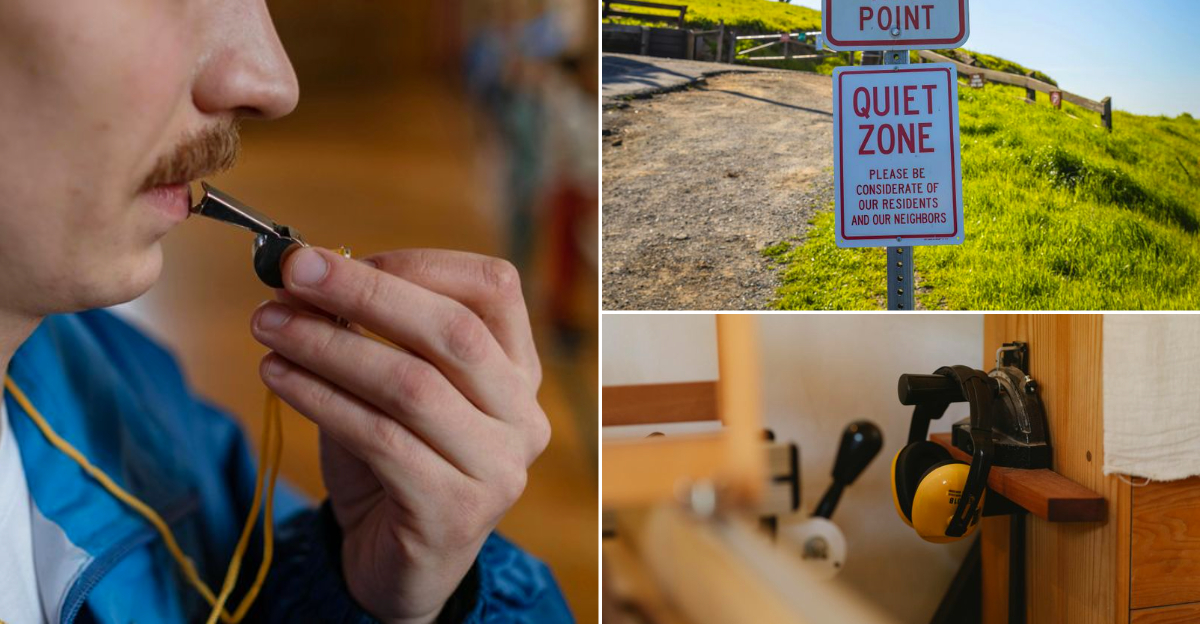
Think a little late-night whistle is harmless fun? In Vermont, a seemingly innocent tune after dark can still get you into hot water.
Some of the state’s old ordinances, rarely enforced but still technically on the books, were designed to maintain quiet in small towns where sound carries across the valleys and streets.
These laws may sound quaint, even humorous, but they reflect a long history of close-knit communities valuing peace and neighborly respect.
In practice, you’re unlikely to get in serious trouble, yet the idea of a tiny whistle echoing through a quiet village feels almost cinematic, like a scene from a forgotten era. For travelers, it’s a reminder that Vermont’s charm includes its pace and silence.
The mountains, covered in snow in winter or lush green in summer, seem to listen. One note too loud, and you become part of a story that blends history, humor, and local caution.
Where The Whistling Story Comes From In Vermont
This whole late night whistling thing did not appear out of thin air, and it did not start as a joke either. It grew from a mashup of old town etiquette, porch talk, and a few real noise complaints that got retold until they sounded like a rule carved in stone.
People repeat it because it is a quick way to say be quiet after dark without turning into a lecture.
It also feels true when you are standing on a sleepy street and your footsteps sound twice as loud as usual.
When someone says you can get in trouble for whistling, they usually mean you can annoy the wrong neighbor and get a visit. They do not mean the state has a special whistle code printed on a plaque.
Stories stick when they travel well, and this one rides easily from town to town.
You hear it in ski shops, trailheads, and general stores when someone asks what the nights are like.
There is also the romance of quiet in Vermont. Folks like that it still gets still, and the legend protects that stillness just enough to work.
So the rumor is not law, but it is a cultural speed bump that slows you down a little. That is why you hear it from locals who care more about sleep than myths.
What Vermont Law Actually Says About Noise After Hours

Here is the part that matters when the sun sets and the sound carries. Vermont does not ban whistling, but it does let communities and officers address unreasonable noise that disturbs the peace.
The framework is built around reasonableness and impact, not some magical list of banned sounds.
If a noise wakes people or disrupts the neighborhood, it can trigger a response.
You will not find a statewide rule that says no whistling after a certain hour. Instead, you will see language about nuisance, disorderly conduct, and quiet enjoyment.
That sounds vague, and it kind of is by design. It gives room to handle different situations without writing a separate rule for every odd sound someone dreams up.
In Vermont, officers tend to start with conversation unless the situation is clearly over the line.
If you bring the volume down or step inside, that usually solves it.
The big takeaway is simple, and it is more flexible than scary. If your sound carries, wakes people, or keeps carrying despite a warning, it can become a legal issue fast.
City Ordinances Versus State Law, Why It Gets Confusing
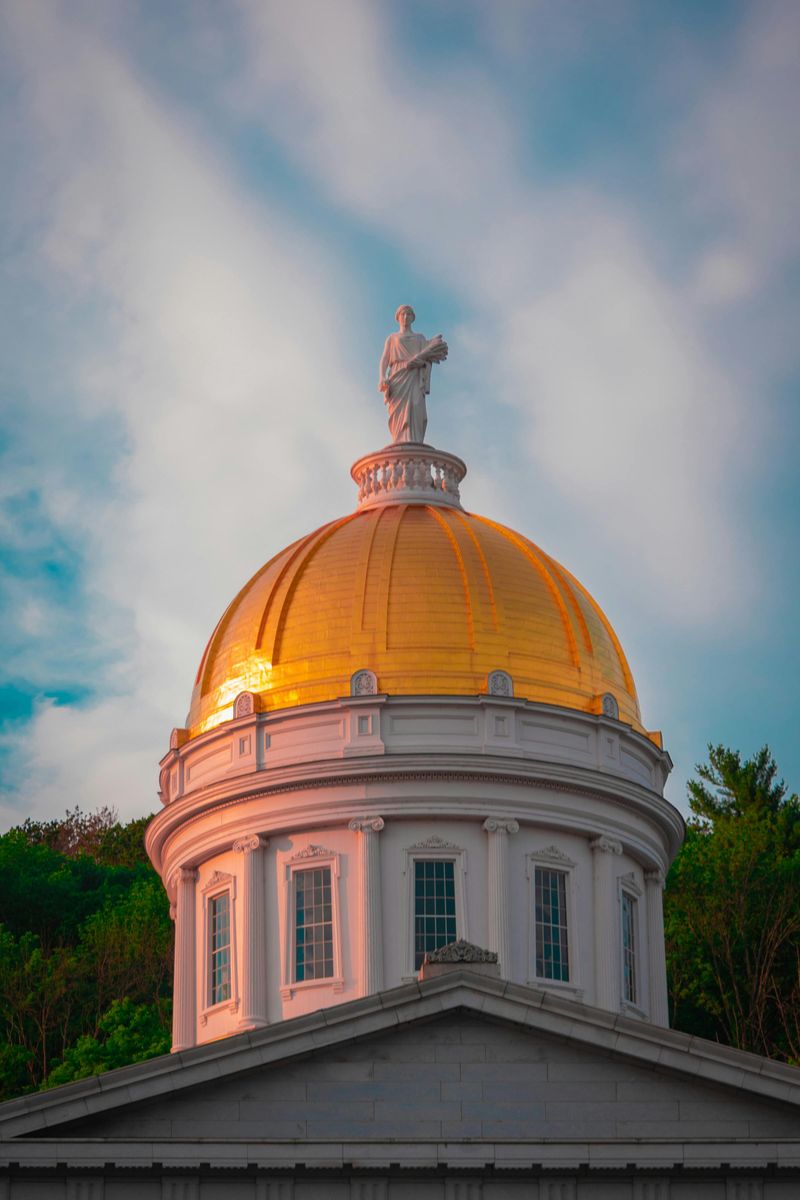
The reason travelers get tangled is that state law sets a broad umbrella while each city or town can tighten things. That means Burlington might spell out quiet hours and penalties differently than Montpelier or Stowe.
Local ordinances can list times, zones, and even specific thresholds or standards.
They might mention residential streets, downtown blocks, or park areas with different expectations at night.
So you cross from one town to another and the rules quietly shift. No one stands at the line waving a sign, and that is where confusion blooms.
Small towns often post summaries on websites or town office boards. You will also see them referenced in rental house rules and campground handouts.
The wording might feel dry, but it is worth a skim when you arrive.
It tells you how they phrase disturbance, what counts as unreasonable, and when quiet hours really begin.
If there is a pattern, it is this balance between courtesy and clarity. Vermont leans on local sense, and that makes reading the local sheet the smartest move.
When A Whistle Becomes A “Noise Issue” In Practice
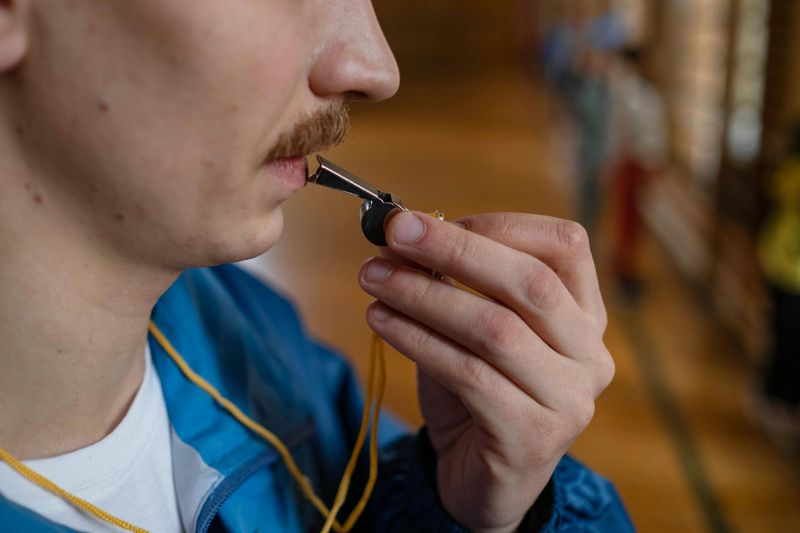
Most of the time it is not the tune that sparks trouble, it is timing, volume, and persistence. A soft few notes while you unlock a door is one thing, and a bright echoing riff at midnight is another.
Context is everything, especially on narrow streets lined with old houses.
Sound reflects off siding, slips through windows, and bounces down the block like a rubber ball.
Enforcement usually starts with a complaint from a neighbor who is awake and annoyed. That can cue a knock, a warning, or a request to keep it down.
If the sound keeps going, it can escalate into a citation under local rules.
No one wants that, including the person writing it.
The practical test goes like this in real life. Would a typical person nearby say that noise is unreasonable for the hour?
If the answer is probably yes, treat it as a noise issue before someone else does.
Vermont nights reward the person who reads the room and lowers the volume.
Quiet Hours In Lodging, Rentals, And Campgrounds
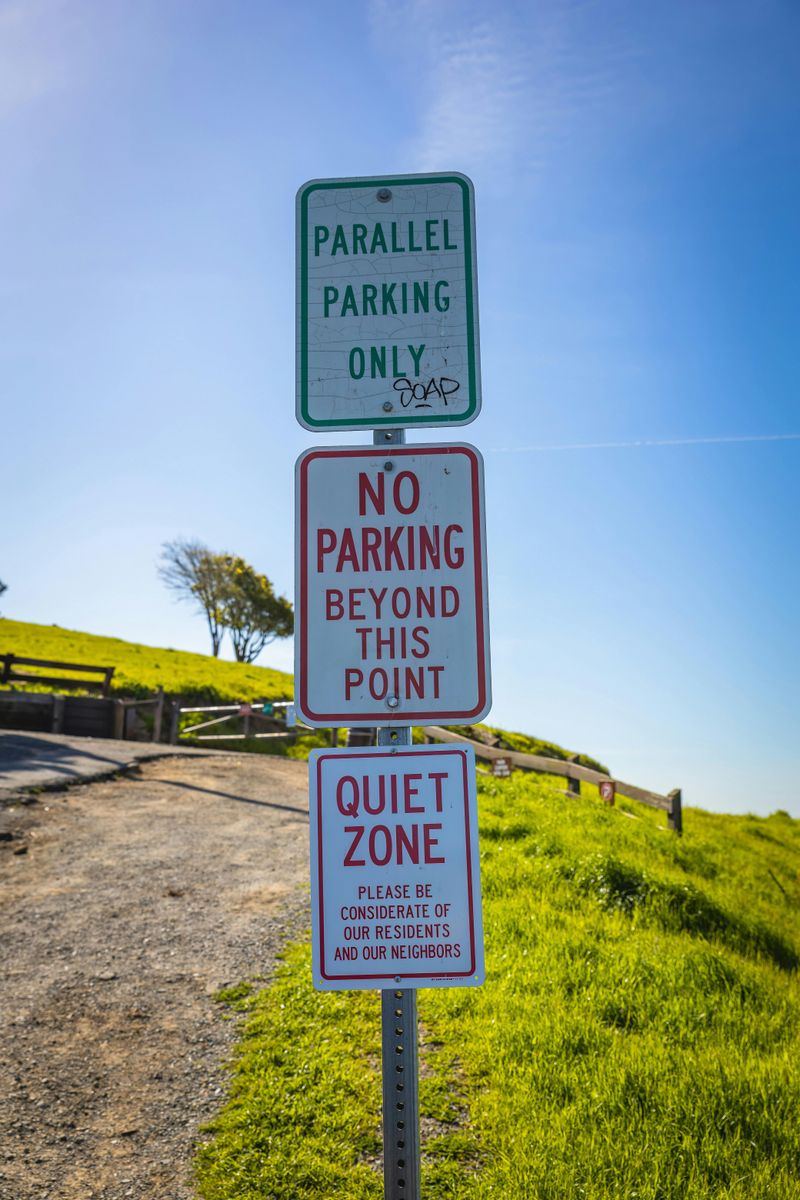
If you are staying in a lodge, rental, or campground, the quiet hour rules are the ones you will feel first.
They are spelled out in welcome binders, check in emails, and the little laminated sheet by the door.
These rules do not care what the sound is called. They care about whether other guests can sleep, and whether the property keeps a peaceful baseline for everyone.
At campgrounds, whispers carry like a radio when the trees go still. A simple whistle can cut across sites faster than regular conversation.
Hosts are not trying to be heavy handed, they are trying to protect rest. They also answer to neighbors and local officers if complaints pile up.
Rentals in Vermont tend to add reminders about porches and parking areas at night.
That is where the sound leaps without you noticing.
If you treat quiet hours as the default once it is late, you will avoid the awkward knock. It also earns you goodwill that makes the whole stay smoother.
Small Town Nights, Why Sound Carries Farther Than You Expect
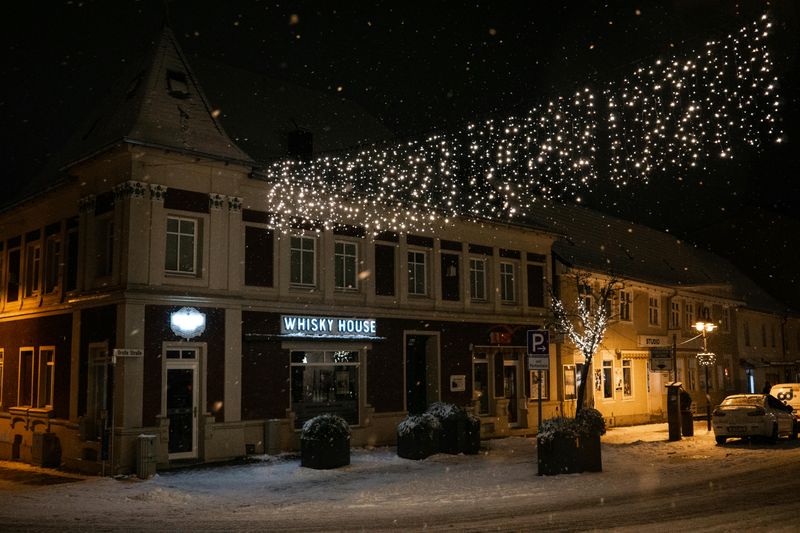
Ever notice how a whisper turns sharp on a cold night, like the air polishes it? Vermont has a lot of those nights, and sound rides that crisp air like a sled.
Empty streets remove the city hum that usually hides small noises.
Without background clutter, your breath, your shoes, and yes, your whistle, stand alone.
In rural pockets, sound can hop across fields and water like skipping stones. It feels impossible until you hear your own voice echo back faintly from a barn.
Hills and valleys do their own tricks with acoustics. You might think you are sheltered, but the slope turns your spot into a little amphitheater.
Even in towns, old buildings can reflect sound in tidy straight lines.
One light trill can end up two blocks away, bright as a bell.
Once you clock that, you will instinctively lower your volume and shorten the notes. Vermont rewards people who listen first and then speak softly.
The Situations Most Likely To Get You Noticed
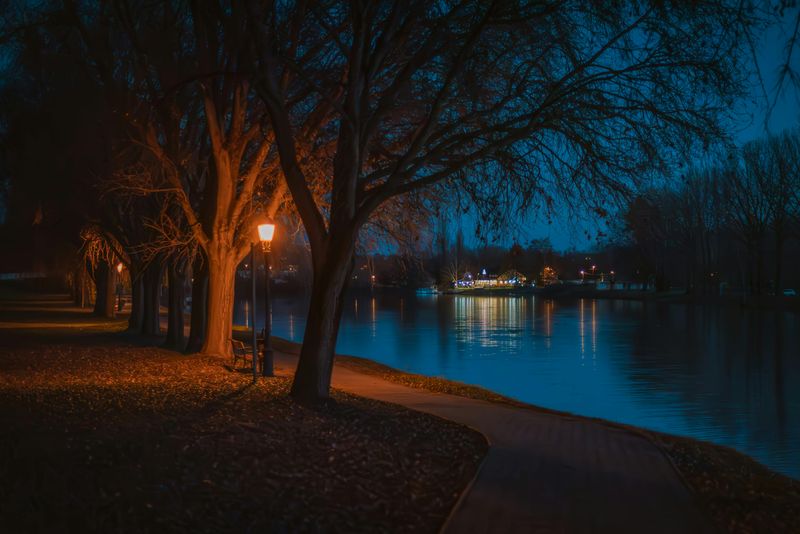
Some moments are magnets for attention, and you can feel it before it happens. Doorways, sidewalks near clustered storefronts, and quiet residential cross streets set the stage.
Late walks by river paths sound dreamy until you hear how the water amplifies a sharp note.
Parking lots with hard surfaces push sound outward like a speaker.
Porches are sneaky because they feel contained and cozy. In reality, they loft sound off the roofline and out into the block.
After events let out, the street flips from lively to empty in a snap. That is when any leftover noise suddenly feels too bright for the mood.
Even small groups can draw eyes if there is one piercing sound.
A quick laugh is one thing, but a repeated whistle cuts through the night.
If you are wondering whether it is the right moment for a tune, it probably is not. Save it for the trail in daylight or the car with the doors closed.
Easy Ways To Avoid Problems Without Overthinking It
Keep it simple and think about distance, direction, and time. If the sound travels far, points toward houses, or happens late, scale it down.
Pick spots with cover like cars, vestibules, or tree lines that muffle and block.
Face away from windows and aim your voice or tune at the ground.
Short bursts are always better than long flourishes. One quick note is easier to ignore than a whole bright melody.
Set a personal quiet hour that starts earlier than you think. Vermont evenings wind down faster than most places, especially outside bigger towns.
Walk as you talk so the sound does not linger in one pocket.
Moving keeps any noise from camping under a single window.
And if you are unsure, test the air with a low word and listen. The night will tell you how much room you have.
What To Do If Someone Tells You To Stop

First move is easy, and it works almost every time. Say thanks for the heads up, apologize once, and bring the volume way down.
Do not debate the finer points of noise definitions in the doorway.
You will both sleep better if the conversation ends quickly and kindly.
If an officer shows up, let them set the tone and answer the questions directly. They are not hunting for a fight, they just want the night quiet again.
Offer a simple plan like heading inside, wrapping up, or changing locations.
Clear steps calm everyone, and it demonstrates you got the message.
Write down any rule they mention so you can check it later. That removes the need to argue while it is late and people are tired.
Staying polite is your best tool in Vermont. It shows respect for the place, and that tends to be returned right away.
Dear Reader: This page may contain affiliate links which may earn a commission if you click through and make a purchase. Our independent journalism is not influenced by any advertiser or commercial initiative unless it is clearly marked as sponsored content. As travel products change, please be sure to reconfirm all details and stay up to date with current events to ensure a safe and successful trip.
