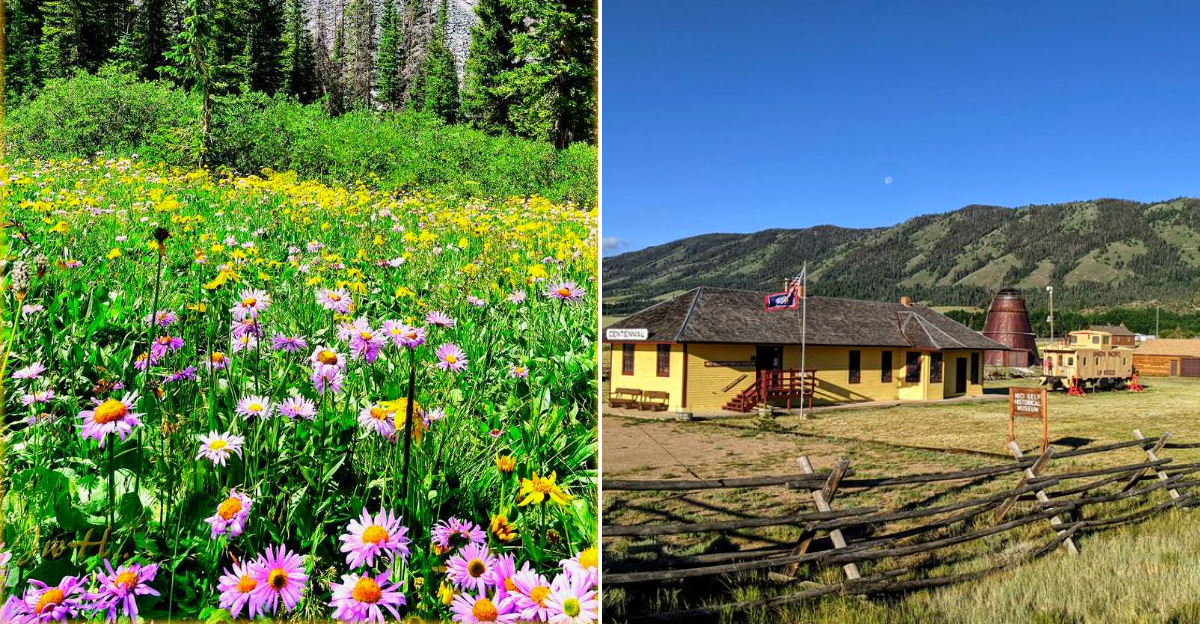
I stumbled into Centennial one early June, and the place hit me like a painter’s palette spilled across the valley.
Fields shimmered with wildflowers in colors I did not know existed, and the air smelled like honey and sage.
Locals here treat the village like a secret garden, and with good reason. The crowds that discover it too quickly can crush the calm, trample the blooms, and change the rhythm that has kept this place magical for generations.
Walking along quiet trails, you see why they guard it. Every bend in the creek and every hilltop meadow feels curated by time itself.
It is a rare spot where the world slows, and the flowers set the schedule. Visiting here is more than a photo op. It is a lesson in patience, reverence, and learning to watch without touching too hard.
A Tiny Mountain Village Surrounded By Alpine Wildflowers
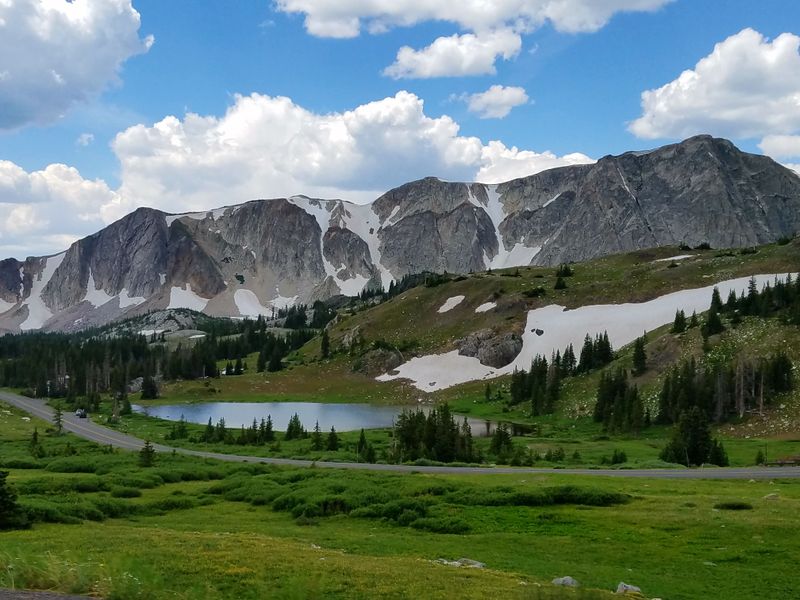
You pull into Centennial and it honestly feels like the brakes whisper first. The town sits small and steady under the Snowy Range, like it learned long ago to keep its voice low.
Wildflowers gather around the edges, not staged, not landscaped, just drifting where wind and snowmelt said yes.
You notice them in the little gaps between buildings and along the fencelines that locals maintain without fuss.
It does not read as a destination signboard. It reads like a neighborhood that happens to bloom.
Medicine Bow National Forest leans right there, and the line between village and meadow feels soft. That nearness is the charm and the problem, because beauty here has no gate.
Parking is short, streets are narrow, and shoulders are fragile. You can tell the place was made for neighbors to wave, not for crowds to idle and spill.
Stand near the old storefronts and you hear trucks, birds, a light clink of tools.
You also hear restraint, like even the wind knows not to push.
If you wander, step where gravel already sits. If you stop, keep tires on pavement and boots off the flowered fringe.
It all works when visitors treat the town like someone’s front yard. You are close to the meadows, but you are closer to people’s lives.
A Short Bloom Season That Draws Outsized Attention
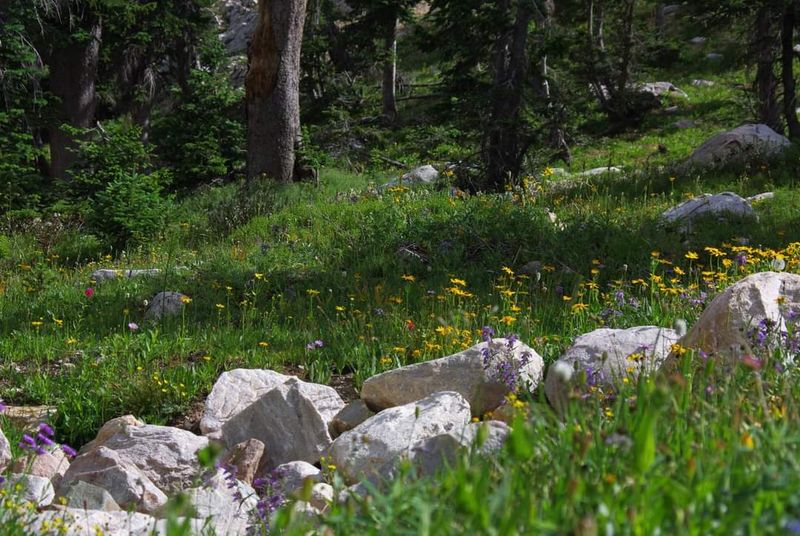
The bloom window up here is brief, the kind you could miss by a workweek or a stubborn cold snap. That shortness is exactly why the rush happens when color hits.
People track reports like weather. Photographers watch road cams, swap notes, and drop everything the minute the meadows pop.
The thing is, plants that take all year to push through snow can crush with a single careless step.
Those slow roots need the whole growing season to recharge, and there is not a spare day built in.
In Wyoming, alpine doesn’t mean resilient. It means disciplined and delicate at the same time.
When the season is that tight, the footprint feels loud. One tripod scuff on damp tundra leaves a mark for seasons.
You feel it near Centennial as cars stack along Route 130 and people fan out. The meadow asks for light feet and fewer of them at once.
Locals time errands to avoid the surge. They love the flowers too, but they learned to visit off-peak or at dusk when the ground is cooler.
If you catch the color, stay on rock or durable trail. Let the petals have their brief show without turning the stage to mud.
Snowy Range Meadows Locals Quietly Protect
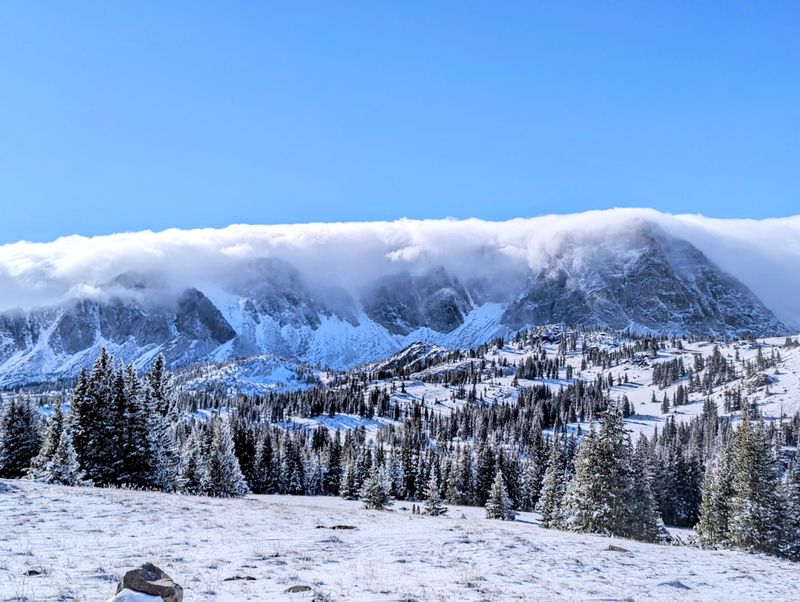
You know those places where the quiet itself feels like a fence? The meadows west of Centennial give off that energy in a big, subtle way.
Locals do not post speeches about it. They just move gently and expect you to read the room.
Mirror Lake and the turnout near Lake Marie sit close to the road, which sounds convenient.
It also means the first step off pavement can land on fragile turf.
When you see bare dirt webs between clumps of flowers, that is not a trail. That is a scar forming, tiny but multiplying if people chase angles.
You can still get a view without walking through the middle. Find rock, old snow patches, or the packed line everyone already uses.
Some summer days, rangers speak softly to groups and point instead of scolding.
That tone matches the place, and it works when visitors listen.
Wyoming feels big until you realize these meadows are not. They are pockets barely thick enough to survive wind, sun, and boots.
If you pause, you will hear water under the grass like a slow clock. That sound is the reason to step light and leave no new path behind.
Unmarked Trails That Aren’t Meant For Crowds
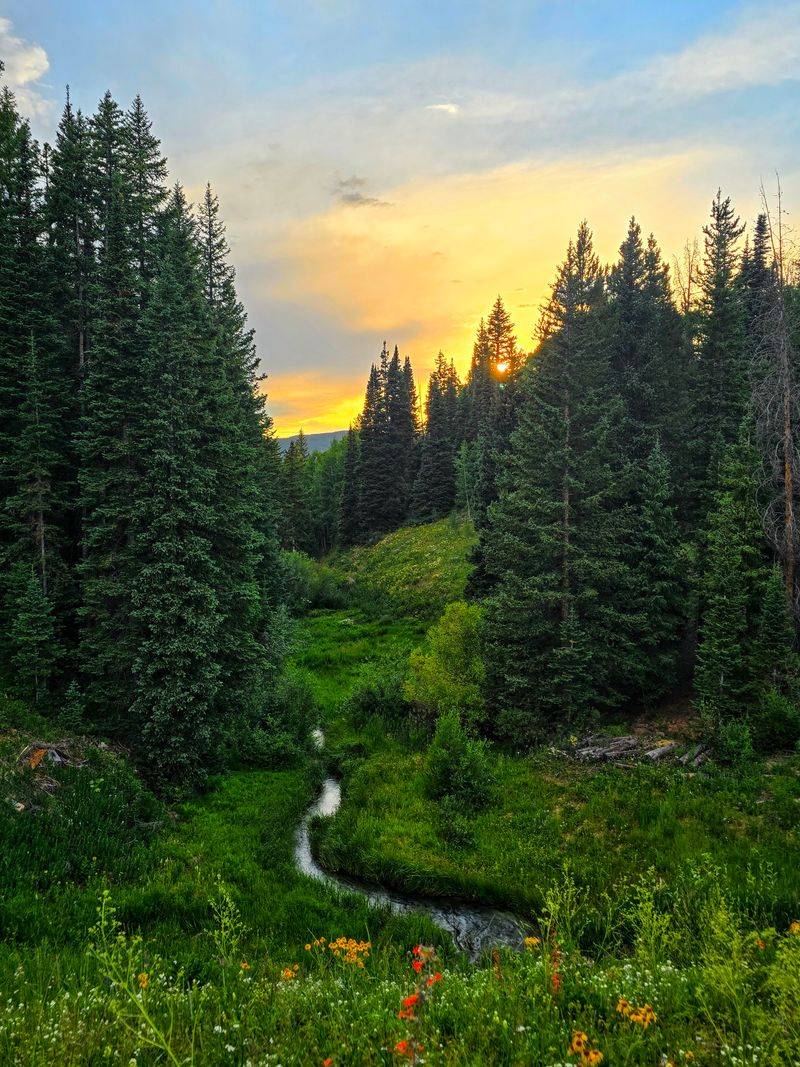
Some paths here are lines locals follow from habit, not from a sign.
They exist because one careful pair of boots chose the same rocks for years.
When a route is not formal, it cannot handle a pack of people. It widens, braids, and eventually chews the roots that held it together.
In the forest edges above Centennial, you will notice threads that look tempting. They often connect cabins, work roads, or quick access spots to check fence or water.
Those are not public shortcuts. They are practical paths, fragile as lace when many feet arrive at once.
If you are unsure, default to designated trails on maps or kiosks. Medicine Bow has plenty that were built to take pressure.
Wyoming trail work is no small lift at altitude. Crews fight thaw, runoff, and the freeze that splits rock like wedges.
When a footpath is not posted, treat it like someone’s driveway without a mailbox.
You can admire it and still pass by.
It is amazing how fast a clean thread turns to muddy rope. Stick to the marked lines and the unmarked ones can stay what they are.
Foot Traffic That Can Undo Years Of Regrowth
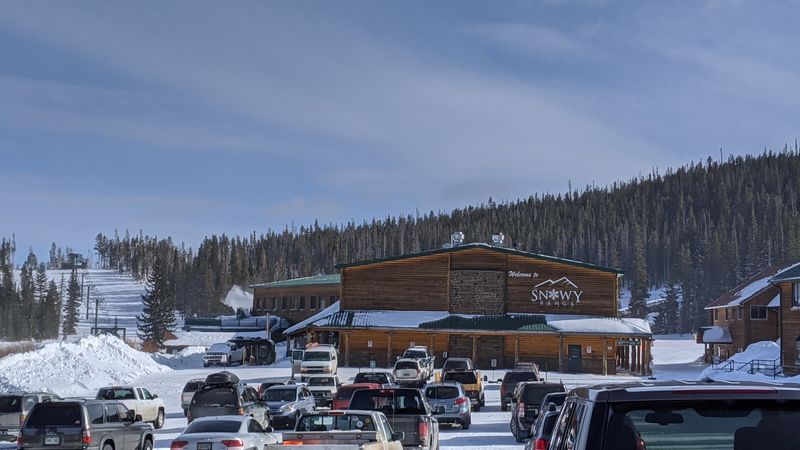
Here is the hard truth nobody likes hearing. One careless loop off trail can set back a patch that took years to stitch itself whole.
Alpine turf is like a living quilt held together by roots as fine as hair.
When it tears, water finds the seam and pulls.
Up by the pullouts on the Scenic Byway you can see it clearly. The ground dips where people stepped for a quicker look and never knew what they unbuttoned.
Regrowth in Wyoming’s high country is slow and seasonal. If the window closes before plants reseal the spot, snow will work that gap all winter.
That is why locals look wary when a group spreads for selfies. They have watched one season’s excitement become next season’s erosion gully.
It is not about being precious. It is about knowing how thin the margin is between bloom and bare.
Stay on rock, old snow, or durable gravel whenever you can.
If a photo requires stepping into mossy cushion, it is the wrong photo.
Leave the meadows able to ignore you after you leave. That is the quietest gift you can give a small place.
Photographers Searching For Perfect Color Without Context
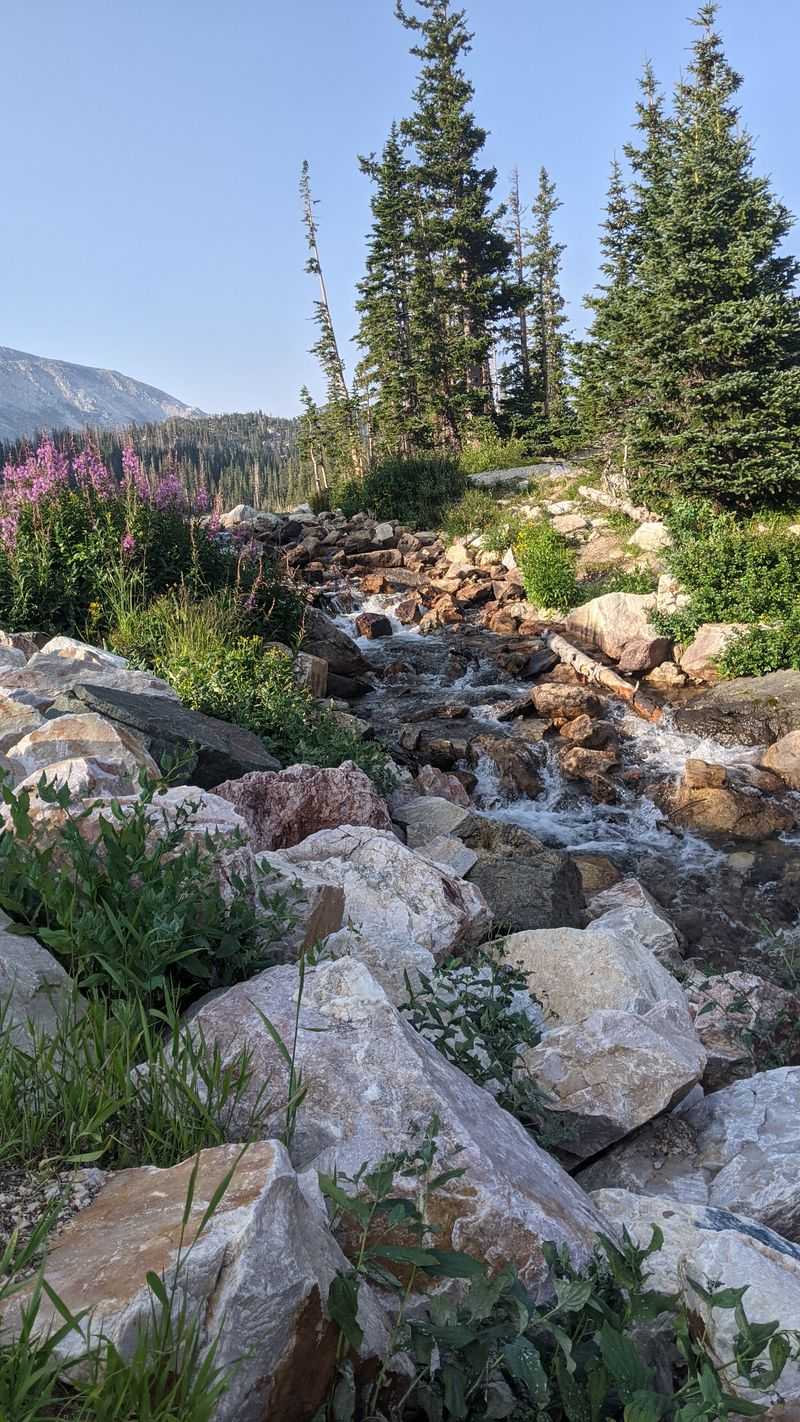
You can spot the hunt a mile away, the slow pan and the hopeful squint. I get it, the color here flips a switch in your chest.
But without context, the chase can turn clumsy. Tripods wander, feet creep, and that last step costs more than the shot is worth.
Centennial sits close enough that sunrise and sunset feel easy.
Easy turns risky when the light fades and you cannot see what you are stepping on.
Rocks are your friends, and so is a longer lens. Let the flowers stay in their bed and pull the frame to you.
Ask locals where to stand and they will likely point to durable spots. They may not share every angle, and that is not stingy, it is stewardship.
Wyoming skies can change quick, which is half the magic. It is also the reason to plan your line back to pavement before blue hour.
Pack out little things like lens tissues and tape bits.
The meadow remembers everything we drop, even the invisible stuff.
Come home with the photo and a clean conscience. That always prints better than footprints across the bloom.
A Downtown That Was Never Built For Tourism
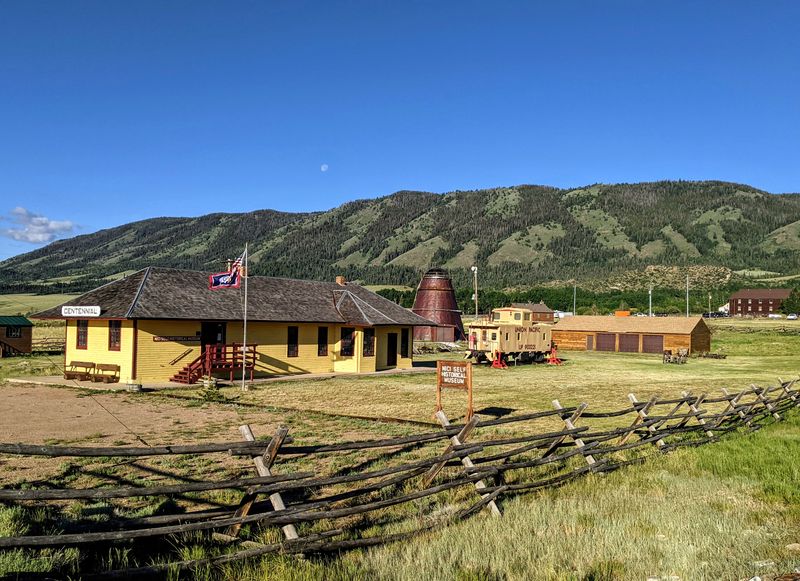
Downtown here is short, honest, and busy with regular life. It was put together for neighbors and work, not tour buses and overflow lots.
When cars stack along the shoulder, everything slows in the wrong way.
Deliveries get tight, locals loop wider, and the whole rhythm tilts.
Sidewalks are minimal and crosswalks are human courtesy. You read the flow by watching how folks move, not by following a painted line.
Wyoming towns like this keep the scale that still fits a handshake. That is the charm and the limit, both at once.
If you need to stop, pull all the way in and tuck small.
If there is no room, come back later instead of building your own space.
Noise carries far when the buildings sit low. Voices bounce off the storefront glass and keep going.
If you wander with a camera, point it with grace. People live and work here, and not every porch wants to be scenery.
Let the downtown breathe while you pass through. The mountains are the drama, the village is the home.
Why Locals Avoid The Village During Peak Bloom
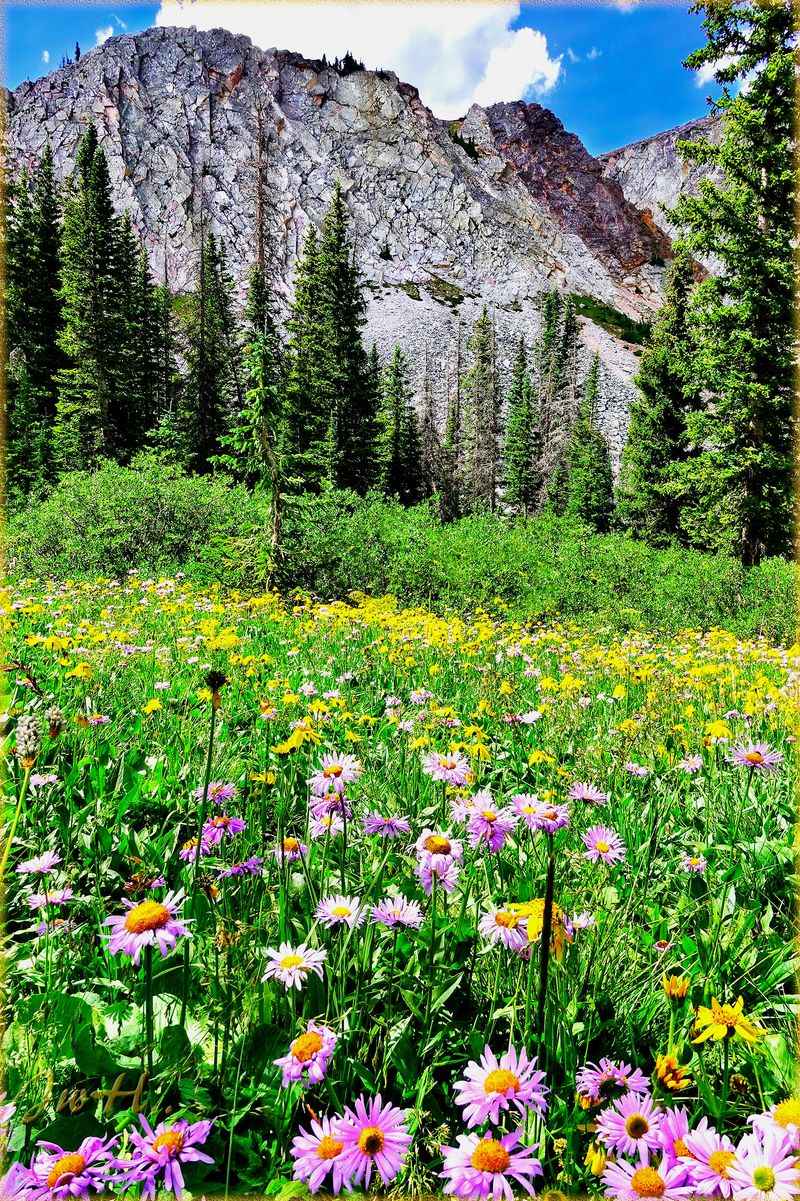
It surprises visitors when locals skip town on peak-color weekends. They are not anti-flower, they are simply pro-peace.
Folks time grocery runs and hardware pickups for off hours.
They learned the seams of the season the way others learn tides.
Peak bloom changes how a small place feels, even if it looks pretty. Every driveway turn becomes negotiation when shoulders are packed.
Some head toward Laramie for a bit, others tuck into back roads they know well. The goal is to keep daily life from stalling while the meadows glow.
Wyoming residents are used to distance and patience. They are also practical about avoiding unnecessary knots in the day.
If you notice town feels emptier than the overlooks, that is by design. It is a gentle way of sharing space without confrontation.
Visitors can match that by arriving early, leaving early, and keeping plans light.
Let the village breathe around you rather than through you.
The flowers will not mind if you admire them from a step back. People will thank you without saying a word.
The Fear Of Becoming Another Overrun Mountain Stop
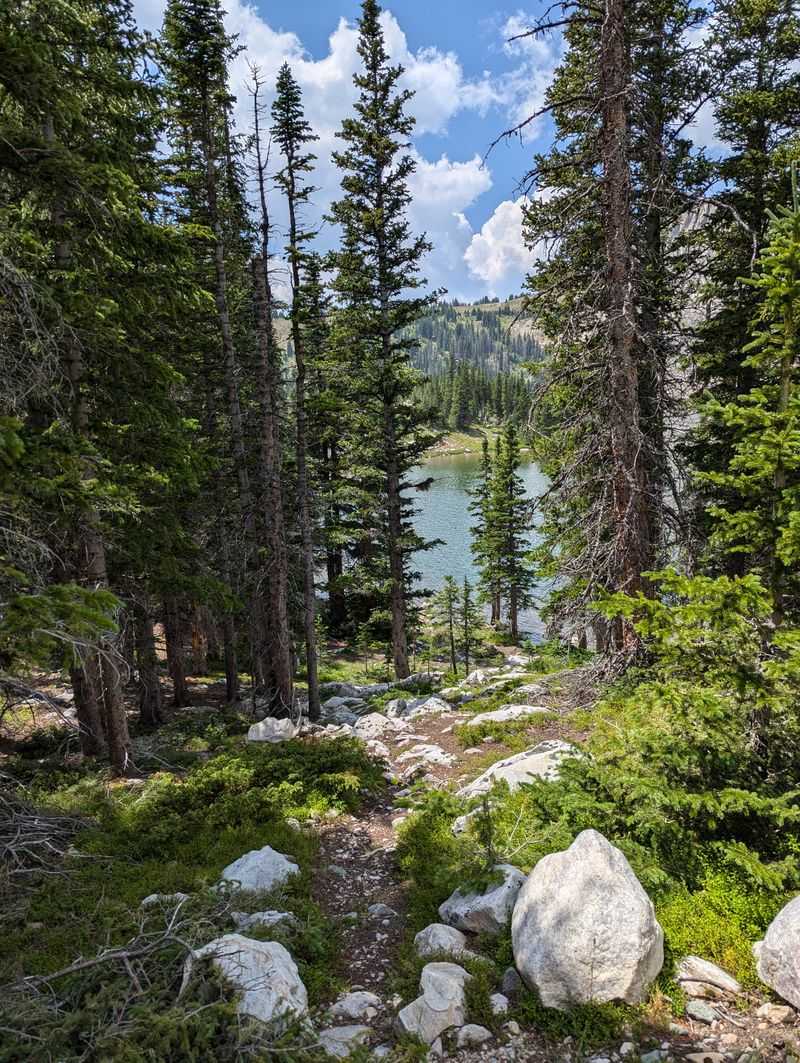
There is a story everyone here has heard about a place that got too famous. It starts with a feature, then a flurry, then a flood.
Once the pullouts overflow, shoulders collapse and mud replaces grass.
The photos stay pretty while the ground underneath gives up.
Centennial watches that arc like a weather pattern. The mountains cannot move to make room, so people have to.
Wyoming has room, but not always where we want it. Alpine lines are narrow by design, carved by ice and time, not parking studies.
Locals would rather keep the welcome soft than put up fences. They know the friendliest word sometimes is restraint.
When folks ask where to find the secret meadow, the answer is usually the mapped one.
Better to love a place that can take it than break the one that cannot.
If you want the quieter angle, go at odd hours and carry patience. The shot matters less than the shape you leave behind.
Places survive press when visitors practice humility. That is the whole fear, and also the fix.
How Silence Became The Best Form Of Protection
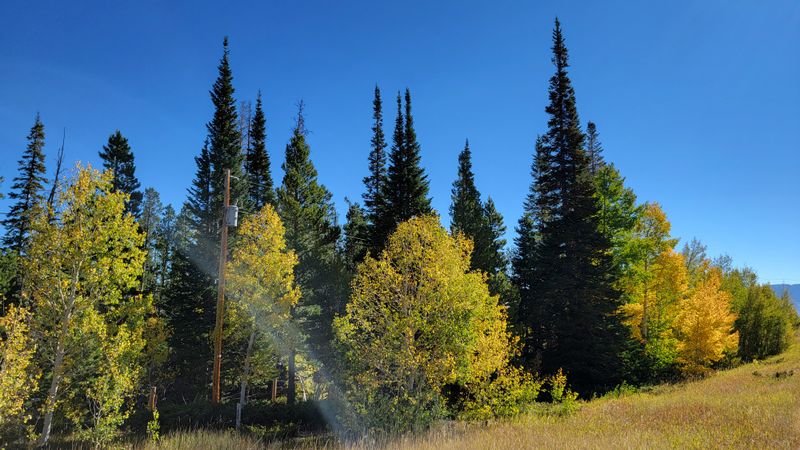
Sometimes the kindest thing you can do is talk softer about a place you love.
Around Centennial, that became the unspoken rule.
People share directions like you would hand someone a fragile cup. They keep it close and only pass it when they trust the grip.
Silence here is not gatekeeping, it is gardening. Fewer footsteps mean more petals next season and a cleaner creek all year.
Wyoming teaches patience because weather does. The landscape learned to last by pacing itself, and people followed.
So when someone asks for hot tips, locals pause. They point to trailheads everyone already knows and say, start there.
It sounds boring until you notice what survives.
Meadows do better when attention lands on places built to catch it.
If you visit, let your photos carry coordinates in your heart, not your captions. Share the feeling, not the pin.
That quiet can sound like care when it reaches the next person. It keeps the village small and the summer bright.
Dear Reader: This page may contain affiliate links which may earn a commission if you click through and make a purchase. Our independent journalism is not influenced by any advertiser or commercial initiative unless it is clearly marked as sponsored content. As travel products change, please be sure to reconfirm all details and stay up to date with current events to ensure a safe and successful trip.
