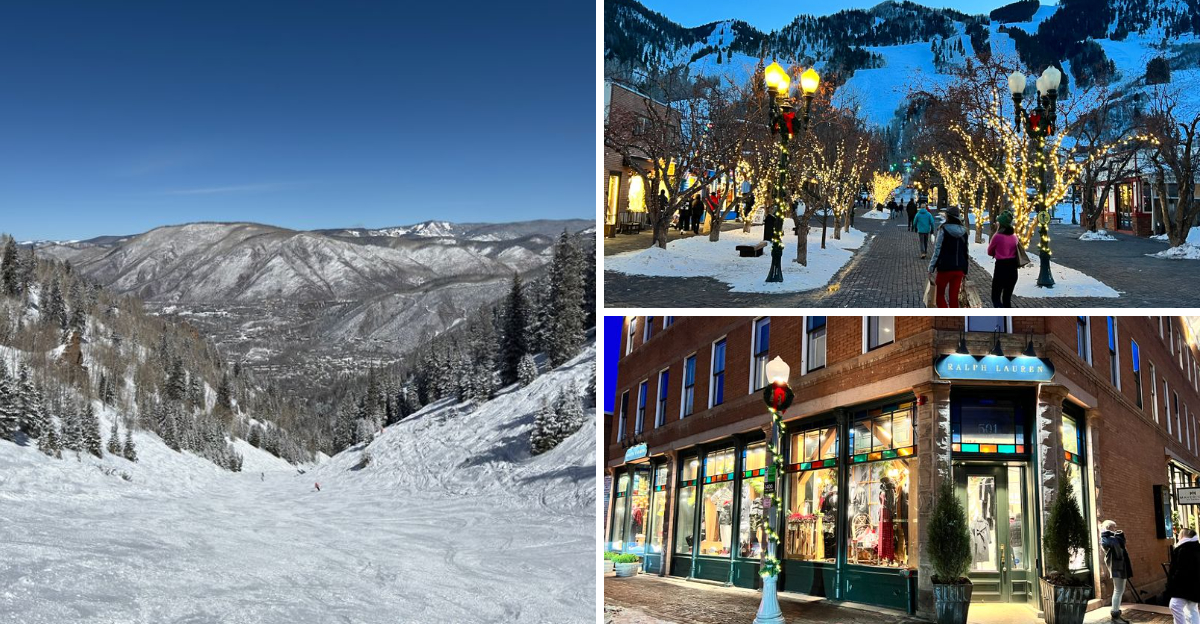
Aspen sits high in Colorado’s Rocky Mountains, where snow-dusted peaks frame Victorian buildings and world-class ski slopes attract visitors from around the globe.
This former silver mining town has transformed into one of America’s most exclusive winter destinations, drawing crowds eager to experience its legendary powder, upscale dining, and mountain charm.
But when holiday season arrives, the peaceful rhythm of local life gets disrupted by an overwhelming surge of tourists who flood the streets, slopes, and restaurants.
Understanding why residents feel frustrated during these busy weeks reveals important insights about balancing tourism with community needs in mountain resort towns.
Traffic Congestion Turns Simple Errands Into Hour-Long Ordeals
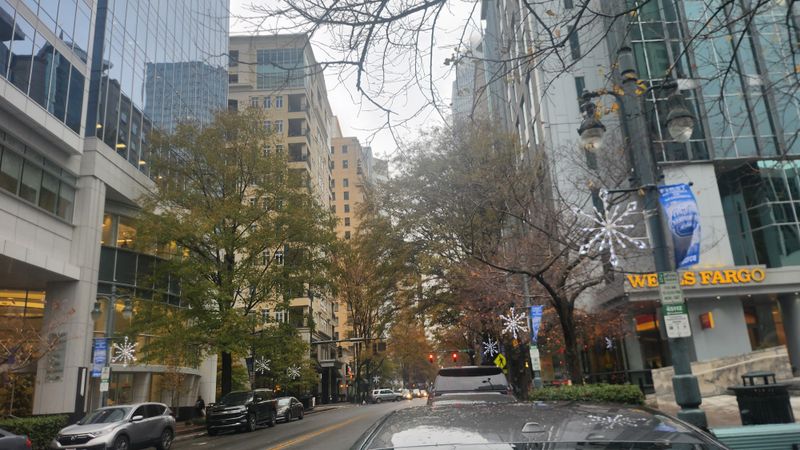
Getting to the grocery store shouldn’t feel like planning a military operation, but that’s exactly what happens when tourists descend on Aspen during the holidays.
Main Street transforms from a manageable thoroughfare into a parking lot where rental SUVs inch forward at a glacial pace.
Locals who normally zip to work in ten minutes suddenly find themselves stuck behind out-of-state license plates for forty-five minutes or more.
Highway 82, the primary route into town, becomes especially nightmarish as visitors unfamiliar with mountain driving navigate icy curves with excessive caution.
Residents trying to reach medical appointments or pick up children from school often miss their commitments entirely because they underestimated holiday traffic.
Parking spots that locals rely on disappear completely, forcing them to circle blocks repeatedly or park miles from their destinations.
The roundabouts near the Aspen Recreation Center become scenes of confusion as tourists pause mid-circle, unsure which exit leads to their luxury accommodations.
Even quick trips to drop off mail or grab coffee require strategic timing and backup plans.
Emergency vehicles struggle to navigate the clogged streets, raising serious safety concerns for the entire community.
Workers who commute from downvalley towns like Basalt or Carbondale face even worse conditions, sometimes adding two hours to their daily drive.
The frustration builds day after day as locals sacrifice personal time sitting in traffic caused by visitors who treat mountain roads like theme park attractions.
What used to be a peaceful mountain drive becomes an exercise in patience that tests even the most laid-back residents.
Grocery Stores Run Out of Basic Necessities While Tourists Stock Vacation Rentals
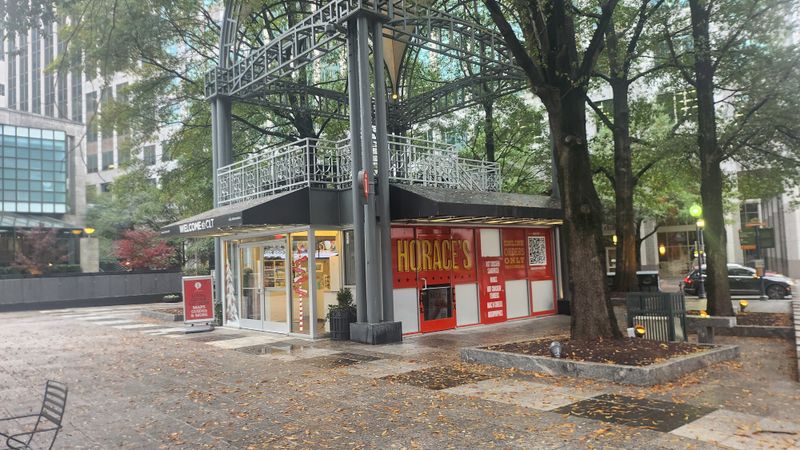
Walking into City Market on a December afternoon reveals shelves picked clean of milk, bread, eggs, and other staples that locals depend on for daily meals.
Tourists renting large homes for the week arrive in groups and buy groceries in bulk, treating the local supermarket like a wholesale warehouse.
Families who’ve lived in Aspen for generations suddenly can’t find their regular brands or basic ingredients for dinner.
The produce section looks like a disaster zone by mid-afternoon, with only bruised apples and wilted lettuce remaining.
Store employees work overtime trying to restock, but delivery trucks can’t keep pace with the holiday demand surge.
Locals who work full-time jobs only have evenings to shop, precisely when the shelves look most depleted.
Popular items like organic milk, gluten-free products, and fresh vegetables vanish within hours of stocking.
The frustration intensifies when residents realize they must drive to Glenwood Springs, nearly 40 miles away, just to buy normal groceries.
Checkout lines stretch to the back of the store, with tourists loading multiple carts while locals wait impatiently with just a few items.
Some visitors treat grocery shopping like entertainment, leisurely browsing aisles and blocking access for people trying to quickly grab necessities.
The pharmacy section faces similar shortages, making it difficult for residents to refill prescriptions or buy basic medical supplies.
This pattern repeats every holiday season, yet grocery chains seem unwilling to adjust their ordering systems to accommodate the predictable tourist surge.
Restaurant Reservations Become Impossible for Local Celebrations
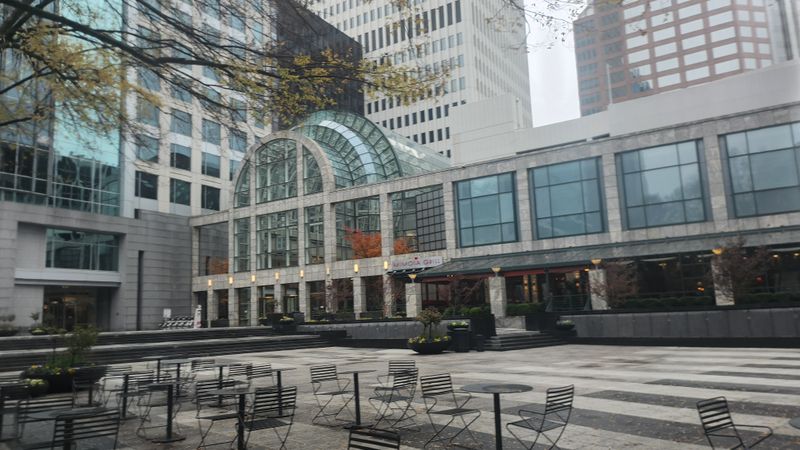
Imagine planning a birthday dinner at your favorite restaurant only to discover every table is booked solid for three weeks straight.
Aspen’s dining scene, featuring establishments like Matsuhisa at 303 East Main Street and Cache Cache at 205 South Mill Street, becomes completely inaccessible to locals during the holidays.
Tourists book reservations months in advance or use concierge services to secure tables, leaving no availability for residents.
The restaurants that locals have supported year-round suddenly prioritize visitors who drop thousands of dollars on wine and multi-course meals.
Even casual spots like pizza joints and burger places implement wait times exceeding two hours.
Families hoping to celebrate anniversaries, graduations, or simple weekend dinners find themselves completely shut out of the dining scene.
Some restaurants don’t even answer phone calls from local numbers, assuming tourists will spend more money.
The few establishments that do accommodate walk-ins have lines stretching down the block in freezing temperatures.
Locals who work in the service industry face the bitter irony of serving tourists in restaurants they can’t afford to eat at themselves.
The sense of community that once existed around shared meals and favorite gathering spots evaporates during the holiday rush.
Residents feel like strangers in their own town, unable to access the social spaces that define Aspen’s culture.
This exclusion from dining experiences creates a tangible divide between those who live here and those who simply vacation here.
Ski Lift Lines Stretch for Hours as Tourists Crowd the Slopes
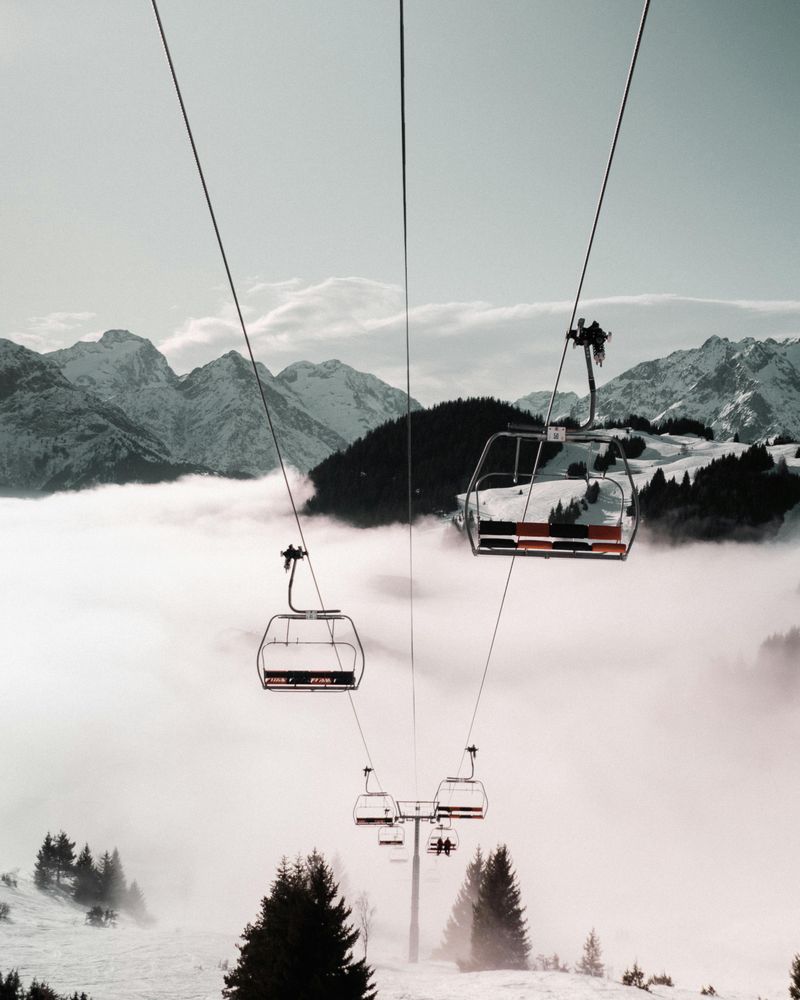
Local skiers who’ve been carving Aspen Mountain’s slopes since childhood now face 90-minute waits just to catch a single lift.
The holiday influx transforms peaceful powder days into frustrating cattle calls where thousands of people jostle for position.
Aspen Skiing Company operates four mountains in the area, but even that capacity can’t handle the December and January tourist surge.
Residents who purchased expensive season passes expecting easy access find themselves competing with beginners who stop mid-run and create dangerous obstacles.
The Silver Queen Gondola, which normally provides quick access to the summit, becomes a test of patience as tourists struggle with equipment and slow the loading process.
Expert terrain that locals rely on for quality skiing gets tracked out by noon because of the sheer volume of people on the mountain.
Ski patrol spends more time managing crowded runs than maintaining safety, increasing risks for everyone.
The lodges at mid-mountain become so packed that locals can’t find space to take a quick break or eat lunch.
Bathroom lines rival those at major sporting events, turning a simple biological need into a 20-minute ordeal.
Locals who work irregular schedules and can only ski on weekends face the worst conditions when tourist numbers peak.
The joy of living in a world-class ski destination diminishes significantly when accessing the slopes requires military-level planning and endless waiting.
Many residents simply give up on skiing during the holidays, waiting until February when tourist numbers decline and the mountains feel accessible again.
Housing Rentals Prioritize Short-Term Tourists Over Long-Term Residents
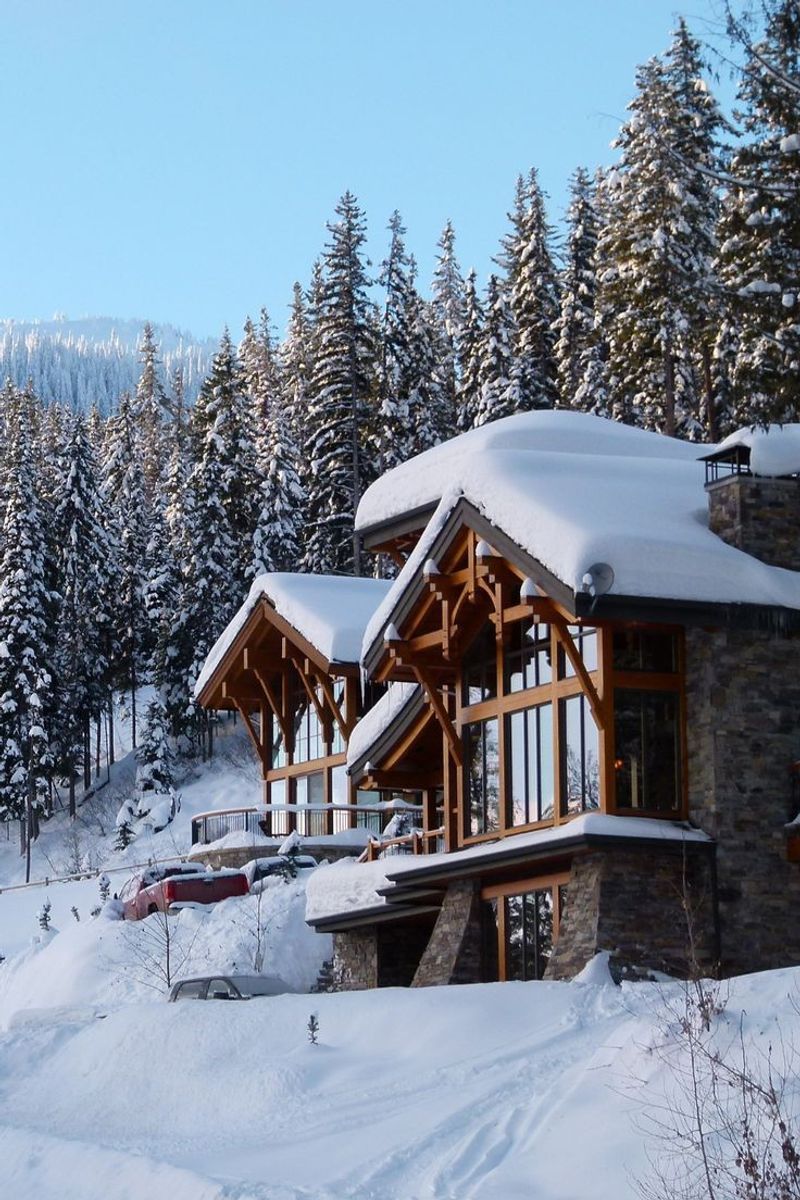
Property owners in Aspen increasingly convert long-term rentals into lucrative short-term vacation accommodations, squeezing out the workforce that keeps the town functioning.
A two-bedroom apartment that might rent for three thousand dollars monthly to a local can generate fifteen thousand dollars per week during the holidays.
The math is simple and brutal for residents who need stable housing but can’t compete with tourist rental rates.
Teachers, nurses, ski instructors, and restaurant workers find themselves priced out of the community they serve.
Some locals resort to living in vans or cramming multiple roommates into tiny spaces just to maintain employment in Aspen.
The housing crisis intensifies during the holidays when property owners evict long-term tenants to capitalize on peak tourist season.
Residents receive 30-day notices in November, forcing them to find new accommodations during the most expensive and competitive time of year.
Downvalley towns like Basalt, Carbondale, and even Glenwood Springs face similar pressures as displaced Aspen workers seek affordable alternatives.
The commute from these towns adds hours to already exhausting work schedules, especially when combined with holiday traffic congestion.
Young families who grew up in Aspen find it impossible to raise their own children here because housing simply doesn’t exist at reasonable prices.
The community’s character changes fundamentally when the people who create its culture can’t afford to live within its boundaries.
This housing imbalance creates resentment toward tourists who unknowingly benefit from a system that displaces the very people serving them.
Entitled Behavior and Disrespect for Mountain Town Culture

Wealth and privilege sometimes manifest in behaviors that clash sharply with the down-to-earth values that originally defined Aspen’s mountain community.
Tourists park illegally in handicapped spots or fire lanes, assuming money can excuse them from basic rules.
Locals witness visitors snapping fingers at servers, demanding immediate attention as if mountain hospitality exists solely for their convenience.
The Wheeler Opera House at 320 East Hyman Avenue, a historic landmark built in 1889, becomes a backdrop for selfies rather than a cultural institution worthy of respect.
Some tourists treat Aspen like a theme park designed for their amusement rather than a real community where people live, work, and raise families.
Locals encounter visitors who complain loudly about minor inconveniences while displaying zero awareness of their impact on the town’s infrastructure.
Dogs run off-leash in prohibited areas, expensive cars block narrow streets, and trash accumulates in public spaces as tourists ignore basic courtesy.
The casual mountain culture that values outdoor ethics and community connection gets trampled by conspicuous consumption and self-centered behavior.
Residents who politely ask tourists to follow local customs or regulations often face hostility or dismissive attitudes.
Some visitors seem genuinely shocked that locals might have opinions or needs that matter in their own hometown.
This cultural disconnect creates daily friction that wears down even the most patient residents.
The frustration stems not from tourism itself but from the failure of some visitors to recognize they’re guests in someone else’s home.
Environmental Impact From Excessive Resource Consumption
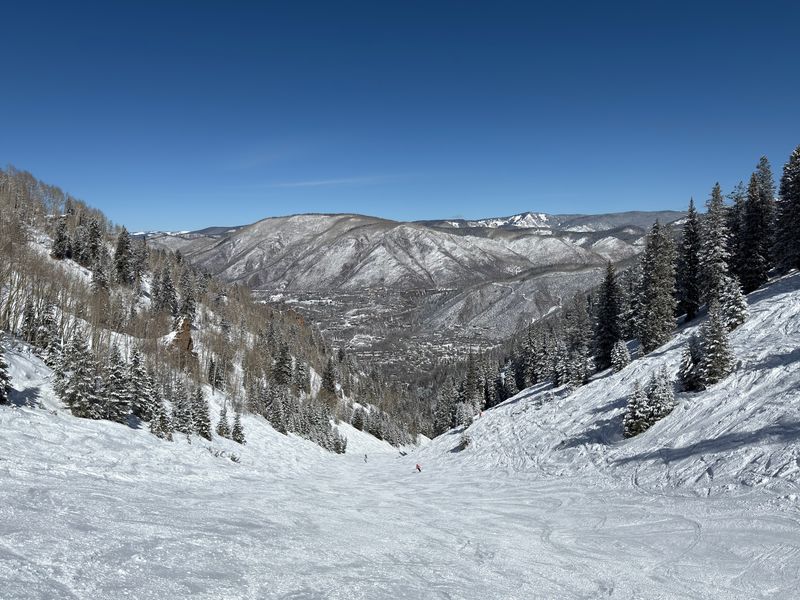
Aspen’s fragile mountain ecosystem struggles under the weight of holiday tourist numbers that strain water, electricity, and waste management systems beyond their designed capacity.
Vacation rentals run at full capacity with guests taking multiple hot showers daily, leaving lights blazing, and cranking heat to tropical temperatures while windows stay open.
The town’s water treatment facilities work overtime processing sewage from a population that temporarily triples or quadruples.
Trash collection can’t keep pace with the volume of waste generated by tourists who discard packaging, food scraps, and consumer goods at alarming rates.
Recycling bins overflow with improperly sorted materials because visitors don’t understand or care about local waste management protocols.
The Roaring Fork River and surrounding wilderness areas show increased pollution and disturbance during peak tourist seasons.
Wildlife patterns shift as human activity expands into previously quiet zones, stressing animal populations already challenged by climate change.
Locals who’ve committed to sustainable living practices watch helplessly as tourists undo their conservation efforts through thoughtless consumption.
The carbon footprint from private jets landing at Aspen-Pitkin County Airport contradicts the community’s environmental values and climate goals.
Ski resorts use massive amounts of energy for snowmaking, grooming, and lift operations to satisfy tourist expectations for perfect conditions.
Residents recognize the irony of living in a place celebrated for natural beauty while watching that beauty degrade under tourism pressure.
The long-term environmental costs of holiday tourism create concerns about Aspen’s sustainability and the mountain ecosystem’s future health.
Local Businesses Struggle to Staff Operations During Peak Season
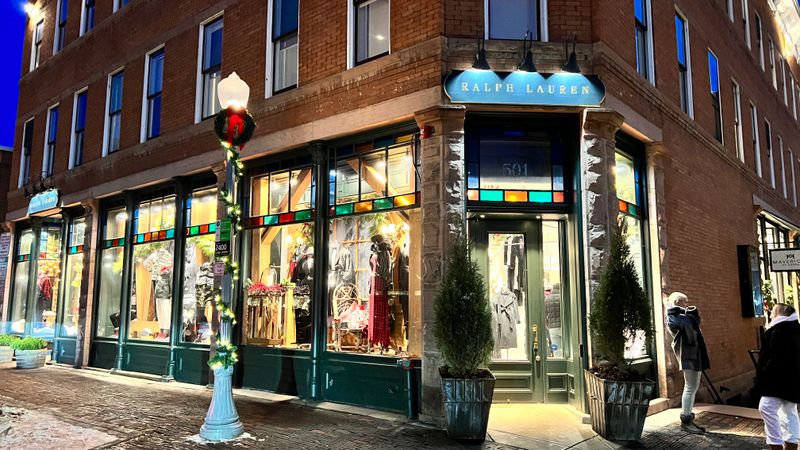
Business owners face a cruel paradox during the holidays when customer demand skyrockets but finding reliable staff becomes nearly impossible.
The housing crisis means potential employees can’t afford to live in Aspen, creating a workforce shortage that cripples service industries.
Restaurants, retail shops, and ski rental operations desperately need extra hands precisely when the labor pool has shrunk to its smallest size.
Employees who do work locally face brutal schedules with double shifts and no days off for weeks at a time.
The stress and exhaustion lead to burnout, mistakes, and declining service quality that affects both tourists and residents.
Some businesses simply close during the holidays rather than attempt operations with insufficient staff.
The Aspen Saturday Market and smaller local shops that residents depend on can’t compete with corporate chains for the limited available workers.
Wages increase dramatically to attract employees, but those costs get passed to customers through higher prices that locals can’t afford.
Young workers who might traditionally fill seasonal positions choose destinations with better housing options and more reasonable living costs.
Business owners who are themselves local residents work 80-hour weeks trying to cover staffing gaps while maintaining quality standards.
The community fabric weakens when small businesses fail or when exhausted workers have no energy left for family, friends, or personal well-being.
This staffing crisis reveals how tourism-dependent economies can become unsustainable when they price out the very workers who make tourism possible.
Emergency Services Face Dangerous Delays Responding to Calls

Fire trucks, ambulances, and police vehicles struggle to navigate streets clogged with tourist traffic, turning medical emergencies into life-threatening situations.
Response times that normally average five minutes can stretch to twenty or thirty minutes when holiday congestion blocks main routes.
The Aspen Valley Hospital at 401 Castle Creek Road treats increased injuries from inexperienced skiers, while simultaneously dealing with delayed emergency transport.
Tourists unfamiliar with pull-over protocols don’t yield properly to emergency vehicles, creating dangerous bottlenecks.
Ski patrol faces challenges evacuating injured skiers from crowded slopes where bystanders interfere with rescue operations.
The single hospital serving the entire Roaring Fork Valley becomes overwhelmed with tourist injuries, reducing availability for local residents with urgent needs.
Volunteer firefighters who respond to calls during the holidays battle traffic just like everyone else, arriving exhausted before even beginning their emergency work.
Search and rescue operations for lost or injured backcountry users increase dramatically as tourists venture beyond their skill levels.
These rescue missions pull resources away from other emergencies and put volunteer rescuers at risk.
Locals worry that a serious house fire or major medical event could result in tragedy simply because emergency services can’t reach the scene quickly enough.
The community’s safety infrastructure was designed for a much smaller population and can’t adequately serve the temporary surge.
Residents feel vulnerable knowing that their access to emergency care depends on tourist traffic patterns and visitor behavior beyond their control.
Public Spaces Lose Their Community Function
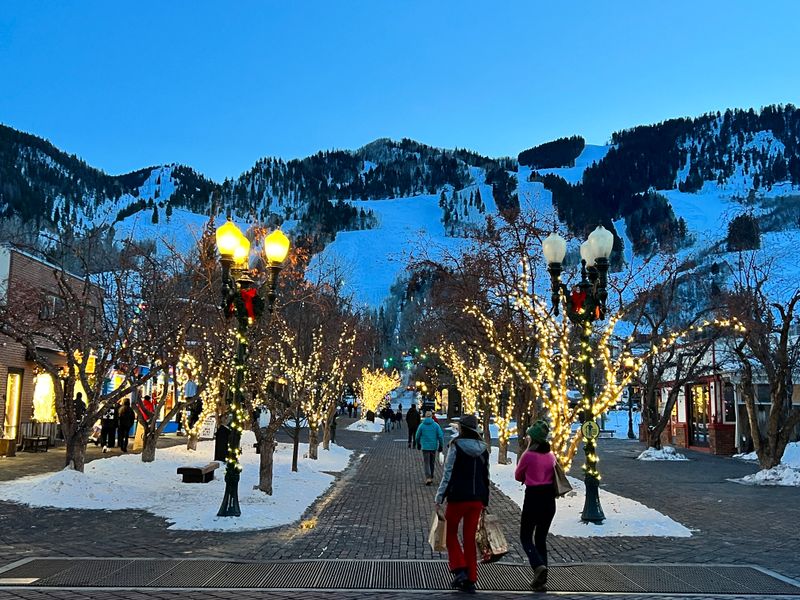
Wagner Park and other public gathering spots that anchor local community life become overrun with tourists treating them like private resort amenities.
Parents can’t take children to playgrounds because visitors occupy equipment for photo opportunities rather than actual play.
The Aspen Recreation Center, located at 861 Maroon Creek Road, becomes so crowded that residents who pay annual memberships can’t access facilities.
Basketball courts, swimming pools, and fitness equipment sit unavailable while tourists on day passes fill every available space.
Local youth sports programs struggle to find practice space because facilities prioritize tourist activities that generate higher revenue.
The John Denver Sanctuary, a peaceful meditation space, loses its tranquility under the weight of selfie-taking crowds.
Benches along the Rio Grande Trail fill with tourists resting between activities, leaving no spots for elderly locals who rely on these rest areas during daily walks.
Dog parks become dangerous as visiting pets unfamiliar with mountain wildlife encounter local animals, creating conflicts and safety issues.
The sense of ownership and belonging that comes from shared public space erodes when residents can’t actually access those spaces.
Community events like outdoor concerts or farmers markets become tourist attractions rather than local gatherings, changing their entire character.
Locals increasingly retreat to private spaces, weakening the social bonds that make small mountain towns feel like genuine communities.
The loss of public space access represents more than inconvenience because it strikes at the heart of what makes Aspen home rather than just another resort destination.
The Economic Benefits Flow Upward While Locals Bear the Costs
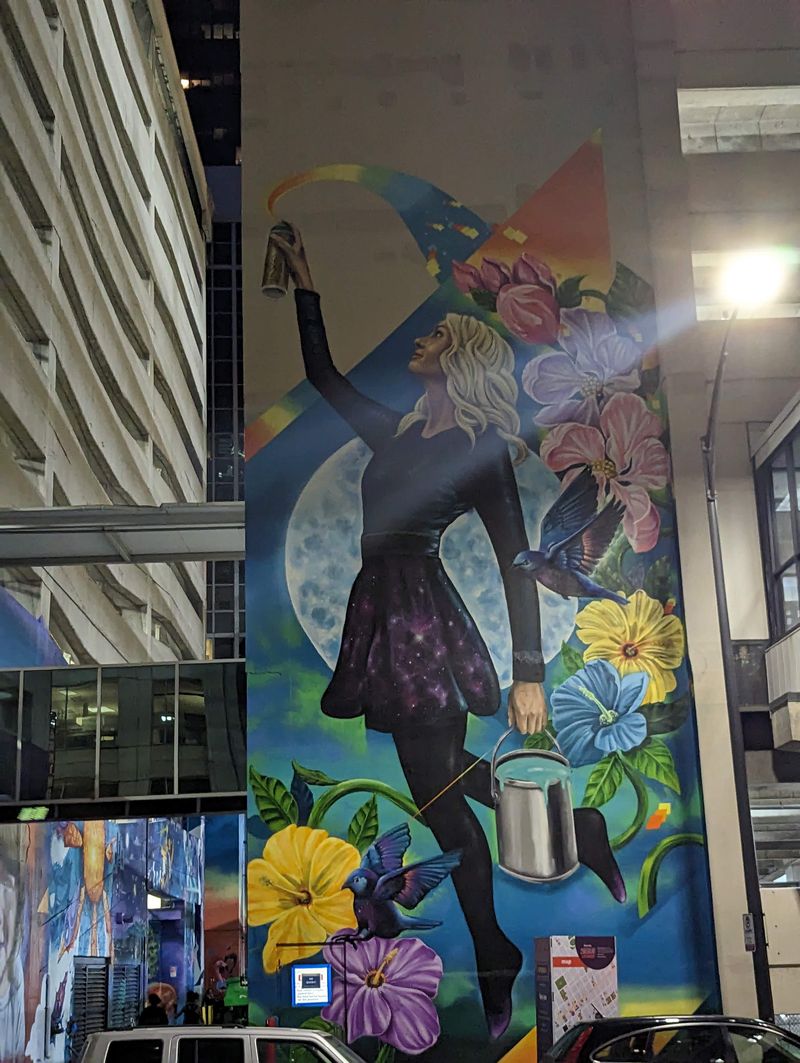
Tourism revenue floods into Aspen during the holidays, but the financial benefits concentrate among property owners, large corporations, and wealthy business operators rather than average residents.
Local workers earn modest wages serving tourists while watching housing costs, groceries, and basic services become increasingly unaffordable.
The Wheeler-Stallard House at 620 West Bleeker Street, a museum showcasing Aspen’s history, tells the story of a mining town built by working people who could actually afford to live here.
That historical reality contrasts sharply with today’s economy where service workers can’t afford rent in the town where they work.
Property tax revenue from expensive homes funds municipal services, but those services primarily benefit tourists rather than year-round residents.
High-end boutiques along Cooper Avenue and Galena Street cater exclusively to tourist budgets, offering nothing practical for locals.
The Aspen Art Museum at 637 East Hyman Avenue provides free admission, yet working residents rarely have time to visit during their limited days off.
Sales tax collected from tourist spending theoretically benefits the community, but infrastructure improvements focus on visitor experience rather than resident needs.
Wealthy second-home owners influence local politics and development decisions despite spending only weeks per year in town.
The economic model treats locals as service providers whose needs matter less than maintaining the luxury experience that attracts high-spending visitors.
This wealth disparity creates resentment as residents sacrifice quality of life to support an economy that doesn’t adequately compensate or value their contributions.
The fundamental question emerges: who is Aspen really for, and can a community survive when its own residents become collateral damage to tourism success?
Dear Reader: This page may contain affiliate links which may earn a commission if you click through and make a purchase. Our independent journalism is not influenced by any advertiser or commercial initiative unless it is clearly marked as sponsored content. As travel products change, please be sure to reconfirm all details and stay up to date with current events to ensure a safe and successful trip.
