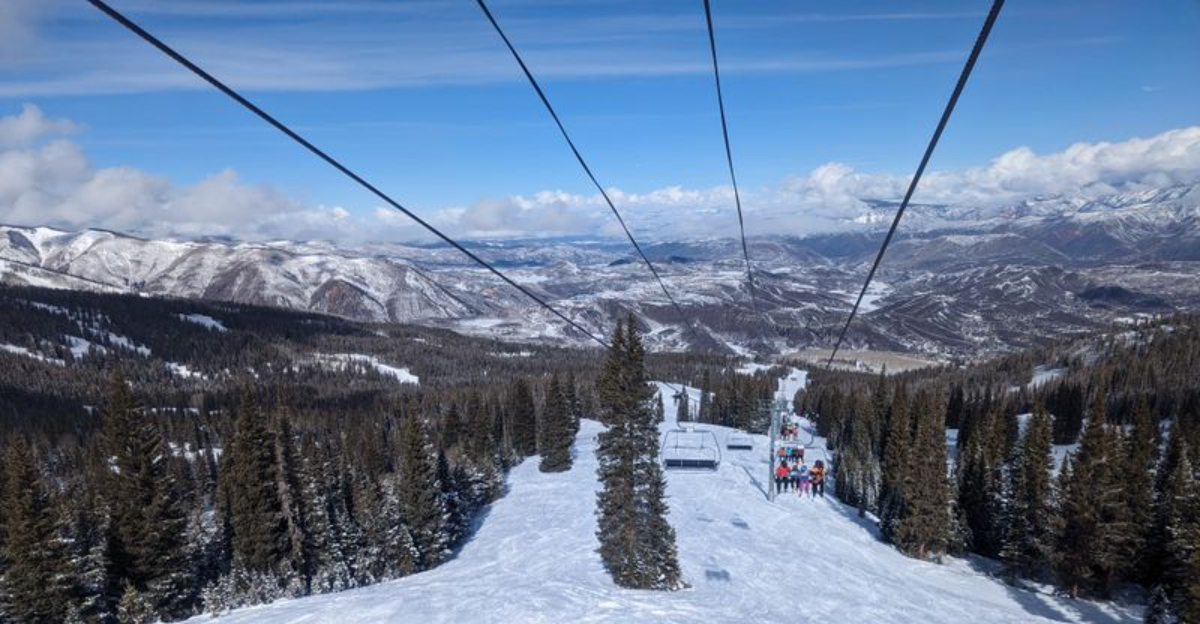
Aspen is one of the most famous ski towns in the entire world, attracting thousands of visitors each winter who come for the powder, luxury, and mountain views.
While tourism fuels the local economy, it also creates real challenges for the people who call Aspen home year-round.
From traffic jams to skyrocketing prices, the ski season brings frustrations that locals know all too well.
Here are ten reasons why Aspen residents often feel overwhelmed when the crowds roll into town.
Traffic Congestion Becomes Unbearable
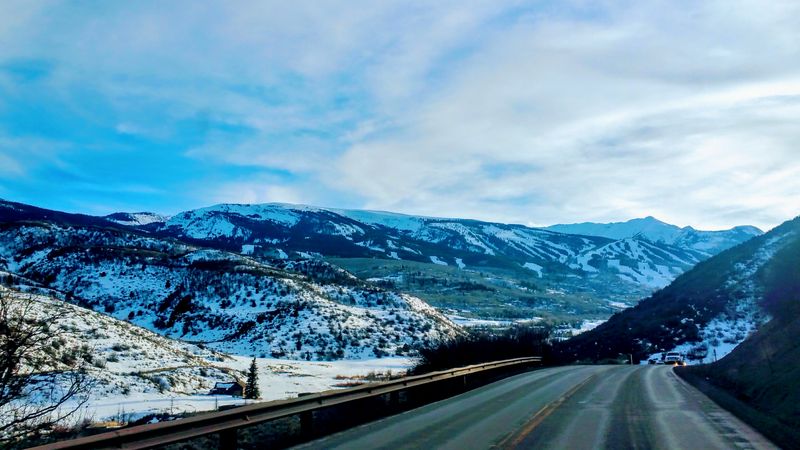
Anyone who lives in Aspen knows that getting around town during ski season feels like navigating a parking lot on wheels.
Main Street turns into a slow crawl of rental SUVs, luxury cars, and shuttle buses all competing for space on roads that were never designed for this volume.
What normally takes five minutes to drive can easily stretch to twenty or thirty minutes during peak hours.
Locals who need to get to work, pick up groceries, or drop kids at school find themselves stuck behind tourists who are unfamiliar with the roads and often driving cautiously on icy conditions.
The roundabouts become bottlenecks, and finding a parking spot near any popular area is nearly impossible.
Highway 82, the main route into and out of Aspen, becomes especially congested on weekends when day trippers and vacation renters flood in from Denver and other cities.
Residents often joke that they need to plan their entire day around avoiding rush hour, which ironically lasts most of the daylight hours during peak season.
Emergency vehicles sometimes struggle to navigate the clogged streets, raising safety concerns.
Public transportation helps, but the buses themselves get stuck in the same traffic.
Many locals resort to biking or walking when possible, even in freezing temperatures, just to avoid the headache of driving.
The frustration builds when visitors park illegally, block driveways, or leave their cars in spots reserved for residents.
For people who live here full time, the traffic congestion is more than an inconvenience.
It disrupts daily routines and makes simple errands feel like major expeditions.
The charm of small-town mountain living fades quickly when you spend half your day idling in traffic.
Housing Prices Skyrocket Out of Reach
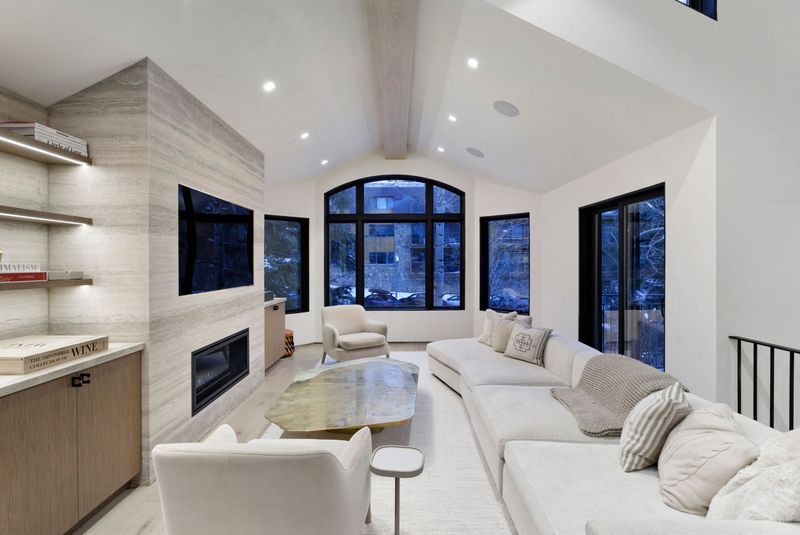
Aspen has become one of the most expensive places to live in the United States, and ski season tourism plays a huge role in driving up those costs.
Wealthy visitors purchase second homes and investment properties, which inflates real estate values far beyond what local workers can afford.
The median home price in Aspen regularly exceeds several million dollars, putting homeownership completely out of reach for teachers, restaurant workers, ski instructors, and other essential community members.
Even rental prices have climbed to astronomical levels, with one-bedroom apartments often costing more per month than many people earn.
Landlords increasingly prefer short-term vacation rentals over long-term leases because they can charge premium rates to tourists.
This trend has shrunk the available housing stock for year-round residents, forcing many locals to move to surrounding towns like Basalt, Carbondale, or even as far as Glenwood Springs.
The daily commute back to Aspen for work adds hours to their day and extra stress to their lives.
Some workers share apartments or houses with multiple roommates just to afford the rent.
The housing crisis has become so severe that local businesses struggle to find employees because workers simply cannot afford to live nearby.
Affordable housing projects exist but have long waiting lists and strict eligibility requirements.
The disconnect between wages and housing costs creates a troubling situation where the people who keep Aspen running cannot afford to live in the town they serve.
Families who have lived in Aspen for generations find themselves priced out of their own community.
The ski season intensifies this problem as property values continue climbing with each passing year.
Restaurants and Shops Prioritize Tourists
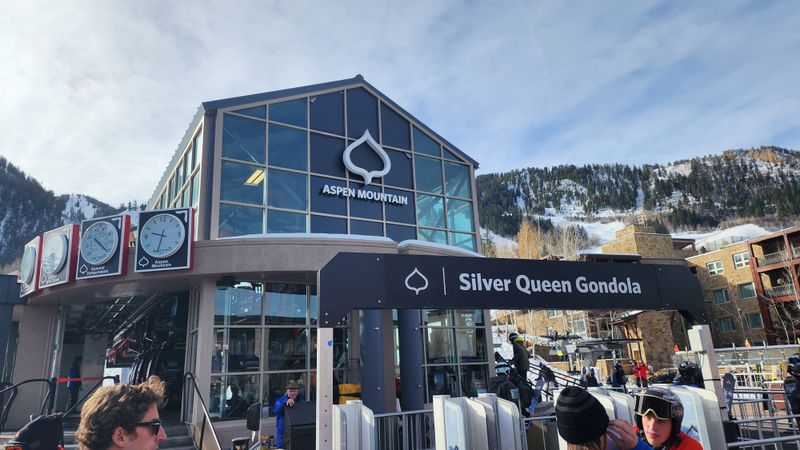
Walking into your favorite local restaurant during ski season often means being told there is a two-hour wait or that reservations were booked weeks in advance.
Many Aspen establishments shift their focus entirely toward tourists who are willing to pay premium prices and leave generous tips.
While this makes business sense, it leaves locals feeling like outsiders in their own town.
Restaurants that once welcomed regulars now cater primarily to visitors who may never return.
Menus get more expensive, dress codes become stricter, and the casual, friendly atmosphere that locals cherished disappears.
Coffee shops that used to be quiet morning hangouts turn into packed, noisy scenes where finding a seat is a challenge.
Retail stores stock items aimed at wealthy tourists rather than practical goods that residents actually need.
Hardware stores and grocery stores remain accessible, but specialty shops, boutiques, and dining spots often feel off-limits during peak season.
Some restaurants even implement policies that discourage locals, such as requiring credit card holds for reservations or imposing minimum spending requirements.
The staff at these establishments, many of whom are locals themselves, get stretched thin trying to serve the massive influx of customers.
Service quality sometimes suffers, and the personal connections between staff and regular customers fade.
Locals miss the days when they could walk into a restaurant without a reservation and be greeted by name.
The commercialization of Aspen dining and shopping creates a sense of displacement.
Residents feel like their town has been transformed into a theme park designed for visitors rather than a real community.
Lift Lines and Slope Overcrowding
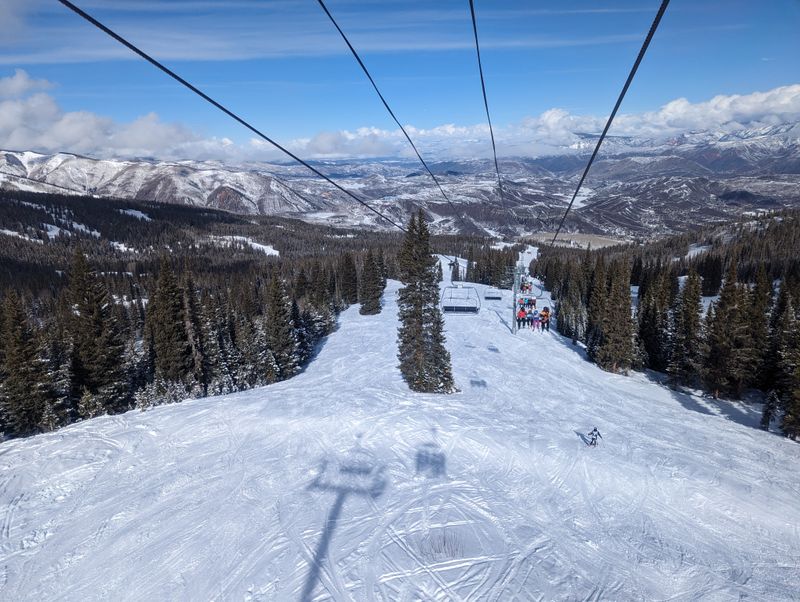
Ironically, the people who live in Aspen and work in the ski industry often have the hardest time actually enjoying the slopes during peak season.
Lift lines that should take five minutes can stretch to thirty minutes or longer when thousands of tourists descend on the mountains.
Aspen Mountain, Snowmass, Aspen Highlands, and Buttermilk all experience significant crowding during holiday weeks and weekends.
Locals who grew up skiing these mountains and know every run by heart find themselves stuck in slow-moving lines behind beginners struggling with equipment.
The slopes themselves become congested with skiers and snowboarders of varying skill levels, creating safety hazards.
Advanced runs that locals prefer get tracked out quickly, and fresh powder disappears within hours of a snowfall.
Finding a peaceful, uncrowded area to ski becomes nearly impossible on busy days.
Many residents adjust their schedules to ski early in the morning or late in the afternoon to avoid the worst crowds.
Some even avoid the slopes entirely during peak season and wait for the quieter spring skiing months.
Season pass holders who paid for unlimited access feel frustrated when they cannot enjoy the mountain without fighting through crowds.
The ski experience that drew many people to live in Aspen in the first place loses its appeal when it becomes a test of patience rather than a joyful activity.
Visitors often lack mountain etiquette, cutting in line, stopping in dangerous spots on the slopes, or failing to yield properly.
Ski patrol stays busy managing accidents and conflicts that arise from overcrowding.
For locals, the overcrowded slopes represent a loss of the freedom and peace that mountain living should provide.
Cost of Living Becomes Unsustainable
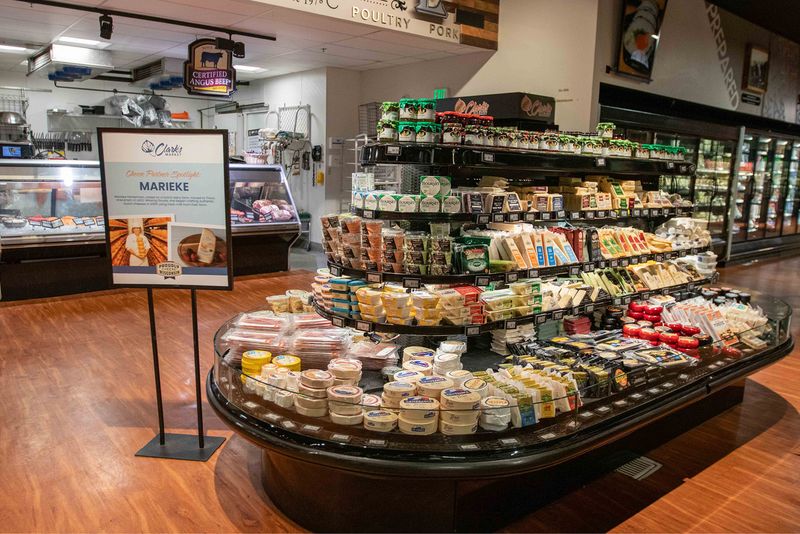
Everything costs more in Aspen, and ski season amplifies this reality to an almost absurd degree.
Grocery stores raise prices knowing that tourists will pay whatever it takes for convenience.
A gallon of milk or a loaf of bread can cost nearly twice what it does in nearby towns.
Gas stations charge premium prices, and even basic services like haircuts, car repairs, and dry cleaning come with inflated price tags.
Locals who earn modest incomes find their paychecks stretched impossibly thin trying to cover basic necessities.
Dining out, which used to be an occasional treat, becomes a luxury that many residents cannot afford.
Entertainment options like movies, concerts, and events also carry steep admission prices aimed at wealthy visitors.
Childcare costs in Aspen rank among the highest in the nation, making it difficult for working families to make ends meet.
Health care, insurance, and utilities all reflect the inflated cost structure of living in a resort town.
Many locals work multiple jobs just to stay afloat financially.
The wage gap between what employers pay and what life actually costs creates constant financial stress.
Some businesses do offer employee housing or subsidies, but these benefits do not come close to bridging the gap.
Residents watch as their savings disappear and their ability to build financial security evaporates.
The irony is painful: the people who make Aspen function as a world-class resort cannot afford to enjoy the lifestyle they help create for others.
The unsustainable cost of living forces difficult choices and sacrifices that wear down even the most dedicated locals.
Parking Becomes a Daily Battle
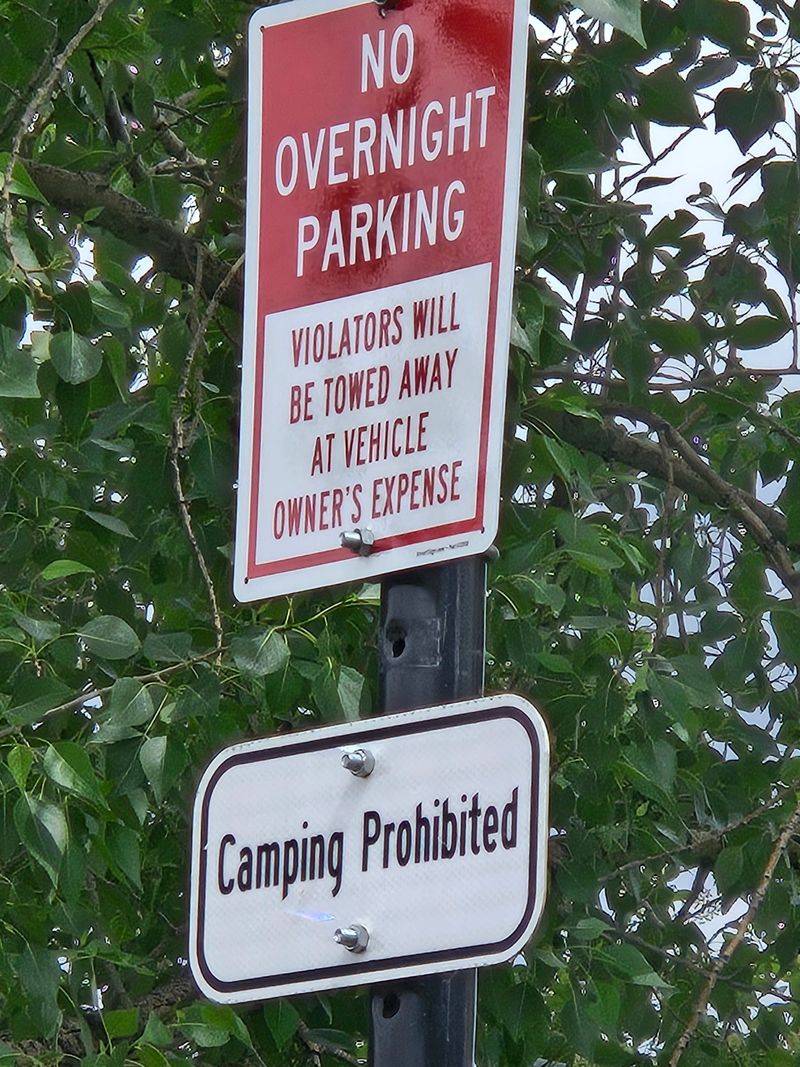
Finding a parking spot in Aspen during ski season ranks among the most frustrating daily challenges for residents.
Downtown parking lots fill up by mid-morning, and street parking becomes a competitive sport.
Visitors unfamiliar with parking regulations often take spots designated for residents or employees, leaving locals with nowhere to park near their own homes or workplaces.
Parking enforcement issues tickets aggressively, and fines add up quickly for anyone who parks illegally out of desperation.
The city has implemented permit systems for residential areas, but these do not always prevent tourists from parking where they should not.
Apartment complexes and condo buildings have limited parking, and guests or second cars often have no legal place to park.
Some residents report circling for thirty minutes or more looking for a single open spot.
Paid parking lots charge exorbitant hourly rates that locals cannot afford for daily use.
Workers at downtown businesses often arrive extra early just to secure parking before the tourist rush begins.
The lack of adequate parking infrastructure for the volume of visitors creates constant tension and inconvenience.
Snow removal further reduces available parking as plowed snow takes up spaces along streets.
Parking garages exist but fill quickly and do not offer affordable long-term options for residents.
Some locals resort to parking far from their destinations and walking long distances in cold weather.
The parking situation symbolizes a larger problem: Aspen’s infrastructure cannot support the number of people who visit during ski season.
Residents feel that their needs are overlooked in favor of accommodating more and more tourists.
Local Culture Gets Lost
Aspen started as a silver mining town in the 1880s and developed a unique character shaped by miners, ranchers, and later, skiing pioneers.
That authentic mountain town culture has been steadily eroded by the overwhelming presence of tourism and wealth.
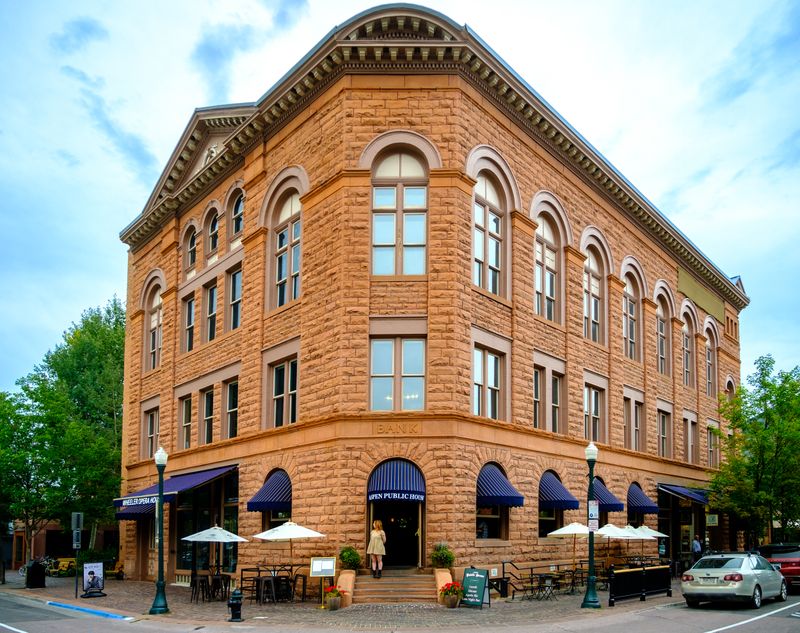
Historic buildings like the Wheeler Opera House, built in 1889, still stand as reminders of the past, but they are now surrounded by high-end boutiques and luxury hotels.
The Wheeler-Stallard House museum preserves some local history, but fewer visitors take the time to learn about the real Aspen beyond the glamorous resort image.
Local traditions, community events, and the tight-knit relationships that once defined the town have been diluted.
Longtime residents remember when Aspen felt like a genuine community where everyone knew their neighbors.
Now, many properties sit empty most of the year, owned by absentee investors who visit only occasionally.
The sense of belonging and shared identity that locals once cherished has faded.
Cultural events increasingly cater to wealthy tourists rather than celebrating local heritage.
Artists, musicians, and creative types who once gave Aspen its bohemian edge have been priced out.
The Aspen Art Museum displays contemporary works, but the local artistic community struggles to survive economically.
Ski season intensifies this cultural displacement as the town transforms into a playground for the ultra-wealthy.
Locals feel like they are living in a place that no longer reflects their values or history.
The small-town charm and authenticity that made Aspen special in the first place have been sacrificed for commercial success.
Preserving local culture becomes increasingly difficult when economic forces favor tourism over community.
Noise Levels Increase Dramatically
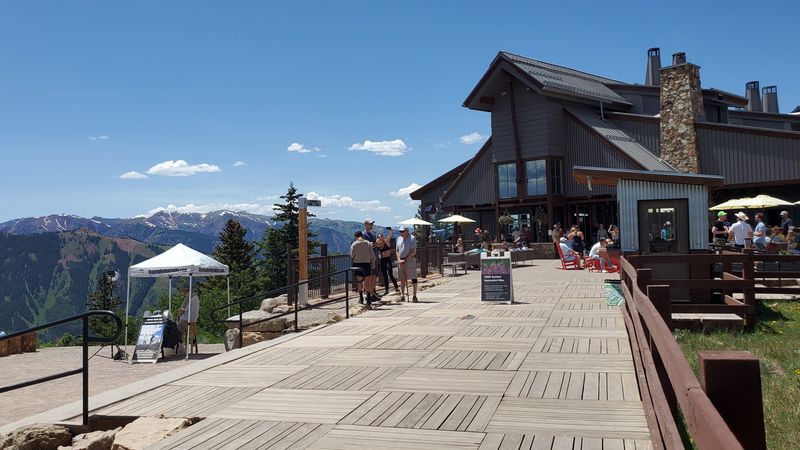
Aspen transforms from a relatively quiet mountain town into a bustling, noisy environment when ski season arrives.
Aprés-ski parties at bars and restaurants create loud music and crowds that spill onto the streets well into the night.
Residential neighborhoods that border commercial areas experience constant noise from revelers walking home or waiting for rides.
Vacation rental properties often host parties that disturb nearby residents trying to sleep or enjoy peace in their own homes.
Helicopter tours and private helicopter arrivals add another layer of disruptive noise, especially for those living near the airport.
Construction projects aimed at building more luxury accommodations run throughout the season, adding daytime noise to the nighttime disturbances.
Snow removal equipment operates at all hours, which is necessary but still contributes to the overall noise pollution.
Traffic noise increases significantly with the constant flow of vehicles on streets and highways.
Locals who value the natural quiet and peacefulness of mountain living find it increasingly hard to escape the constant din.
Some residents invest in soundproofing or simply accept that they will not get restful sleep during peak season.
Noise ordinances exist but enforcement is inconsistent, and violators often face minimal consequences.
The contrast between the serene off-season and the chaotic ski season is stark and jarring.
People who moved to Aspen specifically for the tranquility and connection to nature feel that those qualities have been compromised.
The constant noise takes a toll on mental health and quality of life.
Finding quiet spaces becomes a challenge even in what should be a peaceful mountain environment.
Dear Reader: This page may contain affiliate links which may earn a commission if you click through and make a purchase. Our independent journalism is not influenced by any advertiser or commercial initiative unless it is clearly marked as sponsored content. As travel products change, please be sure to reconfirm all details and stay up to date with current events to ensure a safe and successful trip.
