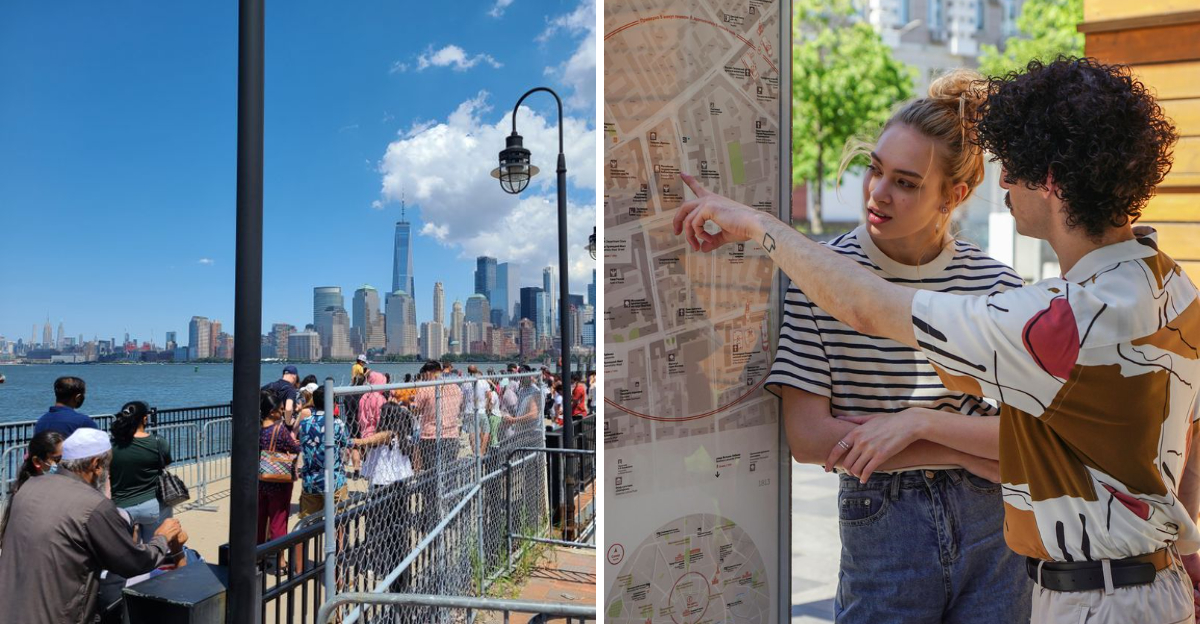
Central New Jersey sits right in the heart of the Garden State, a place where diners serve disco fries at midnight and everyone has an opinion about which exit you take off the parkway.
Locals here have mastered a special kind of patience when tourists wander through their towns, cameras in hand, making assumptions that just don’t match reality.
From mispronouncing town names to hunting for fictional landmarks, visitors often stumble into behaviors that make residents exchange knowing glances.
Living in Central New Jersey means understanding unwritten rules that outsiders simply miss.
The rhythm of daily life here differs from what guidebooks promise, and locals notice when tourists treat their home like a theme park.
Ever wonder why that cashier gave you a look when you asked for directions to “Joisey Shore”?
Curious about what makes residents shake their heads at rental cars crawling down Route 1?
Ready to discover the tourist moves that quietly drive Central New Jerseyans up the wall?
Buckle up, because this list will reveal exactly what makes locals roll their eyes when visitors come to town!
1. Calling It ‘Joisey’ or The Jersey Shore Stereotype
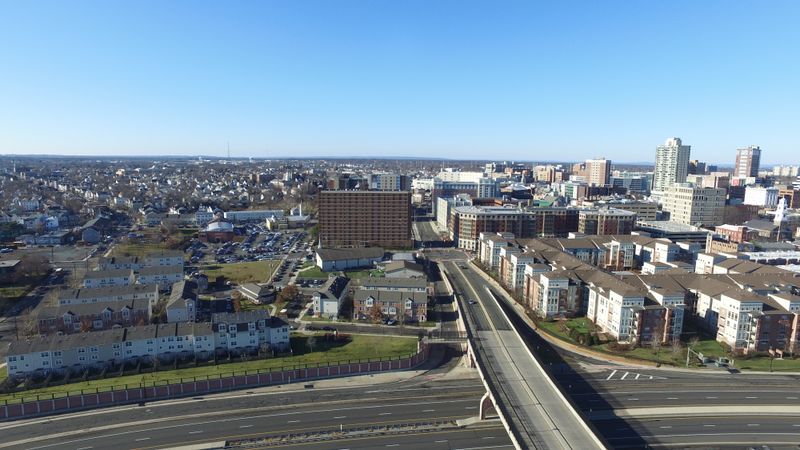
Nothing makes a Central New Jersey local cringe faster than hearing someone imitate that exaggerated accent from reality television shows.
Most people who actually live in New Jersey do not sound like cartoon characters, and the state has diverse accents depending on which region you visit.
Central New Jersey residents speak with their own distinct patterns that blend influences from New York and Philadelphia, creating something entirely unique.
Television programs have created a wildly inaccurate picture of what life looks like in the Garden State.
Tourists arrive expecting everyone to act like they stepped off a reality show set, complete with fake tans and dramatic confrontations at every corner.
Reality includes teachers, engineers, artists, and families living normal lives without constant drama or exaggerated personalities.
The shore itself represents just one small aspect of New Jersey culture, yet visitors often assume the entire state revolves around beach boardwalks and summer parties.
Central New Jersey offers historic sites, beautiful parks, excellent restaurants, and thriving communities that have nothing to do with coastal stereotypes.
Princeton University, Rutgers campuses, and countless cultural institutions call this region home.
Locals feel frustrated when their entire state gets reduced to a punchline based on outdated stereotypes and manufactured television personas.
Respect for the actual people who live here starts with dropping the fake accent and recognizing that New Jersey contains multitudes.
Every town has its own character, every community its own pride, and nobody appreciates being lumped into a category created for entertainment ratings rather than truth.
2. Asking Which Exit They’re From Without Understanding
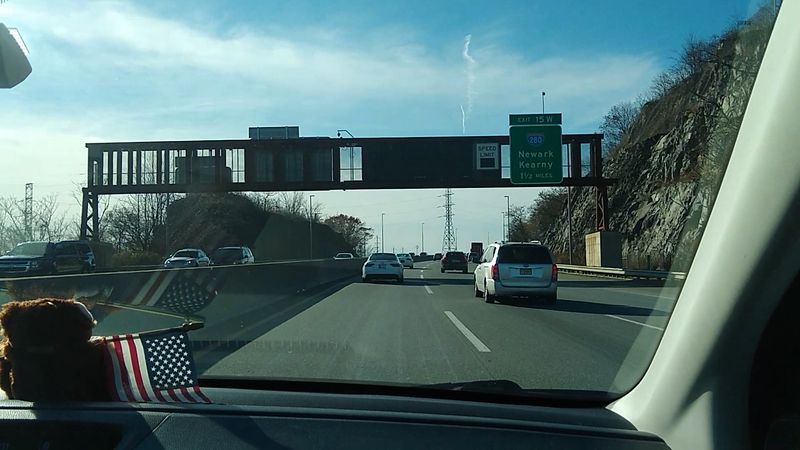
Tourists love to show off their limited New Jersey knowledge by asking locals which exit they live near, then staring blankly when they get an answer.
The Garden State Parkway and New Jersey Turnpike exits serve as genuine geographic markers for residents, creating a shorthand system that makes perfect sense to anyone who grew up here.
Visitors treat this question like a cute joke without realizing it actually provides useful information about location and distance.
Central New Jersey residents can instantly picture where someone lives based on their exit number, understanding the neighborhoods, towns, and general vibe associated with each area.
Exit 9 brings to mind different communities than Exit 127, and locals appreciate this efficient way of communicating location across a densely populated state.
Tourists giggle at the concept while missing the practical brilliance behind it.
The confusion deepens when visitors do not understand that Central New Jersey has multiple major highways, each with their own exit systems.
Someone might reference a Turnpike exit while another person thinks about the Parkway, creating miscommunication that locals navigate easily but tourists find baffling.
Route 287, Route 1, and Interstate 95 add additional layers to the transportation network.
What annoys residents most is when tourists ask the exit question as a punchline rather than genuine curiosity about New Jersey geography.
This system evolved organically because the state’s layout demands efficient location references, not because residents lack imagination.
Treating local customs with respect rather than mockery helps visitors connect with the real Central New Jersey instead of the caricature they imagined.
3. Driving Too Slowly on Route 1 or Major Highways
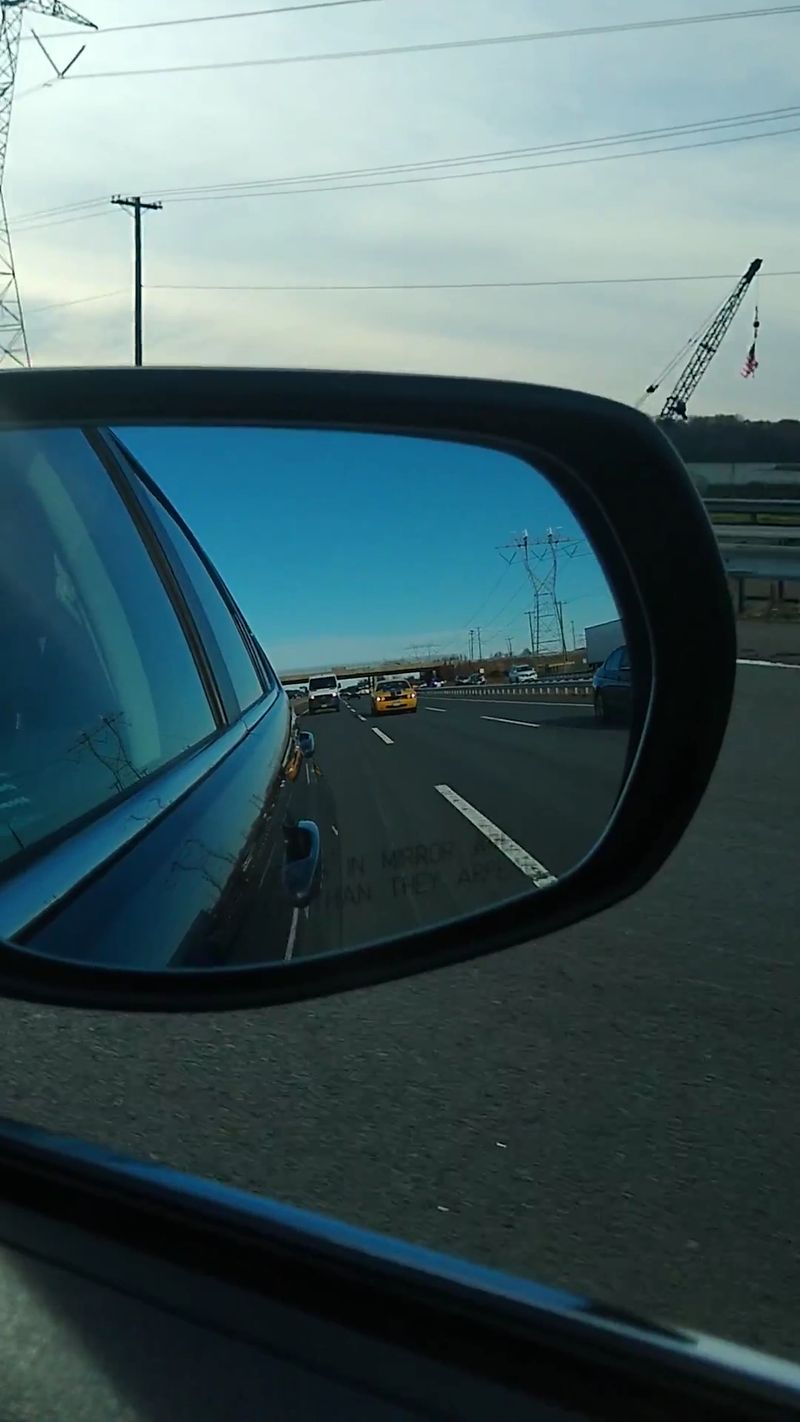
Route 1 through Central New Jersey moves at a particular pace that locals understand instinctively, and tourists crawling along at twenty miles below the speed limit create traffic nightmares.
Residents need to get to work, pick up children from school, and handle daily errands on roads that already challenge patience during rush hour.
Rental cars weaving uncertainly between lanes while drivers gawk at strip malls cause frustration for everyone trying to maintain normal schedules.
Central New Jersey highways require confidence and awareness because traffic density demands constant attention and smooth flow.
Hesitant drivers who brake suddenly or miss turns create dangerous situations that ripple backward through multiple lanes.
Locals have memorized every jughandle, merge point, and tricky intersection, allowing them to navigate efficiently even during peak hours.
Jughandles particularly confuse tourists, who expect normal left turns and instead encounter New Jersey’s unique traffic pattern solution.
These special lanes require drivers to exit right in order to turn left, a system that makes perfect sense once you understand the logic but baffles first-time visitors.
Watching tourists realize they missed their jughandle and now must drive miles out of their way provides locals with reluctant entertainment.
Speed limits on New Jersey roads represent suggestions that everyone interprets according to traffic flow and conditions.
Tourists who rigidly follow posted numbers without reading the room slow down entire highways.
Locals do not advocate for reckless driving, but they do expect visitors to match the prevailing pace rather than creating rolling obstacles that force constant lane changes and increase accident risk throughout Central New Jersey.
4. Expecting to Pump Their Own Gas
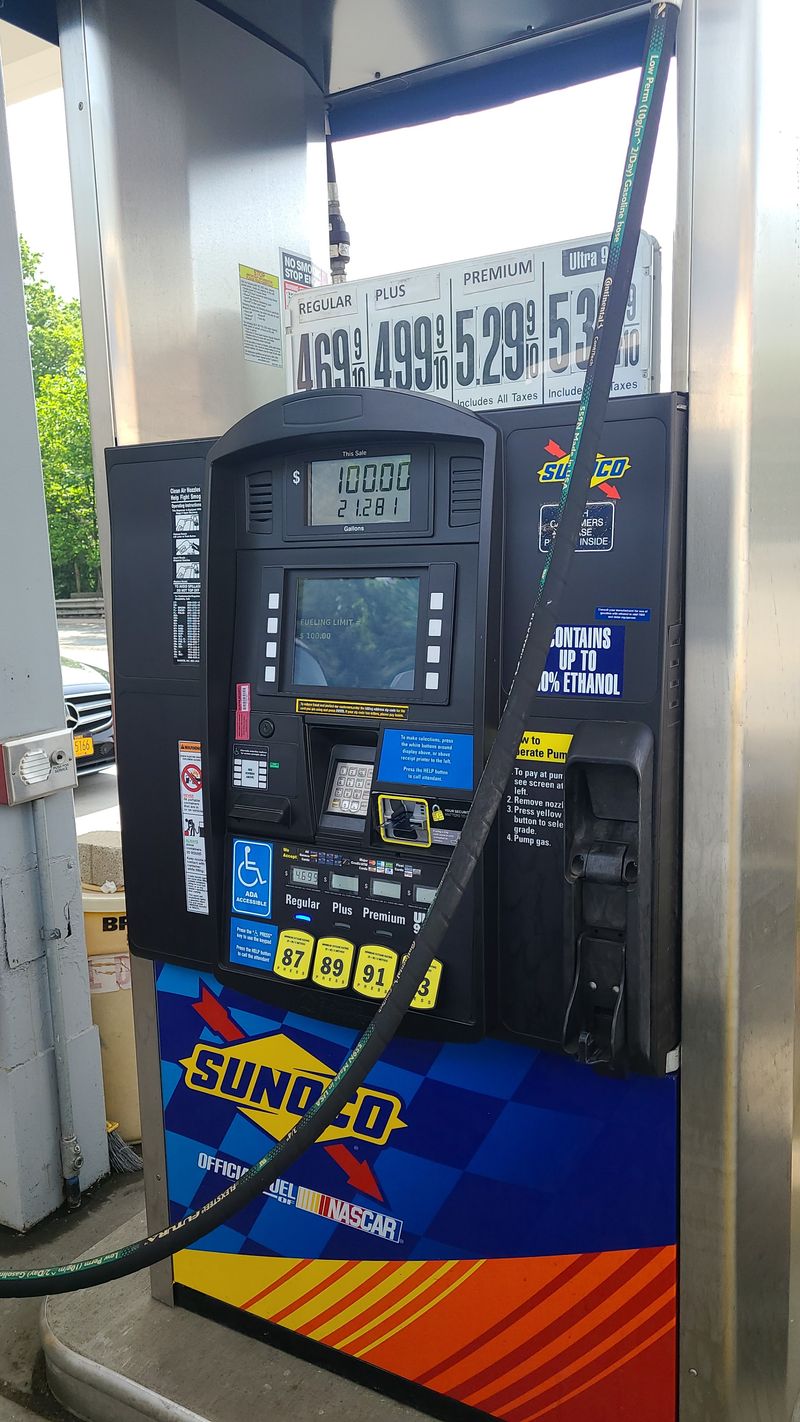
New Jersey remains one of only two states where full-service gas stations are mandatory, yet tourists consistently try to pump their own fuel and then act surprised when attendants rush over.
This law protects jobs and provides convenience that residents deeply appreciate, especially during brutal winter weather or scorching summer heat.
Visitors from other states reach for the pump handle out of habit, triggering a small moment of confusion that locals witness constantly.
Gas station attendants in Central New Jersey work hard to keep cars fueled efficiently, and they take pride in providing quick service even during busy periods.
Tourists who argue about wanting to pump their own gas or who tip incorrectly (tipping is not expected or required) create awkward interactions.
Residents simply roll down their window, state their fuel preference, and hand over payment without fuss.
The confusion extends to payment methods, with tourists uncertain whether to pay the attendant directly or go inside to the cashier.
Most stations accept card payment right at the pump through the attendant, streamlining the entire process.
Locals appreciate never having to leave their vehicle or smell like gasoline, benefits that visitors often fail to recognize while complaining about lost independence.
Some tourists view the full-service requirement as government overreach or unnecessary regulation, missing the point that New Jersey residents genuinely prefer this system.
Cold rain, snow, and summer humidity make staying in the car a luxury rather than an imposition.
The law also creates employment opportunities and maintains a tradition that defines part of the Garden State experience, something locals defend proudly when outsiders criticize without understanding the full picture.
5. Searching for Fictional Locations from Television Shows
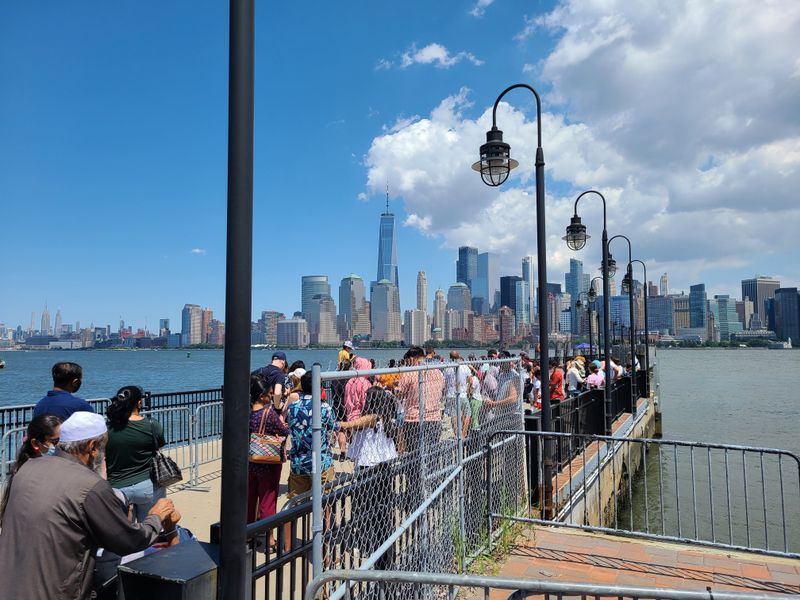
Tourists armed with screenshots from television shows wander Central New Jersey asking for directions to locations that never existed outside a Hollywood set.
Certain programs filmed exterior shots in various New Jersey towns but created interior scenes on soundstages in California, meaning the geography makes absolutely no sense.
Locals patiently explain that the diner from that one episode actually sits three towns over and looks nothing like what appeared on screen.
Some visitors arrive with detailed maps marking fictional businesses, convinced they can find the exact spot where their favorite characters shared a dramatic moment.
Reality disappoints when they discover that clever editing combined multiple real locations with fabricated sets to create an imaginary version of New Jersey.
The state has plenty of genuine attractions worth visiting without chasing television fantasies.
Central New Jersey does offer legitimate filming locations where crews shot specific scenes, and these spots attract fans hoping to recreate memorable moments.
The problem arises when tourists expect entire storylines to map onto actual geography, not understanding how television production works.
A character might leave their house in Princeton and arrive at a beach that in reality sits sixty miles away.
Residents feel torn between supporting tourism and managing unrealistic expectations created by entertainment media.
New Jersey has rich history, excellent restaurants, beautiful parks, and authentic cultural sites that deserve attention beyond their television connections.
When visitors focus only on chasing fictional locations, they miss the real Central New Jersey that locals love.
Appreciating the state for what it actually offers rather than what appeared in a scripted drama leads to much more rewarding experiences for everyone involved.
6. Mispronouncing Town Names Confidently
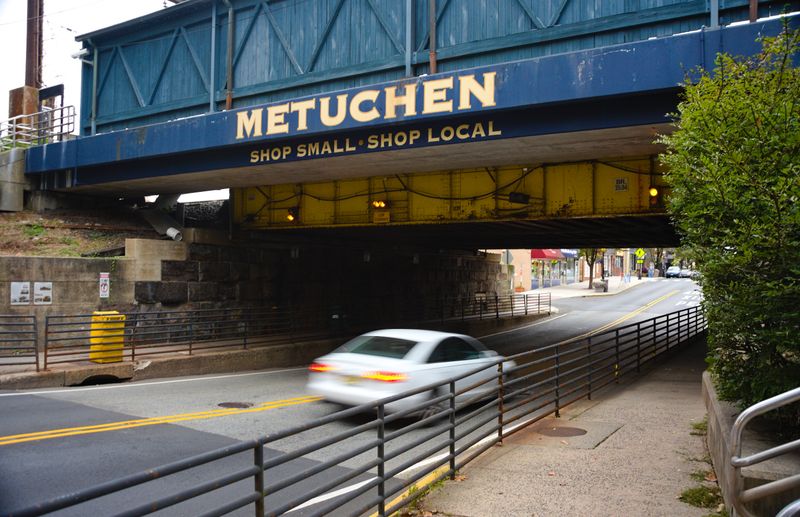
Central New Jersey contains dozens of towns with names that trip up visitors who confidently mispronounce them despite correction.
Newark becomes ‘New Ark’ instead of the proper ‘New-erk,’ and tourists butcher Montclair, Metuchen, and Piscataway with creative interpretations.
Locals can instantly identify outsiders based purely on how they say these place names, and the confident wrong pronunciation somehow stings more than hesitant attempts.
Many New Jersey town names derive from Native American languages, Dutch colonial history, or English origins that evolved unique pronunciations over centuries.
Mahwah, Parsippany, and Watchung all have specific local pronunciations that do not follow standard phonetic rules visitors might expect.
Residents grow up hearing these names correctly and find mispronunciations jarring, like nails on a chalkboard disrupting normal conversation.
Tourists who refuse correction after locals politely provide the proper pronunciation create particular frustration.
Insisting that your incorrect version makes more logical sense does not change how an entire community says their own town’s name.
Language evolves through usage and tradition, not through outside opinions about what sounds better or follows spelling rules more closely.
Some visitors treat the whole situation as a joke, exaggerating their mispronunciations for comedic effect without realizing they are mocking places that residents call home.
Towns carry history, identity, and community pride that deserve basic respect in the form of correct pronunciation.
Learning to say local names properly takes minimal effort and demonstrates that you value the place you are visiting beyond treating it as a punchline or obstacle to navigate on your way somewhere else in New Jersey.
7. Complaining About Diner Food or Pizza
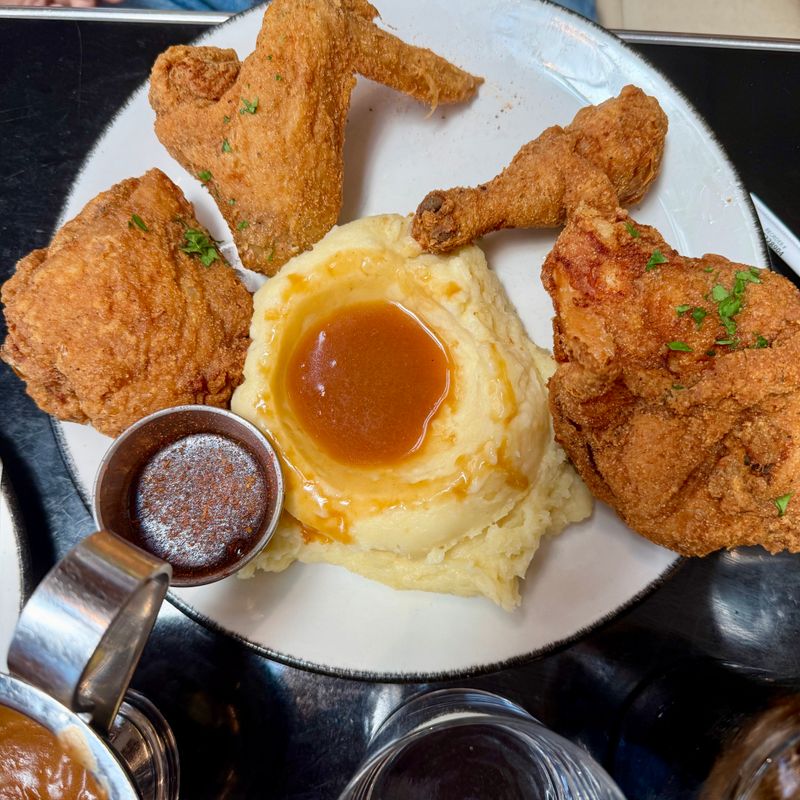
Central New Jersey takes its diner culture and pizza seriously, with establishments that have perfected recipes over decades of serving demanding local customers.
Tourists who complain that the food does not match some arbitrary standard from their home state reveal their lack of appreciation for regional cuisine.
Diners here serve everything from breakfast platters to disco fries to elaborate dinner entrees, creating community gathering spaces that mean far more than just restaurants.
Pizza in New Jersey follows specific traditions regarding crust thickness, cheese blend, and sauce preparation that differ from New York, Chicago, or California styles.
Locals grow up with these flavors and defend them fiercely against visitors who declare their hometown pizza superior without understanding regional variations.
Each pizzeria has loyal customers who have celebrated birthdays, held family dinners, and marked life milestones over slices from that particular kitchen.
The 24-hour diner represents a New Jersey institution where everyone from teenagers to senior citizens gathers at all hours for comfort food and conversation.
Chrome and neon exteriors house extensive menus that somehow manage to do everything well, from Greek specialties to American classics.
Tourists who expect trendy farm-to-table concepts or Instagram-worthy presentations miss the point of what makes these diners special to Central New Jersey communities.
Criticizing local food favorites in front of residents comes across as insulting their taste, their heritage, and their choices.
Nobody forces visitors to eat at every diner or pizzeria, but complaining loudly about establishments that locals treasure creates unnecessary conflict.
Trying new regional specialties with an open mind leads to better experiences than comparing everything unfavorably to what you eat back home, wherever that might be outside New Jersey.
8. Assuming Everyone Works in New York City
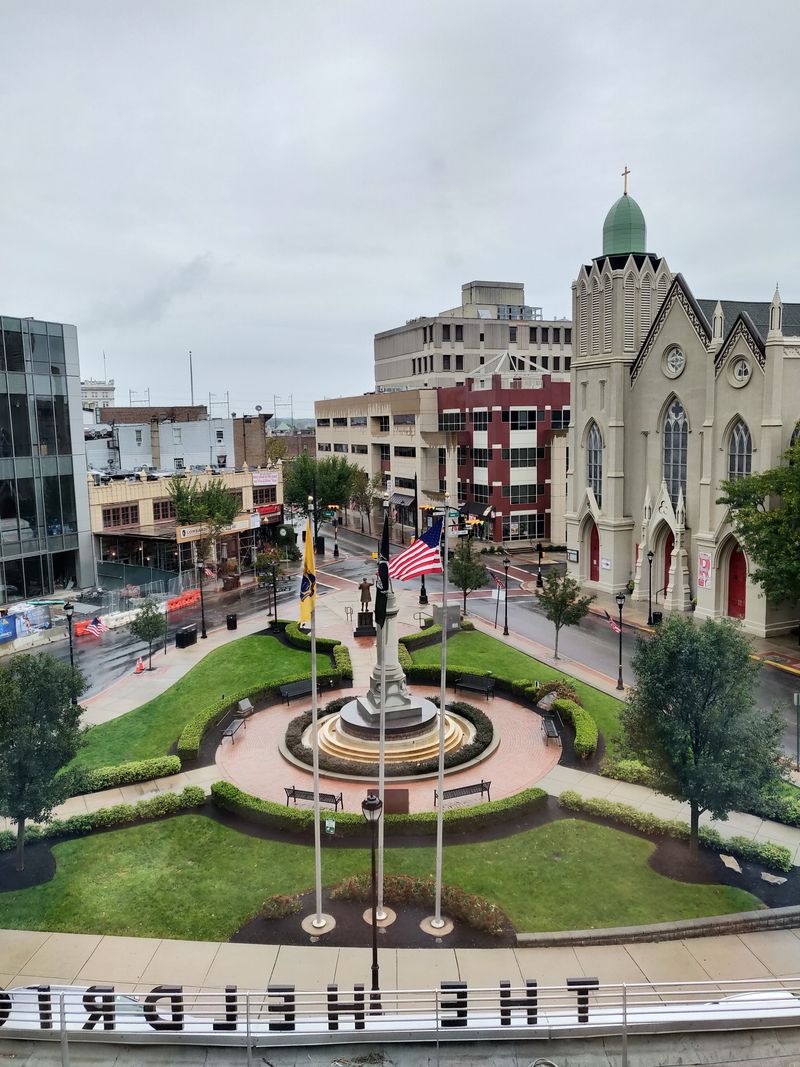
Tourists often assume that Central New Jersey functions purely as a bedroom community for Manhattan, ignoring the robust local economy and diverse employment opportunities throughout the region.
Major pharmaceutical companies, universities, research facilities, and countless other businesses employ thousands of residents who never commute to New York City.
Princeton, New Brunswick, and other Central New Jersey cities have thriving downtown areas with their own identity and economic engines.
Many residents choose Central New Jersey specifically because they work locally and appreciate shorter commutes and strong community connections.
Assuming everyone spends hours on trains to New York dismisses the accomplishments and contributions of people building careers right here in the Garden State.
Johnson & Johnson, Bristol Myers Squibb, Rutgers University, and numerous other major employers call Central New Jersey home.
The stereotype reduces an entire region to a footnote in someone else’s story rather than recognizing Central New Jersey as a destination and economic hub in its own right.
Visitors who treat local towns as mere stopping points on the way to supposedly more important places insult residents who have invested their lives here.
The arts scene, restaurant culture, educational institutions, and quality of life stand on their own merits.
Some Central New Jersey residents do commute to New York City, Philadelphia, or other locations, but that represents only one aspect of the region’s complex relationship with surrounding metropolitan areas.
The assumption that nobody would choose to live and work here unless forced by housing costs or other compromises ignores genuine love for Central New Jersey communities.
Locals take pride in their towns, their jobs, and their decision to build lives in a region that offers everything they need without requiring validation from tourists passing through to somewhere else.
9. Being Shocked That Nature and Farmland Exist
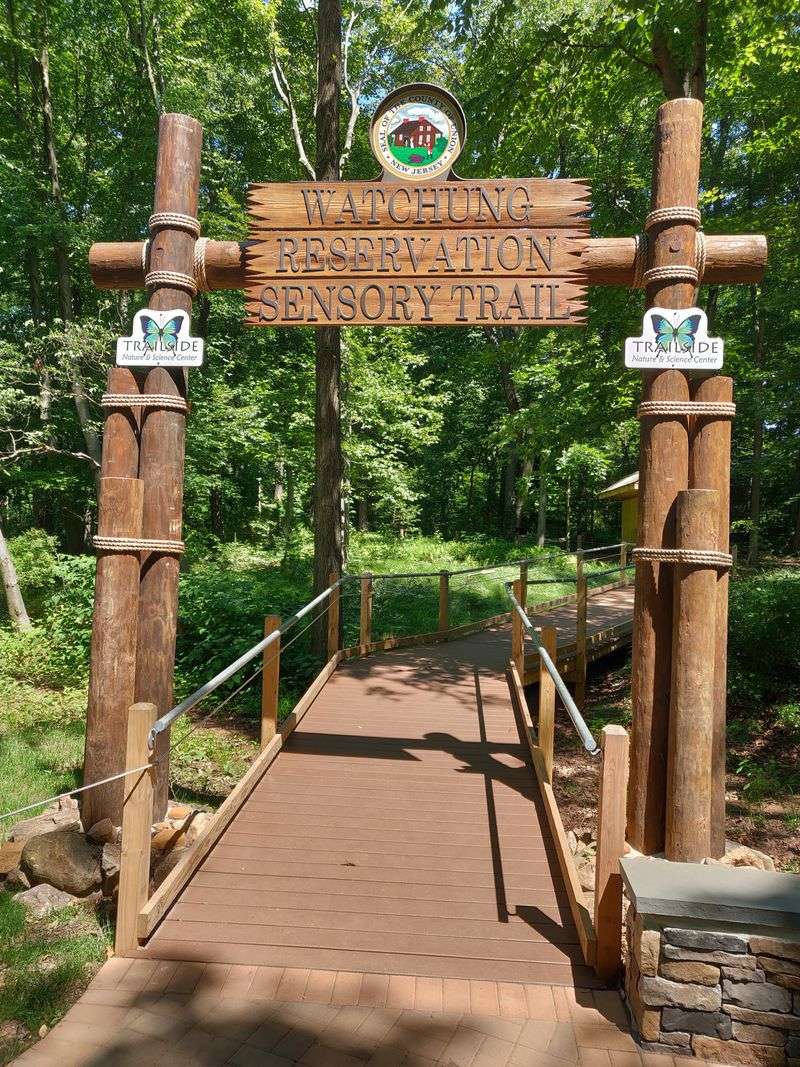
The Garden State nickname exists for legitimate reasons, yet tourists act genuinely shocked when they encounter actual farms, forests, and natural areas throughout Central New Jersey.
Preconceived notions about the state being entirely industrial wasteland crumble when visitors stumble upon horse farms, preserved woodlands, and agricultural operations growing everything from tomatoes to corn.
Locals find the surprise insulting, as though visitors never bothered researching before forming negative opinions.
Central New Jersey contains portions of the Watchung Reservation, the Delaware and Raritan Canal State Park, and numerous other protected natural spaces where residents hike, bike, and enjoy outdoor recreation.
Farmland preservation efforts have maintained agricultural heritage even as development pressure increases.
Farmers markets throughout the region sell locally grown produce that rivals anything from supposedly more rural states.
The assumption that New Jersey lacks natural beauty reveals ignorance about the state’s geography and conservation efforts.
Residents work hard to maintain green spaces and protect environmental resources despite population density challenges.
When tourists express shock at finding beautiful landscapes here, they inadvertently insult everyone who has fought to preserve these areas for future generations.
Some visitors even photograph farms and nature areas as though they discovered something exotic rather than recognizing that New Jersey has always contained diverse landscapes.
The state balances urban, suburban, and rural areas within relatively small geographic space, creating unique character that residents appreciate.
Locals wish tourists would arrive with open minds rather than predetermined judgments based on outdated stereotypes or jokes from people who have never actually visited Central New Jersey and experienced its genuine offerings beyond highway rest stops.
10. Treating Locals Like Tour Guides Without Basic Courtesy
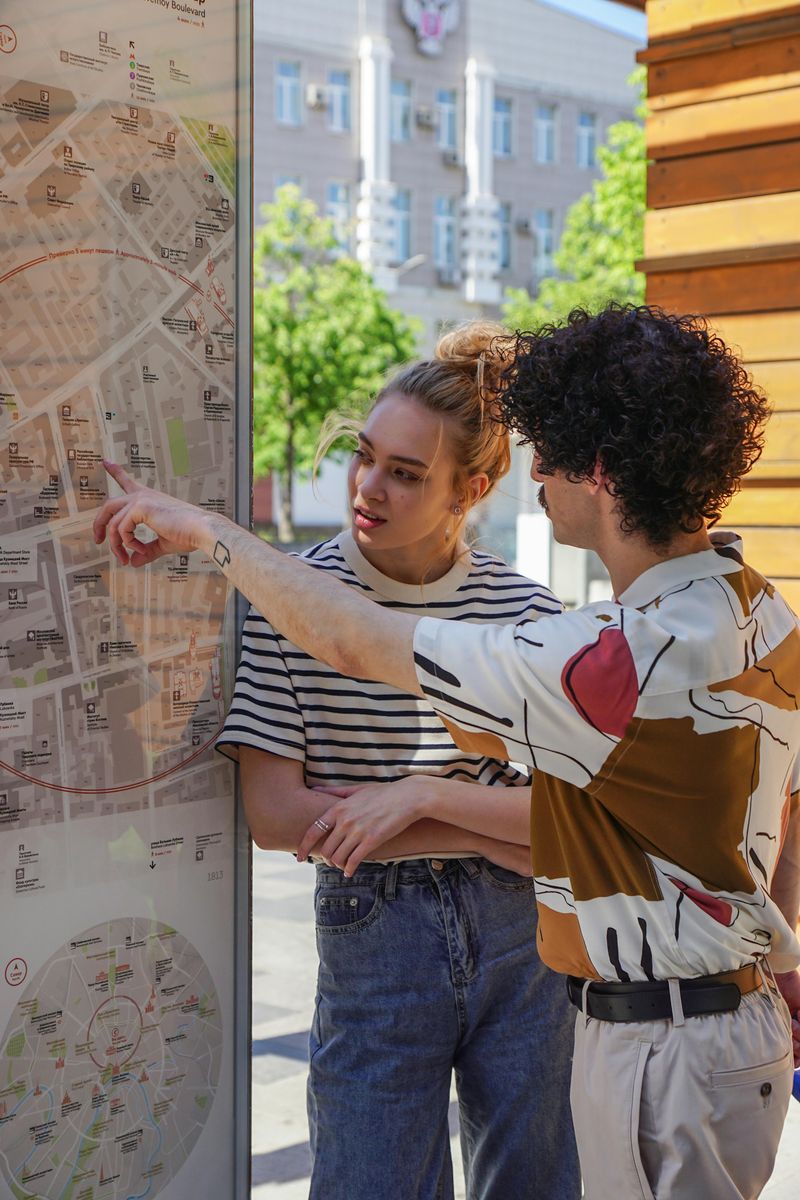
Tourists who approach Central New Jersey residents demanding directions or recommendations without basic pleasantries create uncomfortable interactions that leave locals frustrated.
A simple greeting and polite request goes much further than treating strangers like human GPS devices who exist solely to serve visitor needs.
Residents have their own schedules, errands, and lives that do not revolve around providing free concierge services to every lost tourist.
The problem intensifies when visitors argue with the directions or suggestions they receive, as though locals do not know their own communities better than someone who arrived yesterday.
Residents offer advice based on years of experience, and dismissing their input because it contradicts something you read online shows disrespect.
Trust the people who actually live here or figure it out yourself without wasting their time.
Some tourists interrupt locals during meals, phone conversations, or clearly private moments without any awareness that their vacation does not constitute an emergency requiring immediate attention.
Waiting for an appropriate moment to ask for help demonstrates consideration that residents notice and appreciate.
The person you are interrupting might be dealing with their own stress, problems, or time constraints.
Central New Jersey residents generally want visitors to enjoy their stay and will gladly help when approached respectfully.
The key involves remembering that locals are real people with their own lives rather than extras in your vacation story.
Saying please and thank you, acknowledging the favor you are asking, and accepting advice graciously creates positive interactions.
Treating service workers, retail employees, and random residents with courtesy makes everyone’s day better and helps tourists actually connect with the real Central New Jersey beyond superficial attractions and stereotypes they brought with them from wherever they started their journey.
Dear Reader: This page may contain affiliate links which may earn a commission if you click through and make a purchase. Our independent journalism is not influenced by any advertiser or commercial initiative unless it is clearly marked as sponsored content. As travel products change, please be sure to reconfirm all details and stay up to date with current events to ensure a safe and successful trip.
