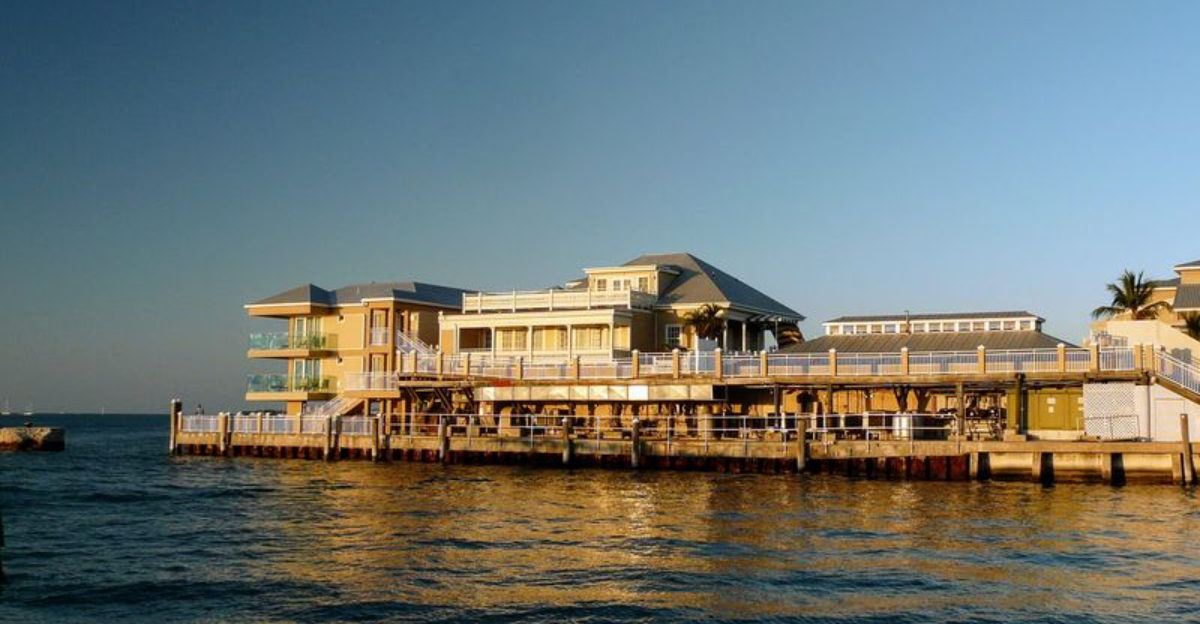
Holiday sparkle in Key West can feel bright at first glance, yet locals know how quickly the glow gets swallowed by rows of souvenir shops.
The island’s rhythm shifts, and daily life becomes a maze of crowds and chatter where simple errands take twice as long.
If you care about authentic places, it is hard to watch character get traded for mass produced trinkets in Florida’s most storied island city.
Walk Duval Street with this in mind, and you will notice what residents feel every season in Florida.
1. Loss of Local Character on Duval Street
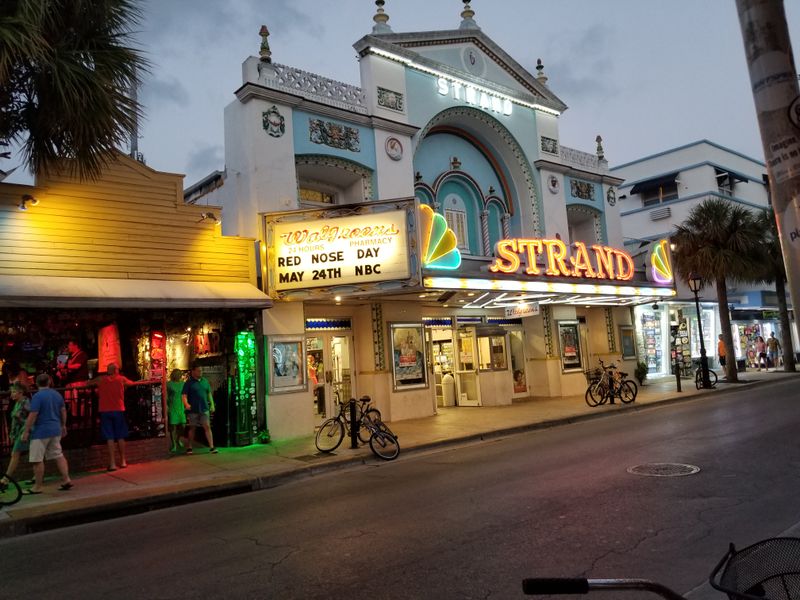
Locals in Key West often dislike the souvenir shop overload during holidays because it disrupts the island’s unique vibe and flattens the neighborhood’s personality.
Duval Street, Key West, Florida 33040, looks brighter than ever, yet the glow comes at the expense of the quirky, bohemian feel that made the street famous.
When windows repeat the same conch shell graphics and slogan shirts, the historic conch houses and colorful porches fade into background noise.
Independent boutiques that once stocked art, books, and handmade goods struggle to be seen among walls of identical trinkets.
As shelf after shelf leans on tropical clichés, conversations around local history and writers like Hemingway get replaced by checkout lines.
The city’s layered heritage, from Bahamian influences to Cuban connections, becomes a decorative motif instead of a living culture.
Holiday banners add extra glare, and the sensory overload can drown out the slower pleasures of strolling, noticing, and learning.
Public spaces along the blocks feel more transactional, where browsing turns into a funnel toward cheap impulse purchases.
Residents say the street used to reward curiosity, inviting you into galleries, live performance spots, and bookstores.
Now the rhythm tilts toward short stops, quick sales, and little conversation about the island itself.
Key West, Florida deserves storefronts that tell real stories, not just taglines printed on fabric.
When the season ends, the neighborhood keeps living here, and preserving character should matter as much as tourist convenience.
2. Overcrowding and Traffic Make Everyday Life Hard
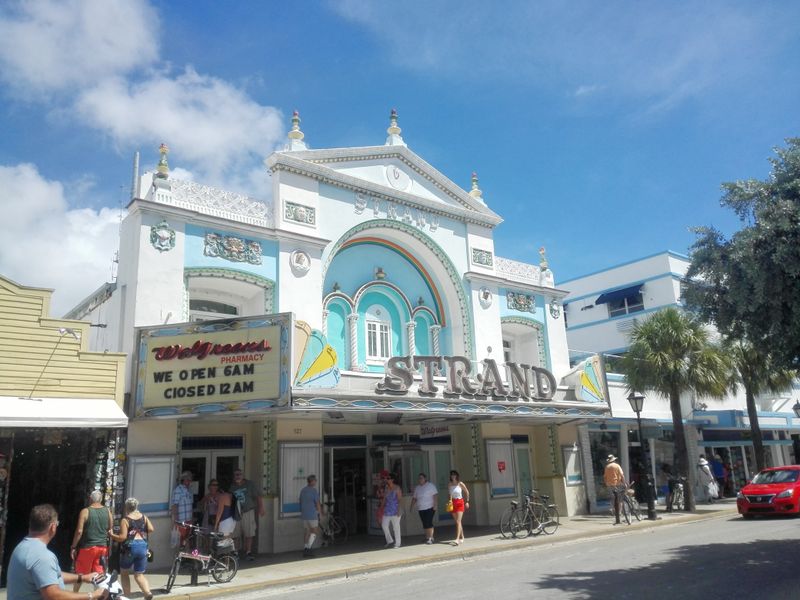
Over holidays, the crush of souvenir focused crowds puts pressure on every block, and that changes how residents move through their own town.
Duval Street, Key West, Florida 33040, becomes a corridor of stop and start foot traffic that spills into bike lanes and slows deliveries.
Crosswalks fill fast, curb cuts get blocked, and quick errands can stretch into long waits under strong sun.
Side streets that once felt calm become shortcuts for rideshares circling for drop offs near the biggest shops.
The narrow scale of Old Town suits strolling, yet it strains when sidewalks turn into photo queues and window lines.
Even simple acts like rolling out trash bins or receiving packages get complicated by constant crowding.
Bikers weave, drivers inch, and pedestrians hesitate as storefront displays pull attention away from the flow.
During peak weeks, many locals avoid the core entirely, shifting routines to early mornings and less central streets.
Transit solutions work best when space is shared, but retail clustering invites bottlenecks at the same intersections.
Key West, Florida thrives when people can linger, not when they shuffle shoulder to shoulder past identical windows.
Residents want walkability that feels welcoming, not a slow march through repetitive aisles under open sky.
Easing congestion means balancing retail with breathing room, so daily life does not lose to seasonal gridlock.
3. Economic Strain and Disappearing Mom and Pop Shops
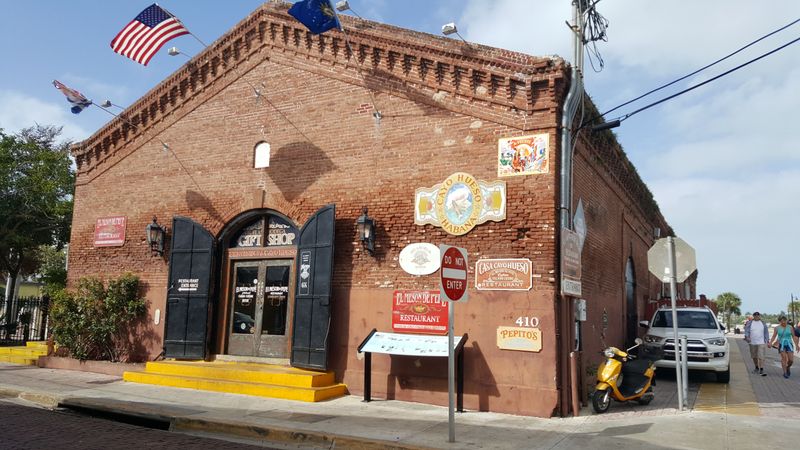
Island economies feel delicate, and heavy souvenir demand can tilt the balance away from businesses that serve residents year round.
Caroline Street, Key West, Florida 33040, shows the pattern when higher rents follow tourist spending, squeezing shops with slim margins.
Retailers that sell hardware, books, or home goods struggle to match revenue from high volume trinket sales.
Lease renewals come with bigger numbers, and some locals close rather than chase a market that favors novelty over need.
When the mix skews toward quick turnover items, neighborhoods lose places that anchor daily life.
Repair services and practical storefronts that keep homes running become harder to find near the center.
Tourism remains vital, but a monoculture of souvenirs risks short term wins over long term resilience.
Visitors searching for authentic shopping often end up at chains of similar stock that travel from port city to port city.
Money leaves the community faster when ownership is distant and decisions get made far from the island.
Key West, Florida benefits when independent owners can stay, hire locally, and keep relationships with neighbors.
Diversity in the storefront mix safeguards against economic shocks and seasonal dips in foot traffic.
Locals push for policies and partnerships that protect essential retail, so the island remains livable beyond the holidays.
4. Inauthentic Experiences Replace Real Island Life
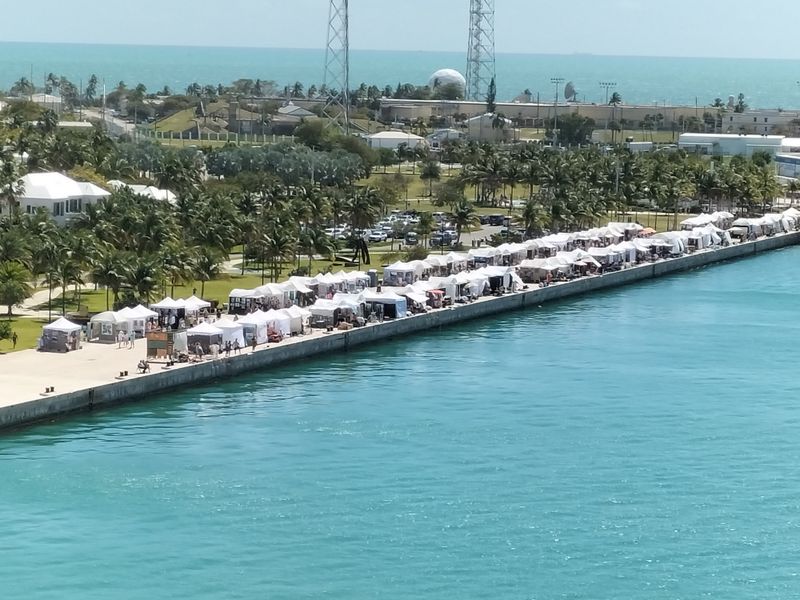
Visitors sometimes leave thinking Key West is a rack of shirts, when the heart of the island lives in water, wind, and mangroves.
White Street Pier, 1000 Atlantic Blvd, Key West, Florida 33040, offers a horizon line that does more than any slogan could promise.
When holidays turn attention to souvenirs, chances to explore reefs, trails, and quiet corners get crowded out by sales.
Nature thrives nearby, yet mass produced keepsakes become the headline instead of tide pools and seabirds.
Guides who tell stories about coral restoration and local ecology compete with flashing signs at every corner.
Time slips away in checkout queues that could have been spent tracing the shoreline or biking the boulevard.
Residents worry that repeat visitors will miss the place that changed them on their first trip.
Authenticity shows up in morning light on pastel houses and in the hush of late afternoon breeze.
Key West, Florida shines when visitors meet the island on its own terms, not as a themed mall.
The best souvenirs are memories of sea spray, not plastic replicas shaped by distant factories.
Refocusing energy on parks, piers, and marine programs helps align travel with the island’s real strengths.
Choose experiences over merchandise, and both locals and guests gain a deeper sense of place.
5. Exploitative Pricing and Tourist Trap Tactics
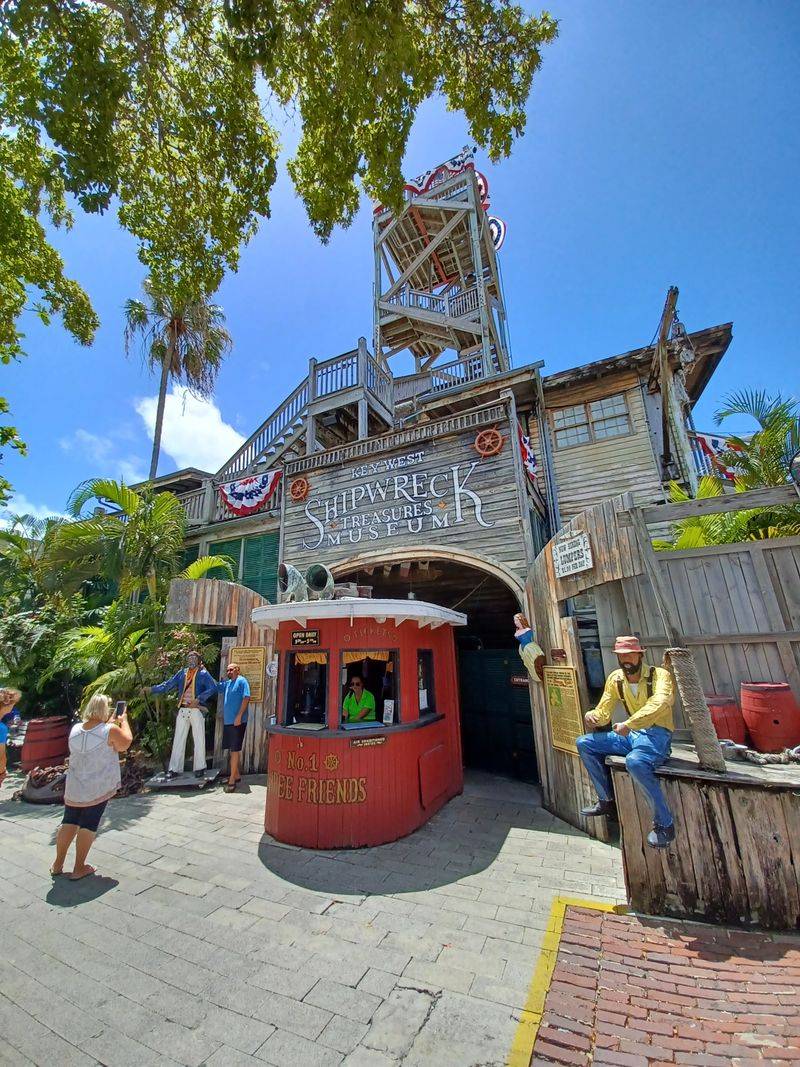
Holiday sales often come with fine print that makes locals wince, especially when fake discounts overshadow fair value.
Front Street, Key West, Florida 33040, near the cruise port, fills with limited time offers that reset every few hours.
Shops advertise slashed prices from inflated starting points, turning curiosity into confusion at the register.
Bundles promise savings while swapping quality for quantity that rarely lasts the trip home.
Inexperienced travelers can misread these signals and leave feeling misled about what the island represents.
That mood drifts beyond one store and colors how people talk about the destination afterward.
Residents and honest retailers get caught in the shadow of tactics they did not choose or condone.
Clear pricing and transparent sourcing would rebuild trust faster than any loud window splash.
Key West, Florida thrives on repeat visitors who value the truth behind what they buy.
When guests feel respected, they explore farther, discover galleries, and meet craftspeople who care.
Consumer protection signs help, but the bigger fix is shifting attention from gimmicks to substance.
Fair dealing turns a quick sale into a story worth telling, and that serves the whole island.
6. Displacement of Genuinely Local Retail
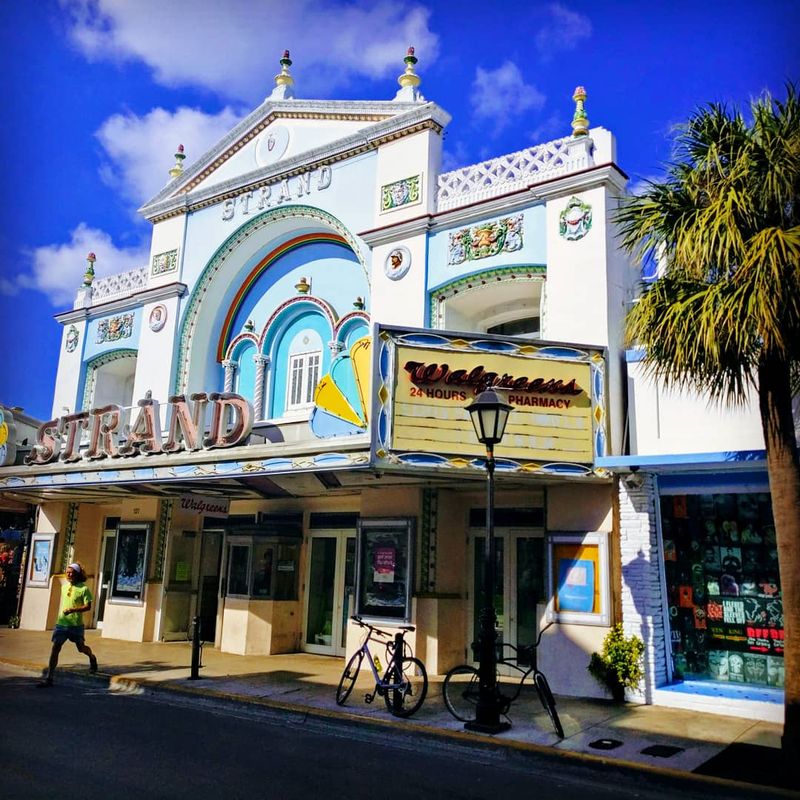
As more souvenir chains cluster near busy corners, independent makers lose the visibility that keeps their doors open.
Petronia Street, Key West, Florida 33040, shows how a side street can nurture artisans when rent and foot traffic stay balanced.
Handbuilt jewelry and painted maps need slower browsing than racks of identical novelty items invite.
When the main drags fill up, visitors rarely wander far enough to find these quieter gems.
Local owners invest in the neighborhood, sponsor school events, and mentor younger artists.
Those ties fray when leases rise to match holiday revenues from mass produced stock.
Shifting even a portion of shopping time toward artisan blocks can recalibrate demand.
Maps in hotels and wayfinding signs could guide guests to streets where craft still anchors the scene.
Key West, Florida can keep its creative pulse strong by protecting spaces that favor workshops over warehouses.
Programs that pair galleries with studios help visitors see how objects take shape, not just how they sell.
Diversity brings resilience, and resilience keeps neighborhoods welcoming after the last ship departs.
Support for local retail is not nostalgia, it is a plan for an island that chooses depth over volume.
7. Noise and Visual Clutter Crowd the Senses
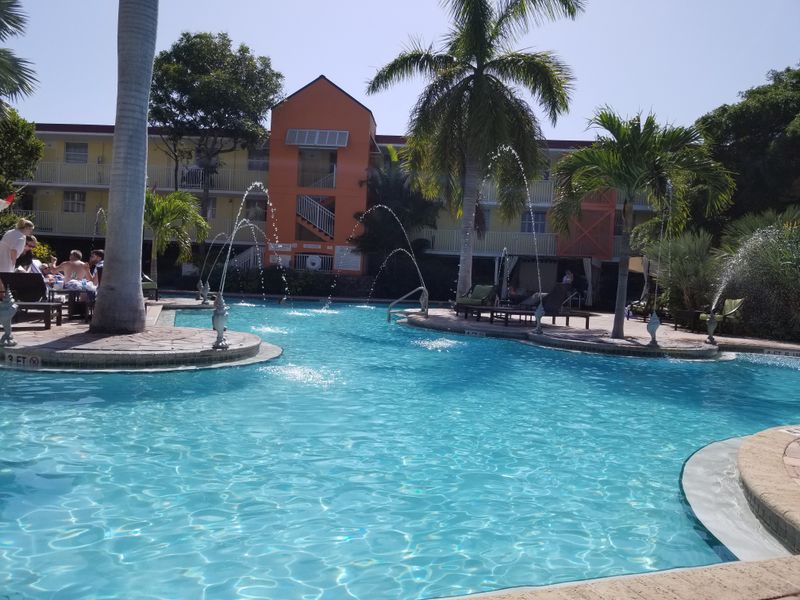
Sound carries across low rise streets, and holiday retail turns the volume knob past comfortable levels for people who live nearby.
Greene Street, Key West, Florida 33040, echoes with playlist loops, door chimes, and barkers calling out to passing visitors.
Window stacks compete with hanging placards until sightlines feel packed from curb to curb.
Historic architecture gets buried behind bold vinyl, and cornices disappear into a wall of bright type.
The effect is tiring, especially for workers starting shifts early or families walking dogs at dusk.
Visual clutter turns evening strolls into obstacle courses where calm moments vanish between signs.
Local guidelines that respect sightlines and historic trim could dial back the noise without hurting sales.
Creative lighting and smaller lettering can highlight craftsmanship while preserving heritage details.
Key West, Florida built its charm on porch rails, shutters, and pastel boards, not flashing arrows.
Retail can shine without shouting, and good design invites people to linger thoughtfully.
When streets breathe, conversations get easier, and neighbors feel welcome to come back.
Peace is not the enemy of commerce, it is the context that makes browsing enjoyable.
8. Strained Resources and Infrastructure Stress
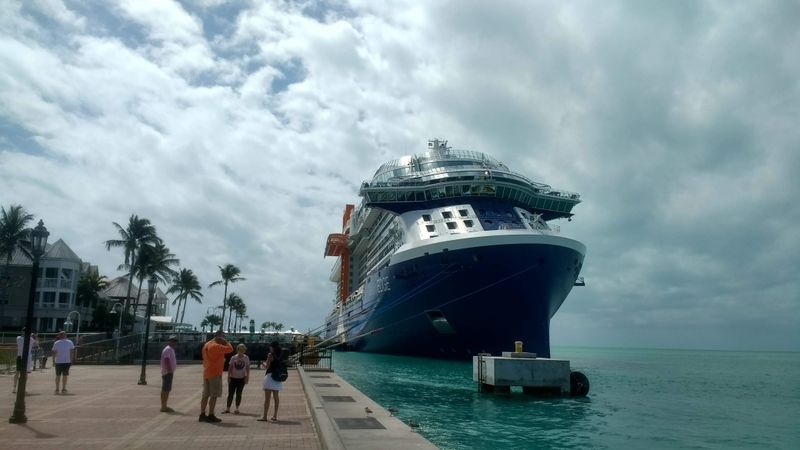
Big crowds bring big demands, and holiday shopping surges push water, waste, and cleanup crews to their limits.
Angela Street, Key West, Florida 33040, shows how narrow service alleys handle more pickups when boxes pile up behind storefronts.
Trash cans overflow faster, requiring more runs that ripple through already tight schedules.
Restrooms at parks and public buildings feel the strain, which complicates life for residents using shared spaces.
Sidewalks wear down, paint fades, and fixtures break sooner under constant load.
Infrastructure built for steady use buckles when seasonal peaks arrive without offsetting support.
Retailers can help by coordinating deliveries, breaking down packaging, and managing back of house waste smarter.
City services improve when information flows both ways and responsibilities stay clear.
Key West, Florida does better with shared stewardship, not finger pointing during the busiest weeks.
Visitors notice cleaner blocks and return to places that feel cared for beyond the storefronts.
Balancing tourism with maintenance budgets and staff capacity protects long term livability.
Healthy systems keep charm intact, which benefits residents first and travelers right behind them.
9. Quantity Over Quality Erodes the Shopping Scene
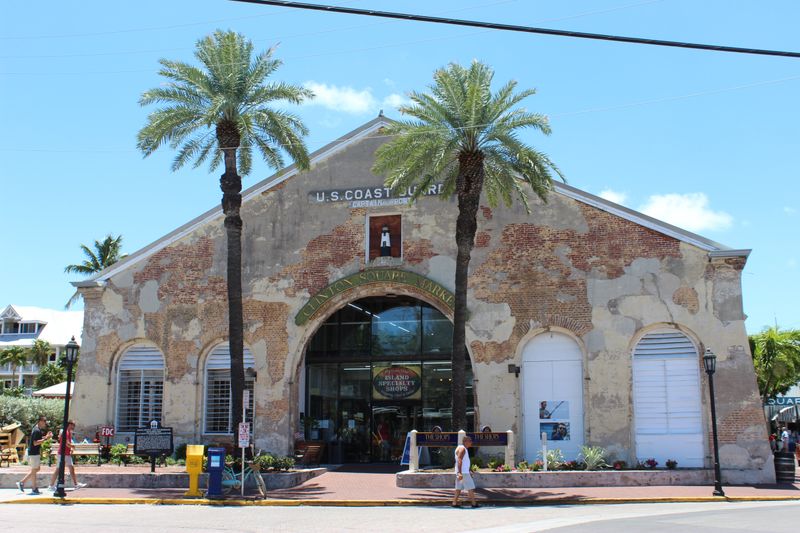
When the goal is volume, shelves fill with goods that look similar and tell little about where they came from.
Fleming Street, Key West, Florida 33040, still hides boutiques that curate items with a story and a maker behind them.
Holiday pressure can drown those voices, steering buyers toward easy choices that will not last.
Quality feels different, from sturdy stitching to thoughtful printing that holds color in real sun.
You can sense it in how staff talk about sourcing and the way displays highlight process over slogans.
Shoppers who slow down often leave happier, carrying fewer items but better ones.
Locals hope the market rewards care, not just speed and repetition at the register.
Curators with standards create a ripple, teaching visitors to expect more than instant souvenirs.
Key West, Florida can set a tone where design, craft, and sustainability guide what gets shelf space.
That shift draws people who travel to learn, not to collect identical tokens from every port.
Better goods reduce waste and become keepsakes tied to real memories of the island’s light and air.
Quality over quantity restores pride on both sides of the counter, which helps the whole district.
10. The Tourist Trap Reputation Hurts Community Trust
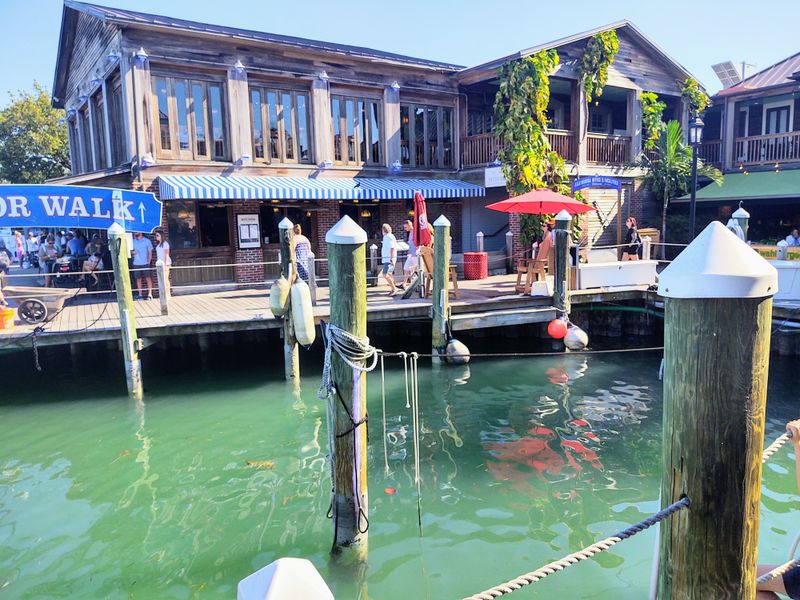
Once a district gets labeled a trap, locals retreat, and visitors approach with suspicion that dulls the joy of discovery.
Simonton Street, Key West, Florida 33040, sits one block from the buzz yet demonstrates how a quieter pace changes expectations.
Trust grows when people feel they can ask questions and get honest answers without pressure to buy.
Holiday retail often swaps conversation for urgency, which leaves a residue that lingers after the season.
Genuine welcome feels different, and you notice it in eye contact, patience, and helpful directions.
Neighborhood pride returns when businesses aim to guide, not just convert footfall into quick receipts.
Stories of poor experiences travel fast, and they color the island’s image beyond a single street.
Recovery takes time, and it begins with small acts that rebuild rapport with residents and repeat guests.
Key West, Florida can reclaim its narrative by lifting up places that honor history and everyday kindness.
Wayfinding to museums, studios, and parks counterbalances windows lined with repetitive gimmicks.
Shared standards, posted clearly, help align expectations and signal a culture of fairness.
Trust is the most valuable souvenir, and it stays long after the bags are unpacked at home.
11. Practical Steps Locals Want to See
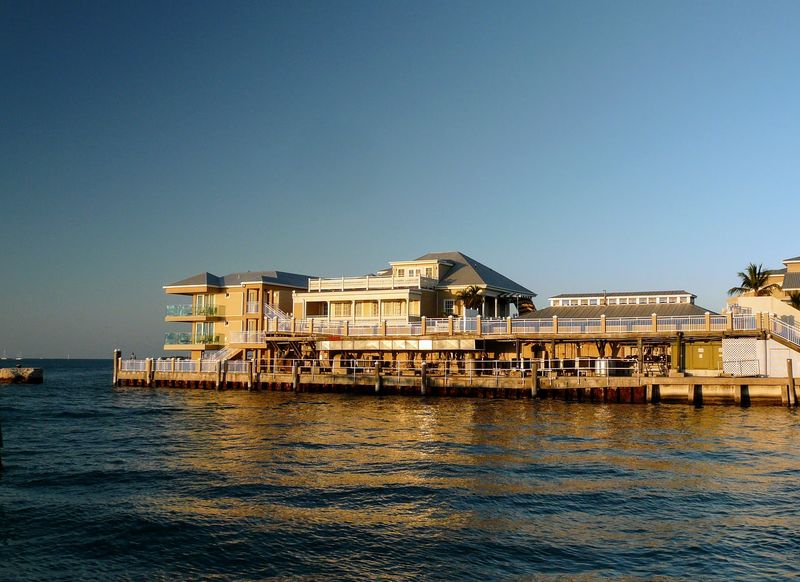
Residents are not anti visitor, they are pro balance, and the holiday retail tilt invites a better playbook.
City Hall, 1300 White St, Key West, Florida 33040, is where policy conversations can support a healthier retail mix.
Zoning can limit clustering, giving space for services that locals use every week of the year.
Design rules that protect historic trim and reduce glare would lower visual noise across Old Town.
Transparent pricing and sourcing commitments can be posted at the door so shoppers know what to expect.
Maps that highlight artisan corridors and nature access points steer foot traffic beyond the same few blocks.
Delivery schedules and waste compacts cut back alley overflow during the busiest stretches.
Grants or rent stabilization for independent retailers keep community anchors from being priced out.
Key West, Florida benefits when neighborhood voices shape how streets look and feel in peak weeks.
Tourism boards can amplify quality focused stores that match the island’s character and values.
Visitors get a richer trip when their time goes into experiences, not checkout lines and returns.
Balance turns pressure into pride, and the holidays can feel like a celebration instead of a squeeze.
Dear Reader: This page may contain affiliate links which may earn a commission if you click through and make a purchase. Our independent journalism is not influenced by any advertiser or commercial initiative unless it is clearly marked as sponsored content. As travel products change, please be sure to reconfirm all details and stay up to date with current events to ensure a safe and successful trip.
