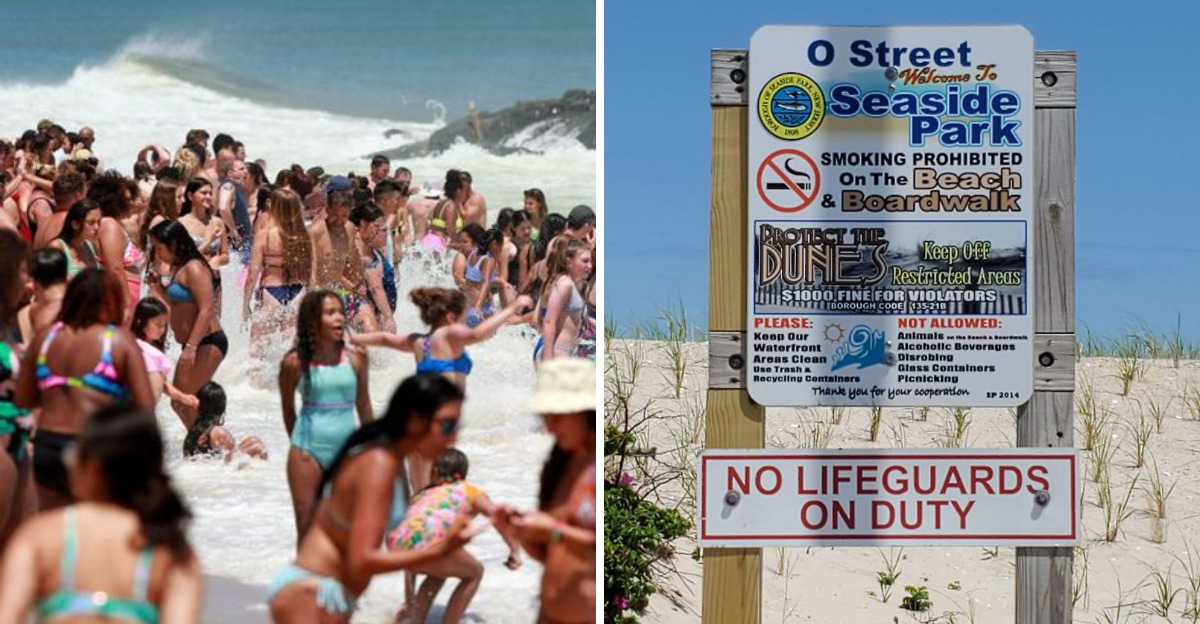
New Jersey’s small shore towns transform into bustling hubs every summer, drawing thousands of visitors eager to soak up sun, sand, and saltwater taffy.
While tourism fuels the local economy and brings energy to these coastal communities, it also creates friction between year-round residents and seasonal guests.
Locals who call these tiny beach havens home often find themselves navigating crowded streets, long waits, and a host of other frustrations that come with the tourist season.
Understanding these tensions can help visitors be more mindful and respectful during their stays.
Ever wonder why that local at the coffee shop seemed a bit irritated when you asked for directions to the beach for the third time?
Or why parking feels like a competitive sport every July weekend?
These aren’t just minor inconveniences but daily realities for folks living in these tight-knit shore communities.
Get ready to discover what really grinds the gears of New Jersey’s coastal locals when the summer crowds roll in!
1. Parking Wars Turn Neighborhoods Into Battlegrounds
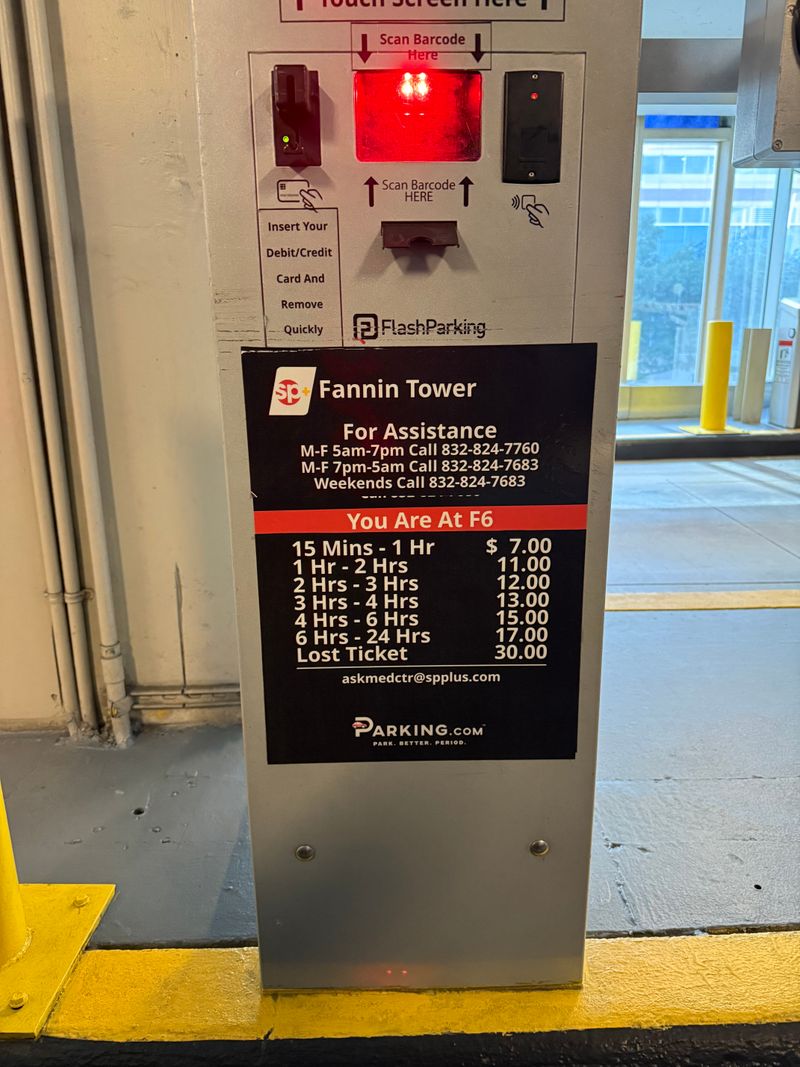
Residents wake up to find their driveways blocked, their usual street spots taken, and sometimes even their private property invaded by tourists desperate for a parking space close to the beach.
Year-round locals pay for parking permits and residential stickers, yet they often circle their own blocks for twenty minutes just to find a legal spot.
Visitors unfamiliar with local parking regulations rack up tickets, block fire hydrants, or park across driveways without a second thought.
Many small shore towns in New Jersey have limited parking infrastructure because they were designed for smaller populations before the tourism boom.
When thousands of beachgoers descend on a town with only a few hundred year-round residents, the parking situation becomes chaotic and frustrating.
Locals who need to run errands, get to work, or simply come home after a long day find themselves stuck in gridlock caused by out-of-town license plates.
Some tourists even resort to parking on lawns, blocking mailboxes, or ignoring clearly posted no-parking signs, which forces residents to call local authorities repeatedly.
This creates tension and resentment, especially when visitors act entitled or dismissive when asked to move.
Shore town locals often joke that summer means playing musical chairs with parking spaces, except nobody’s laughing when they miss an appointment because they couldn’t find a spot.
Respecting residential parking zones, reading signage carefully, and considering paid lots or shuttle services can go a long way toward easing this friction and showing consideration for the people who live there all year.
2. Beach Etiquette Gets Tossed Out With The Tide
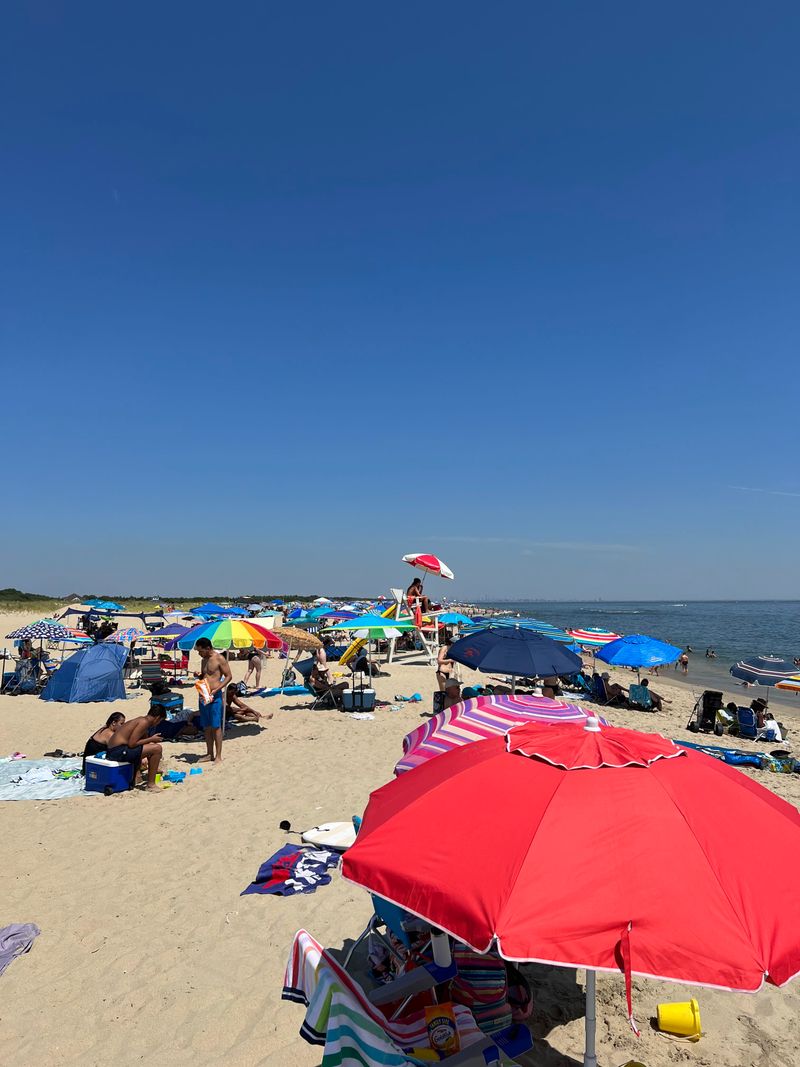
Locals pride themselves on keeping their beaches clean, respecting wildlife, and maintaining a peaceful atmosphere, but tourists often leave behind trash, ignore posted rules, and create noise that disrupts the natural serenity.
Cigarette butts, plastic bottles, food wrappers, and even dirty diapers get left in the sand, forcing residents and town workers to spend hours cleaning up after careless visitors.
Many small New Jersey shore towns have strict rules about glass containers, dogs on the beach, and designated swimming areas, yet tourists frequently disregard these regulations.
Year-round residents understand that the dunes are fragile ecosystems that protect the coastline from erosion, yet they watch visitors trample through protected areas to get a better photo or shortcut to the water.
Loud music, rowdy behavior, and disrespect for quiet hours create friction, especially in family-oriented communities where locals value a calm, respectful beach experience.
Some tourists treat the beach like a giant party zone, forgetting that people live nearby and cherish the natural beauty of their surroundings.
Fishing lines left tangled in the sand, beach chairs abandoned at the end of the day, and umbrellas that blow away in the wind all add to the mess that locals deal with long after tourists head home.
When visitors take the time to pack out what they pack in, follow posted guidelines, and treat the beach like the precious resource it is, everyone benefits.
Simple acts like using trash cans, respecting wildlife habitats, and keeping noise levels reasonable show that you care about preserving these beautiful coastal spaces for future generations.
3. Traffic Jams Replace Quiet Morning Commutes
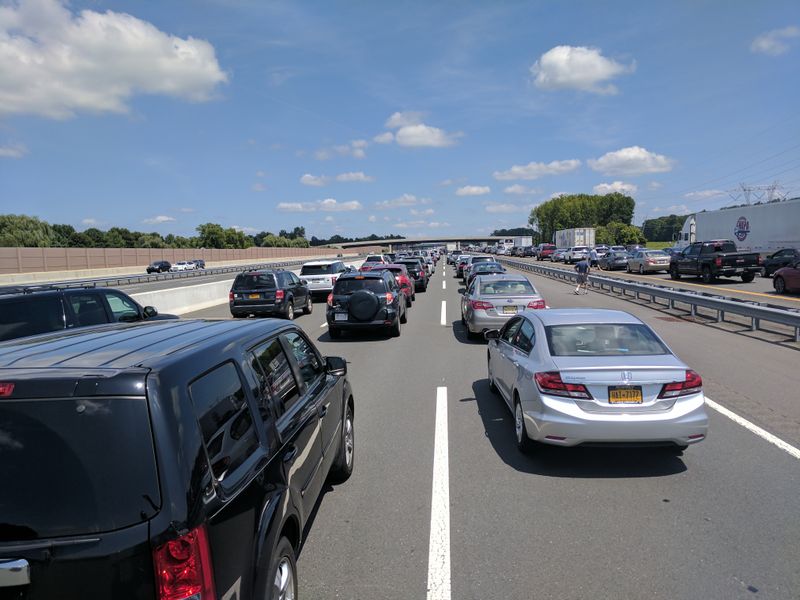
During the off-season, locals enjoy peaceful drives along coastal roads, quick trips to the grocery store, and stress-free commutes to work.
Once summer hits, however, those same roads become clogged with out-of-state vehicles, GPS-confused drivers making sudden stops, and long lines at every intersection.
What used to be a five-minute drive to the post office suddenly takes thirty minutes, and locals find themselves late for work or appointments because of tourist traffic.
Many small shore towns in New Jersey have narrow streets that were never designed for heavy traffic, and the influx of visitors creates bottlenecks, fender benders, and road rage.
Tourists unfamiliar with local routes often slow down to gawk at beach views, make illegal U-turns, or stop suddenly to check their phones for directions.
Locals who know every back road and shortcut still get stuck behind rental cars and minivans loaded with beach gear, inching along at a snail’s pace.
Pedestrians crossing mid-block, bicycles weaving through traffic, and delivery trucks trying to navigate crowded streets add to the chaos.
Residents who need to get to medical appointments, pick up kids from school, or simply run daily errands find themselves trapped in gridlock caused by vacationers who have all the time in the world.
Some locals joke that they avoid leaving their homes on summer weekends entirely, stocking up on groceries and supplies beforehand to avoid the traffic nightmare.
Being patient, following traffic laws, and using designated parking areas instead of cruising for spots can help reduce congestion and make life easier for everyone sharing the road.
4. Grocery Stores Run Out Of Essentials By Noon

Local markets and small grocery stores in tiny shore towns stock just enough inventory for their year-round populations, but when tourists flood in, shelves empty fast.
Residents who stop by after work to pick up milk, bread, or fresh produce often find bare aisles and frustrated staff scrambling to restock.
Tourists buy out entire sections, stockpiling snacks, drinks, and supplies for their beach houses or rentals, leaving locals with limited options.
Lines at checkout stretch to the back of the store during peak summer hours, and what should be a quick errand turns into a forty-five-minute ordeal.
Small family-owned shops and delis that locals rely on get overwhelmed by the sheer volume of customers, leading to longer waits, stressed employees, and sometimes even temporary shortages of popular items.
Visitors often don’t realize that these aren’t big-chain supermarkets with massive warehouses; they’re small operations serving tight-knit communities.
Locals also face higher prices during tourist season as demand drives up costs, making everyday essentials more expensive for people who live there all year.
Some residents resort to driving to larger towns inland just to avoid the crowds and find what they need.
Tourists who shop considerately, avoid buying in bulk unless necessary, and choose off-peak hours for grocery runs help ease the burden on local stores and their neighbors.
Understanding that these small markets serve a dual purpose, catering to both visitors and residents, encourages more thoughtful shopping habits.
A little patience and awareness go a long way in ensuring everyone can get what they need without unnecessary stress or conflict.
5. Noise Levels Skyrocket And Peace Disappears
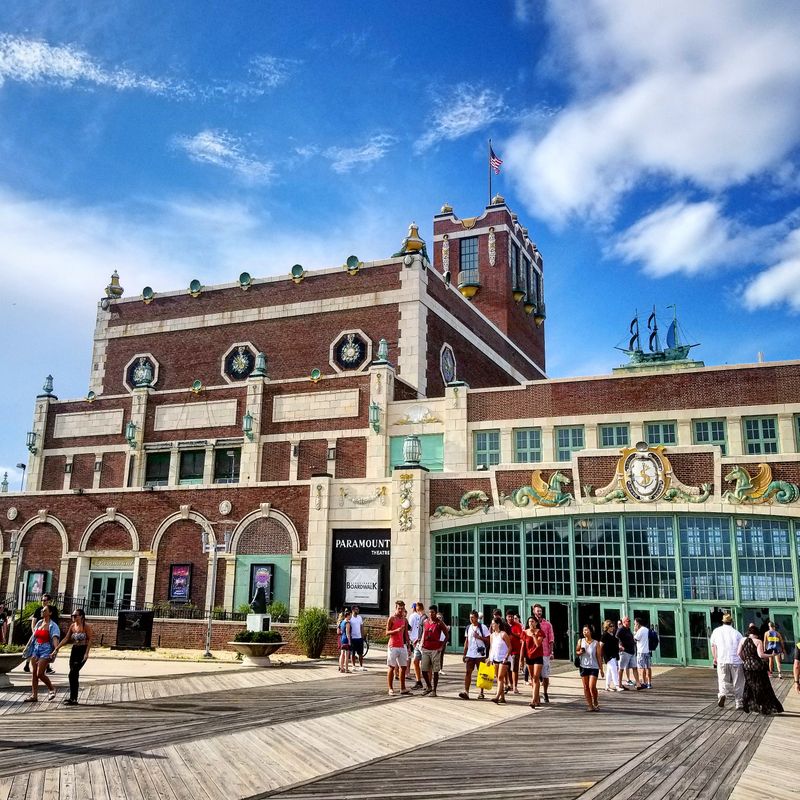
Quiet neighborhoods that once heard only seagulls and ocean waves suddenly erupt with loud music, late-night parties, and rowdy groups stumbling home after dark.
Locals who work early shifts, have young children, or simply value a peaceful living environment find themselves dealing with noise complaints that never existed during the off-season.
Rental properties often house large groups of vacationers who treat the area like a party destination, forgetting that families live next door.
Many small shore towns in New Jersey have noise ordinances that kick in after certain hours, but enforcement can be inconsistent, and by the time police arrive, the damage is done.
Residents lose sleep, feel disrespected in their own neighborhoods, and sometimes even confront noisy visitors themselves, leading to uncomfortable or hostile exchanges.
The sense of community and tranquility that locals cherish year-round gets disrupted by people who are only there for a few days and don’t consider the impact of their behavior.
Loud car stereos, shouting on the streets, and even fireworks set off at odd hours contribute to the chaos.
Some tourists seem to forget that these aren’t hotel resorts isolated from residential life; they’re actual neighborhoods where people raise families, work from home, and deserve peace and quiet.
Locals often feel like they’re living in a constant state of disruption from Memorial Day through Labor Day.
Visitors who respect quiet hours, keep music at reasonable volumes, and remember that they’re guests in someone else’s community help maintain the harmony that makes these shore towns special.
A little courtesy and awareness can prevent conflicts and ensure that everyone enjoys their time at the beach without stepping on anyone’s toes.
6. Local Restaurants And Cafes Get Overrun With Long Waits

Favorite breakfast spots, cozy coffee shops, and beloved family diners that locals frequent year-round suddenly have hour-long waits and reservation lists that stretch days in advance.
Residents who used to pop in for a quick lunch or casual dinner find themselves turned away or stuck waiting behind large tourist groups.
Small establishments with limited seating can’t accommodate the surge in demand, and regulars who support these businesses all year often get overlooked in favor of vacationers.
Many local eateries in New Jersey’s tiny shore towns are family-owned operations with small staffs, and the summer rush puts immense pressure on kitchens and servers.
Wait times increase, service quality can suffer, and locals who just want a familiar meal in a comfortable setting feel displaced by the tourist invasion.
Some residents avoid their favorite spots entirely during peak season, waiting until fall to reclaim their usual tables and routines.
Tourists often don’t realize that these aren’t chain restaurants with multiple locations; they’re one-of-a-kind gems that locals treasure and protect.
When visitors show up in large groups without reservations, linger for hours during peak times, or treat staff impatiently, it creates tension and frustration for everyone involved.
Some locals even joke that they eat at home all summer just to avoid the crowds and chaos.
Visitors who make reservations when possible, dine during off-peak hours, and show appreciation for local establishments help ease the strain and foster goodwill.
Supporting these small businesses thoughtfully means everyone gets to enjoy great food without the stress and resentment that come from overwhelming demand.
A little planning and consideration go a long way in keeping the local dining scene vibrant and welcoming for all.
7. Disrespect For Private Property Becomes Commonplace
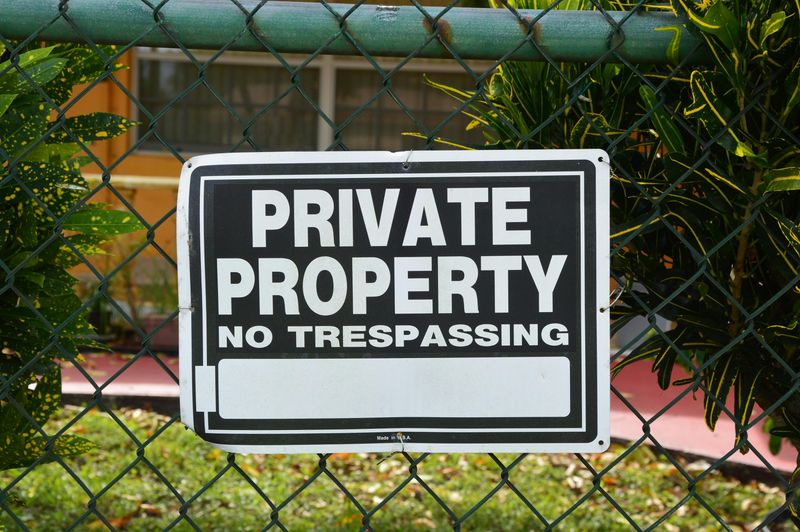
Tourists sometimes treat the entire shore town like public property, cutting through private yards to reach the beach, sitting on residents’ porches without permission, and even using outdoor showers or hoses that clearly belong to homeowners.
Locals invest in their properties and take pride in maintaining their homes, only to find strangers trampling gardens, leaving trash on their lawns, or using their driveways to turn around.
This invasion of privacy and blatant disrespect creates anger and frustration among year-round residents.
Many small New Jersey shore towns have narrow paths and limited public beach access points, leading some visitors to take shortcuts through private property rather than walking the extra block to the designated entrance.
Homeowners have reported finding beach chairs set up in their yards, strangers changing clothes behind their sheds, and even people knocking on doors to ask if they can use the bathroom.
These intrusions cross boundaries and make residents feel like their homes are no longer their own during the summer months.
Some tourists seem to believe that because they’re on vacation, normal rules of respect and courtesy don’t apply.
Locals who work hard to maintain their properties and create peaceful home environments find themselves constantly monitoring their yards and posting no-trespassing signs just to protect their space.
Fences, hedges, and locked gates become necessary defenses against well-meaning but oblivious visitors who don’t realize they’re overstepping.
Respecting property lines, using designated public access points, and asking permission before using anything that doesn’t belong to you are basic courtesies that go a long way.
Treating private property with the same respect you’d expect for your own home helps maintain trust and harmony between tourists and locals in these small, close-knit communities.
8. Emergency Services Get Stretched Thin By Tourist Incidents
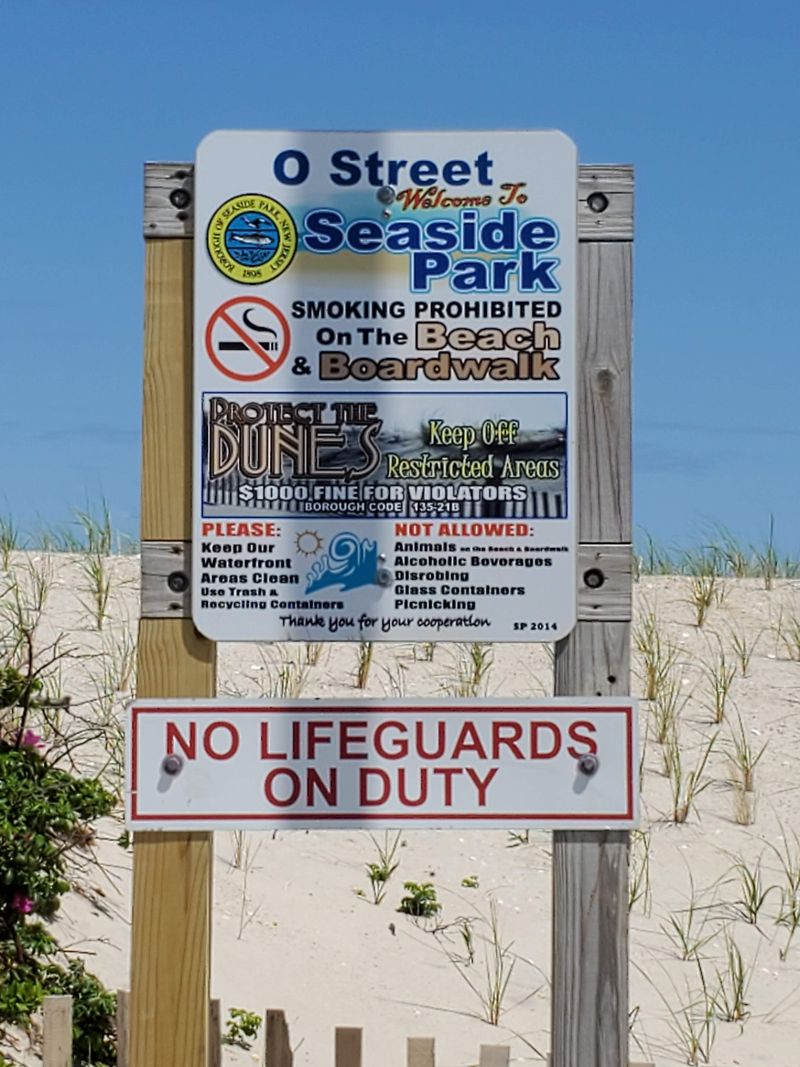
Small shore towns in New Jersey typically have limited emergency services designed to serve their year-round populations, but when tourists arrive, the demand for police, fire, and medical assistance skyrockets.
Visitors unfamiliar with ocean conditions get caught in riptides, sunburned beachgoers need medical attention, and alcohol-related incidents increase dramatically during the summer months.
Local first responders work overtime, and response times for residents with genuine emergencies can be delayed because resources are tied up with tourist-related calls.
Locals who pay taxes to support these services year-round sometimes find themselves waiting longer for help because ambulances and police officers are busy responding to preventable tourist incidents.
Beachgoers who ignore warning flags, swim in restricted areas, or underestimate the power of the ocean create dangerous situations that require rescue operations.
Fireworks mishaps, grill fires at rental properties, and even lost children at the beach all add to the burden on local emergency personnel.
Residents also deal with increased noise from sirens, helicopters, and emergency vehicles racing through their neighborhoods at all hours.
Some locals worry that if they have a real emergency during peak tourist season, help might not arrive in time because resources are stretched so thin.
Volunteer fire departments and small police forces do their best, but the sheer volume of summer incidents overwhelms their capacity.
Tourists who follow safety guidelines, respect beach warnings, and take personal responsibility for their well-being help reduce the strain on emergency services.
Being cautious, prepared, and aware of local conditions ensures that help is available for those who truly need it and that first responders aren’t constantly running from one preventable incident to another.
9. Infrastructure Struggles Under The Weight Of Seasonal Crowds
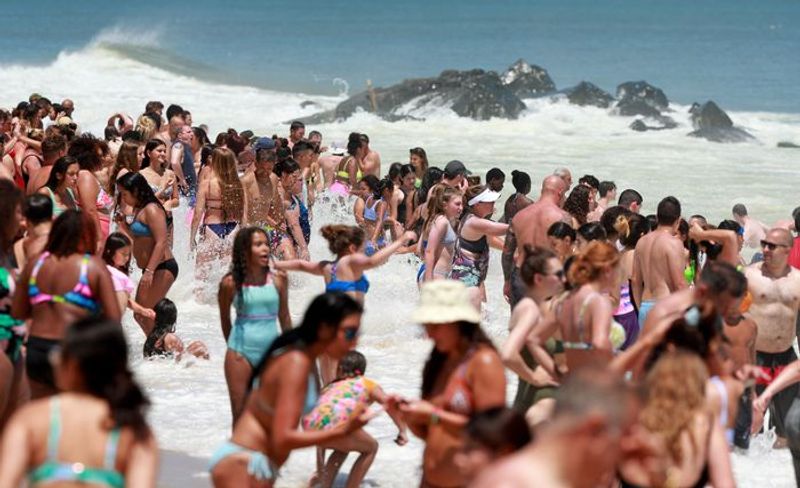
Water systems, sewage treatment, trash collection, and road maintenance in tiny shore towns are designed for small populations, not the massive influx of summer visitors.
When thousands of tourists descend on a town with only a few hundred permanent residents, the infrastructure groans under the pressure.
Water shortages, overflowing trash bins, and backed-up sewer systems become real problems that locals deal with long after vacationers leave.
Streets that see minimal traffic most of the year suddenly crack and crumble under the constant flow of heavy vehicles.
Trash collection schedules that work perfectly during the off-season become inadequate when rental properties generate five times the normal amount of garbage.
Locals often see overflowing dumpsters, trash bags piled on curbs, and litter blowing through neighborhoods because the waste management system can’t keep up.
Public restrooms at beaches and parks get overwhelmed, leading to unsanitary conditions and maintenance headaches.
Some small New Jersey shore towns even experience water pressure drops during peak usage times because the system wasn’t built to handle the summer surge.
Residents who pay property taxes and utility bills year-round bear the financial burden of maintaining and upgrading infrastructure that primarily serves seasonal visitors.
Roads need more frequent repairs, water treatment facilities require expansion, and waste management costs increase, yet locals foot the bill.
Some towns have implemented beach fees and parking charges to help offset these costs, but the strain remains.
Tourists who conserve water, dispose of trash properly, and treat public facilities with care help reduce the wear and tear on already stressed systems.
Understanding that these small towns operate on tight budgets and limited resources encourages more responsible behavior and appreciation for the challenges locals face every summer.
10. Sense Of Community Gets Lost In The Shuffle

Year-round residents in small shore towns know their neighbors, support local businesses, and participate in community events that strengthen bonds and create a sense of belonging.
When tourists arrive, that tight-knit atmosphere gets disrupted by strangers who don’t know local customs, don’t participate in community life, and often don’t care about the social fabric that holds these towns together.
Locals feel like outsiders in their own neighborhoods, surrounded by unfamiliar faces who come and go without forming any real connections.
Community events, farmers markets, and local gatherings that residents look forward to all year get overrun with tourists who treat them like tourist attractions rather than meaningful traditions.
The sense of familiarity and safety that comes from knowing your neighbors disappears when rental properties cycle through different groups of visitors every week.
Children who used to play freely in the streets now have to navigate around strangers, and elderly residents who once felt comfortable walking around their neighborhoods become more cautious and isolated.
Some locals describe the summer season as feeling like they’re living in a theme park rather than a real community.
The authentic character and charm that attracted tourists in the first place get diluted by the very presence of those visitors.
Small gestures like introducing yourself to neighbors, supporting local events, and showing genuine interest in the community can help bridge the gap between tourists and residents.
When visitors take the time to learn about the town’s history, respect local traditions, and engage with the community beyond just the beach, they contribute positively rather than disrupting the social fabric.
Recognizing that these shore towns are real places with real people who live there year-round fosters mutual respect and helps preserve the unique character that makes them special in the first place.
Dear Reader: This page may contain affiliate links which may earn a commission if you click through and make a purchase. Our independent journalism is not influenced by any advertiser or commercial initiative unless it is clearly marked as sponsored content. As travel products change, please be sure to reconfirm all details and stay up to date with current events to ensure a safe and successful trip.
