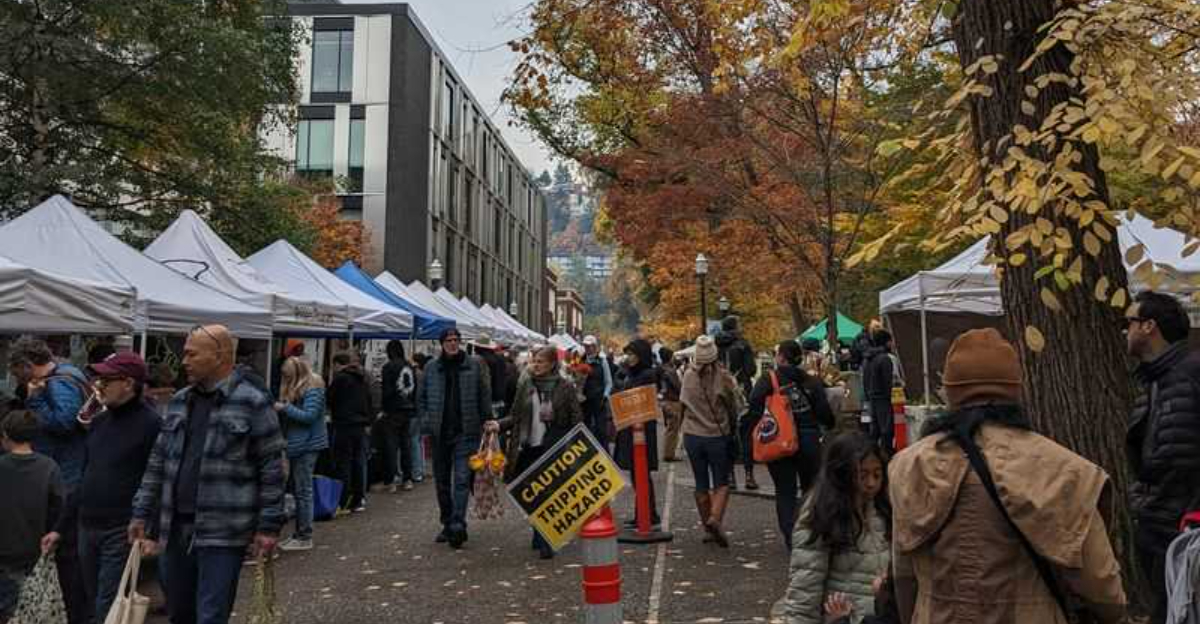
Portland, Oregon transforms into something magical during winter months, when fog rolls off the Willamette River and Mount Hood’s snow-capped peak gleams in the distance.
The city’s beloved farmers markets continue to thrive even as temperatures drop, drawing crowds of shoppers seeking fresh produce, artisan goods, and warm pastries under covered pavilions.
Yet this seasonal tradition has become a source of frustration for longtime residents who remember quieter, more intimate market experiences.
Understanding why locals feel irritated by the winter market crowds reveals deeper concerns about Portland’s changing character and the challenges of maintaining community spaces in a growing city.
Parking Nightmares at Popular Market Locations
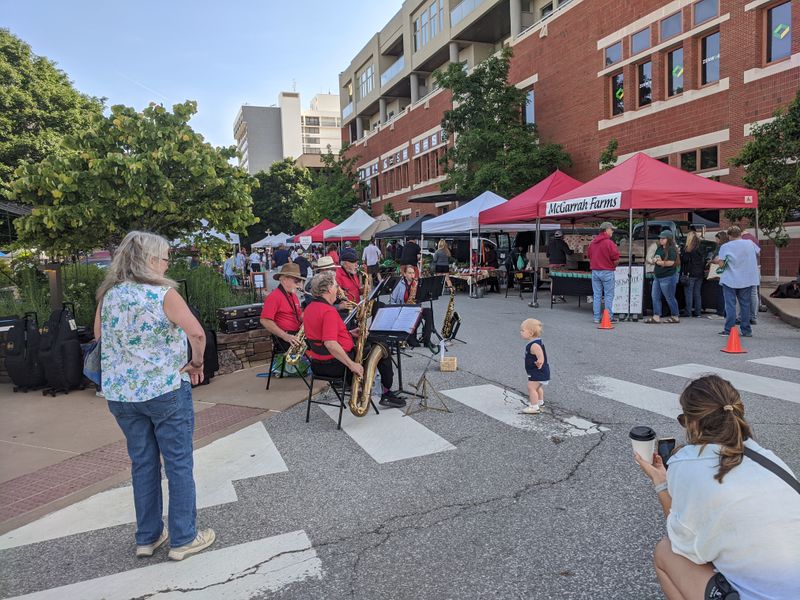
Finding a parking spot near Portland’s winter farmers markets has become an exercise in patience that tests even the most zen locals.
The Portland State University Farmers Market, located at SW Park Avenue and SW Montgomery Street, transforms the surrounding streets into a chaotic maze of circling vehicles every Saturday morning.
Residents who live in nearby neighborhoods complain that their street parking disappears before 8 AM, forcing them to park blocks away from their own homes.
Visitors unfamiliar with Portland’s one-way downtown streets add to the confusion, creating traffic bottlenecks that ripple through the Pearl District and West End.
Some longtime market-goers have abandoned their cars entirely, opting for bicycles or public transit to avoid the stress.
The TriMet MAX light rail offers convenient access, but even bike racks at market entrances fill up quickly on busy winter Saturdays.
Local residents remember when finding parking meant a quick circle around the block, not a 30-minute hunt.
The Portland Farmers Market at Shemanski Park also faces similar challenges, with limited street parking along SW Park Avenue quickly claimed by early arrivals.
Neighborhood associations have raised concerns about non-residents taking up residential parking spaces for hours while they shop and socialize.
The city has attempted to address these issues with designated market parking areas, but demand far exceeds supply during peak winter months.
For locals who just want to grab fresh vegetables and head home, the parking situation feels like an unnecessary barrier to supporting local farmers.
This frustration reflects broader transportation challenges facing Portland as the city continues to grow and attract visitors.
Long Lines That Test Your Patience
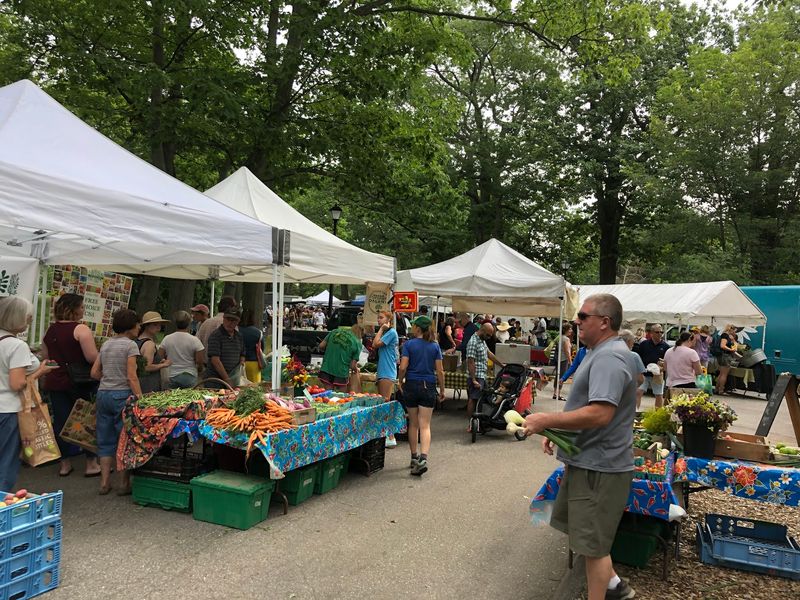
Standing in line for 45 minutes just to buy a loaf of artisan bread was never part of the original farmers market charm.
Portland’s winter markets have become so popular that lines snake around vendor stalls, creating confusion about where one queue ends and another begins.
The most sought-after vendors, like the mushroom foragers and specialty cheese makers, attract crowds that would rival a popular restaurant opening.
Locals who remember browsing leisurely and chatting with farmers now find themselves strategizing their market routes like military operations.
Some regulars arrive before the official opening time, hoping to beat the rush and secure their favorite products before they sell out.
The covered pavilions at markets like the one at Portland State University help protect shoppers from winter rain, but they also concentrate crowds into smaller spaces.
This compression makes lines feel even longer and more claustrophobic, especially when families with strollers and dogs on leashes navigate the same narrow aisles.
Elderly residents and those with mobility challenges find the crowded conditions particularly difficult, sometimes giving up and leaving without making purchases.
The social aspect of farmers markets, once a highlight of the experience, has diminished as people focus on efficient shopping rather than community connection.
Vendors themselves express frustration at being unable to provide the personalized service that once defined their customer relationships.
The rushed atmosphere contradicts Portland’s reputation as a laid-back city where people take time to enjoy simple pleasures.
For longtime residents, these endless lines represent a loss of the authentic, unhurried market culture they once treasured.
Out-of-Town Visitors Treating Markets Like Tourist Attractions
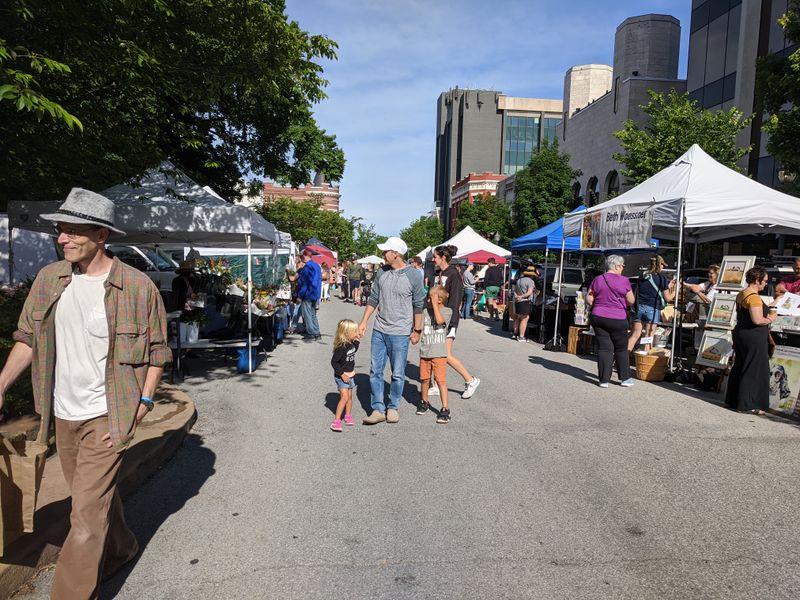
Portland’s reputation as a foodie destination has turned its farmers markets into must-see stops on tourist itineraries.
Visitors arrive with cameras and smartphones raised, documenting every colorful vegetable display and artisanal product for social media rather than actually shopping.
Locals trying to purchase their weekly groceries find themselves dodging photo shoots and navigating around groups taking selfies with produce backgrounds.
The markets have always welcomed everyone, but the balance has shifted from community gathering place to entertainment venue.
Tour groups now include farmers market visits as part of their Portland food tour packages, bringing 15 to 20 people at once to already crowded vendor stalls.
These groups often move slowly through aisles, blocking access while guides explain Portland’s farm-to-table culture to out-of-towners.
Residents appreciate that visitors want to experience authentic Portland culture, but the sheer volume has changed the market atmosphere fundamentally.
Some tourists treat the markets like free entertainment, sampling products with no intention of buying while actual customers wait behind them.
The Instagram-worthy aesthetic of winter markets, with string lights and steaming food carts against a backdrop of misty Portland mornings, has become a marketing tool that attracts even more visitors.
Local farmers and vendors appreciate the business, but some quietly admit they miss the regular customers they knew by name.
The sense of being in your own neighborhood market has evaporated when surrounded by people consulting guidebooks and asking for directions to other tourist sites.
For Portland residents, this transformation represents a broader concern about their city becoming a destination rather than a home.
Early Sellouts of Popular Local Products
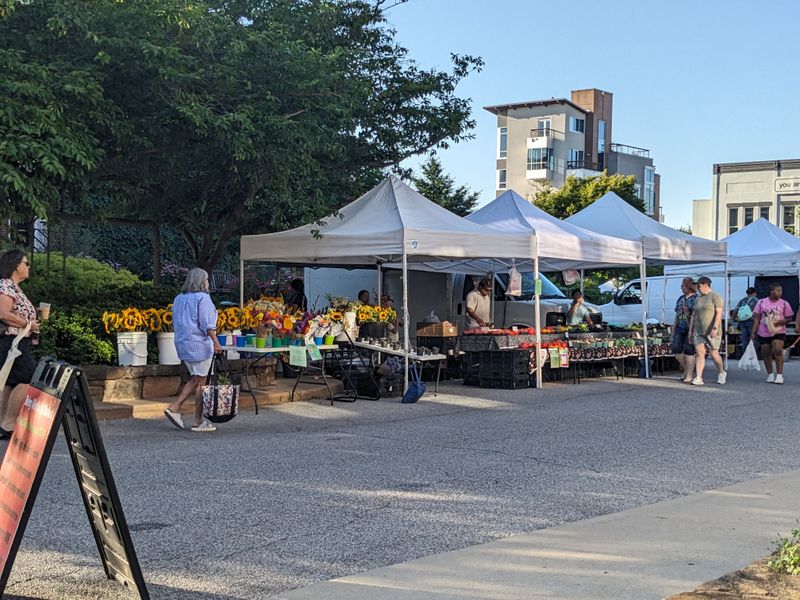
Arriving at 10 AM only to discover that your favorite vendor has already sold out of everything feels like a personal betrayal.
The increased crowds at Portland’s winter farmers markets mean that popular items disappear within the first hour of operation.
Hazelnuts from local Oregon orchards, wild-caught salmon, and seasonal mushrooms like chanterelles vanish almost immediately after markets open.
Longtime customers who have been buying from the same farmers for years suddenly find themselves competing with newcomers for limited inventory.
Some vendors have implemented reservation systems or pre-order options, but this removes the spontaneity that made market shopping enjoyable.
The scarcity has created an unfortunate competitive atmosphere where shoppers rush to stalls and grab items quickly rather than thoughtfully selecting produce.
Locals who work Saturday mornings and can only visit markets in the afternoon are essentially shut out from accessing the best products.
Small-scale farmers cannot simply increase production to meet demand without compromising the quality and sustainability that attracted customers in the first place.
This situation highlights the tension between supporting local agriculture and managing the consequences of Portland’s growing popularity.
Some residents have started visiting smaller neighborhood markets in areas like Montavilla or Lents, seeking the quieter experience they remember.
The frustration extends beyond missing out on favorite foods to feeling disconnected from a community tradition that once felt reliable and accessible.
When basic grocery shopping becomes a competitive sport requiring strategic timing, something essential about the farmers market experience has been lost.
Stroller and Dog Traffic Jams

Navigating Portland’s winter farmers markets sometimes feels like an obstacle course designed to test your agility and patience.
The city’s dog-friendly culture means that farmers markets welcome four-legged shoppers, but in crowded conditions, leashes create tripping hazards and tangled messes.
Parents with double-wide strollers and wagons add another layer of complexity to already narrow market aisles.
Everyone has a right to visit the market, but the combination of dogs, strollers, shopping carts, and crowds creates gridlock situations where nobody can move.
Dogs meeting each other in tight spaces can block entire pathways while their owners chat and untangle leashes.
Some locals have witnessed conflicts between shoppers over right-of-way issues, a far cry from the friendly community atmosphere markets once embodied.
The covered areas that protect shoppers from Portland’s winter drizzle also concentrate foot traffic into limited space, intensifying congestion problems.
People trying to browse a vendor’s selection find themselves constantly moving aside to let strollers and dogs pass, making it difficult to actually shop.
Vendors have expressed concerns about dogs getting too close to food displays or children in strollers grabbing products from low tables.
The Portland Farmers Market organization has tried to manage these issues with signage and suggested traffic flow patterns, but enforcement remains challenging.
Some longtime market-goers now leave their dogs at home despite Portland’s pet-friendly reputation, simply to make navigating crowds more manageable.
This situation reflects how something positive about Portland culture, its inclusiveness and welcoming attitude, can become problematic when spaces reach capacity.
Loss of Personal Connection with Farmers
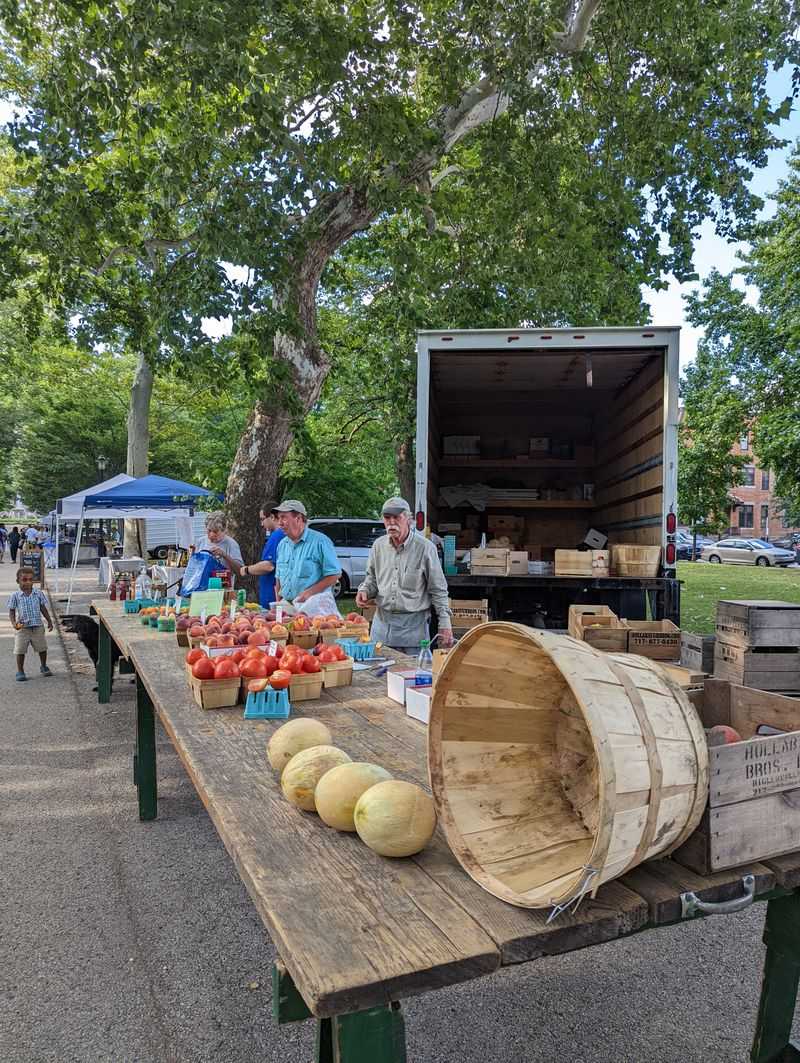
Knowing your farmer by name and hearing stories about how they grew your carrots used to be a defining feature of Portland’s market culture.
The crowds have transformed these personal interactions into rushed transactions where farmers barely have time to make eye contact, let alone share their knowledge.
Longtime customers who developed relationships with growers over years now find themselves treated like any other face in the crowd.
Farmers who once offered cooking tips, shared recipes, or explained their growing methods now focus solely on processing payments and moving the line along.
This loss represents more than inconvenience; it erodes the educational and community-building aspects that made farmers markets valuable beyond just food access.
Children who attended markets with parents and learned about agriculture through conversations with farmers miss out on these formative experiences.
The relationship between producer and consumer, which helps people understand where food comes from and how it reaches their tables, has been sacrificed to efficiency.
Some vendors have hired additional staff to manage crowds, but these employees often lack the deep knowledge and personal investment of the farmers themselves.
Locals remember when asking about organic practices or heirloom varieties would spark enthusiastic discussions rather than impatient responses.
The sense of supporting a specific farmer and their family has become abstracted into a generic transaction that could happen anywhere.
Small talk about weather, crop challenges, and seasonal changes once connected urban Portlanders to rural agricultural realities in meaningful ways.
Without these connections, farmers markets become just another retail experience, losing the special quality that made them worth protecting and promoting.
Increased Prices Reflecting Tourism Demand
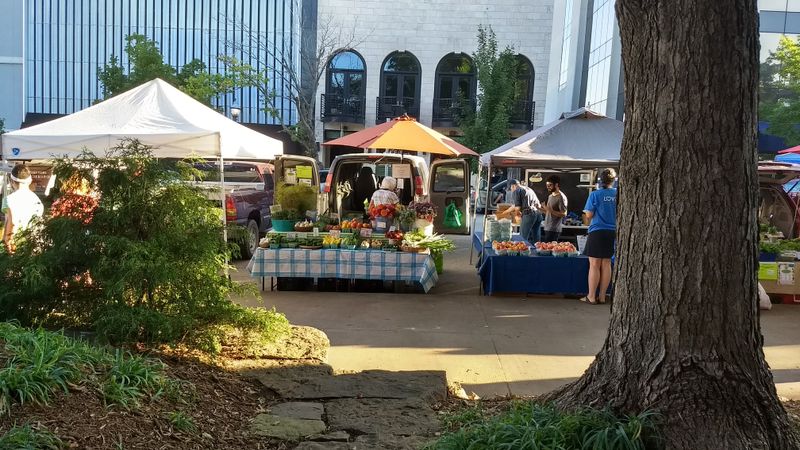
Economic principles of supply and demand have reached Portland’s farmers markets in ways that price out some longtime local customers.
Vendors facing overwhelming demand and limited supply have naturally adjusted their prices upward, making weekly market shopping less affordable for budget-conscious residents.
A dozen eggs or a pound of artisan cheese that once represented reasonable splurges now carry price tags that rival upscale grocery stores.
Tourists willing to pay premium prices for authentic Portland experiences have inadvertently driven costs beyond what many locals can regularly afford.
Farmers argue that their prices reflect the true cost of sustainable, small-scale agriculture, and they deserve fair compensation for their labor.
However, longtime market shoppers feel caught between wanting to support local growers and needing to manage household budgets.
The irony is that farmers markets originally provided alternatives to expensive supermarket organic sections, offering direct-from-farm pricing.
Now some residents find better deals at grocery stores than at markets, reversing the traditional economic advantage of buying directly from producers.
This pricing shift has changed the demographic of market shoppers, skewing toward wealthier visitors and residents who can afford premium costs.
Working-class Portlanders and families on tight budgets increasingly feel excluded from a community resource that once welcomed everyone.
The transformation of farmers markets from accessible community institutions to premium shopping experiences reflects broader gentrification concerns throughout Portland.
When locals can no longer afford to shop at their own neighborhood markets, something fundamental about community equity and food access has broken down.
Changing Atmosphere from Community to Commerce
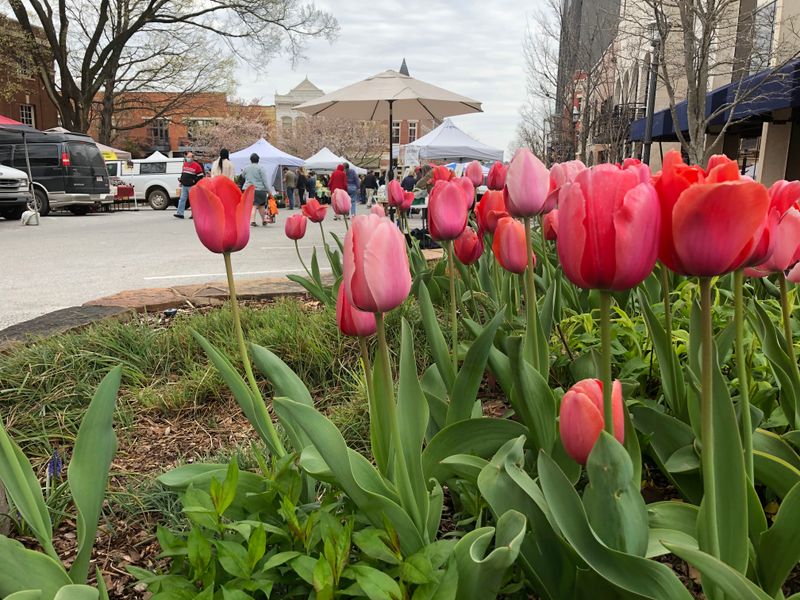
Portland’s farmers markets once felt like neighborhood gatherings where commerce happened within a context of community connection.
The overwhelming crowds have shifted the atmosphere toward pure retail transactions, losing the social glue that made markets special gathering places.
Musicians who once played for tips and ambiance now compete with the noise of hundreds of conversations and vendor announcements over loudspeakers.
The relaxed pace that allowed neighbors to catch up, children to play, and friends to meet for coffee has been replaced by efficient shopping missions.
Longtime attendees describe feeling anonymous in the crowds, no longer recognizing familiar faces or experiencing the sense of belonging they once valued.
The markets have become destinations for consuming experiences rather than spaces for building relationships and strengthening community bonds.
Vendors who once had time to share stories, offer samples, and educate customers now function primarily as cashiers processing transactions.
The proliferation of prepared food vendors, while delicious, has shifted markets toward restaurant-style dining experiences rather than agricultural exchange.
Some locals observe that markets increasingly cater to what tourists expect to see rather than what the community actually needs.
The addition of craft vendors selling items unrelated to food or farming has further commercialized the market atmosphere.
Portland residents who valued farmers markets as alternatives to mainstream consumer culture now see them becoming just another form of commercialized entertainment.
This transformation represents a loss of third spaces where people can gather informally without pressure to consume or perform for social media.
Environmental Impact of Increased Traffic
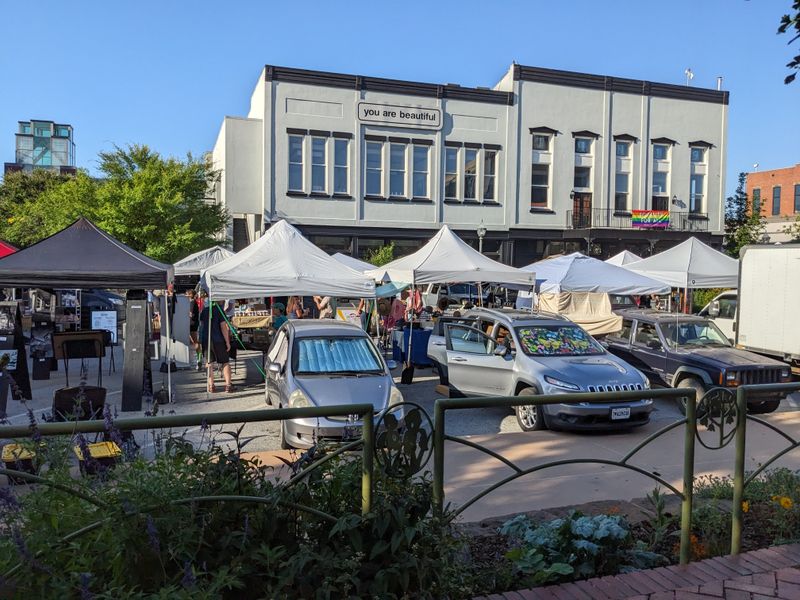
Portland’s environmental consciousness makes the irony of farmers market traffic particularly frustrating for eco-minded locals.
Hundreds of cars circling neighborhoods searching for parking and idling in traffic jams contradict the sustainability values that farmers markets supposedly represent.
The carbon footprint of shoppers driving from across the metro area arguably negates some environmental benefits of buying locally grown food.
Residents who walk or bike to markets as part of their low-impact lifestyle find the experience diminished by exhaust fumes and traffic congestion.
The markets themselves generate significant waste from prepared food vendors, coffee cups, and packaging despite efforts to promote composting and recycling.
Overflowing trash bins and litter around market perimeters have become common sights, especially during busy winter Saturdays when visitor numbers peak.
Portland’s reputation as a green city feels undermined when environmental costs of market popularity become impossible to ignore.
Some locals question whether the farmers market model can scale sustainably or if success inevitably creates environmental contradictions.
The city has attempted to encourage alternative transportation through bike valet services and MAX light rail access, but most visitors still arrive by car.
Neighborhood air quality suffers on market days from increased vehicle traffic, affecting residents with respiratory conditions.
The environmental impact extends to vendor travel as well, with farmers driving trucks from distant farms multiple times weekly during peak market season.
For Portlanders who chose farmers markets partly for environmental reasons, these contradictions create cognitive dissonance and genuine frustration about the direction of local food culture.
Seasonal Overcrowding Despite Winter Weather
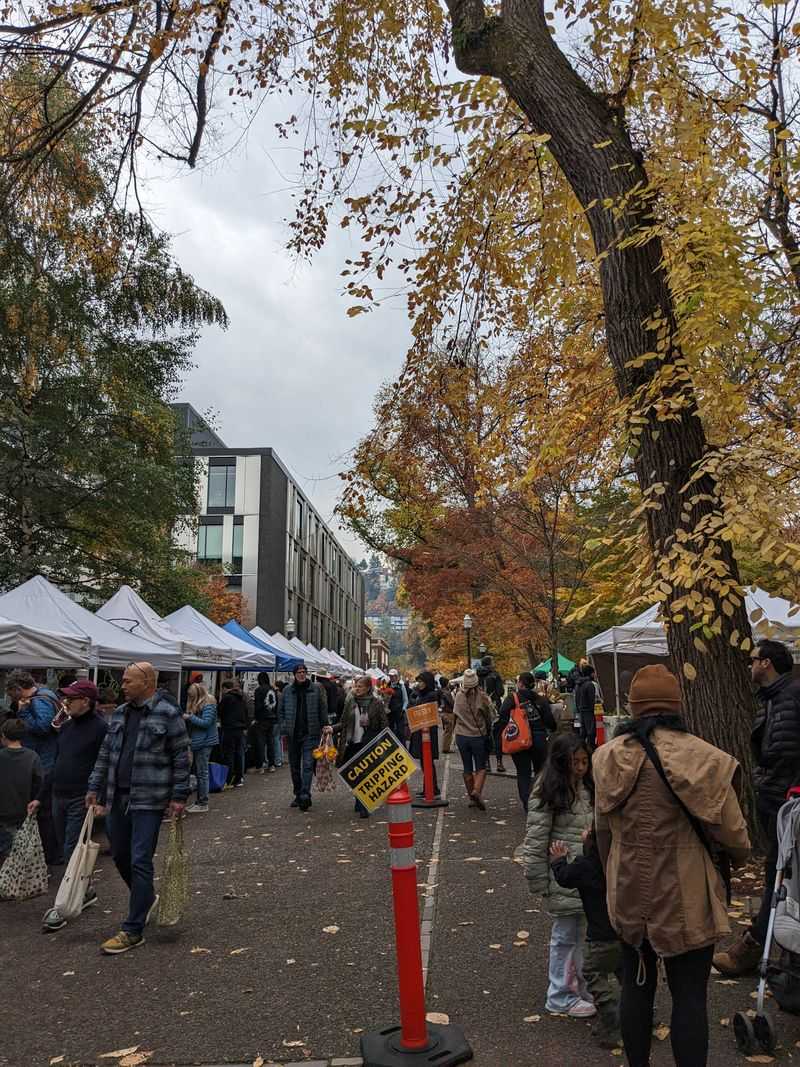
Winter markets were supposed to be the quieter, more intimate counterpart to busy summer growing seasons.
Portland’s mild winters allow year-round agriculture, with root vegetables, winter greens, and stored crops providing steady market offerings.
Locals appreciated winter markets as opportunities to connect with farmers during slower months when crowds thinned and conversations could happen.
However, Portland’s growing population and reputation have eliminated the seasonal ebb and flow that once characterized market attendance.
Even on rainy January mornings when Portlanders once had markets mostly to themselves, crowds now rival summer peak times.
The covered pavilions at locations like the PSU Farmers Market protect from rain but create bottlenecks as everyone seeks shelter simultaneously.
Tourists visiting Portland during winter months specifically seek out farmers markets as authentic local experiences, maintaining crowd levels year-round.
The loss of seasonal variation means no respite for overwhelmed locals or opportunities for the relaxed market experiences they remember.
Farmers who once appreciated winter markets as chances to slow down and reconnect with regular customers now face relentless crowds regardless of season.
The weather-dependent nature of farming means that winter actually offers fewer products and smaller harvests, making the intense demand even more problematic.
Some longtime market-goers have stopped attending altogether, waiting for conditions that may never return given Portland’s continued growth and popularity.
The elimination of seasonal rhythms represents another way that modern market culture has diverged from the agricultural cycles it supposedly celebrates.
Nostalgia for the Portland That Used to Be
Underneath all the specific complaints about parking, crowds, and prices lies a deeper sense of loss among longtime Portland residents.
The crowded winter farmers markets symbolize broader changes that have transformed Portland from a quirky, affordable city into a expensive, tourist-heavy destination.
Locals remember when farmers markets felt like insider knowledge, special community secrets rather than highlighted attractions in travel guides.
The changes have happened gradually over two decades, but the cumulative effect has fundamentally altered what it means to be a Portlander.
Farmers markets serve as a microcosm for concerns about gentrification, overcrowding, rising costs, and loss of authentic local culture.
Older residents who remember Portland before its food scene became nationally famous feel particularly disconnected from current market culture.
The irritation about crowded markets reflects grief for a city that felt more accessible, affordable, and community-oriented.
Young families who moved to Portland specifically for its quality of life now wonder if they arrived too late to experience what made the city special.
This nostalgia is not simply about resistance to change but about mourning the loss of spaces where community could form organically.
The farmers market frustration connects to larger conversations about urban growth, sustainable development, and maintaining neighborhood character.
Some locals recognize that their own presence contributed to Portland’s popularity, creating a complex relationship with growth and change.
The question remains whether Portland can accommodate its success while preserving the qualities that made it attractive in the first place.
Dear Reader: This page may contain affiliate links which may earn a commission if you click through and make a purchase. Our independent journalism is not influenced by any advertiser or commercial initiative unless it is clearly marked as sponsored content. As travel products change, please be sure to reconfirm all details and stay up to date with current events to ensure a safe and successful trip.
