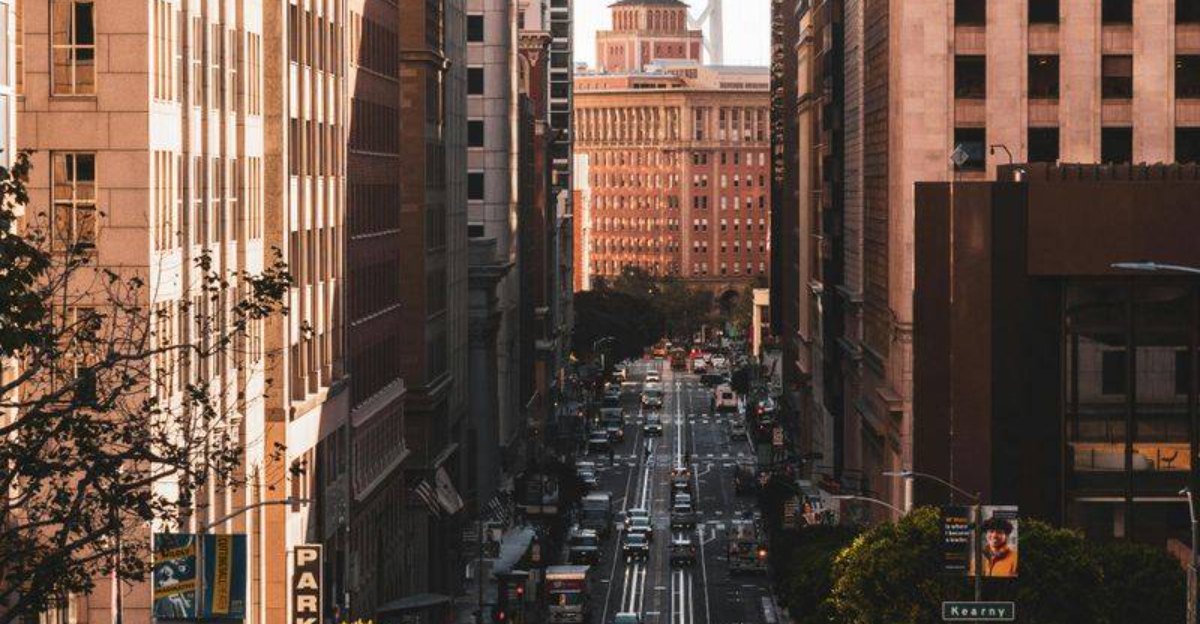
San Francisco sits on a hilly peninsula where the Pacific Ocean meets the bay, creating one of America’s most photogenic and culturally rich destinations.
Travelers flock here year-round for the iconic Golden Gate Bridge, historic cable cars rattling up steep streets, and neighborhoods bursting with Victorian architecture and culinary innovation.
During the holiday season, the city transforms into something even more magical, with twinkling lights adorning Union Square, festive window displays drawing crowds to downtown shopping districts, and special seasonal events filling calendars from Thanksgiving through New Year’s.
But this surge of visitors creates tension between those who call San Francisco home and the thousands who descend upon the city’s most celebrated streets, leading to frustrations that bubble up each December as locals navigate their own neighborhoods through throngs of camera-wielding tourists.
Sidewalks Become Impassable During Peak Shopping Hours
Walking to work or running errands becomes an obstacle course when holiday tourists pack the sidewalks of downtown San Francisco.
Union Square and the surrounding blocks transform into a slow-moving sea of visitors stopping suddenly to take photos, consulting maps on their phones, or gathering in groups that block entire sections of the walkway.
Locals who need to catch a bus or make it to an appointment find themselves weaving around clusters of people who seem unaware that others are trying to pass.
The narrow sidewalks along Powell Street, already challenging to navigate on regular days, become nearly impossible during the holiday rush.
Tourists often walk three or four people wide, leaving no room for anyone to get by without stepping into the street.
Residents heading home after a long workday just want to move at a normal pace, but instead they’re stuck behind groups moving at a leisurely stroll, stopping every few feet to look in shop windows.
The frustration builds when tourists block building entrances, subway station exits, and crosswalks while taking selfies or organizing their shopping bags.
What should be a five-minute walk to grab lunch stretches into fifteen minutes of careful maneuvering.
San Francisco locals develop special navigation skills during December, learning alternate routes through back alleys and less popular streets just to avoid the main tourist corridors.
The simple act of moving through their own city becomes exhausting when every sidewalk feels like a crowded theme park.
Public Transportation Gets Overwhelmed By Unfamiliar Riders
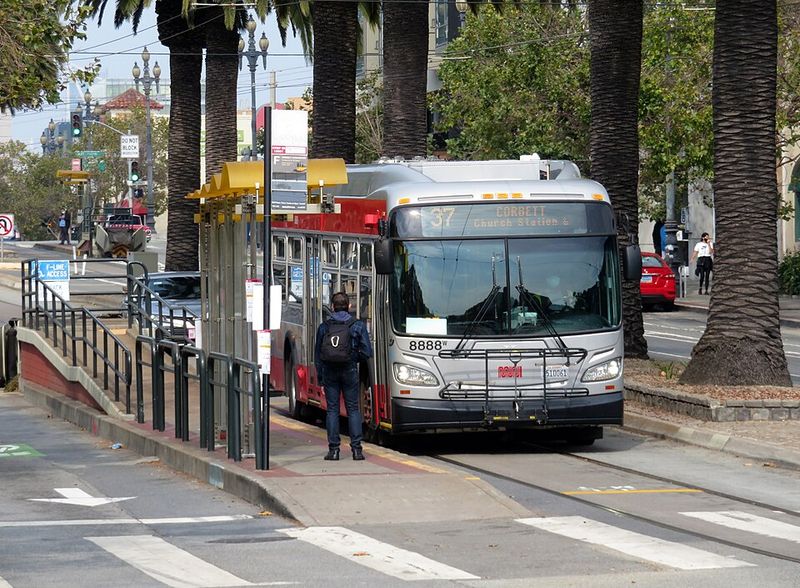
Cable cars and Muni buses that residents depend on for daily commutes become tourist attractions during the holidays, making reliable transportation frustratingly unreliable.
The Powell-Hyde and Powell-Mason cable car lines see wait times stretch to over an hour as visitors queue up for the quintessential San Francisco experience.
Locals who live along these routes and once hopped on for quick trips up the hill find themselves passed by repeatedly as conductors prioritize the long lines of tourists at the main turnarounds.
Inside Muni buses and trains, tourists unfamiliar with the system block doorways with suitcases and shopping bags, unsure of how to pay fares or which stop to exit at.
They ask questions loudly, consult paper maps that unfold across multiple seats, and stop in the middle of crowded train cars to take photos through windows.
Regular riders trying to get to work or pick up their kids from school miss their stops because they can’t push through the packed aisles in time.
The F-Market streetcar, which runs along the Embarcadero and Market Street, becomes especially congested as tourists ride it specifically for the vintage experience rather than actual transportation needs.
Residents who rely on these routes for grocery shopping or medical appointments find themselves late and stressed, forced to budget extra travel time during the entire holiday season.
The frustration peaks when tourists treat public transit like a sightseeing tour rather than the essential service it provides to people who live and work in San Francisco year-round.
Restaurants And Cafes Have Impossible Wait Times
Neighborhood spots where locals grab their regular morning coffee or weeknight dinner suddenly require reservations weeks in advance once the holiday visitors arrive.
Restaurants in Fisherman’s Wharf and North Beach that cater to tourists year-round are expected to be busy, but the holiday overflow spreads to residential neighborhoods like the Mission, Haight-Ashbury, and the Richmond.
Small cafes along Valencia Street at 3141 24th Street or Tartine Bakery at 600 Guerrero Street see lines stretching down the block as tourists seek out places featured in travel guides and Instagram posts.
Regulars who used to pop in for a quick lunch find themselves turned away or facing hour-long waits.
The casual, community atmosphere that made these places special disappears under the pressure of serving unfamiliar faces who may never return.
Servers and baristas who recognize their regular customers by name and know their usual orders become too overwhelmed to provide that personal touch.
Reservation systems at popular dinner spots like those in Hayes Valley or along Divisadero Street fill up entirely with out-of-town visitors, leaving locals unable to celebrate their own holiday gatherings at their favorite restaurants.
Even grocery stores and corner markets experience unusual crowds as tourists buy snacks and drinks, creating checkout lines that snake through the aisles.
Residents find themselves eating at home more often or traveling outside their neighborhoods just to find a place to sit down for a meal without a massive wait.
Parking Becomes Absolutely Nonexistent Throughout The City
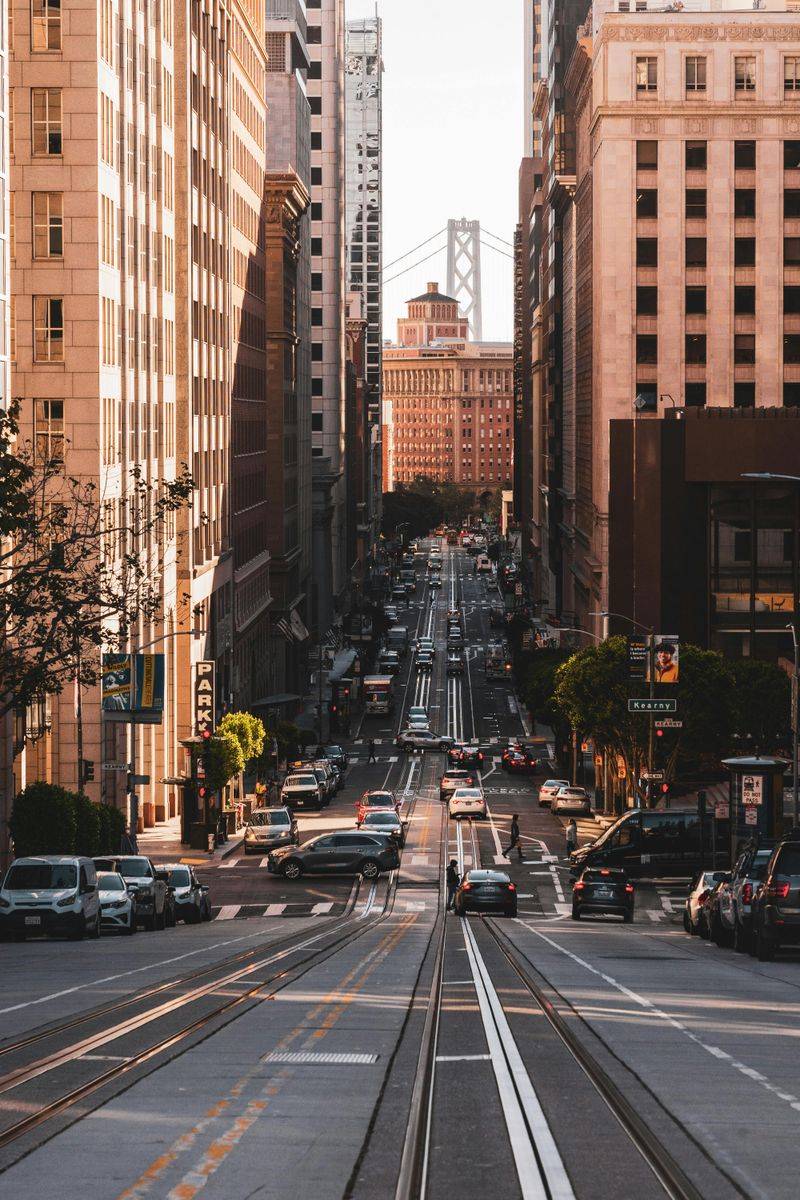
Finding parking in San Francisco challenges even the most experienced locals on regular days, but the holiday tourist influx turns it into a nearly impossible mission.
Rental cars with out-of-state plates circle blocks repeatedly in neighborhoods like the Marina, Pacific Heights, and Russian Hill, with drivers unfamiliar with the city’s parking regulations.
They take up residential permit spaces illegally, block driveways, and park too far from curbs on steep hills, creating hazards and taking spots that neighborhood residents desperately need.
Garages and lots that locals rely on for monthly parking fill up with daily visitors willing to pay premium holiday rates.
Someone who lives in North Beach and usually finds street parking within a few blocks of home suddenly spends forty minutes circling before giving up and parking a mile away.
The walk back home with groceries or after a long day becomes an unwelcome addition to daily routines.
Popular areas like Lombard Street, the Painted Ladies at Alamo Square, and the Palace of Fine Arts see cars double-parked while tourists jump out for quick photos, blocking traffic and creating dangerous situations.
Delivery drivers and residents trying to load or unload find themselves stuck behind these temporary obstructions.
The stress of parking during the holidays makes locals reconsider driving at all, but alternative transportation options are equally overwhelmed.
Many residents simply avoid going out during peak tourist hours, feeling pushed out of their own neighborhoods by the sheer volume of visitors and vehicles.
Popular Viewpoints Become Overcrowded Photo Zones
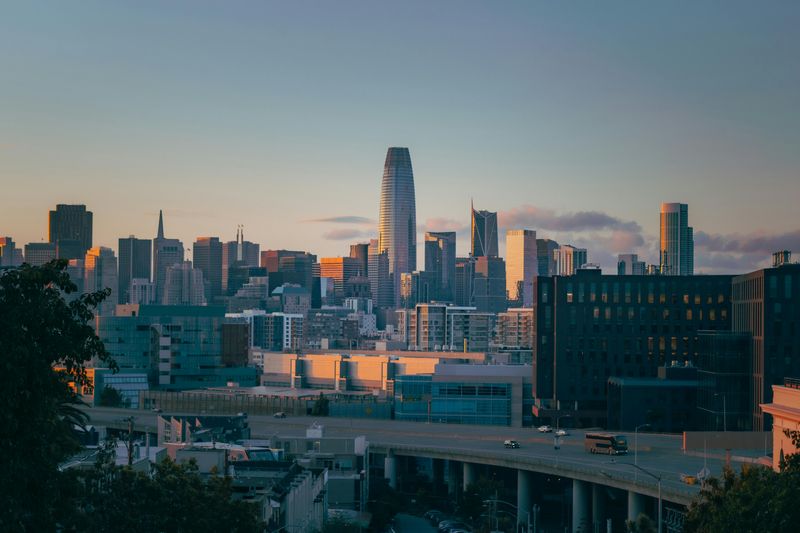
Twin Peaks, the Golden Gate Bridge vista points, and other scenic overlooks that locals visit for peaceful moments become chaotic photography studios during the holidays.
Tourists arrive by the busload, setting up tripods that block pathways and staking out prime viewing spots for extended periods.
Residents who drive up to these locations for a quick stress-relieving view of the city find no parking and crowds so thick they can barely see past the rows of people.
The quiet contemplation that makes these spots special for locals disappears under the noise of tour guides speaking through megaphones and groups shouting to coordinate their photos.
Battery Spencer on the north side of the Golden Gate Bridge, normally a peaceful place to watch fog roll through the bridge towers, becomes so packed that visitors spill onto the narrow roadway, creating traffic backups.
Lands End Trail and the Sutro Baths ruins see foot traffic increase dramatically as tourists follow social media recommendations, turning serene coastal walks into crowded queues.
People stop suddenly in the middle of trails to pose for pictures, oblivious to hikers and dog walkers trying to pass.
The sense of discovery and connection to nature that locals cherish about these places evaporates when they’re packed shoulder to shoulder with strangers.
Some residents stop visiting their favorite viewpoints entirely during November and December, waiting until January when the tourist surge finally subsides and they can reclaim these spaces for quiet reflection and appreciation of their beautiful city.
Neighborhood Character Gets Lost In Tourist Demands
Authentic neighborhood businesses that serve local communities year-round feel pressure to cater to tourist expectations during the holidays, sometimes losing what made them special in the first place.
Small bookstores, family-run bakeries, and independent shops that thrive on relationships with regular customers find themselves overrun with visitors seeking Instagram-worthy experiences rather than genuine connections.
The Mission District’s vibrant Latino culture and artistic spirit can feel diluted when tour groups flood the streets looking only for the most photographed murals along Clarion Alley without engaging with the neighborhood’s deeper history and ongoing creative work.
Shop owners face difficult choices between serving tourists who bring holiday revenue and maintaining the atmosphere that made their businesses neighborhood anchors.
Locals notice when their favorite bookstore starts stocking more souvenir items and fewer literary works, or when the corner cafe adds overpriced seasonal drinks aimed at visitors rather than the simple, quality coffee regulars prefer.
Haight-Ashbury’s counterculture legacy becomes reduced to tie-dye t-shirt shops as tourists seek superficial connections to the neighborhood’s 1960s history.
Long-time residents who remember when these streets felt like genuine communities watch their neighborhoods transform into outdoor shopping malls during the holidays.
The conversations, interactions, and daily rhythms that define neighborhood life get interrupted by the constant flow of people passing through without really seeing the place or its people.
Locals feel like they’re living in a theme park version of their own city, where authenticity takes a backseat to tourist convenience and photo opportunities.
Noise Levels Spike Throughout Residential Areas
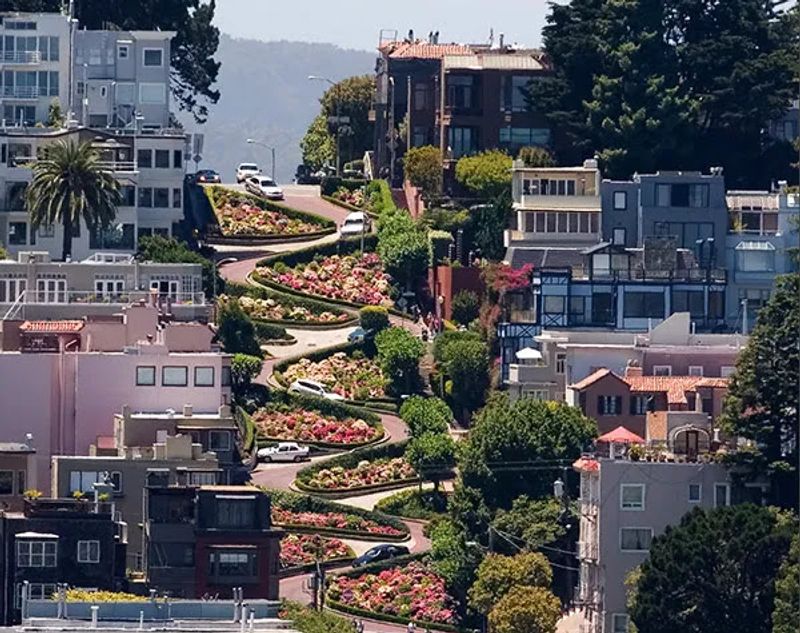
Quiet residential streets that locals chose specifically for their peaceful atmosphere become surprisingly loud when holiday tourists discover them through online guides and walking tours.
The Painted Ladies at Alamo Square Park bring constant streams of visitors who arrive early in the morning and stay until after dark, filling the surrounding blocks with conversation, music from portable speakers, and the rumble of tour buses that idle while groups take photos.
Residents living in those Victorian homes or nearby apartments lose the ability to enjoy quiet mornings or peaceful evenings in their own neighborhoods.
Lombard Street’s residents endure an even worse situation, with tourists shouting to each other over the sound of cars carefully navigating the famous curves, horns honking, and the constant click of camera shutters.
People living on that single block deal with noise from dawn until well past midnight during the holiday season.
Even neighborhoods without major tourist attractions experience increased noise as visitors spread throughout the city looking for parking, restaurants, and accommodations.
Rental cars blast music with windows down as lost tourists circle blocks repeatedly, and groups walk through residential streets late at night after dinner, talking loudly without realizing people are trying to sleep.
Families with young children, people who work night shifts and sleep during the day, and anyone who values peace and quiet in their home environment find the holiday season exhausting.
The cumulative effect of months of elevated noise levels takes a toll on mental health and quality of life for residents who feel their right to peaceful enjoyment of their homes is being ignored.
Local Holiday Traditions Get Disrupted By Outsiders
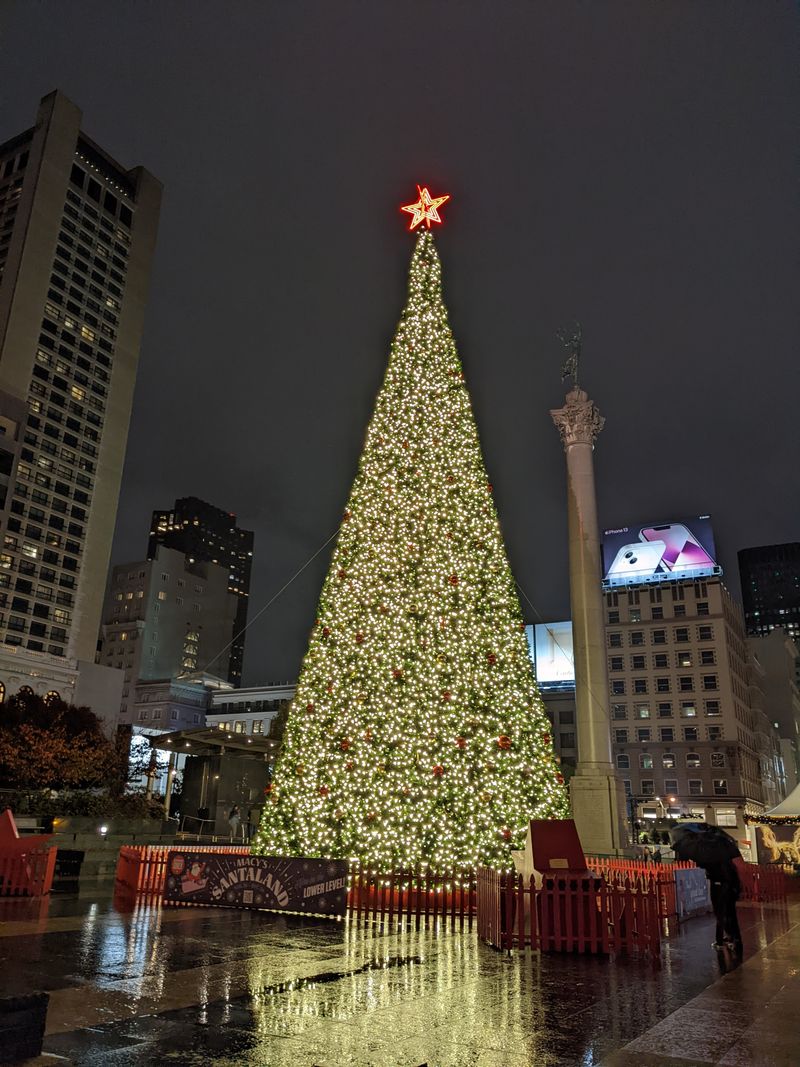
Community holiday events that San Francisco families have attended for generations become difficult to enjoy when they’re overwhelmed by tourists who discovered them through travel websites.
The Union Square tree lighting ceremony, once an intimate gathering where neighbors met up and children gazed in wonder, now draws such massive crowds that locals can barely get close enough to see.
Families who made this an annual tradition find themselves pushed to the back of crowds or unable to access the square at all.
Neighborhood festivals in places like North Beach’s Little Italy, where residents celebrate with traditional foods and music, see their character change when tourist numbers exceed local attendance.
The sense of community celebration transforms into a performance for outsiders rather than an authentic gathering of neighbors.
Ice skating rinks set up in Embarcadero Center and Union Square fill with tourists during prime evening hours, making it hard for local kids to enjoy this seasonal activity without fighting crowds and long wait times.
Parents who planned special outings with their children end up frustrated and disappointed.
Even religious services and cultural celebrations feel different when churches and temples welcome curious tourists alongside devoted community members.
The intimate, meaningful nature of these observances can feel diluted by the presence of people treating them as tourist attractions rather than sacred traditions.
Locals find themselves creating new, less publicized traditions or traveling outside the city to celebrate holidays in places where they can actually participate rather than being spectators in their own communities.
Streets Become Hazardous With Distracted Tourists
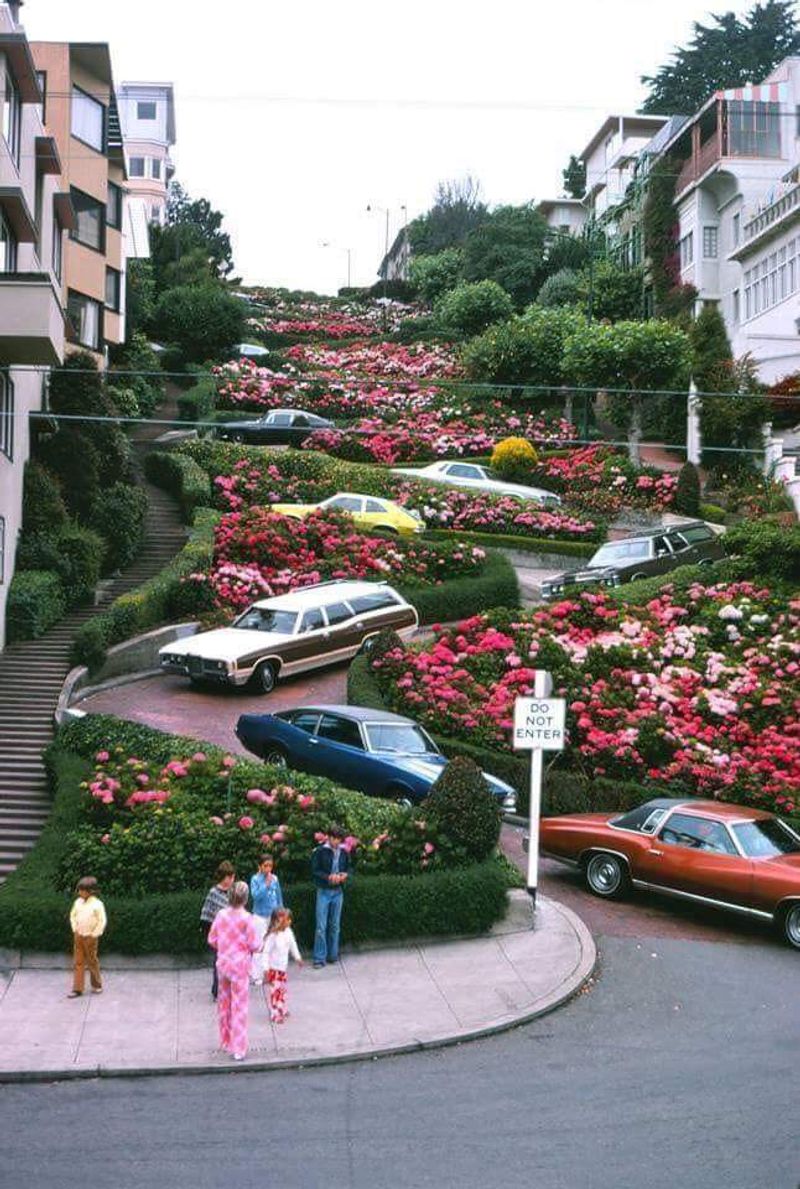
Navigating San Francisco’s streets requires attention and awareness, but holiday tourists often walk through the city with their eyes glued to phones and cameras, creating dangerous situations.
They step into crosswalks without looking, assuming cars will stop, even though San Francisco’s steep hills mean vehicles sometimes can’t brake as quickly as on flat streets.
Locals driving through their own neighborhoods find themselves constantly on edge, watching for tourists who dart into streets mid-block to get better photo angles or chase after cable cars.
Cyclists face particular dangers as tourists open car doors without checking for bike lanes or walk into protected cycling paths while staring at their phones.
The city’s complex intersection of bike lanes, bus-only lanes, and regular traffic lanes confuses visitors who block bike paths with rental cars or walk in lanes designated for buses.
Residents on bicycles who commute daily through these routes find themselves swerving around obstacles and shouting warnings to oblivious tourists.
Cable car operators constantly ring their bells to warn pedestrians stepping onto the tracks, but tourists often interpret the bells as quaint atmosphere rather than serious safety warnings.
Near Fisherman’s Wharf and Pier 39, the combination of heavy vehicle traffic, streetcars, bicycles, and thousands of distracted pedestrians creates chaos that locals try to avoid entirely.
The stress of simply driving or walking through tourist-heavy areas during the holidays makes residents feel unsafe in their own city, leading many to restrict their movements to less-visited neighborhoods until the season passes.
Housing Costs Rise As Short-Term Rentals Dominate
San Francisco’s already astronomical housing costs get worse during the holiday season as property owners convert long-term rentals into short-term vacation accommodations to capitalize on tourist demand.
Apartments that could house residents year-round instead cycle through visitors staying a few nights, reducing the available housing stock and driving up rents for everyone.
Neighbors who once knew everyone in their building find themselves living next to a rotating cast of strangers who treat the property like a hotel, making noise at all hours and not respecting building rules about quiet hours or shared spaces.
The sense of community that develops in apartment buildings disappears when half the units are short-term rentals.
Long-term residents deal with constant disruptions from suitcases rolling through hallways at midnight, tourists propping open security doors, and visitors who don’t understand how to properly dispose of trash or recycling.
Building maintenance suffers as the increased turnover creates more wear and tear on common areas, elevators, and facilities.
Property managers focus on serving the more profitable short-term guests rather than addressing the needs of permanent residents.
Some neighborhoods like the Marina, Pacific Heights, and parts of the Mission have seen significant percentages of housing stock converted to vacation rentals, fundamentally changing the character of residential blocks.
Families and long-term residents who want to build stable lives find themselves competing with tourists for housing, a competition they often lose because property owners can charge much more for nightly vacation rentals than monthly residential leases.
The housing crisis that defines San Francisco life intensifies during the holidays when tourism reaches its peak.
Emergency Services Get Slowed By Traffic Congestion
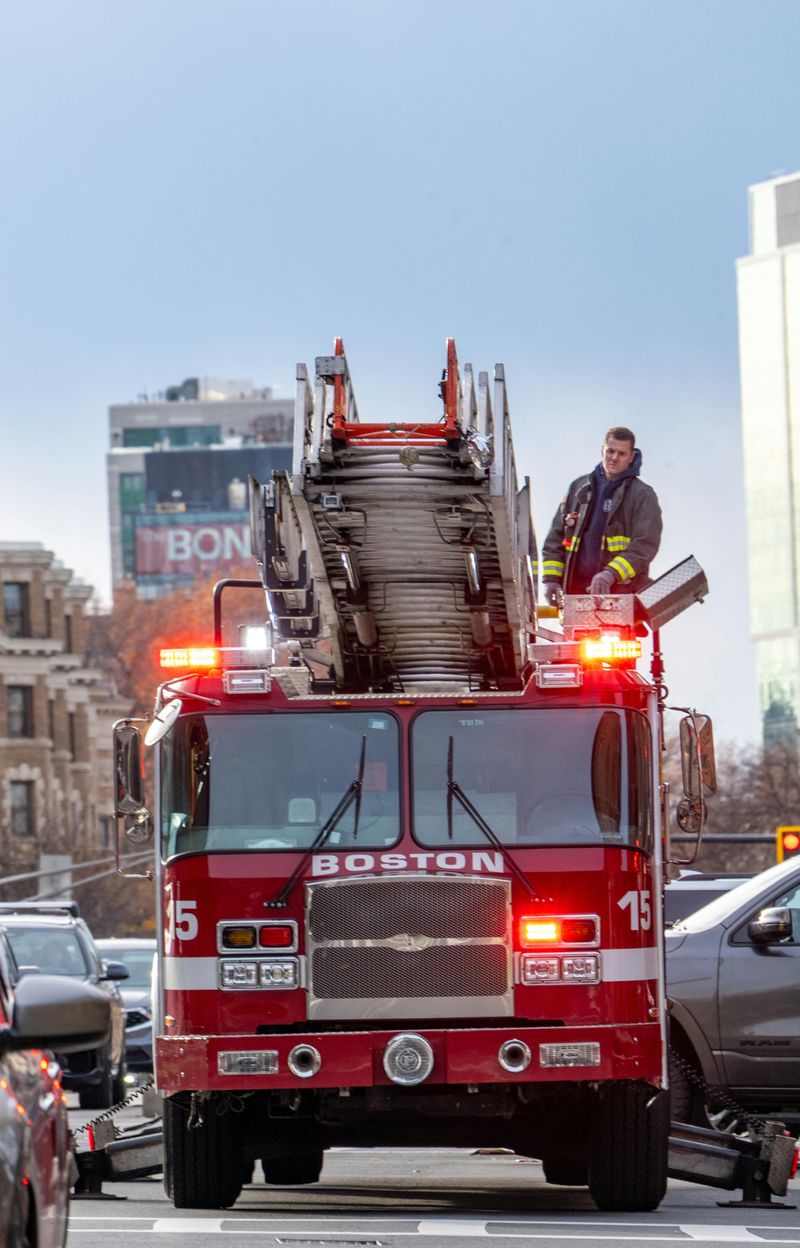
Fire trucks, ambulances, and police vehicles responding to emergencies face significant delays during the holiday season when tourist traffic clogs streets throughout the city.
San Francisco’s narrow streets and steep hills already present challenges for emergency response, but the addition of thousands of unfamiliar drivers who don’t know how to navigate the city or where to pull over makes situations worse.
Tourists in rental cars freeze up when they hear sirens, sometimes stopping in the middle of intersections or blocking lanes instead of pulling to the right as required.
The precious minutes lost while emergency vehicles navigate around confused tourists can mean the difference between saving a life and arriving too late.
Locals who witness these delays feel helpless and angry, knowing that their neighbors might not get timely medical care or fire protection because visitors have overwhelmed the city’s infrastructure.
Areas around Fisherman’s Wharf, Union Square, and the Golden Gate Bridge approach become particularly problematic, with gridlock conditions that make it nearly impossible for emergency vehicles to get through quickly.
Tour buses that block entire lanes while loading and unloading passengers create bottlenecks that ripple through surrounding streets.
Residents have heard stories of ambulances taking twice as long to reach hospitals during peak tourist season, and fire trucks struggling to access buildings because streets are blocked by illegally parked rental cars.
The knowledge that emergency response times suffer during the holidays creates anxiety for locals, especially those with medical conditions, elderly family members, or young children who might need urgent care.
This isn’t just an inconvenience but a genuine safety concern that affects the wellbeing of permanent residents.
Trash And Litter Overwhelm Neighborhood Streets
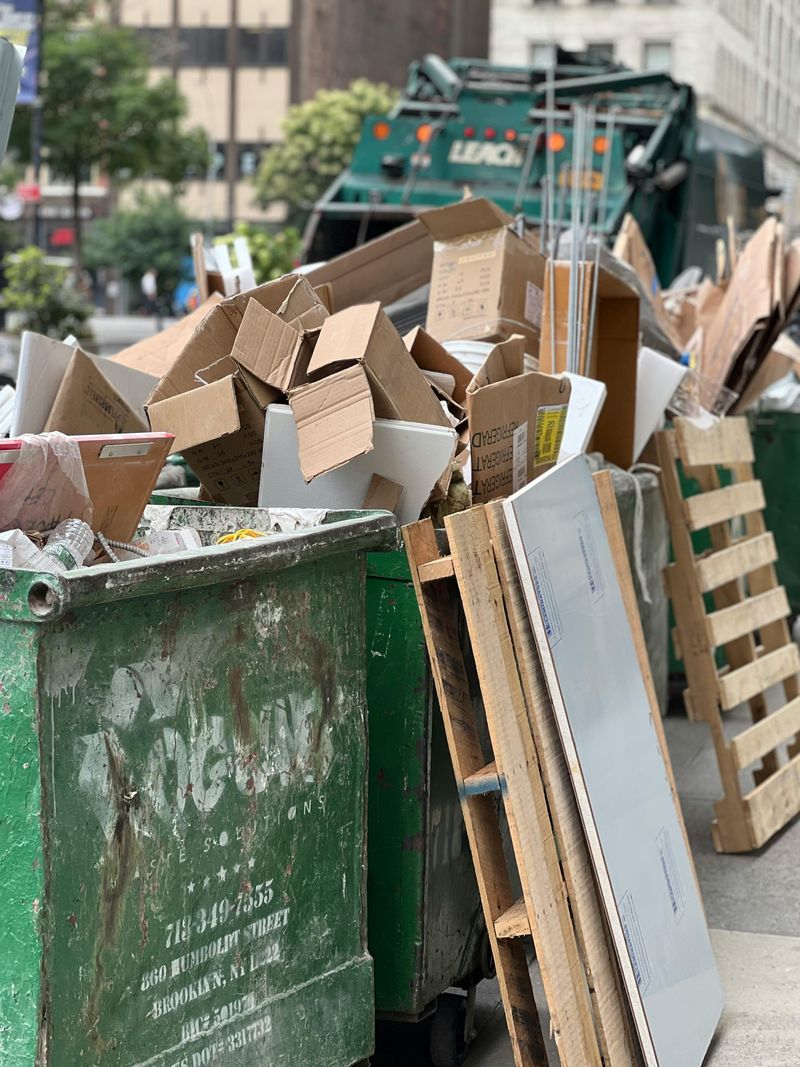
San Francisco’s streets struggle to stay clean during the holiday tourist season as the sheer volume of visitors produces trash that overwhelms the city’s sanitation services.
Popular areas like Fisherman’s Wharf, Pier 39, and Union Square see garbage cans overflowing by midday, with coffee cups, food wrappers, and shopping bags piling up on sidewalks.
Tourists unfamiliar with the city’s strict recycling and composting requirements throw everything into whatever bin is closest, contaminating carefully sorted waste streams that residents work hard to maintain.
Neighborhoods that pride themselves on cleanliness and environmental consciousness watch their streets become littered with disposable items as visitors consume takeout food and drinks while walking around.
Wind blowing off the bay scatters lightweight trash through residential blocks, where it collects in doorways and gets stuck in tree branches.
Residents spend their weekends picking up litter that tourists left behind, frustrated that they have to clean up after visitors who show no respect for the city’s appearance.
Popular photo locations become particularly bad, with tourists leaving behind water bottles, snack packages, and even disposable cameras after getting their shots.
The Painted Ladies viewing area at Alamo Square often looks like the aftermath of a concert by evening, despite trash cans being available nearby.
Locals who walk their dogs or jog through parks find themselves navigating around scattered garbage, and the beauty of San Francisco’s natural and architectural landmarks gets diminished by the visible evidence of overcrowding.
The environmental impact concerns residents who chose to live in San Francisco partly for its progressive environmental values and commitment to sustainability.
Dear Reader: This page may contain affiliate links which may earn a commission if you click through and make a purchase. Our independent journalism is not influenced by any advertiser or commercial initiative unless it is clearly marked as sponsored content. As travel products change, please be sure to reconfirm all details and stay up to date with current events to ensure a safe and successful trip.
